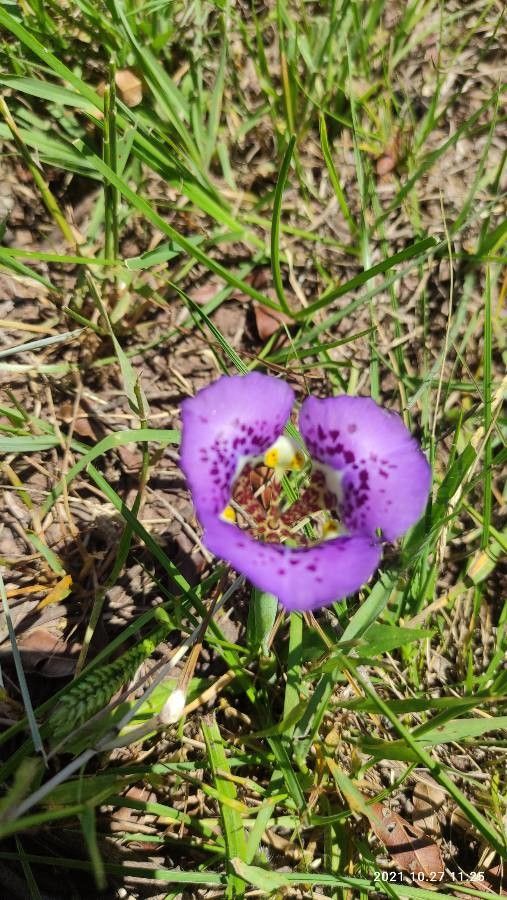
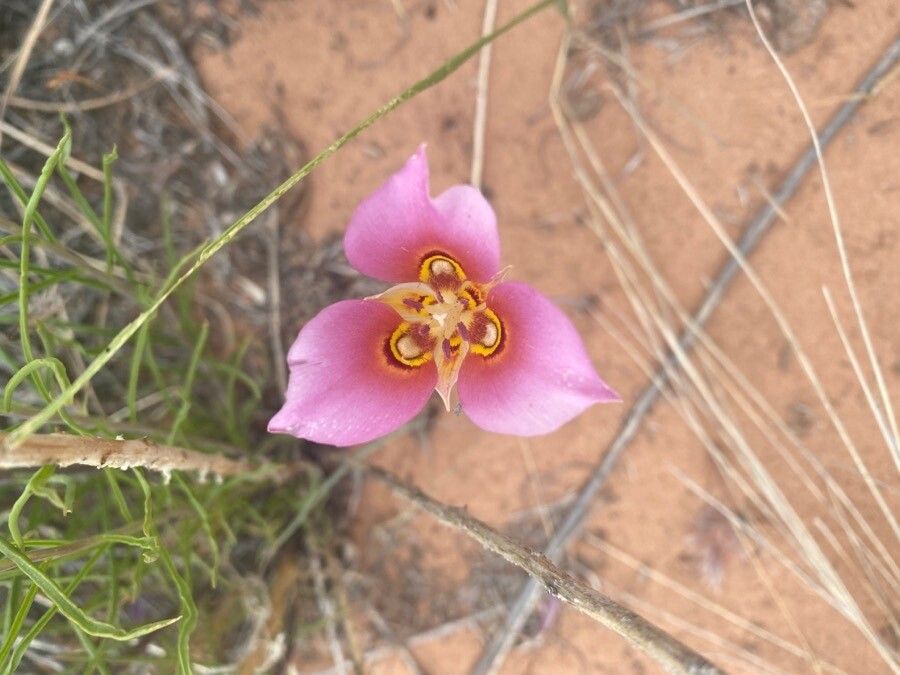
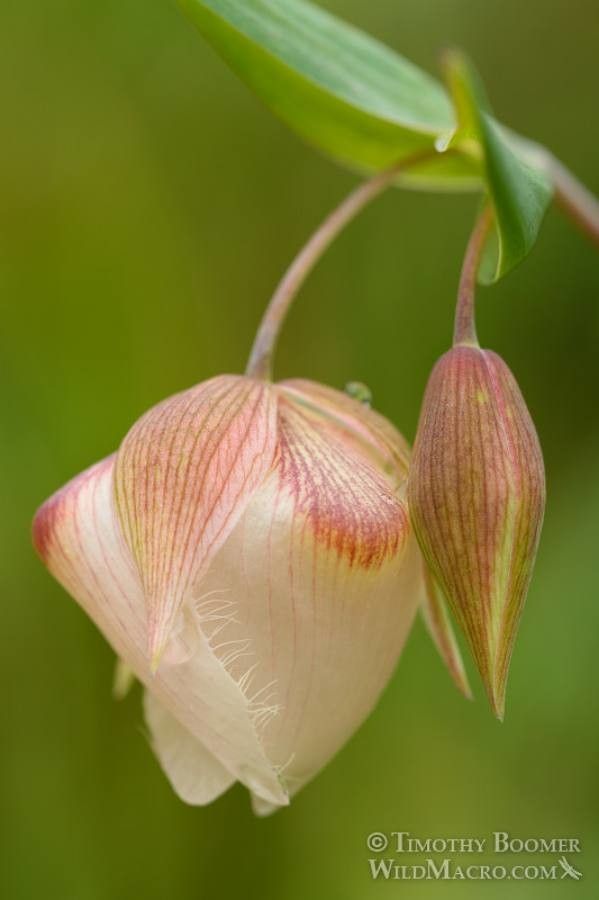
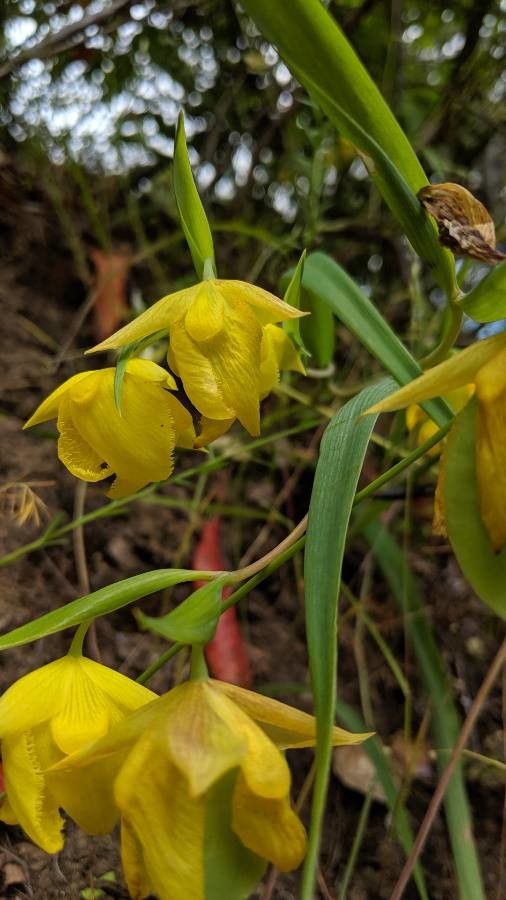
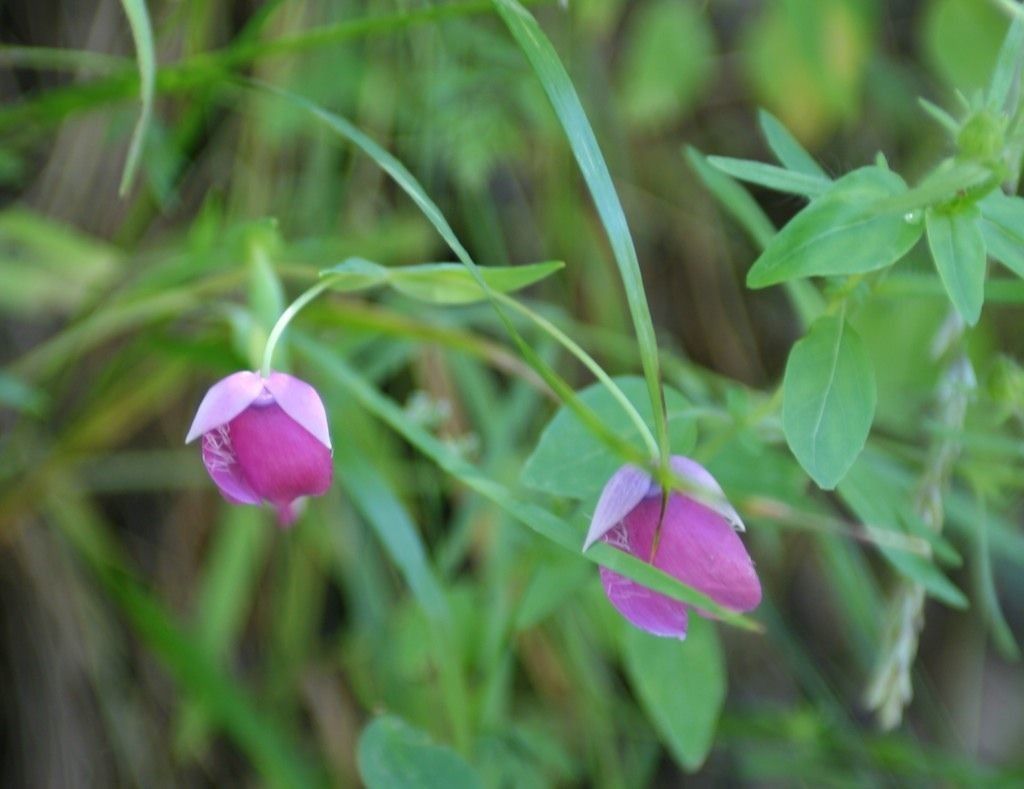
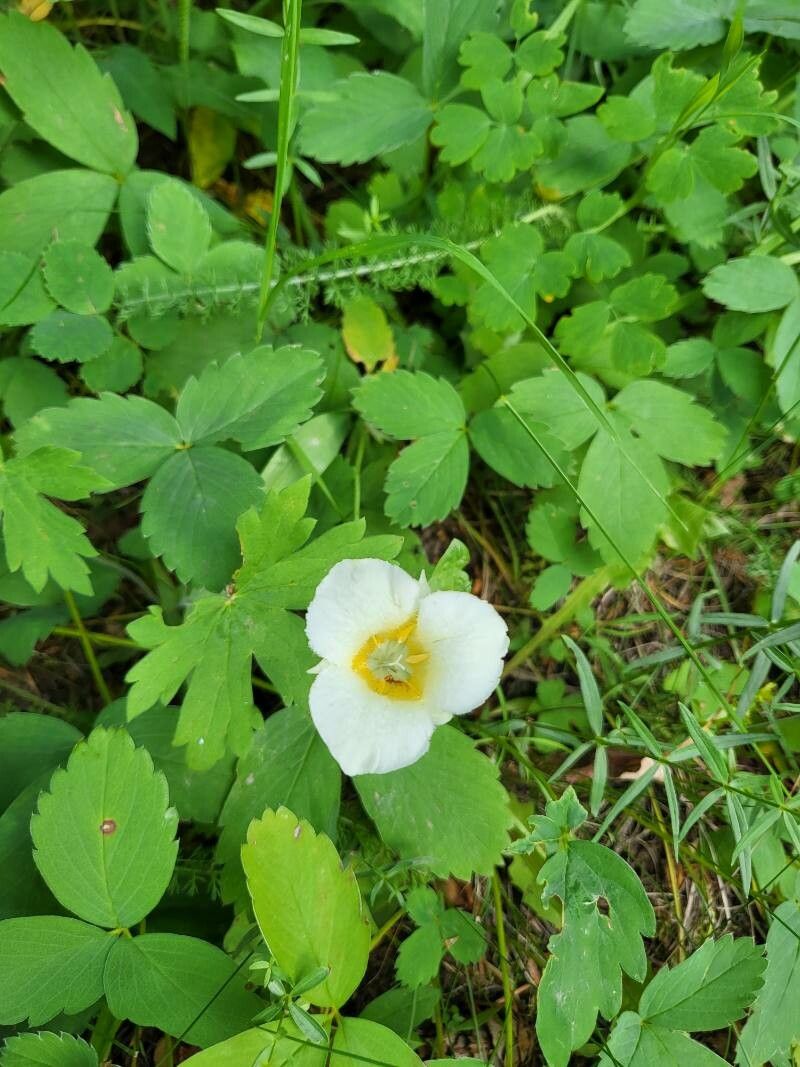
Calochortus venustus is a California species of flowering plants in the lily family known by the common name butterfly mariposa lily. It is a perennial herb that grows in grasslands and open wooded areas.
Butterfly mariposa lily has strong disease resistance and is generally not prone to illnesses. However, it can be affected by pests and diseases present in its surroundings. These infections tend to be mild. For care, this plant needs moderate maintenance. It requires regular pruning to preserve a good appearance and healthy growth. Fertilizing can also help encourage flowering. Butterfly mariposa lily is well suited for anyone with outdoor space, such as a garden or patio, and does not demand extensive gardening experience. It may need more attention if kept indoors.
How to keep Calochortus Venustus.
Light
The butterfly mariposa lily prefers abundant light for its best growth. It comes from habitats where light was plentiful throughout the day. Ample light is beneficial at every stage of its development. While it can cope with lower light levels, those conditions can negatively affect its health and growth.
Water
The butterfly mariposa lily thrives with moderate watering, ideally once a week, to maintain consistent moisture. While it is resilient to short dry periods, it flourishes best with regular hydration. Typically grown outdoors, this plant benefits from seasonal rainfall, which enhances its flowering and overall vitality.
Temperature
The butterfly mariposa lily does well in temperatures ranging from 32 to 90 °F (0 to 32 ℃), consistent with its native habitats. Across the seasons, slight temperature adjustments may be required when there are sudden weather changes.
Fertilizer
The primary time to fertilize Butterfly mariposa lily is in early spring, when the flowers are forming. The correct fertilizer promotes better blooms and helps Butterfly mariposa lily produce attractive flowers. Fertilizing in early spring ensures strong flowering during the season and provides energy for dormant growth phases.
Pruning
The Butterfly Mariposa Lily is known for its vibrant, butterfly-like blooms. For optimal health, it's best to prune the plant from early to late spring. During pruning, remove spent flowers and cut away any damaged foliage. This practice encourages growth, improves air circulation, reduces the risk of disease, and keeps the plant looking tidy. Make sure to use clean, sharp tools for precise cuts.
Pot & Repot
Repot the butterfly mariposa lily every 2 to 3 years in the spring. Use a moderately-sized pot with excellent drainage to support its growth. Keep the soil consistently moist, but be careful not to overwater, as this can promote healthy recovery and encourage blooming. Handle the plant carefully during repotting to minimize the risk of transplant shock.
Botanical profile.
- Plant Type
- Herb
- Life Cycle
- Perennial
- Genus
- Calochortus
- Family
- Liliaceae
- Hardiness Zone
- 3-7
- Mature Height
- 20 cm
- Mature Spread
- 10 cm
- Leaf Color
- Green
- Leaf Type
- Deciduous
- Flower Color
- White, Pink, Purple
- Flower Size
- 3.81 cm to 6.35 cm
- Bloom Time
- Late spring, Early summer
- Planting Time
- Spring, Summer
- Harvest Time
- Mid summer, Late summer
Other names.
Reader questions.
How should I water my Butterfly mariposa lily?
To ensure the health of the Butterfly mariposa lily, it is best to water it with filtered water at room temperature. Tap water may contain harmful particles, so using filtered water is preferred. The water should be at room temperature or slightly warmer because the plant is accustomed to a warmer environment, and cold water may shock it. It's also important to avoid overhead watering, as this can lead to issues with the plant's foliage. Instead, apply filtered room temperature water directly to the soil until it is completely soaked. This will help moisten the roots and encourage their growth and nutrient intake.
What are the sunlight requirements for a Butterfly Mariposa Lily?
The Butterfly Mariposa Lily thrives in full sun, requiring more than 6 hours of sunlight daily to ensure optimal growth. The plant originated in habitats with abundant light exposure throughout the day. Observing how sunlight moves through your garden and picking locations that offer a good balance of light and shade can significantly boost the plant's health and development. Inadequate sunlight can affect the plant negatively, although it's capable of surviving in lesser light conditions.
What is the ideal temperature range for a Butterfly Mariposa Lily?
The Butterfly Mariposa Lily, also known as Calochortus venustus, thrives in a temperature range from 32 to 90 °F (0 to 32 °C). This range is indicative of its adaptability to various climates, closely mirroring its native habitats. To accommodate minor fluctuations in weather, slight adjustments to these conditions might be necessary, mainly due to sudden changes in temperature.
What should I do if I give my Butterfly mariposa lily too much or too little water?
Overwatering is a more common issue than underwatering for the Butterfly mariposa lily. If the plant receives too much water, its stems and leaves may wilt and turn yellow. Prolonged overwatering can also lead to root rot, mold, and mildew, which can be fatal. The Butterfly mariposa lily has good drought tolerance, so underwatering is less likely. However, if it happens, the leaves will become brittle and brown. It's important to catch signs of overwatering early, as some diseases, like root rot, may not be fixable if you wait too long. To address overwatering, reduce your watering schedule and ensure the soil drains well. If the plant is not receiving enough water, simply water it more regularly.
How can artificial lighting support the growth of the Butterfly Mariposa Lily indoors?
Indoor Butterfly Mariposa Lilies may require artificial lighting to grow optimally, especially when natural sunlight is insufficient, like in winter or less sunny areas of the home. Artificial light sources, such as LED lights, are excellent because they can provide specific light wavelengths needed by plants. For full sun plants, 30-50W per square foot is advisable; partial sun plants need 20-30W, and full shade plants require 10-20W. The light should be placed 12-36 inches above the plant to mimic natural sunlight conditions, ensuring the plant receives 8-12 hours of light per day.
How does the Butterfly Mariposa Lily react to cold weather?
Butterfly Mariposa Lily exhibits a high degree of cold tolerance and generally does not require additional measures for frost protection during the winter months. To prepare for the first freeze of autumn, it's advisable to water the plant abundantly. This practice ensures that the soil remains moist when it enters a frozen state, effectively preventing drought and water scarcity for the lily throughout the winter and into early spring.
How often should I water my Butterfly mariposa lily plant?
If your Butterfly mariposa lily is in a pot, you can check if it needs water by sticking your finger into the soil. If the top two to three inches of soil feel dry, it's time to water it. If you have the plant planted in the ground, you can still use the same method to check the soil moisture. When the top few inches of soil have dried out, it's time to give it some water. Usually, in the spring and early fall, you'll need to water the plant about once a week using this method. However, during very hot weather, you may need to water it two or more times a week. It's important to note that mature, well-established Butterfly mariposa lilies can tolerate dry conditions quite well.
What are the common symptoms of light deficiency in Butterfly Mariposa Lilies?
Light deficiency in Butterfly Mariposa Lilies can result in several symptoms, including smaller new leaves, leggy or sparse growth, faster leaf drop, slower or no new growth, lighter-colored new leaves, chlorosis, sunscald, leaf curling, wilting, and leaf scorching. These symptoms indicate the plant is not receiving adequate sunlight, affecting its health, growth, and ability to photosynthesize effectively.
What should be done if the Butterfly Mariposa Lily experiences temperatures below its cold threshold?
Despite its remarkable cold tolerance, the Butterfly Mariposa Lily may struggle if winter temperatures fall below -35°C. In such cases, while there might not be visible damage during the winter, you could notice a reduction or absence of sprouting in the spring. The recommended course of action is to remove any parts of the plant that fail to sprout once warmer temperatures return.
How much water does my Butterfly mariposa lily require?
To properly water your Butterfly mariposa lily, make sure the top two to three inches of soil are dry. It's important to give the plant a thorough watering, so soak the soil completely. Use enough water to let the excess water drain out of the pot's drainage holes. If you don't see any excess water, you may have underwatered the plant. Avoid letting the water accumulate in the soil, as this can harm the plant. Additionally, if the water is not draining properly, it could indicate a problem with poorly draining soil, which is not good for the plant's health. If the plant is outside, about 1 inch of rain per week should be enough.
How can you address and prevent light deficiency issues in Butterfly Mariposa Lilies?
To prevent light deficiency in Butterfly Mariposa Lilies, gradually move the plants to sunnier locations each week until they receive at least 6 hours of direct sunlight daily. For indoor plants, consider using artificial lighting if the plant is large or not easily movable, ensuring it gets at least 8 hours of light daily. For outdoor plants, avoid sudden changes in light intensity to prevent sunburn. If necessary, prune trees or transplant smaller plants to areas with better sunlight and drainage to reduce obstructions and ensure healthy new growth.
How should I care for a Butterfly Mariposa Lily during high temperatures?
The Butterfly Mariposa Lily is vulnerable to high temperatures, especially those exceeding 32°C, at which point its growth may halt, and it becomes prone to rot. Care during such conditions involves trimming away sunburned or dried parts of the plant. It's also beneficial to relocate the plant to a shaded area or utilize a shade cloth to protect it from the intense midday and afternoon sun. To assist in keeping the plant healthy, water it in the early morning and evening to maintain soil moisture.