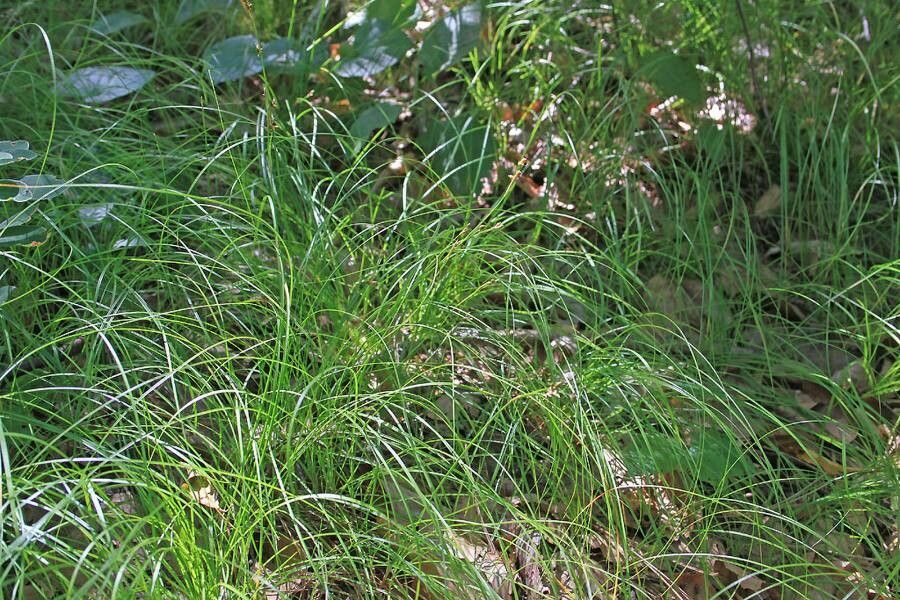
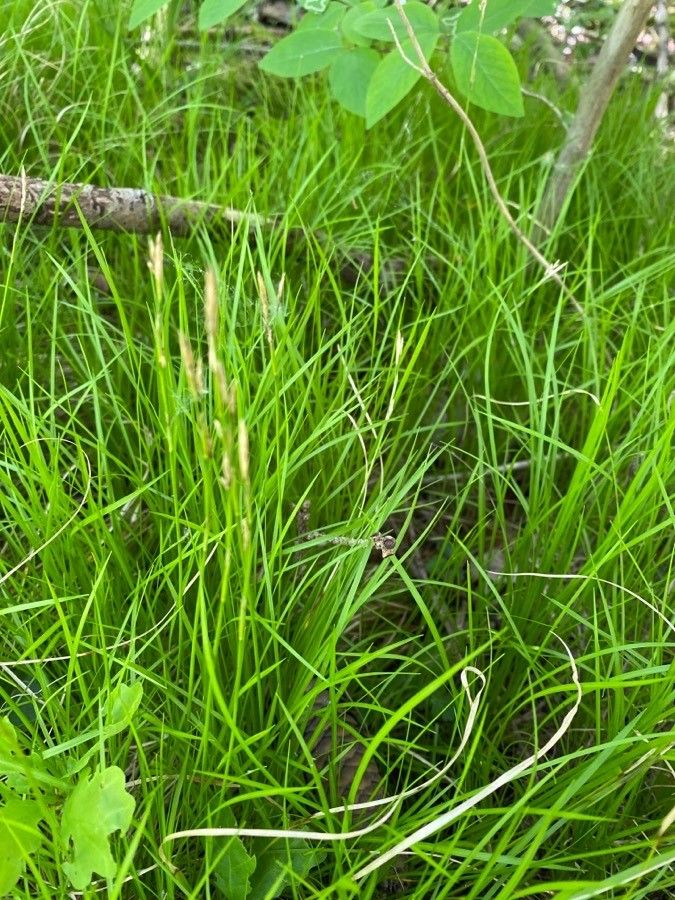
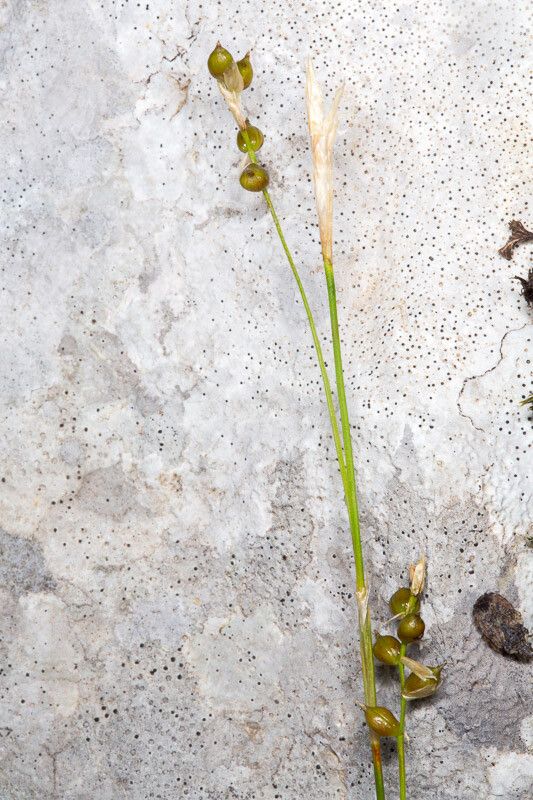
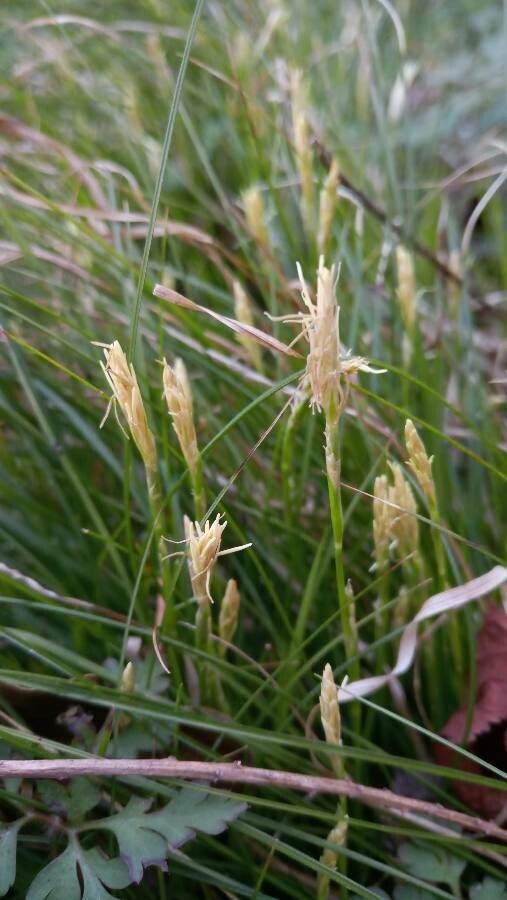
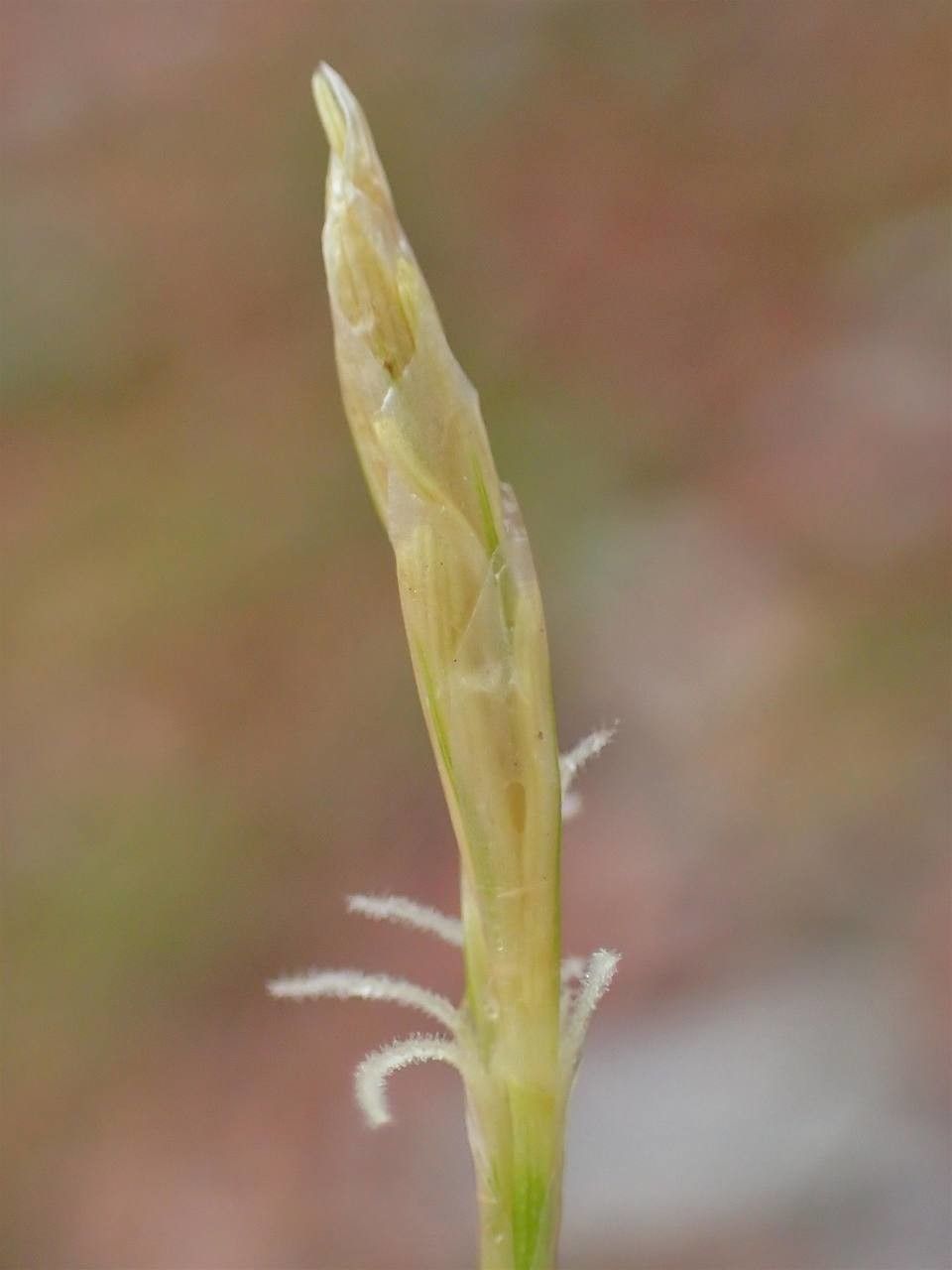
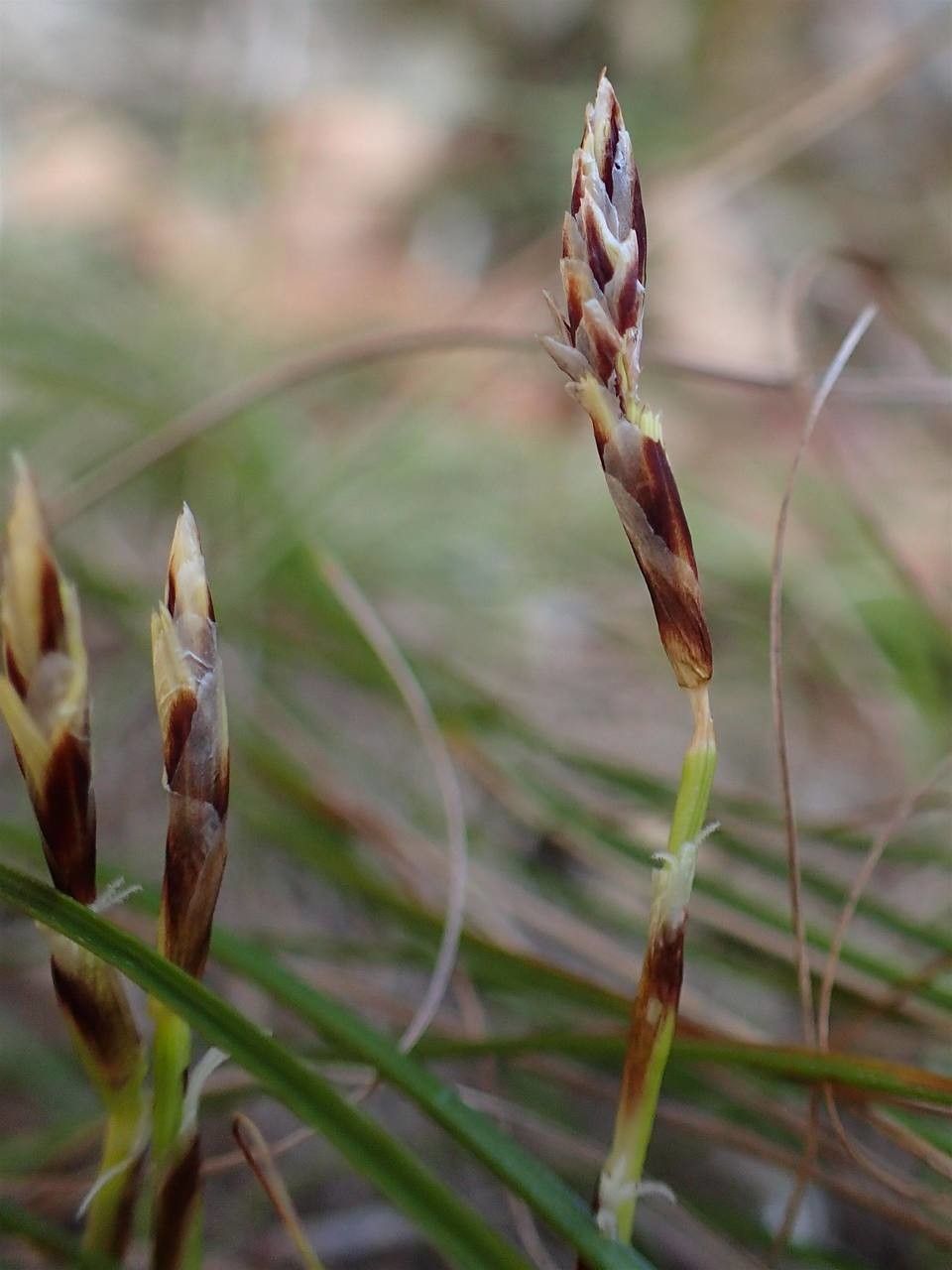
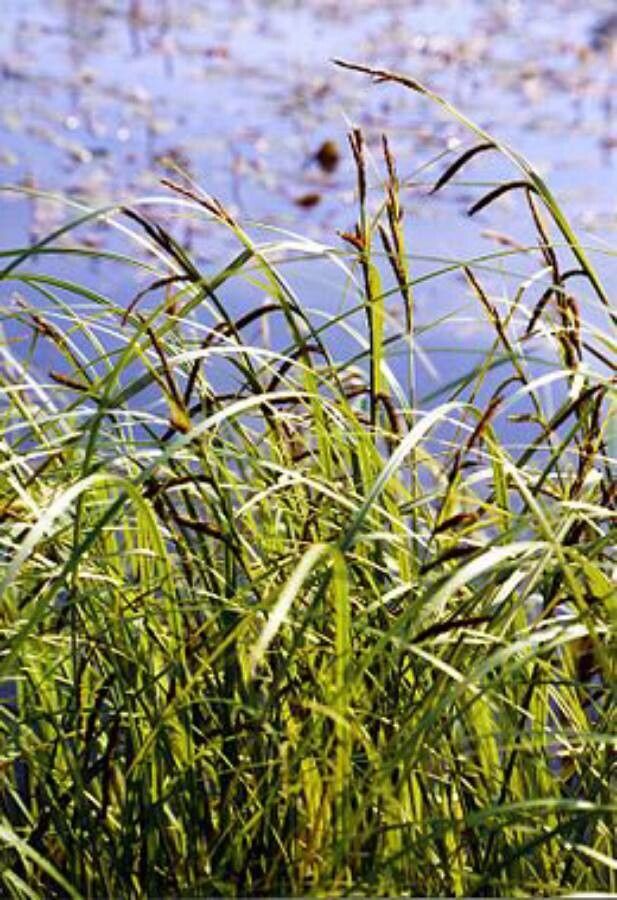
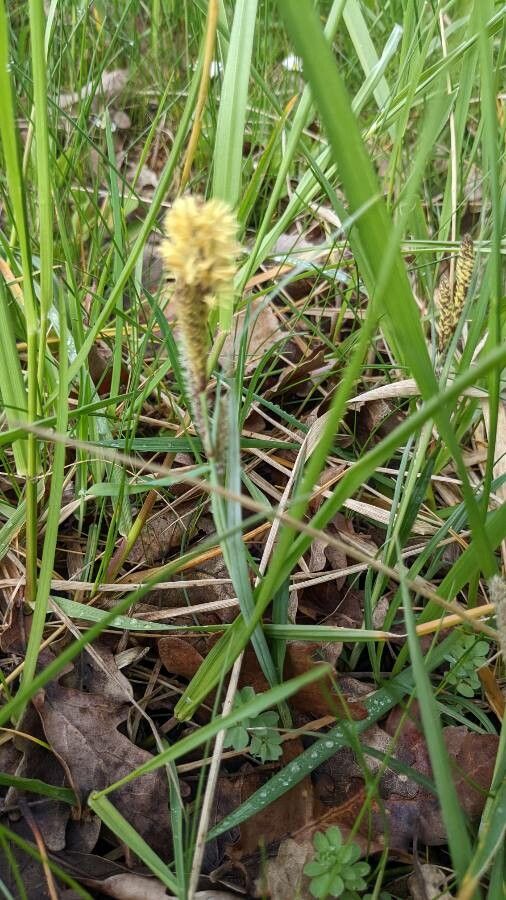
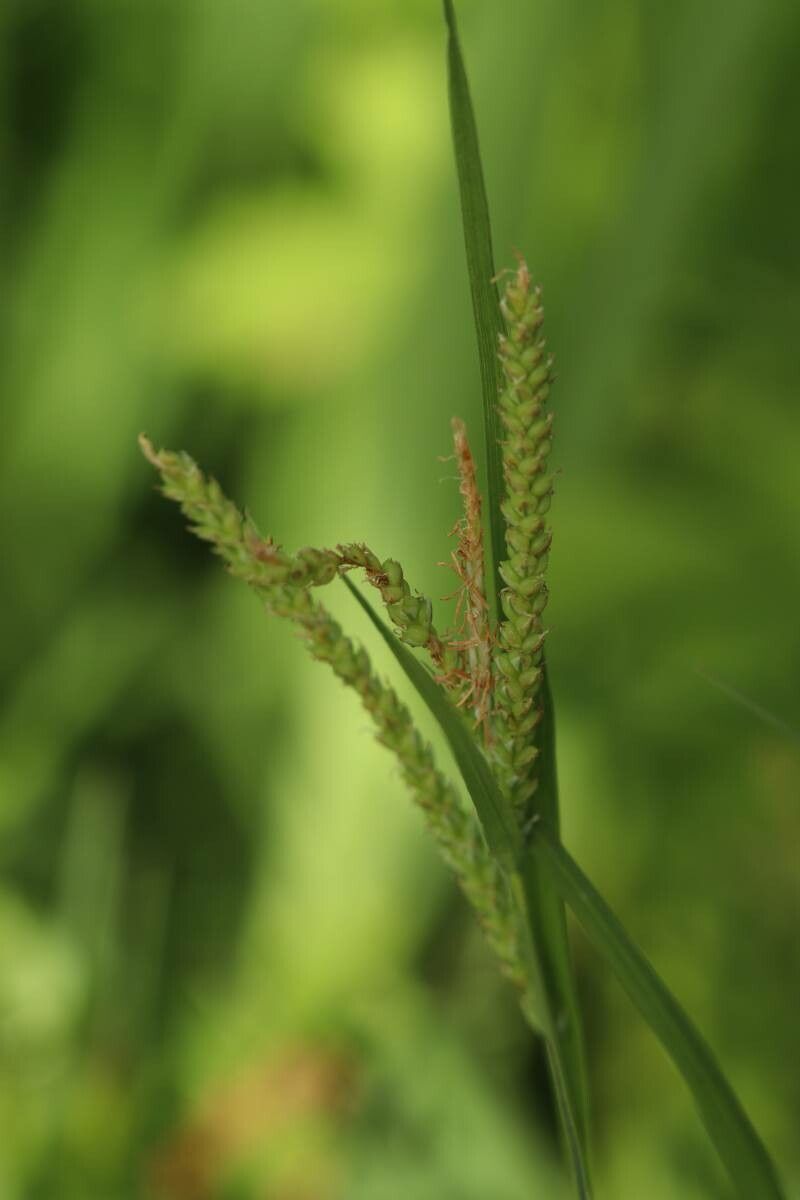
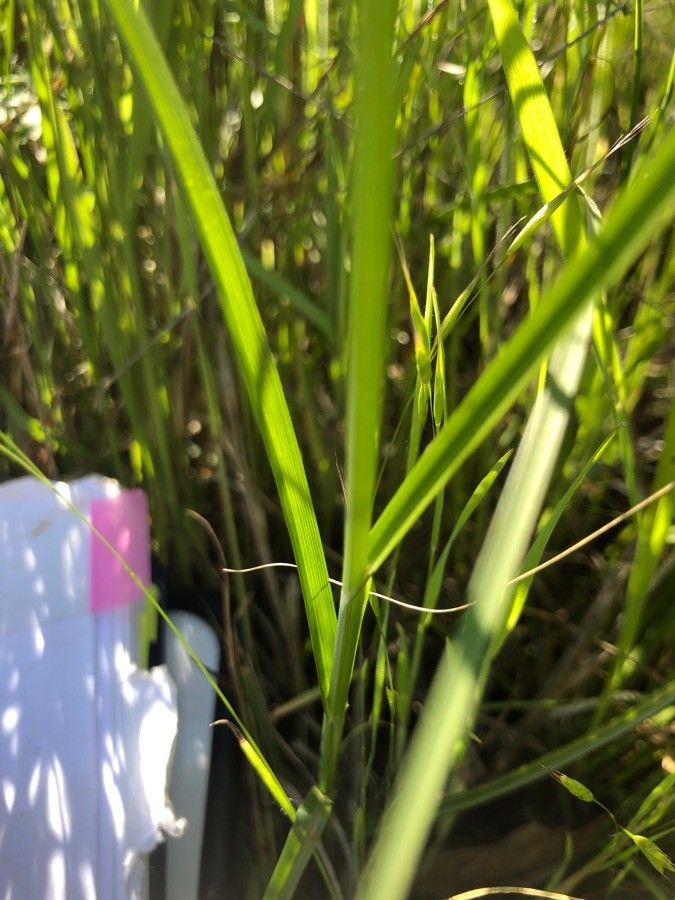
Carex alba, called the small white sedge, white-flowered sedge or just white sedge (a name it shares with other members of its genus), is a species of sedge in the family Cyperaceae. It is typically found in temperate forests of Eurasia, from the Pyrenees to the Russian Far East. It is the main host plant for the woodland brown, Lopinga achine.
Bristleleaf sedge has strong disease resistance and is usually not susceptible to illnesses. Regarding care, this plant is fairly low maintenance. When grown outdoors it needs little watering, and larger specimens typically do not require pruning. Smaller plants, however, should be pruned after they finish blooming. Bristleleaf sedge is appropriate for anyone with an outdoor area, such as a garden or deck, and does not demand much care experience.
How to keep Carex Alba.
Light
Bristleleaf sedge mainly grows best where it receives a moderate amount of sunlight. However, it is quite adaptable and can stay healthy in places with lower light. In its natural habitat, it is often found in locations sheltered from excessive light. Too much sun can scorch its leaves, while too little sun can impede its growth.
Water
White sedge, which originates from cool and moist climates, thrives best with consistent moisture. It can handle brief periods of dryness but should be watered weekly to stay well-hydrated. This plant flourishes in temperate outdoor gardens, benefiting from natural rainfall. To mimic its native habitat, it's important to keep the soil evenly damp, reflecting the humidity levels it naturally prefers.
Temperature
Bristleleaf sedge originates from regions where temperature is the dominant factor, with temperatures ranging from 32 to 90 °F (0 to 32 °C). Because it prefers cooler conditions, adjusting temperatures during extreme seasons is recommended to ensure its growth.
Fertilizer
Bristleleaf sedge needs extra nutrients to encourage healthy new growth. In spring, spreading some compost around the plant’s base can properly supply the nutrition it requires. Fertilizing helps promote vigorous growth and improves the plant’s resistance to diseases and pests.
Pruning
To promote healthy growth, prune white sedge in early spring by removing any dead foliage. Regular thinning helps prevent overcrowding and improves air circulation. Use sharp tools to make clean cuts at the base, ensuring a tidy appearance and maintaining the plant's overall health.
Botanical profile.
- Plant Type
- Grass
- Life Cycle
- Perennial
- Genus
- Carex
- Family
- Cyperaceae
- Hardiness Zone
- 2-8
- Mature Height
- 15 cm to 30 cm
- Mature Spread
- 30 cm
- Leaf Color
- Green
- Leaf Type
- Evergreen
- Flower Color
- Yellow, Green
- Flower Size
- 2.54 cm
- Bloom Time
- Mid spring, Late spring
- Planting Time
- Spring, Summer
- Harvest Time
- Early summer, Mid summer
Other names.
Reader questions.
What should I do if I give my White sedge plant too much or too little water?
If you don't water this beautiful ornamental grass properly, it won't perform well. When it's planted in the ground, watering issues can be fixed, but in a container, giving it too much or too little water will quickly kill it. If the white sedge isn't getting the right amount of water, it may stop growing. Overwatering will cause yellow leaves with brown tips. Underwatering will result in drooping leaves, weak seed head production, and browned leaves. If you suspect your white sedge has been watered improperly, first determine if it's getting too much or too little water. If it's getting too much, stop watering immediately. It may take a few weeks for heavy soil to dry out, so be patient. As soon as you see new growth, test the soil for moisture and decide if it needs more water. If it's getting too little water, simply give it a nice, deep drink and see if it improves. Remember, a long, deep watering is better than frequent shallow waterings. This encourages deep root growth, making the grass more resistant to drought and water-related problems.
How much sunlight does White sedge (Carex alba) require?
White sedge, known botanically as Carex alba, has specific sunlight requirements to thrive. It needs 'Full sun' which is defined as above 6 hours of sunlight daily for optimal growth. Alternatively, it can also tolerate 'Partial sun' conditions, meaning it should receive about 3-6 hours of sunlight each day. It's important to observe the way sunlight moves through your garden over the course of the day. Choosing spots that offer the right balance of light and shade will ensure your White sedge plants are happy and healthy.
How often should I water my White sedge plant?
The watering needs of White sedge depend on its location. In general, watering once a week is sufficient. However, in hot climates, watering once or twice a week during summer may be necessary. In moderate climates, watering once every seven days or more may be enough. Grass in containers usually requires more frequent watering than grass in the ground. The location of the grass also plays a role, with shaded grass requiring less frequent watering than grass in the ground. It is important to water White sedge only when the soil is dry. You can check soil moisture by pressing your finger a couple of inches into the soil or weighing the pot to feel if it is light. Insufficient water may cause the blades to appear folded and thinner. Despite its drought tolerance, regular, deep waterings will maintain the grass's beautiful color. Even though White sedge is drought resistant, it still requires care and attention. During establishment, it will need more frequent watering until its roots are deep. Potted White sedge dries out quickly, especially in direct sun. Test the soil every 3 to 4 days and water only when it feels dry. White sedge in the ground generally requires less watering, but this depends on the soil type. Clay soil retains moisture below the surface and may feel dry at the top, while sandy soils drain quickly and may need more frequent watering.
What do I need to watch out for when I water my White sedge in different seasons, climates, or during different stages of growth?
To determine if you are watering properly, pay attention to the rate at which your grasses are growing. For instance, white sedge tends to double in size during the hottest months of the year. If the weather is hot but the grass isn't growing vigorously, it may be necessary to adjust the watering schedule. In winter, you might be able to water just once a month, but it's still important to check the soil for moisture. During the warmest months when the grass is actively growing, it will require more water than usual. However, during winter and cooler months, the water needs will decrease significantly. Remember that it is crucial for the soil to dry out completely before watering white sedge.