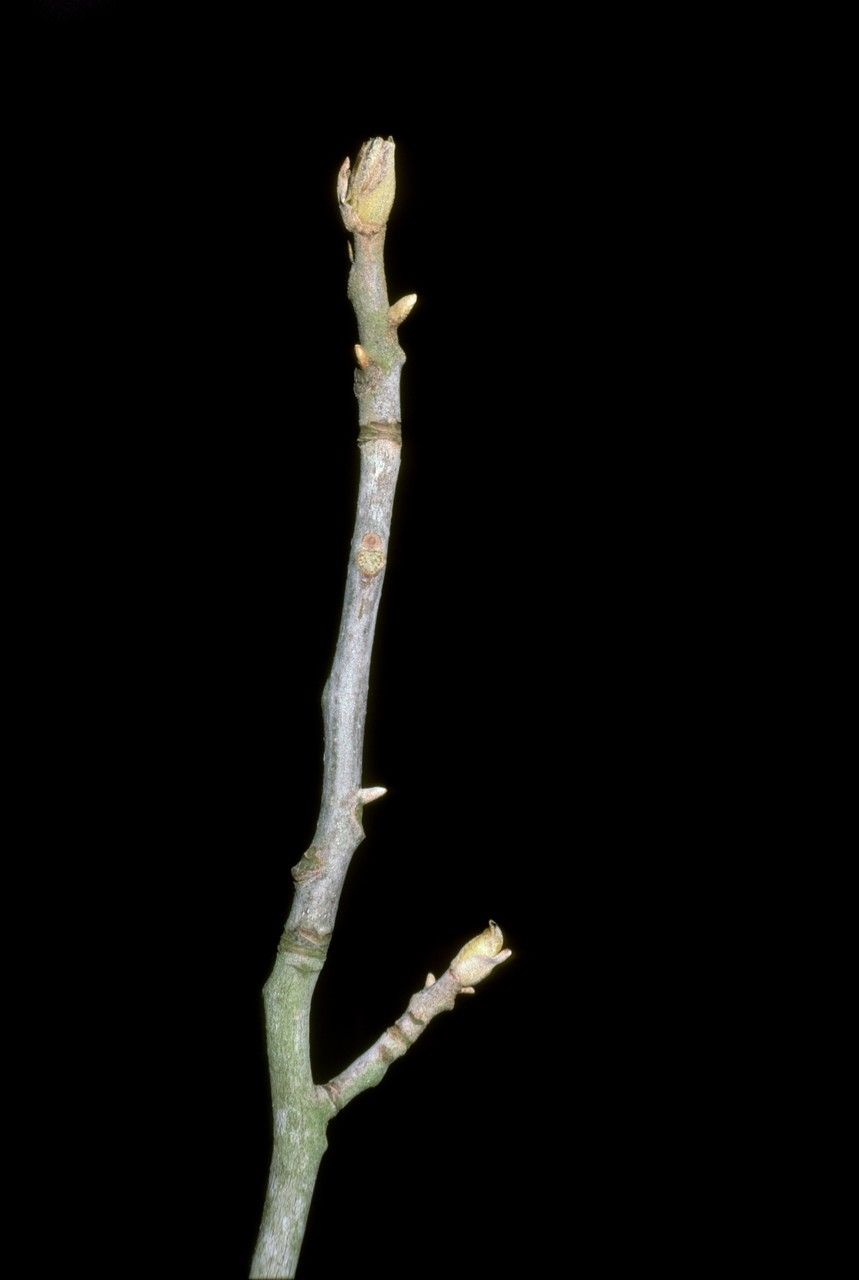
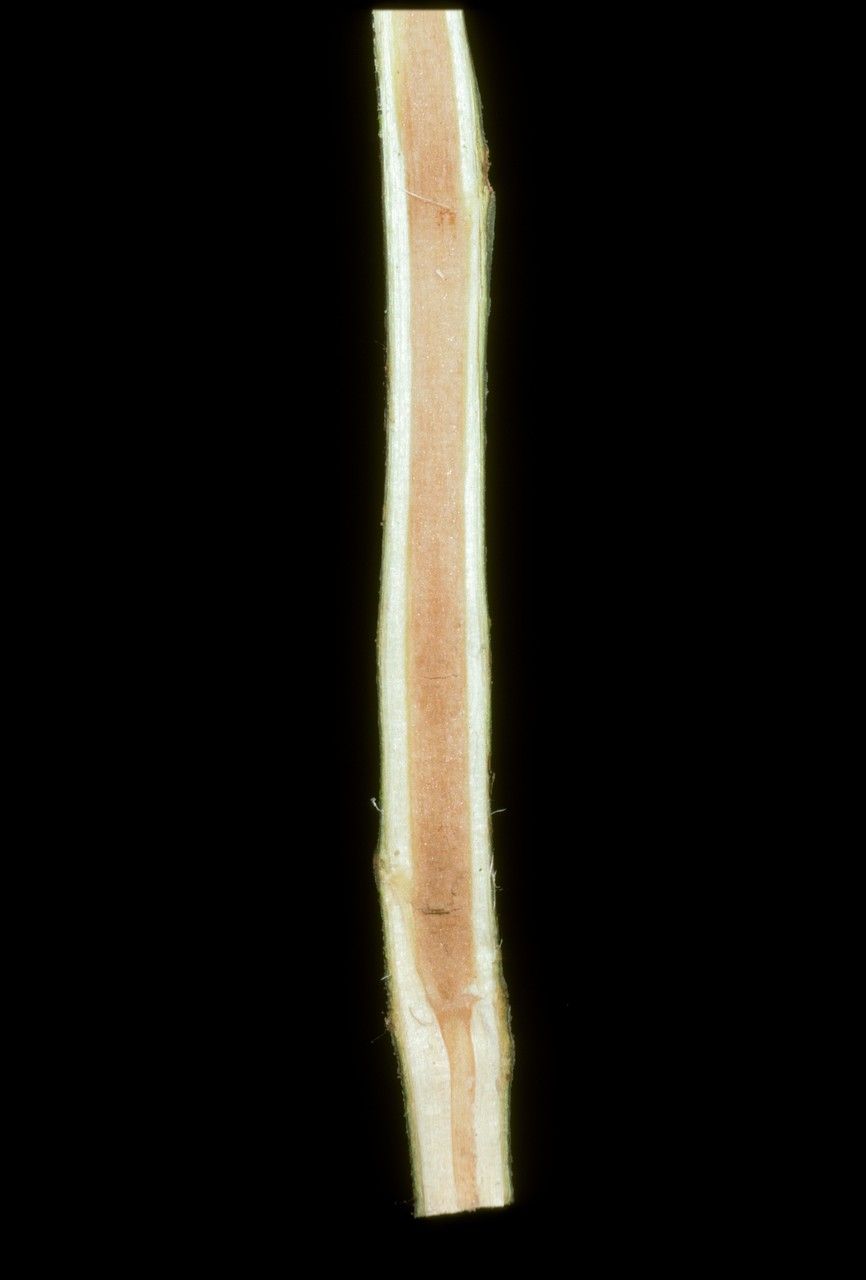
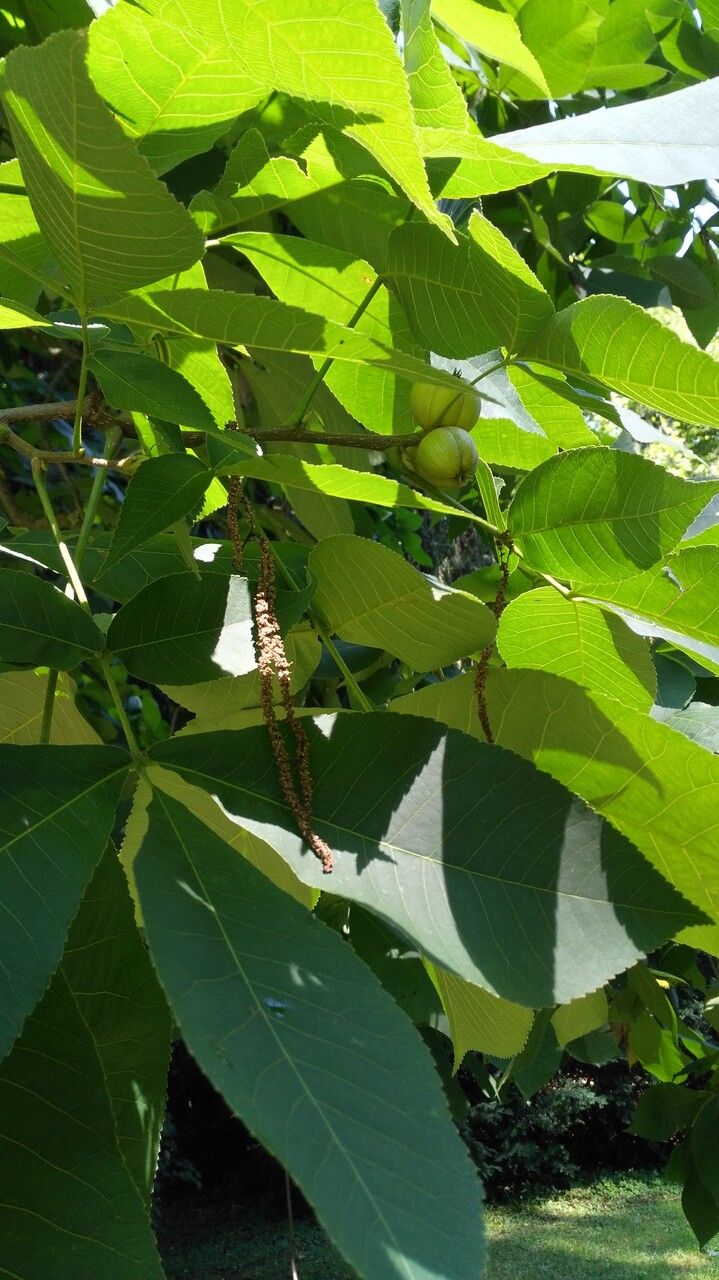
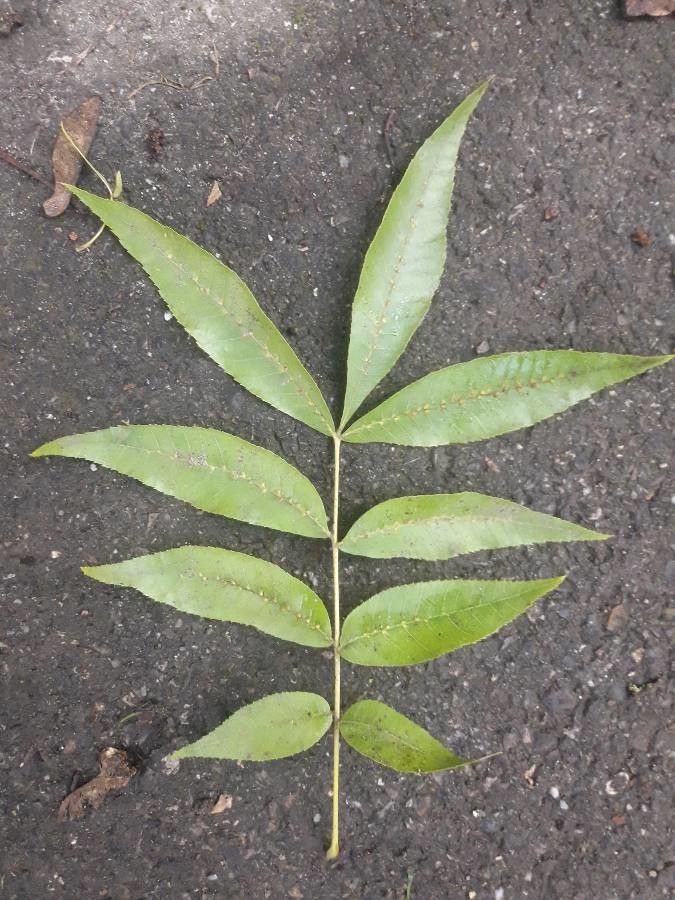
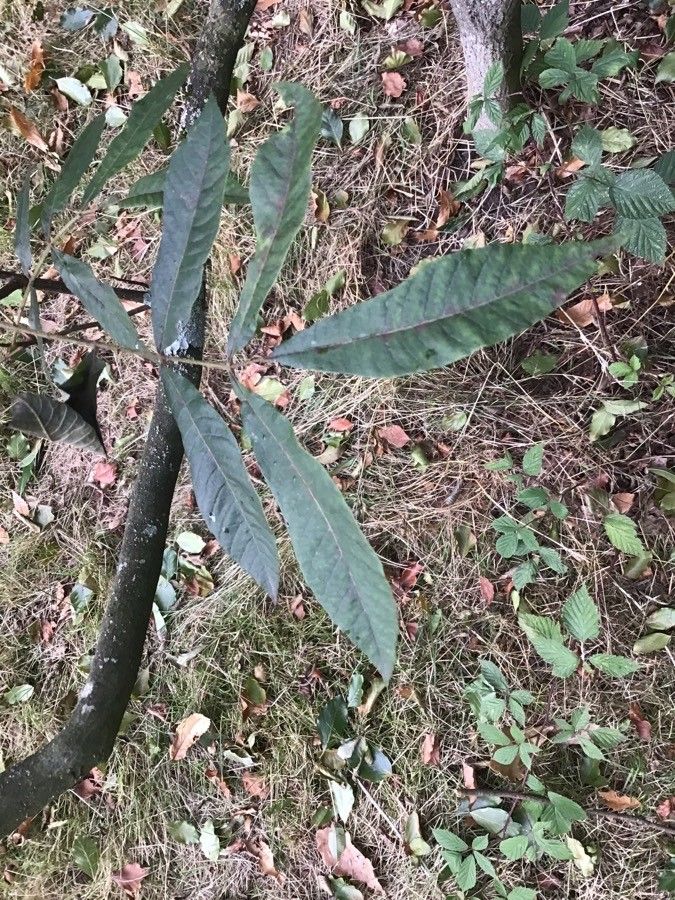
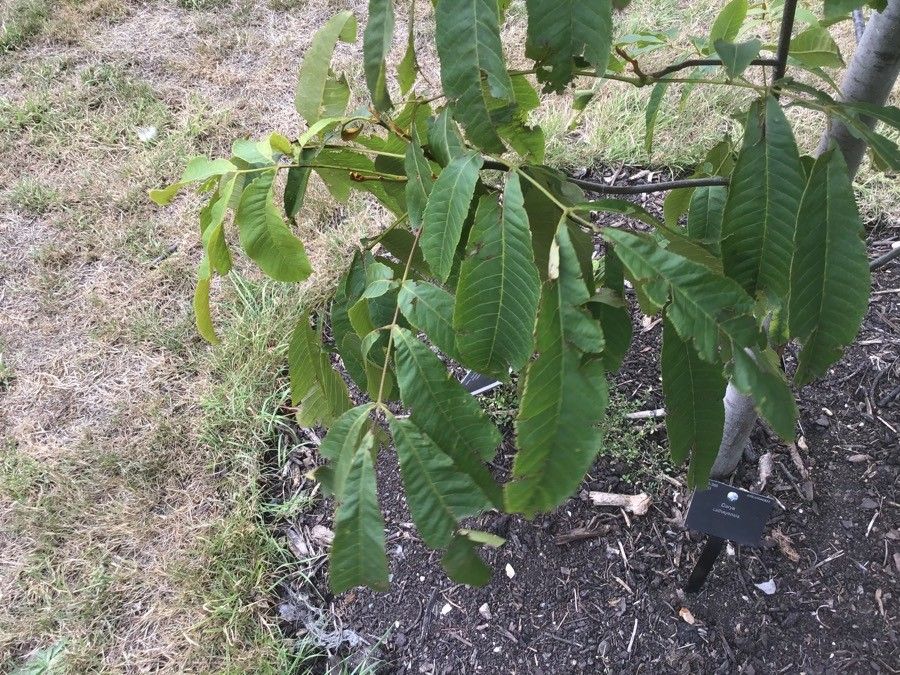
Carya myristiciformis, the nutmeg hickory, a tree of the Juglandaceae or walnut family, also called swamp hickory or bitter water hickory, is found as small, possibly relict populations across the Southern United States and in northern Mexico on rich moist soils of higher bottom lands and stream banks. Little is known of the growth rate of nutmeg hickory. Logs and lumber are sold mixed with other hickories. The nuts are an oil-rich food for wildlife.
Nutmeg hickory displays strong resistance to disease and is generally not susceptible to ailments. Regarding care, this plant is fairly low-maintenance. When grown outdoors it needs only light watering, and larger specimens ordinarily do not require pruning. Smaller plants, however, should be pruned after they finish blooming. Nutmeg hickoryt is suitable for anyone with an outdoor area, such as a garden or deck, and does not demand extensive plant-care experience.
How to keep Carya Myristiciformis.
Light
Nutmeg hickory is native to open areas like sunlit fields and the borders of woodlands, where there is plenty of light. It does well in complete sunlight yet can also withstand periods of partial sunlight, showing a good adaptation to different levels of sun exposure.
Water
The nutmeg hickory, which thrives in the moist understories of forests, prefers consistent moisture but can tolerate brief periods of dryness. Weekly watering encourages lush growth, especially when supplemented by natural rainfall outdoors. Ensuring adequate hydration during the growing season is crucial for the overall health and development of the nutmeg hickory.
Temperature
The nutmeg hickory displays remarkable flexibility in adjusting to diverse weather conditions, from blazing hot summers to freezing cold winters. Regardless, there is a preferred temperature range for its development. The plant is susceptible to stress from heat and humidity when the temperature gets incredibly high, which may lead to its death. When temperatures near the bottom end of its cold threshold in certain areas, it is crucial to use insulation techniques to safeguard the plant.
Fertilizer
Encourage robust growth of your Nutmeg hickory by fertilizing it in the early spring. Periodic fertilization boosts the overall wellbeing, leading to robust growth, enhanced tolerance to harsh conditions, and better resistance to disease and pests. Keep up with a distinct fertilization routine for your Nutmeg hickory to guarantee colorful leaves with deep hues and a plush look.
Pruning
Nutmeg hickory is known for its fragrant nuts and strong wood. To maintain its health, prune it in early spring before new growth begins. Focus on removing dead or overcrowded branches to enhance air circulation. Avoid heavy pruning to minimize stress on the tree. Be sure to use clean, sharp tools to prevent the spread of disease and promote healthy growth.
Botanical profile.
- Plant Type
- Tree
- Life Cycle
- Perennial
- Genus
- Carya
- Family
- Juglandaceae
- Hardiness Zone
- 6-9
- Mature Height
- 21.95 m to 30.48 m
- Mature Spread
- 10.06 m to 20.12 m
- Leaf Color
- Dark Green, Olive Drab
- Leaf Type
- Deciduous
- Flower Color
- Yellow
- Flower Size
- 1.02 cm to 2.03 cm
- Bloom Time
- Mid spring, Late spring
- Planting Time
- Spring, Autumn
- Harvest Time
- Late summer, Early fall, Mid fall
- Native Area
- Mexico
Other names.
Reader questions.
What is the botanical name of Nutmeg hickory?
The botanical name of Nutmeg hickory is Carya myristiciformis.