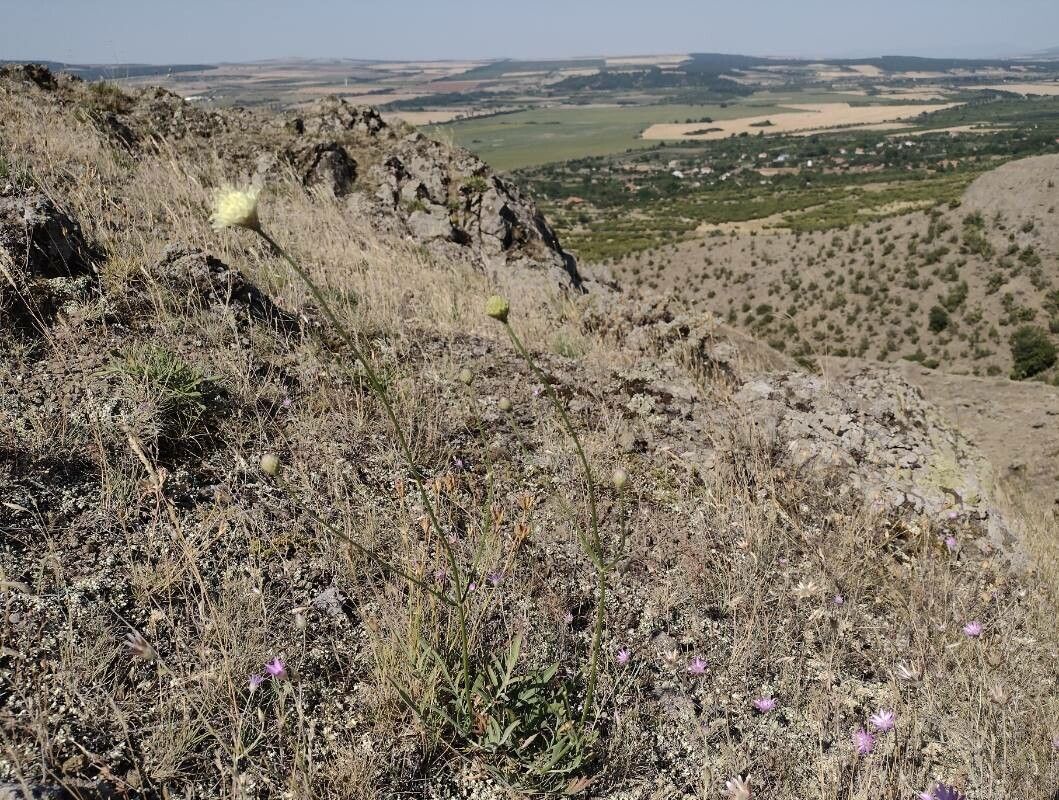
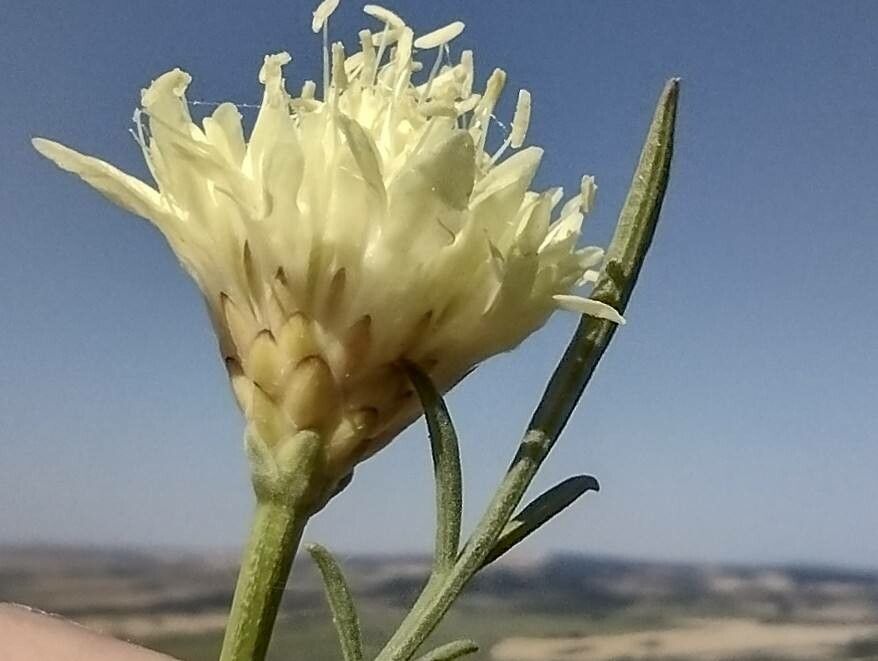
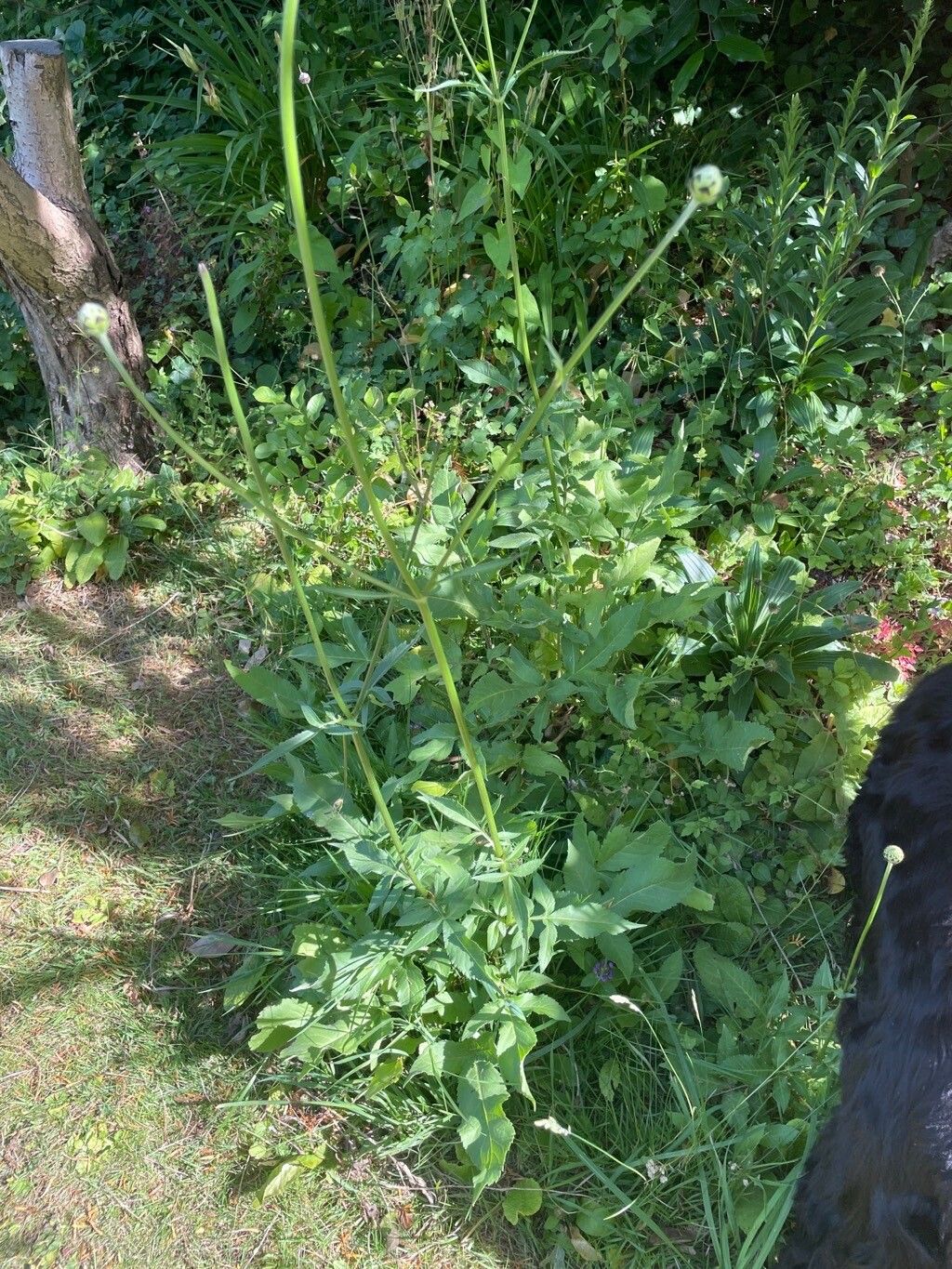
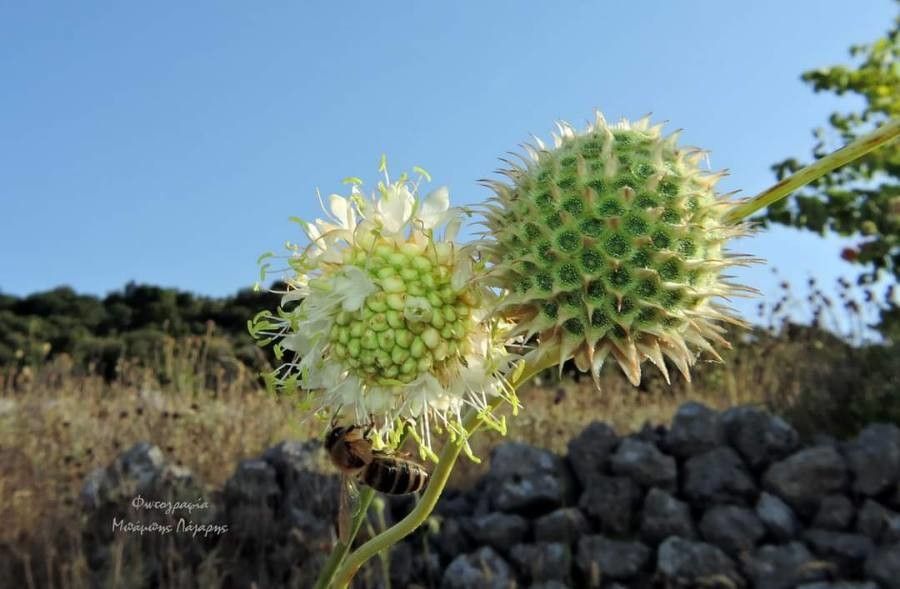
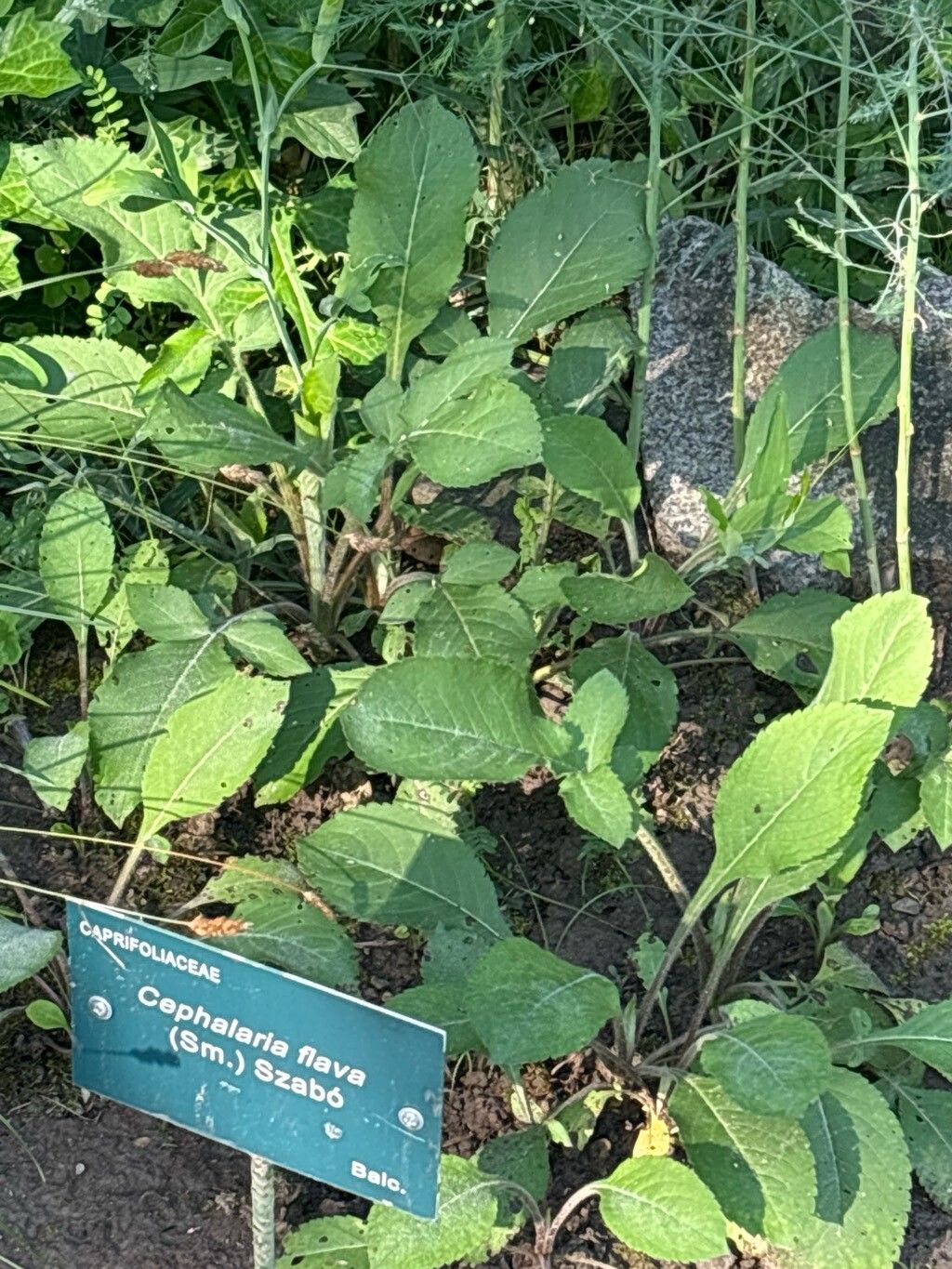
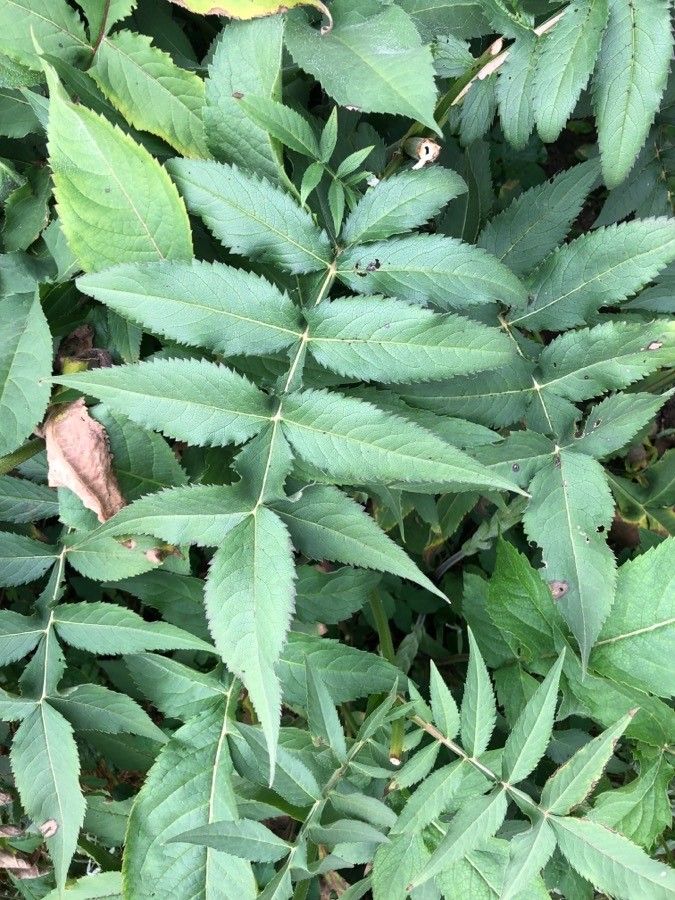
Alpine scabious is generally resistant to disease and not often affected by illnesses. However, it can be vulnerable to pests and diseases present in its surroundings, and these problems are usually mild. In terms of care, the plant needs a moderate amount of maintenance. It should be pruned regularly to preserve a neat appearance and support healthy growth. Fertilizing can also help encourage flowering. Alpine scabious is suitable for people with outdoor areas, such as a garden or patio, and does not require extensive experience in plant care. It may demand more attention if grown indoors.
How to keep Cephalaria Laevigata.
Light
Alpine scabious is a sun-loving, perennial herbaceous plant native to open habitats and commonly found in meadows and grasslands. It prefers full sun but can also tolerate partial sun conditions.
Fertilizer
Usually a single fertilizer application in spring suffices for Alpine scabious, though repeated feedings can maximize growth. Apply every month to a month and a half. Fertilizing improves the appearance and function of the leaves, encouraging even color and a healthy texture. It also promotes root development and nutrient uptake for the plant’s long-term health.
Botanical profile.
- Plant Type
- Herb
- Life Cycle
- Perennial
- Genus
- Cephalaria
- Family
- Caprifoliaceae
- Hardiness Zone
- 4-8
- Mature Height
- 1.83 m
- Mature Spread
- 49 cm
- Leaf Color
- Dark Green
- Leaf Type
- Deciduous
- Flower Color
- Yellow
- Flower Size
- 2.03 cm to 3.05 cm
- Bloom Time
- Summer
- Planting Time
- Autumn, Winter
- Harvest Time
- Late summer, Early fall, Mid fall
- Native Area
- Switzerland, Slovakia, Austria, France