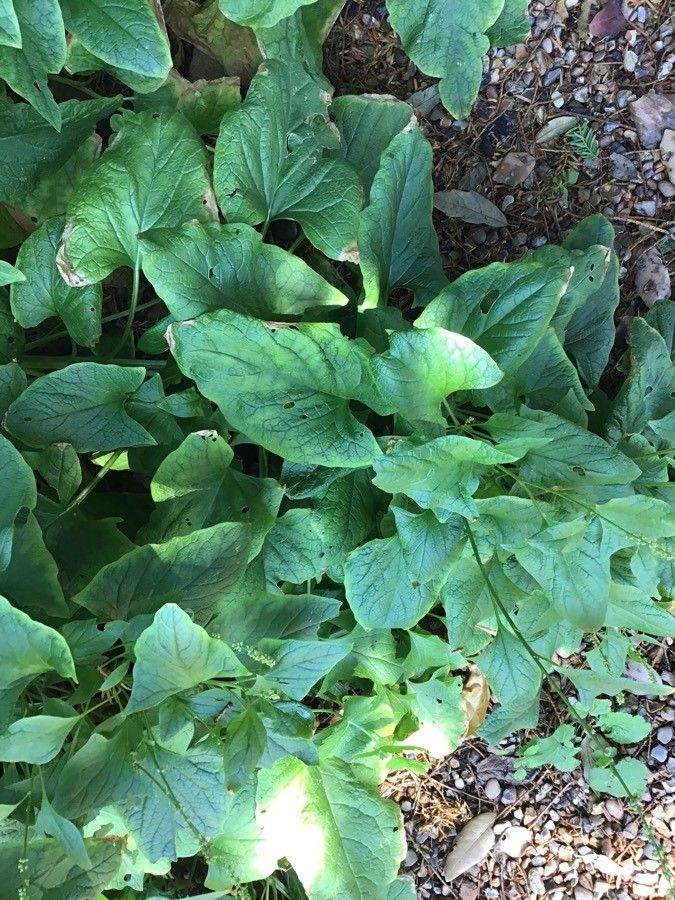
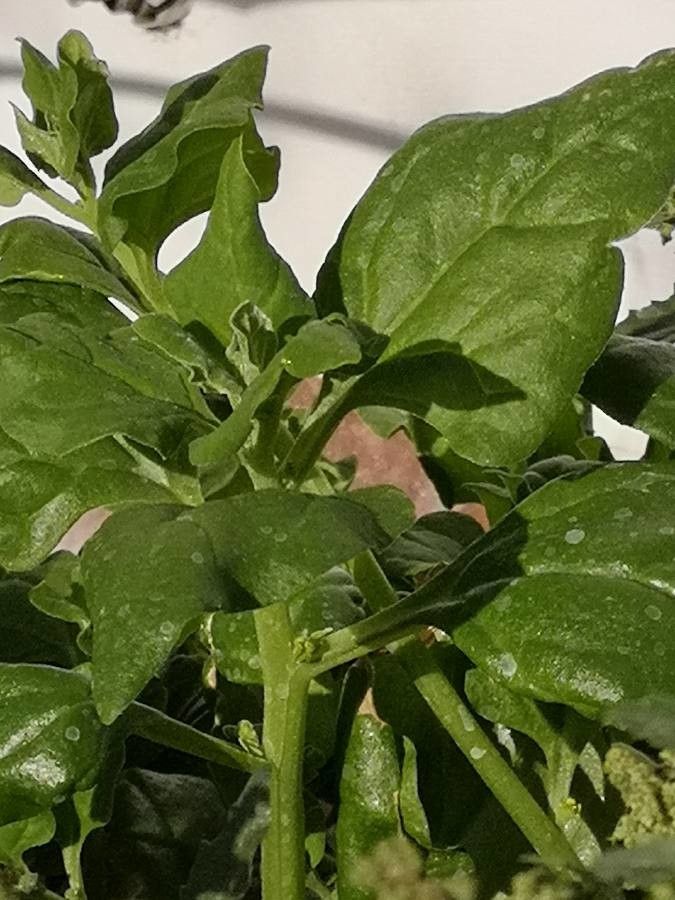
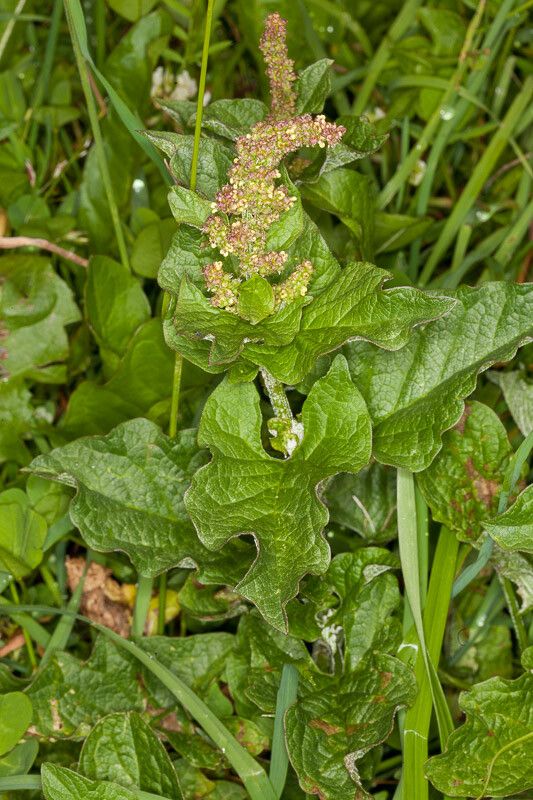
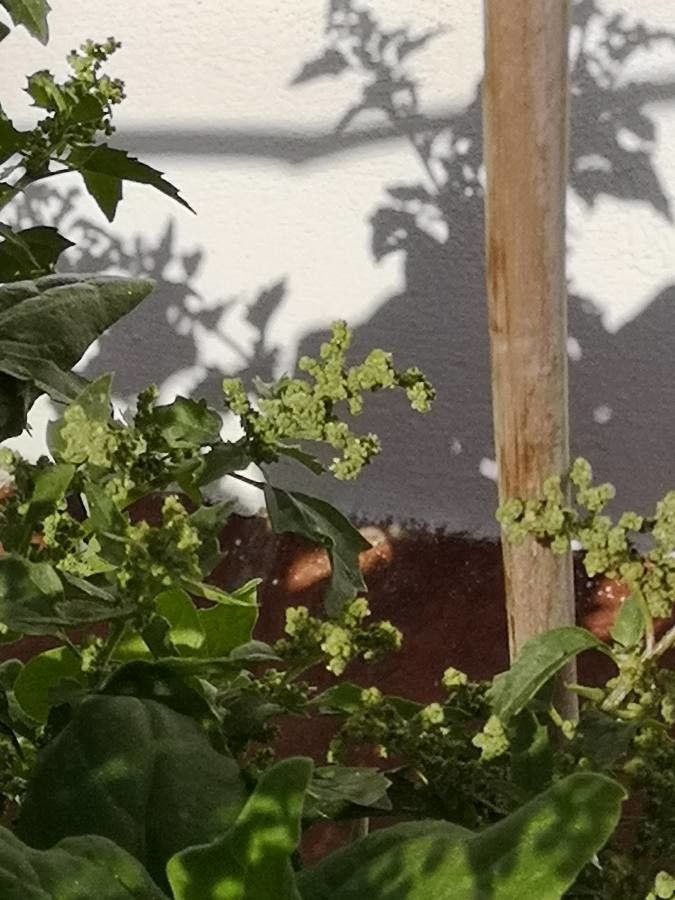
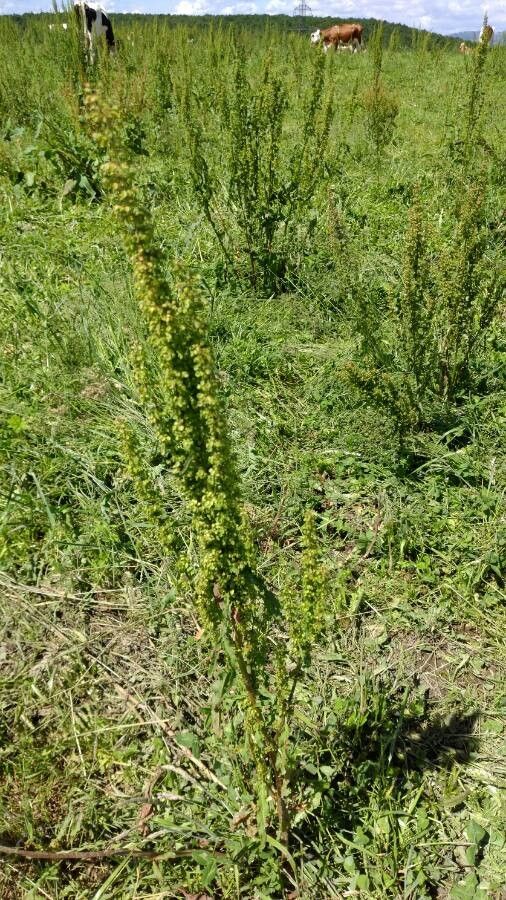
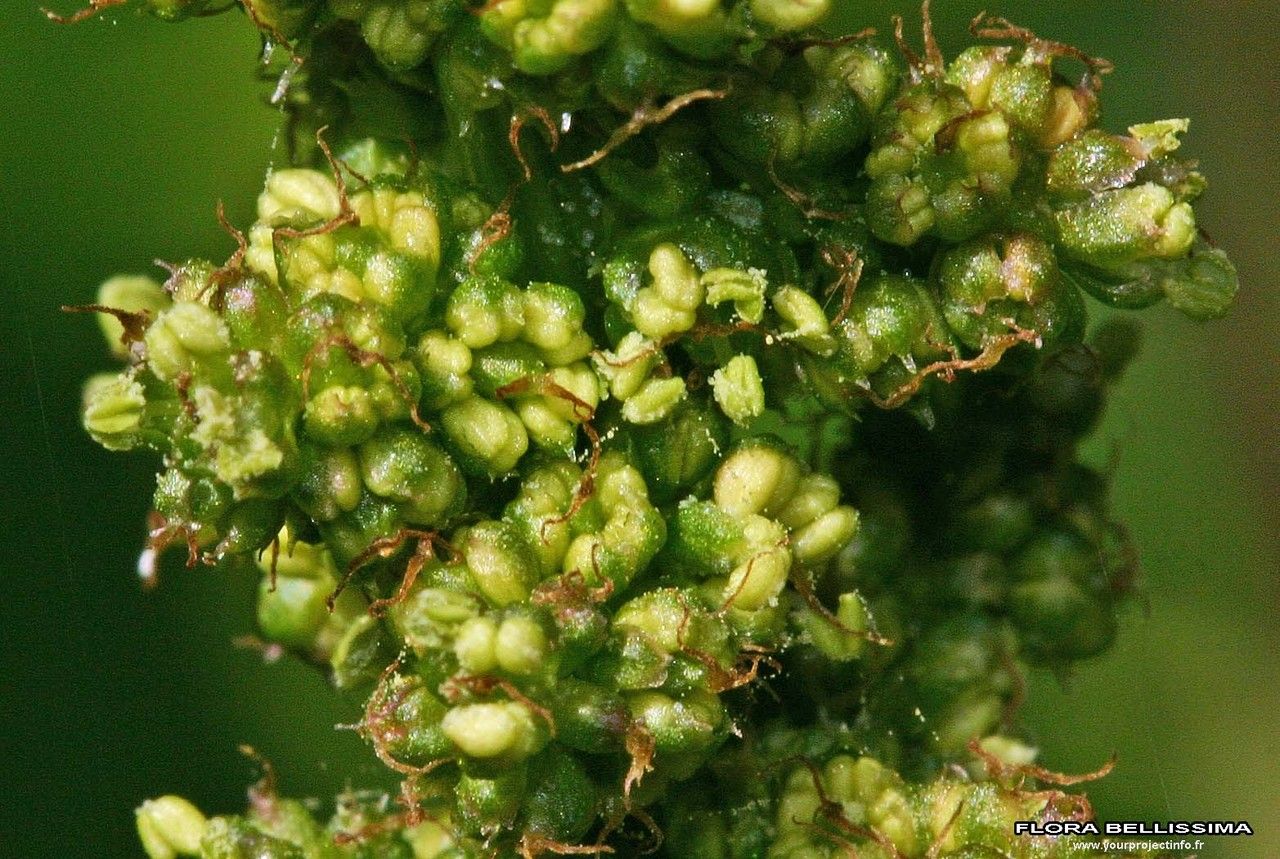
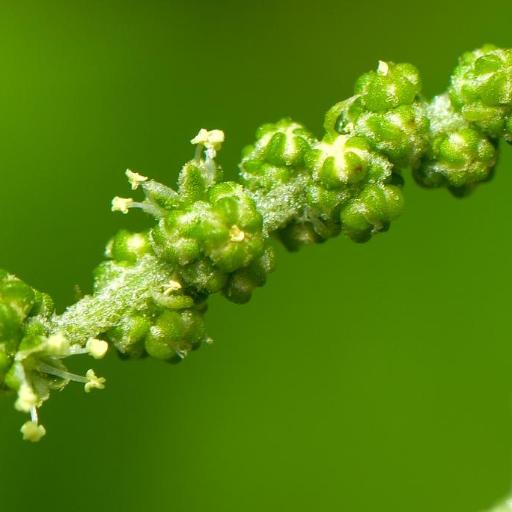
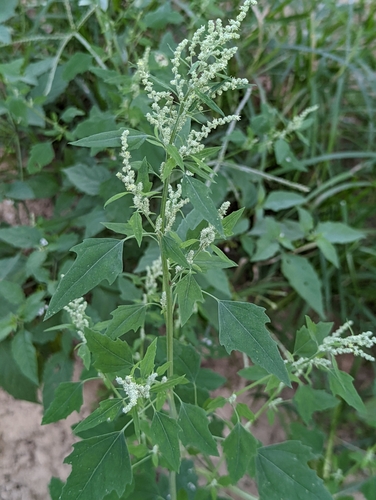
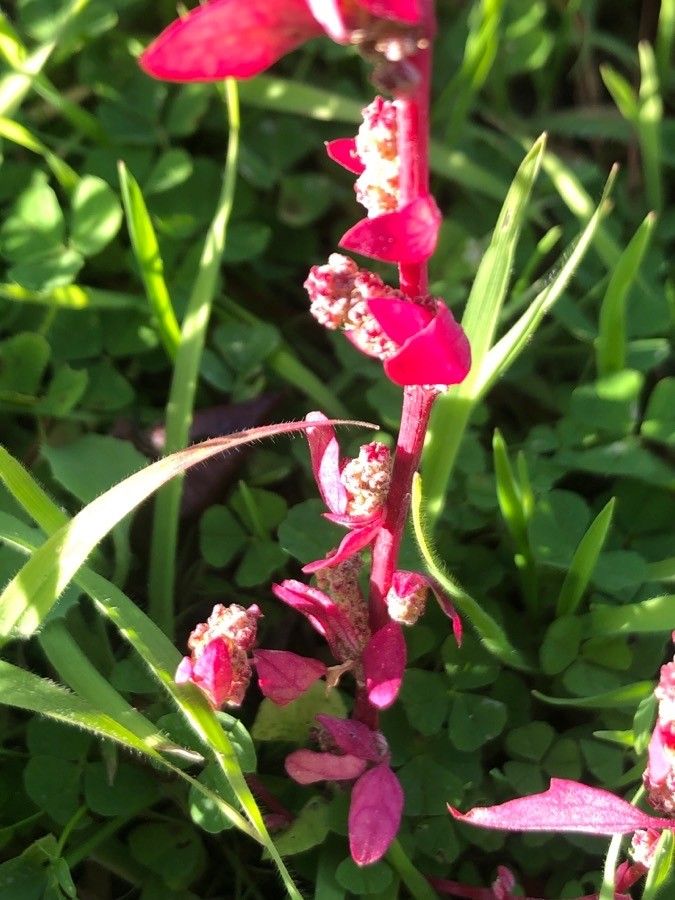
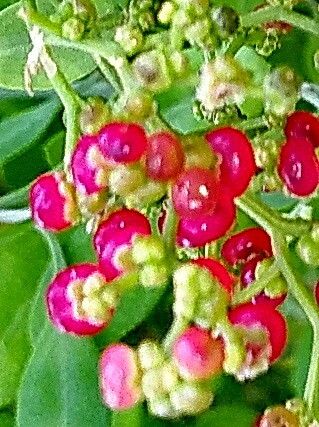
Blitum bonus-henricus (syn. Chenopodium bonus-henricus), also called Good-King-Henry, poor-man's asparagus, perennial goosefoot, Lincolnshire spinach, Markery, English mercury, or mercury goosefoot, is a species of goosefoot which is native to much of central and southern Europe. Good-King-Henry has been grown as a vegetable in cottage gardens for hundreds of years, although this dual-purpose vegetable is now rarely grown and the species is more often considered a weed.
Good king henry has moderate resistance to disease but can be vulnerable to illnesses such as leaf spot. Its vulnerability to insect pests varies by variety, though most types are less resistant to pests. Regarding care, Good king henry requires regular watering and feeding, and yellow leaves should be pruned frequently. Pests and diseases should be controlled when they appear, and the plant should be harvested promptly. Good king henry is suitable for people who can spare some time and energy for regular care.
How to keep Chenopodium Bonus Henricus.
Light
Good king henry performs best when given maximum sunlight, which is vital for its vigorous growth and overall health. It can, however, still do well with reduced light levels. Generous light encourages productive growth phases, but too much sun can stress it and disturb its growth balance.
Temperature
Good King Henry is native to temperate regions and has an optimal growth temperature of 68 to 95°F (20 to 35℃). It can tolerate temperature fluctuations but grows best within that range. Seasonal adjustments may be needed to keep it healthy.
Fertilizer
Good king henry naturally produces nitrogen through its root system, lessening the need for extra fertilizers. It does well in well-draining soils, and fertilization may not be required depending on the soil's composition. However, low potassium or phosphorus can impede successful growth, while a nitrogen deficiency does not cause problems.
Botanical profile.
- Plant Type
- Herb
- Life Cycle
- Annual, Perennial
- Genus
- Chenopodium
- Family
- Amaranthaceae
- Hardiness Zone
- 6
- Mature Height
- 15 cm to 61 cm
- Mature Spread
- 49 cm
- Leaf Color
- Dark Green
- Leaf Type
- Deciduous
- Flower Color
- Green
- Flower Size
- 2.54 cm
- Bloom Time
- Late spring, Early summer, Mid summer
- Planting Time
- Spring
- Harvest Time
- Mid summer, Late summer, Early fall
- Native Area
- Sweden, Austria, Slovakia, Montenegro, Croatia, Slovenia, Belarus, Russia, Germany, Estonia, Romania, Latvia, Belgium, Portugal, Netherlands, France, Czech Republic, Bulgaria, Poland, Greece, Ukraine, Serbia, Lithuania, Norway, Italy, Spain, Switzerland, Denmark, Finland, Albania, Ireland, United Kingdom, Hungary
Other names.