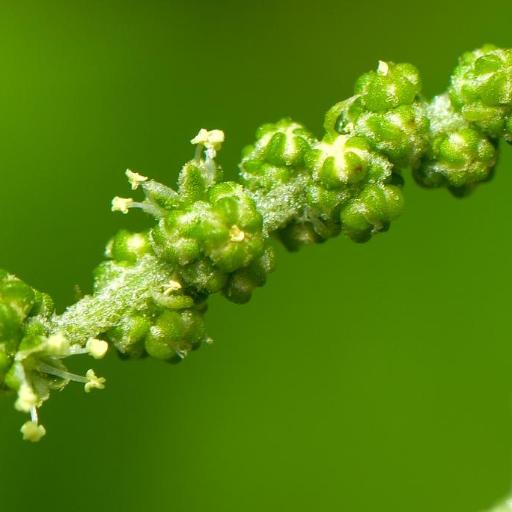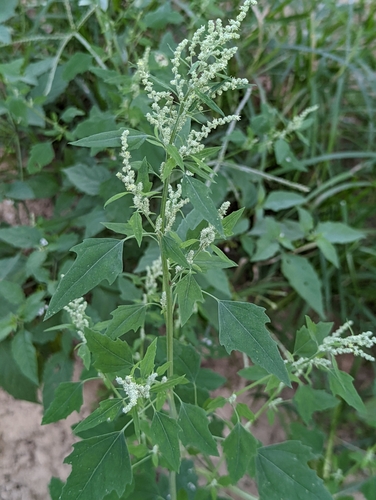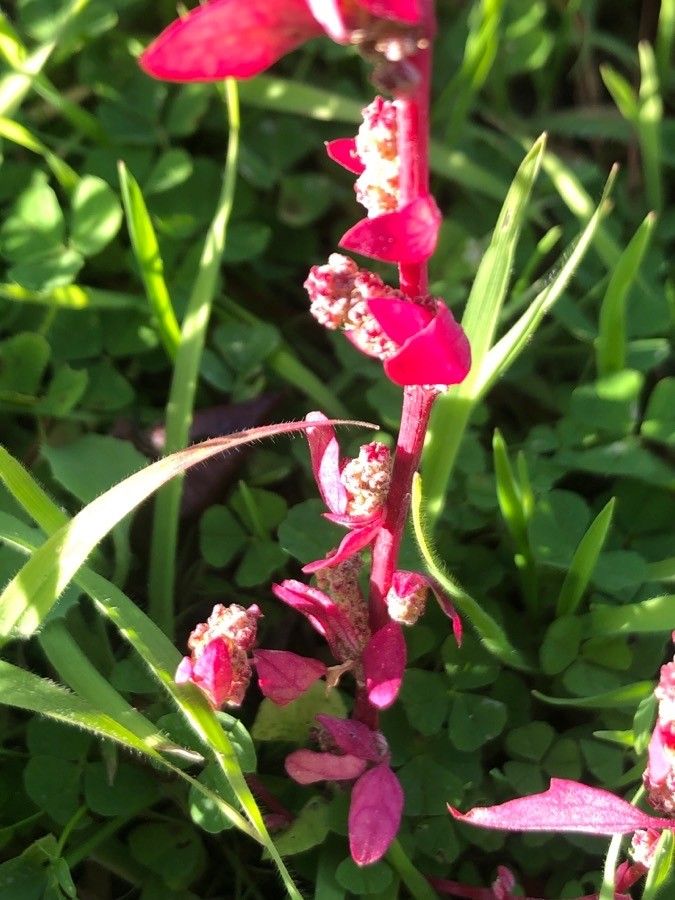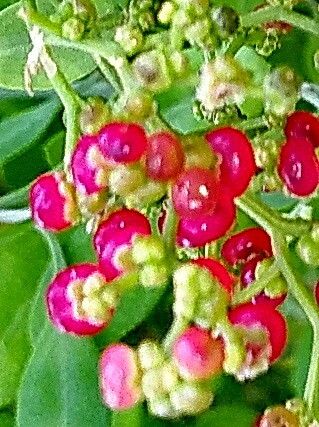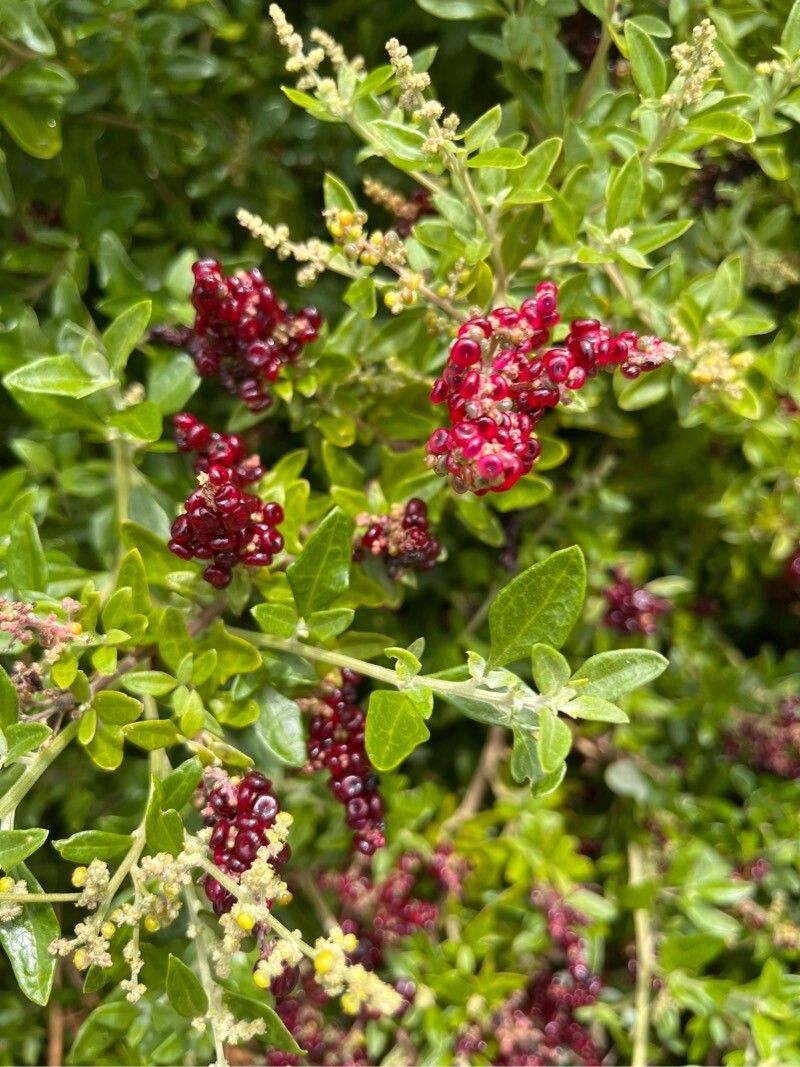
Chenopodium candolleanum, commonly known as seaberry saltbush, is a shrub in the subfamily Chenopodioideae of the family Amaranthaceae, native to Australia.
Seaberry saltbush has strong resistance to disease and is generally not susceptible to illnesses. Still, it can be affected by pests and diseases found in its environment. Such infections tend to be mild. Regarding care, the plant needs a moderate level of maintenance. It should be pruned regularly to preserve an attractive appearance and encourage healthy growth. Applying fertilizer can also encourage flowering. Seaberry saltbush is appropriate for anyone with outdoor space, like a garden or patio, and does not demand extensive care experience. It can require more attention when cultivated indoors.
How to keep Chenopodium Candolleanum.
Light
The seaberry saltbush is native to sunny, open habitats where it flourishes in complete sunshine. It can endure semi-shaded areas but favors full sun for its best growth. Recognized for its preference for sunlight, this plant can live for one or two years.
Temperature
The Seaberry saltbush possesses the capability to acclimatize to a broad spectrum of temperature conditions, although its dispersal could still be restricted by different mixes of heat and moisture conditions. The plant flourishes optimally in balmy climates during the summertime with ample rain or irrigation. Extended bouts of cloudy and rainy weather, in combination with extended periods of elevated temperatures, can heighten the risk of the Seaberry saltbush perishing. During the winter, adequate safeguard against low temperatures can bolster the plant's chances of survival.
Fertilizer
Administering regular, mild amounts of fertilizer can contribute to the robust leaf development of Seaberry saltbush. It's recommended to fertilize the Seaberry saltbush around once a month throughout the summer season. Nitrogen plays a vital role in leaf growth, and providing Seaberry saltbush with nitrogen-abundant supplements aids its flourishing.
Botanical profile.
- Plant Type
- Herb
- Life Cycle
- Annual
- Genus
- Chenopodium
- Family
- Amaranthaceae
- Hardiness Zone
- 7-10
- Mature Height
- 30 cm to 91 cm
- Mature Spread
- 20 cm to 49 cm
- Leaf Color
- Green, Dark Green
- Leaf Type
- Deciduous
- Flower Size
- 0.20 cm to 0.25 cm
- Bloom Time
- Mid summer, Late summer, Early fall
- Planting Time
- Spring, Autumn
- Harvest Time
- Early fall, Mid fall