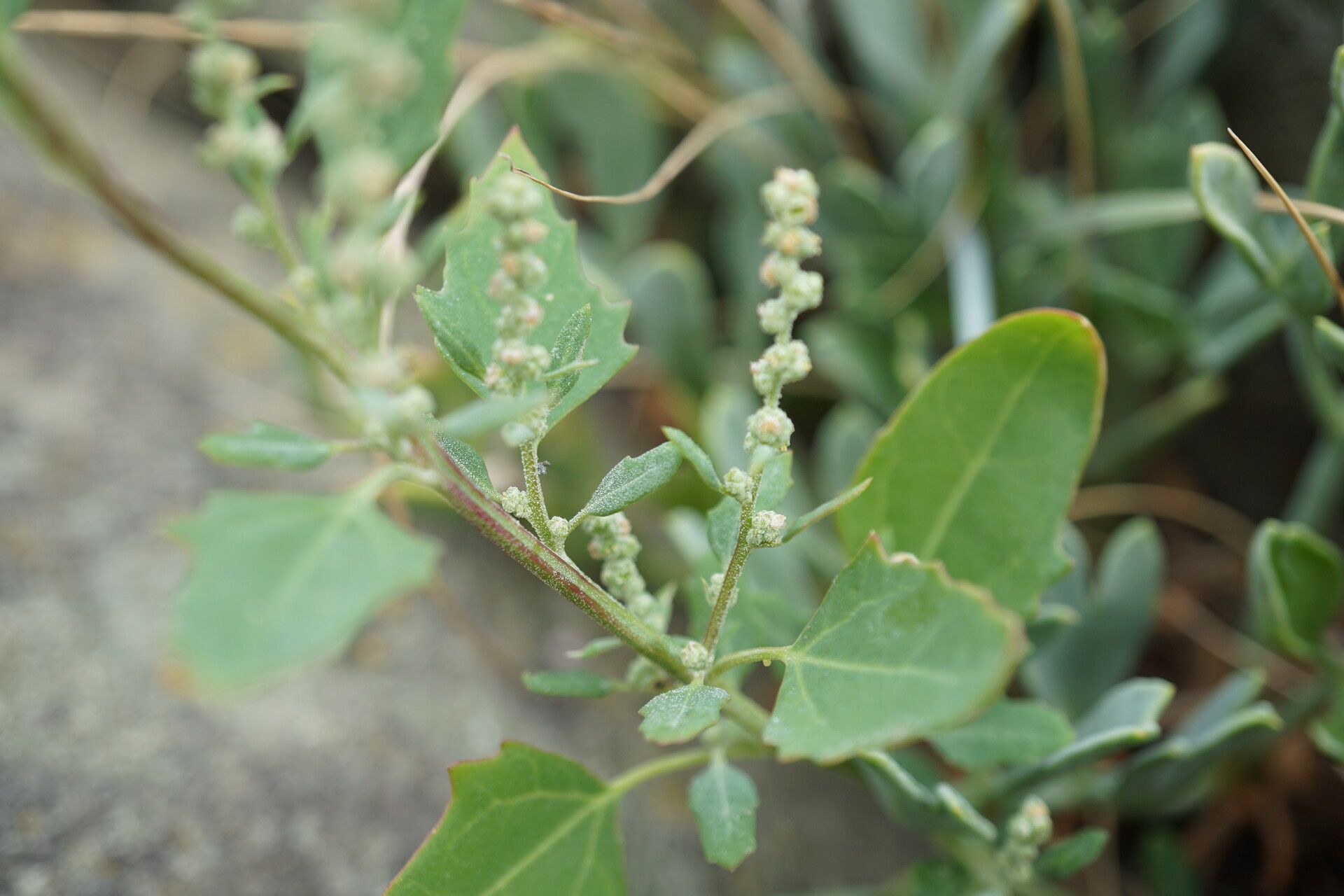
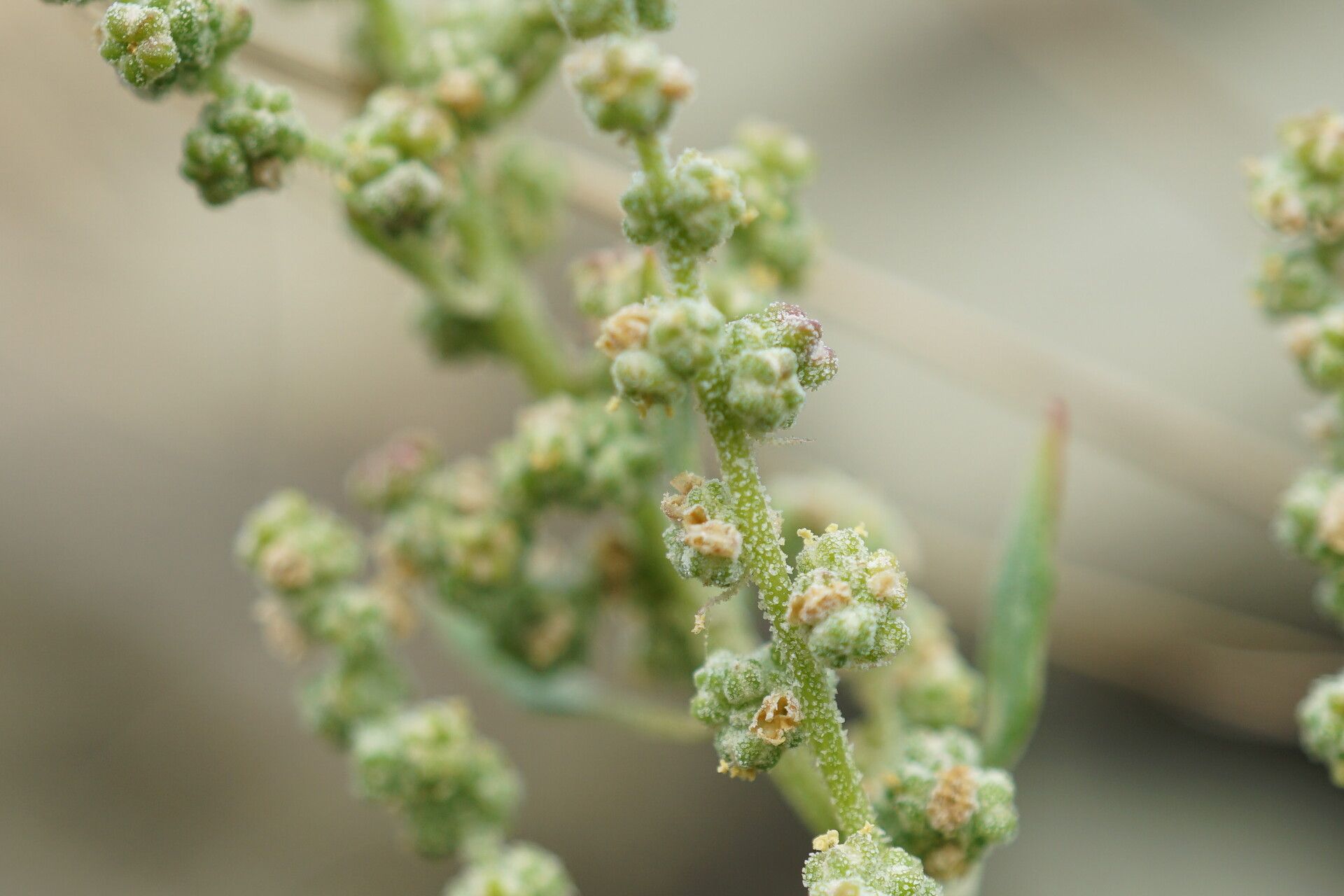
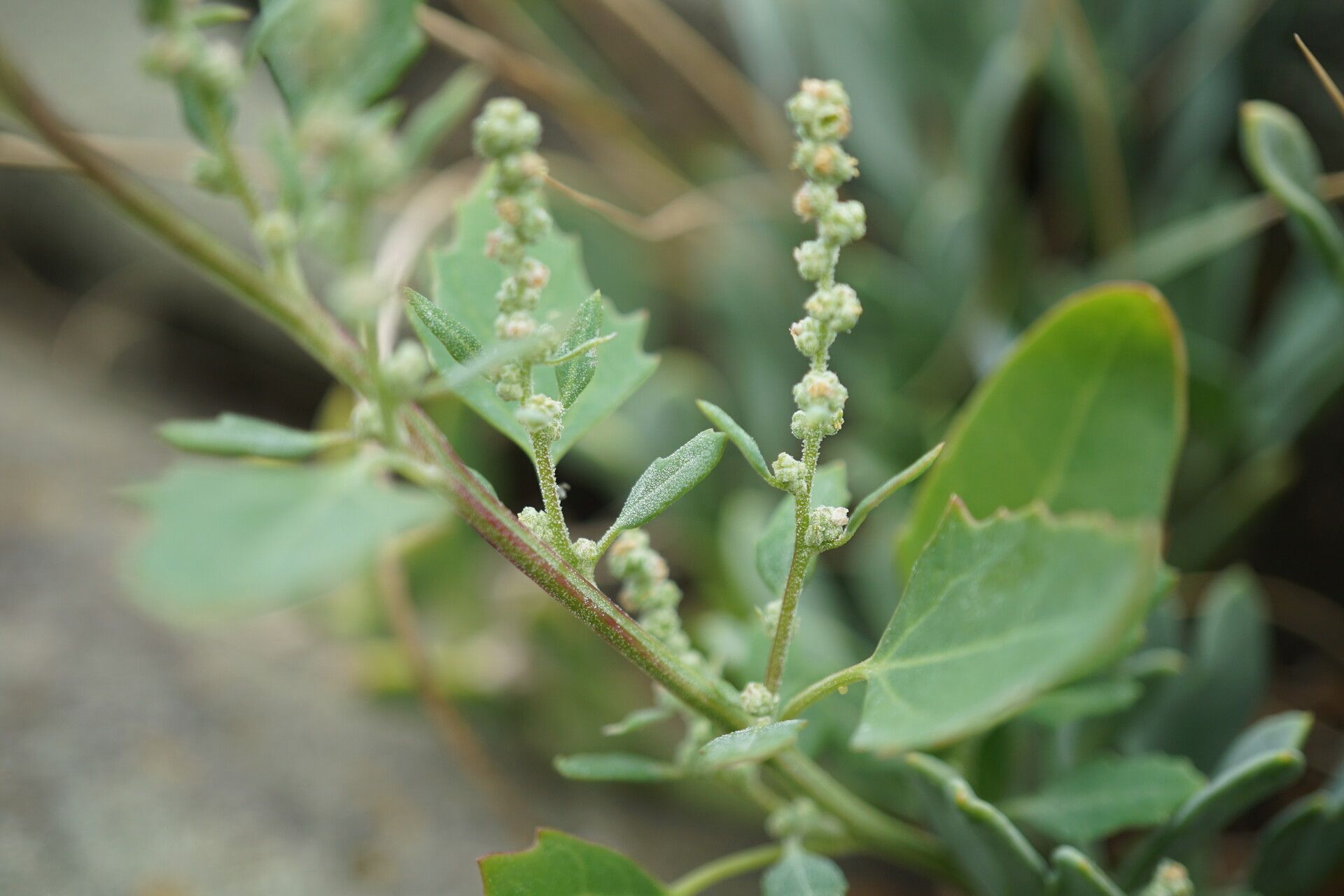
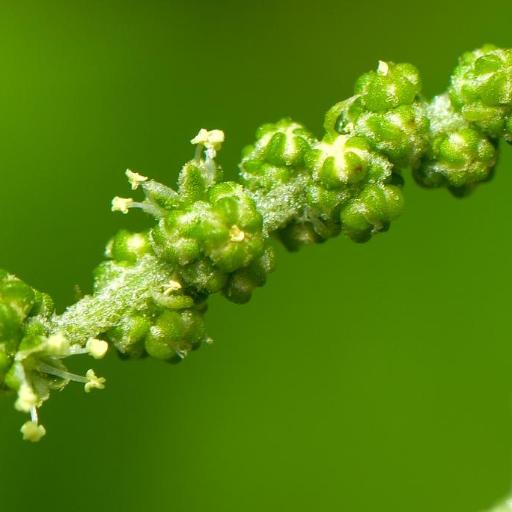
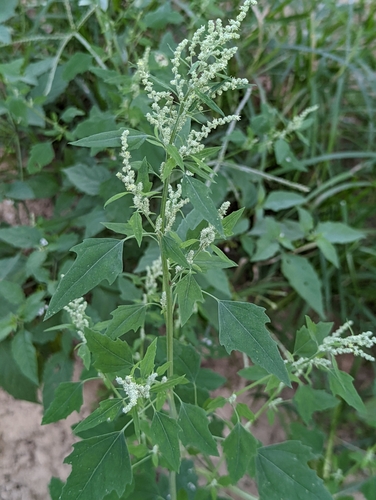
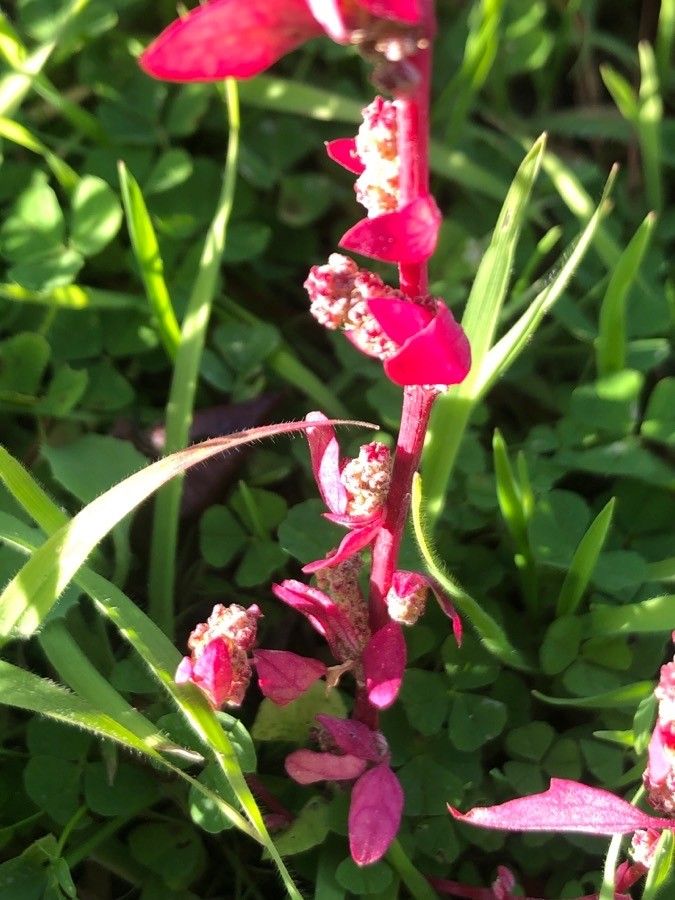
Chenopodium opulifolium, the seaport goosefoot, is a species of annual herb in the family Amaranthaceae (pigweeds). They have a self-supporting growth form. They are associated with freshwater habitat and have simple, broad leaves. Individuals can grow to 67 cm tall.
Seaport Goosefoot has strong disease resistance and is typically not prone to illnesses. However, it can be vulnerable to pests and diseases present in its environment. These problems are usually minor. For care, this plant requires a moderate level of maintenance. It should be pruned regularly to preserve a neat appearance and encourage healthy growth. Fertilizing can also aid in promoting blooms. Seaport Goosefoot is suitable for anyone with an outdoor area, like a garden or patio, and does not demand extensive care experience. It may need more attention when cultivated indoors.
How to keep Chenopodium Opulifolium.
Light
Seaport Goosefoot does best with continuous sunlight during the day, though it can tolerate partially shaded conditions. Native to areas with abundant sun, those settings support its optimal growth, while poor light restricts its development. Both excessive and insufficient sunlight affect its ability to flourish.
Water
Seaport Goosefoot is well-suited to saline environments and efficiently retains moisture. It thrives in well-drained soils and requires a balance between hydration and drought tolerance. For optimal growth, it benefits from weekly watering. Typically grown outdoors, this plant naturally regulates its water intake and does best with moderate soil moisture to prevent waterlogging.
Temperature
Seaport Goosefoot can tolerate a wide range of temperatures, but its distribution may still be restricted by different combinations of water and heat. It grows best in warm summer climates with adequate rainfall or watering. Extended periods of cloudy, rainy weather or sustained high temperatures can raise the chance of Seaport Goosefoot dying. In winter, proper protection from cold can boost the plant's survival rate.
Fertilizer
Seaport Goosefoot benefits from regular, dilute applications of fertilizer to encourage healthy leaf growth. Fertilize Seaport Goosefoot about once a month during the summer. Nitrogen is important for foliage, and providing nitrogen-rich sources helps Seaport Goosefoot thrive.
Pruning
To maintain healthy Seaport Goosefoot plants, it's important to focus on pruning in the spring. Start by removing dead branches to improve airflow and prevent disease. Cutting back overgrown stems helps the plant maintain its shape and encourages new growth. Make sure to use clean tools to prevent infections, and monitor the plant’s growth cycles to determine the best time for pruning.
Botanical profile.
- Plant Type
- Herb
- Life Cycle
- Annual
- Genus
- Chenopodium
- Family
- Amaranthaceae
- Hardiness Zone
- 5-9
- Mature Height
- 0.61 m to 1.52 m
- Mature Spread
- 20 cm to 61 cm
- Leaf Color
- Green, Light Green
- Leaf Type
- Deciduous
- Flower Color
- Yellow, Green
- Flower Size
- 2.03 cm to 17.78 cm
- Bloom Time
- Mid summer, Late summer, Early fall
- Planting Time
- Spring
- Harvest Time
- Early fall, Mid fall
- Native Area
- Turkey, Sweden, India, Slovakia, Montenegro, Pakistan, Slovenia, Morocco, Croatia, Uganda, Tanzania, Germany, Mozambique, Ethiopia, Romania, Latvia, Belgium, Portugal, Saudi Arabia, Malawi, Tunisia, Cyprus, Bulgaria, Ukraine, Lebanon, Syria, Italy, Kazakhstan, Eswatini, Iran, Azerbaijan, Kuwait, Djibouti, Somalia, Egypt, Angola, Austria, Rwanda, Eritrea, Yemen, Kenya, Zimbabwe, Russia, Iraq, Burundi, Estonia, Botswana, France, Nepal, Czech Republic, South Africa, Zambia, Sudan, Poland, Greece, Serbia, Spain, Switzerland, Denmark, Israel, Albania, United Kingdom, Hungary, Algeria, Turkmenistan
Other names.