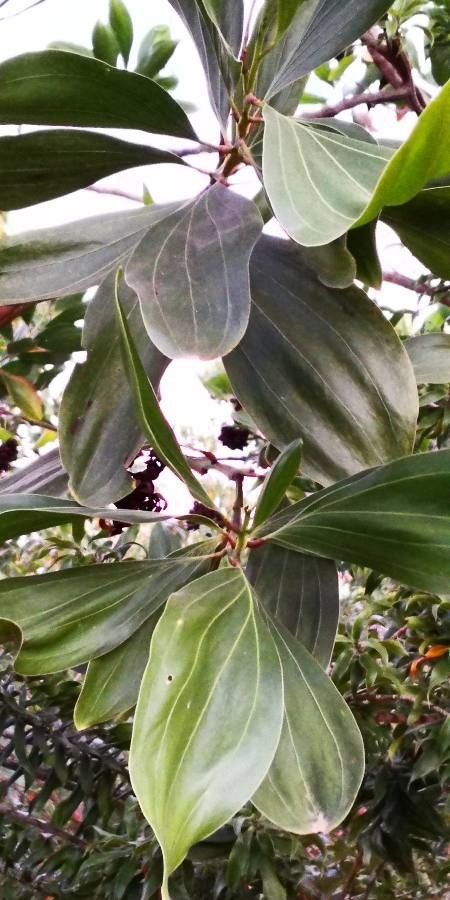
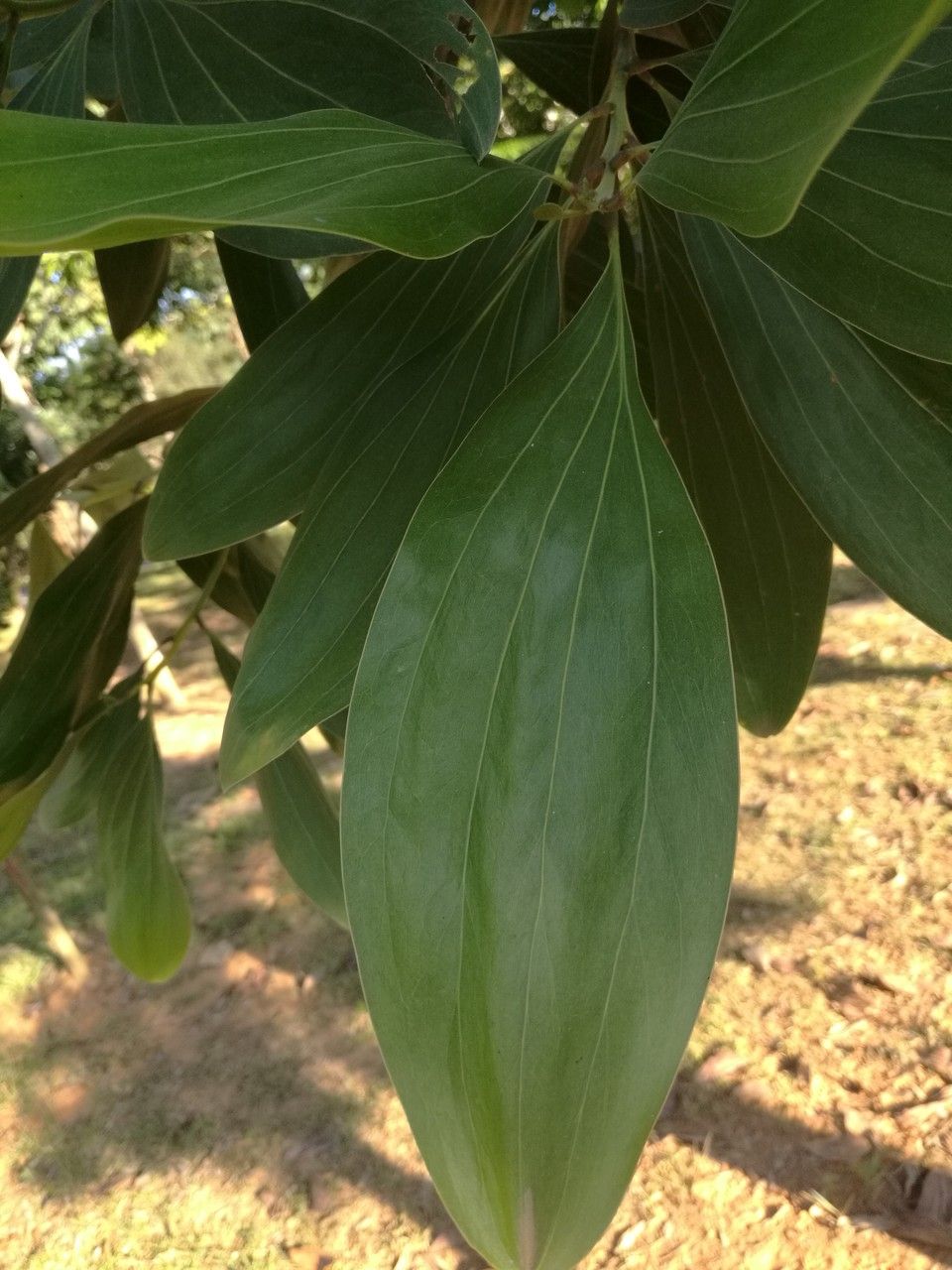
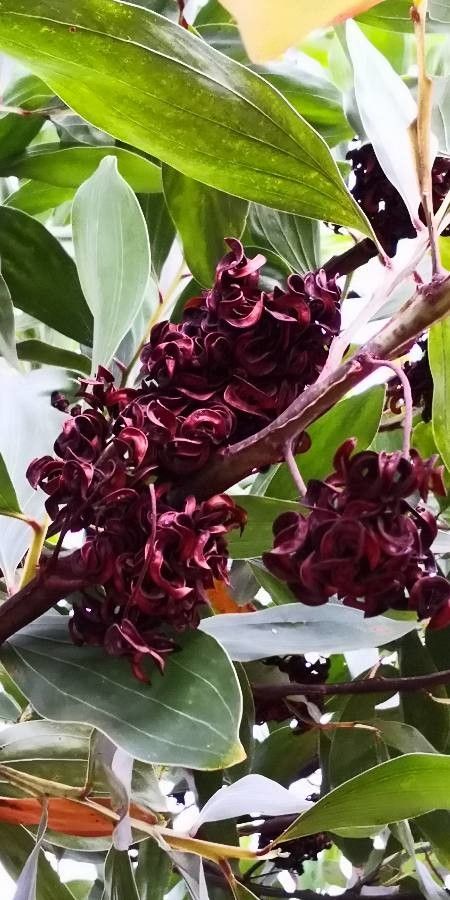
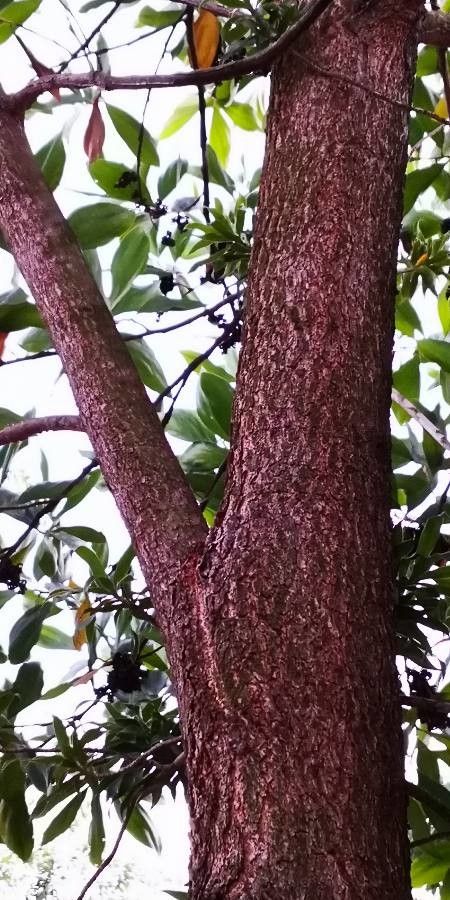
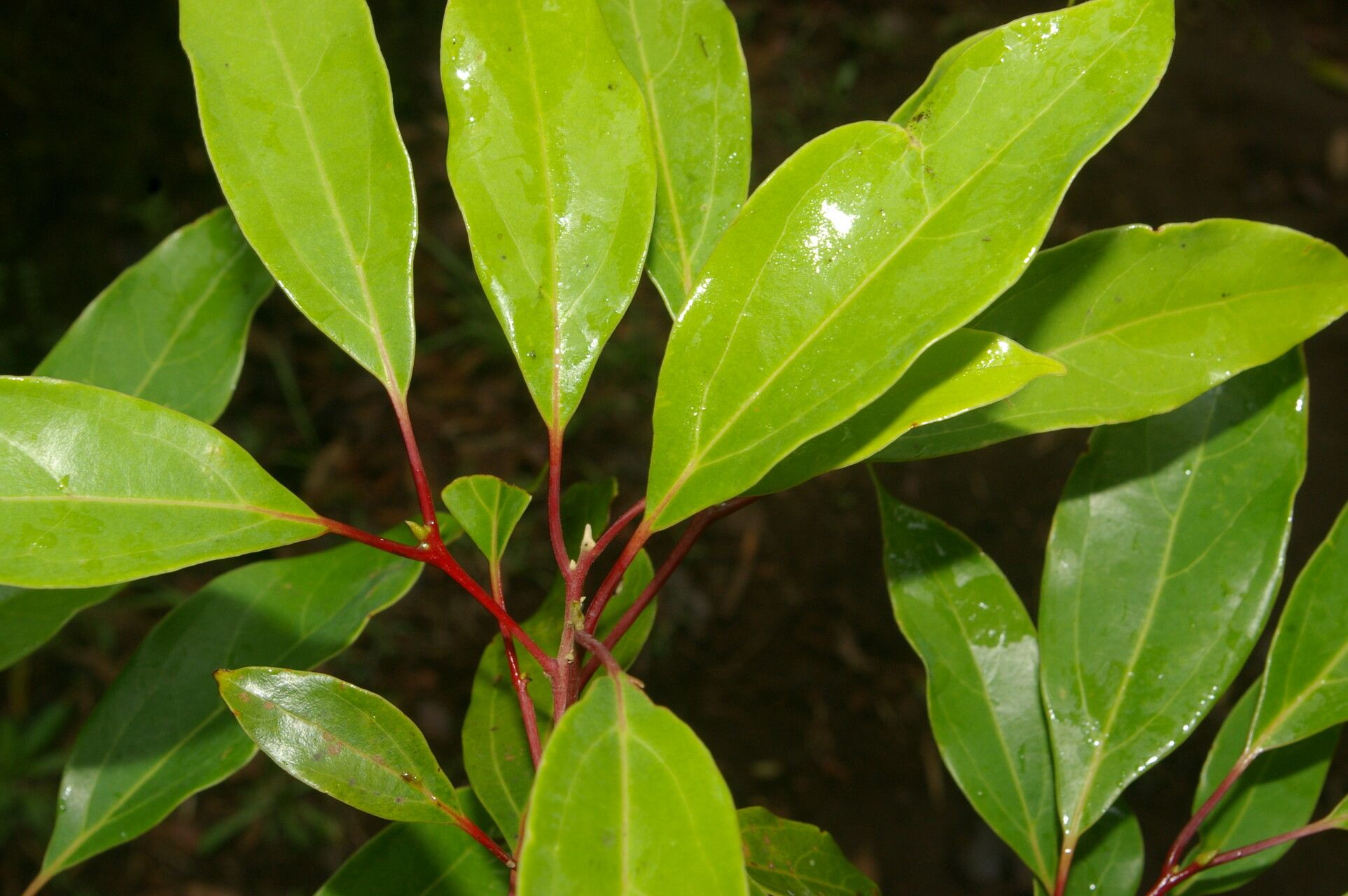
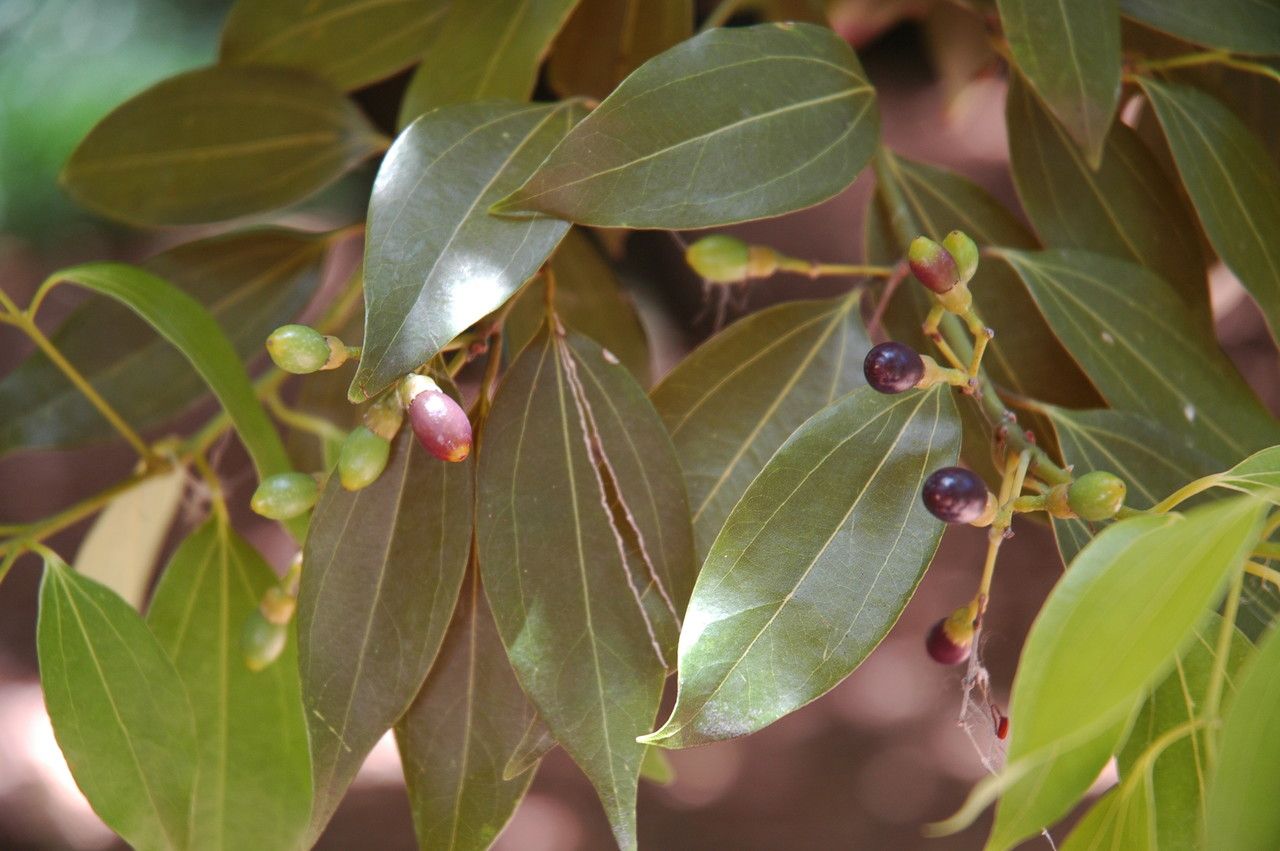
Lanyu cinnamomum has strong disease resistance and is generally not prone to illnesses. In terms of care, this plant is relatively low-maintenance. When grown outdoors it requires little watering, and larger specimens typically do not need pruning. However, smaller plants should be pruned after they have bloomed. Lanyu cinnamomum is suitable for anyone with outdoor space, such as a garden or deck, and does not demand much care experience.
How to keep Cinnamomum Kotoense.
Light
Lanyu cinnamomum comes from open habitats, such as sunny meadows and forest edges, where light is plentiful. It thrives in Full Sun but can also tolerate Partial Sun, adapting well to different sunlight conditions.
Water
Lanyu cinnamomum, which originates from humid regions, thrives in moderate water conditions. It prefers balanced moisture and can handle short dry spells. Watering every 1-2 weeks is recommended. Being a deciduous plant, lanyu cinnamomum sheds its leaves during dormancy to conserve water, showcasing its adaptability to different moisture levels.
Temperature
Lanyu cinnamomum is fairly adaptable to temperature, able to endure high heat and significant temperature swings. In hot weather, attention should be paid to watering and providing proper shade to prevent sunburn. Conversely, Lanyu cinnamomum has relatively low cold tolerance. While it can tolerate some cold, very low temperatures can result in frost damage.
Fertilizer
Apply fertilizer to your Lanyu cinnamomum in early spring to encourage healthy growth. Regular feeding improves overall health, producing vigorous growth, greater tolerance of harsh conditions, and enhanced resistance to pests and diseases. Adhere to a consistent fertilization schedule for your Lanyu cinnamomum to keep the foliage vibrant, richly colored, and the plant looking lush.
Pruning
Lanyu cinnamomum is a resilient plant known for its fragrant foliage and rapid growth. To shape the plant and encourage spring growth, it is best to prune it from early to late winter. Light annual trimming is advantageous, but avoid heavy pruning outside of this period to prevent stress to the plant. Regular pruning improves air circulation and reduces the risk of disease.
Pot & Repot
To promote healthy growth, repot your Lanyu cinnamomum every 2-3 years during the spring. Select a medium-sized container that provides good drainage. After repotting, water the plant sparingly and keep it out of direct sunlight to reduce stress. With the right care, your Lanyu cinnamomum will thrive.
Botanical profile.
- Plant Type
- Tree
- Life Cycle
- Perennial
- Genus
- Cinnamomum
- Family
- Lauraceae
- Hardiness Zone
- 8-9
- Mature Height
- 14.94 m
- Mature Spread
- 2.44 m to 3.05 m
- Leaf Color
- Dark Green, Forest Green
- Leaf Type
- Evergreen
- Flower Color
- White, Yellow
- Flower Size
- 3.05 cm to 5.08 cm
- Bloom Time
- Mid spring, Late spring
- Planting Time
- Spring, Summer, Autumn
- Harvest Time
- Mid summer, Late summer, Early fall
- Native Area
- China
Reader questions.
What are the sunlight requirements for Lanyu cinnamomum?
Lanyu cinnamomum, also known as Cinnamomum kotoense, thrives in environments that offer full sun, which is defined as more than 6 hours of sunlight daily. However, it can also adapt and grow well in partial sun, receiving about 3 to 6 hours of sunlight. It's essential to observe the movement of sunlight through your garden to ensure plants are positioned in spots that provide an ideal balance of light and shade. This careful placement ensures the plants' growth and happiness by meeting their light requirements.
What is Lanyu cinnamomum?
Lanyu cinnamomum, known botanically as Cinnamomum kotoense, is a species of plant. There is no additional information provided about its essentials or symptoms related to this plant.
How does Lanyu cinnamomum adapt to different sunlight conditions?
Originating from open environments such as sunny meadows and forest edges, Lanyu cinnamomum is accustomed to ample light and can thrive in both full sun and partial sun conditions. This adaptability allows it to manage well under a variety of sunlight exposures by maximizing growth and health in its natural or simulated habitat. When natural sunlight is insufficient, especially during winter or in less illuminated indoor spaces, artificial lighting can provide an essential boost. LED lights are recommended for indoor plants, as they can be customized to deliver specific light wavelengths needed for optimal growth. For full sun plants, 30-50W/sq ft of artificial light is ideal, 20-30W/sq ft for partial sun plants, and 10-20W/sq ft for full shade plants.
What are common symptoms of light deficiency in Lanyu cinnamomum?
When Lanyu cinnamomum does not receive adequate sunlight, it may show various symptoms indicating light deficiency. These include small new leaves, leggy or sparse growth, faster leaf drop, slower or halted growth, and lighter-colored or pale new leaves. Additionally, the plant may experience chlorosis, where leaves lose their green color and turn yellow, sunscald from too much direct sunlight, leaf curling as a defense mechanism against excessive light, wilting due to loss of turgor pressure, and leaf scorching marked by brown, dry edges on leaves. These symptoms alert to inadequate lighting conditions, requiring adjustments to meet the plant's needs.
How can I address light deficiency in Lanyu cinnamomum?
To combat light deficiency in Lanyu cinnamomum, gradually increase sunlight exposure. For indoor plants, move them closer to a south-facing window, ensuring they receive at least 6 hours of direct sunlight daily, or supplement with artificial light, such as desk lamps or professional grow lights, for at least 8 hours daily. Outdoor plants should be moved to sunnier spots progressively each week to prevent shock and sunburn. If light obstructions exist, like trees blocking sunlight, pruning might help. Consider transplanting smaller plants during their dormant period to locations with better sunlight and drainage. Remember, while parts affected by insufficient light might not recover, new growth following these adjustments will be healthy.