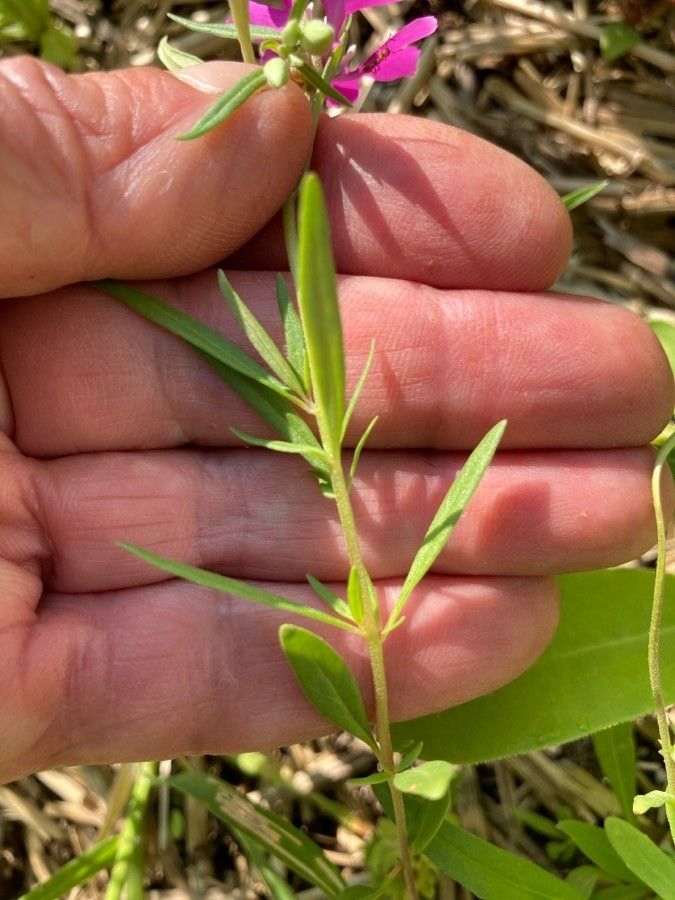
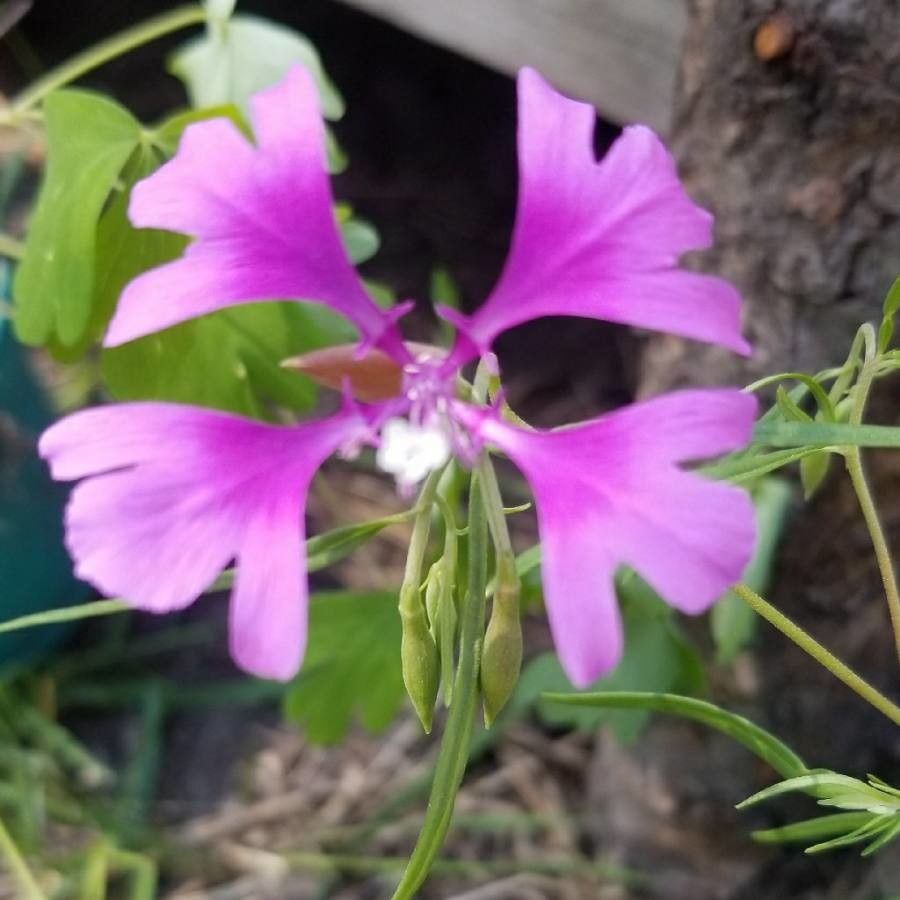
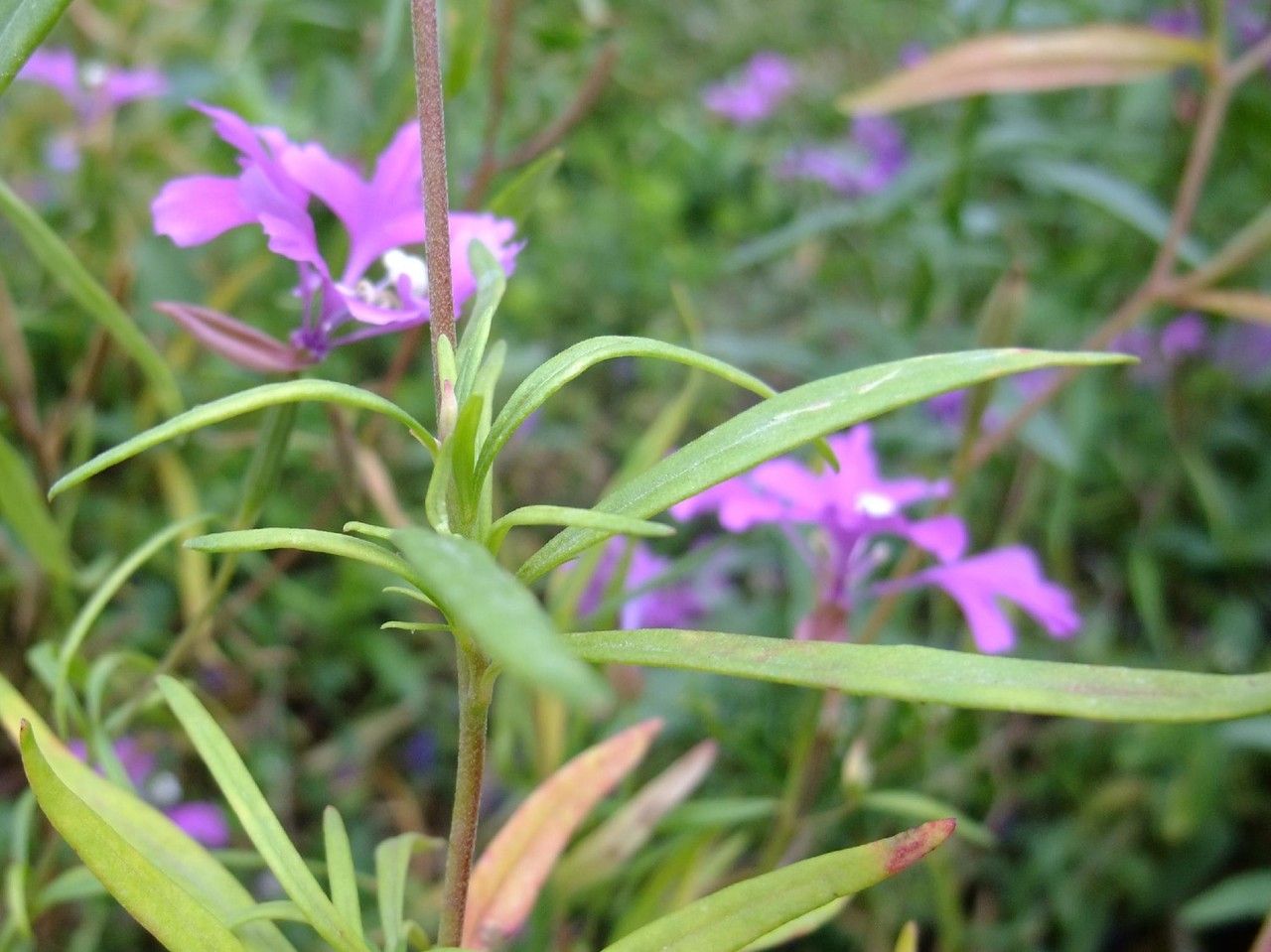
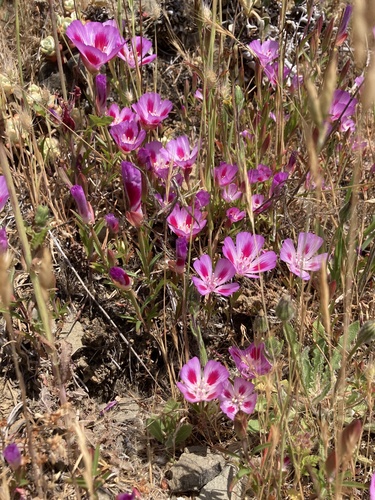
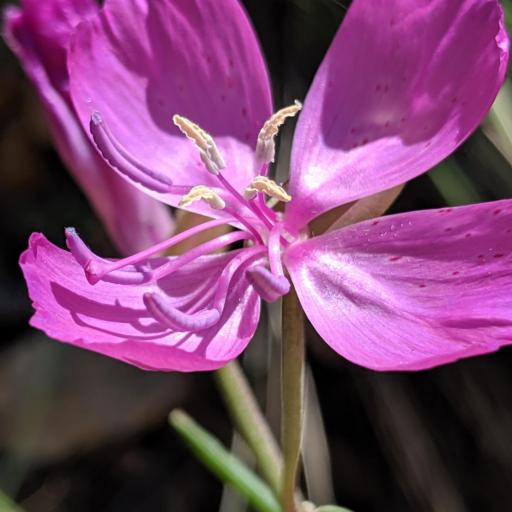
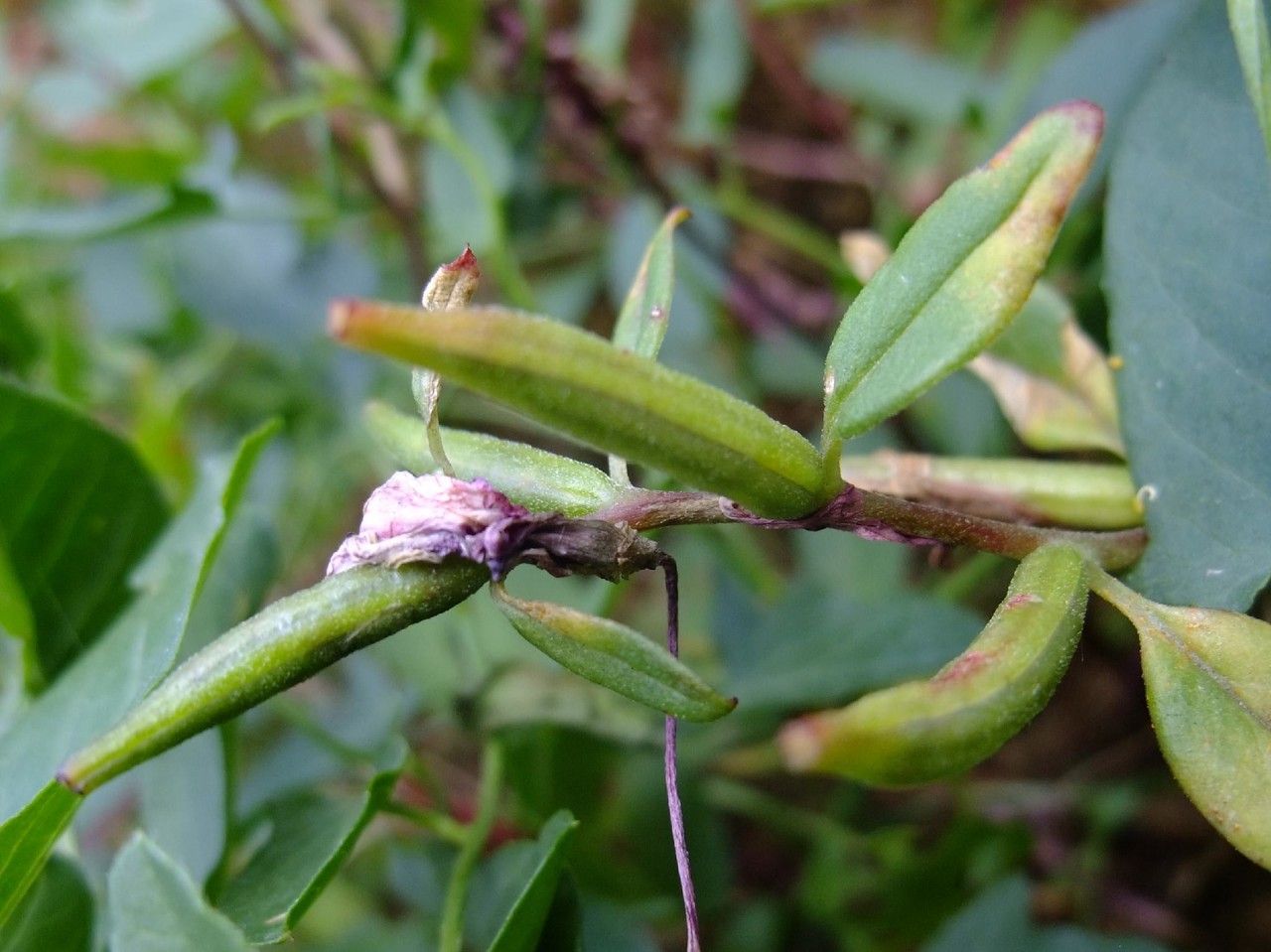
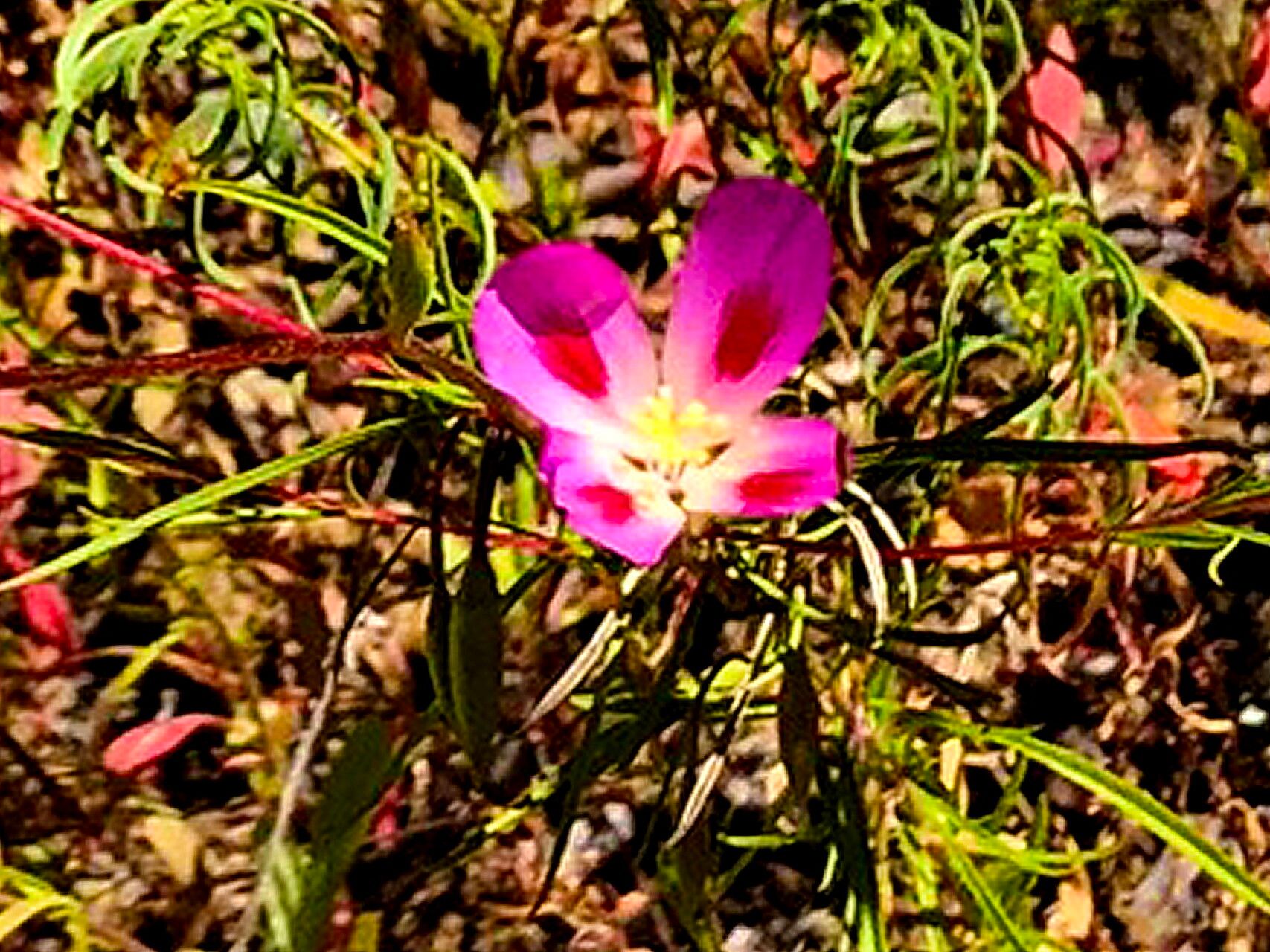
Clarkia pulchella also known as pinkfairies, ragged robin, and deerhorn clarkia is a species of flowering plant in the family Onagraceae.
Pinkfairies has good disease resistance and is generally not prone to diseases. That said, it can still be affected by pests and diseases present in its environment. These problems are generally mild. Regarding care, the plant needs a moderate level of maintenance. It should be pruned regularly to maintain an attractive appearance and support healthy growth. Fertilizing can also help encourage flowering. Pinkfairies is appropriate for anyone with outdoor space, like a garden or patio, and does not require extensive caregiving experience. It may need extra attention when grown indoors.
How to keep Clarkia Pulchella.
Light
Pinkfairies grows best in direct, strong sunlight for most of the day. It can, however, tolerate locations where the sun’s rays are weaker or diffused. In its natural habitat it does well in areas exposed to abundant sunshine. Still, both excessive and insufficient sunlight can negatively affect its vigor.
Water
Pinkfairies flourish in dry, open woodlands and are highly drought-tolerant. For optimal growth, they benefit from weekly watering, which strikes a balance between adequate hydration and avoiding oversaturation. As an herbaceous species, pinkfairies make efficient use of rainwater during their growing season, highlighting their resilience and low-maintenance qualities.
Temperature
Pinkfairies is native to temperate climates and does best at temperatures between 68 and 95 °F (20 and 35 ℃). Seasonal care adjustments may be required to maintain optimal growing conditions.
Fertilizer
When most of Pinkfairies' blooms have opened to full size, resume fertilizing. At the time the flowers are at peak production, apply fertilizer every three to four weeks, weather permitting. Then, once Pinkfairies begins producing fewer new blooms, stop fertilizing; there's no reason to feed the plant when it can no longer produce more blooms.
Pruning
Pinkfairies showcase vibrant pink flowers and need pruning from early to late spring. Essential practices include removing spent blooms and unhealthy stems, along with regular thinning to improve air circulation. This maintenance not only enhances the plant's appearance but also promotes healthy growth, ensuring that pinkfairies remain robust and thriving.
Botanical profile.
- Plant Type
- Herb
- Life Cycle
- Annual, Biennial, Perennial
- Genus
- Clarkia
- Family
- Onagraceae
- Hardiness Zone
- 8-10
- Mature Height
- 15 cm to 46 cm
- Mature Spread
- 30 cm
- Leaf Color
- Green
- Leaf Type
- Deciduous
- Flower Color
- Pink
- Flower Size
- 3.81 cm
- Bloom Time
- Late spring, Early summer, Mid summer
- Planting Time
- Spring, Summer
- Harvest Time
- Mid summer, Late summer, Early fall
Other names.
Reader questions.
How should I water my Pinkfairies in the best way possible?
There are several ways to water Pinkfairies: using a garden hose with a spray nozzle, a watering can, or any other common watering tool. Pinkfairies are not too particular about the type of water they receive, as they can survive on rainwater, tap water, or filtered water. It is generally best to avoid watering this plant from above, as it can harm the leaves and flowers and potentially cause disease. A drip irrigation system is often the most effective method for watering Pinkfairies, as it provides even and direct water to the soil. If you have a container-grown Pinkfairies, you can use a cup, watering can, or tap to water it directly into the soil.
Why should I put fertilizer on my Pinkfairies?
Plants require nutrients to grow, but some plants, like Pinkfairies, are capable of obtaining all the nutrients they need without additional fertilizers. Pinkfairies, like other plants, use nutrients to support growth and internal processes. The primary nutrients plants need, such as nitrogen, phosphorus, and potassium, contribute to essential functions, with nitrogen being particularly important for foliage growth. Pinkfairies can struggle to obtain enough nitrogen from the soil, so many gardeners choose to supplement their nitrogen intake by providing them with additional nitrogen sources.
What are the sunlight requirements for Pinkfairies?
Pinkfairies require full sun, meaning they thrive with more than 6 hours of direct sunlight each day. However, they can also tolerate partial sun conditions, receiving about 3-6 hours of sunlight. It's essential to monitor the sunlight's movement through your garden to find the perfect balance of light and shade that ensures the prosperity of your plants.
What is the native climate for Pinkfairies?
Pinkfairies, botanically known as Clarkia pulchella, is native to temperate climates and thrives in temperatures ranging from 68 to 95°F (20 to 35°C). It has some cold tolerance and generally does not require additional cold protection measures if the temperature stays above 0°C. However, adjustments in its care across seasons might be necessary to maintain optimal growing conditions. For instance, if temperatures are expected to drop below 0°C, temporary protective measures like wrapping the plant with plastic film, fabric, or other materials should be taken to shield it from the cold. These protections should be removed once temperatures rise again.
What should I do if I give too much or too little water to my Pinkfairies?
To remedy underwatering Pinkfairies, simply water it more regularly when you notice it lacks moisture. Overwatering, on the other hand, can be a serious issue that can lead to diseases and the plant's decline. To prevent this, choose a sunny location with good drainage to avoid waterlogged soil. If your potted Pinkfairies has been overwatered, consider changing to a new pot with better drainage and loose soil.
When should I put fertilizer on my Pinkfairies?
Pinkfairies generally grows well and can benefit from fertilization about once a month during its active growth period in the spring and summer. However, it is not necessary to fertilize Pinkfairies during the fall and winter months when it is less active and requires fewer nutrients. You can determine when to start fertilizing by observing signs of new growth. Regardless of whether the plant is grown outdoors or in a container indoors, the fertilization schedule remains the same. If your Pinkfairies is in a container, you may not need to fertilize for the first one to two months since potting soil for container plants already contains sufficient nutrients. It is best to begin fertilizing only after your plant has been in the same soil for a while.
How can artificial lighting be used for Pinkfairies?
In scenarios where natural sunlight is insufficient, especially during winter or in less sunny locations, artificial lighting can play a critical role. Indoor plants benefit significantly from the right type of artificial light, such as LEDs, which can be tailored to provide specific light wavelengths needed. For plants requiring full sun, 30-50W/sq ft of artificial light is needed, while partial sun plants need 20-30W/sq ft. The light source should be placed 12-36 inches above the plant, and mimic natural daylight hours, generally 8-12 hours per day.
How does low temperature affect Pinkfairies and what are the solutions?
Pinkfairies displays moderate tolerance to low temperatures, preferring conditions above 20°C. Despite its resilience, the plant should be kept above 0°C during winter. Exposure to temperatures below -10°C may cause the leaves to droop; while they may recover in mild instances, severe exposure will lead to wilting and eventual leaf loss. Solutions include trimming off the frost-damaged parts and, before potential exposure to low temperatures again, wrapping the plant with non-woven fabric or cloth and constructing a wind barrier to shield it from cold winds.
How often should I give water to my Pinkfairies?
Pinkfairies require regular watering throughout the growing season. In spring, water the plant about once a week. As the season progresses and the weather gets warmer, increase the watering rate to two or three times a week. However, be careful not to exceed this rate, as it can harm the plant. Ensure that the soil remains moist but not wet, regardless of the watering frequency. Watering Pinkfairies in a pot is slightly different. Due to the heat and faster drying of pot soil, it is typically necessary to water a container-grown Pinkfairies a few times per week, compared to just once per week for an in-ground plant.
When is the best time to not add fertilizer to my Pinkfairies?
To ensure the proper growth of your Pinkfairies, it is important to only fertilize them when they are healthy. This means avoiding fertilization if the plant has any diseases or insect pests. Additionally, refrain from fertilizing a dehydrated plant as it can exacerbate the issue. It is best to only fertilize plants that are in good health. When watering, avoid splashing fertilizer onto the leaves or stem as it can cause burned spots. Take care not to allow the fertilizer to directly touch the plant, unless you are using a special foliage fertilizer specifically designed for such application.
What are the key symptoms of inadequate light for Pinkfairies?
When Pinkfairies don't receive enough light, they may exhibit several symptoms. These include smaller new leaves, leggy or sparse growth, premature leaf drop, halted growth, and irregular or pale coloration in new leaves, indicating a lack of chlorophyll. Additionally, excessive sunlight can lead to chlorosis (yellowing leaves), sunscald, leaf curling, wilting, and leaf scorching.
What impact does high temperature have on Pinkfairies and how can it be mitigated?
When the temperature exceeds its comfort zone, particularly above 35°C during summer, Pinkfairies can exhibit stress signs. These include lightening of the leaves, dry and withered leaf tips, curling of the leaves, and an increased susceptibility to sunburn when temperatures soar above 41°C. To mitigate these effects, trim away the sunburned and dried parts of the plant. Moving the plant to a shaded area, particularly away from the intense midday and afternoon sun, or employing a shade cloth can provide relief. Additionally, keeping the soil moist through watering in the morning and evening helps the plant cope with high temperatures.