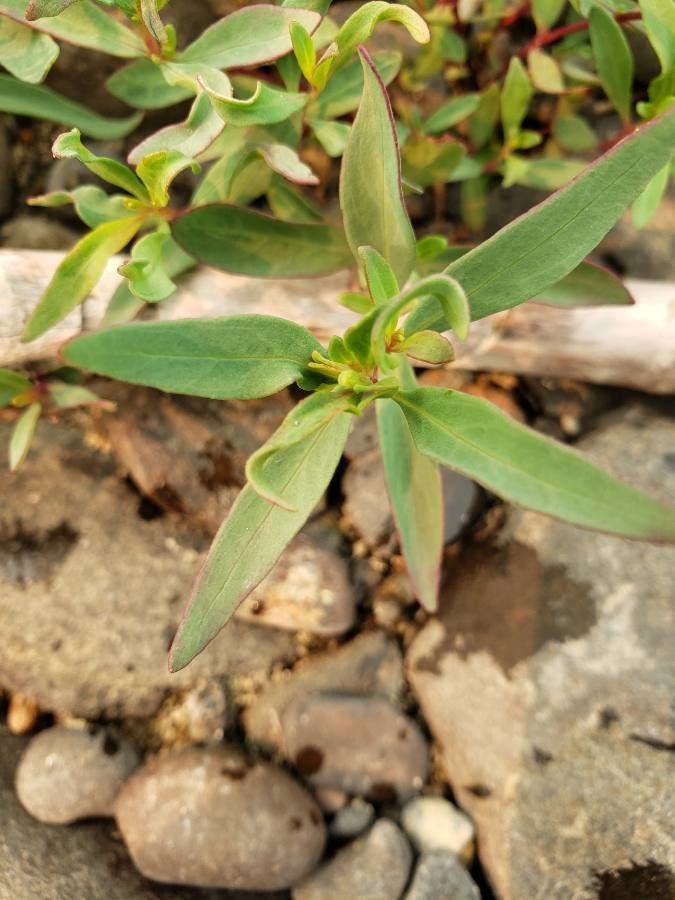
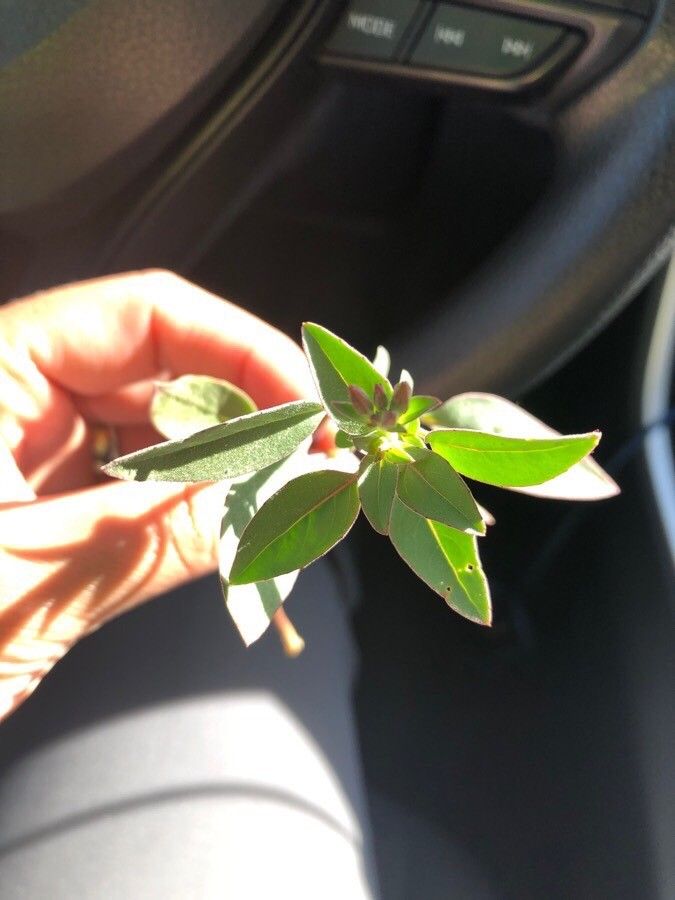
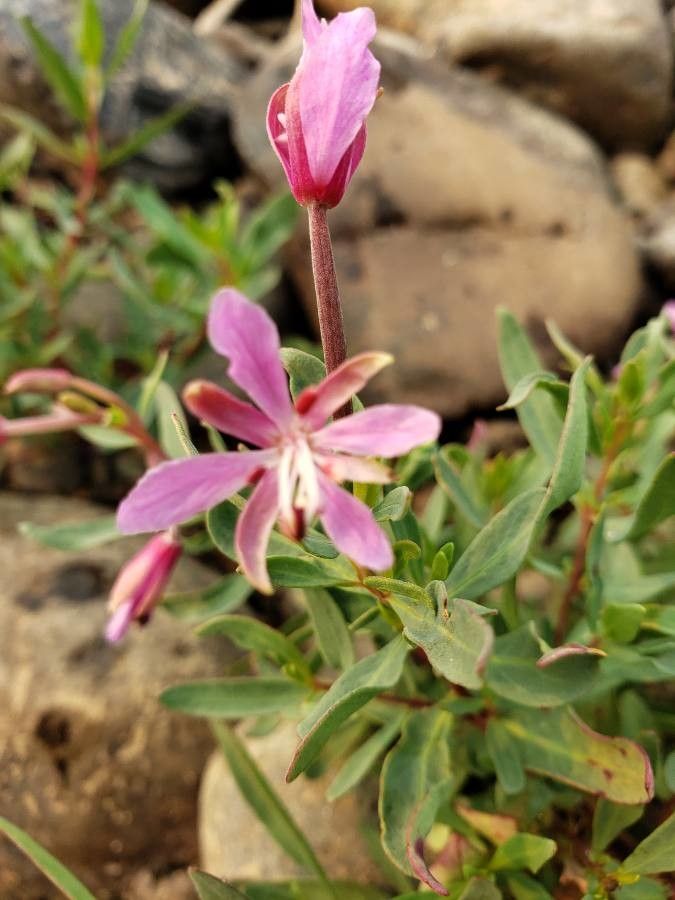
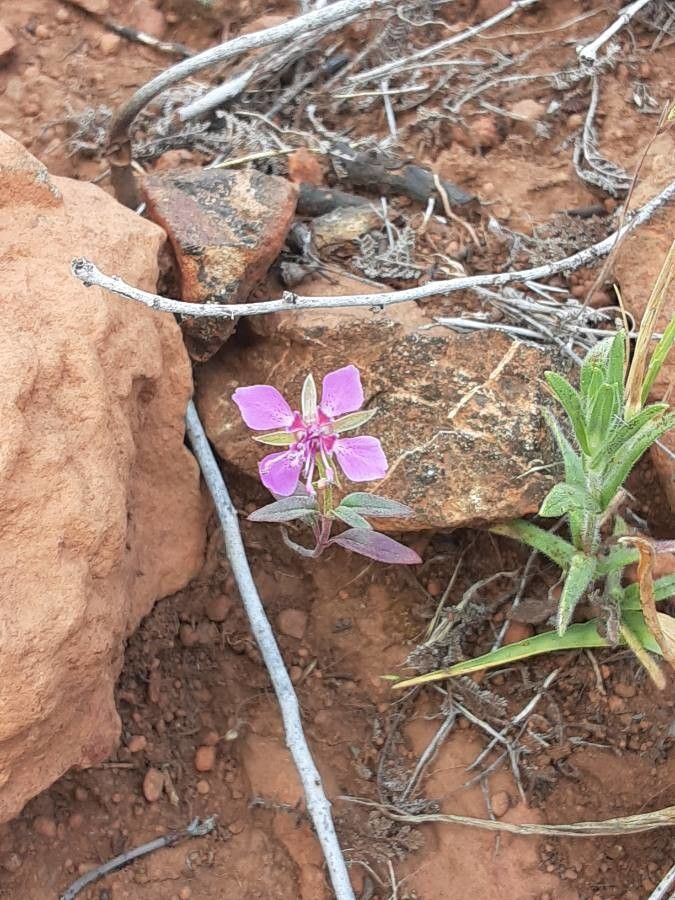
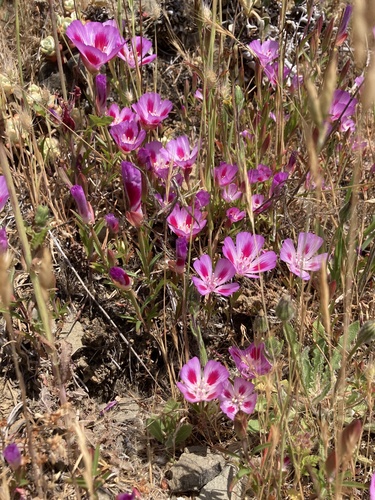
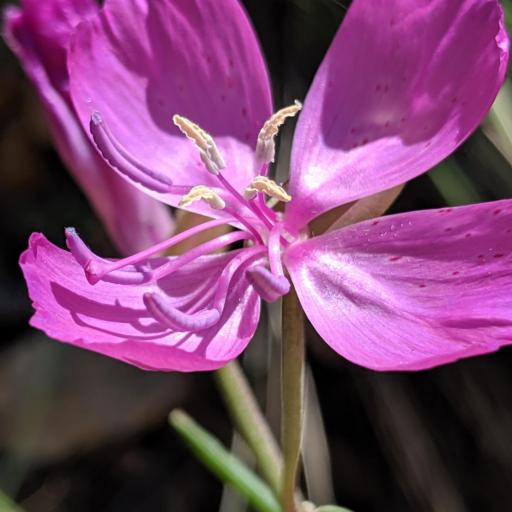
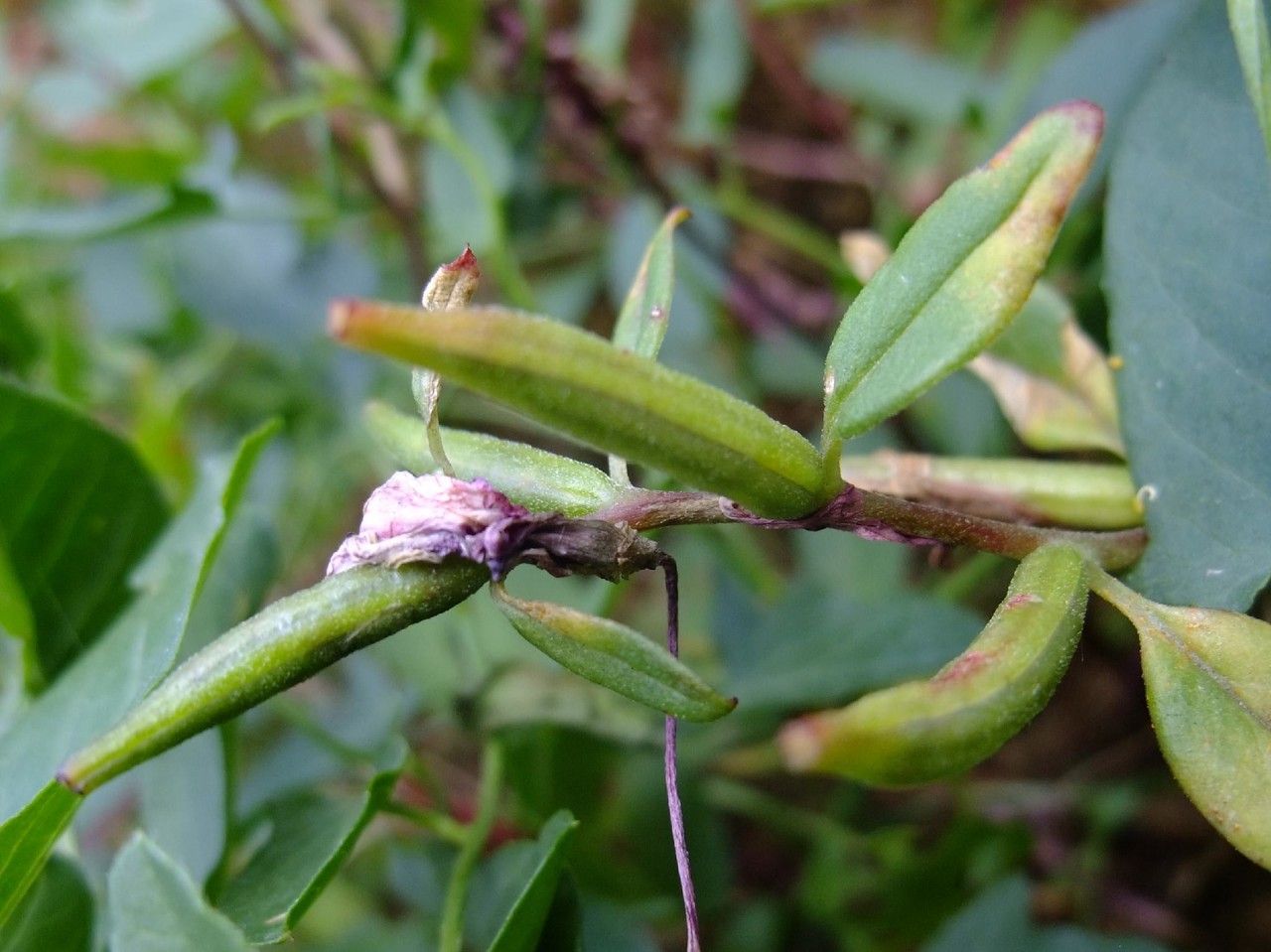
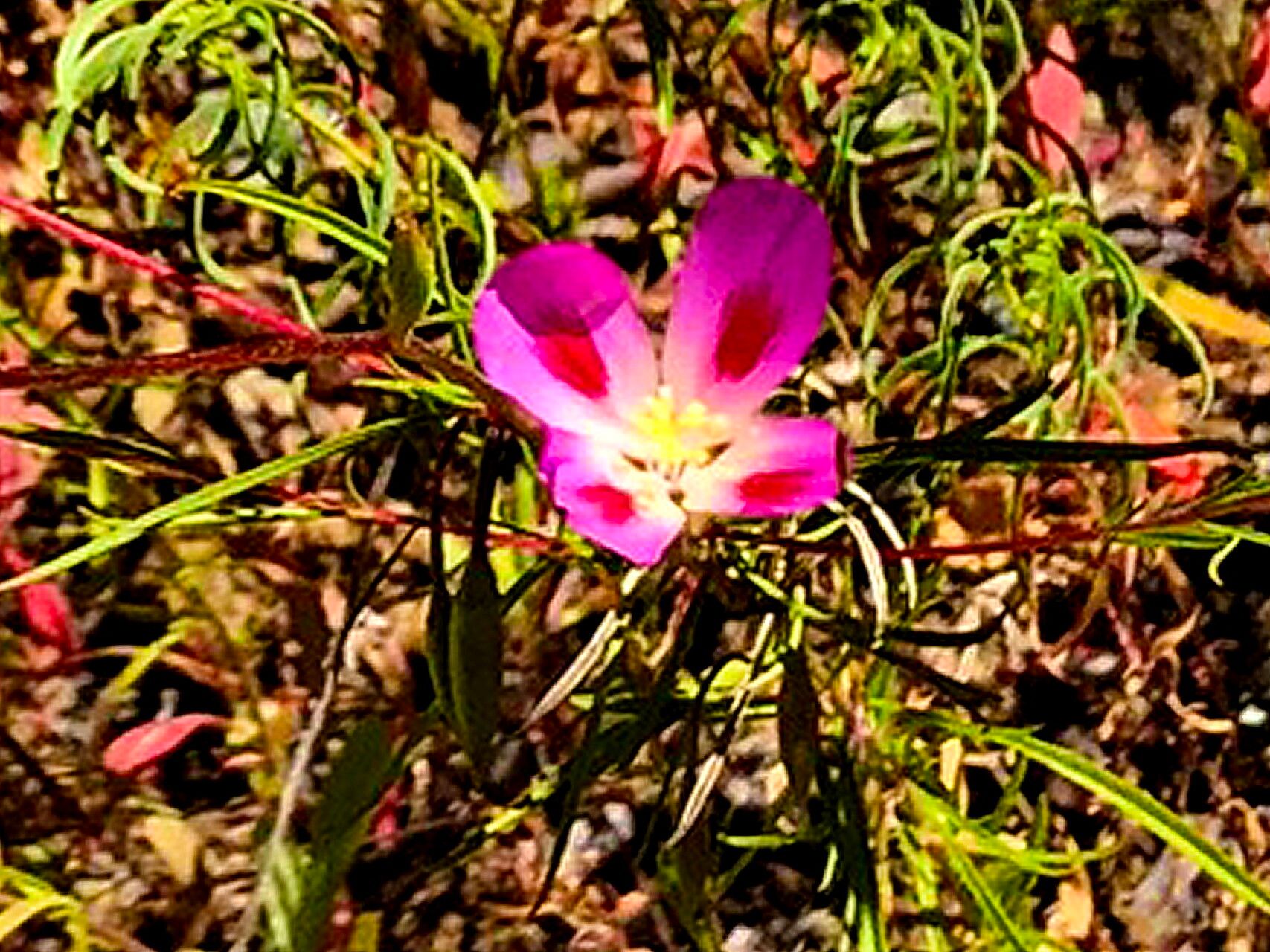
Clarkia rhomboidea is a species of wildflower known by the common names diamond clarkia and forest clarkia. This plant is native to western North America, where it is a common resident of varied forest and woodland habitats. This clarkia grows a spindly stem not exceeding a meter in height and occasional small leaves. The flower has four petals which are bright pink to lavender and often speckled with darker pink shades. The petals are diamond-shaped to spoon-shaped and one to one and a half centimeters long. There are eight stamens, each holding a large anther bearing blue-gray pollen.
Diamond clarkia is fairly resistant to disease and is usually not prone to illnesses. However, it can be vulnerable to pests and diseases present in its surroundings. Such infections are typically not serious. For care, this plant requires moderate maintenance. Regular pruning is needed to maintain a neat appearance and support healthy growth. Applying fertilizer can also help encourage flowering. Diamond clarkia is appropriate for anyone with outdoor space, like a garden or patio, and does not demand extensive care experience. It may require more attention if grown indoors.
How to keep Clarkia Rhomboidea.
Light
Diamond clarkia comes from bright, open habitats where it thrives in full sun. It can tolerate partial sun but favors direct sunlight for optimal growth. This plant, which can be annual or biennial, is known for its sun-loving nature.
Temperature
Diamond clarkia can tolerate a broad range of temperatures, though its range may still be restricted by particular combinations of moisture and heat. It performs best in warm summers with sufficient rainfall or regular watering. Extended periods of cloudy, rainy weather or prolonged high temperatures can raise the risk of Diamond clarkia dying. In winter, appropriate protection from cold can improve the plant's survival rate.
Fertilizer
Begin fertilizing Diamond clarkia again once most of its flowers have opened fully. When the blooms reach their peak production, resume feeding every three to four weeks, weather permitting. Then, when the plant begins to produce fewer new blooms, stop fertilizing — there’s no point in feeding it if it can no longer form additional flowers.
Pruning
Diamond clarkia is known for its beautiful diamond-shaped petals and vibrant colors. To ensure optimal growth and blooming, prune the plant from early to late spring. Focus on removing dead stems and thinning out overcrowded areas. Doing so will improve air circulation, reduce the risk of disease, and promote vigorous, abundant flowering.
Botanical profile.
- Plant Type
- Herb
- Life Cycle
- Annual
- Genus
- Clarkia
- Family
- Onagraceae
- Hardiness Zone
- 7-10
- Mature Height
- 20 cm to 55 cm
- Mature Spread
- 20 cm to 40 cm
- Leaf Color
- Green
- Leaf Type
- Deciduous
- Flower Color
- Pink, Lavender
- Flower Size
- 2.03 cm to 4.06 cm
- Bloom Time
- Late spring, Early summer, Mid summer
- Planting Time
- Spring
- Harvest Time
- Mid summer, Late summer, Early fall
- Native Area
- Mexico
Other names.
Reader questions.
What are the sunlight requirements for Diamond Clarkia (Clarkia rhomboidea)?
Diamond Clarkia (Clarkia rhomboidea) thrives under specific sunlight conditions. For full sun exposure, it requires more than 6 hours of sunlight daily. In partial sun conditions, it should receive about 3-6 hours of sunlight. It's important to observe how sunlight moves through your garden to find locations that offer a balanced amount of light and shade, ensuring the well-being of your plants.
What is Diamond Clarkia?
Diamond Clarkia, known botanically as Clarkia rhomboidea, is a plant species characterized by its unique features and botanical significance. However, specific details about its essentials and symptoms were not provided in the given information.
Are there any warnings to consider when finding a spot for Diamond Clarkia in the garden?
Yes, when choosing a spot for your Diamond Clarkia (Clarkia rhomboidea), it's essential to watch how sunlight gracefully moves through your garden. Identifying areas that provide the perfect balance of light and shade is critical to the happiness and health of your plants. This awareness ensures they are placed in locations where they can thrive.