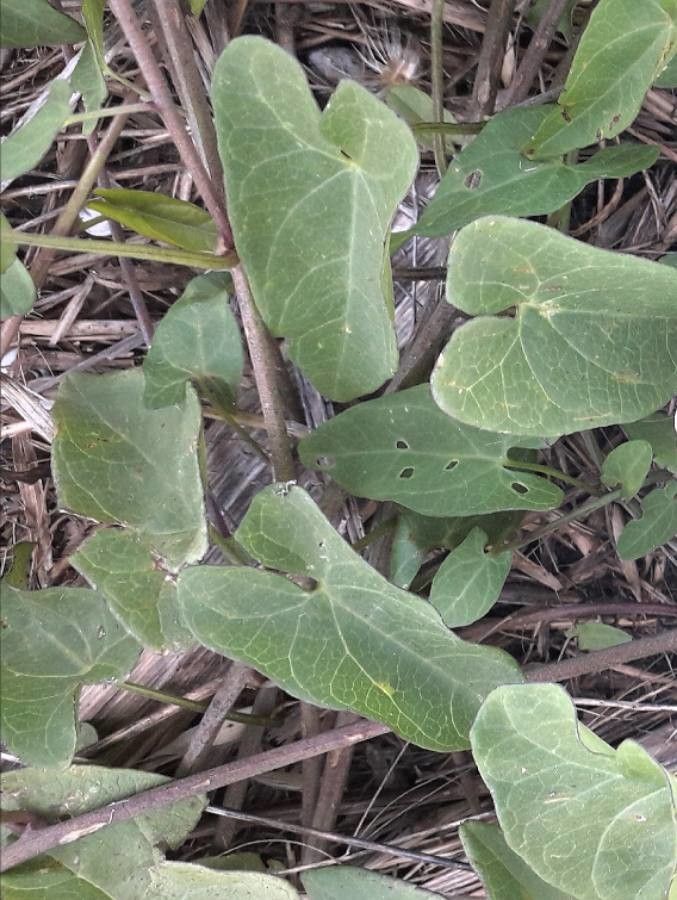
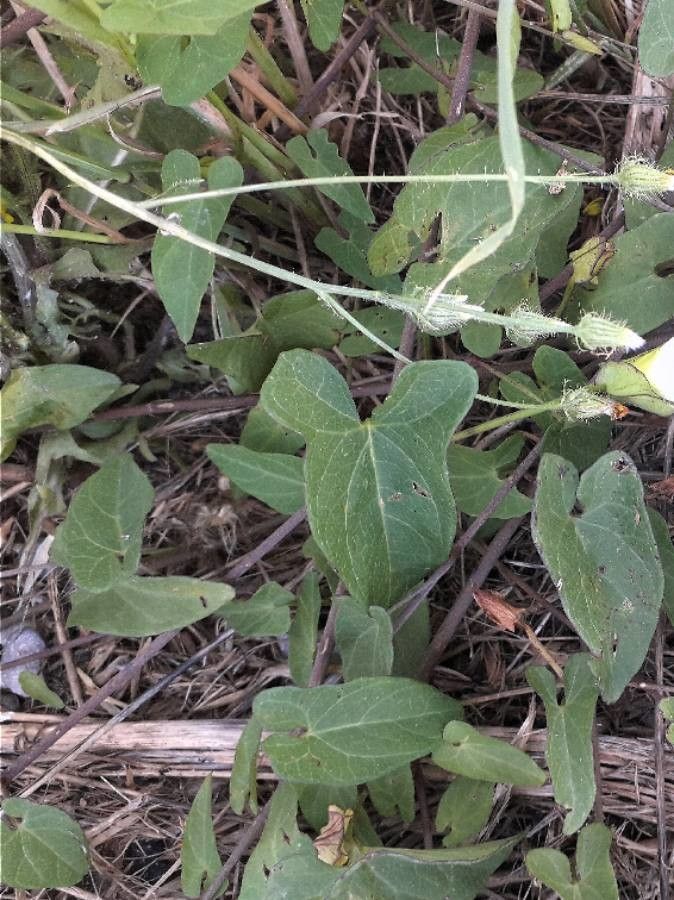
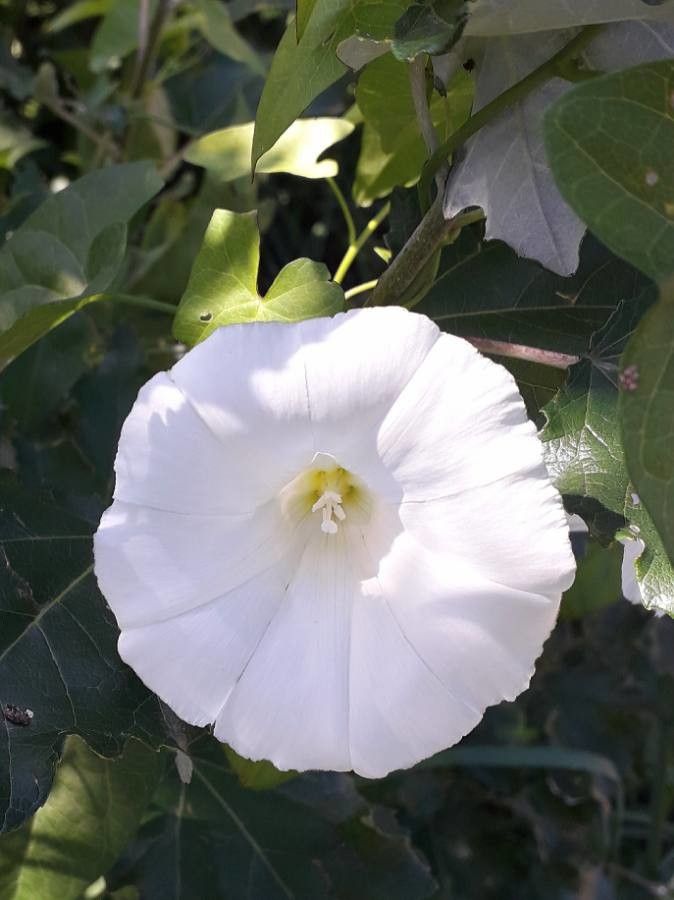
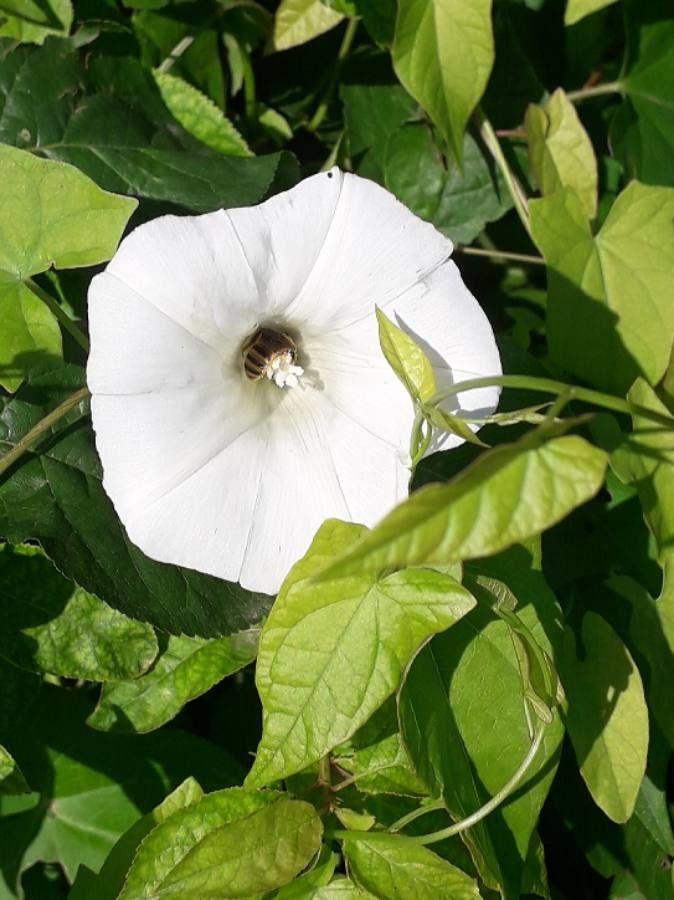
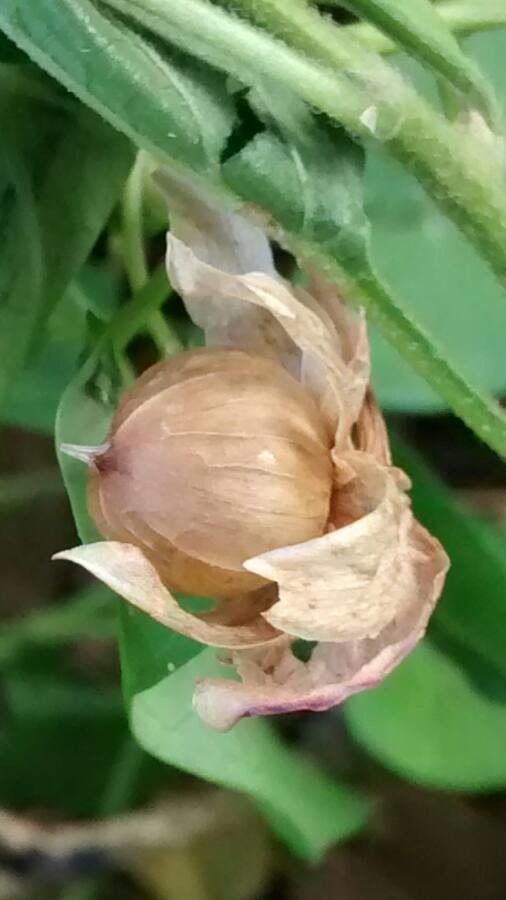
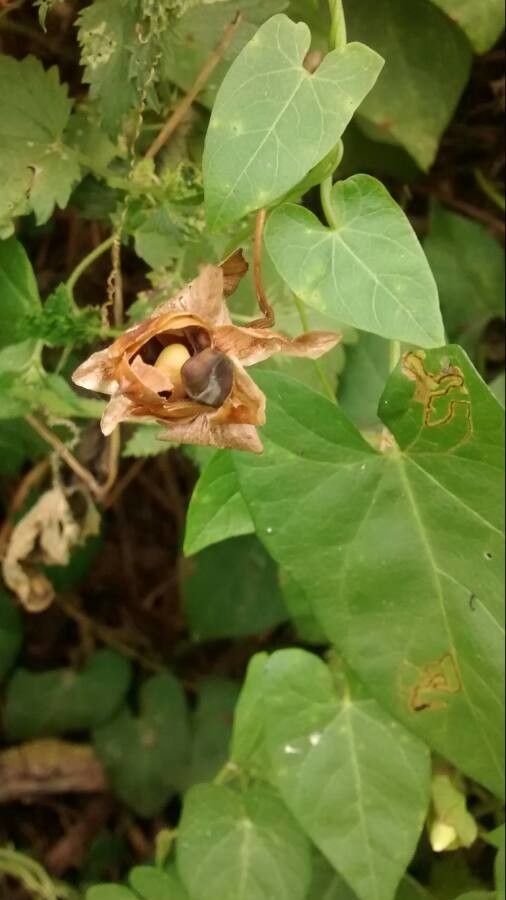
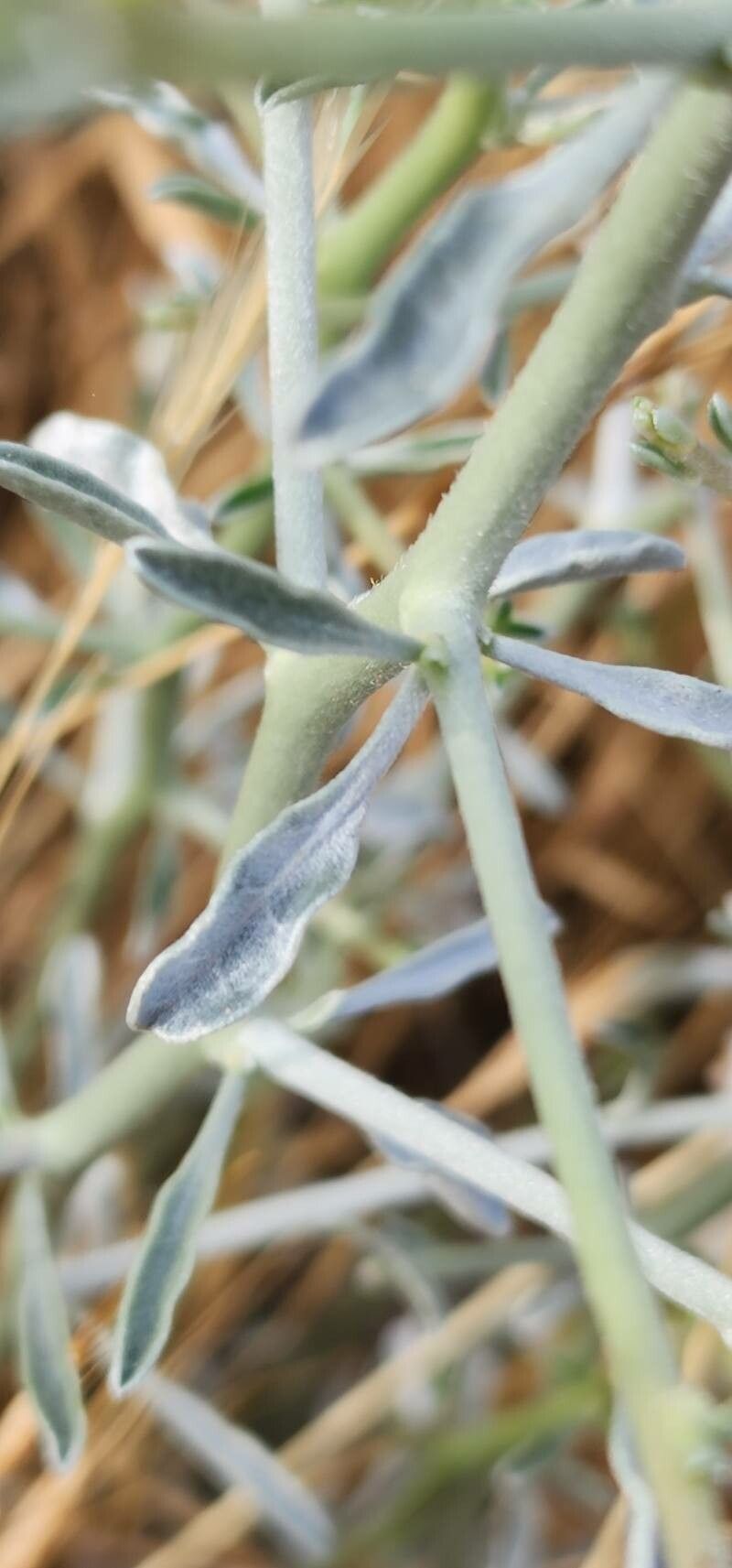
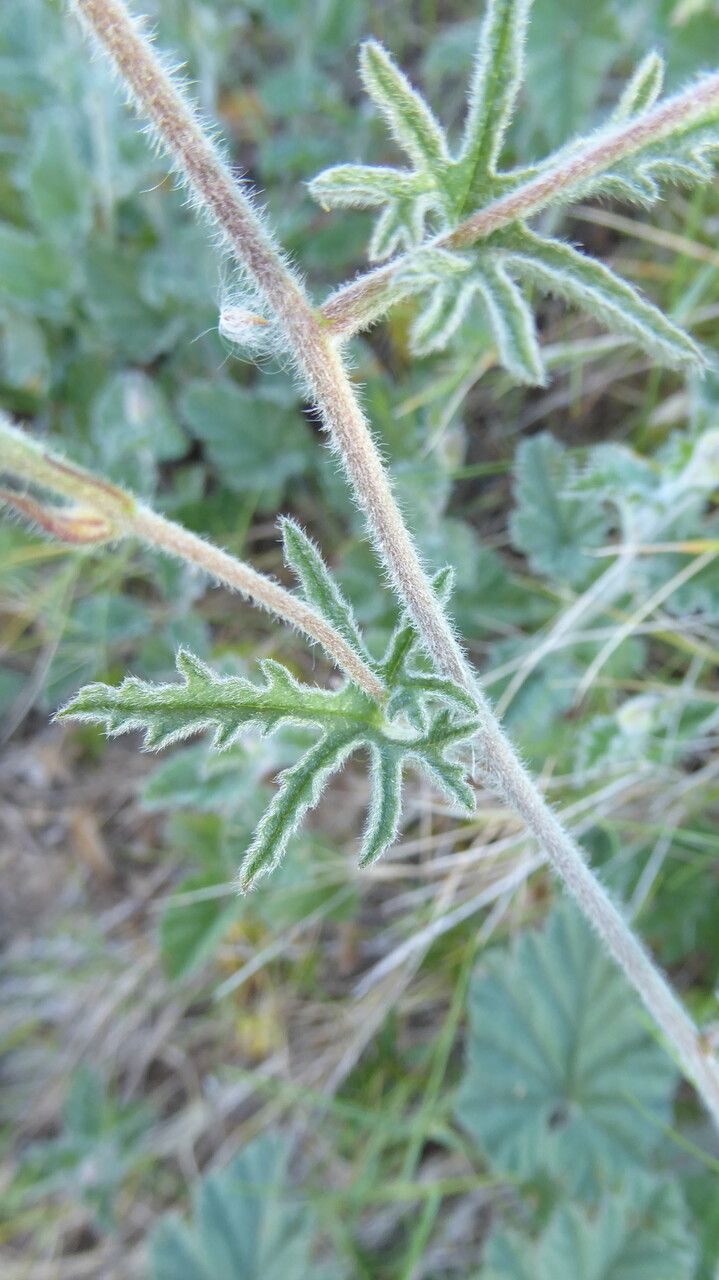
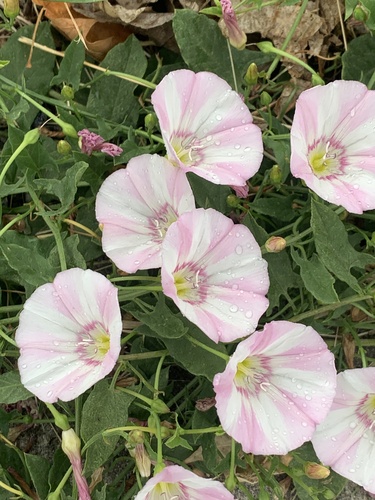
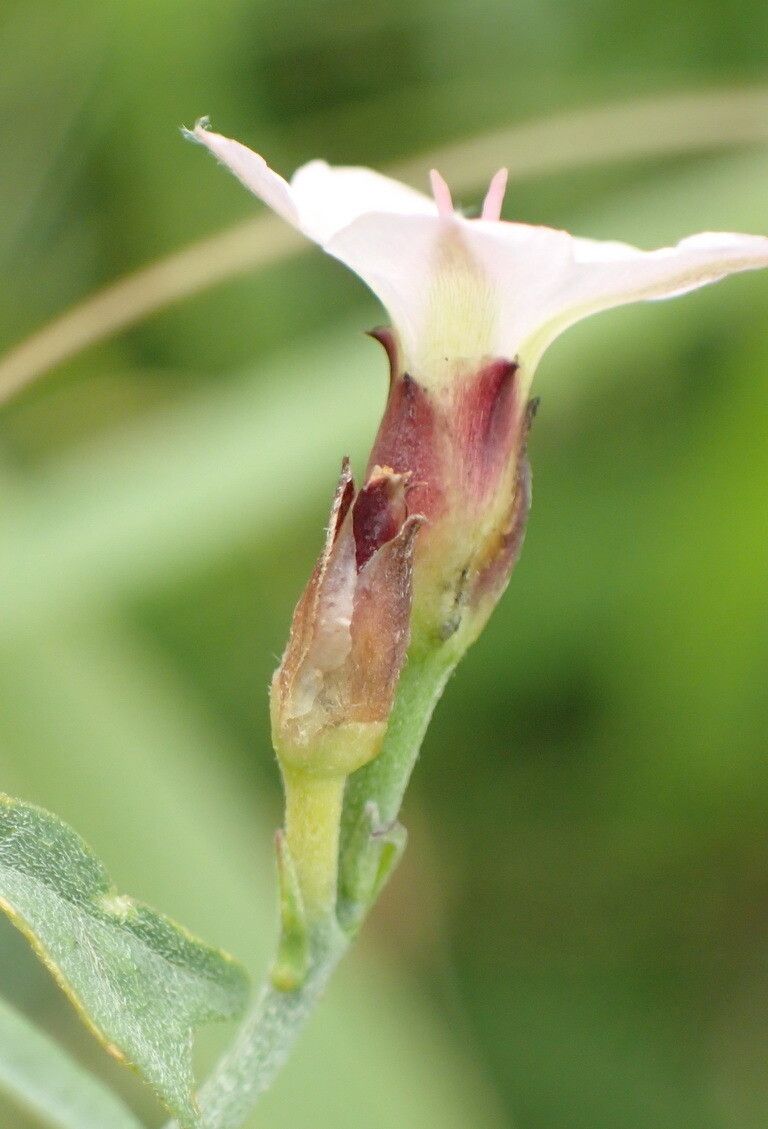
Convolvulus sepium, commonly known as hedge bindweed, is a perennial vine in the morning glory family. Native to Europe and Asia, it has spread and naturalized in many other regions worldwide. This plant has a twining habit and can grow up to 3 meters in length. Its leaves are arrow-shaped with pointed tips, and its trumpet-shaped flowers, which bloom from June to September, feature white or pinkish petals.
Hedge bindweed thrives in moist soils but can also tolerate dry conditions. It is commonly found in fields, gardens, roadsides, and other disturbed areas where it climbs on other plants or structures for support.
Although some gardeners may find its flowers attractive, hedge bindweed is often considered a weed due to its invasive nature. It spreads rapidly through underground rhizomes and seeds that can remain viable for up to 20 years.
Despite its invasive tendencies, Convolvulus sepium has been used medicinally by some cultures to treat various ailments, such as respiratory problems and skin conditions, thanks to its anti-inflammatory properties.
Overall, Convolvulus sepium is an interesting plant species with positive medicinal attributes. However, it is also known as an invasive species in many areas, where it can rapidly grow and cause problems within ecosystems if not managed properly.
Hedge binweed has good disease resistance and is generally not prone to illnesses. However, it can be susceptible to pests and diseases present in its surroundings. These infections are usually mild. In terms of care, this plant requires moderate maintenance. It needs regular pruning to maintain a neat appearance and healthy growth. Fertilizing can also help encourage flowering. Hedge binweed is suitable for anyone with an outdoor area, such as a garden or patio, and does not require much plant-care experience. It may need more attention when grown indoors.
How to keep Convolvulus Sepium.
Light
Hedge binweed is a sun-loving perennial herbaceous plant that comes from open habitats and often thrives in meadows and grasslands. It prefers full sun but can also tolerate partial sun.
Temperature
Hedge binweed can tolerate a wide range of temperatures, but its range may still be restricted by different combinations of moisture and heat. It performs best in warm summer climates with sufficient rainfall or irrigation. Extended periods of cloudy, rainy weather or prolonged high temperatures increase the chance of Hedge binweed dying. In winter, adequate protection from cold can boost the plant's survival.
Fertilizer
The best time to fertilize a Hedge binweed is in early spring, as it comes out of dormancy and begins active growth. Fertilization supplies essential nutrients for healthy development. Although Hedge binweed has relatively low fertilizer requirements, feeding it annually can improve its survival and encourage better, longer-lasting flowers.
Botanical profile.
- Plant Type
- Herb, Vine
- Life Cycle
- Perennial
- Genus
- Convolvulus
- Family
- Convolvulaceae
- Hardiness Zone
- 4-9
- Mature Height
- 3.05 m
- Mature Spread
- 0.91 m to 3.05 m
- Leaf Color
- Green
- Leaf Type
- Semi-evergreen
- Flower Color
- White
- Flower Size
- 4.06 cm to 6.35 cm
- Bloom Time
- Late spring, Summer, Early fall, Mid fall
- Planting Time
- Spring, Summer
- Harvest Time
- Late summer, Fall
- Native Area
- Turkey, Sweden, Austria, Slovakia, Montenegro, Slovenia, Morocco, Croatia, Belarus, Uzbekistan, Russia, Germany, Estonia, Koppen, Romania, Latvia, South Korea, Belgium, Portugal, Netherlands, France, Tajikistan, Tunisia, Czech Republic, Cyprus, Bulgaria, Poland, Armenia, Greece, Ukraine, Serbia, Lebanon, Lithuania, Norway, Afghanistan, Syria, Kyrgyzstan, Kazakhstan, Italy, Spain, Switzerland, Denmark, Japan, Mongolia, Finland, Iran, Albania, Ireland, United Kingdom, Hungary, Algeria, Azerbaijan, Turkmenistan
Other names.