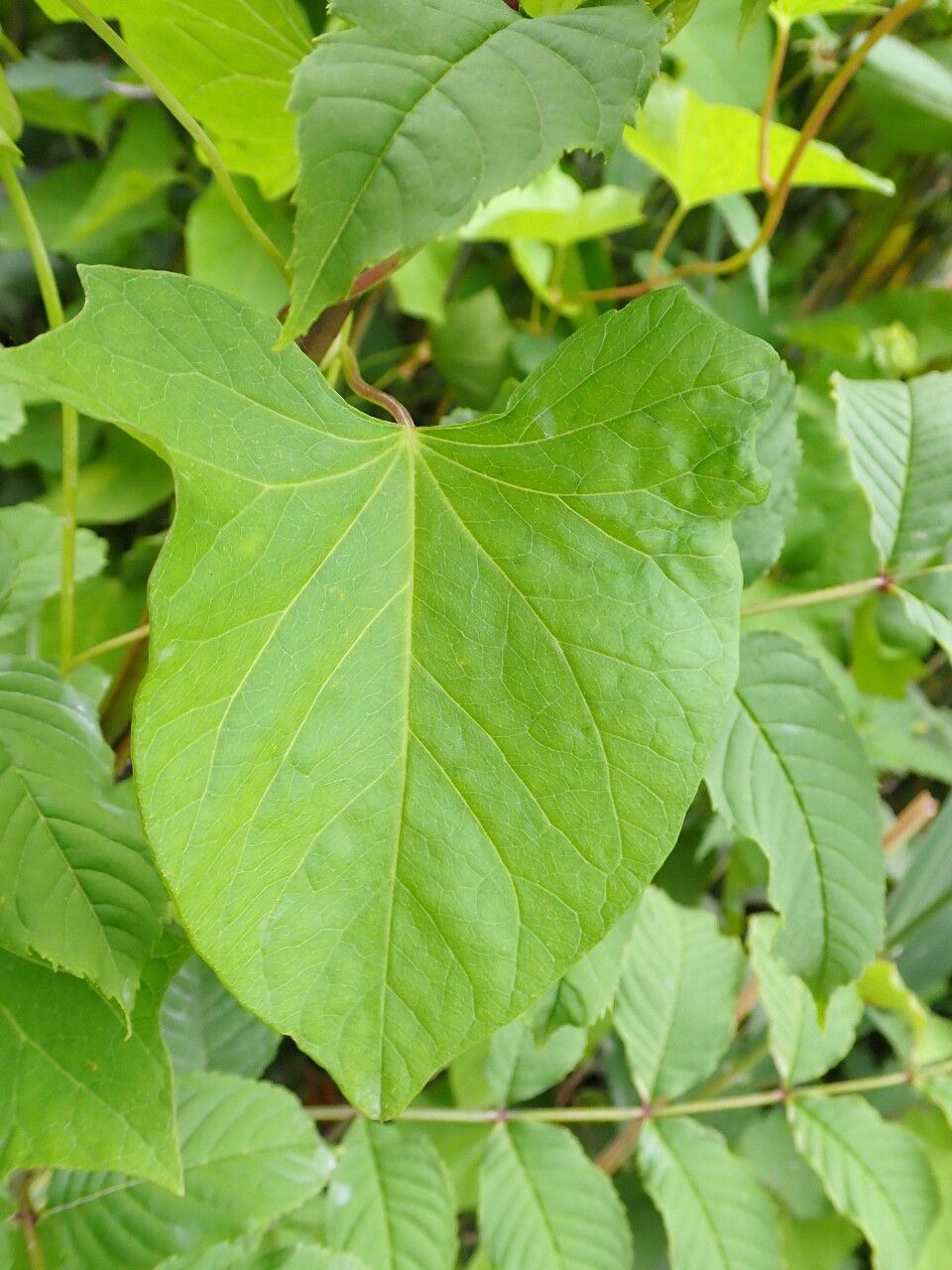
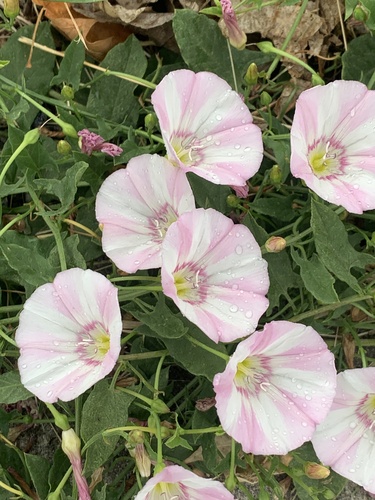
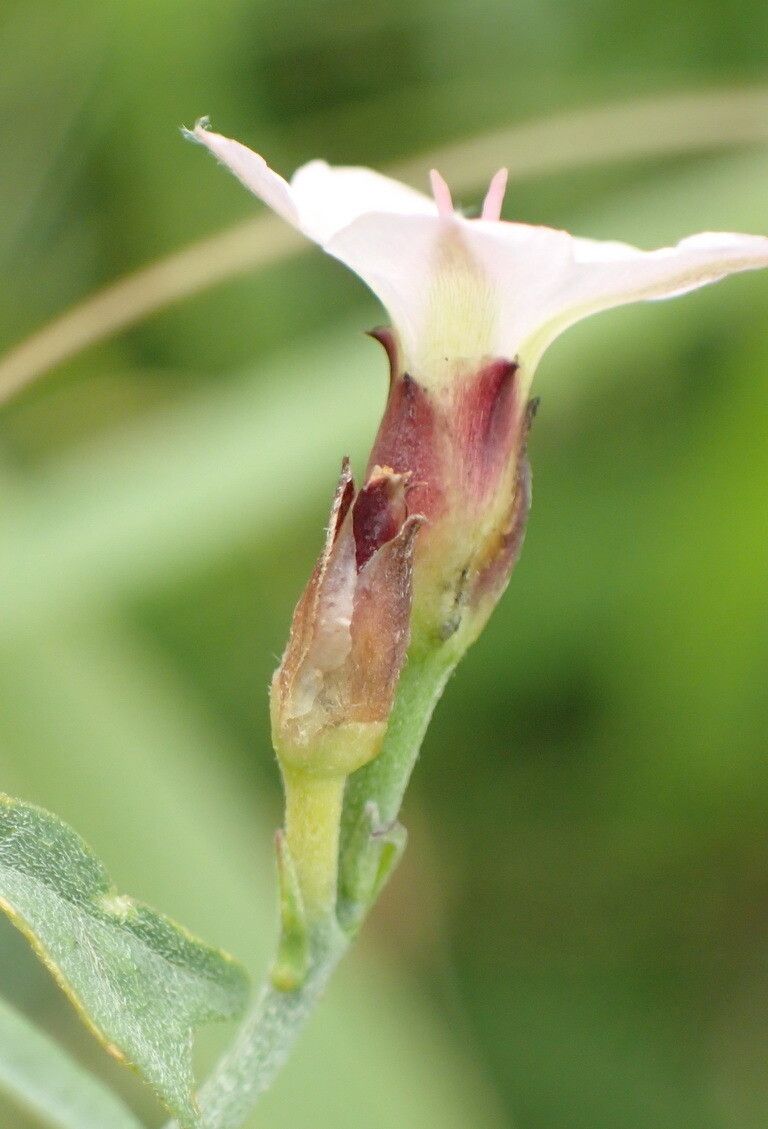
Convolvulus silvaticus, commonly known as woodland bindweed, is a perennial herbaceous plant belonging to the family Convolvulaceae. Native to Europe and western Asia, it thrives in open woodlands, meadows, and grasslands. The plant exhibits a trailing or climbing growth habit, with slender stems that can reach up to one meter in length. Its alternate leaves are arrow-shaped with pointed tips.
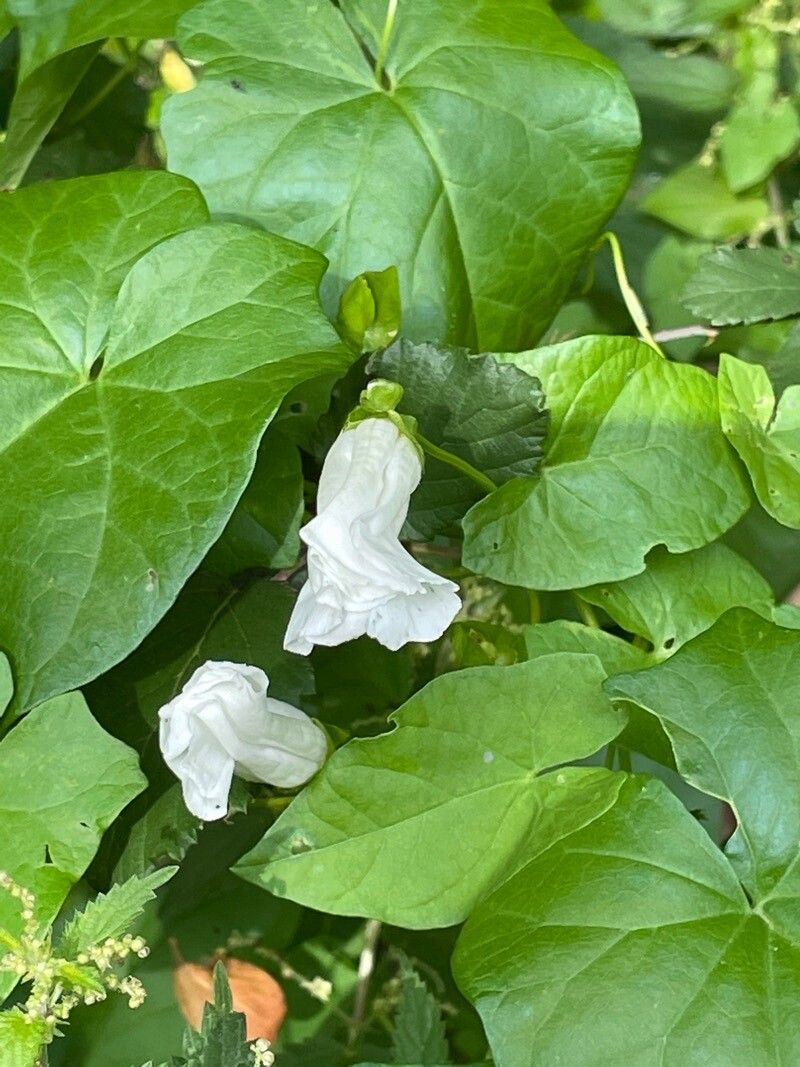
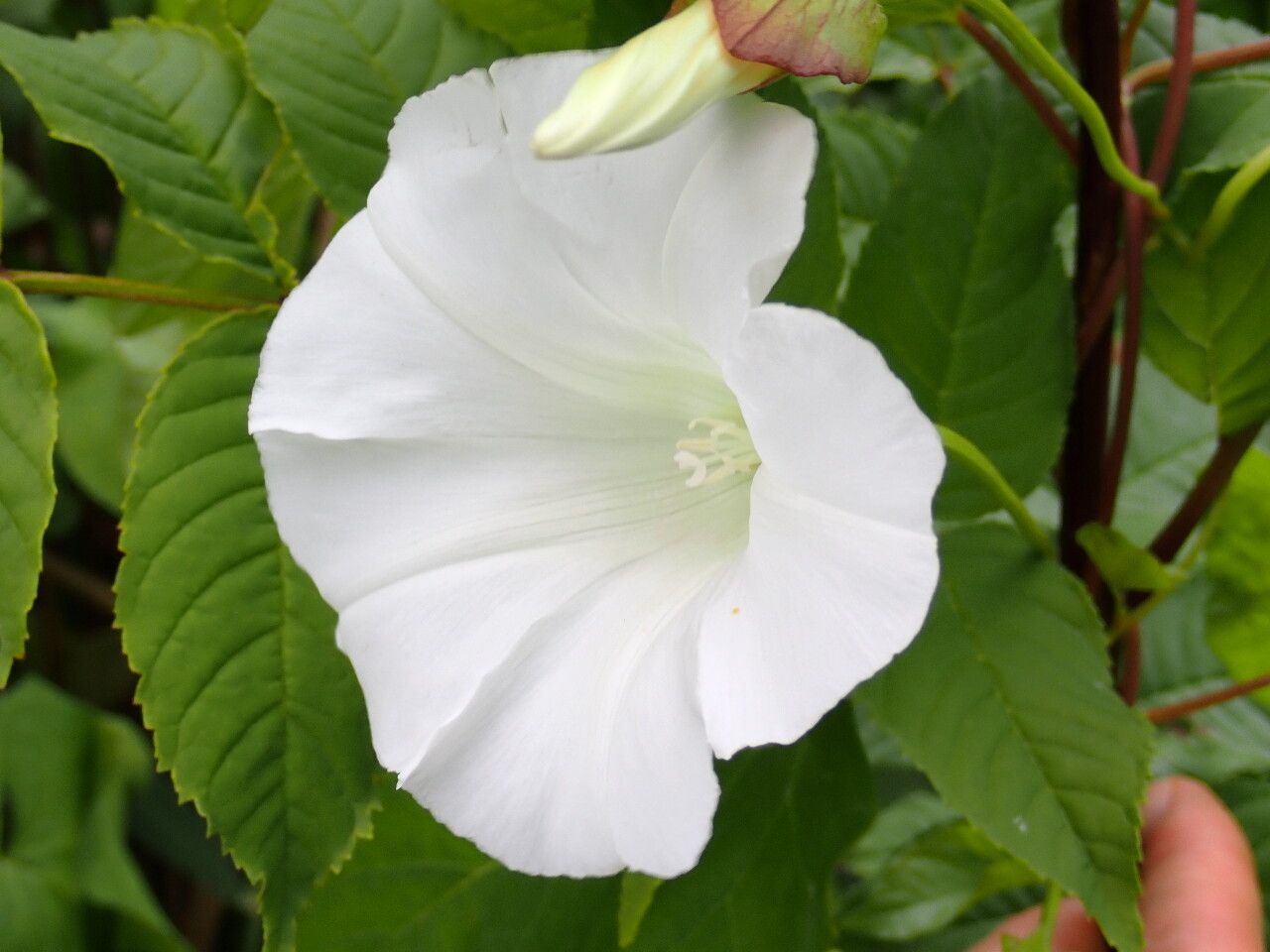
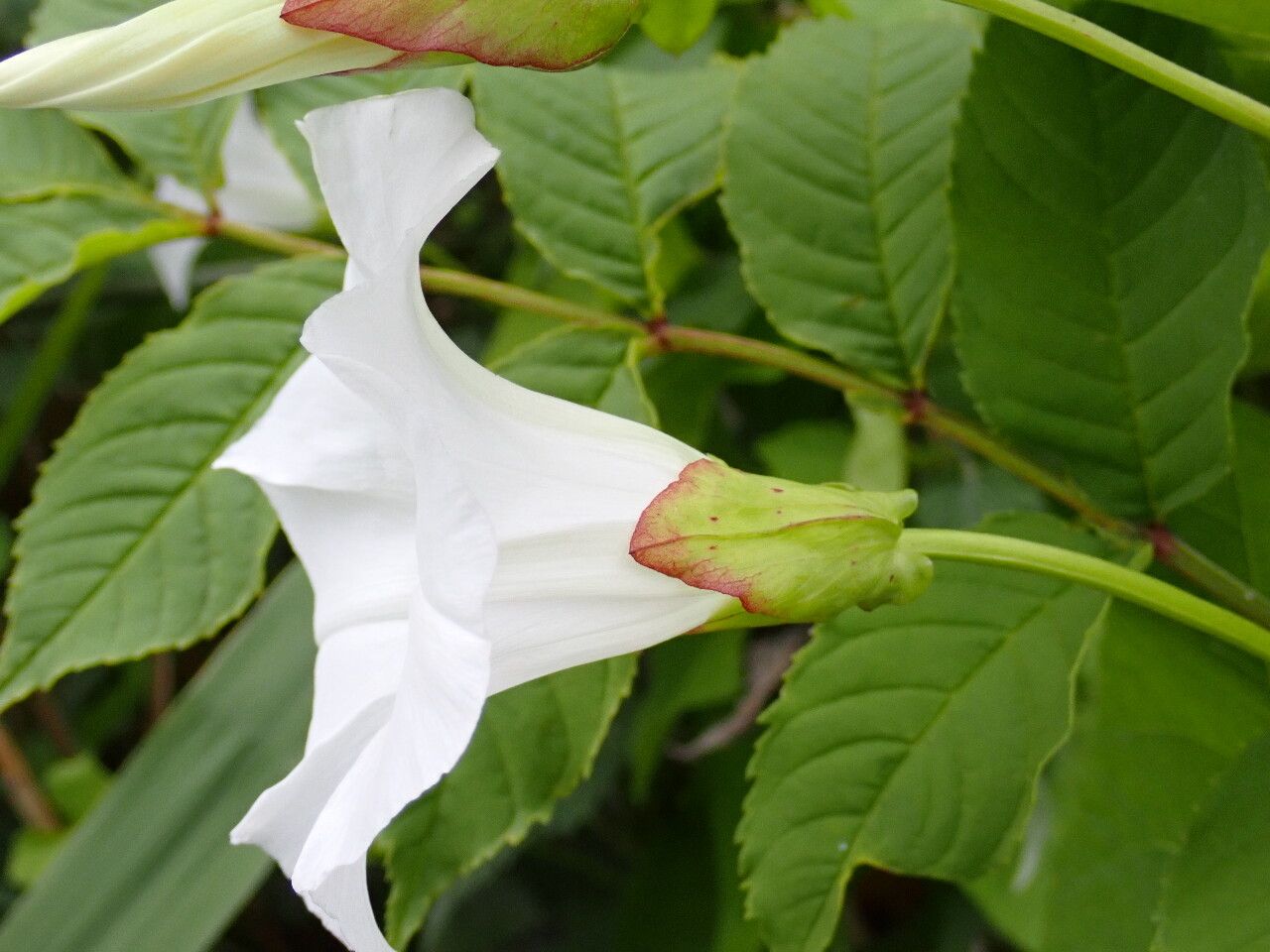
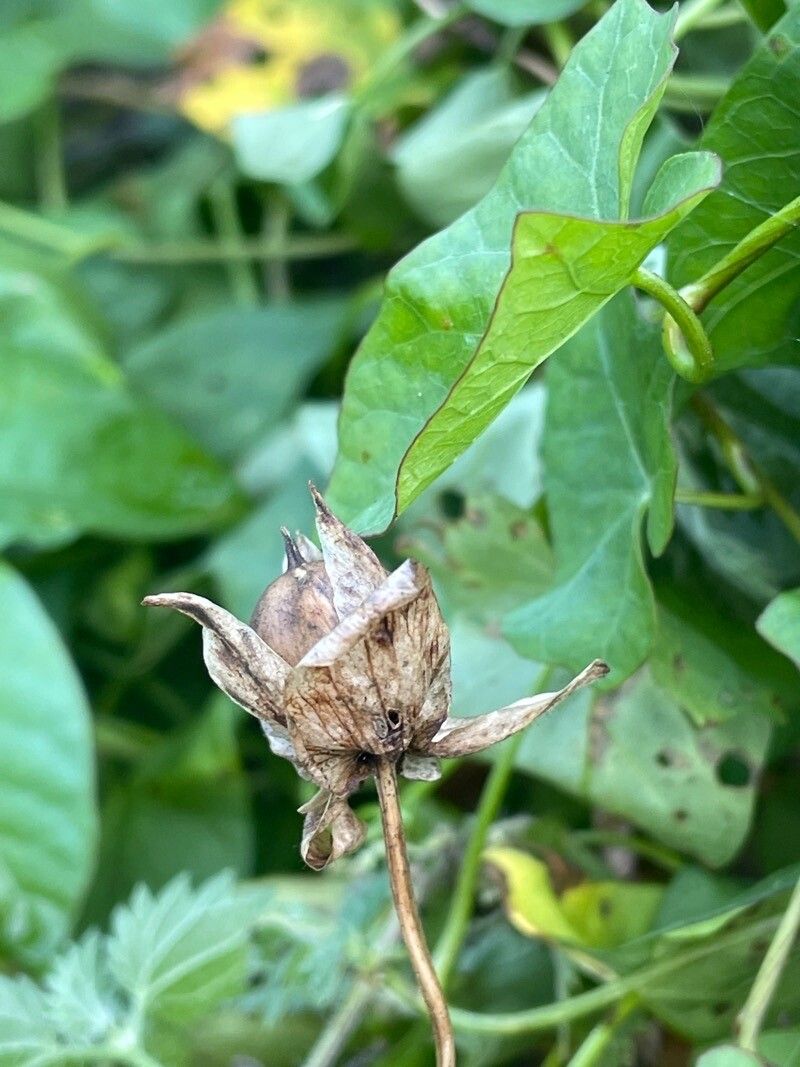
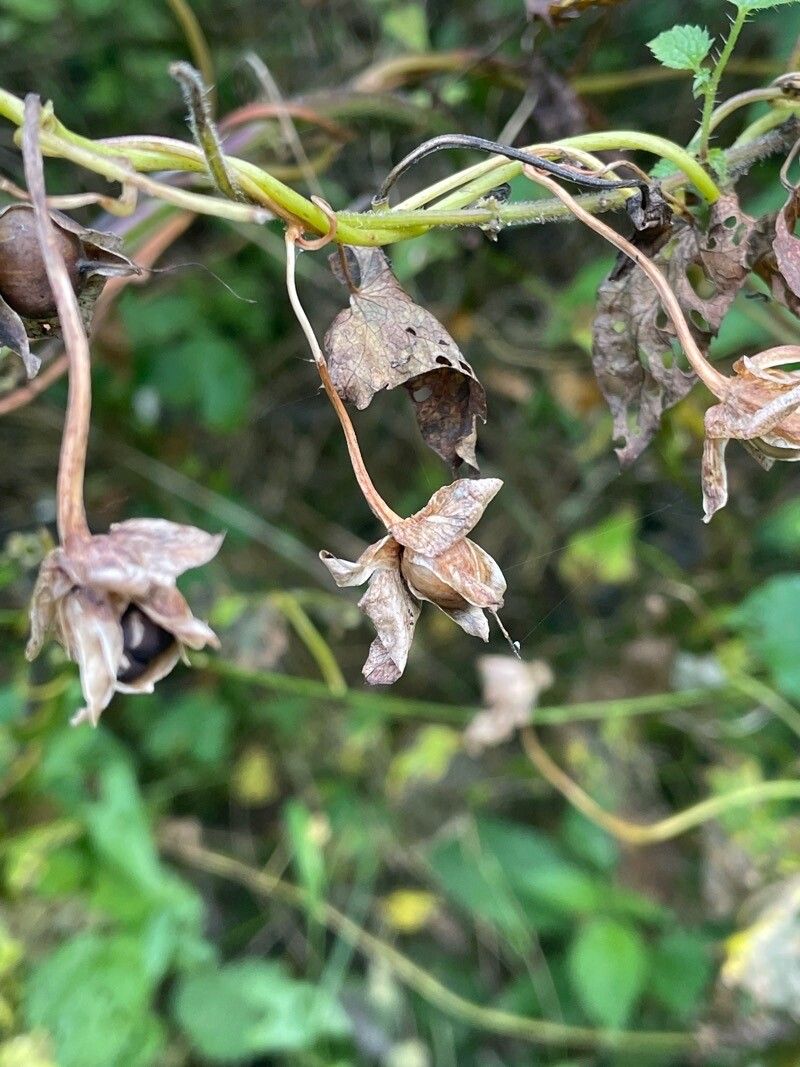
The flowers of Convolvulus silvaticus are trumpet-shaped and typically pink or white. Blooming from May to September, these flowers attract bees for pollination. The plant produces fruit in the form of capsules, each containing four seeds.
Known for its medicinal uses, Convolvulus silvaticus contains alkaloids with sedative properties. However, it is important to note that excessive consumption can be toxic.
Overall, Convolvulus silvaticus is an attractive wildflower commonly found throughout Europe. It provides important ecological benefits, such as pollination services for bees, and offers medicinal properties when used appropriately under medical supervision.
Calystegia silvatica subsp. silvatica has strong disease resistance and is generally unlikely to suffer from illnesses. However, it can be affected by pests and diseases present in its surroundings. Such infections are usually mild. For care, this plant requires a moderate level of maintenance. It should be pruned regularly to keep a good appearance and healthy growth. Fertilizing can also help encourage flowering. Calystegia silvatica subsp. silvatica is suitable for anyone with an outdoor area, like a garden or patio, and does not need extensive care experience. It may need more attention if grown indoors.
How to keep Convolvulus Silvaticus.
Fertilizer
A single fertilizer application in spring is generally sufficient for Calystegia silvatica subsp. silvatica, though several feedings can maximize growth. Feed once every month to a month and a half. Fertilization improves leaf appearance and function, maintaining consistent color and healthy texture. It also stimulates root growth and nutrient absorption, supporting long-term plant health.
Botanical profile.
Other names.