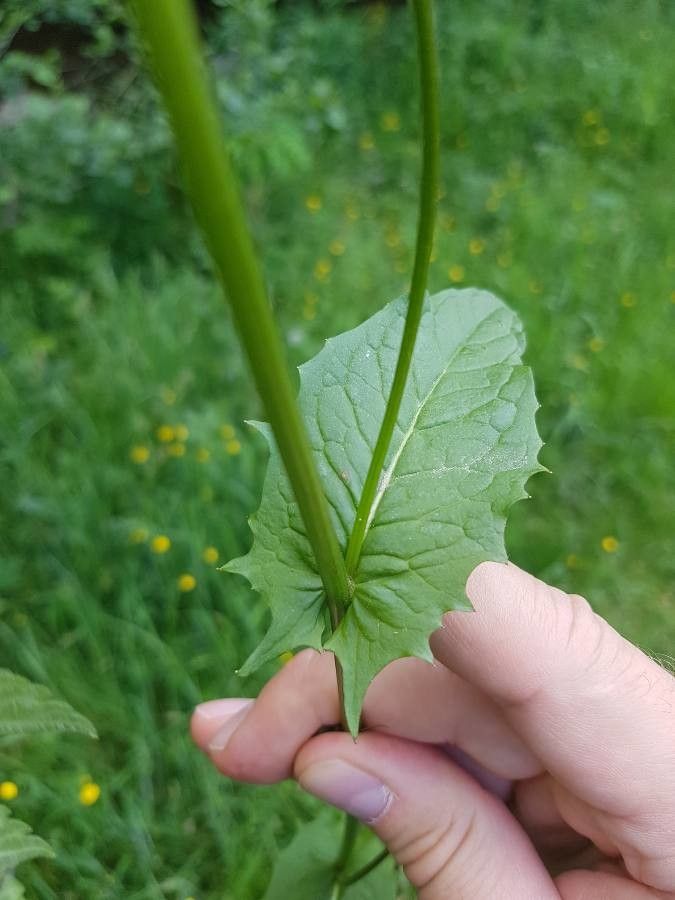
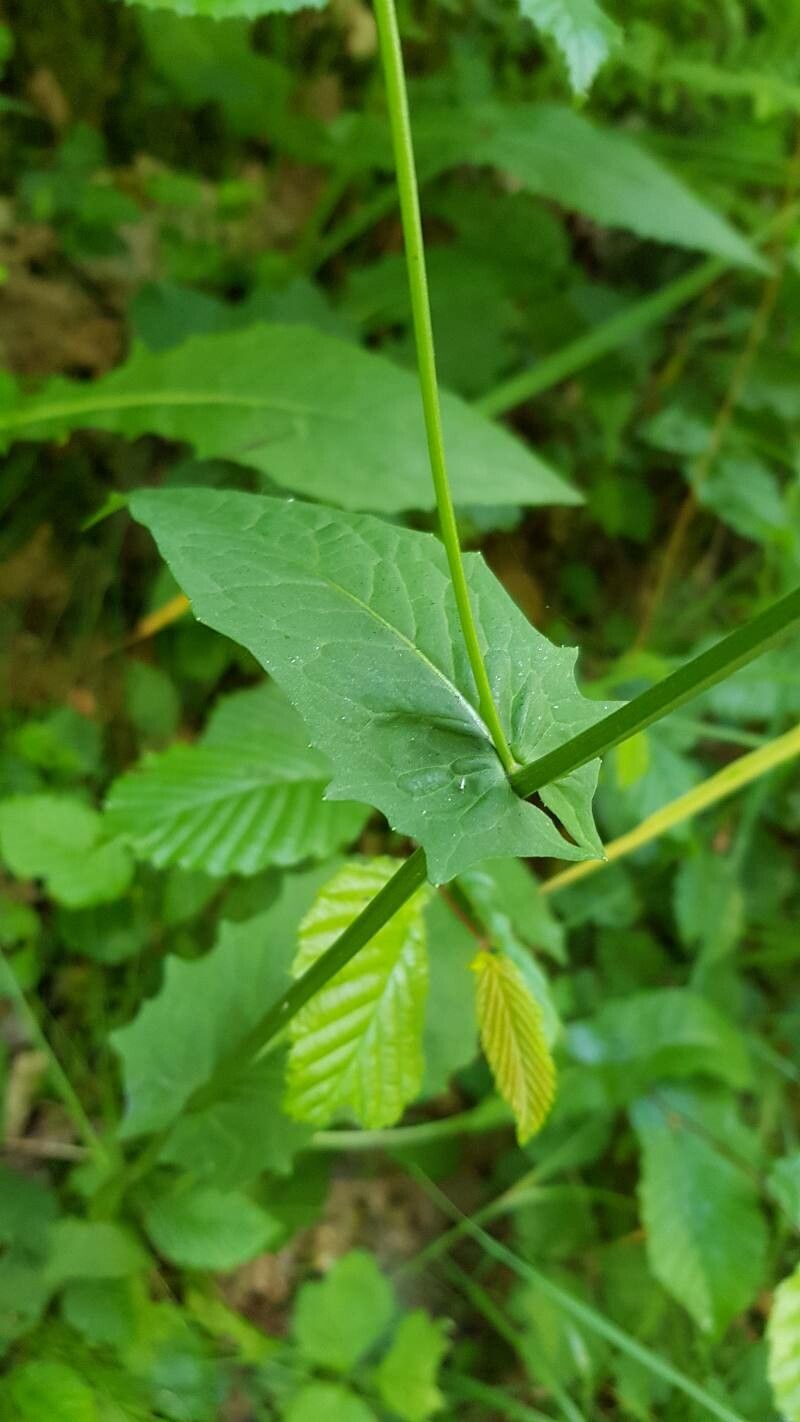
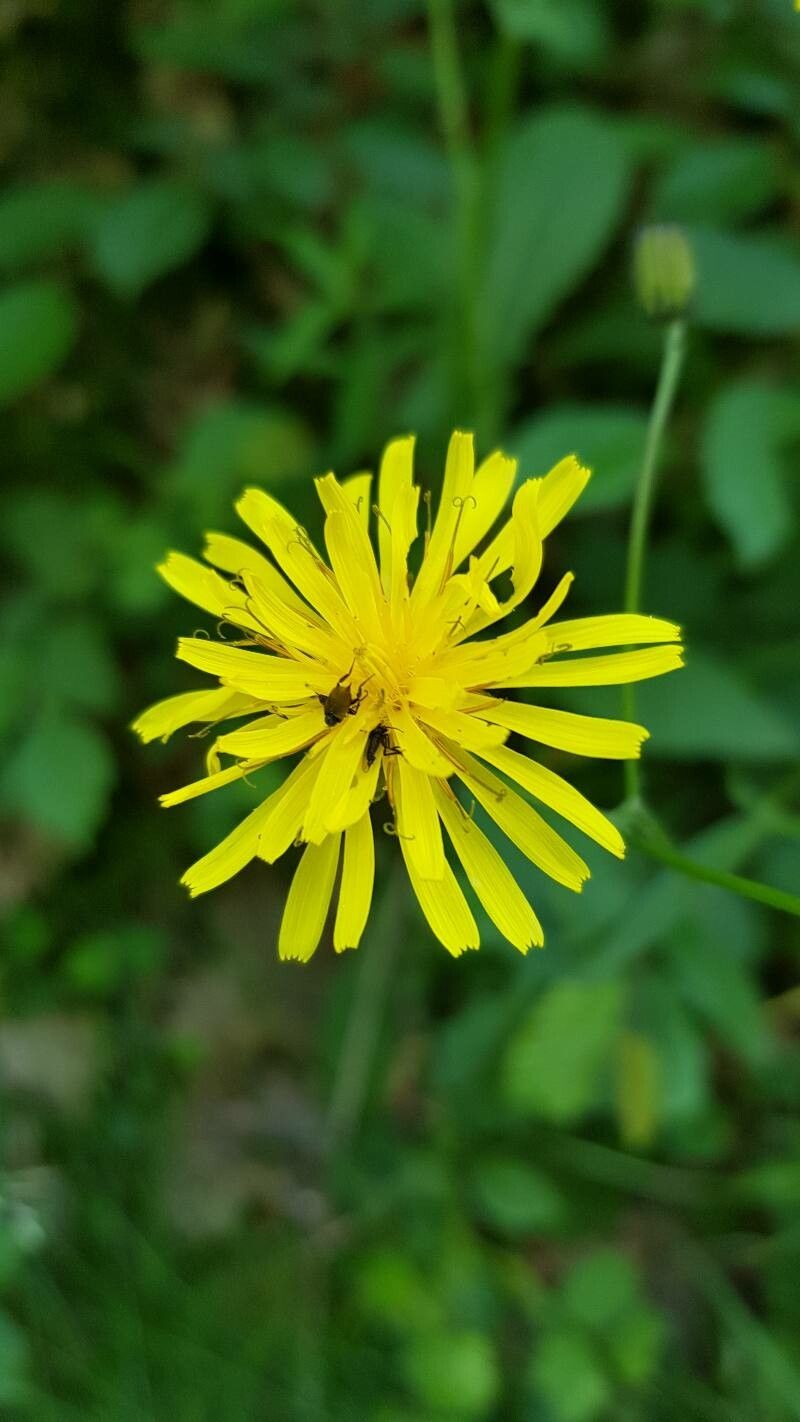
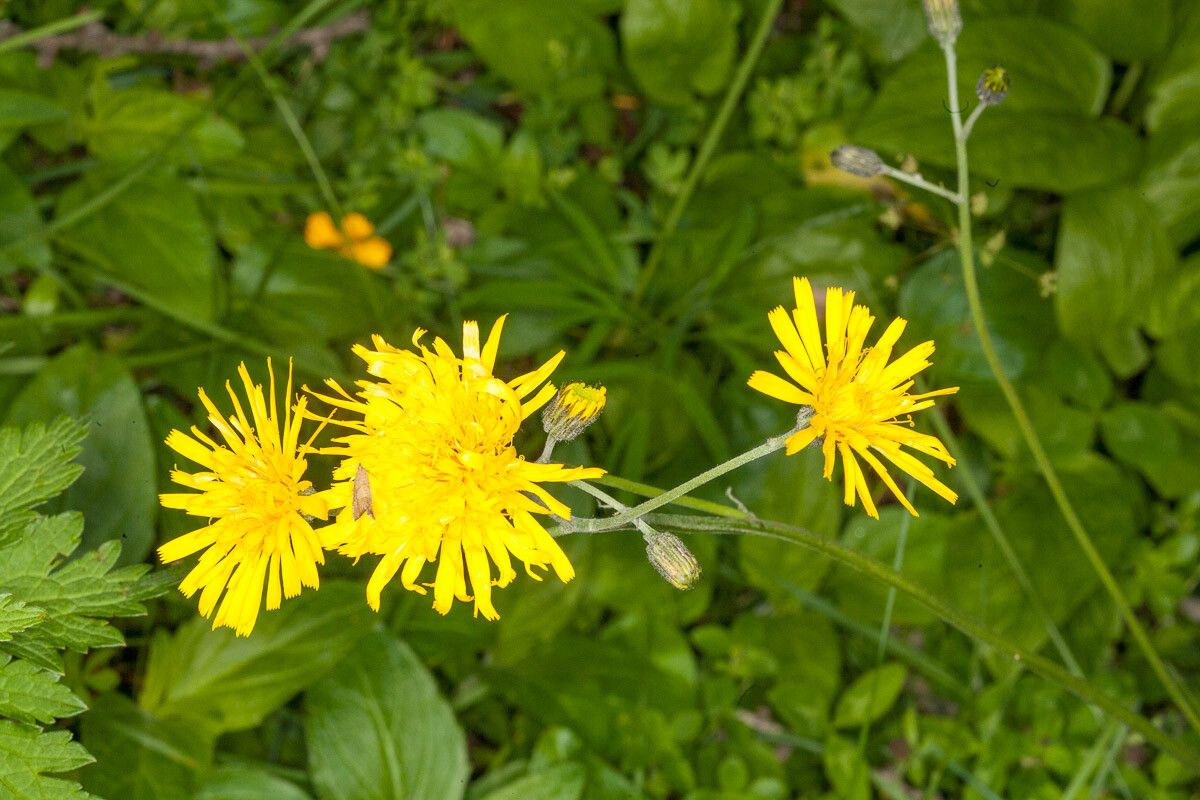
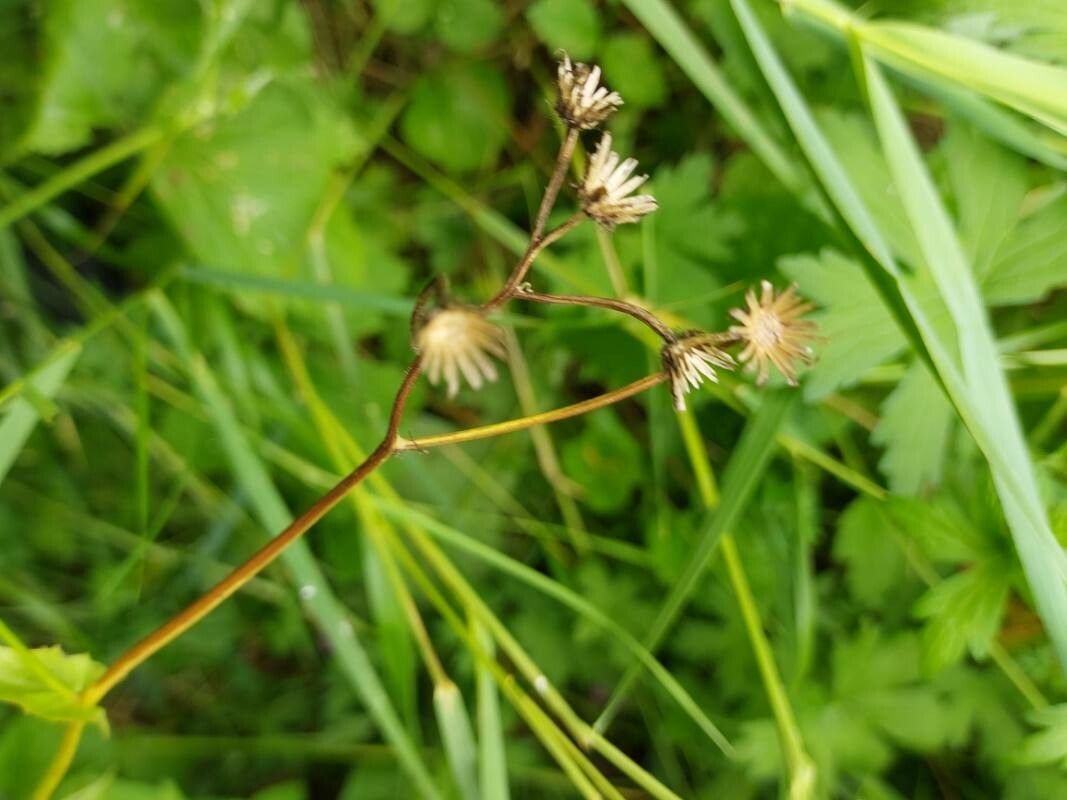
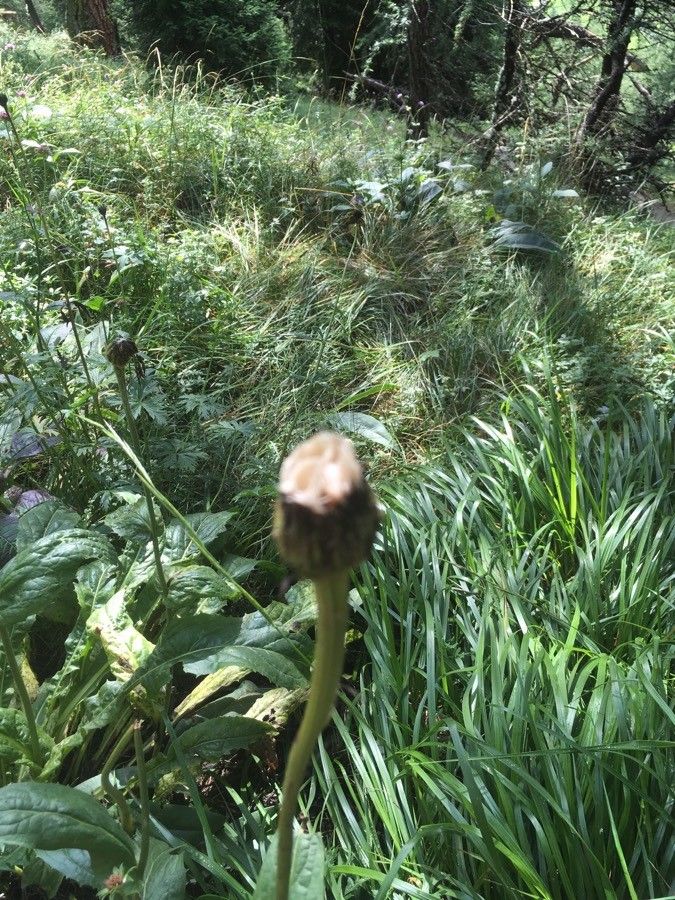
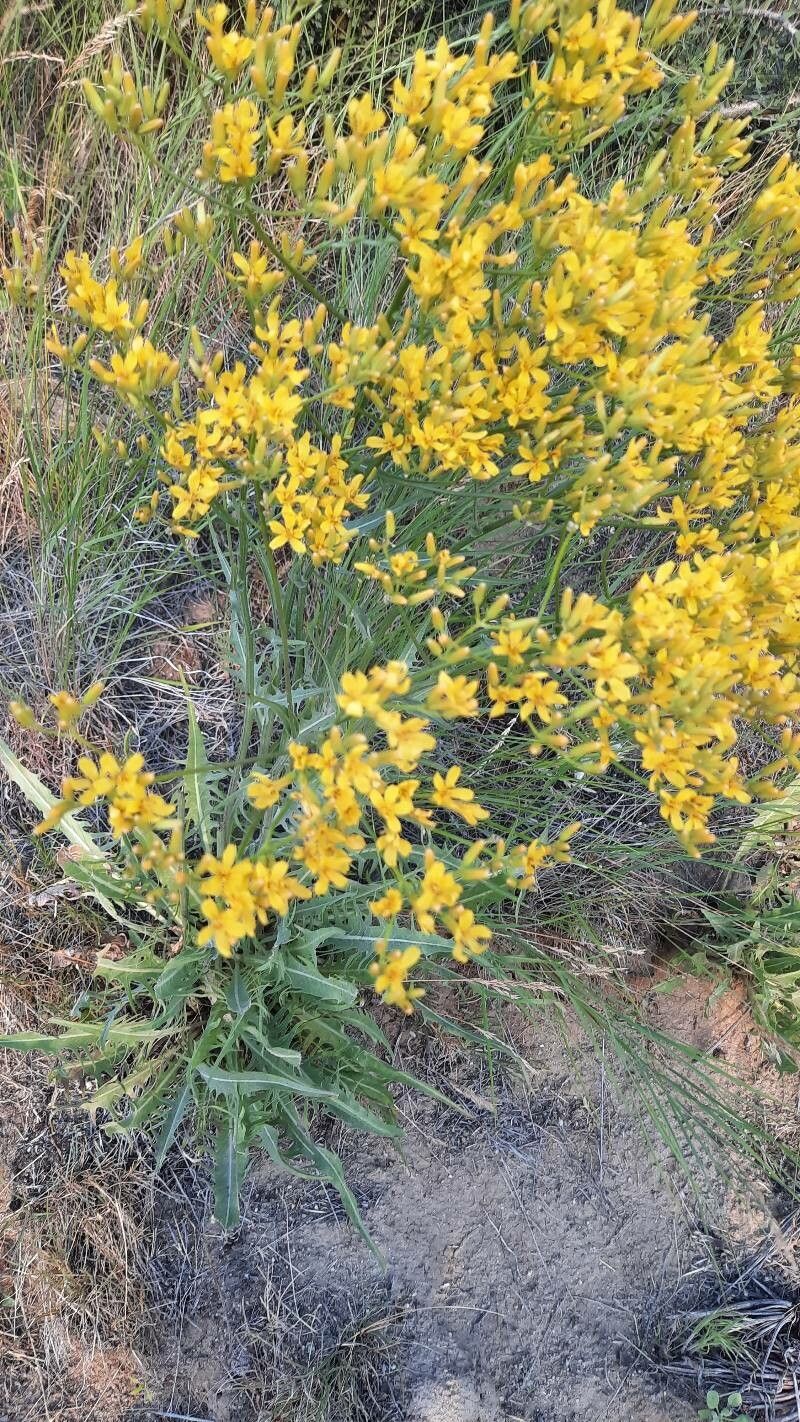
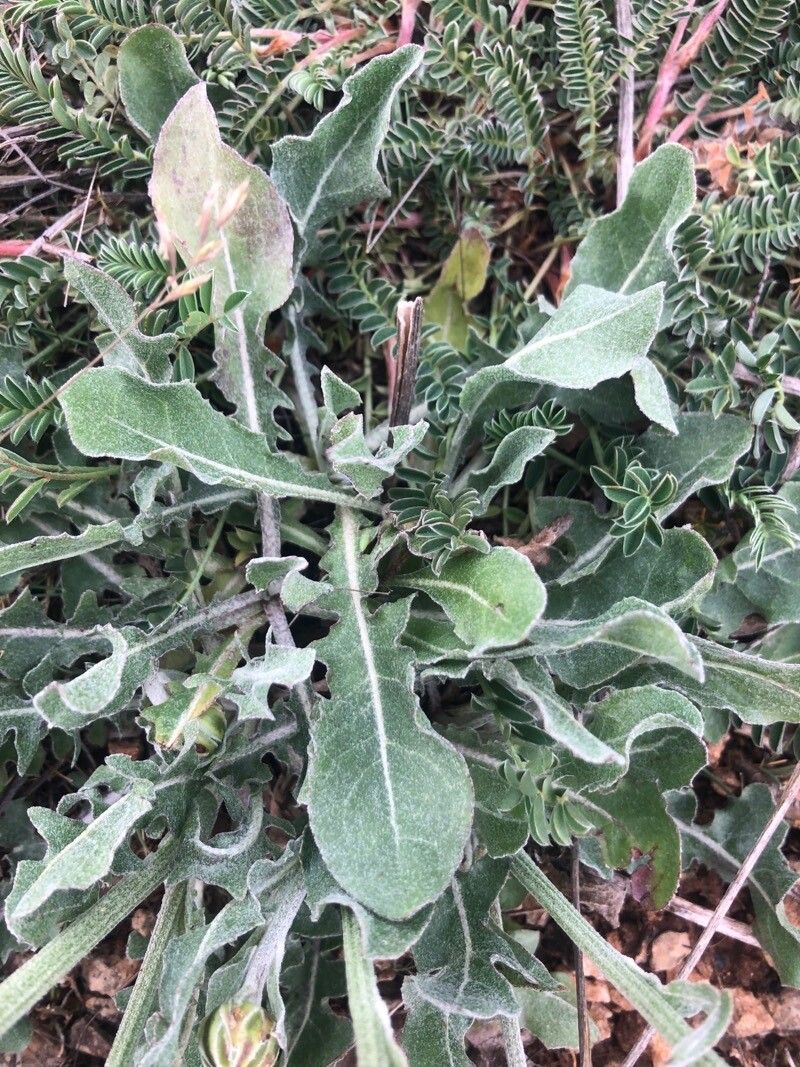
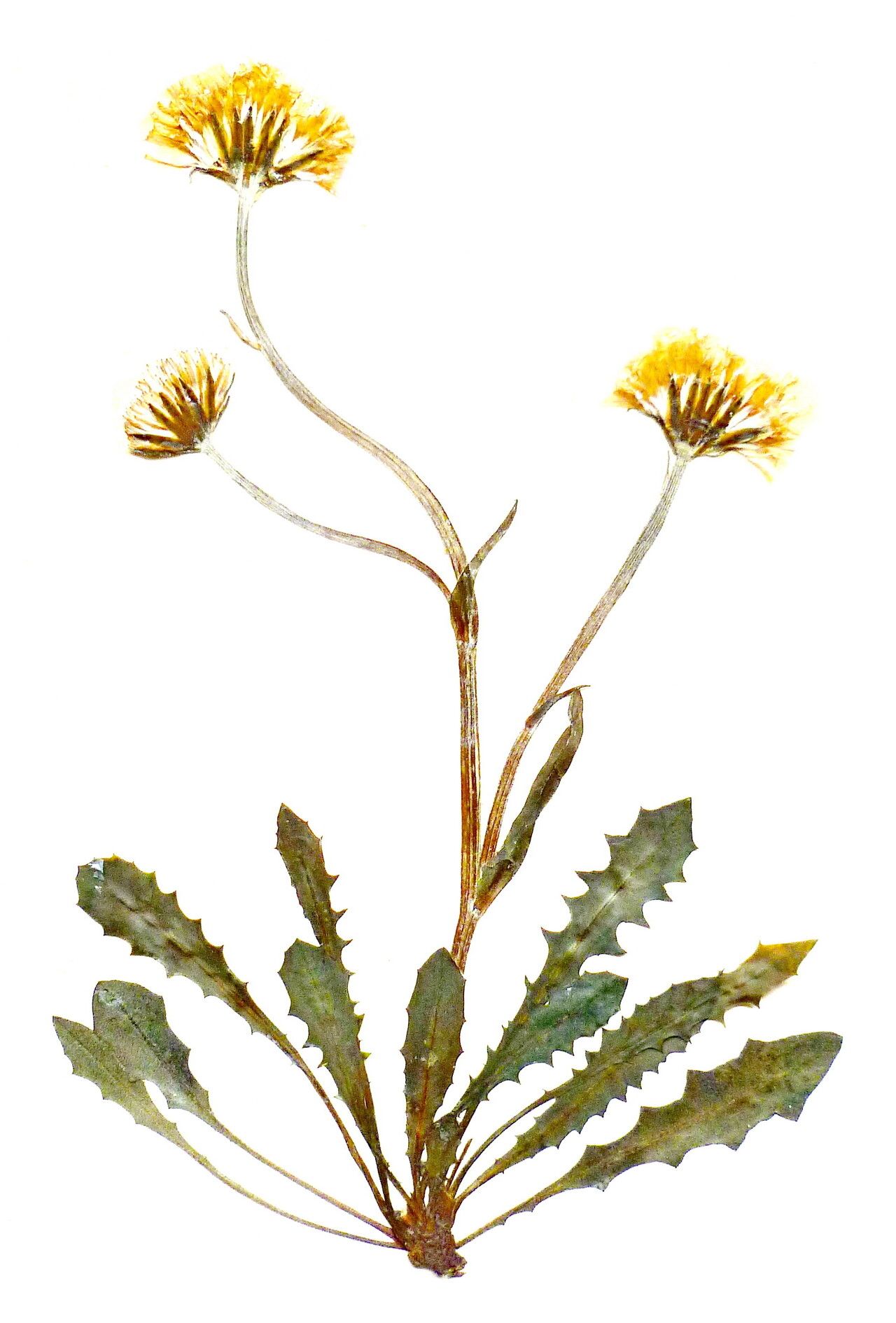
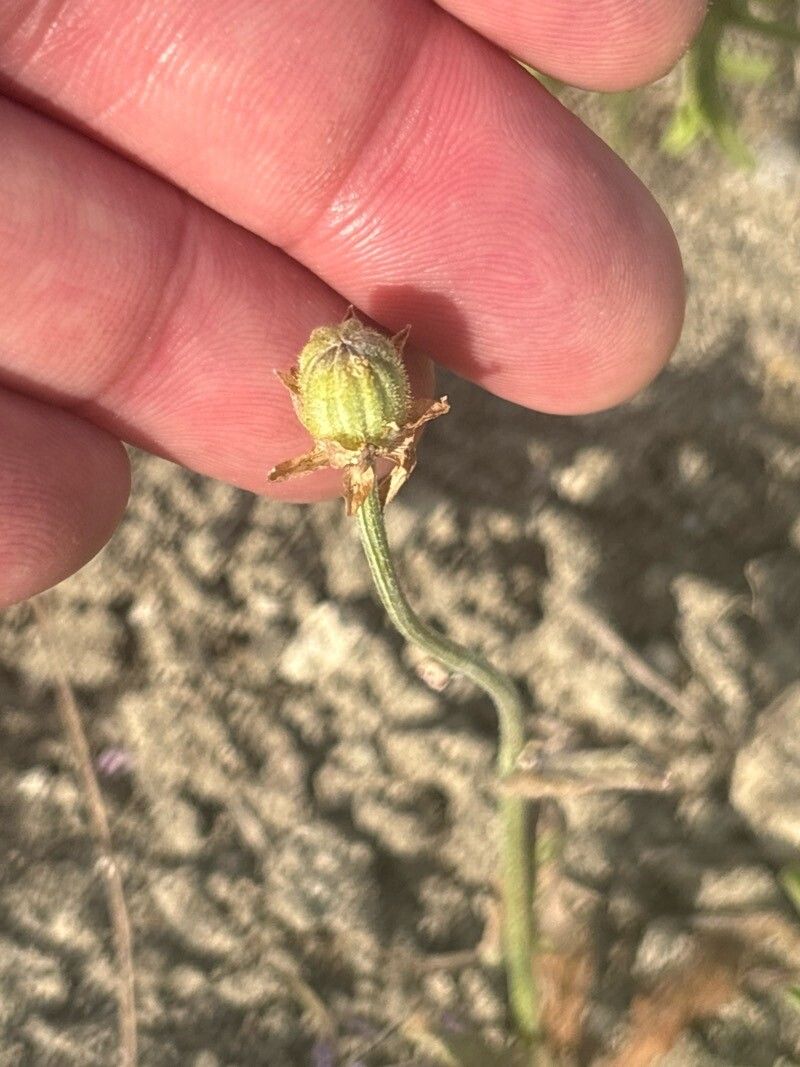
Crepis paludosa, the marsh hawk's-beard, is a European species of flowering plant in the tribe Cichorieae of the family Asteraceae. It is widespread across much of Europe with isolated populations in Iceland, the Ural Mountains, and the Caucasus.This herbaceous perennial is found beside shady streams and in other damp shady places. The inflorescence is around 15–25 millimetres (0.6–1.0 in) in diameter. The upper leaves clasp the stem with pair of rounded basal lobes. It is a much more robust plant than smooth hawksbeard, Crepis capillaris, with which it is sometimes confused. The Flower heads are yellow and the flower buds are covered with black gland-hairs.
Marsh hawk's-beard has strong resistance to disease and is generally not prone to illnesses. However, it can be vulnerable to pests and diseases found in its environment. Such infections are typically mild. Regarding care, this plant requires moderate maintenance. It should be pruned regularly to preserve a tidy appearance and healthy growth. Applying fertilizer can also encourage flowering. Marsh hawk's-beard is well suited for someone with outdoor space, like a garden or patio, and does not demand extensive gardening experience. It may need more attention if grown indoors.
How to keep Crepis Paludosa.
Light
Marsh hawk's-beard is a perennial herbaceous plant that originates in open habitats and often thrives in meadows and grasslands. It prefers full sun but can also tolerate partial sun.
Water
Marsh hawk's-beard thrives in moist environments and needs regular watering, ideally once a week, to maintain its lush growth. It prefers high humidity and is often grown outdoors to take advantage of rainfall, which keeps the soil damp and supports its growth cycle.
Temperature
The native habitat of marsh hawk's-beard undergoes a broad temperature span of 50 to 95 °F (10 to 35 ℃), with a preference for the milder part of that range. From this, aim to replicate those conditions for best growth and modify them as needed during seasonal extremes.
Fertilizer
Usually a single fertilizer application in spring is enough for Marsh hawk's-beard, although several feedings can boost growth. Feed every month to month and a half. Fertilization improves the leaves' appearance and function, helping them keep an even color and healthy texture. It also encourages root development and nutrient uptake, supporting long-term plant health.
Pruning
Marsh hawk's-beard thrives in moist environments and can benefit from pruning between early and late spring. For best results, remove any damaged stems and thin out crowded areas to improve airflow. Make sure to use clean tools for precise cuts. Additionally, avoid heavy pruning when the plant is blooming to preserve its health and maximize its blooming potential.
Botanical profile.
- Plant Type
- Herb
- Life Cycle
- Perennial
- Genus
- Crepis
- Family
- Asteraceae
- Hardiness Zone
- 6-10
- Mature Height
- 30 cm to 91 cm
- Mature Spread
- 20 cm to 40 cm
- Leaf Color
- Green, Blue
- Leaf Type
- Deciduous
- Flower Color
- Yellow
- Flower Size
- 0.51 cm to 2.54 cm
- Bloom Time
- Summer
- Planting Time
- Spring, Summer, Autumn
- Harvest Time
- Late summer, Early fall
- Native Area
- Turkey, Sweden, Austria, Slovakia, Montenegro, Croatia, Slovenia, Belarus, Russia, Germany, Iceland, Estonia, Romania, Latvia, Belgium, Netherlands, France, Czech Republic, Bulgaria, Poland, Ukraine, Serbia, Lithuania, Norway, Italy, Spain, Switzerland, Denmark, Finland, Ireland, United Kingdom, Hungary
Other names.
Reader questions.
How should I water my Marsh hawk's-beard plant?
To properly water the Marsh hawk's-beard, it is best to use filtered water that is at room temperature. Tap water may contain harmful particles that could negatively affect the plant's health. It is important to use room temperature or slightly warmer water because the Marsh hawk's-beard is accustomed to warmer environments and cold water can be a shock to its system. It is also recommended to avoid watering the plant from above as this may cause issues with the foliage. Instead, gently pour the filtered room temperature water onto the soil until it is completely soaked. This method of watering is beneficial as it helps to moisten the roots and allows them to spread throughout the soil to collect essential nutrients.
What are the sunlight requirements for Marsh hawk's-beard?
Marsh hawk's-beard requires full sun, defined as above 6 hours of sunlight, but it can also tolerate partial sun conditions, which means about 3-6 hours of sunlight. Observing how sunlight moves through your garden will help you choose spots that provide the perfect balance of light and shade, ensuring that your plants thrive.
What are the ideal temperature conditions for the growth of Marsh hawk's-beard?
Marsh hawk's-beard, or Crepis paludosa, thrives in a native habitat that experiences a wide temperature range of 50 to 95 °F (10 to 35 °C). It prefers milder temperatures within this range for optimal growth. Adapting the care of Marsh hawk's-beard to replicate these conditions, especially during seasonal extremes, is recommended for optimal plant health. Cold resistance is a strong trait of Marsh hawk's-beard, so special frost protection measures are not typically necessary. However, additional protection, such as covering the plant with soil or straw, is advisable if temperatures are expected to dip below -25°C. To aid the plant during winter, it's suggested to water it abundantly before the first freeze in autumn so that the soil remains moist and enters a frozen state, helping prevent drought and water scarcity.
What should I do if I give too much or too little water to my Marsh hawk's-beard?
Overwatering is a more common issue than underwatering for the health of your Marsh hawk's-beard. When this plant receives too much water, its stems and leaves may wilt and turn yellow. Overwatering can also lead to diseases like root rot, mold, and mildew, which can be fatal for the plant. Underwatering is less common as the Marsh hawk's-beard can tolerate drought. However, when it happens, the leaves of the plant may become brittle and brown. It is important to recognize the signs of overwatering early when caring for your Marsh hawk's-beard. Some diseases caused by overwatering, like root rot, may not be treatable if not detected early. Reduce your watering schedule immediately if you notice signs of overwatering. Additionally, check the quality of the soil in which the plant grows. If the soil drains poorly, replace it with a loose, well-draining potting mix. If your Marsh hawk's-beard shows signs of underwatering, simply water more regularly until the signs improve.
What essentials should I know about growing Marsh hawk's-beard?
Marsh hawk's-beard is a sun-loving perennial herbaceous plant that thrives in open habitats like meadows and grasslands. For optimal growth, especially indoors or in less sunny spaces, artificial lighting can be a vital solution. LED lights are preferred for their customizable spectrum, with full sun plants needing 30-50W/sq ft, partial sun plants requiring 20-30W/sq ft, and full shade plants 10-20W/sq ft of artificial light. The light source should be placed 12-36 inches above the plant for 8-12 hours a day to mimic natural sunlight conditions.
What should be done if Marsh hawk's-beard experiences temperatures below its cold tolerance?
Marsh hawk's-beard is remarkably cold-tolerant and performs best when temperatures stay above 10°C. Despite its tolerance, prolonged exposure to temperatures below -25°C can affect the plant's spring vitality, leading to decreased sprouting or a complete lack of it. If such conditions are experienced, the recommended course of action is to wait until spring to remove any parts of the plant that have failed to sprout. This helps the plant in recovering and focusing its energy on the healthy, surviving sections.
How frequently should I water my Marsh hawk's-beard plant?
If your Marsh hawk's-beard plant is in a pot, you can check if it needs water by sticking your finger into the soil. If the top two to three inches of soil are dry, it's time to water it. If you're growing the plant outdoors in the ground, you can also use this method to test the soil. Once the top few inches of soil have dried out, it's time to water. In spring and early fall, watering about once a week is usually sufficient. However, during extremely hot weather, you may need to water twice a week or more. Keep in mind that mature Marsh hawk's-beard plants can tolerate periods of drought.
What are the common symptoms of inadequate sunlight for Marsh hawk's-beard?
Inadequate sunlight can lead to several symptoms in Marsh hawk's-beard, including small leaves, leggy or sparse growth, faster leaf drop, slower or no new growth, lighter-colored new leaves, chlorosis, sunscald, leaf curling, wilting, and leaf scorching. These symptoms indicate the plant is not receiving enough light for healthy growth and photosynthesis.
How should Marsh hawk's-beard be cared for in high temperatures?
In environments where the temperature reaches beyond the optimal range of Marsh hawk's-beard, particularly above 35°C and towards 41°C, the plant may exhibit signs of stress such as lighter leaf color, curling, susceptibility to sunburn, and in severe cases, wilting and drying out. To manage these conditions, it's advisable to remove the affected parts of the plant promptly. Relocating the plant to a shaded area or using a shade cloth to reduce exposure to harsh midday and afternoon sun can protect it from further damage. Additionally, ensuring the plant is watered in the morning and evening will help maintain soil moisture, which is crucial for the plant's survival and health during hot periods.
How much water does my Marsh hawk's-beard require?
To properly water your Marsh hawk's-beard, don't be afraid to give it a generous amount of water. Make sure the top two to three inches of soil are dry before watering. It's important to thoroughly soak the soil, allowing excess water to drain through the pot's drainage holes. If you don't see any excess water draining, it means you haven't given enough water. On the other hand, be cautious not to let water accumulate inside the soil, as it can be harmful to the plant. If there is no water draining through the pot, it may indicate poorly draining soils, which can negatively affect the plant's health. If the plant is outside, approximately 1 inch of rain per week should be sufficient.
How can I address sunlight deficiency in Marsh hawk's-beard?
To address sunlight deficiency for indoor Marsh hawk's-beard, gradually move the plant to a sunnier location each week, aiming for at least 6 hours of direct sunlight daily. You can also use artificial light if the plant is large or not easily movable, keeping a lamp on for at least 8 hours daily. For outdoor plants, moving them to a sunnier spot gradually helps avoid sunburn. Removing obstructions or transplanting the plant to a brighter location with ample sunlight and good drainage can also help improve light exposure. It's important to note that parts of the plant affected by insufficient sunlight may not recover, but new growth should be healthy.
How do I correctly water my Marsh hawk's-beard at different stages of growth?
The water needs of the Marsh hawk's-beard can vary depending on its growth stages. When the plant is young or recently transplanted, it will require more water to support the development of new roots. These roots are crucial for future growth and function best with higher moisture levels. As the plant matures over several seasons, it will require less water overall. Additionally, during the bloom period, when the plant is producing flowers, it may need additional water to support flower development.