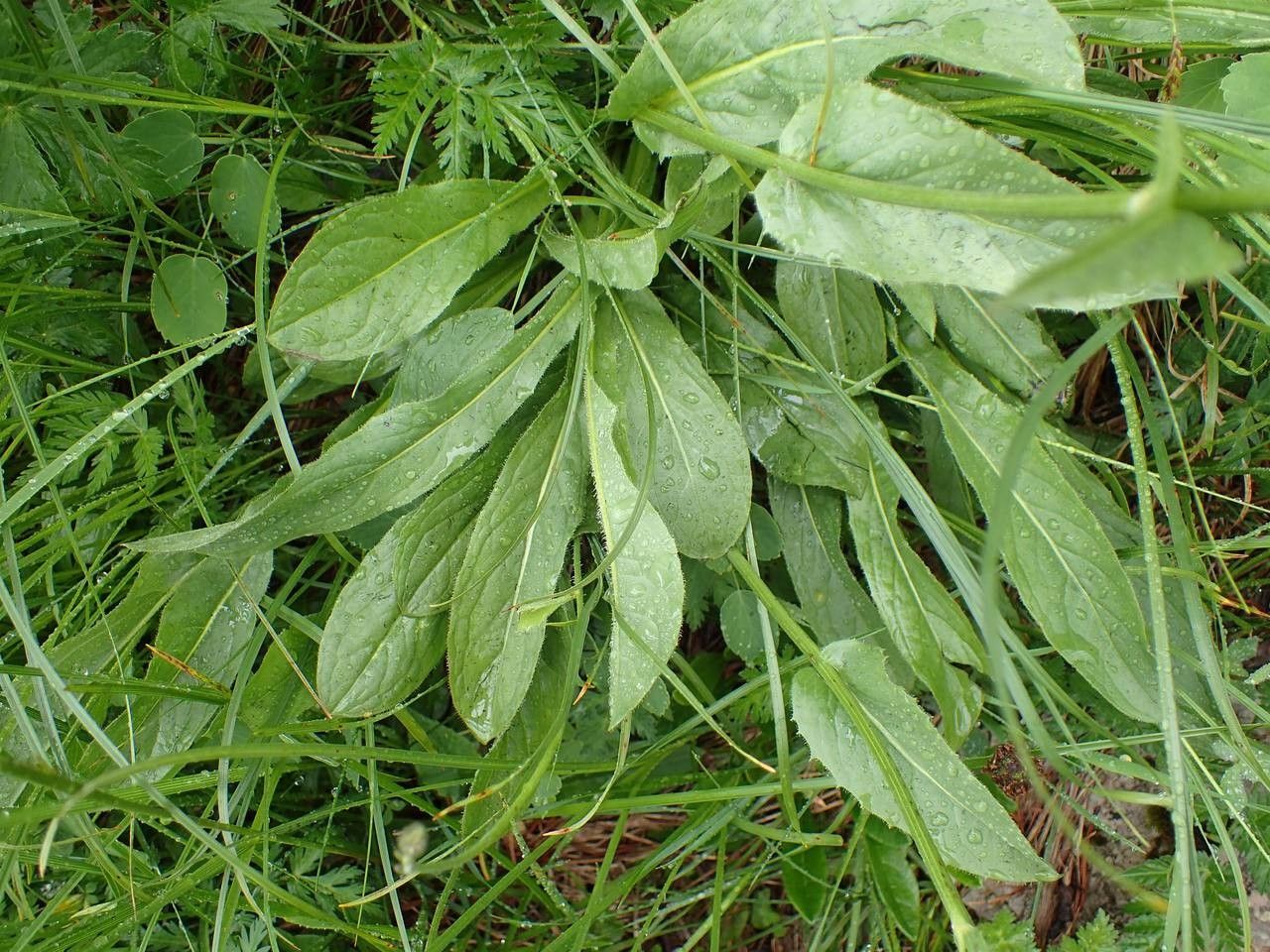
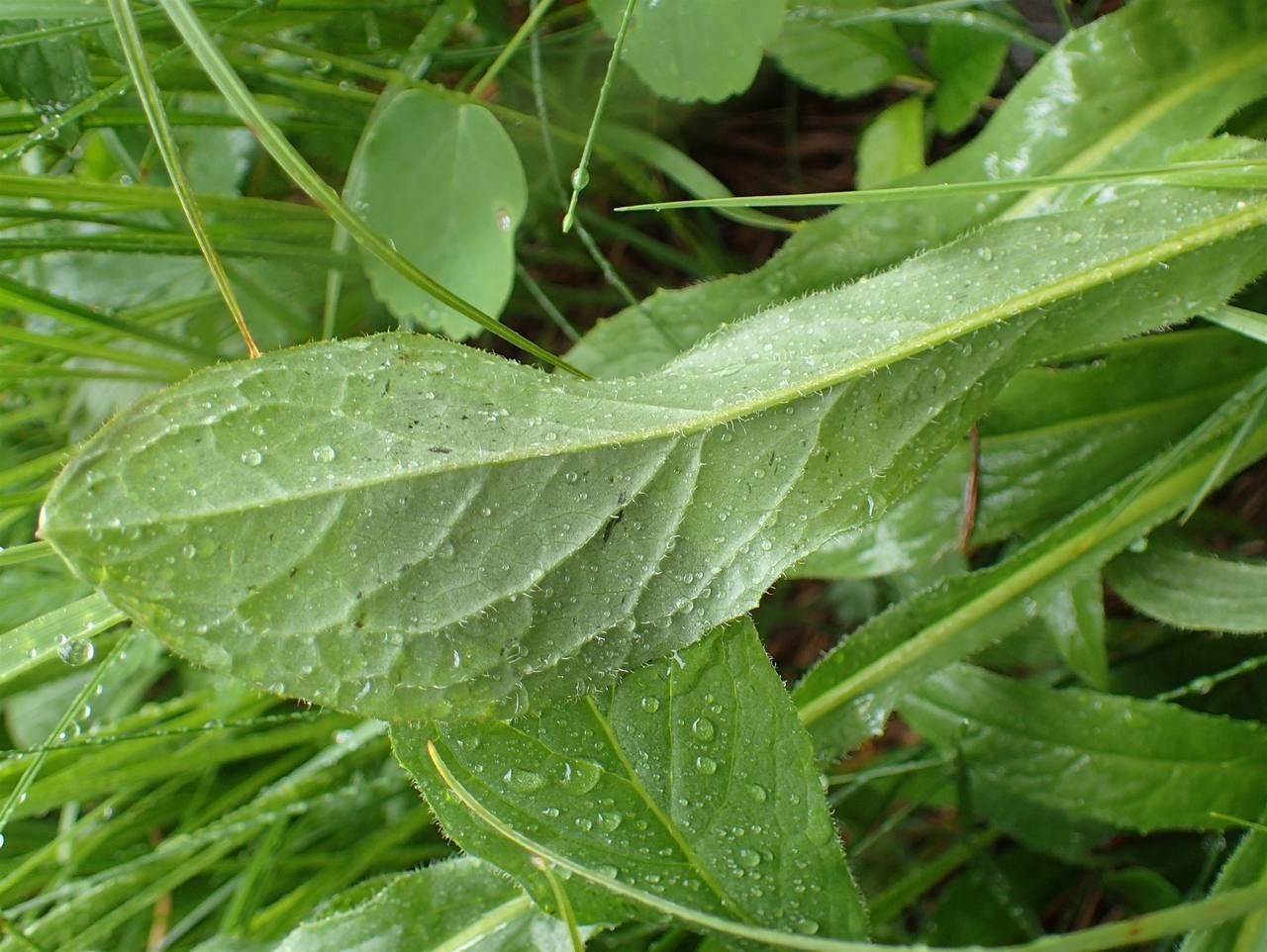
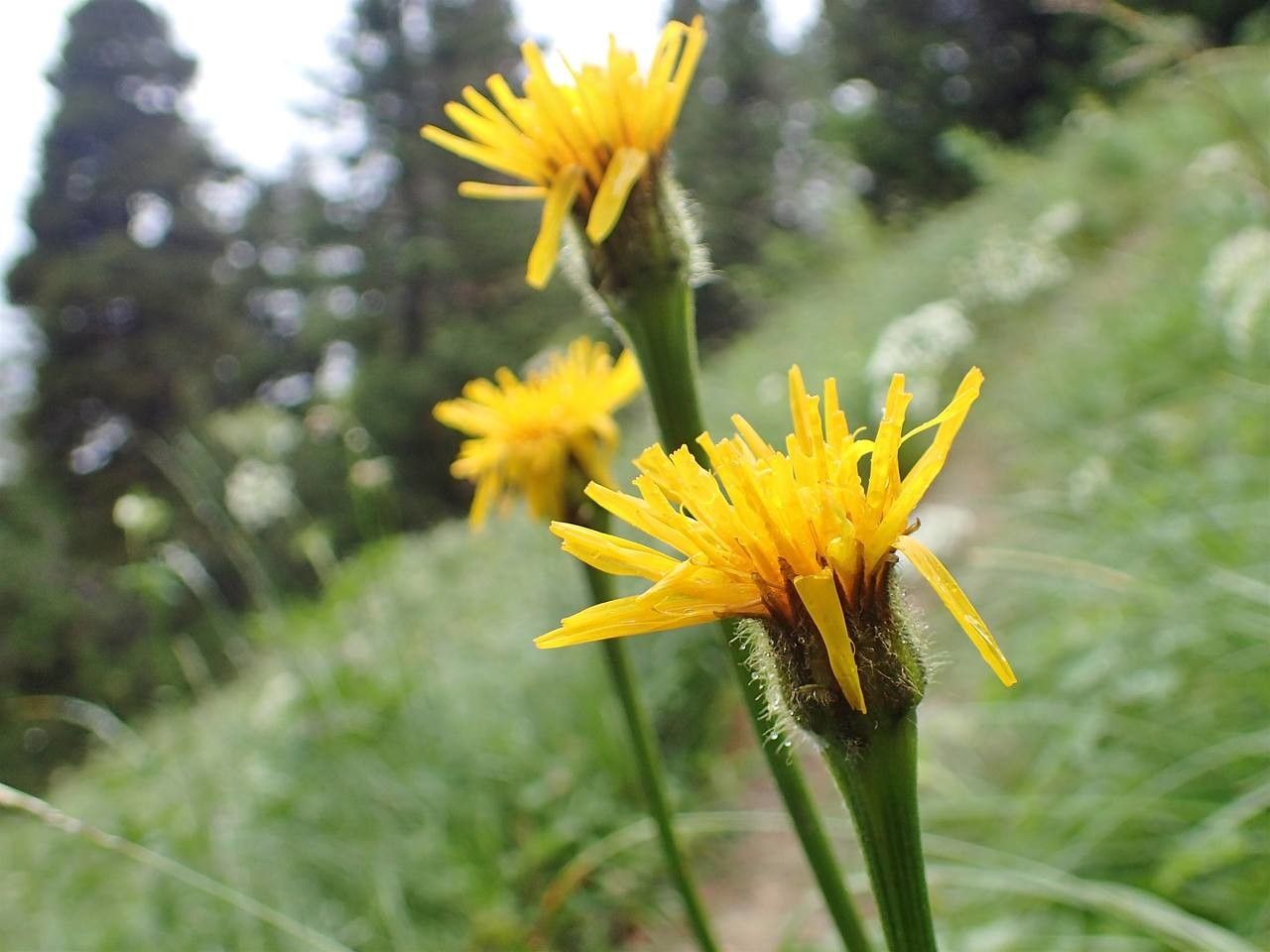
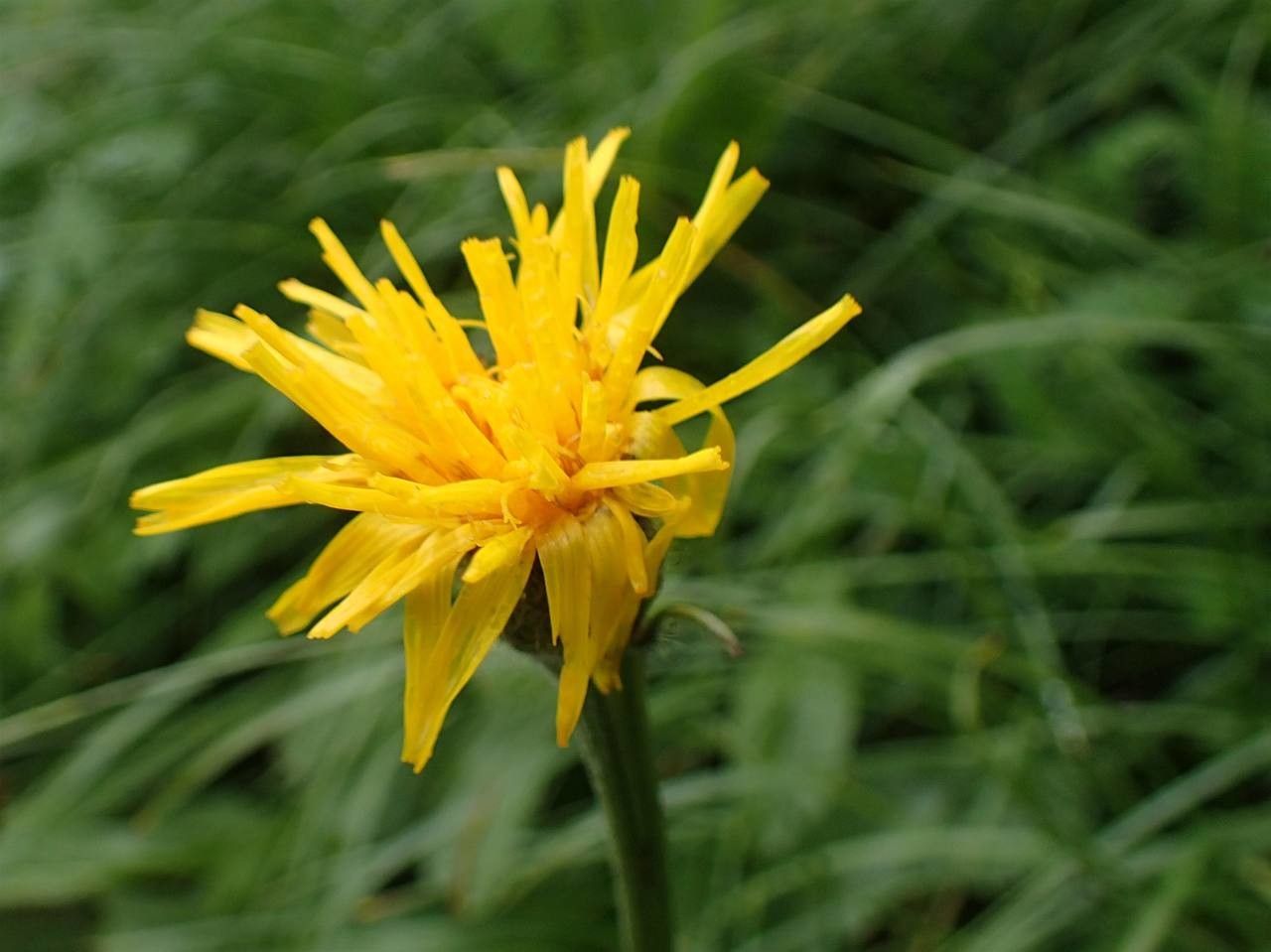
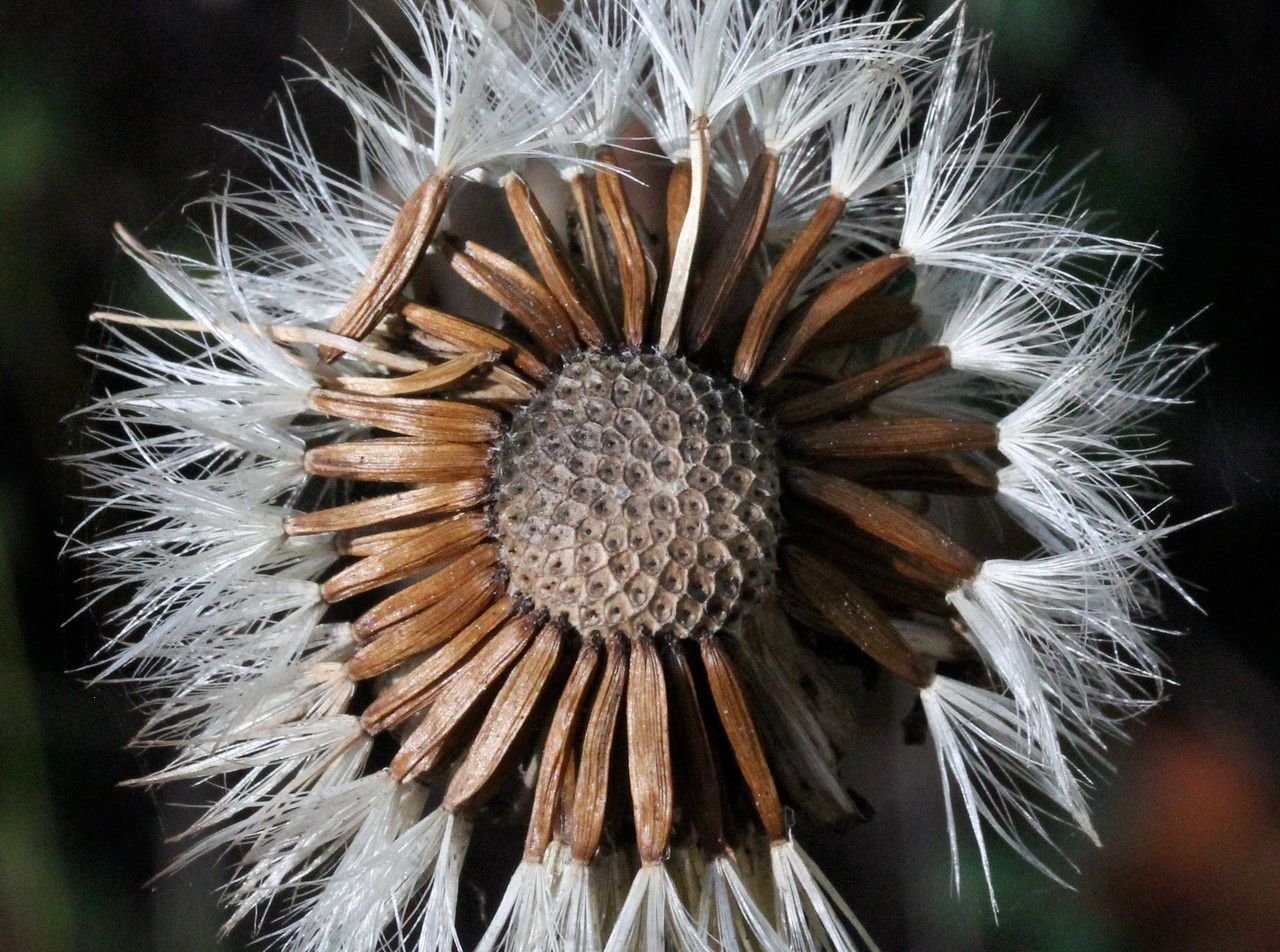
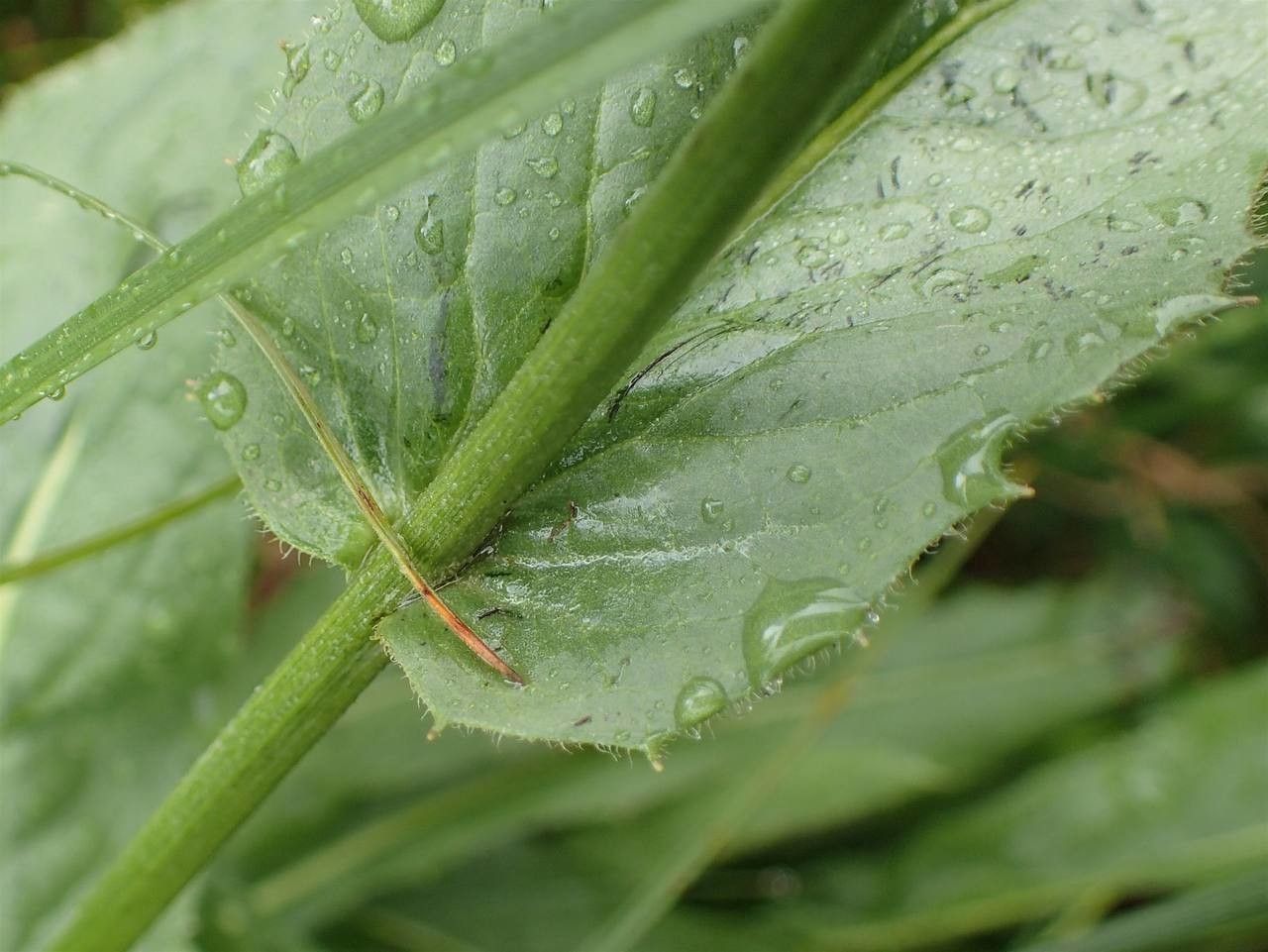
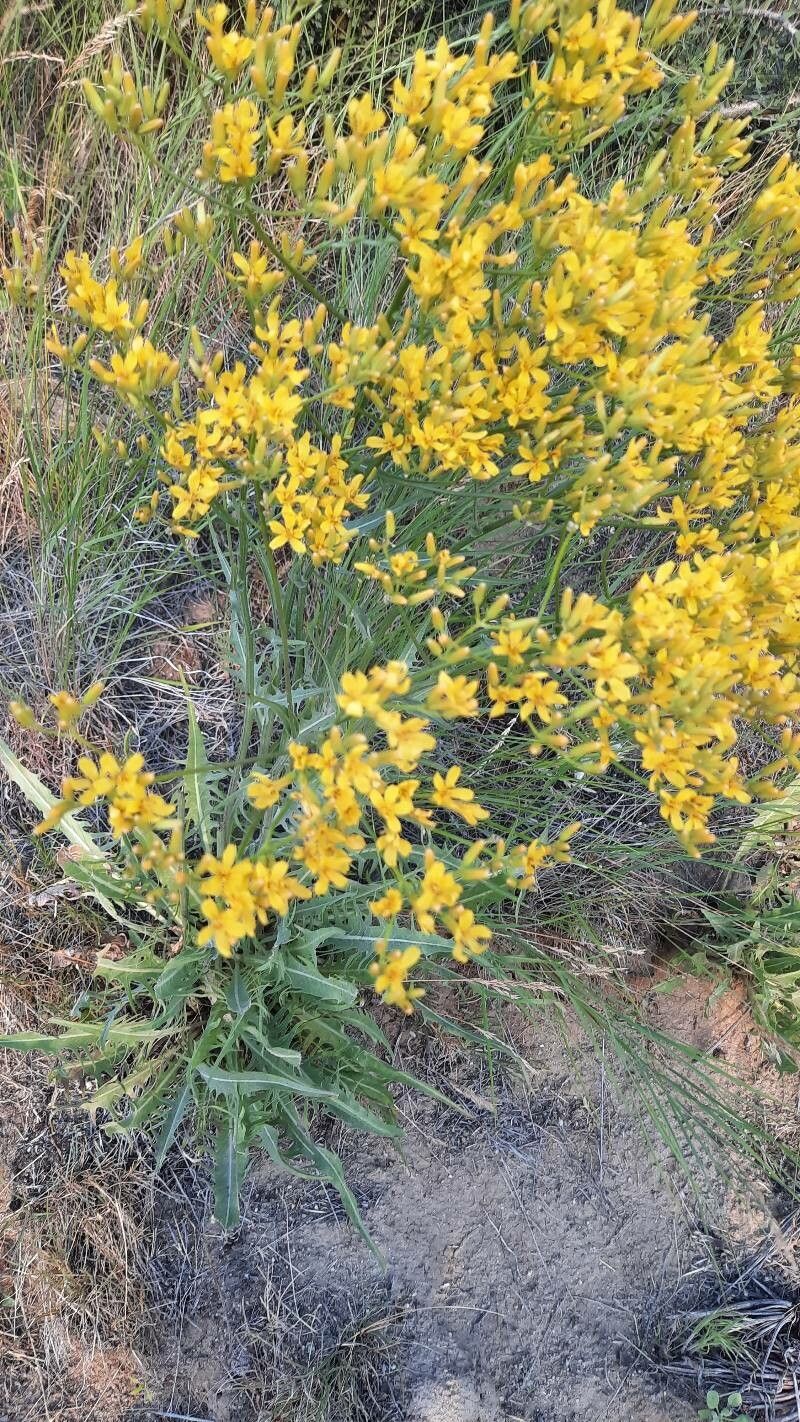
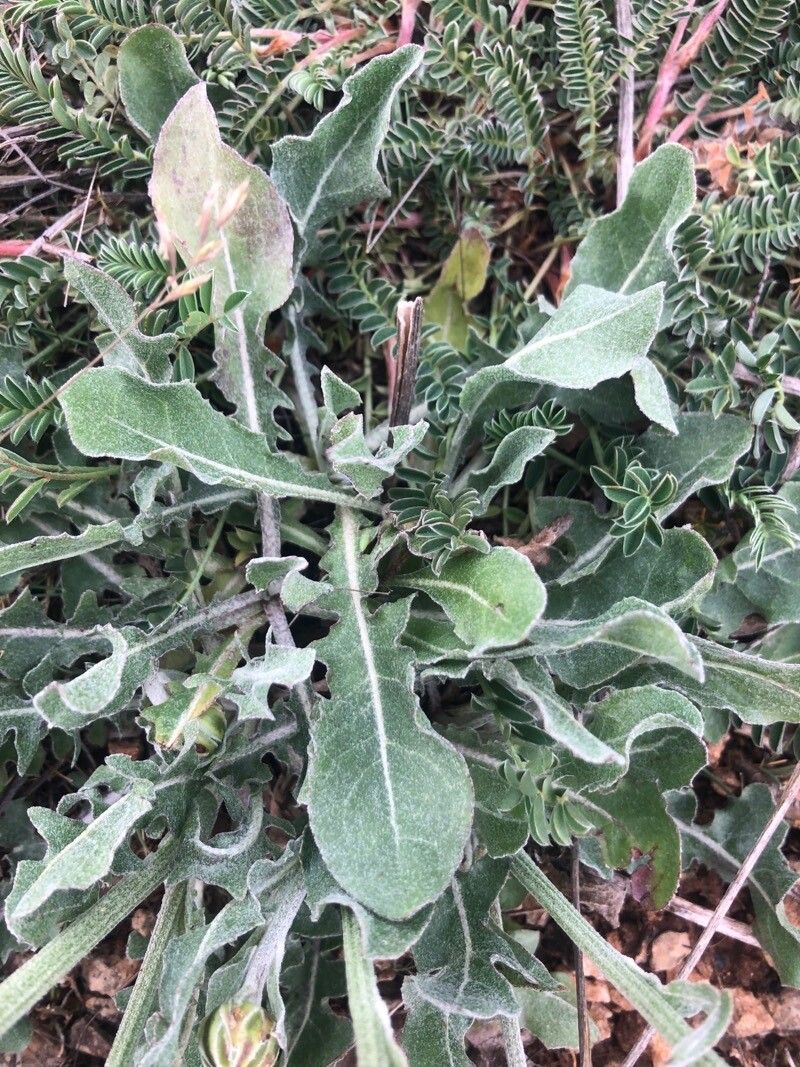
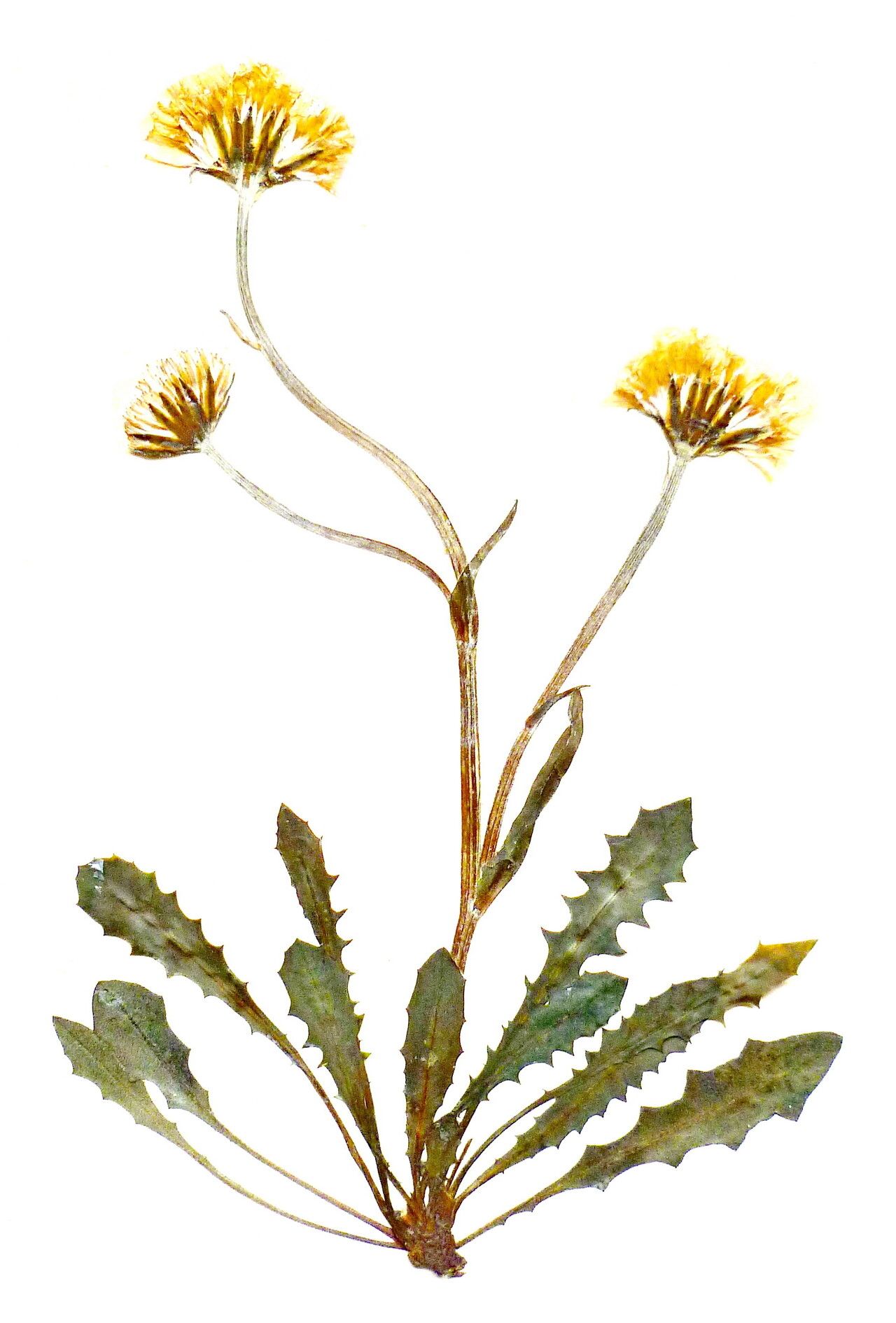
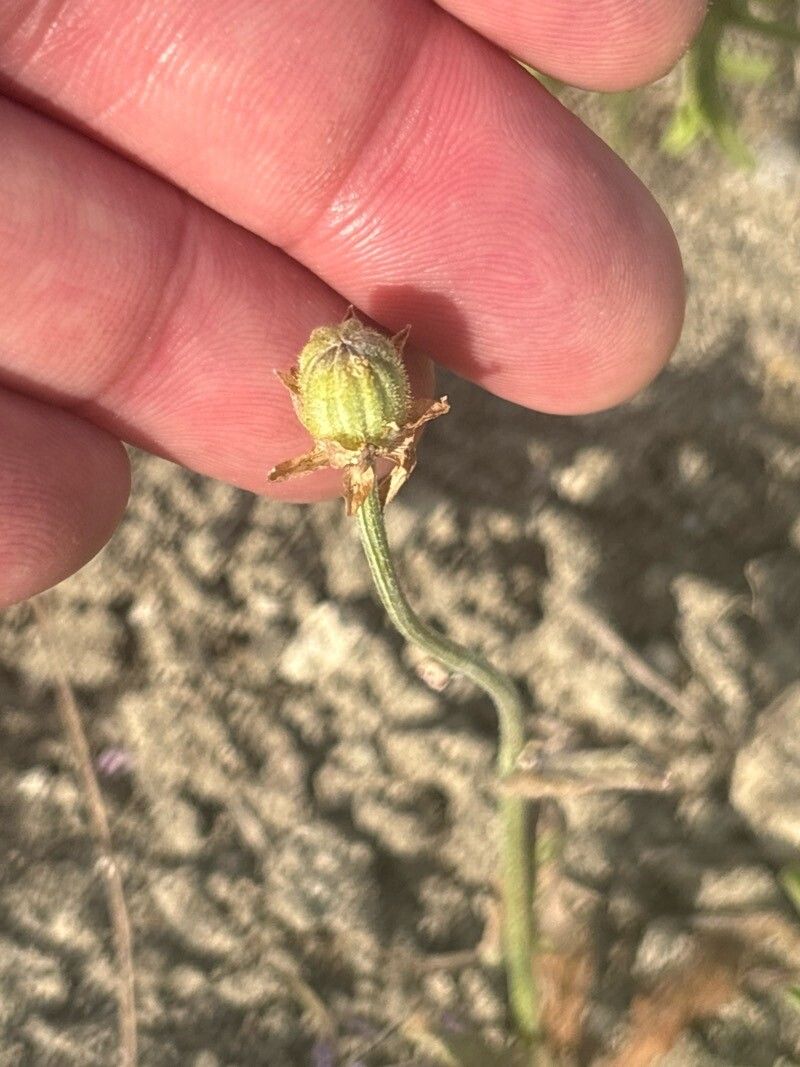
Hawk's-beard has strong disease resistance and is generally unlikely to suffer from illnesses. Still, it can be vulnerable to pests and diseases present in its environment. Such infections are typically mild. Regarding care, this plant needs a moderate level of maintenance. It should be pruned regularly to preserve an attractive appearance and healthy growth. Applying fertilizer can also encourage more flowering. Hawk's-beard is appropriate for anyone with outdoor areas like a garden or patio and does not demand extensive gardening experience. It may need additional attention when cultivated indoors.
How to keep Crepis Pontana.
Light
Hawk's-beard occurs in bright, open habitats and grows best in full sun. It tolerates partial shade but favors direct sunlight for optimal growth. This plant, which can be annual or biennial, is noted for its sun-loving nature.
Water
Hawk's-beard grows best in temperate regions with moderate moisture levels. It needs consistently hydrated soil, but be careful not to overwater it. Watering once a week is usually sufficient, but you might need to adjust the frequency based on temperature changes and rainfall during the growing season.
Fertilizer
Hawk's-beard are regarded as heavy feeders when it comes to nutrients. They need frequent, small doses of nitrogen and potassium fertilizers and periodic applications of phosphorus, micronutrients, sulfur, and magnesium to sustain good growth and bright coloration. Continuous fertilization throughout the growing season is necessary to prevent deficiency symptoms and maintain optimal growth.
Pruning
Hawk's-beard showcases bright yellow flowers and toothed leaves. To encourage healthy growth, prune the plant from early to late spring and remove any dead stems. Thinning the plant helps improve air circulation, while pruning after it blooms controls its size and prevents self-seeding. These practices ensure that hawk's-beard remains a vibrant presence in your garden.
Botanical profile.
- Plant Type
- Herb
- Life Cycle
- Biennial
- Genus
- Crepis
- Family
- Asteraceae
- Hardiness Zone
- 3-11
- Leaf Type
- Semi-evergreen
- Native Area
- Germany, Austria, Italy, Switzerland, Montenegro, Croatia, Slovenia, France
Other names.