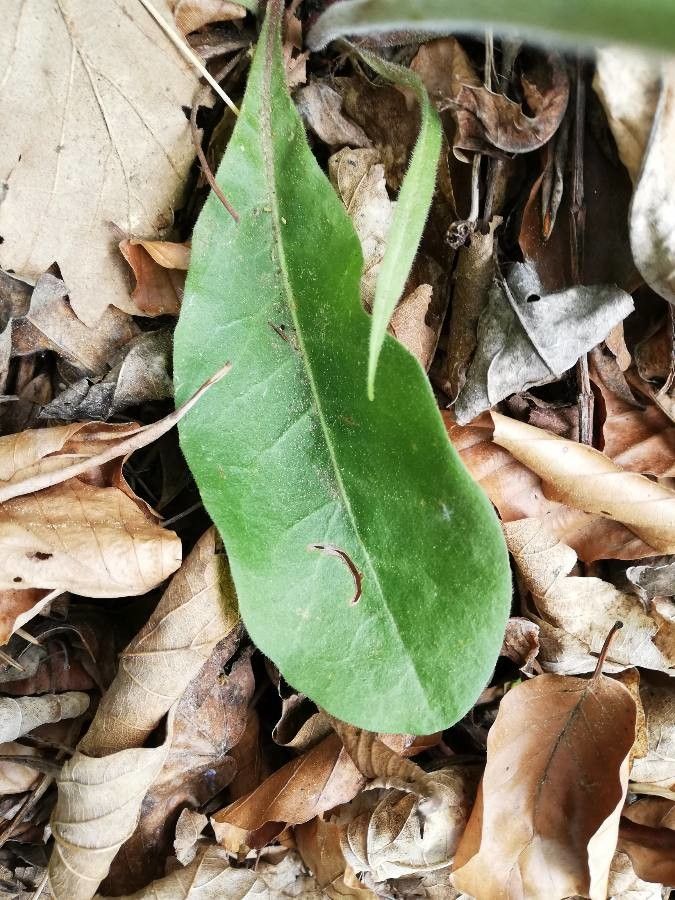
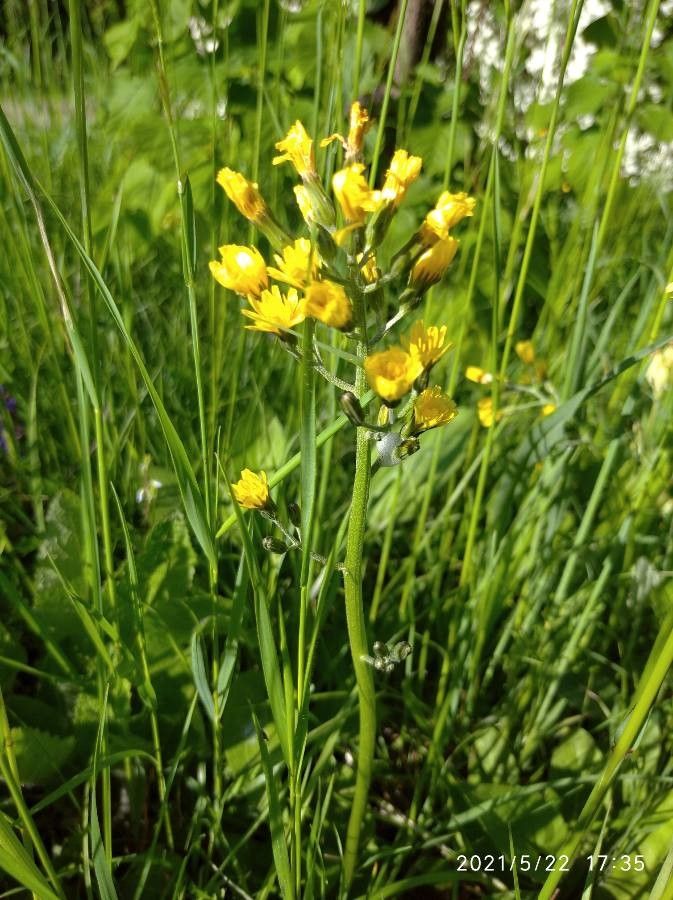
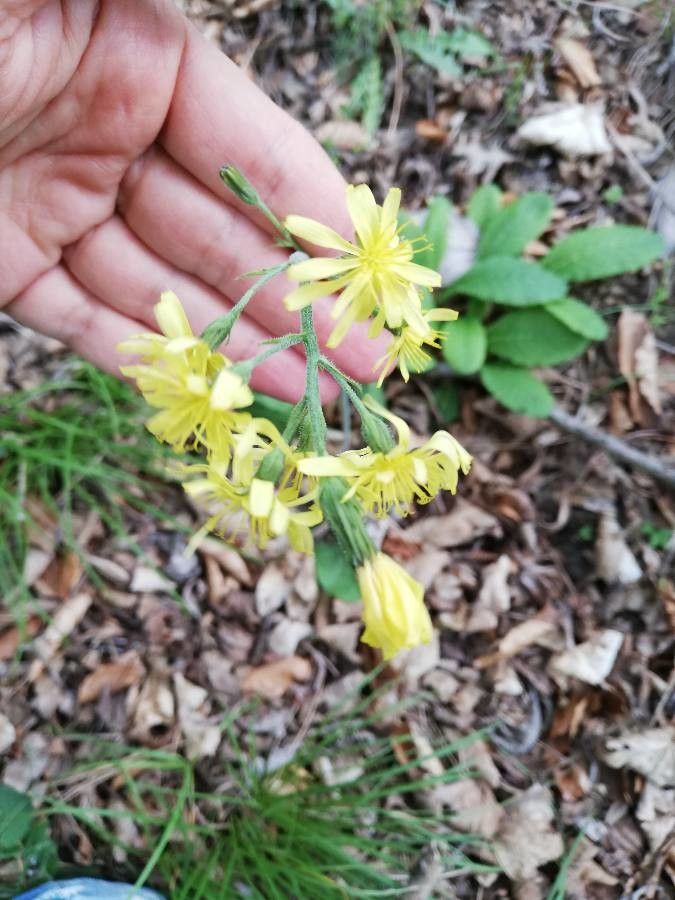
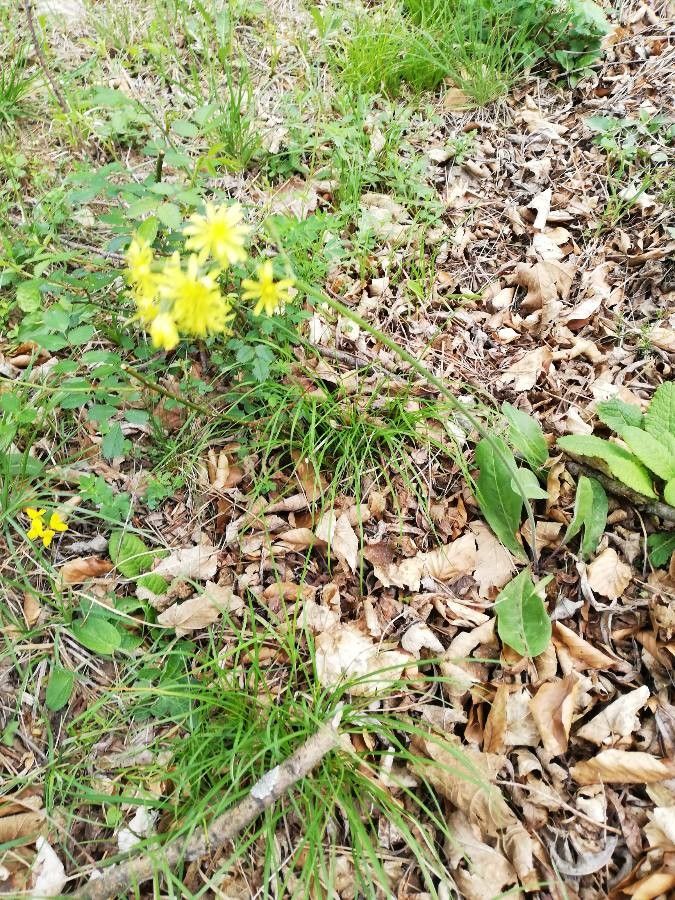
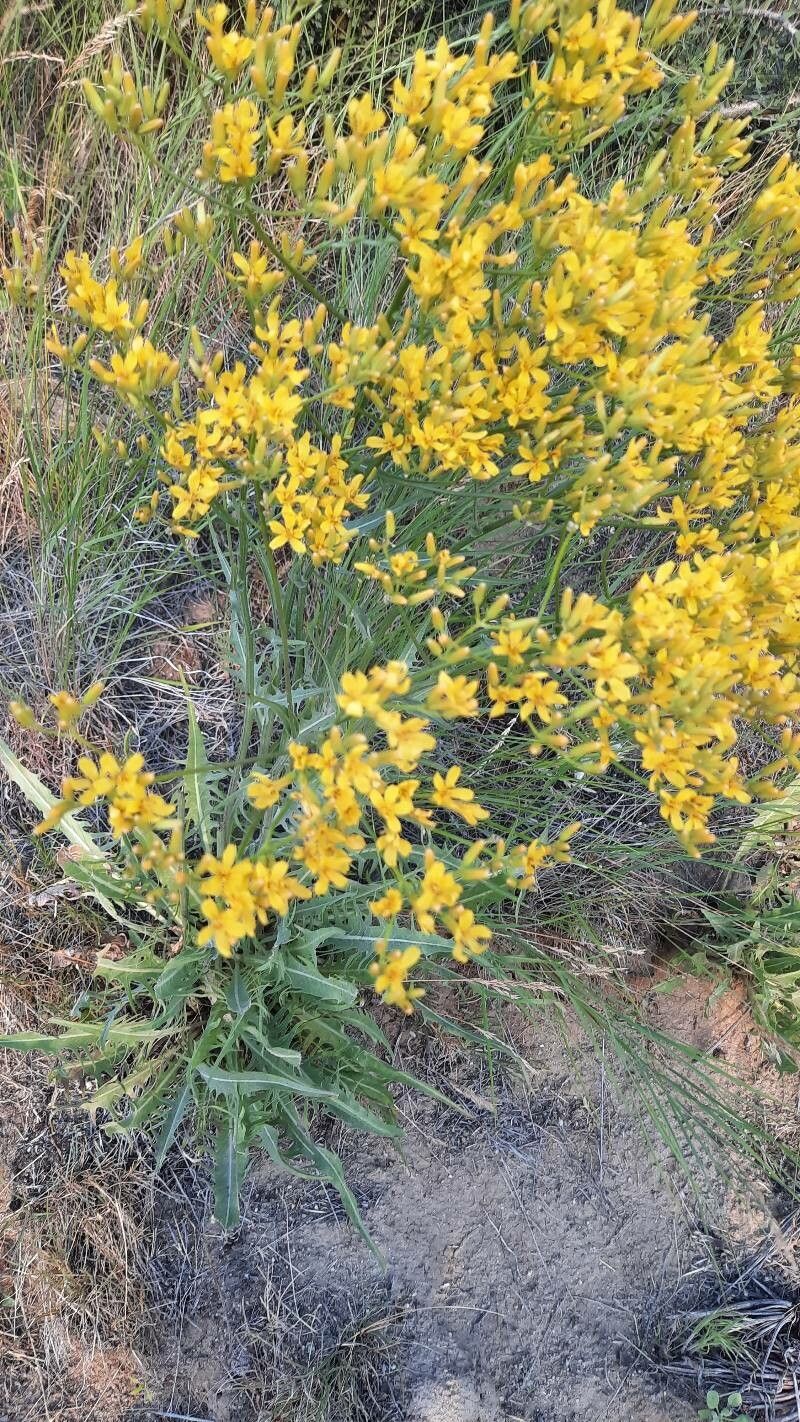
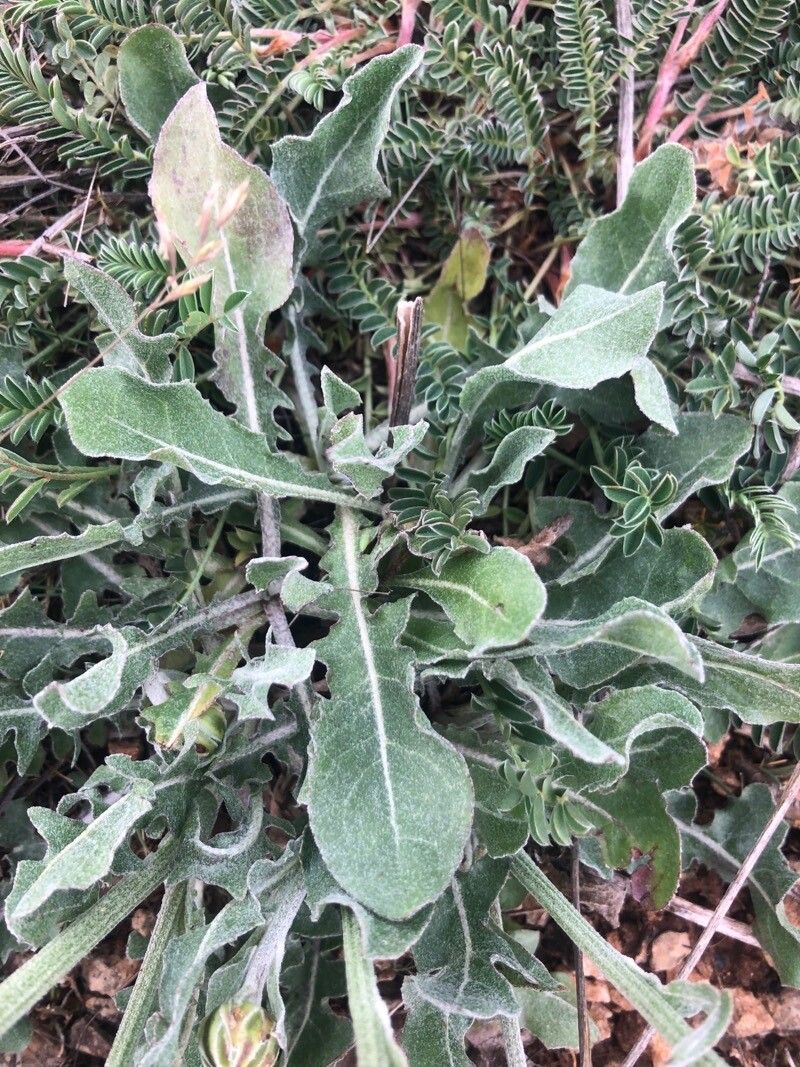
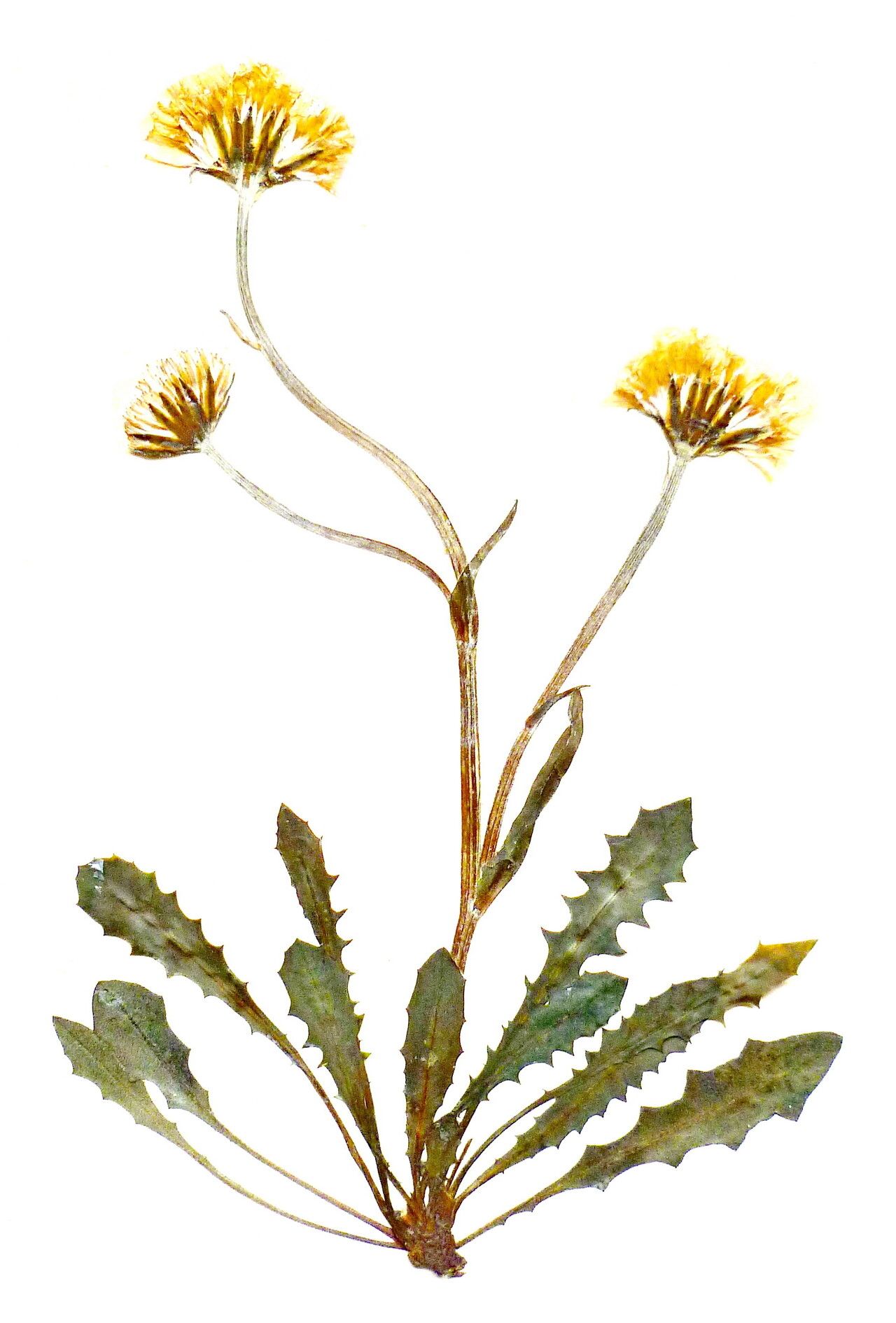
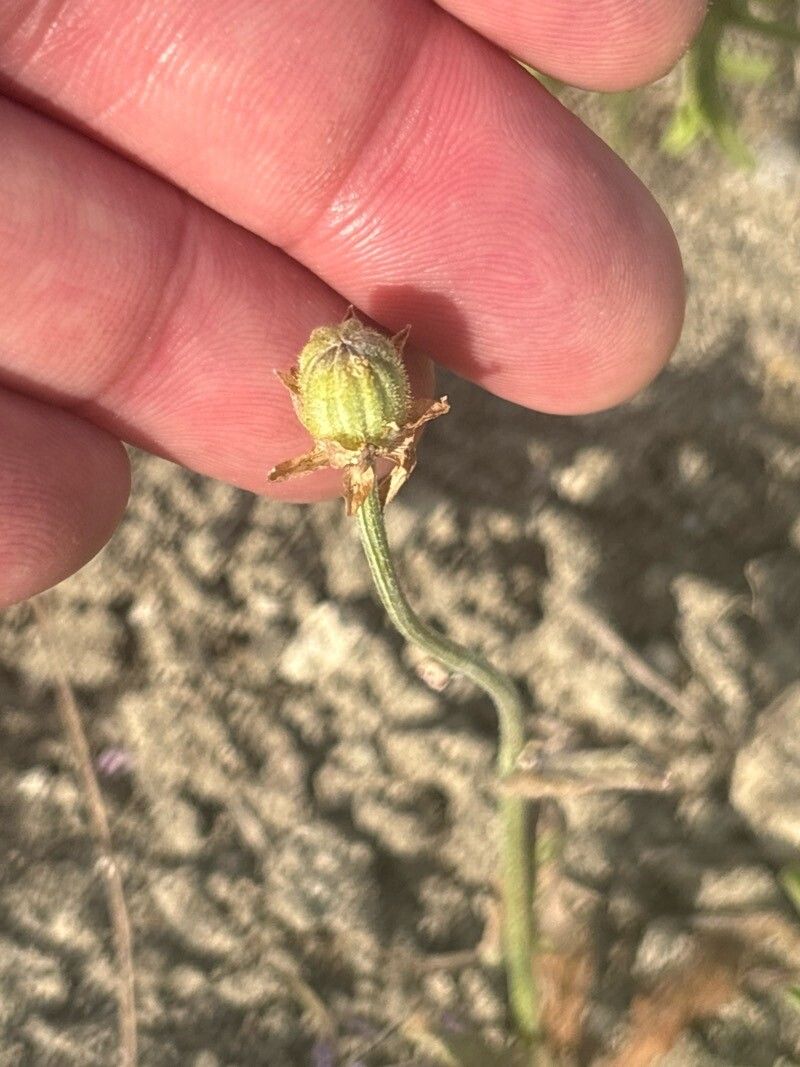
Pink hawksbeard is fairly disease-resistant and generally not prone to illness. However, it can be affected by pests and diseases present in its environment. These outbreaks are typically not serious. For care, the plant requires moderate maintenance. It should be pruned regularly to preserve a neat appearance and support healthy growth. Fertilizing can also help encourage flowering. Pink hawksbeard is suitable for anyone with outdoor space, such as a garden or patio, and does not demand extensive gardening experience. It may need more attention when grown indoors.
How to keep Crepis Praemorsa.
Light
Pink hawksbeard is a sun-loving, perennial herbaceous plant native to open habitats and commonly found in meadows and grasslands. It prefers full sun but can also tolerate partial sun conditions.
Water
Pink hawksbeard flourishes in environments with moderate humidity and consistent moisture. It prefers soil that remains evenly moist, requiring watering on a weekly basis. When grown outdoors, the plant benefits from seasonal rains that help keep it hydrated during its active growth phase. Although it can tolerate moderate drought, consistent moisture is ideal for its health and vitality.
Fertilizer
A single spring application of fertilizer generally suffices for Pink hawksbeard, though repeated feedings can further encourage growth. Fertilize roughly once every month to a month and a half. Feeding improves the appearance and function of the leaves, helping maintain even color and a healthy texture. It also promotes root development and nutrient absorption, supporting the plant’s long-term health.
Pruning
Pink hawksbeard, renowned for its rosy yellow flowers, benefits greatly from pruning between early and late spring. Essential practices involve deadheading and thinning older stems to improve air circulation. Making clean cuts encourages healthy growth, helps maintain the plant's shape, and boosts blooming. These steps ensure that pink hawksbeard stays vibrant and beautiful in the garden.
Botanical profile.
- Plant Type
- Herb
- Life Cycle
- Perennial
- Genus
- Crepis
- Family
- Asteraceae
- Hardiness Zone
- 3-11
- Leaf Type
- Deciduous
Other names.