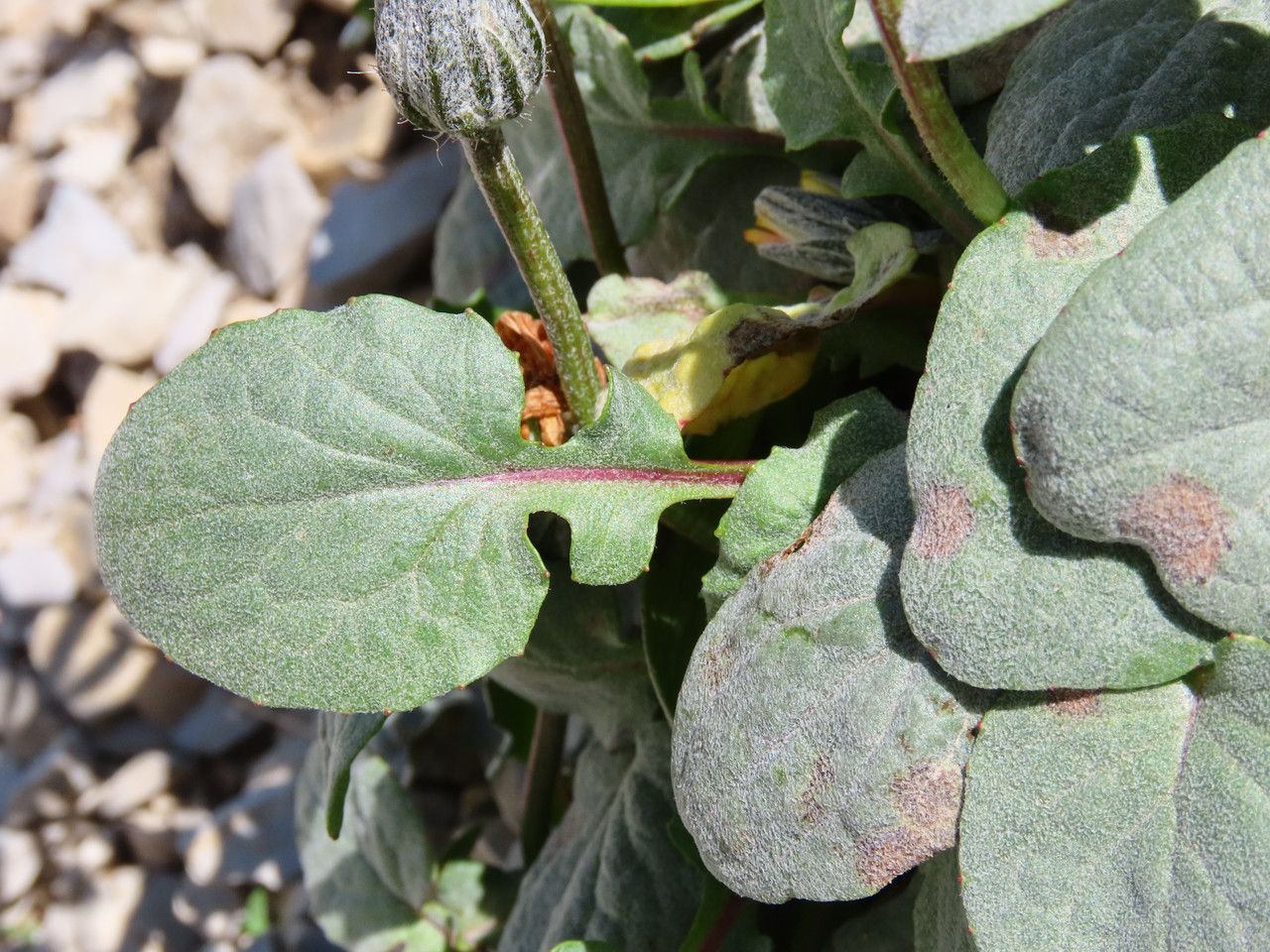
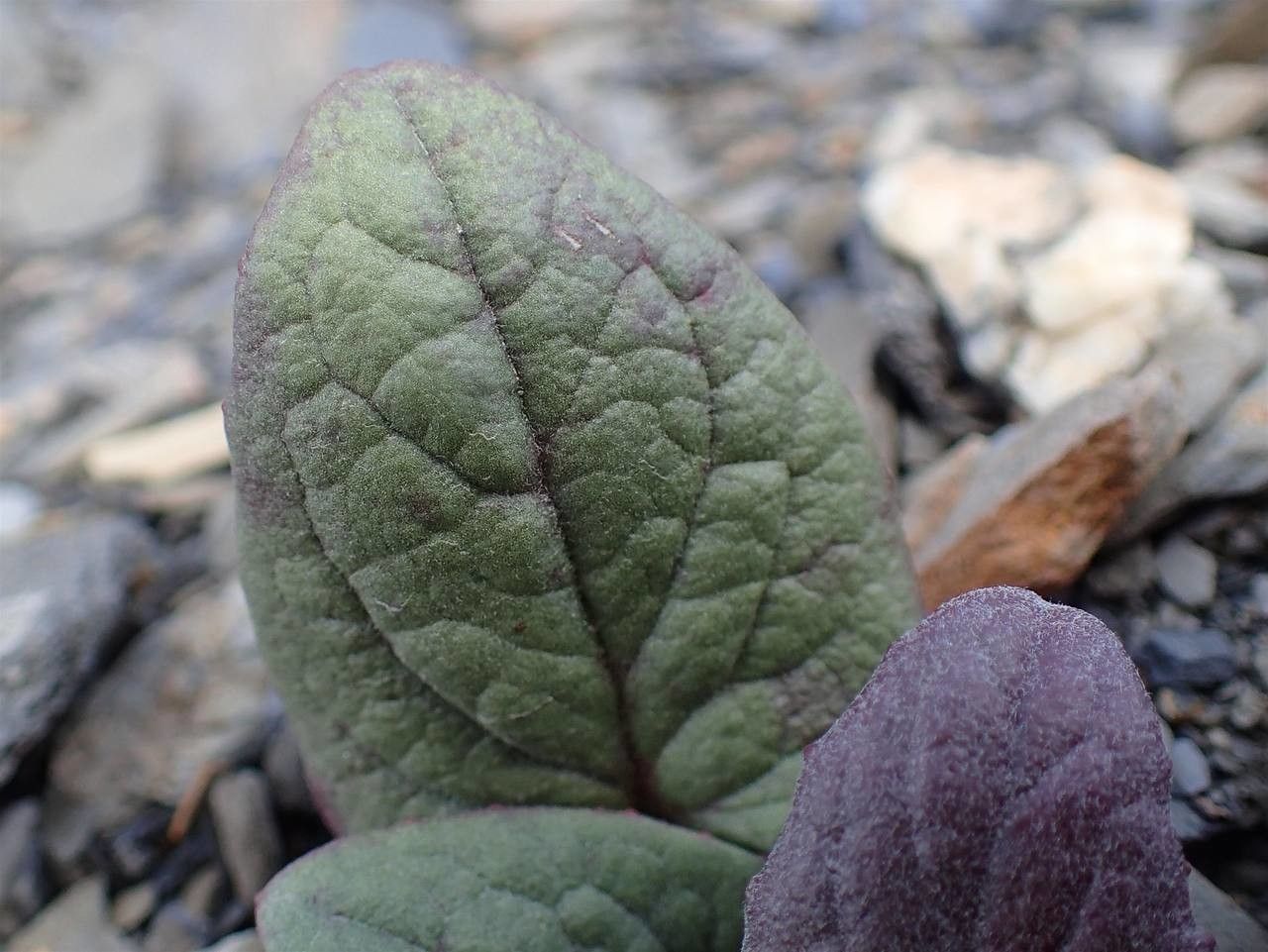
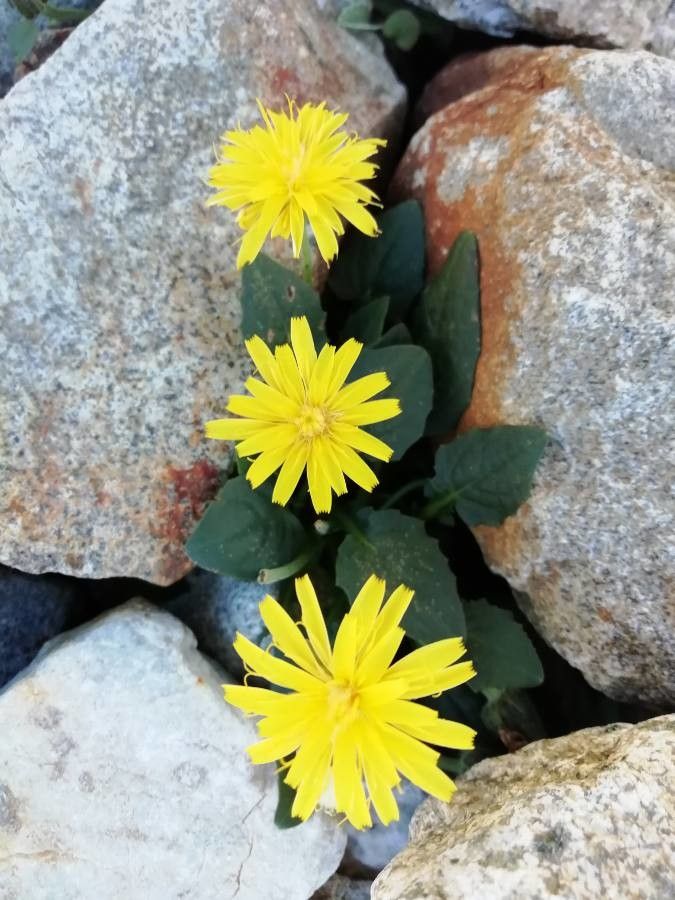
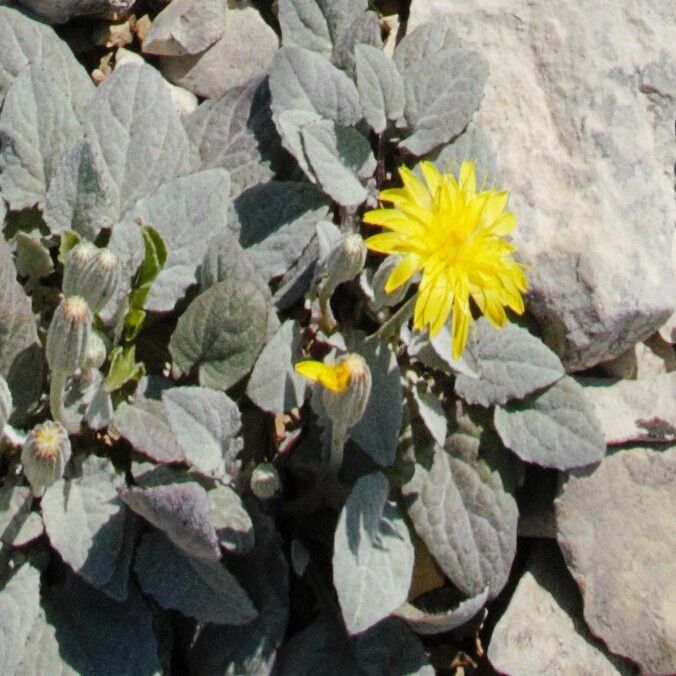
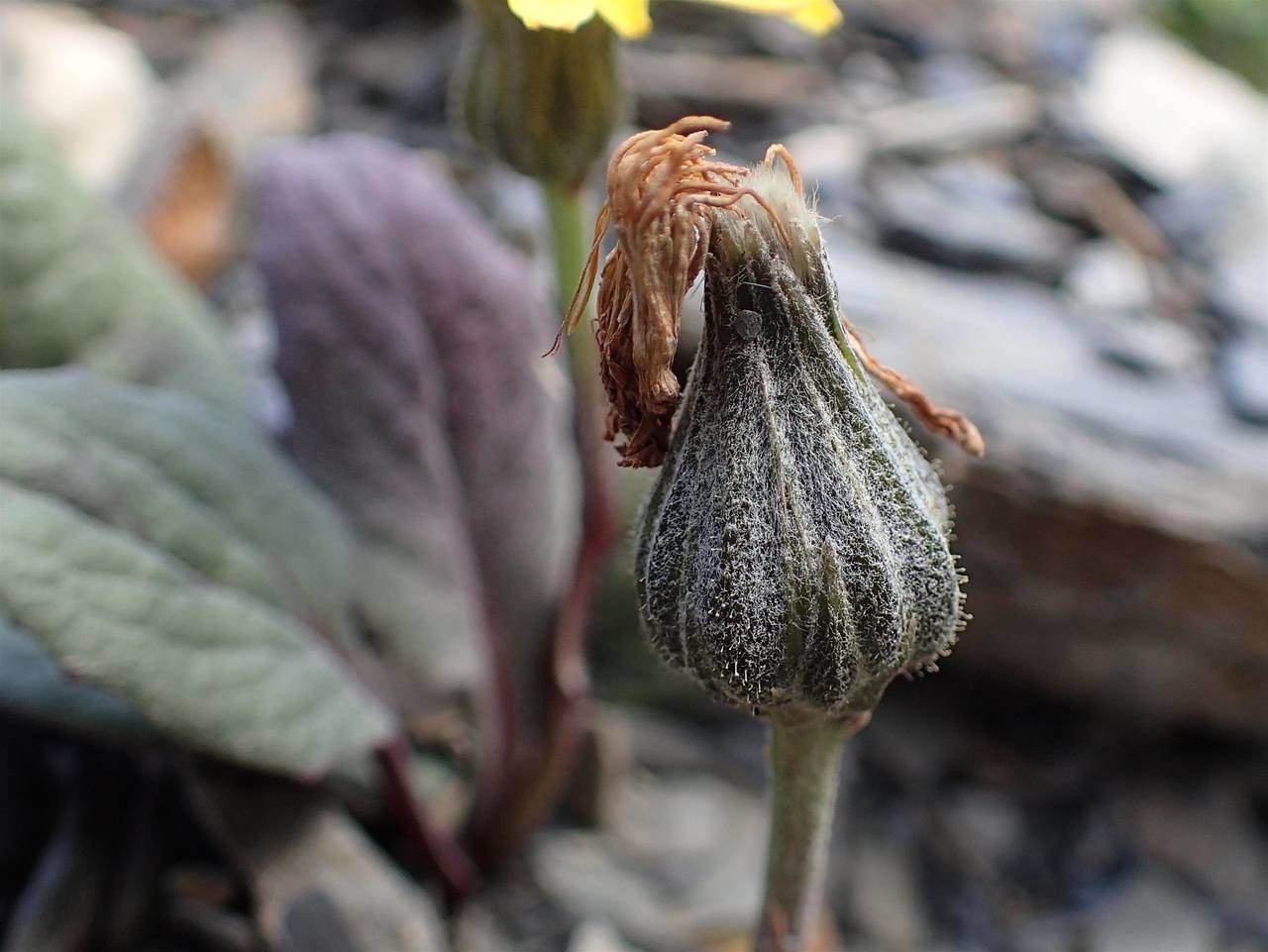
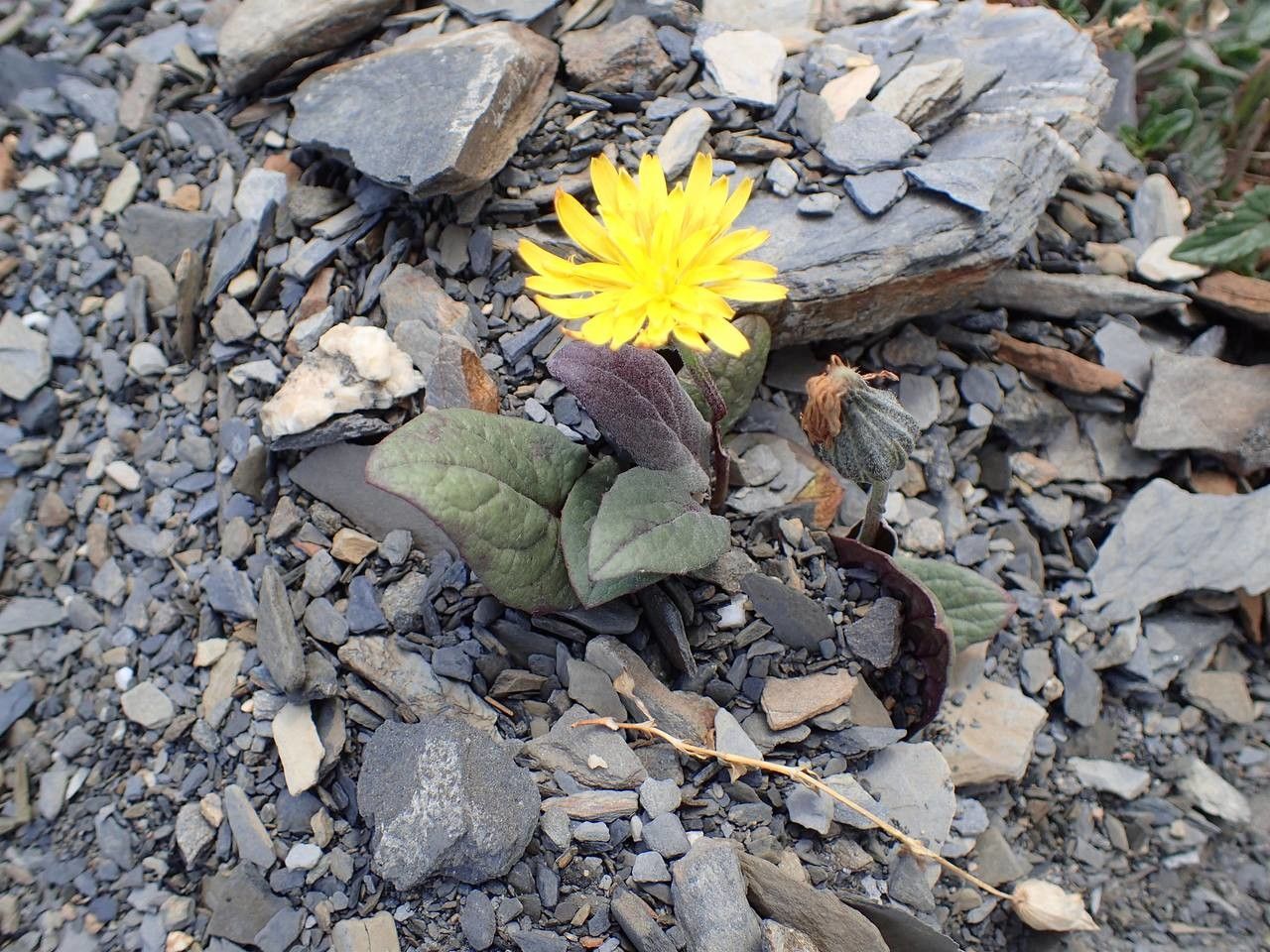
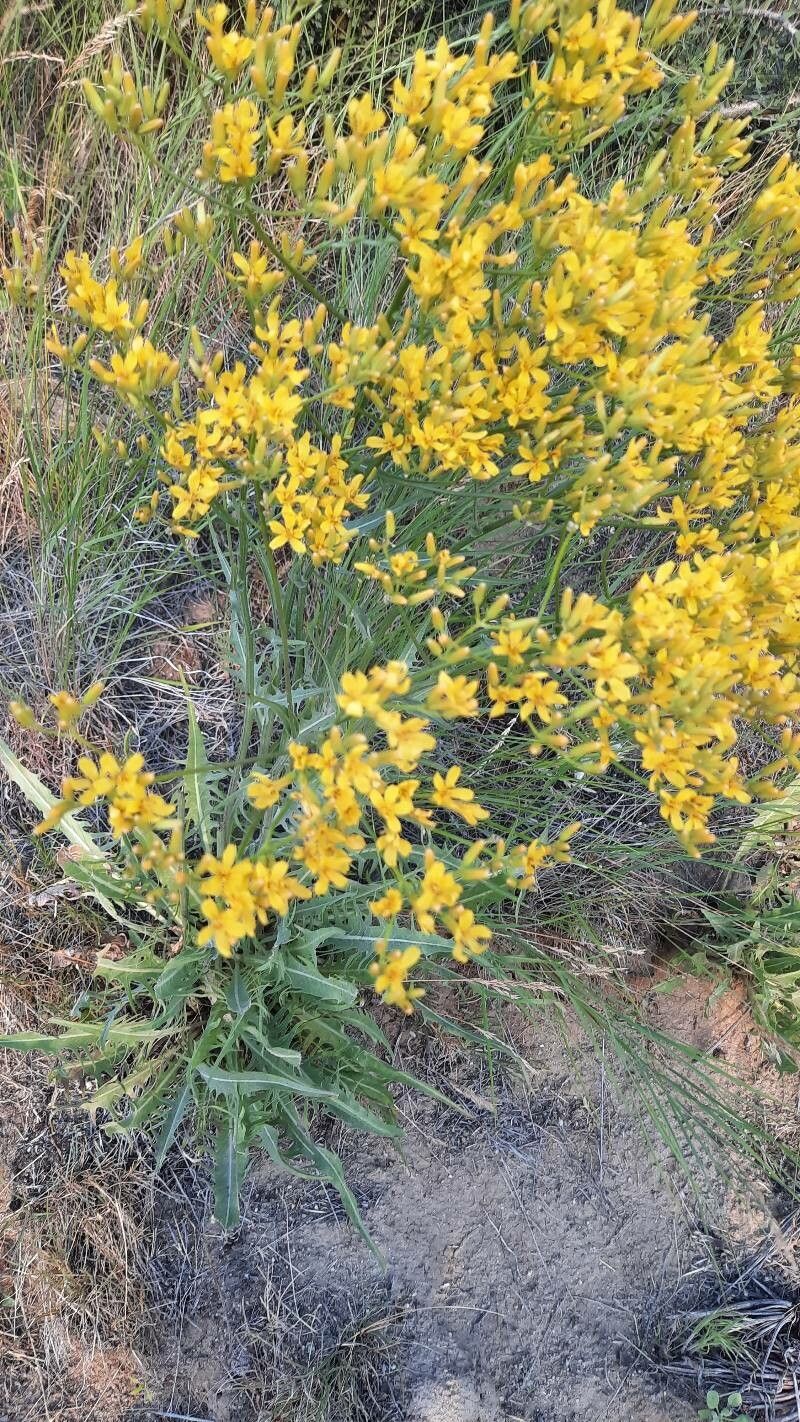
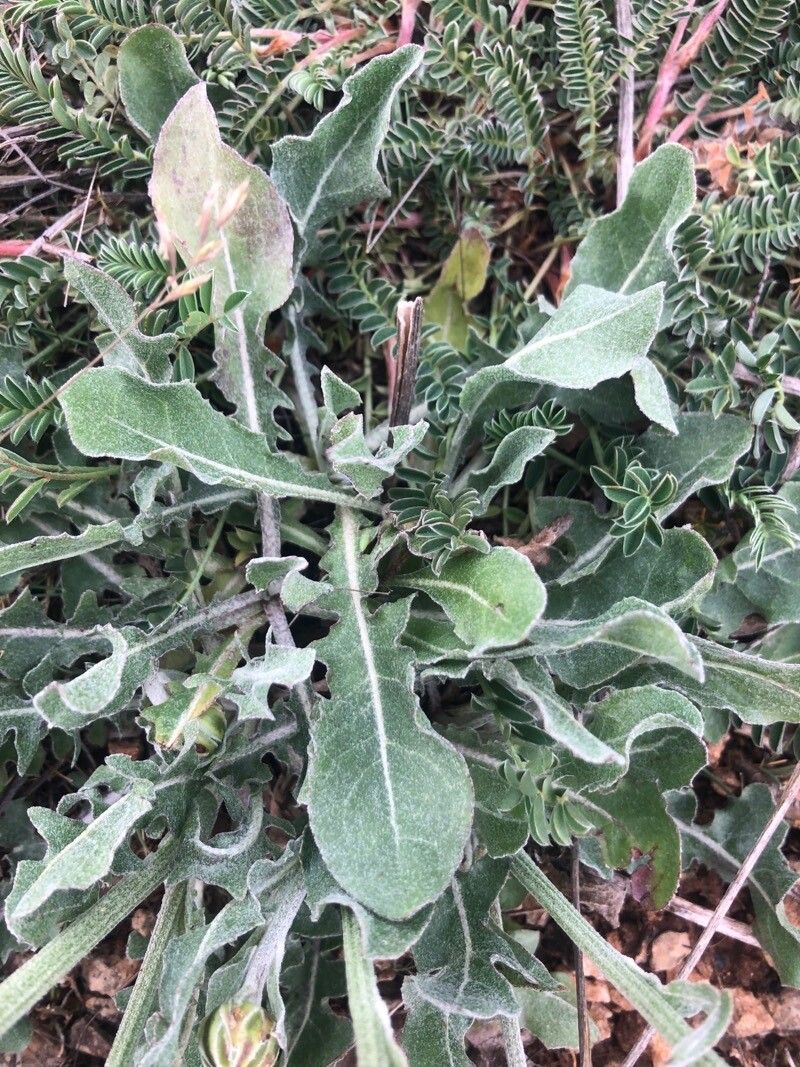
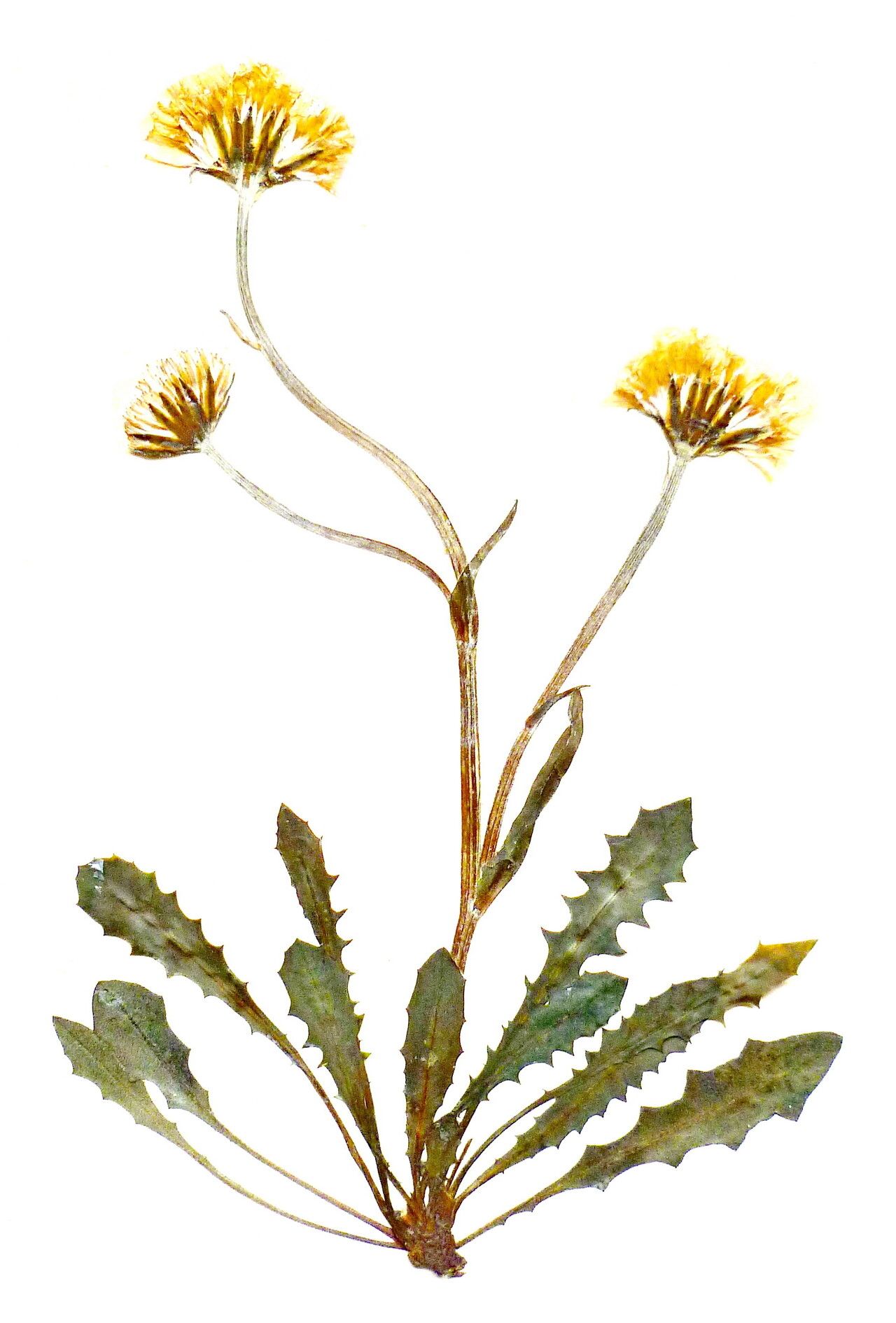
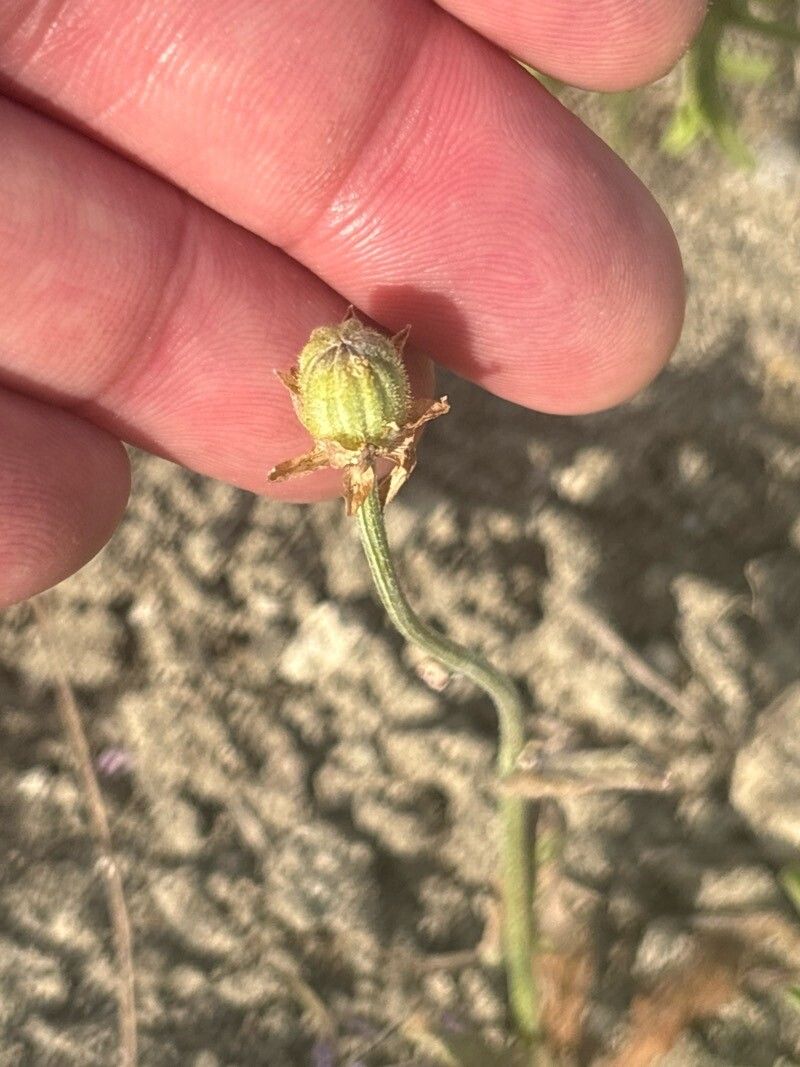
Crepis pygmaea (commonly pygmy hawksbeard) is a species of flowering plant in the genus Crepis in the family Asteraceae.
Pygmy hawksbeard has strong resistance to disease and is generally not likely to develop illnesses. Still, it can be affected by pests and diseases present in its environment. Such infections are typically mild. Regarding care, this plant needs a moderate amount of attention. Regular pruning is necessary to keep it looking good and to support healthy growth. Applying fertilizer can also encourage flowering. Pygmy hawksbeard is appropriate for anyone with outdoor areas like a garden or patio and does not demand extensive horticultural experience. It may need more careful attention when cultivated indoors.
How to keep Crepis Pygmaea.
Light
Pygmy hawksbeard is a sun-loving perennial herbaceous plant that originates in open habitats, often thriving in meadows and grasslands. It prefers full sun but can tolerate partial sun.
Water
Pygmy hawksbeard thrives best in conditions similar to its native habitat. It requires moderate humidity and needs to be watered weekly to stay healthy. Well-adapted to temperate outdoor environments, this plant is resilient during the growing season and can effectively handle natural fluctuations in water availability.
Fertilizer
Typically one spring application of fertilizer is enough for Pygmy hawksbeard, though repeated feedings can maximize growth. Apply fertilizer about once every month to a month and a half. Fertilization improves the appearance and function of the leaves, encouraging even color and a healthy texture. It also promotes root development and nutrient uptake for the plant's long-term health.
Pruning
To keep pygmy hawksbeard healthy and attractive, prune it in early to mid-spring. Remove any dead stems to encourage growth and shape the plant. It's important to maintain good air circulation to prevent disease. Regular pruning will enhance blooming and help manage the plant's compact size, resulting in a healthier and more appealing appearance.
Botanical profile.
- Plant Type
- Herb
- Life Cycle
- Perennial
- Genus
- Crepis
- Family
- Asteraceae
- Hardiness Zone
- 4-8
- Mature Height
- 5 cm to 15 cm
- Mature Spread
- 10 cm to 20 cm
- Leaf Color
- Green, Dark Green
- Leaf Type
- Semi-evergreen
- Flower Color
- Yellow
- Flower Size
- 1.02 cm to 2.03 cm
- Bloom Time
- Early summer, Mid summer
- Planting Time
- Spring, Summer
- Harvest Time
- Mid summer, Late summer
- Native Area
- Austria, Italy, Spain, Switzerland, France
Other names.
Reader questions.
What are the sunlight requirements for Pygmy hawksbeard (Crepis pygmaea)?
Pygmy hawksbeard (Crepis pygmaea) thrives in different sunlight conditions depending on what you're aiming for. For full sun exposure, it requires above 6 hours of direct sunlight daily. If you're considering partial sun conditions, about 3-6 hours of sunlight is needed. It's important to observe the way sunlight moves through your garden to select the ideal spots that offer the necessary balance of light and shadow, ensuring the best growth and health of your plants.