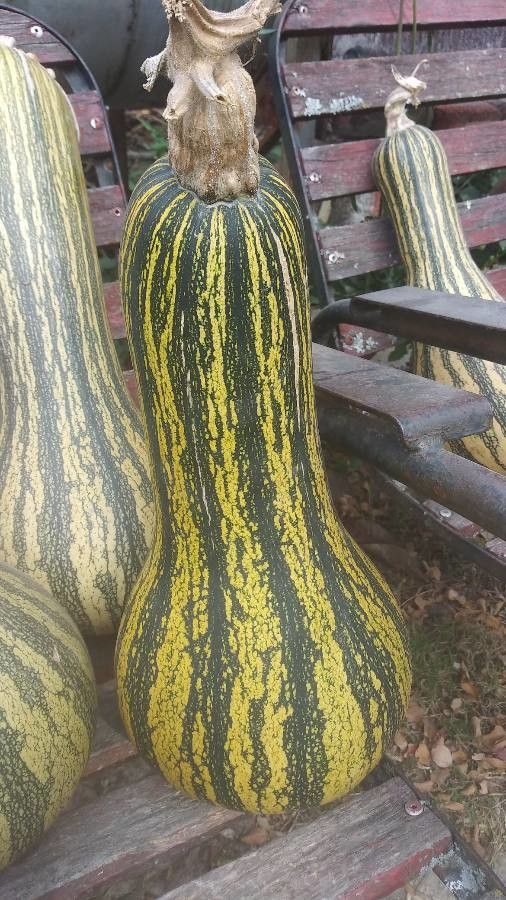
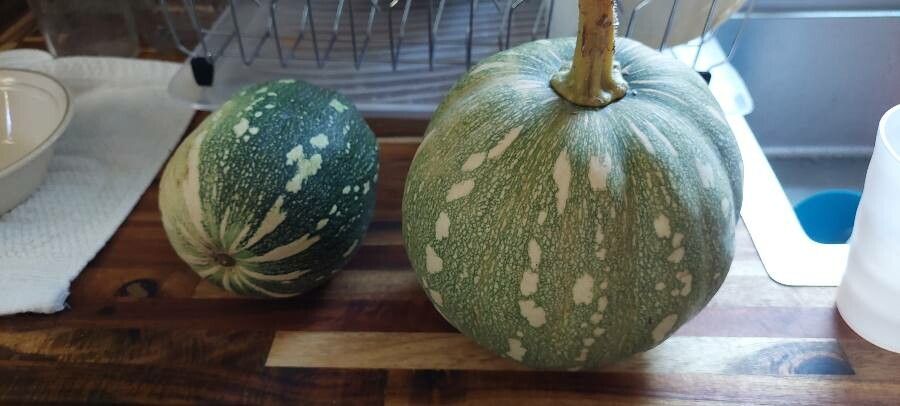
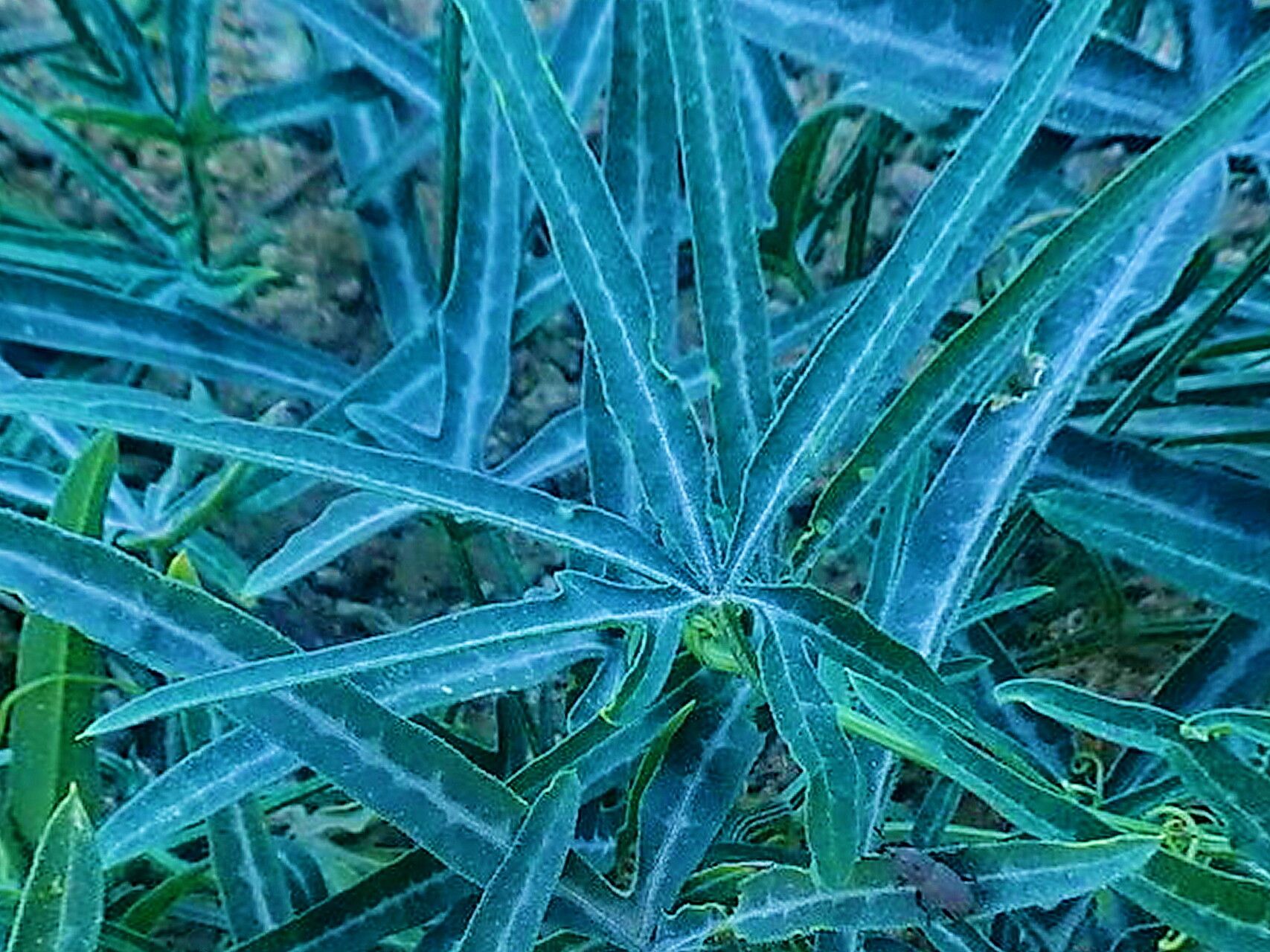
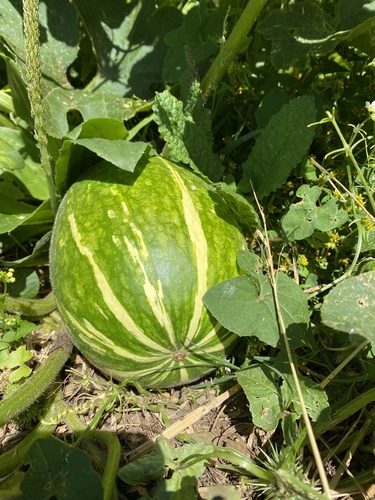
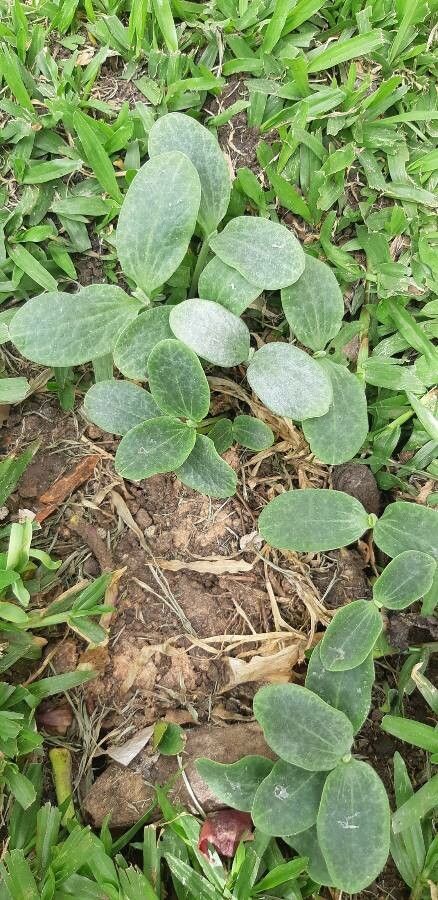
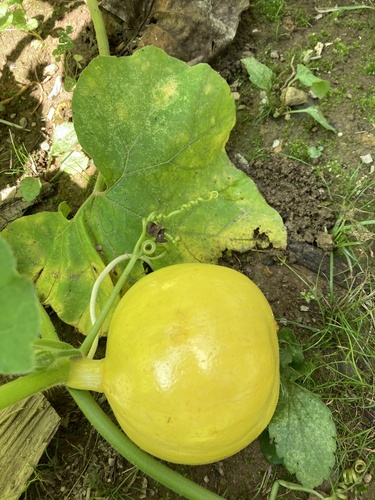
Cucurbita argyrosperma, also called the cushaw squash and silver-seed gourd, is a species of winter squash originally from the south of Mexico. This annual herbaceous plant is cultivated in the Americas for its nutritional value: its flowers, shoots, and fruits are all harvested, but it is cultivated most of all for its seeds, which are used for sauces. It was formerly known as Cucurbita mixta.It is a Cucurbita species, with varieties that are commonly cultivated in the United States as part of the Eastern Agricultural Complex and Mexico south to Nicaragua. Of all the cultivated Cucurbita species it is the least found outside the Americas. It originated in Mesoamerica, most likely in the state of Jalisco, from its wild ancestor Cucurbita sororia. It is also closely related to Cucurbita kellyana and Cucurbita palmeri. The reference genome of this species was published in 2019.
Japanese pie pumpkin is not very resistant to diseases and is prone to powdery mildew, horn spot, and leaf spot. It also has limited resistance to most insect pests. If it becomes infected, it will need treatment, though most diseases only reduce yield and are not fatal. For care, Japanese pie pumpkin requires frequent watering in summer and extra fertilizer to encourage fruit growth. It does not need much pruning. This makes it appropriate for people who have a garden or outdoor space and can devote some effort to its care.
How to keep Cucurbita Argyrosperma.
Light
The Japanese pie pumpkin comes from habitats that receive plenty of sunlight, such as open fields and sunny meadows. It prefers full sun but can also tolerate partial sun.
Water
The Japanese pie pumpkin, which is native to warm and temperate regions, flourishes with consistent moisture. It is important to water it weekly to prevent waterlogging, and it benefits from outdoor cultivation where it can make use of natural rainfall. To maintain its health throughout its significant growing season, adjust your irrigation practices according to the amount of precipitation.
Temperature
Japanese pie pumpkin grows best in moderate temperatures, about what people usually find comfortable. It prospers in conditions that are not excessively hot or cold. The main problem with very high temperatures is sunburn, so offering some shade in summer is recommended to prevent overheating. When temperatures decline, the plant goes dormant. If you want it to keep growing, you need to keep temperatures higher over the winter. Frost can damage the plant and should be avoided.
Fertilizer
Japanese pie pumpkin fixes nitrogen naturally through its roots, so it often requires less added fertilizer. It does well in well-draining soils, and depending on the soil’s makeup, additional fertilization might not be needed. However, low potassium or phosphorus can limit successful growth, whereas a lack of nitrogen is not problematic.
Pruning
Pruning Japanese pie pumpkins from early to late spring offers several benefits. By removing dead stems, improving air circulation, and controlling vine growth, you enhance fruit quality and reduce the risk of disease. This maintenance promotes healthier plants and leads to more robust yields.
Botanical profile.
- Plant Type
- Herb
- Life Cycle
- Annual
- Genus
- Cucurbita
- Family
- Cucurbitaceae
- Hardiness Zone
- 9-13
- Mature Height
- 23 cm to 46 cm
- Mature Spread
- 2.13 m to 4.88 m
- Leaf Color
- Green, Dark Green
- Leaf Type
- Deciduous
- Flower Color
- Yellow
- Flower Size
- 7.62 cm to 15.24 cm
- Bloom Time
- Summer
- Planting Time
- Spring, Autumn
- Harvest Time
- Late summer, Early fall, Mid fall
Other names.
Reader questions.
How should I water my Japanese pie pumpkin to keep it healthy?
The Japanese pie pumpkin has specific preferences for water, including how it is delivered. Improper watering techniques can harm your tomatoes. To water this pumpkin variety effectively, apply water slowly and directly to the soil. Avoid pouring all the water at once or using overhead watering. While you should water slowly, it's important to ensure deep watering to keep the soil surrounding the pumpkin moist.
Why should I put fertilizer on my Japanese pie pumpkin?
Japanese pie pumpkins can be grown in different types of well-draining soil. Fertilizing may not be necessary, depending on the soil's nutrient content. If the soil lacks potassium or phosphorus, it may not be able to support successful growth of Japanese pie pumpkins. However, if the only deficiency is nitrogen, this crop should thrive without the need for fertilizer.
How much sunlight does a Japanese pie pumpkin need to grow?
To ensure that Japanese pie pumpkins grow and produce fruit successfully, it is generally recommended that they receive a minimum of 6 to 8 hours of sunlight each day. However, please keep in mind that the specific needs may vary.
What temperature is best for Japanese pie pumpkin?
To keep your Japanese pie pumpkin healthy and happy, it is important to maintain a specific temperature range. This range is between 70-85℉ (21-30℃). By staying within this range, you can avoid any issues with cold or hot damage to the foliage. However, if you notice a change in leaf colors, it could be a sign that your Japanese pie pumpkin is not thriving. While it is best to keep the temperature within the ideal range, it is normal for it to occasionally exceed 85℉ (30℃) during the day or drop to 70℉ (21℃) at night. Therefore, there is no need to panic if these temperature fluctuations occur.
What should I do if I give too much or too little water to my Japanese pie pumpkin?
If you accidentally overwater your Japanese pie pumpkin and are worried about it getting sick, take action right away. The best solution for an overwatered pumpkin is to remove it from its current spot and let its roots dry a bit before replanting it in a place with well-draining soil. If you're growing it in a pot, you might want to switch to a pot with better drainage. On the other hand, if you've been underwatering, all you need to do is water your plant more frequently.
When should I fertilize my Japanese pumpkin?
There are a few suggestions for fertilizing Japanese pie pumpkin. First, it is recommended to use compost or manure when planting. If you prefer liquid fertilizer, a small amount can be added when the seedlings start growing. It is generally advised to fertilize Japanese pie pumpkin only once during its growth cycle. If you want to prepare the soil beforehand, you can add fertilizers rich in phosphorus and potassium the year before planting.
What kind of sunlight does Japanese pie pumpkin need?
If you want to grow Japanese pie pumpkin, make sure to choose a spot with full sun. This means the location should get direct sunlight without any obstructions like trees, fences, or buildings. Keep in mind that the plant's growth rate determines how much sunlight it requires. Ideally, it should receive morning sun for optimal photosynthesis.
How can I make sure Japanese pie pumpkin stays safe in very hot or cold weather when it's outside?
If you have a Japanese pie pumpkin planted outside, you may not be able to move it indoors. However, there are ways to protect it from extreme temperatures. One option is to create a shade tent using stakes and cloth to block out the intense heat of direct sunlight. Another option is to build a small greenhouse around the plant to shield it from cold temperatures and winds. This can be done using garden stakes and clear or translucent plastic. Once temperatures reach 40℉(10℃) at night, you can remove the greenhouse.
How often do I need to water my Japanese pie pumpkin?
Japanese pie pumpkins need a lot of water while they are growing. To make sure they get enough, you should water them regularly from spring to summer. At the beginning, watering once or twice a week is enough. As the season goes on, you should water more often, maybe even twice a day if it's hot. Once the pumpkins have grown a lot, you can water them less frequently, about once a week until the end of the season.
When is it not a good idea to add fertilizer to my Japanese pie pumpkin?
To ensure a healthy environment, it's important not to overdo the fertilization of Japanese pie pumpkins. Excessive use of chemical or natural fertilizers can harm the environment, especially when it comes to introducing too much nitrogen into the soil. It's generally recommended to apply fertilizers sparingly for Japanese pie pumpkins. In fact, you can often have a successful harvest and save yourself time and effort by skipping the use of fertilizer altogether.
Is it necessary to keep the Japanese pie pumpkin safe from the sun?
In most climates, Japanese pie pumpkin does not require protection from the sun. However, for those living in a desert or near the equator, the sun may be too intense for certain plants, although this situation is not common.
Does the Japanese pie pumpkin require varying temperatures during different seasons?
Japanese pie pumpkin generally requires consistent temperatures within its preferred range throughout the year. However, the care for this pumpkin variety may vary depending on the season. During the warmest months, it will benefit from additional shade and a gentle breeze to withstand the hottest days. Conversely, in colder climates where temperatures drop below 40℉(10℃), it may be necessary to relocate the pumpkin away from chilly windows and doors during the cooler months.