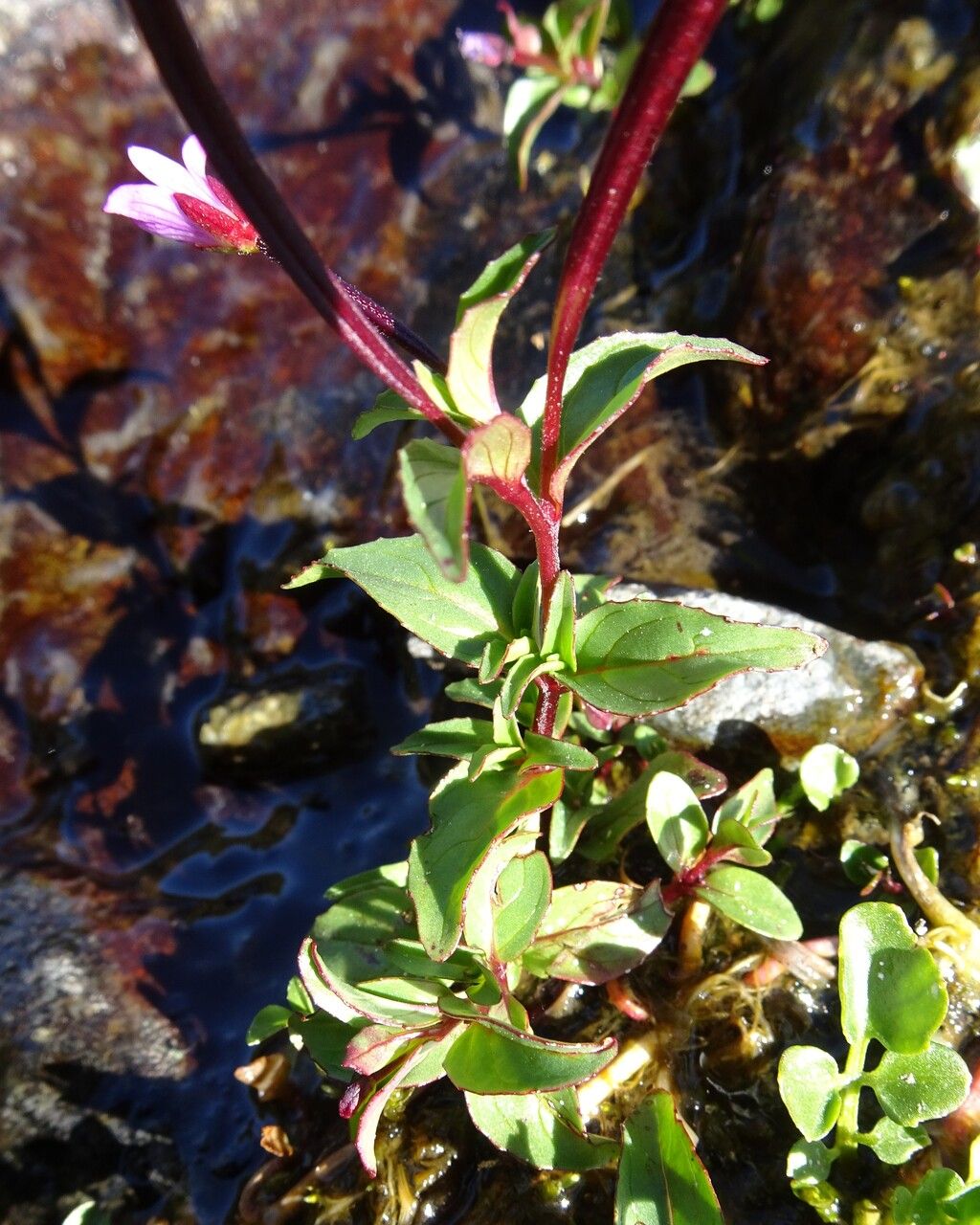
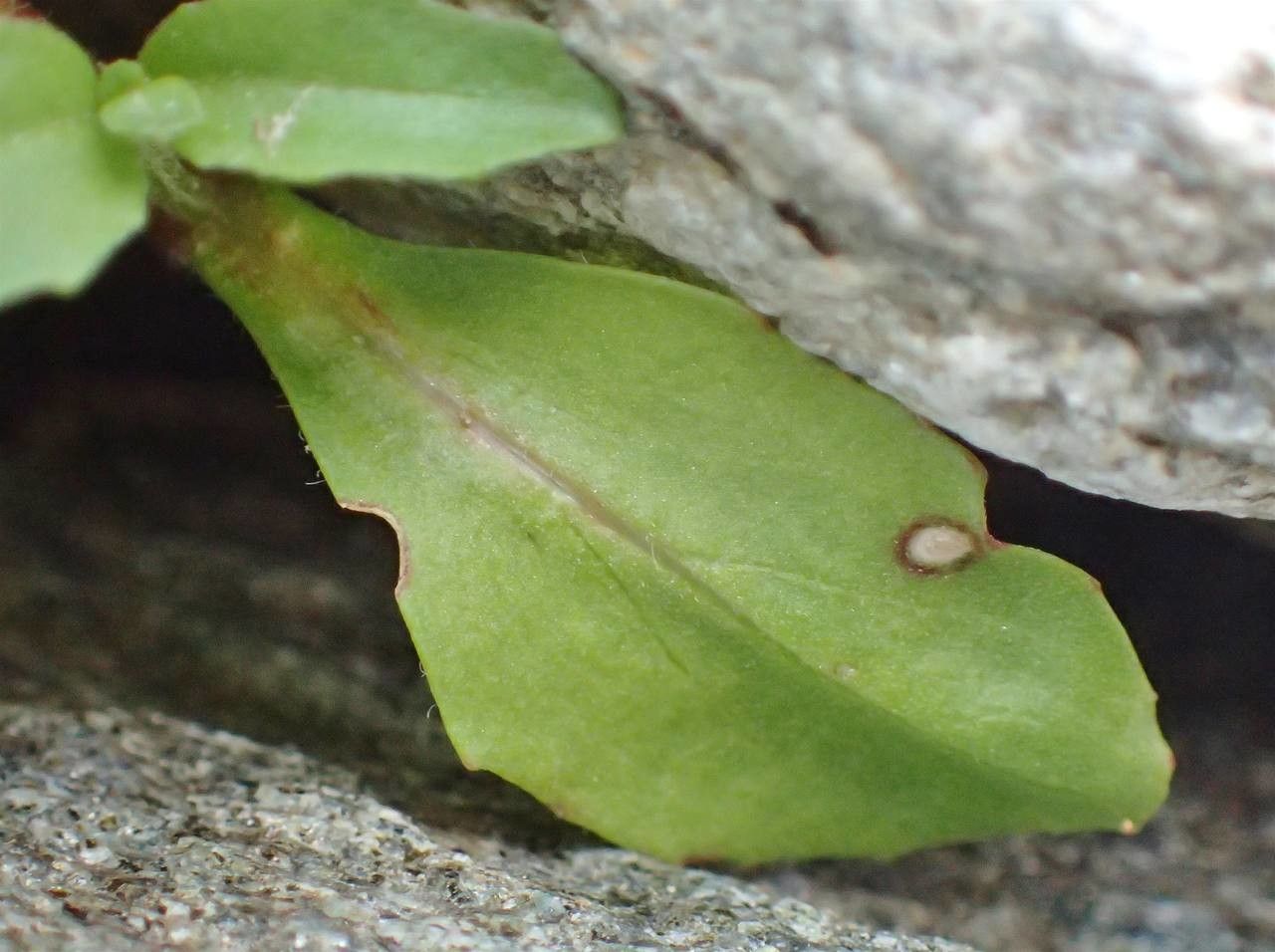
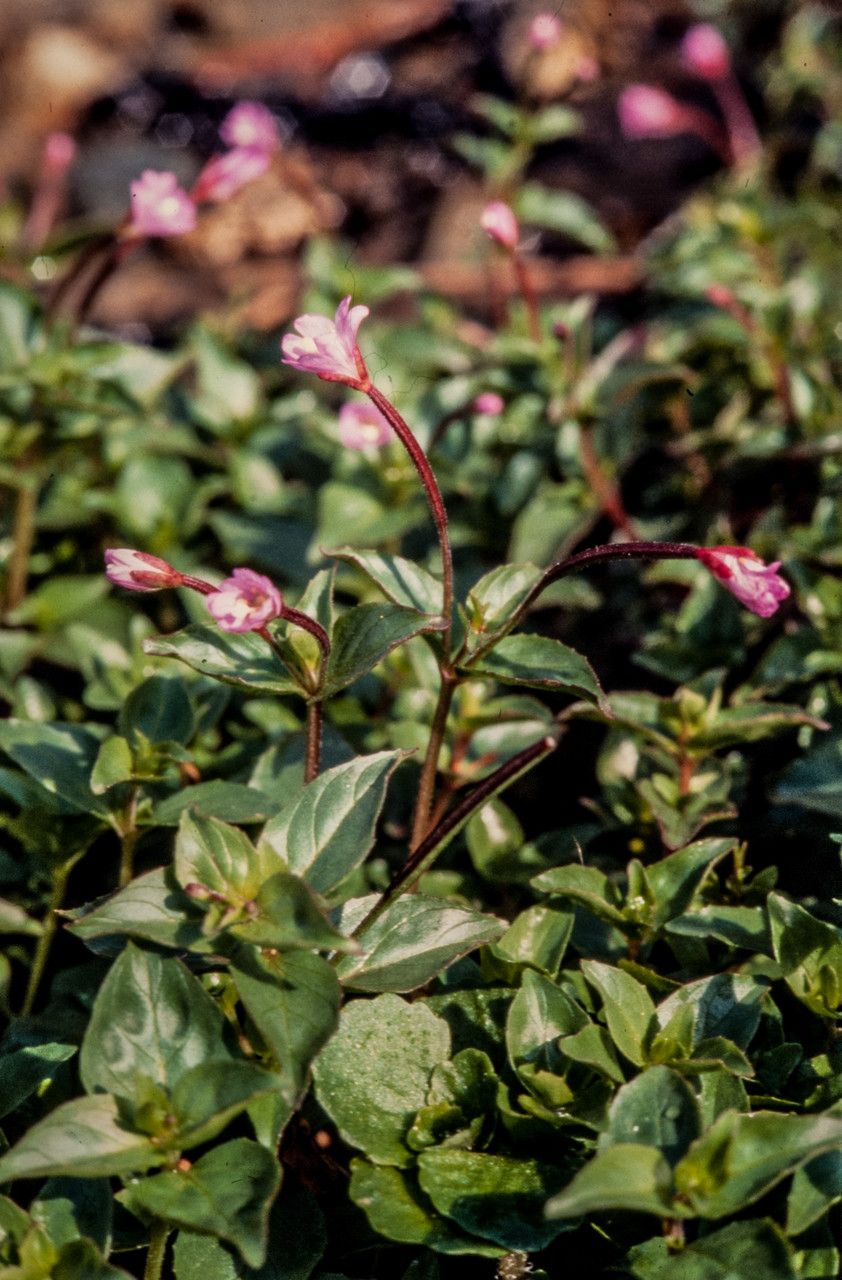
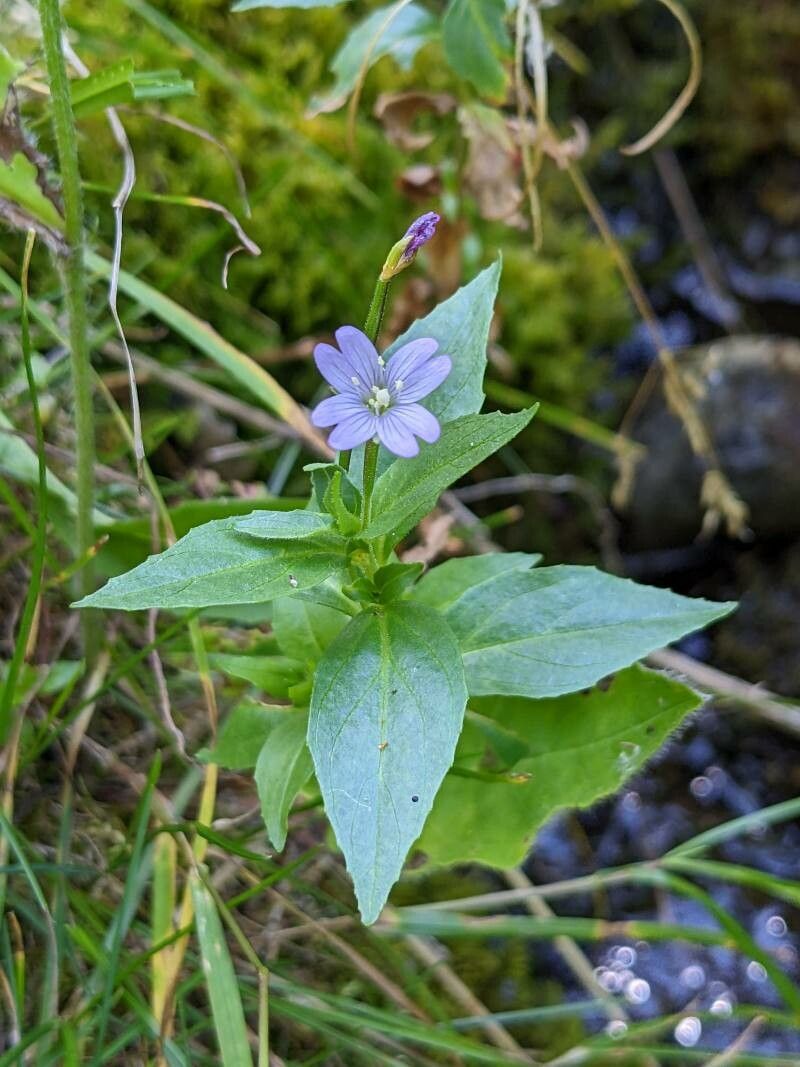
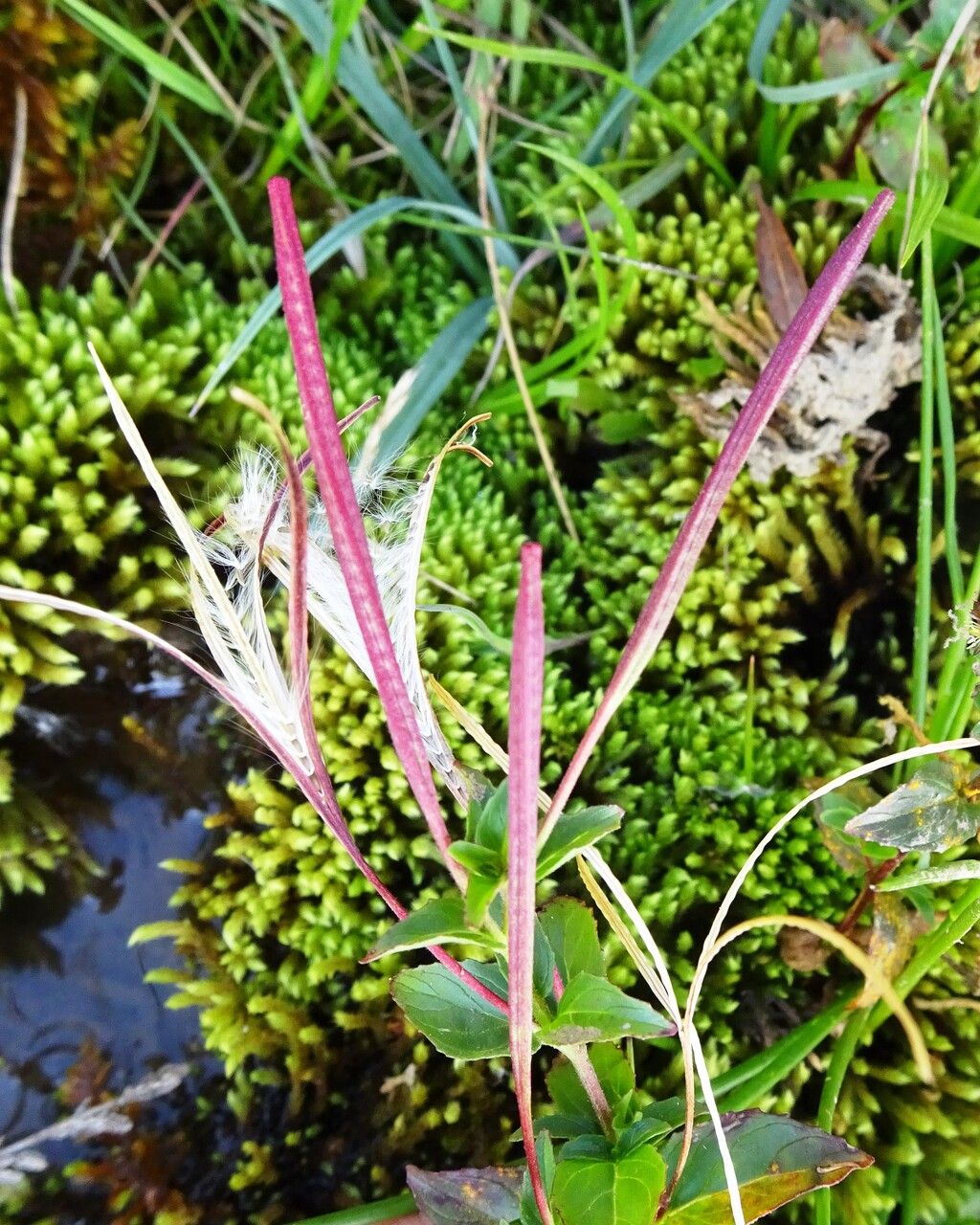
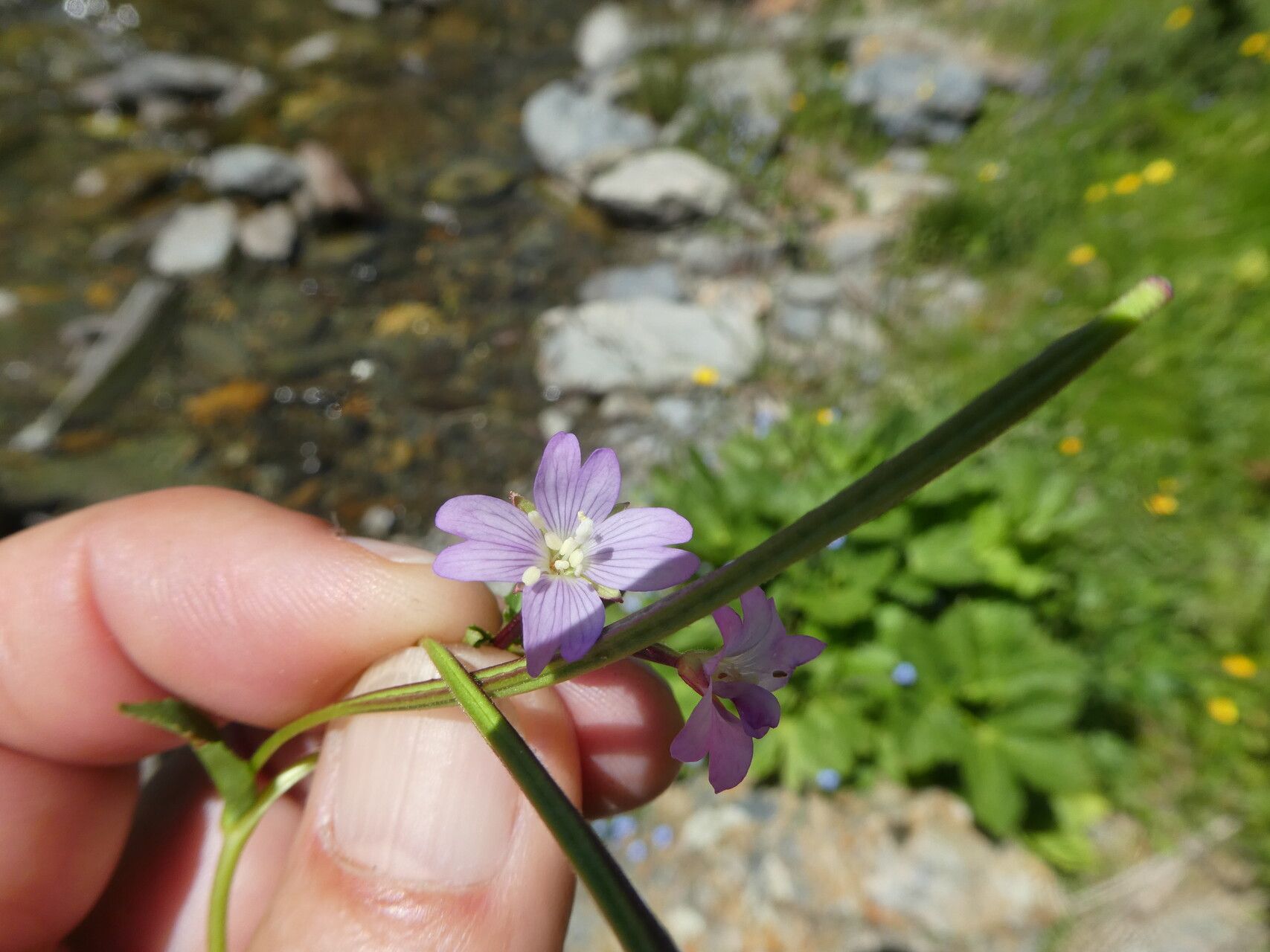
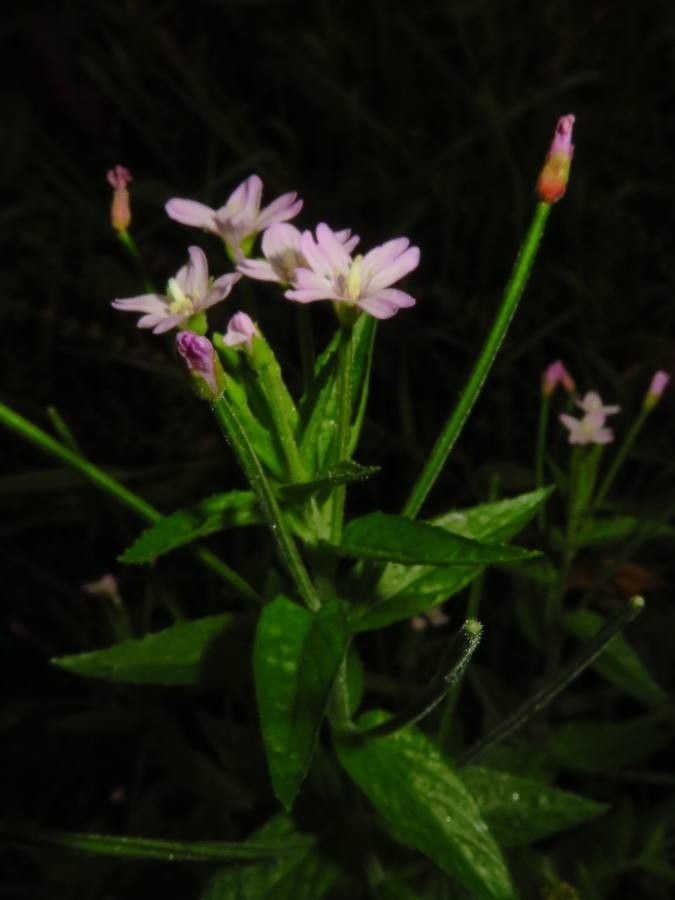
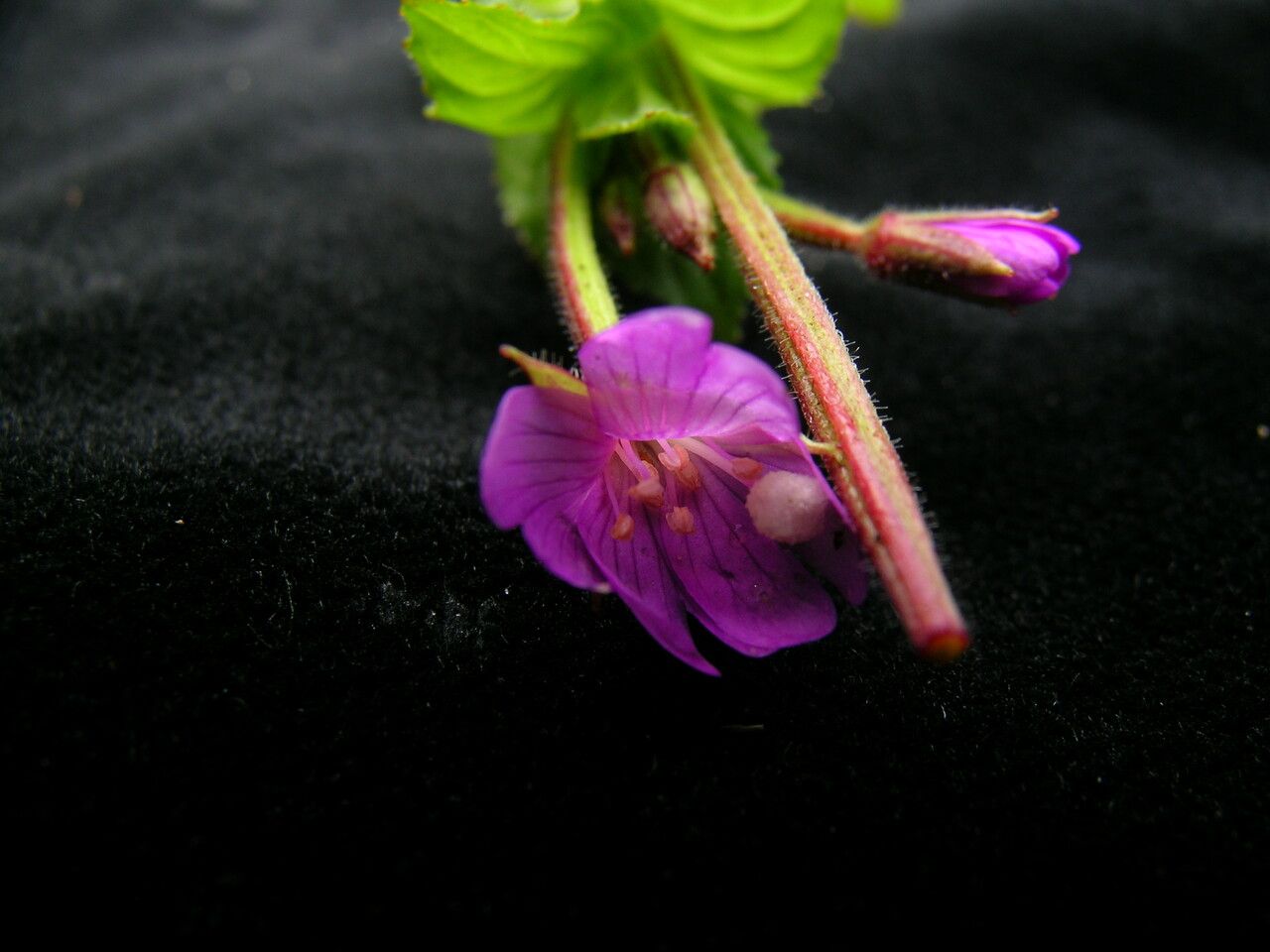
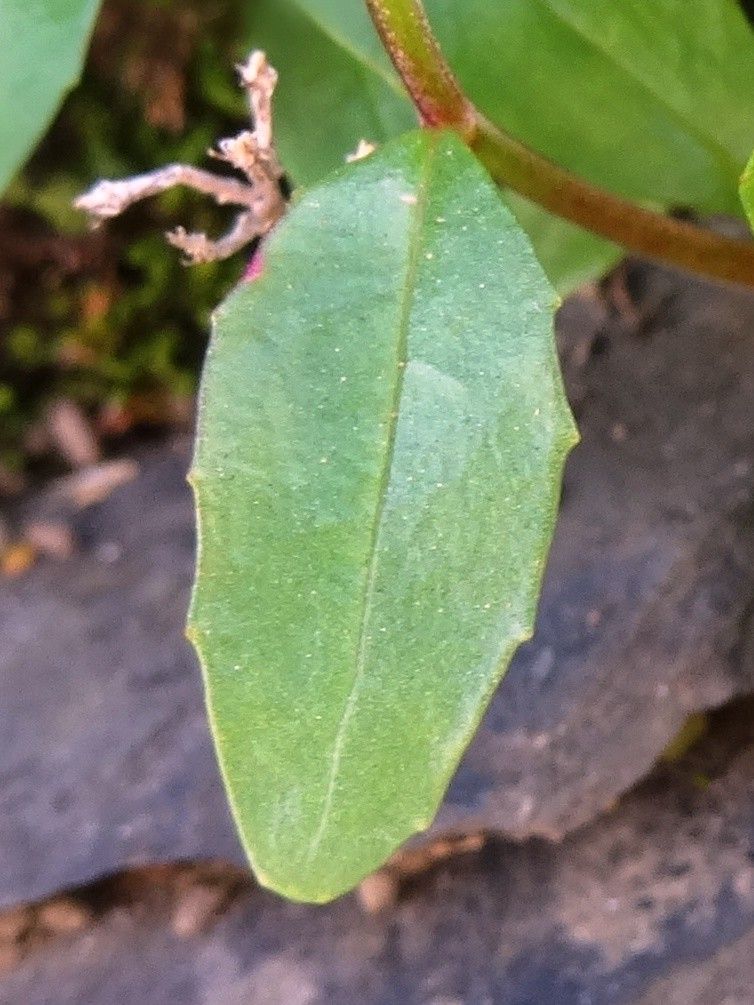
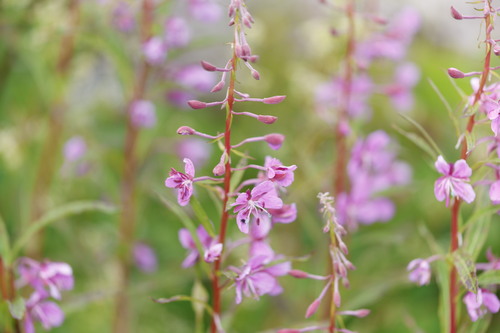
Epilobium alsinifolium is a species of willowherb known by the common name chickweed willowherb. This small flowering plant can be found in European arctic regions and further south in mountainous regions with an Arctic climate, as well as in Greenland. It is a perennial found in low clumps approximately 10 to 25 centimeters in height. It has wide, rounded basal leaves and narrower leaves further up the stem. It bears purple or pinkish trumpet-shaped flowers, 7 to 12 millimeters in diameter, and the fruit is a capsule two or three centimeters long.
Chickweed willowherb is fairly disease-resistant and typically does not readily suffer from illnesses. However, it can be affected by pests and diseases present in its environment. These problems are usually mild. In terms of upkeep, this plant needs moderate maintenance. It should be pruned regularly to keep a neat appearance and encourage healthy growth. Fertilizing can also help increase flowering. Chickweed willowherb is well suited for anyone with outdoor areas like a garden or patio and does not require extensive gardening experience. It may demand more care when kept indoors.
How to keep Epilobium Alsinifolium.
Light
Chickweed willowherb is indigenous to settings like forest understories or rocky locations, where it grows under natural shade. It prefers partial sun but is able to tolerate both full sun and deep shade, showing that it is versatile and hardy.
Water
Chickweed willowherb thrives in moist environments and prefers to be watered regularly, about once a week, without becoming waterlogged. As a herbaceous perennial, it grows best in soil that resembles its natural habitat, especially during its active growing season when adequate moisture is crucial for its growth and health.
Temperature
Chickweed willowherb can tolerate a wide range of temperatures, but its range may still be restricted by different combinations of moisture and heat. It does best in warm summer conditions with sufficient rainfall or watering. Extended periods of cloudy, rainy weather or prolonged high temperatures can increase the chance of Chickweed willowherb dying. In winter, proper protection from cold can improve the plant’s survival.
Fertilizer
Applying fertilizer once in spring is generally adequate for Chickweed willowherb, though several feedings can boost growth to its maximum. Fertilize roughly every one to one and a half months. Fertilization improves the leaves’ appearance and function, encouraging uniform color and a healthy texture. It also promotes root development and increased nutrient uptake, supporting long-term plant health.
Pruning
To ensure optimal growth of chickweed willowherb, it requires regular pruning, ideally from early to late spring. Key techniques include removing dead stems and thinning out crowded areas. These practices enhance air circulation, reduce the risk of disease, and promote a compact, bushy form, improving its ornamental appeal.
Botanical profile.
- Plant Type
- Herb
- Life Cycle
- Perennial
- Genus
- Epilobium
- Family
- Onagraceae
- Hardiness Zone
- 4-8
- Mature Height
- 3 cm to 30 cm
- Mature Spread
- 10 cm to 25 cm
- Leaf Color
- Green, Dark Green
- Leaf Type
- Deciduous
- Flower Color
- Pink, Purple
- Flower Size
- 0.76 cm to 1.27 cm
- Bloom Time
- Summer
- Planting Time
- Spring, Summer, Autumn
- Harvest Time
- Late summer, Early fall, Mid fall
Other names.
Reader questions.
How should I water my Chickweed willowherb plant for the best results?
To properly water the Chickweed willowherb, it is recommended to use filtered water at room temperature. Tap water may contain harmful particles, so filtered water is preferred. The water should be at room temperature or slightly warmer because the Chickweed willowherb is accustomed to warmer environments and cold water can be a shock to its system. Additionally, it's best to avoid overhead watering as it may cause issues with the foliage. Instead, gently apply the filtered room temperature water directly to the soil until it is thoroughly soaked. This method of soaking the soil is highly beneficial as it ensures the roots are moist and allows them to spread and collect necessary nutrients from the soil.
What do I do if I give my Chickweed willowherb too much water or too little water?
Overwatering is a common issue for Chickweed willowherb and can lead to wilting, yellowing, and diseases like root rot, mold, and mildew. Underwatering is less common but can cause brittleness and browning of leaves. It's important to recognize the signs of overwatering early and reduce watering immediately. Poorly draining soil should be replaced with well-draining potting mix. If underwatering is detected, simply water more regularly until the signs improve.
How much should I water my Chickweed willowherb?
If your Chickweed willowherb plant is in a pot, the best way to determine if it needs water is by checking the soil moisture. Simply stick your finger into the soil and if the top two to three inches are dry, it's time to water. For Chickweed willowherb plants grown outdoors in the ground, you can use the same method to test the soil. Once the top few inches have dried out, it's time to water. During spring and early fall, you'll typically need to water this plant about once a week. However, in very hot weather, you may need to water it twice or more per week. It's worth noting that mature and well-established Chickweed willowherb plants can tolerate dry spells quite well.
How water does my Chickweed willowherb need?
When watering your Chickweed willowherb, don't hesitate to give it plenty of water. Make sure that the first two to three inches of soil are dry before watering. It's best to water thoroughly and allow the soil to be completely soaked. You should add enough water so that excess water flows out through the drainage holes at the bottom of the pot. If you don't see excess water draining, you may have underwatered the plant or the soil may not drain well. Avoid allowing water to accumulate in the soil, as it can harm the plant. If the plant is outside, receiving 1 inch of rain per week should be enough.
How do I water my Chickweed willowherb as it grows?
The water requirements of the Chickweed willowherb vary based on its growth stages. In the early years or after transplantation, more water is needed because the plant focuses on developing strong roots. These young roots require extra moisture for optimal growth. As the plant matures, it will require less water. Another stage that demands more water is the bloom period, as the flower development relies heavily on moisture. Therefore, additional watering may be necessary during this period for the Chickweed willowherb.
How do I water my Chickweed willowherb throughout the year?
The Chickweed willowherb has varying water needs depending on the season. In the hot months of summer, it requires more water. You may need to water it more than once per week, depending on how quickly the soil dries. On the other hand, during winter, the plant goes into a dormant phase and needs significantly less water. You may not need to water it at all during this time. If you do choose to water it in winter, do so sparingly, only about once per month. Overwatering during this period can put the Chickweed willowherb at a higher risk of contracting a disease.
How does watering Chickweed willowherb indoors and outdoors differ?
Growing Chickweed willowherb indoors is most common for gardeners in non-temperate and non-tropical regions. It's important to note that soil in a container can dry out faster than ground soil. If you have drying elements like air conditioning units, your Chickweed willowherb may need to be watered more frequently compared to if it was planted outside. In outdoor conditions where there is regular rainfall, watering your Chickweed willowherb may not be necessary. However, if you are growing it indoors, you will need to water it more often as you won't have the option for rainwater to soak the soil.