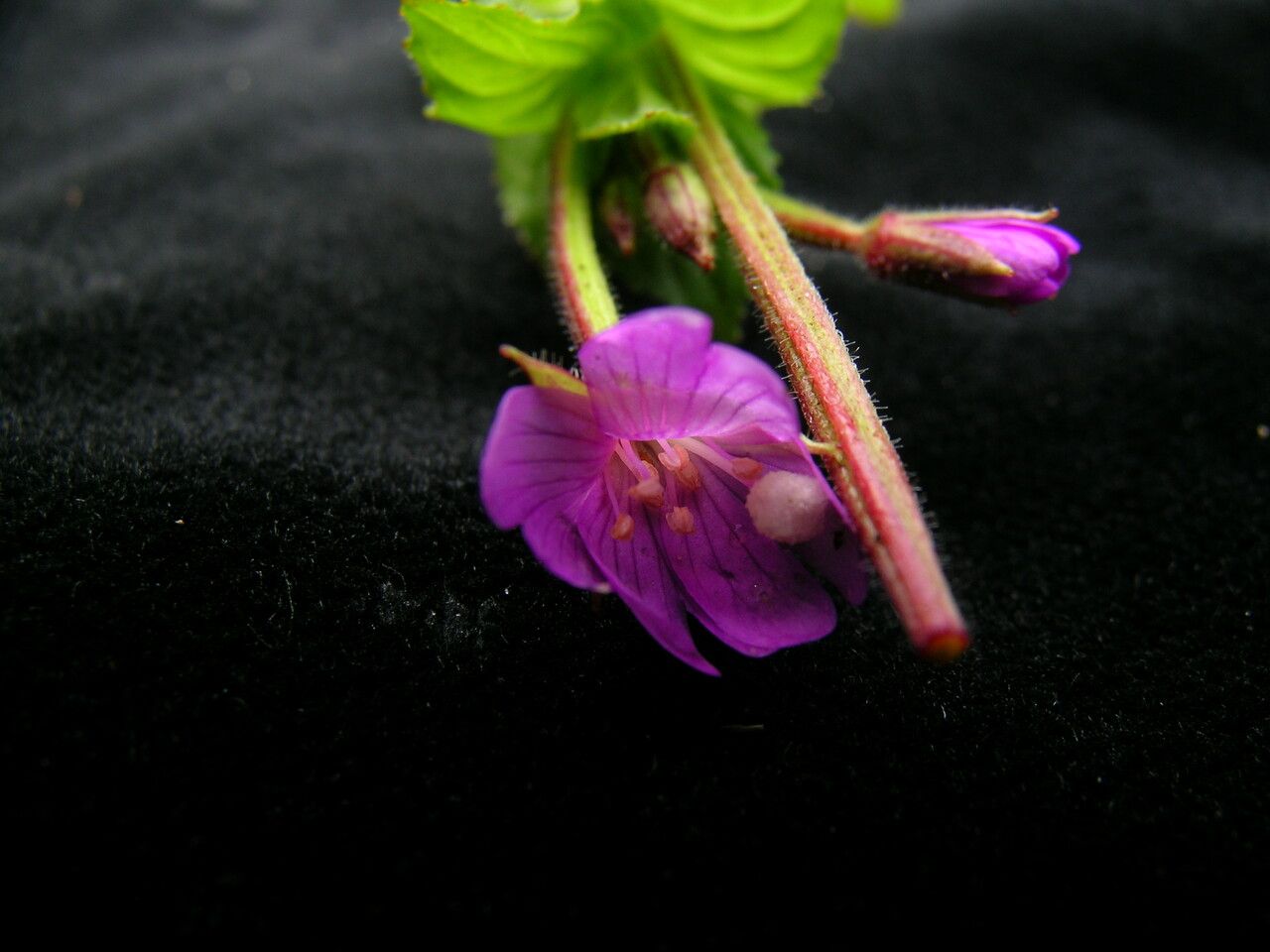
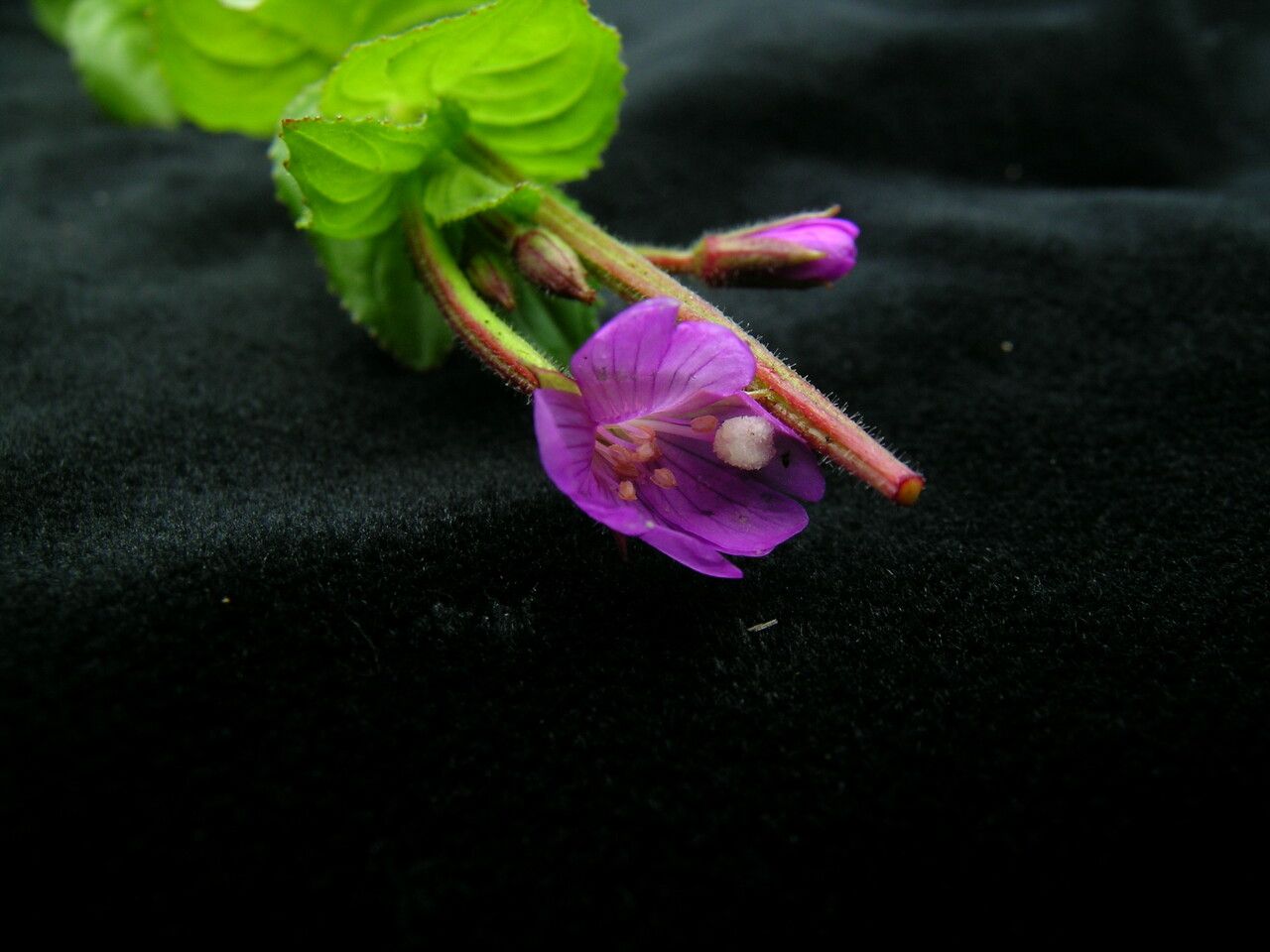
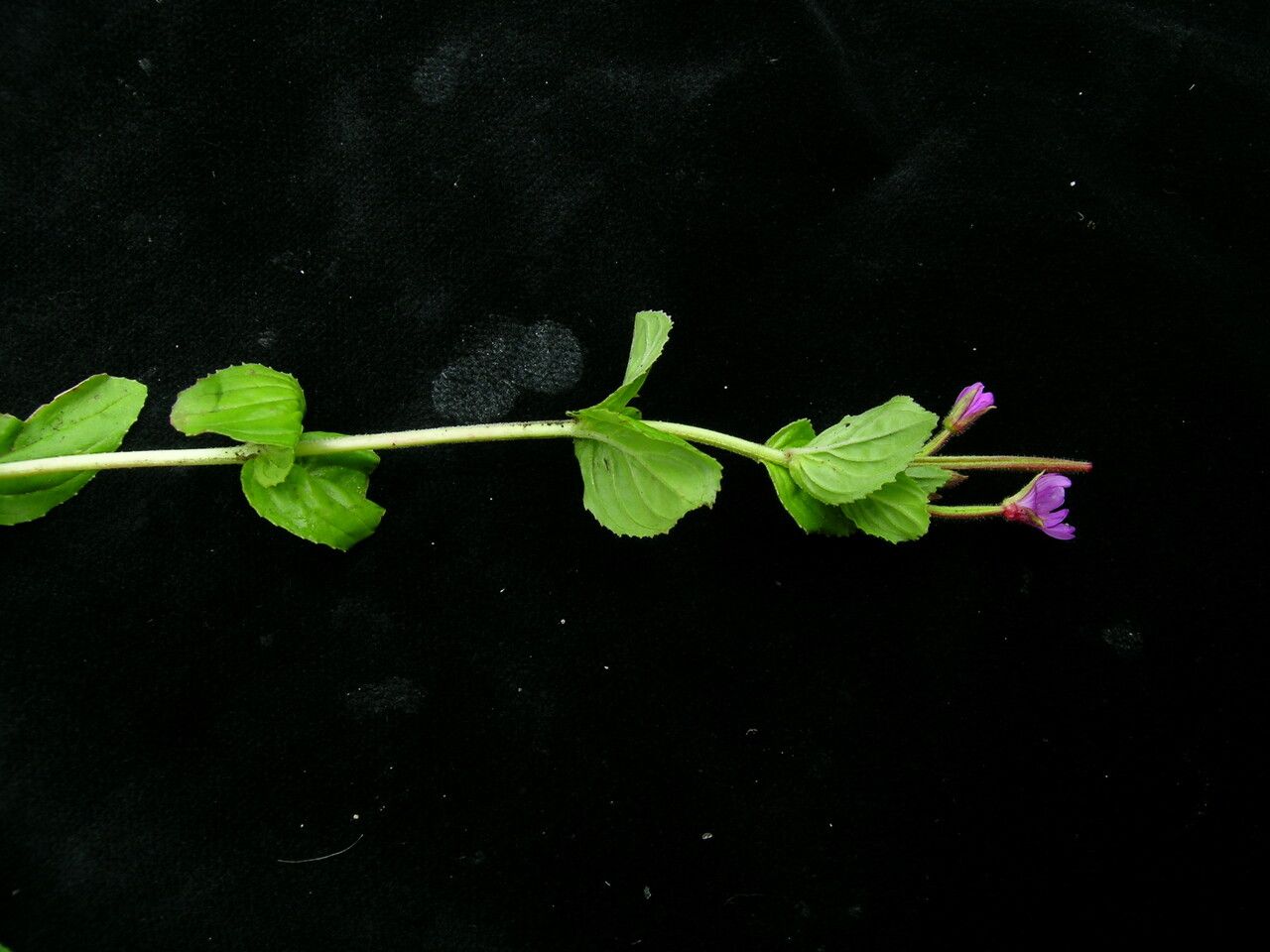
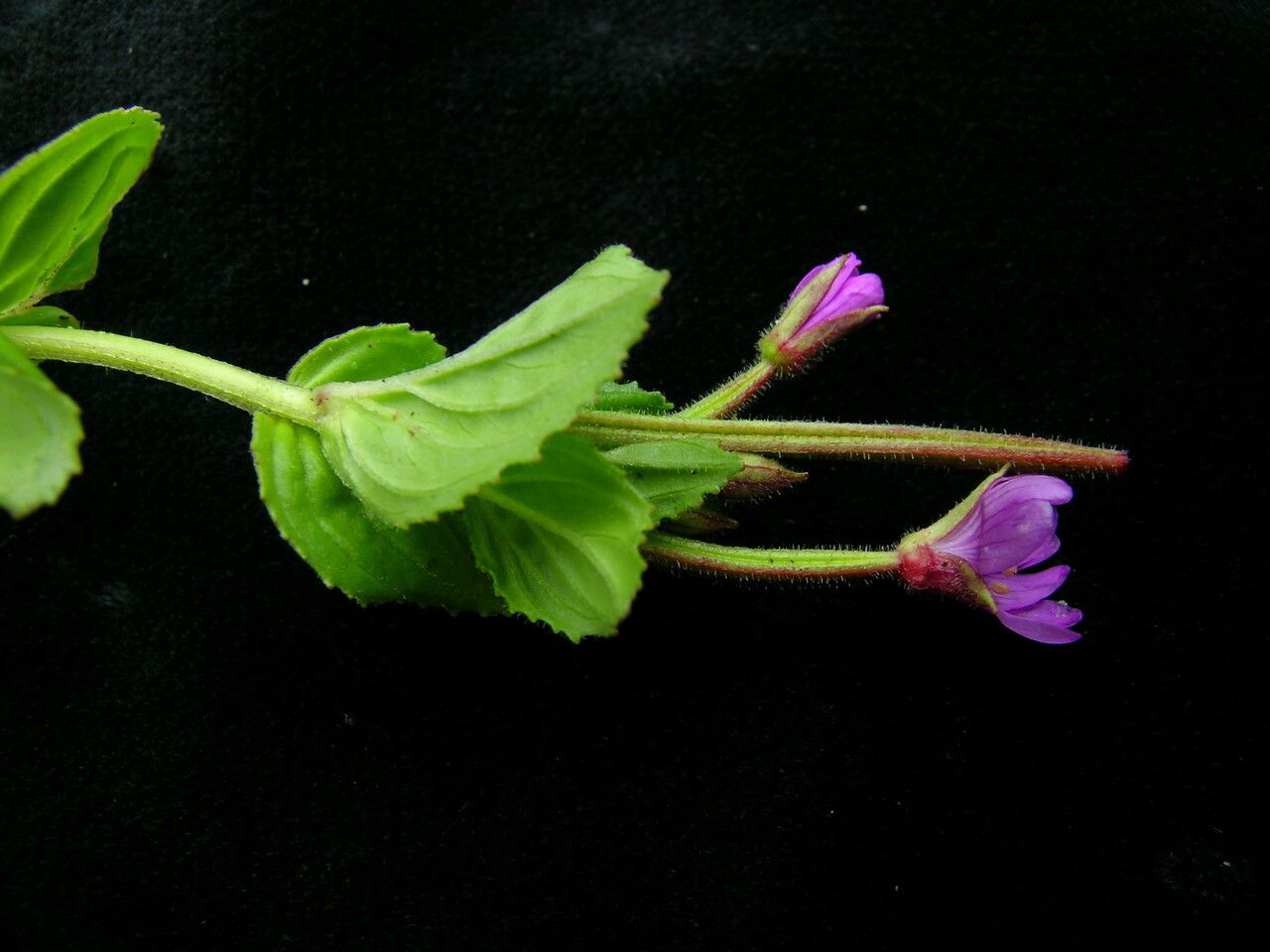
Amur willowherb has strong resistance to disease and is typically not susceptible to illnesses. That said, it can be vulnerable to pests and diseases found nearby, though these problems are usually mild. Regarding maintenance, this plant needs a moderate level of care. It should be pruned regularly to preserve a neat appearance and encourage healthy growth. Applying fertilizer can also support better flowering. Amur willowherb is appropriate for anyone with an outdoor area, such as a garden or patio, and does not demand extensive care experience. It may need increased attention if grown indoors.
How to keep Epilobium Amurense.
Light
Amur willowherb is a sun-loving perennial herbaceous plant that comes from open habitats and is often found in meadows and grasslands. It prefers full sun but can tolerate partial sun.
Water
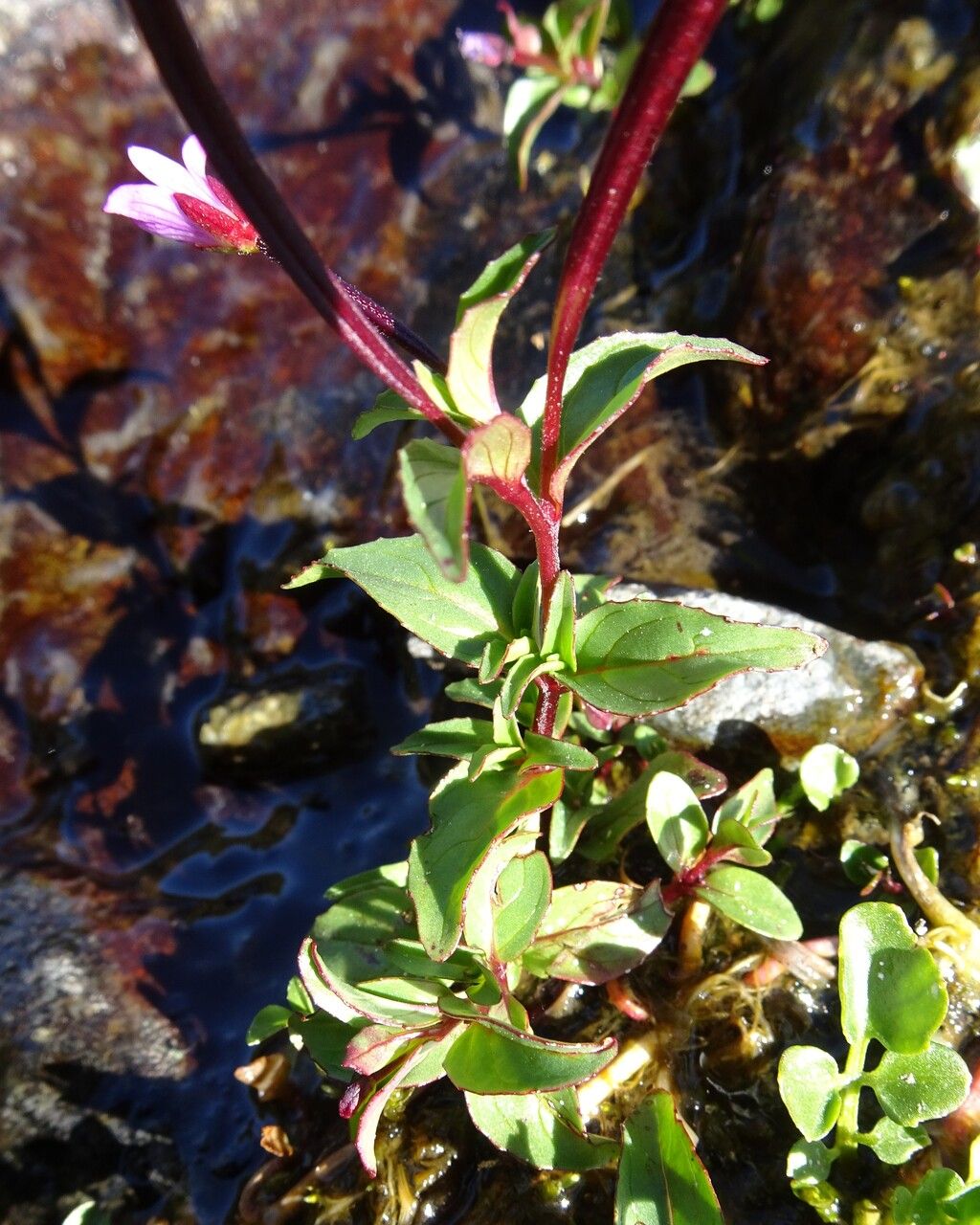
The Amur willowherb flourishes in moist environments and needs regular watering, ideally once a week. As an outdoor plant native to streams and wetlands, it is adapted to seasonal changes in water availability, which affect its growth cycles and dormancy.
Temperature
Amur willowherb can adjust to a wide range of temperatures, but its distribution may still be limited by different combinations of moisture and heat. It grows best in warm summer climates with sufficient rainfall or watering. Extended periods of cloudy, rainy weather, as well as prolonged high temperatures, can increase the chance of Amur willowherb dying. In winter, adequate protection from cold can improve the plant's survival rate.
Fertilizer
Generally, one spring fertilizer application is enough for Amur willowherb, though several feedings can maximize growth. Apply fertilizer every one to one and a half months. Fertilization improves the leaves’ appearance and function, helping maintain even color and healthy texture. It also encourages root growth and nutrient uptake, supporting the plant’s long-term health.
Pruning
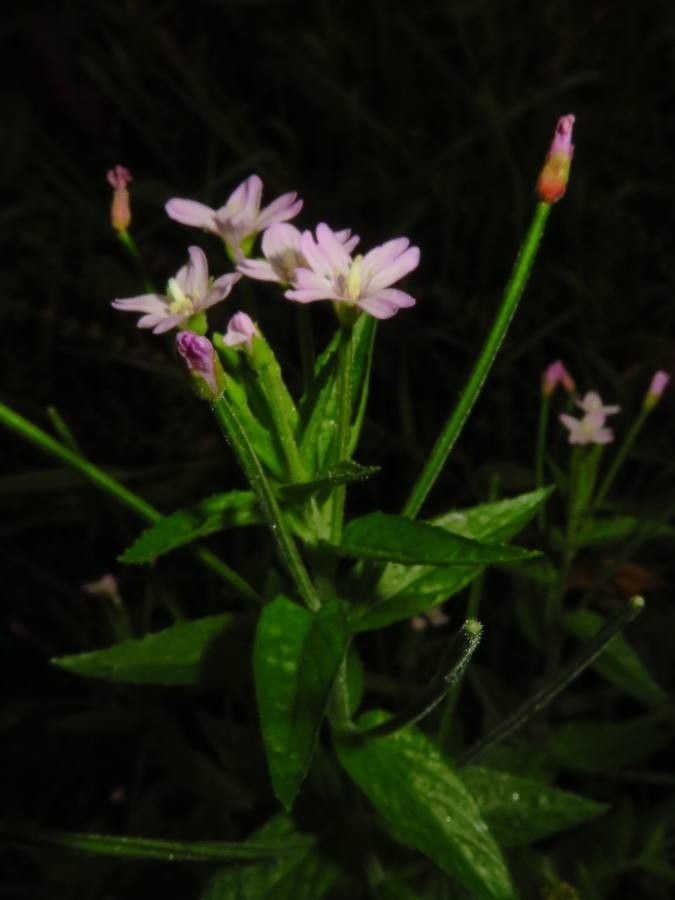
Amur willowherb is a perennial plant known for its vibrant pink flowers. To encourage healthy growth and abundant flowering, it should be pruned between early and late spring. This involves removing dead or overcrowded stems. Always use sterilized shears to reduce the risk of infection. Additionally, ensure good air circulation around the plant and regularly check for pests.
Botanical profile.
- Plant Type
- Herb
- Life Cycle
- Perennial
- Genus
- Epilobium
- Family
- Onagraceae
- Hardiness Zone
- 3-8
- Mature Height
- 49 cm to 76 cm
- Mature Spread
- 20 cm to 40 cm
- Leaf Color
- Green
- Leaf Type
- Deciduous
- Flower Color
- Pink
- Flower Size
- 1.02 cm to 2.03 cm
- Bloom Time
- Summer
- Planting Time
- Spring, Summer
- Harvest Time
- Late summer, Early fall, Mid fall
Other names.
Reader questions.
What are the sunlight requirements for Amur willowherb?
Amur willowherb thrives in full sun, requiring more than 6 hours of sunlight daily. However, it can also tolerate partial sun conditions, which means about 3-6 hours of sunlight per day. It's crucial to observe how sunlight moves through your garden to choose spots that offer a balance of light and shade, ensuring the well-being of your Amur willowherb.
Can Amur willowherb grow with artificial lighting, and if so, how?
Yes, Amur willowherb can grow with artificial lighting, especially important in regions with insufficient natural sunlight or during seasons with shorter daylight hours. LED lights are recommended for their efficiency and ability to mimic the specific wavelengths of light the plant needs. For full sun plants like Amur willowherb, aim for 30-50W/sq ft of light, positioning the light source 12-36 inches above the plant. Ensure to provide 8-12 hours of light per day to simulate natural daylight hours for optimal growth.
What are the symptoms of light deficiency in Amur willowherb?
Symptoms of light deficiency in Amur willowherb include smaller new leaves, leggy or sparse growth, faster leaf drop, slower or no new growth, and lighter-colored new leaves. These symptoms indicate that the plant is not receiving adequate sunlight, leading to reduced chlorophyll and essential nutrient levels. Conversely, excessive sunlight can cause chlorosis, sunscald, leaf curling, wilting, and leaf scorching, indicating the plant is receiving too much light.
How can I address sunlight-related issues for Amur willowherb?
To address sunlight-related issues for Amur willowherb, consider gradually moving your plants to sunnier locations to ensure they receive at least 6 hours of direct sunlight daily, especially for indoor plants. Use south-facing windows and keep curtains open during the day. For outdoor gardens, avoid sudden changes in light intensity. If trees block sunlight, pruning may help increase sunlight exposure. If your plant is large or not easily movable, supplementing with artificial light for at least 8 hours daily can prove beneficial. Remember, while affected parts of the plant may not recover, new growth should be healthy with proper light exposure.