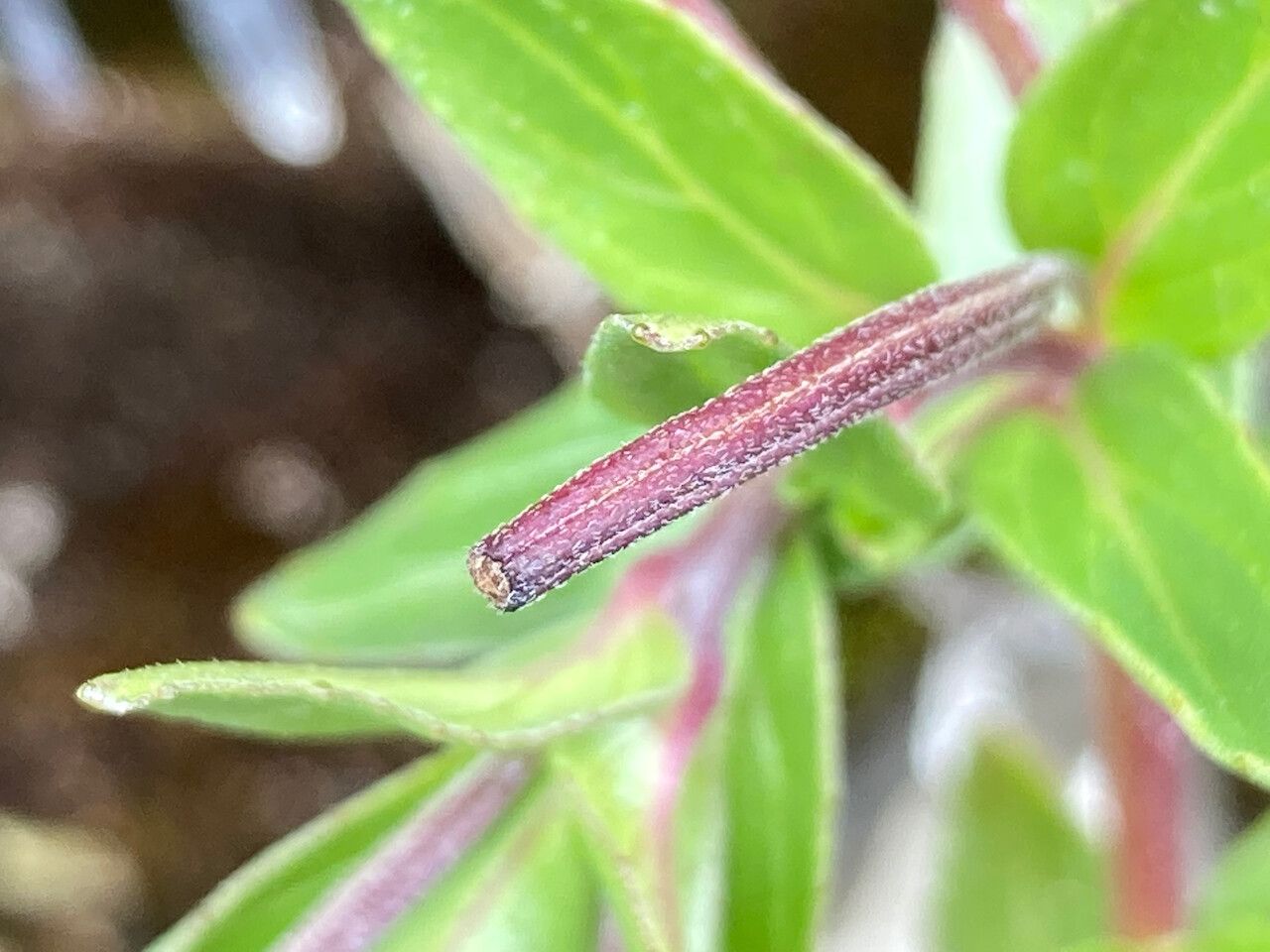
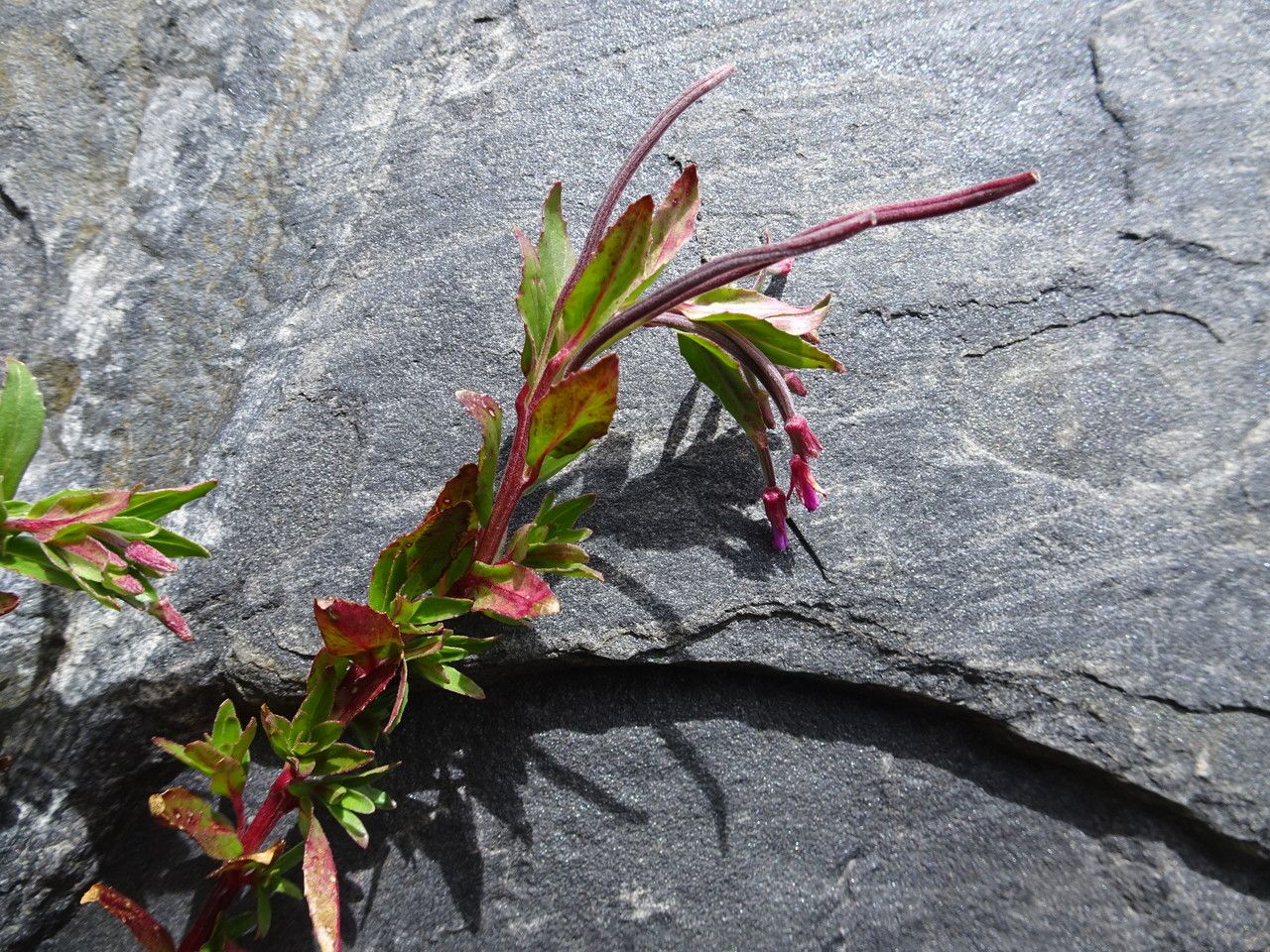
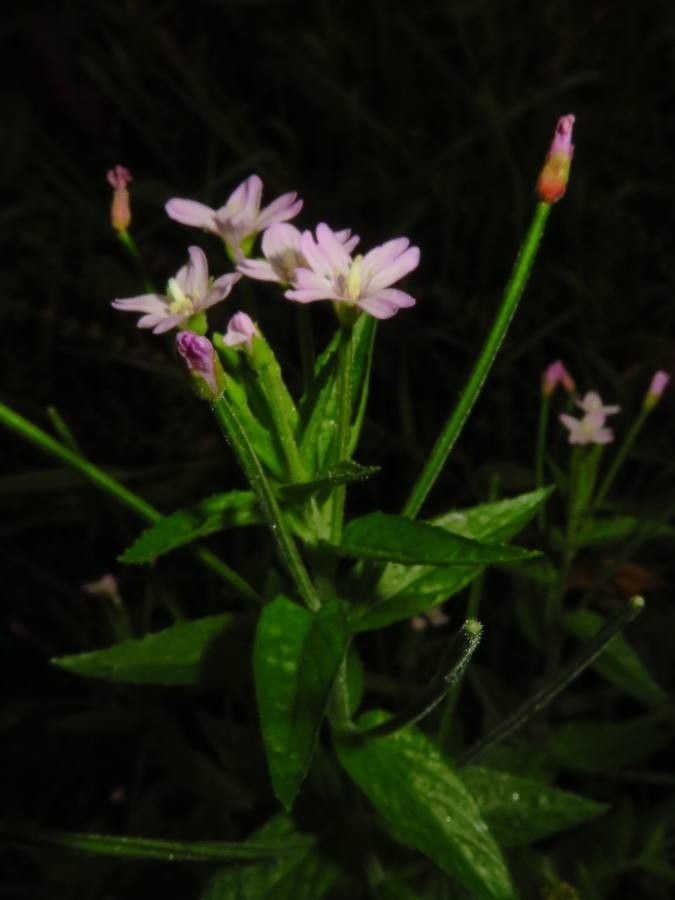
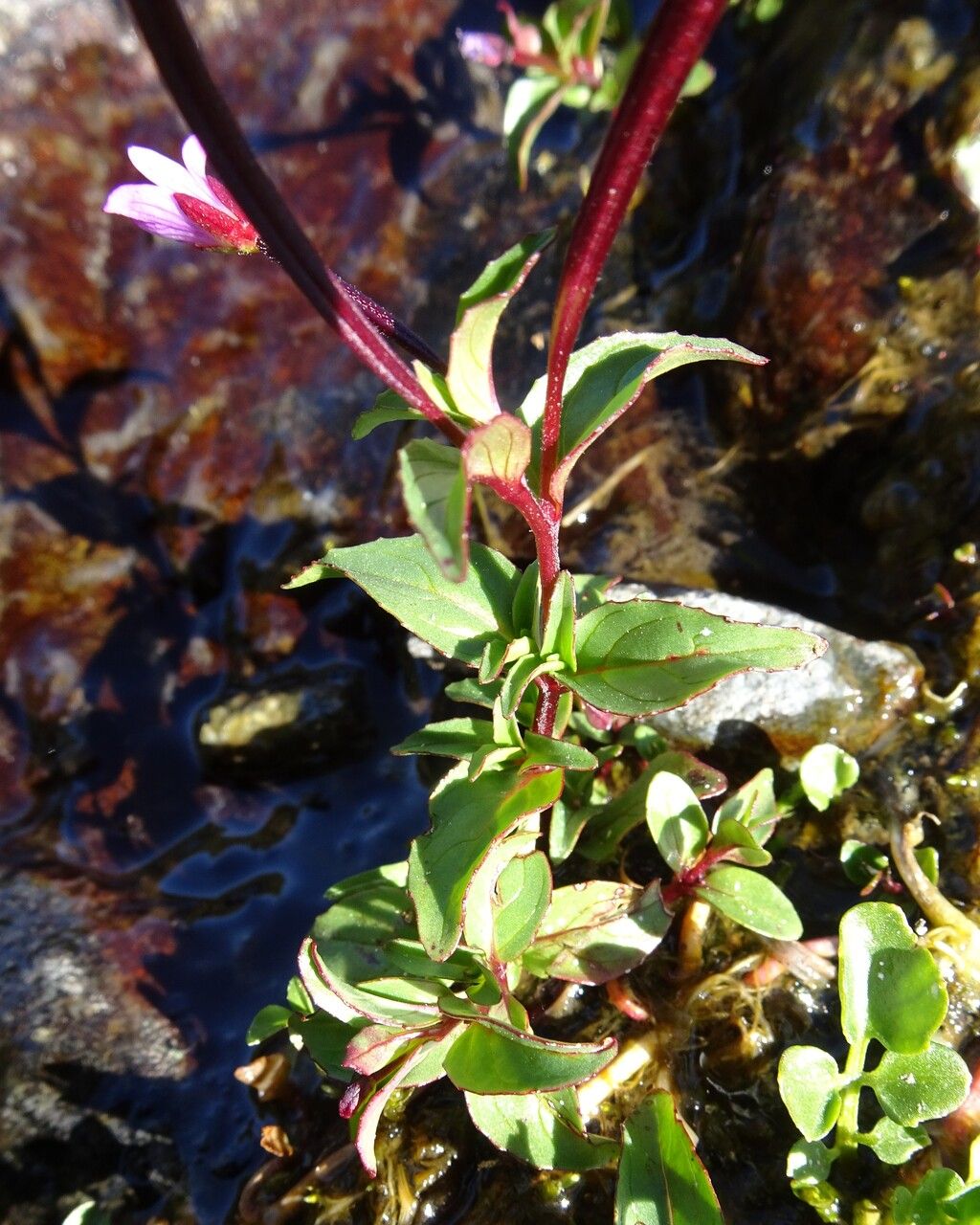
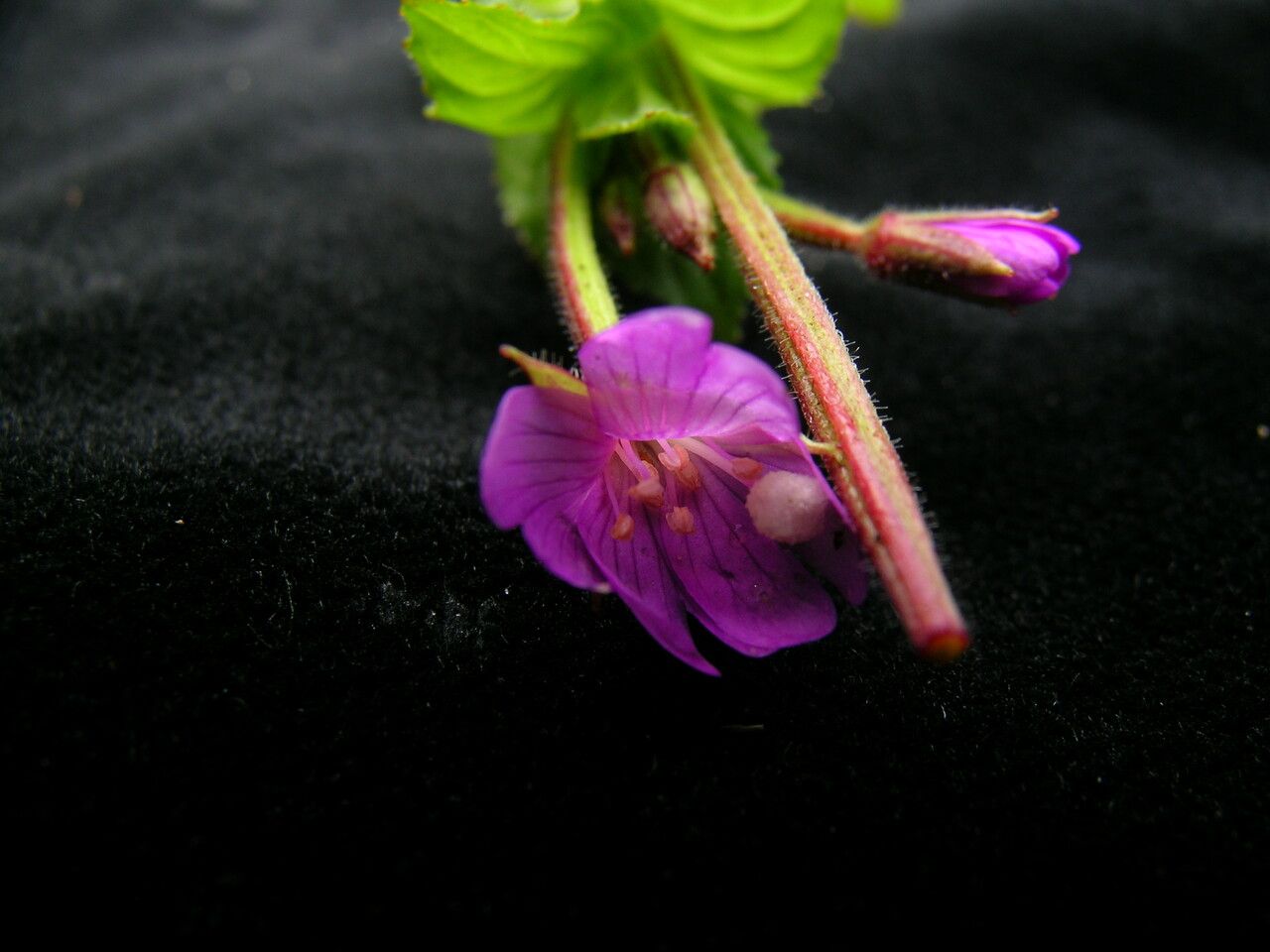
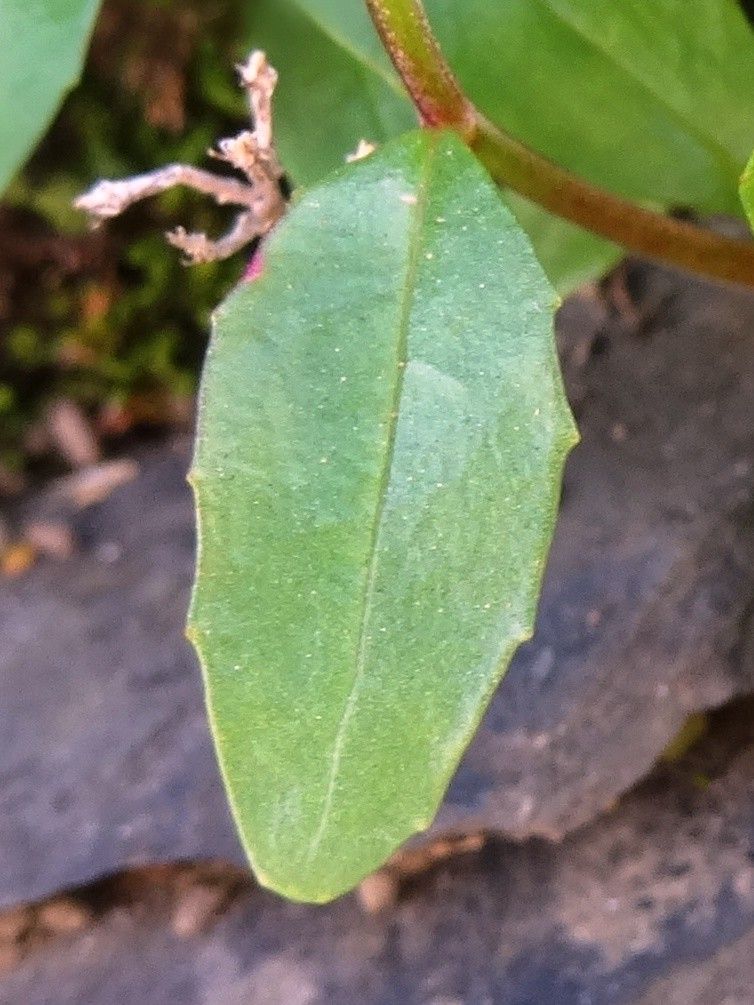
Marsh willowherb is fairly resistant to diseases and generally does not suffer from them. Still, it can be affected by pests and diseases that exist in its environment. Such infections tend to be mild. Care-wise, the plant is of moderate maintenance. It should be pruned on a regular basis to preserve an attractive appearance and encourage healthy growth. Applying fertilizer can also help increase flowering. This plant is well suited to anyone with an outdoor area, like a garden or patio, and does not demand extensive gardening experience. It may need more attention if cultivated indoors.
How to keep Epilobium Denticulatum.
Light
Marsh willowherb grows best with abundant sunlight and can cope reasonably well if light levels fall a bit, which explains why it is commonly found in sunny spots. Insufficient sun can impede its growth, while very high exposure generally does not harm it.
Temperature
Marsh willowherb originates from temperate climates and prefers cooler conditions. It does best when temperatures range from 41 to 89.6 °F (5 to 32 ℃). Adjusting temperatures to remain within this range as seasons change will promote its healthy growth.
Fertilizer
The best time to fertilize a Marsh willowherb is in early spring, as it comes out of dormancy and starts active growth. Fertilization supplies essential nutrients for healthy development. Although Marsh willowherb has relatively low fertilizer requirements, applying fertilizer annually can improve its survival and encourage better, longer-lasting flowers.
Botanical profile.
- Plant Type
- Herb
- Life Cycle
- Perennial
- Genus
- Epilobium
- Family
- Onagraceae
- Hardiness Zone
- 4-8
- Mature Height
- 0.49 m to 1.07 m
- Mature Spread
- 20 cm
- Leaf Color
- Green
- Leaf Type
- Deciduous
- Flower Color
- Pink
- Flower Size
- 2.03 cm to 4.06 cm
- Bloom Time
- Early summer, Mid summer
- Planting Time
- Spring
- Harvest Time
- Mid summer