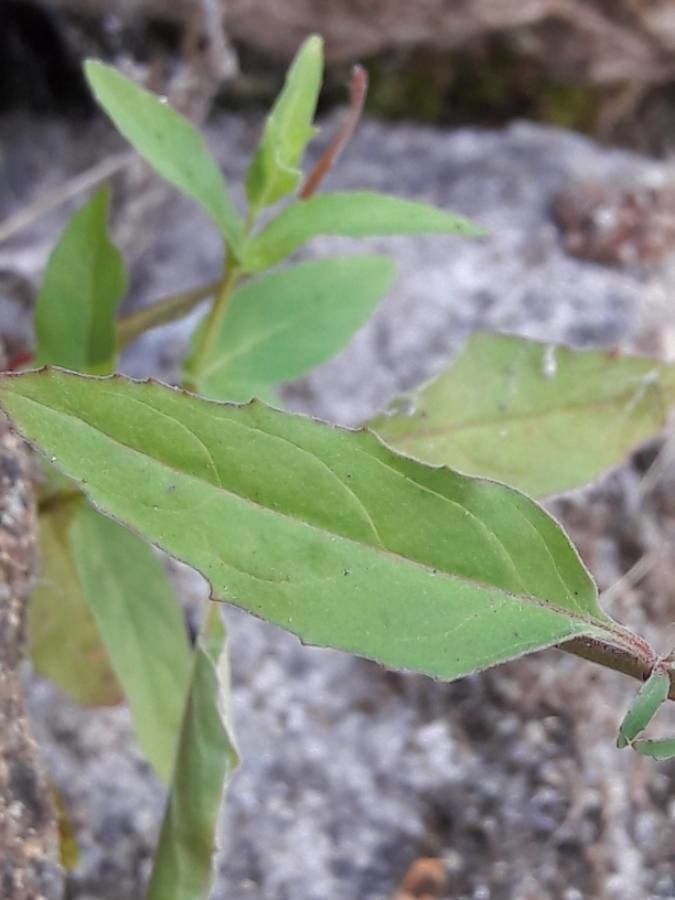
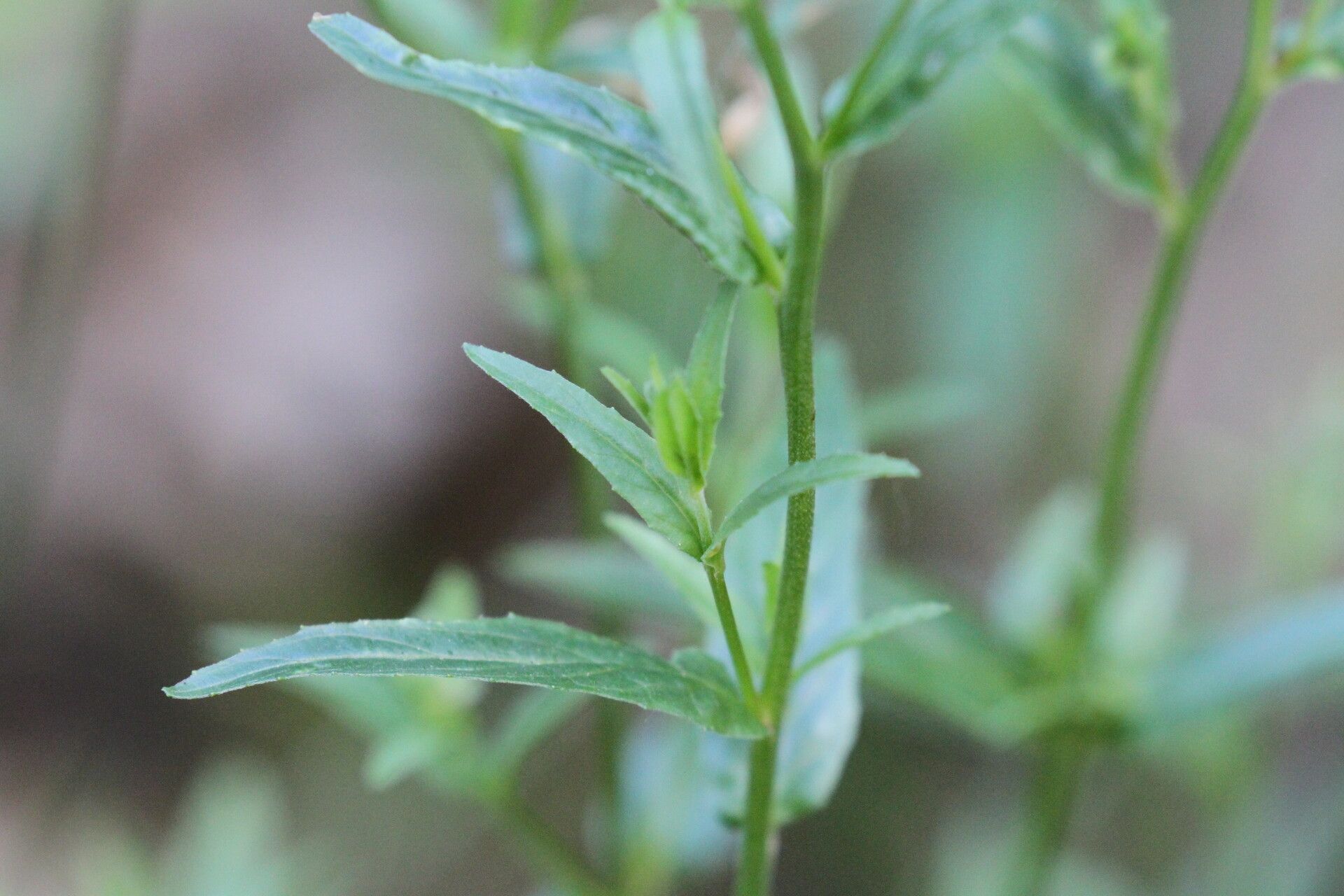
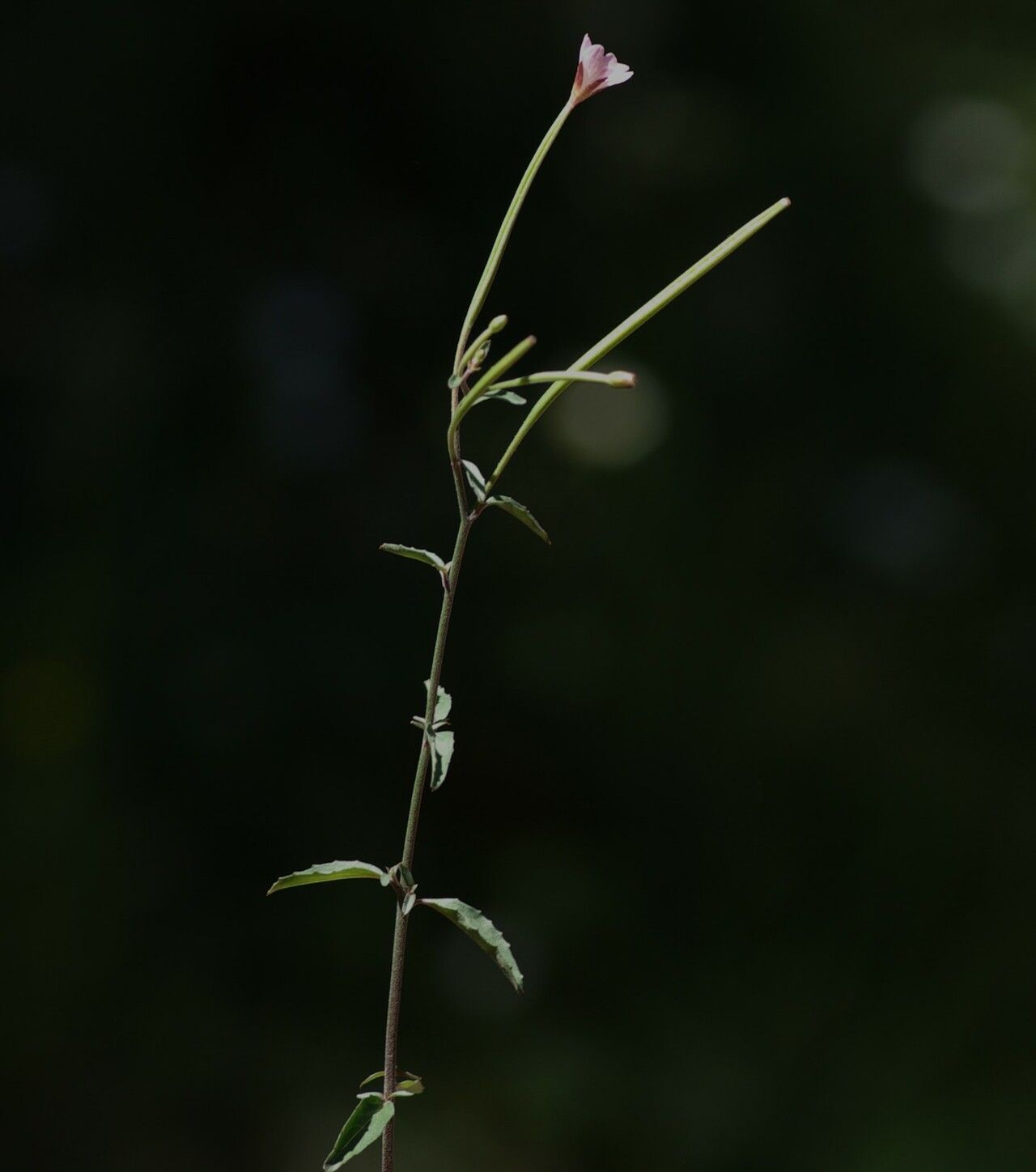
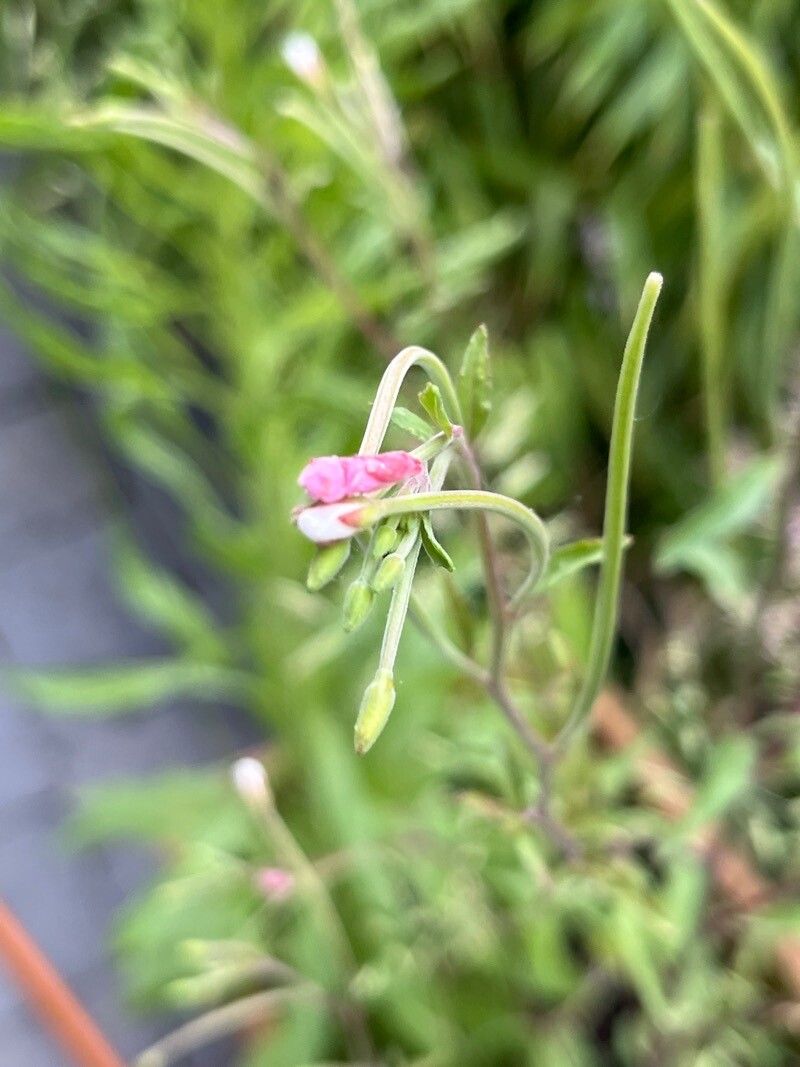
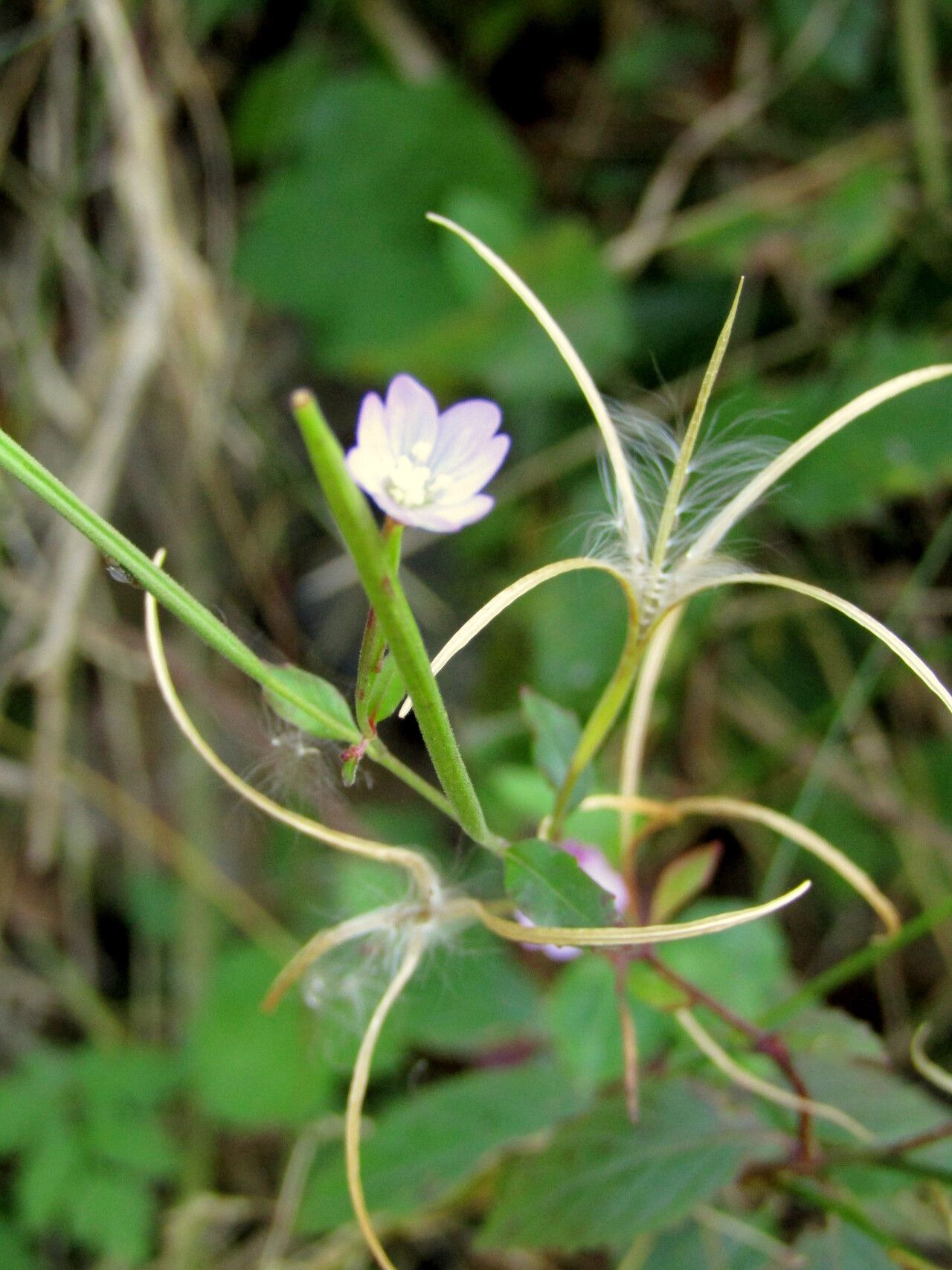
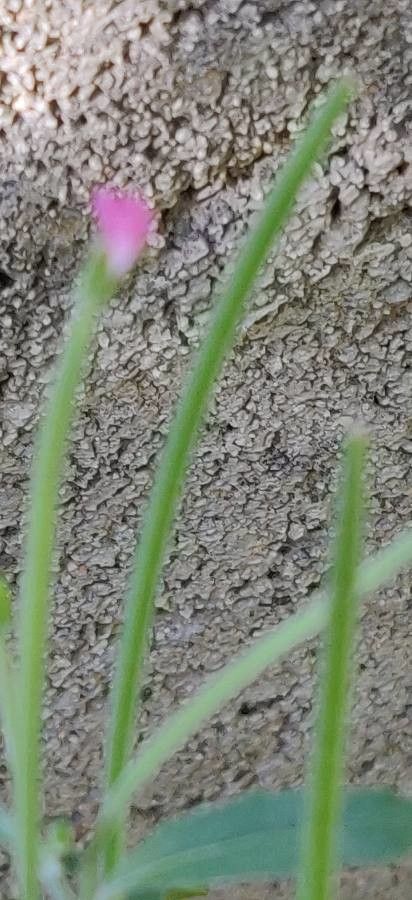
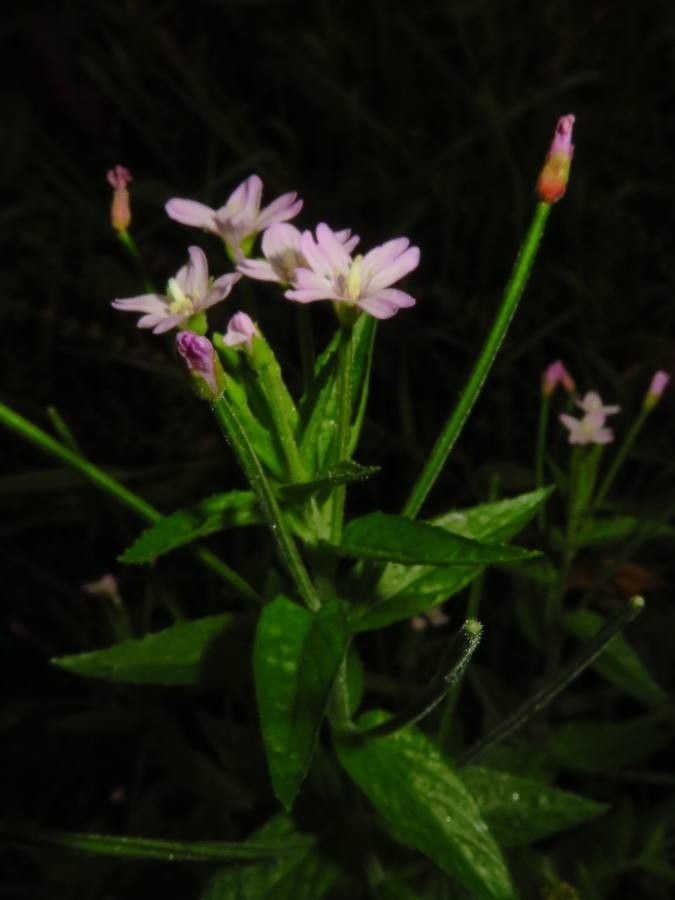
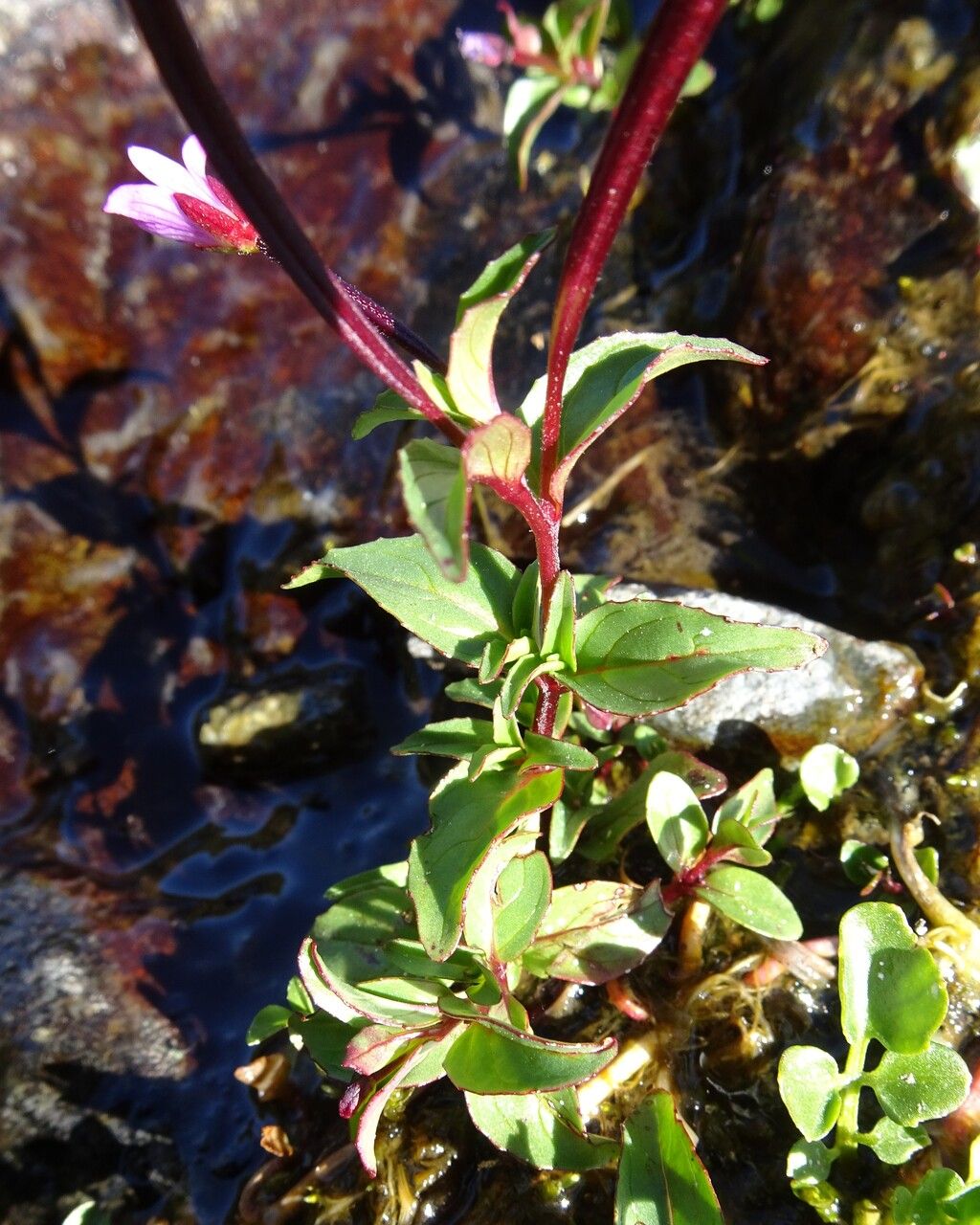
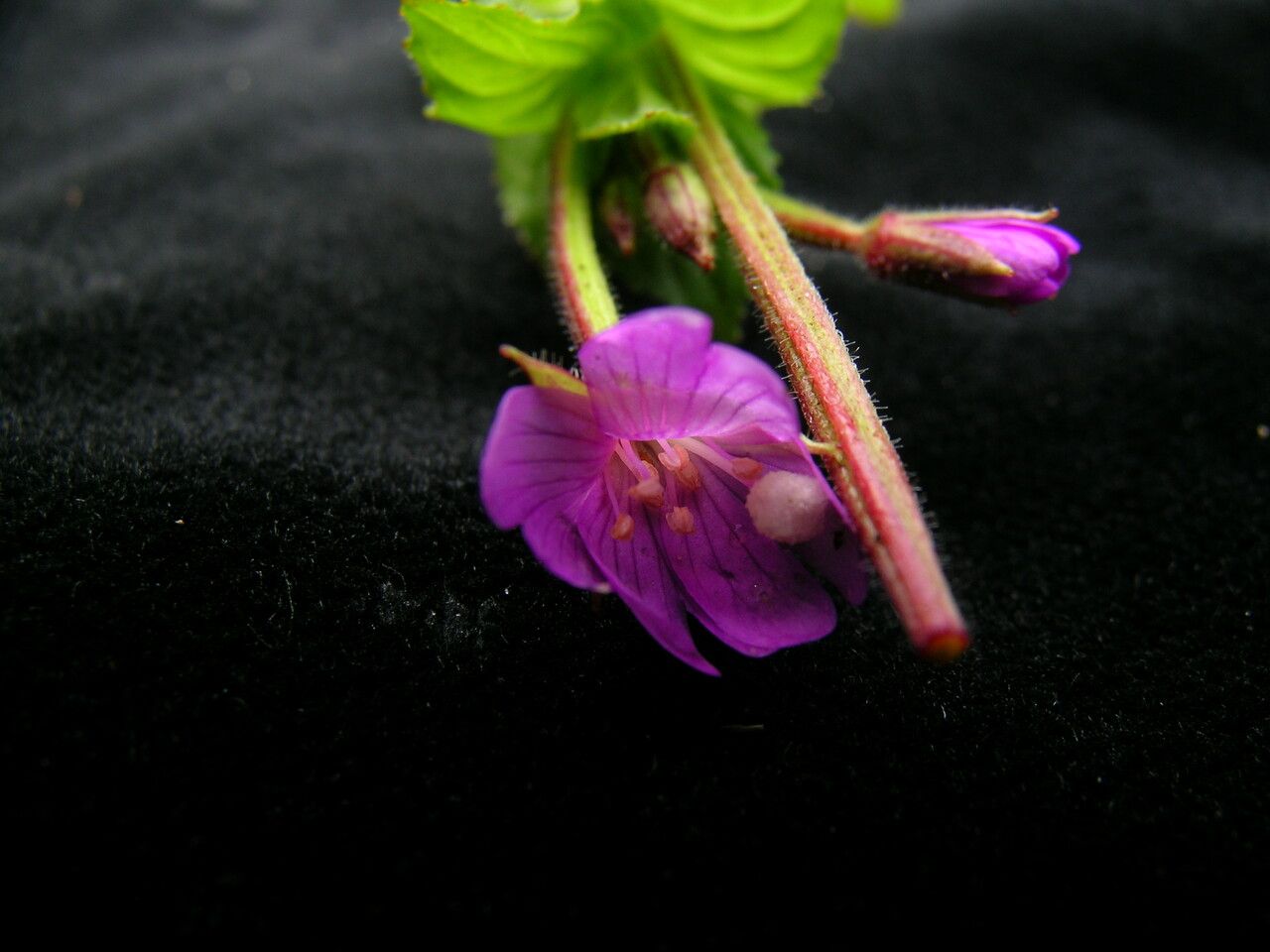
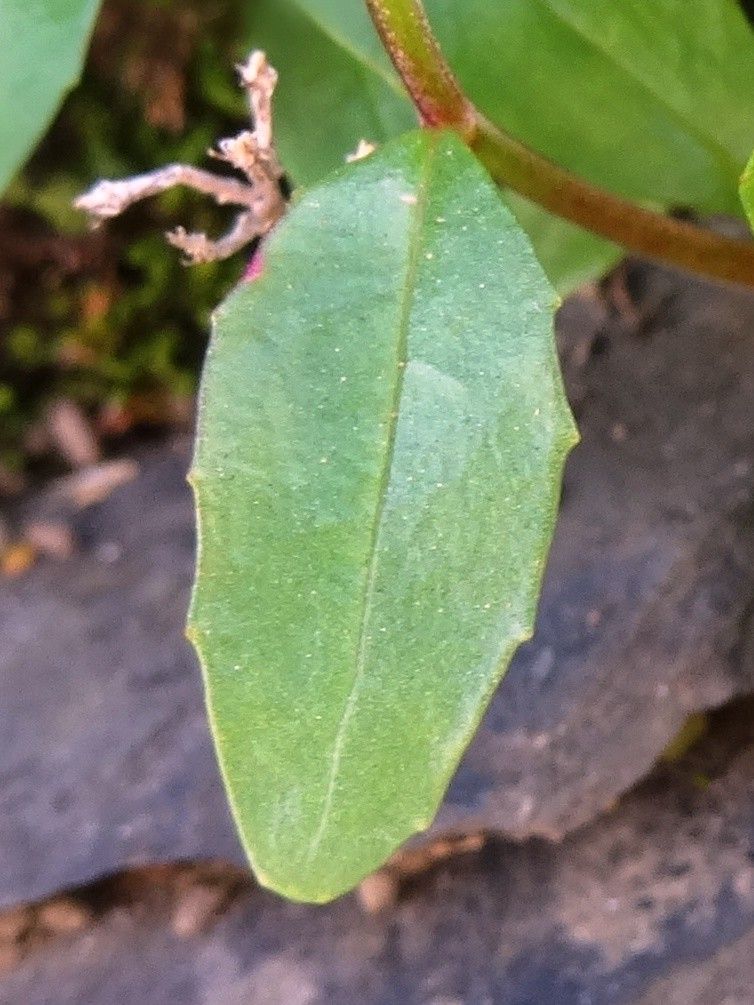
Epilobium lanceolatum, the spear-leaved willowherb, is a species in the genus Epilobium, belonging to the Onagraceae or "evening primrose" family. It grows between 30 and 60 cm high. This perennial plant has lance-shaped leaves, steadily narrowing to both ends, with long petioles; 5-7mm, grey to green-blue, with widely toothed margins. The flowers are white fading to pink; blooming from June to August. Epilobium lanceolatum occurs across western Europe.
Spear-leaved willowherb is fairly resistant to disease and generally not easily affected by illnesses. Still, it can be vulnerable to pests and diseases present in its environment, though such infections are usually mild. Regarding care, the plant needs a moderate level of maintenance. It should be pruned regularly to retain an attractive appearance and promote healthy growth. Applying fertilizer can also encourage flowering. Spear-leaved willowherb is appropriate for anyone with outdoor space, like a garden or patio, and does not demand extensive experience in plant care. When cultivated indoors it may need extra attention.
How to keep Epilobium Lanceolatum.
Light
Spear-leaved willowherb occurs naturally in habitats like forest understories or rocky areas, where it grows in natural shade. It prefers partial sun but can tolerate full sun or full shade, showing its versatile and hardy nature.
Water
Spear-leaved willowherb thrives in moist environments and is well-adapted to its native damp meadows, favoring consistent moisture. To maintain its vigor, it needs weekly watering and benefits from rainwater. Despite this, the plant also shows some resilience to drought conditions.
Temperature
Spear-leaved willowherb can tolerate a wide range of temperatures, but its distribution may still be restricted by different combinations of moisture and heat. It does best in warm summer climates with sufficient rainfall or watering. Extended periods of cloudy, rainy weather or prolonged high temperatures can raise the chance of Spear-leaved willowherb dying. In winter, adequate protection from cold can increase the plant's survival.
Fertilizer
A single application of fertilizer in spring is generally adequate for Spear-leaved willowherb, though multiple feedings can maximize growth. Feed once every month to a month and a half. Fertilization improves leaf appearance and function, promoting even color and a healthy texture. It also stimulates root growth and nutrient uptake, supporting long-term plant health.
Pruning
The spear-leaved willowherb is known for its spear-shaped leaves and vibrant flowers. To encourage healthy growth, prune it from early to late spring. Focus on removing dead stems and improving air circulation. Always use sterilized tools, and avoid heavy pruning outside of this season to prevent stress, ensuring healthy foliage and blooming.
Botanical profile.
- Plant Type
- Herb
- Life Cycle
- Perennial
- Genus
- Epilobium
- Family
- Onagraceae
- Hardiness Zone
- 5-9
- Mature Height
- 61 cm
- Mature Spread
- 40 cm
- Leaf Color
- Green, Dark Green
- Leaf Type
- Deciduous
- Flower Color
- Pink
- Flower Size
- 0.51 cm to 0.76 cm
- Bloom Time
- Summer
- Planting Time
- Spring, Summer, Autumn
- Harvest Time
- Late summer, Early fall, Mid fall
Other names.
Reader questions.
How should I water my Spear-leaved willowherb plant the most effective way?
When watering the Spear-leaved willowherb, it is important to use filtered water at room temperature. Tap water can have harmful particles, so filtered water is preferred. The plant is used to warm environments, so cold water can shock it. Avoid watering from overhead as it can cause issues with the foliage. Instead, soak the soil with filtered room temperature water until it is completely damp. This helps the roots absorb nutrients and spread throughout the soil.
What should I do if I give my Spear-leaved willowherb too much water or too little water?
Overwatering is a more common issue than underwatering for the health of your Spear-leaved willowherb. When this plant receives too much water, its stems and leaves may wilt and turn yellow. Overwatering for a prolonged period can also lead to diseases like root rot, mold, and mildew, which can be fatal. Spear-leaved willowherb has good drought tolerance, so underwatering is less likely. However, if it occurs, you may notice brittle and brown leaves. It's important to notice the signs of overwatering early to prevent irreparable damage. Reduce watering immediately if you see early signs and check the soil's drainage. Replace poorly draining soil with loose, well-draining potting mix. If you suspect underwatering, increase watering until the signs improve.
How often do I need to water my Spear-leaved willowherb?
If your Spear-leaved willowherb is in a pot, the most precise way to determine if it needs water is by checking the soil with your finger. When the top two to three inches of soil are dry, it's time to water it. If you have planted your Spear-leaved willowherb outdoors in the ground, you can use the same method to test the soil. Again, when the top few inches of soil have dried out, it's time to water it. Usually, during spring and early fall, watering once a week is sufficient. However, during extremely hot weather, you may need to increase watering to twice or more times per week. Nonetheless, mature and well-established Spear-leaved willowherb plants have a remarkable ability to withstand drought.
How much water does my Spear-leaved willowherb require?
To properly water your Spear-leaved willowherb, be generous with the amount of water you give. When the top layer of soil is dry, it's recommended to thoroughly water the plant. Make sure to saturate the soil completely, causing excess water to flow out from the drainage holes in the bottom of the pot. If you don't see any excess water draining, you may not have provided enough water. However, be careful not to let water accumulate in the soil, as this can harm the plant. On the other hand, if water isn't draining properly from the pot, it could indicate poor soil drainage, which is harmful to the plant's health. For outdoor plants, receiving about 1 inch of rain per week is sufficient.
How do I water my Spear-leaved willowherb as it grows?
The water needs of the Spear-leaved willowherb can vary depending on its growth stages. In the early years or after transplanting, it will require more water because it focuses on growing new roots for future growth. These roots need more moisture to perform optimally. However, as the plant matures, it will require less water. Additionally, during the bloom period, the Spear-leaved willowherb will need more water due to the significant moisture used for flower development.
How do I water my Spear-leaved willowherb throughout the year?
The Spear-leaved willowherb has different water needs throughout the year. In the hottest months of summer, it will need more water and may require watering more than once a week, depending on how quickly the soil dries. During winter, the plant goes into a dormant phase and needs much less water. In fact, it may not need watering at all during this time. If you choose to water it in winter, do so only once a month, as excessive watering can increase the risk of disease.
What's the difference between watering my Spear-leaved willowherb inside and outside?
If you are a gardener who does not live in temperate or tropical regions, it is common to grow the Spear-leaved willowherb indoors. However, keep in mind that soil in a container dries out faster than ground soil, so you may need to water your plant more frequently. The presence of drying elements like air conditioning units can also increase the need for watering. On the other hand, if you plant your Spear-leaved willowherb outside and receive regular rainfall, you may not need to water it much at all. However, if you choose to grow this plant indoors, relying on rainwater is not an option, so you will need to water it more often.