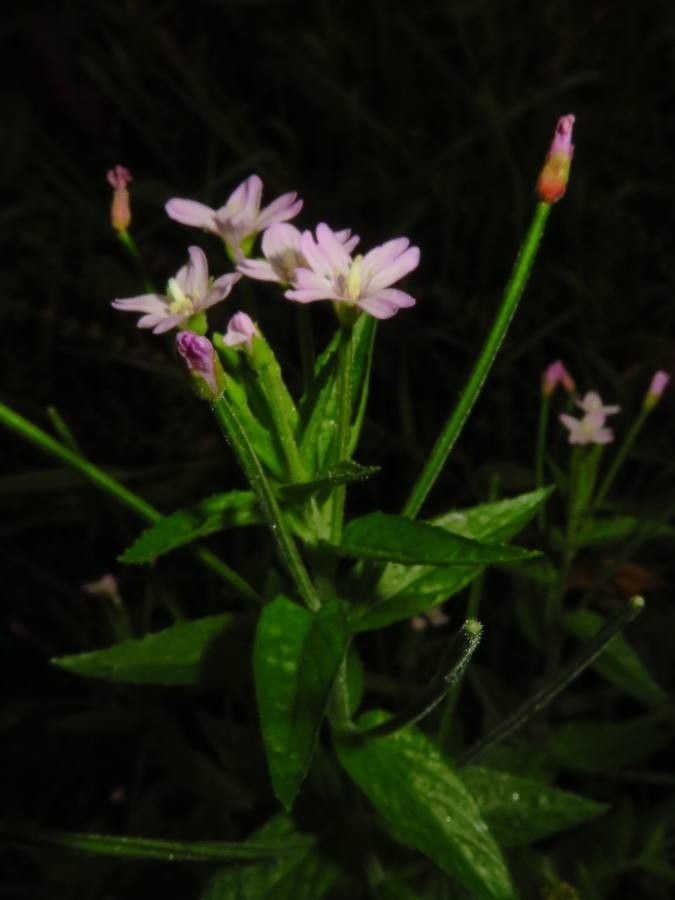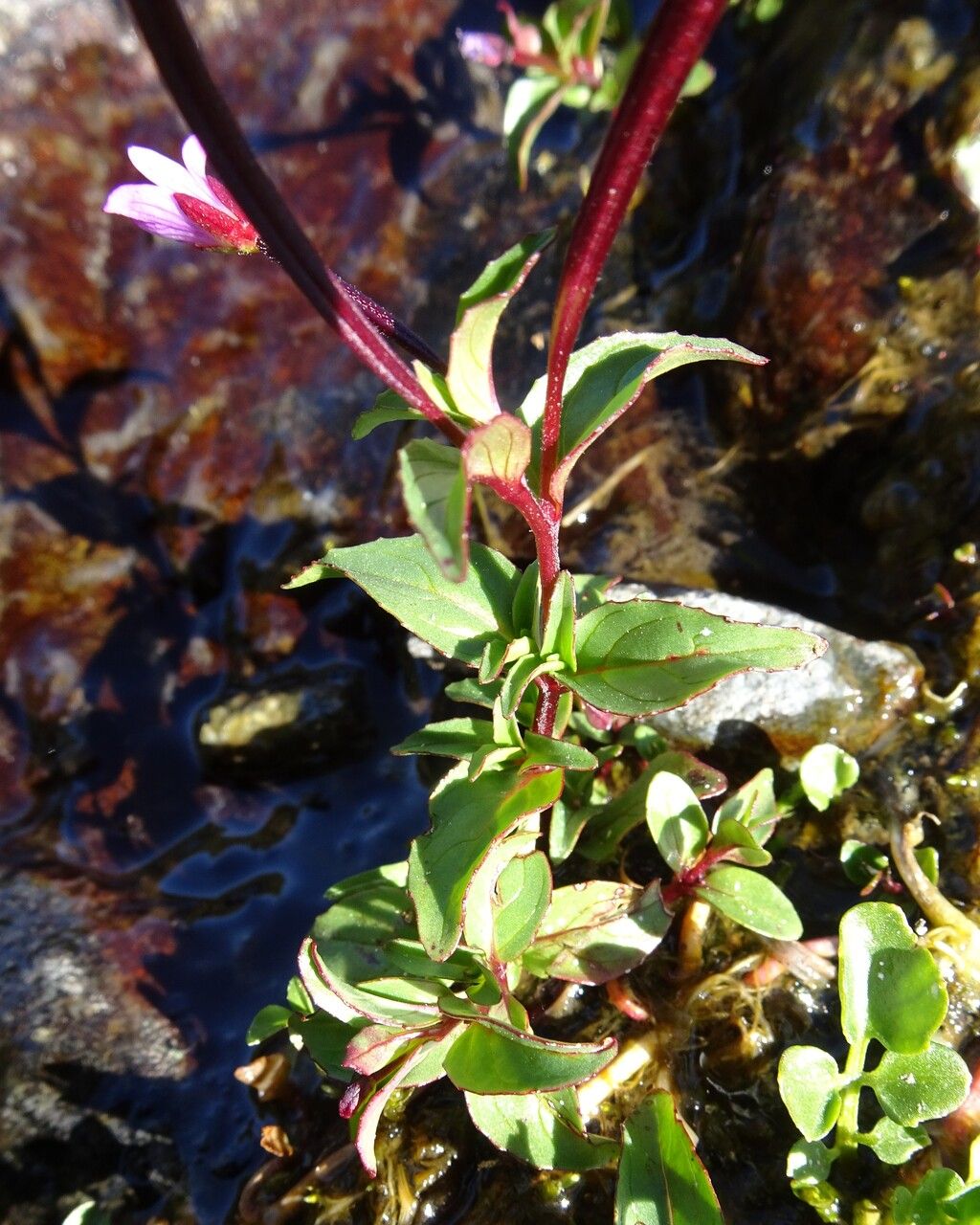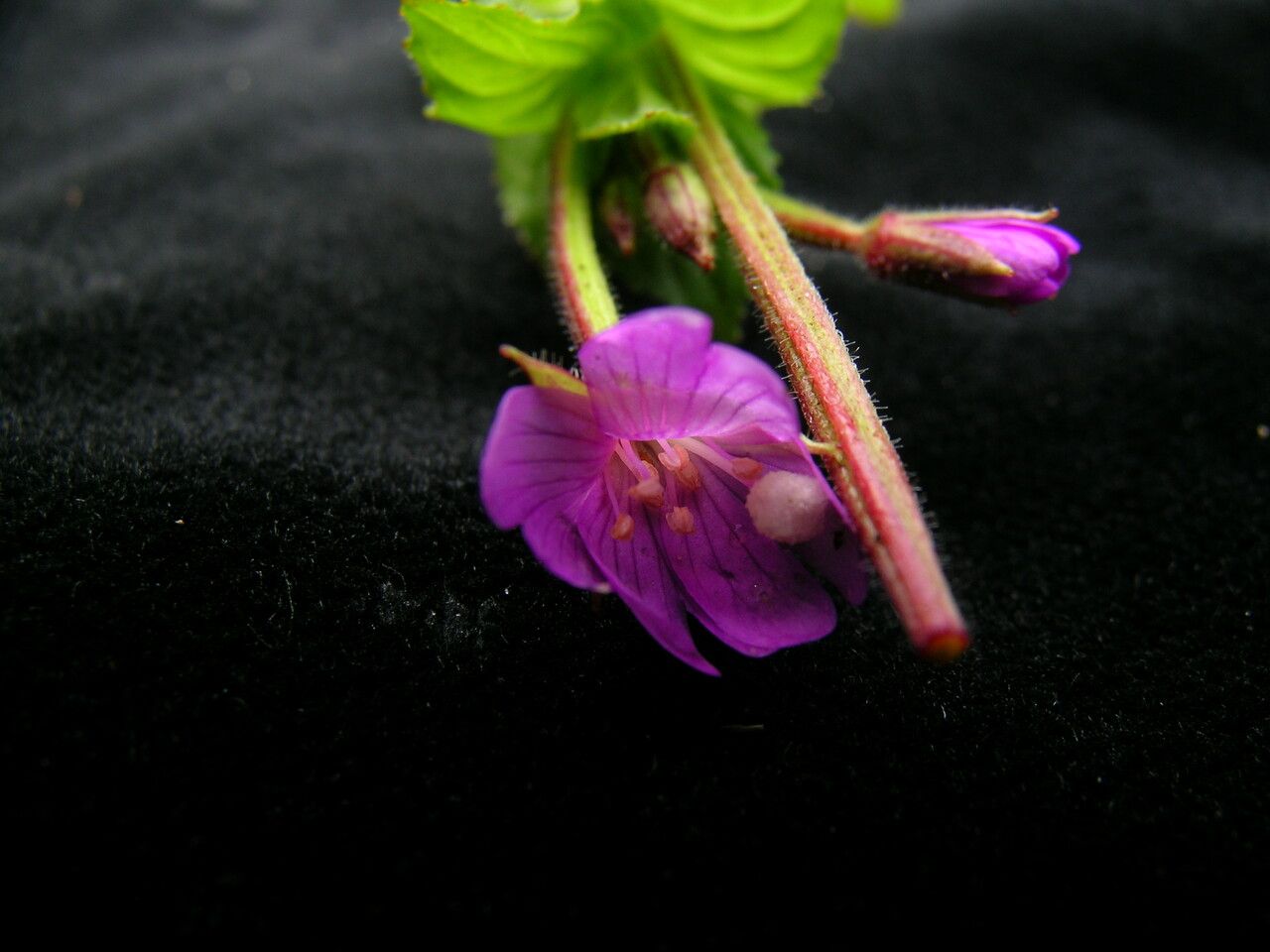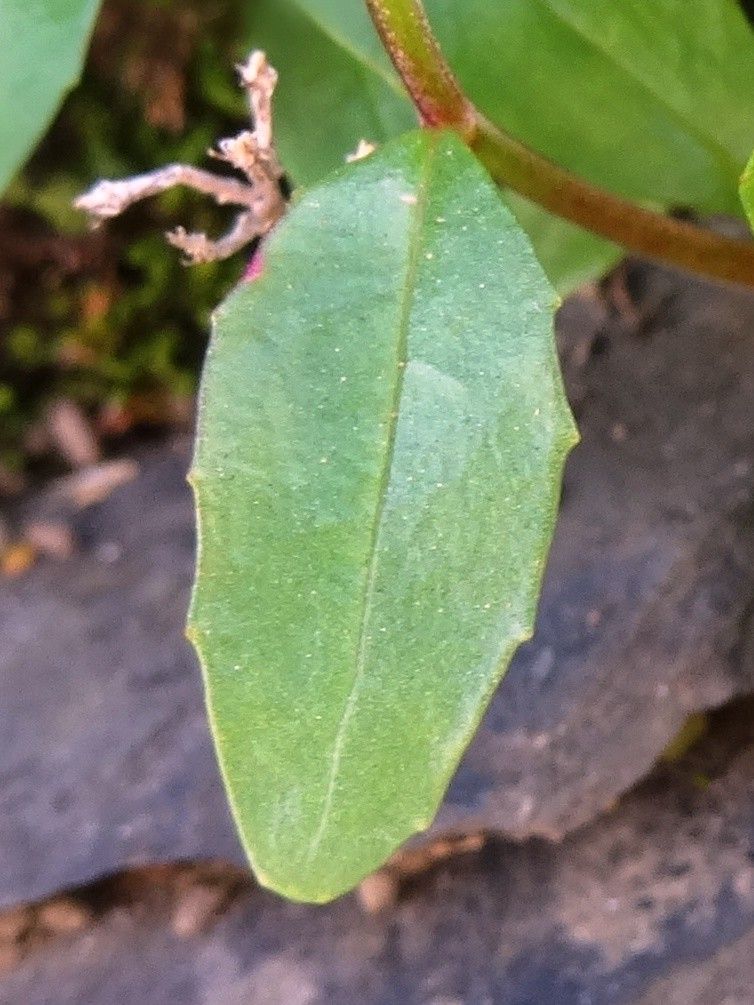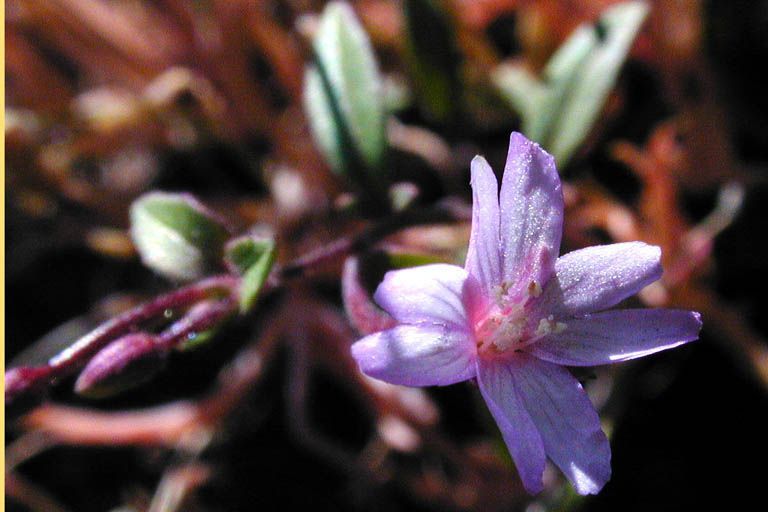
Epilobium minutum is a species of willowherb known by the common names little willowherb, chaparral willowherb and desert willowherb. It is also called "smallflower willowherb" in reference to its small size relatively. However that name, in particular the British English variant "small-flowered willowherb", typically refers to Epilobium parviflorum.
This annual wildflower is native to western North America from British Columbia and Alberta to California and Arizona. This is a plant of fields and meadows, including vernal pools, and it is one of the first flowers to spring up in areas recently cleared by wildfire.
Chaparral willowherb is fairly disease-resistant and typically not prone to illnesses. However, it can be affected by pests and diseases present in its surroundings. These infections are usually mild. For care, the plant requires moderate maintenance. It should be pruned regularly to maintain an attractive appearance and healthy growth. Fertilizing can also help encourage flowering. Chaparral willowherb is suitable for anyone with outdoor space, such as a garden or patio, and does not demand extensive care experience. It may need more attention when grown indoors.
How to keep Epilobium Minutum.
Light
Chaparral willowherb comes from bright, open habitats and does best in full sun. It will tolerate some shade but favors direct sunlight for optimal growth. This plant, which can be annual or biennial, is noted for its sun-loving nature.
Water
Chaparral willowherb thrives best in moderately moist conditions, where it can receive consistent hydration without becoming waterlogged. It needs to be watered weekly and exhibits a moderate tolerance to drought. This makes it ideal for outdoor gardens that have well-draining soil and receive regular rainfall.
Temperature
Chaparral willowherb grows best in cold climates and at high altitudes. It prefers cool temperatures, good air circulation, and a moist environment. In summer, measures should be taken to cool it because it is highly sensitive to heat and can easily die from it. Dry conditions can also damage the plant. In winter, no special cold protection is necessary, but maintaining soil moisture is important.
Fertilizer
Chaparral willowherb benefits from regular, light fertilizer applications to encourage healthy leaf development. You should fertilize Chaparral willowherb about once a month during the summer. Nitrogen is essential for foliage, and adding nitrogen-rich sources helps Chaparral willowherb thrive.
Pruning
The Chaparral willowherb is characterized by its delicate pink flowers and narrow leaves. To encourage growth, prune the plant between early and late spring. Focus on removing dead or diseased stems as well as any leggy branches. This will enhance blooming and prevent overcrowding. Remember to use sanitized tools to avoid spreading diseases.
Botanical profile.
- Plant Type
- Herb
- Life Cycle
- Annual
- Genus
- Epilobium
- Family
- Onagraceae
- Hardiness Zone
- 6
- Mature Height
- 3 cm to 10 cm
- Mature Spread
- 5 cm to 15 cm
- Leaf Color
- Green
- Leaf Type
- Semi-evergreen
- Flower Color
- Pink
- Flower Size
- 0.25 cm to 0.51 cm
- Bloom Time
- Mid spring, Late spring, Early summer
- Planting Time
- Spring, Summer, Autumn
- Harvest Time
- Summer
Other names.
Reader questions.
What are the essential care tips for chaparral willowherb?
Chaparral willowherb, scientifically known as Epilobium minutum, thrives best in cold regions and high-altitude areas. It prefers environments that are cool, have ample ventilation, and maintain moisture. To cater to its preferences, especially during summer, measures should be taken to ensure the plant is kept cool to prevent heat damage, as the plant is highly susceptible to heat and can easily perish in dry conditions. In contrast, during winter, while the plant is notably cold-tolerant and does not need special frost protection, it is crucial to water it generously before the first freeze to ensure the soil stays moist throughout the cold months. This pre-winter watering is essential for preventing drought stress and ensuring the plant has access to water during winter and early spring.
How does chaparral willowherb react to low and high temperatures?
Chaparral willowherb exhibits extreme cold tolerance, capable of withstanding temperatures down to -25°C. However, if temperatures fall below this threshold, it may not demonstrate immediate distress, but come spring, there could be a notable decrease in sprouting, or the plant may not sprout at all. The appropriate care for affected plants in spring is to remove any parts that failed to sprout. On the other end of the temperature spectrum, the plant struggles with high temperatures. When the mercury climbs above 35°C, its growth halts, and it becomes prone to rot. To mitigate heat stress, affected parts should be trimmed away, and the plant should be either moved to a shady location or protected with a shade cloth. Additionally, watering it in the morning and evening can help keep the soil consistently moist, further aiding in its protection against high temperatures.