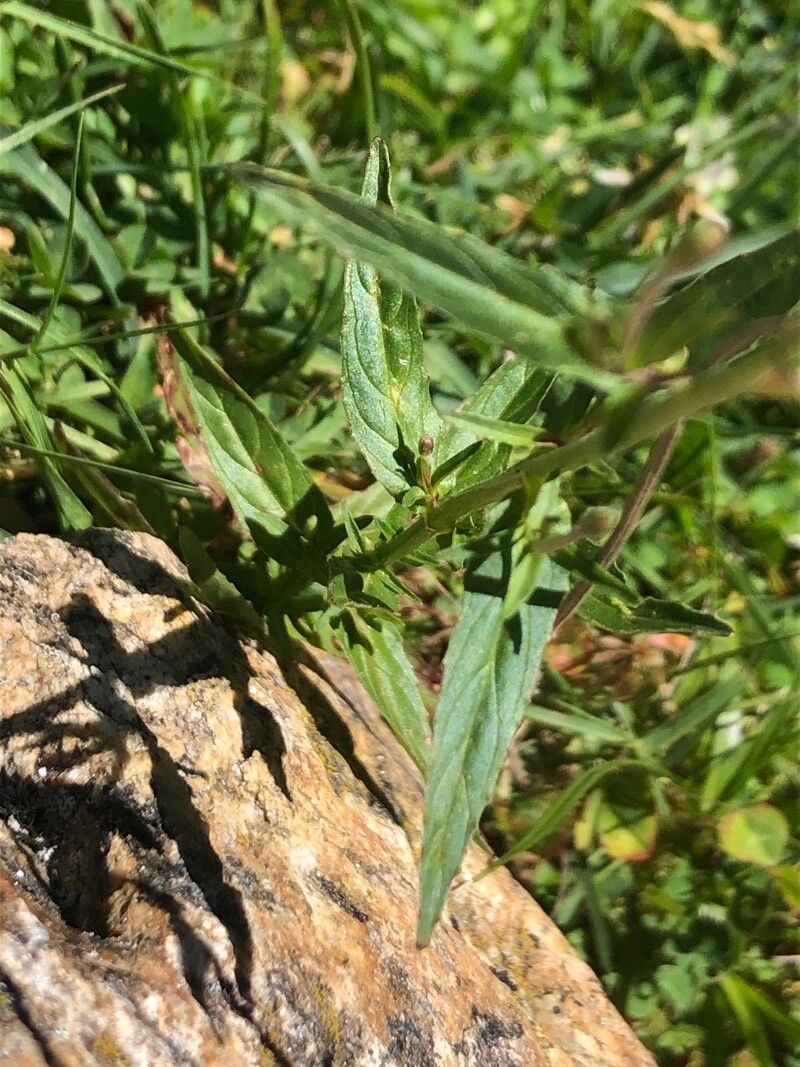
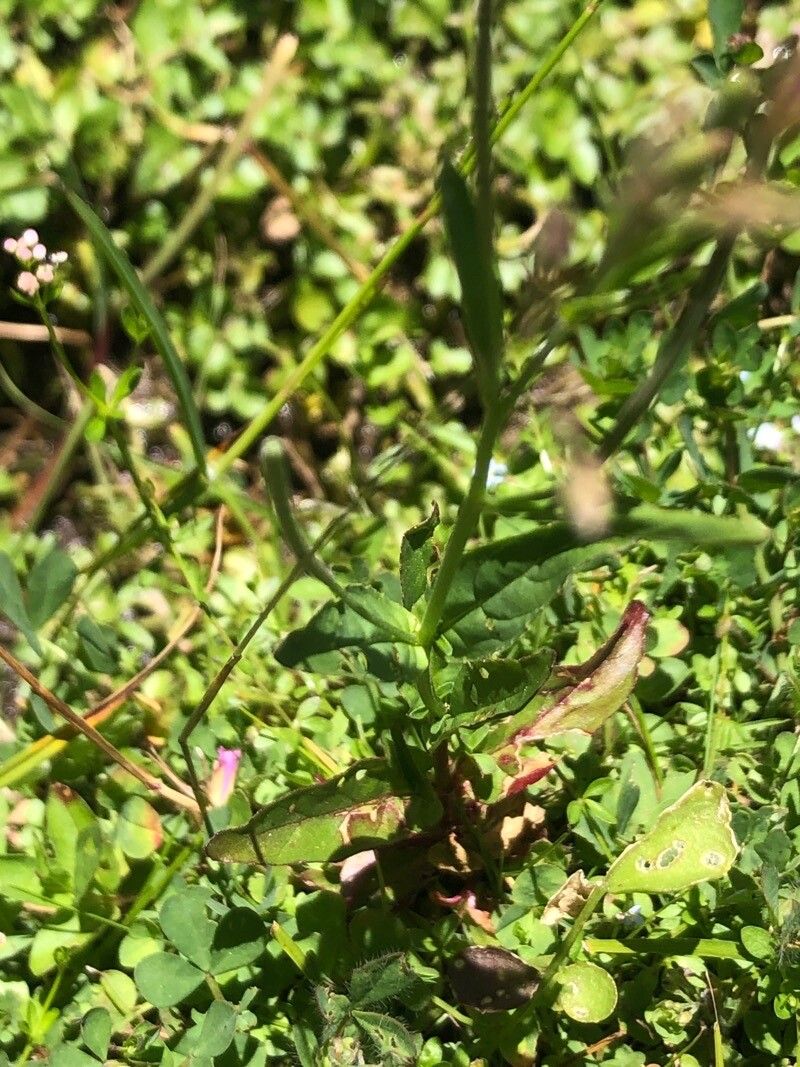
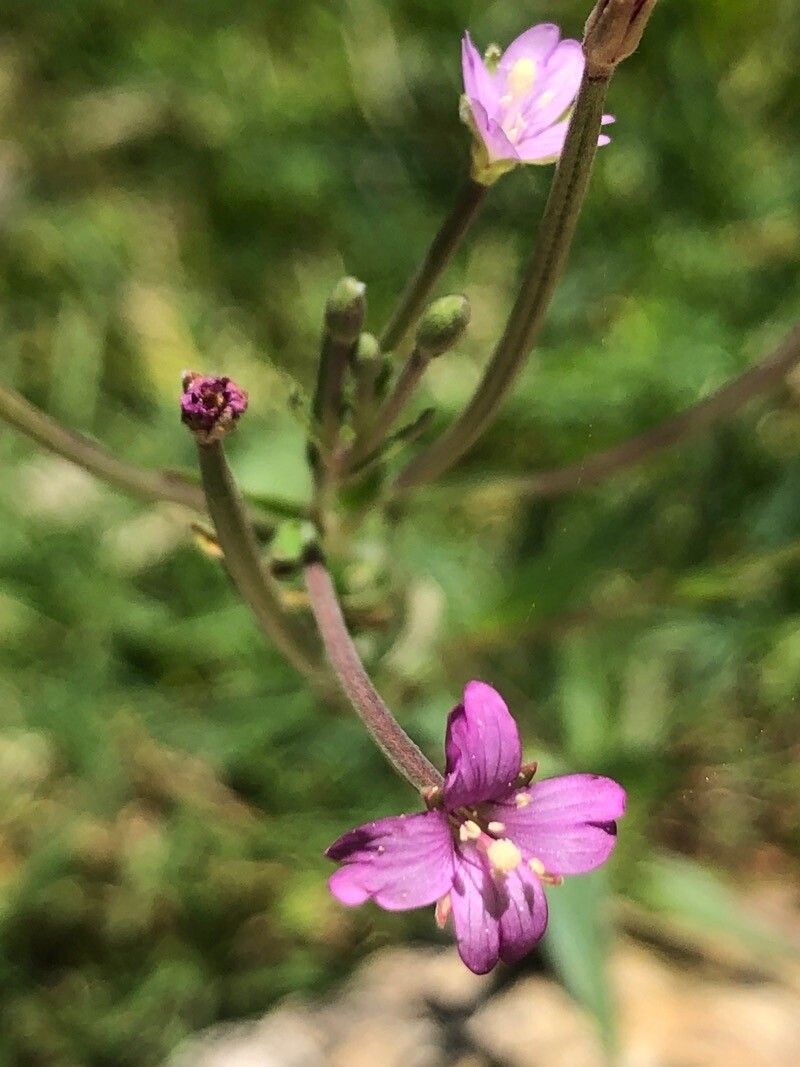
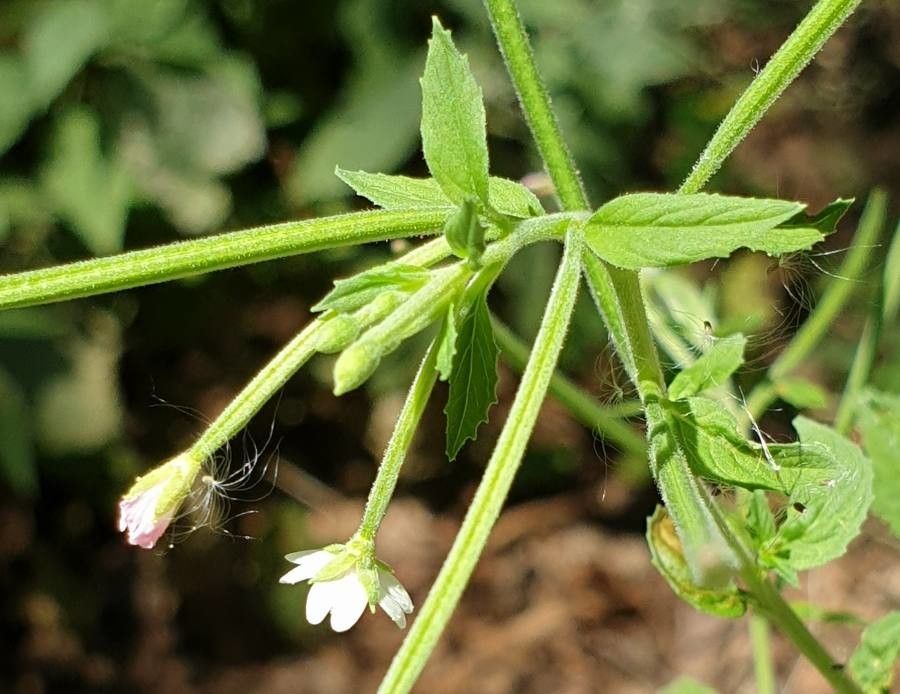
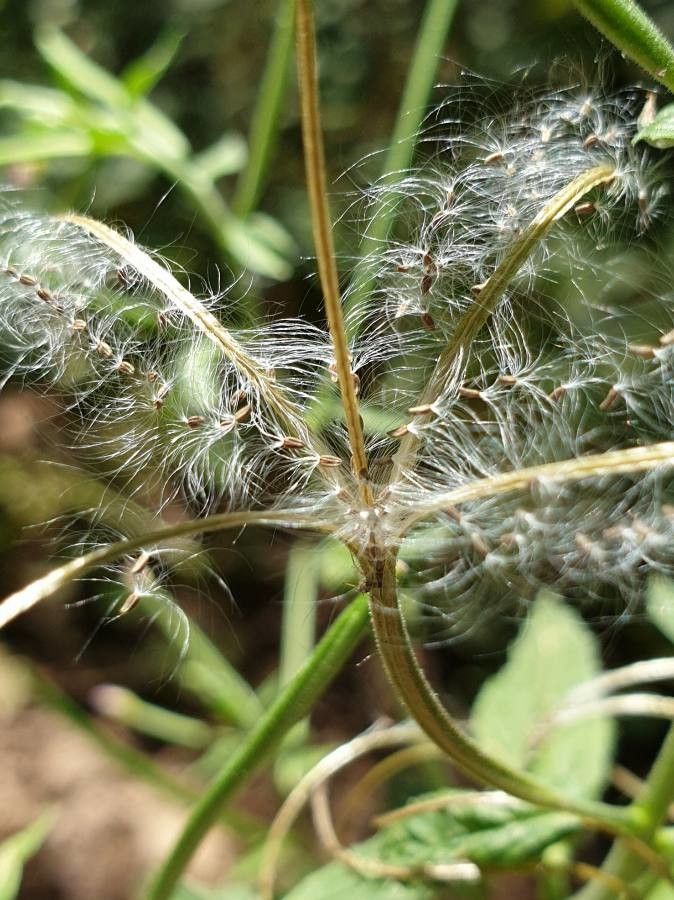
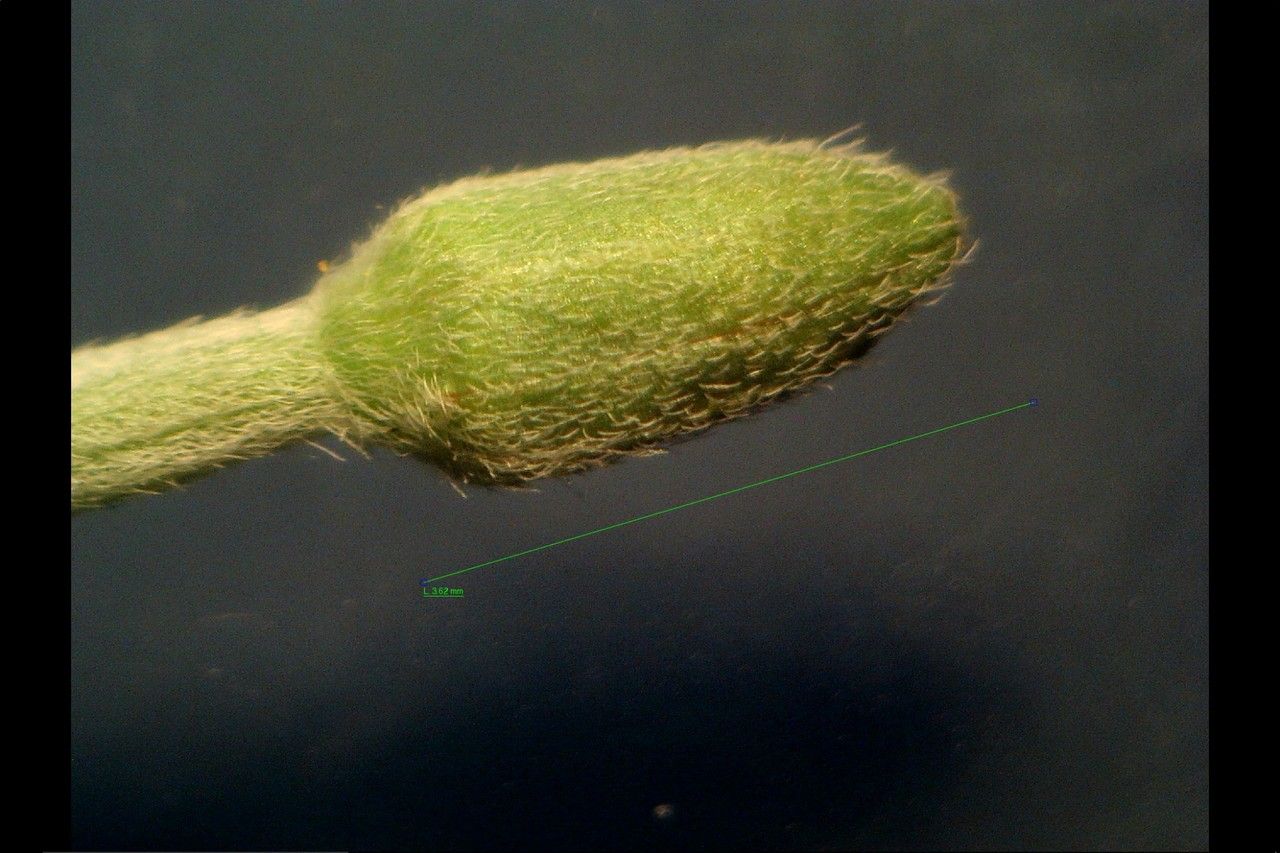
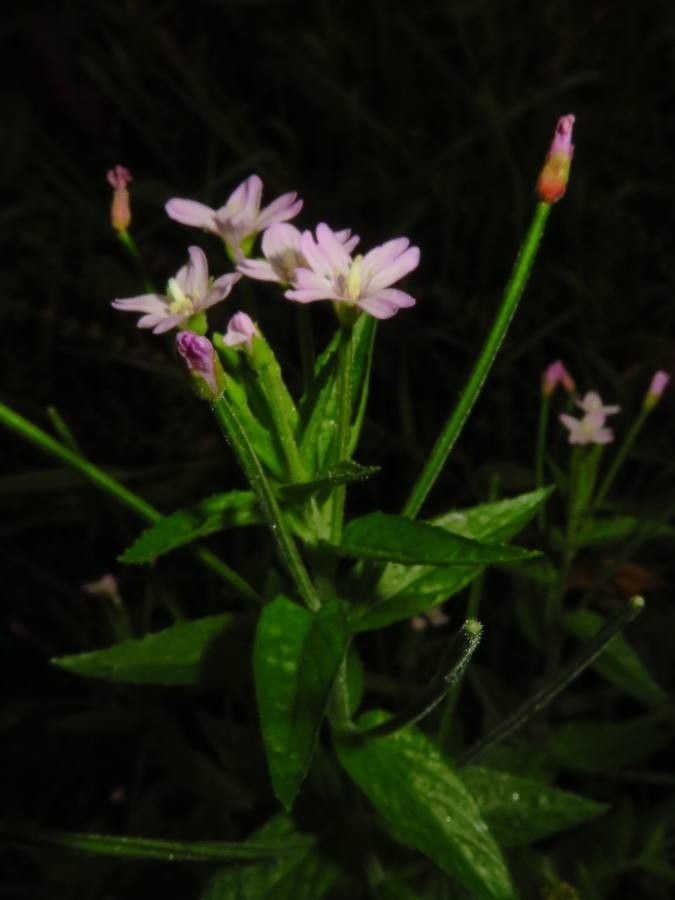
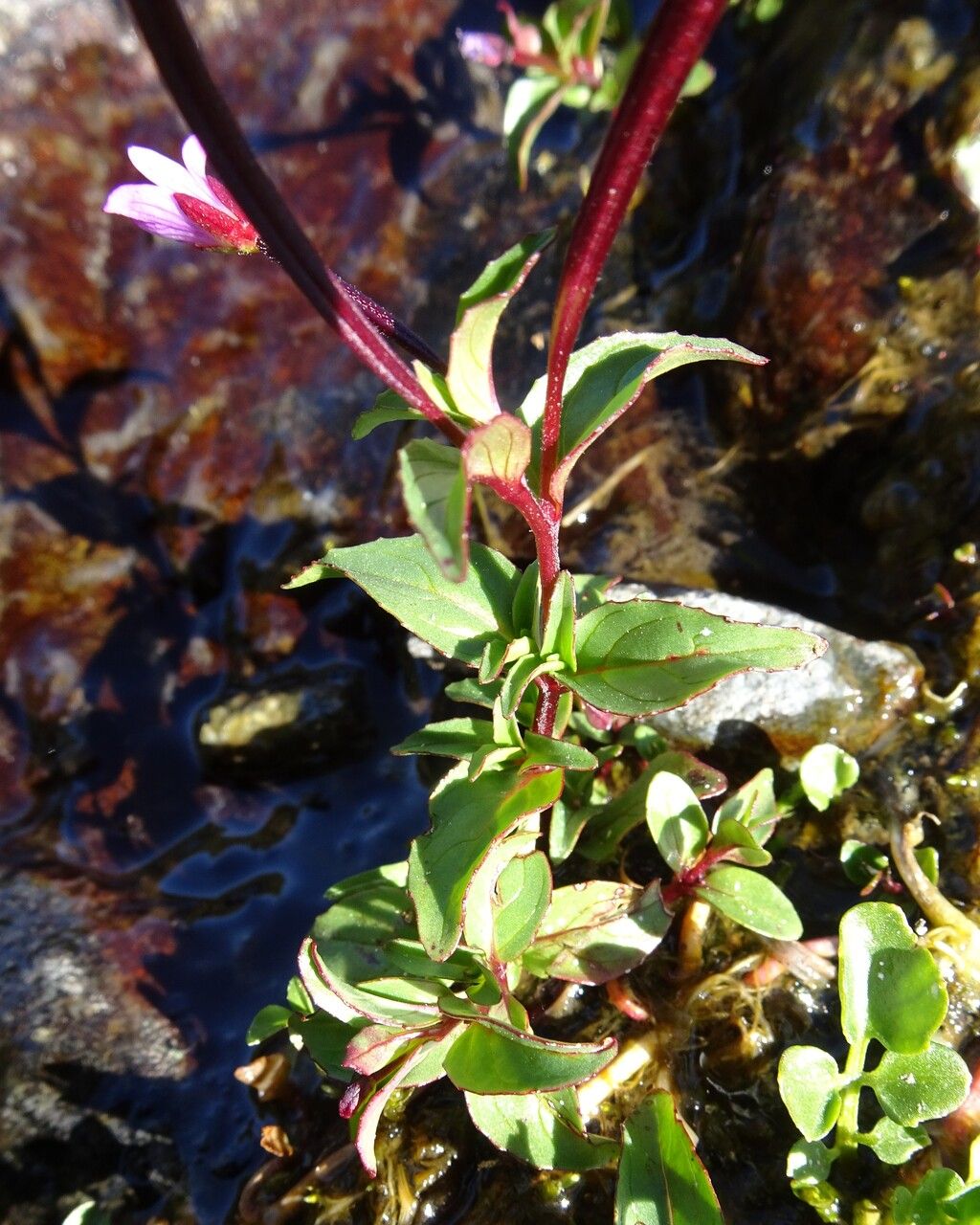
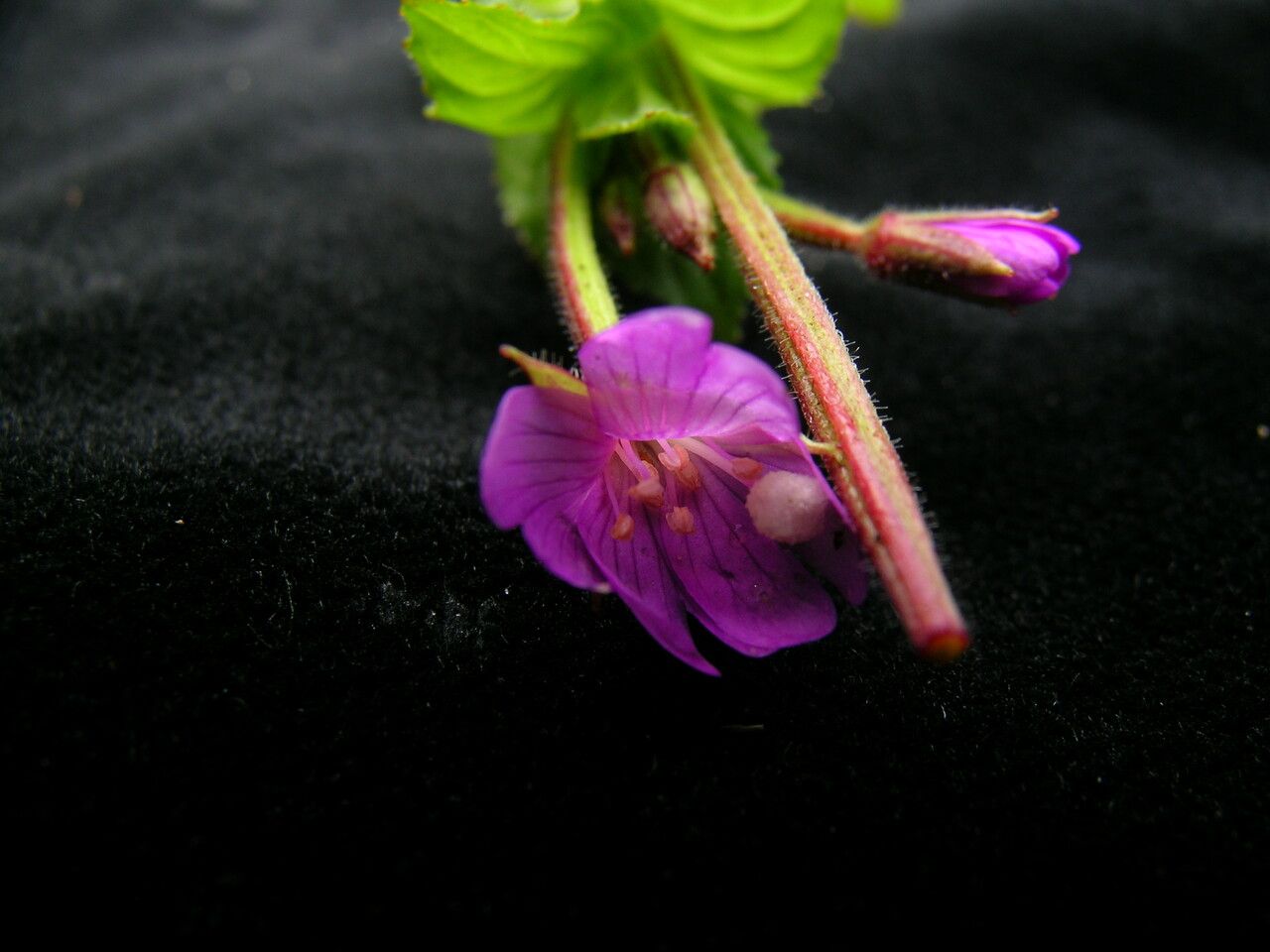
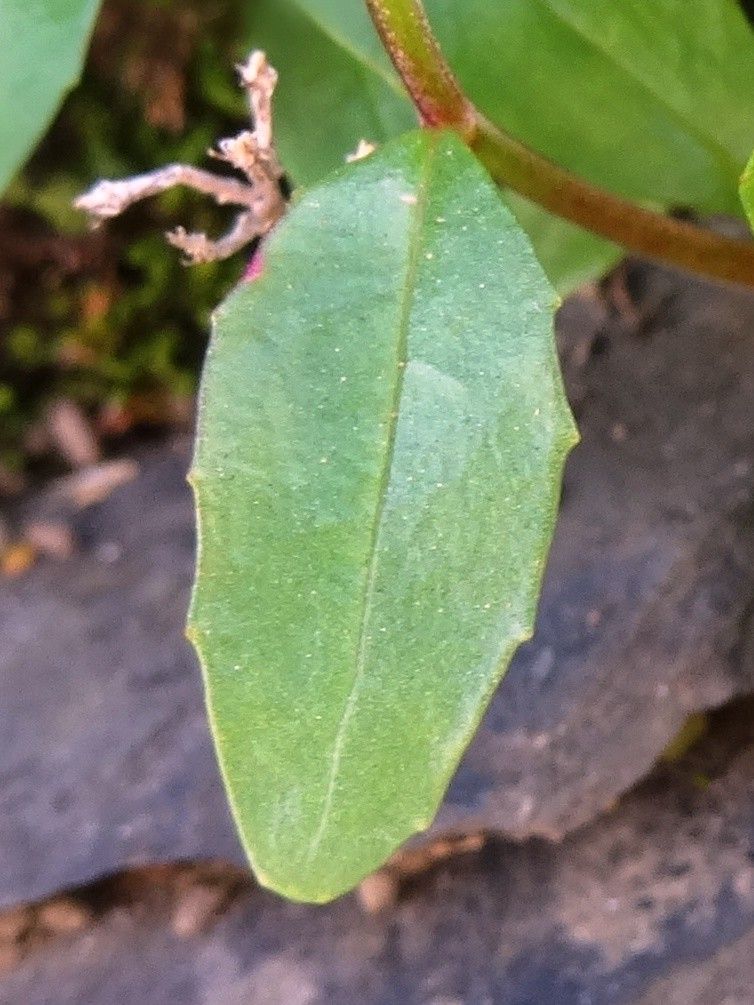
Epilobium obscurum is a species of flowering plant belonging to the family Onagraceae.Its native range is Macaronesia, Northwestern Africa, Europe to Turkey.
Short-fruited willowherb has strong resistance to disease and is generally unlikely to develop illnesses. Nevertheless, it can be vulnerable to pests and diseases present in its surroundings. Such infections are typically mild. In terms of care, the plant requires moderate maintenance. It should be pruned regularly to retain a neat appearance and healthy growth. Fertilizing can also encourage flowering. Short-fruited willowherb is well suited to anyone with outdoor areas like a garden or patio and does not demand extensive care experience. It may need more attention when kept indoors.
How to keep Epilobium Obscurum.
Light
Short-fruited willowherb is a sun-loving perennial herbaceous plant native to open habitats, commonly flourishing in meadows and grasslands. It prefers full sun but can also tolerate partial sun.
Water
Short-fruited willowherb thrives in moist environments and requires consistent soil moisture, so it's best to water it weekly. When grown outdoors in temperate regions, it benefits from natural rainwater, which aligns with its growth cycle. This helps maintain its delicate balance between drought resistance and moisture dependence.
Temperature
Short-fruited willowherb is native to areas where temperatures typically fall between 41 and 77°F (5 to 25 ℃). The plant favors moderate climates and may require adjustments during seasons with extreme temperatures. It grows best within this temperature range.
Fertilizer
One fertilizer application in spring is generally enough for Short-fruited willowherb, though repeated feedings can further enhance growth. Apply fertilizer about once a month to once every six weeks. Fertilizing improves the leaves’ appearance and function, helping maintain even color and healthy texture. It also promotes root development and nutrient uptake, supporting the plant’s long-term health.
Pruning
In order to promote better growth and flowering, prune short-fruited willowherb from early to late spring. Use sharp tools to remove dead stems and trim back any overgrowth. Be sure to make your cuts just above a leaf node to encourage new growth. Regular pruning not only helps prevent disease but also keeps the plant looking neat and tidy.
Botanical profile.
- Plant Type
- Herb
- Life Cycle
- Perennial
- Genus
- Epilobium
- Family
- Onagraceae
- Hardiness Zone
- 4
- Mature Height
- 25 cm to 76 cm
- Mature Spread
- 20 cm to 40 cm
- Leaf Color
- Green, Dark Green
- Leaf Type
- Deciduous
- Flower Color
- Pink, White
- Flower Size
- 0.76 cm to 1.02 cm
- Bloom Time
- Summer
- Planting Time
- Spring, Summer, Autumn
- Harvest Time
- Late summer, Early fall, Mid fall
- Native Area
- Turkey, Sweden, Austria, Slovakia, Montenegro, Croatia, Morocco, Belarus, Russia, Germany, Estonia, Romania, Latvia, Belgium, Portugal, Netherlands, France, Czech Republic, Bulgaria, Poland, Greece, Ukraine, Serbia, Lithuania, Norway, Italy, Spain, Switzerland, Denmark, Finland, Albania, Ireland, United Kingdom, Hungary, Algeria
Other names.
Reader questions.
How should I water my Short-fruited willowherb plant?
To properly water the Short-fruited willowherb, use filtered water at room temperature or slightly warmer. Tap water may have harmful particles, so filtering is recommended. The plant is accustomed to warmer conditions, so avoid using cold water which can shock its system. Instead of overhead watering, apply the filtered room temperature water directly to the soil until it is fully saturated. This method helps the root system to spread and collect necessary nutrients.
What are the sunlight requirements for Short-fruited Willowherb?
Short-fruited Willowherb thrives in conditions where it can receive full sun, which is above 6 hours of sunlight daily, but it can also tolerate partial sun, about 3-6 hours of sunlight. When selecting a planting spot, it's important to observe the movement of sunlight through the area to ensure that your plants get a balance of light and shade, optimally supporting their growth and well-being.
What is the native temperature range for short-fruited willowherb growth?
Short-fruited willowherb is native to regions where the temperature typically ranges from 41 to 77°F (5 to 25°C). This plant thrives in moderate climates and may require adjustments if faced with extreme temperatures. Its growth is optimal within this temperature range. The plant is highly cold-tolerant and does not need extra frost protection measures during winter. However, it is beneficial to water the plant generously before the first freeze in autumn to ensure the soil stays moist and freezes, preventing drought and water scarcity during winter and early spring.
What should I do if I give my Short-fruited willowherb too much water or too little water?
Overwatering is a common issue that can harm your Short-fruited willowherb. When this happens, the stems and leaves may wilt, turn yellow, and even develop diseases like root rot, mold, and mildew, which can be fatal for your plant. Underwatering, on the other hand, is less of a concern for this plant because it has good drought tolerance. But when underwatering does occur, the leaves may become brittle and brown. It's important to notice the signs of overwatering early to prevent irreparable damage, as some of the associated diseases cannot be reversed if left untreated. If you see signs of overwatering, reduce your watering schedule immediately and assess the soil's quality. If the soil doesn't drain well, replace it with a loose, well-draining potting mix. In case you notice signs of underwatering, simply increase your watering frequency until the plant recovers.
What essentials should be considered for growing Short-fruited Willowherb?
As a sun-loving perennial herbaceous plant from open habitats like meadows and grasslands, Short-fruited Willowherb has a preference for full to partial sunlight. For indoor plants where natural light is limited, especially during winter or in less sunny spaces, artificial lighting is crucial. LED lights are a recommended option because they can be designed to provide the specific light wavelengths needed by plants. Full sun plants should have 30-50W/sq ft, partial sun plants 20-30W/sq ft, and full shade plants 10-20W/sq ft of artificial light. The light source should be placed 12-36 inches above the plant, and exposure should last about 8-12 hours daily to mimic natural daylight.
How does short-fruited willowherb react to low temperatures?
Short-fruited willowherb exhibits extreme cold tolerance, with an ability to withstand winter temperatures down to -30°C. Although there may not be any noticeable changes during winter at these temperatures, a drop below -30°C could lead to decreased sprouting or even no sprouting in the spring. To mitigate this, it's recommended to remove any parts of the plant that fail to sprout in the spring.
How much water does my Short-fruited willowherb need?
If your Short-fruited willowherb is potted, the best way to determine if it needs water is to stick your finger in the soil. If the top two to three inches of soil are dry, it's time to water it. If you have your Short-fruited willowherb planted outdoors in the ground, you can use the same method to test the soil. Once the top few inches of soil are dry, it's time to water it. Generally, in the spring and early fall, you'll need to water this plant about once a week using this method. During extremely hot weather, you may need to water it twice or more per week. However, mature and well-established Short-fruited willowherb plants have an impressive ability to survive drought.
What are the symptoms of inadequate lighting in Short-fruited Willowherb?
When Short-fruited Willowherb is grown under inadequate lighting, it may exhibit various symptoms, including smaller new leaves as compared to mature ones, leggy or sparse growth leading to a weakened structure, faster leaf drop, slower or halted new growth, pale or irregularly colored new leaves, and conditions such as chlorosis (leaves turning yellow), sunscald (damage from intense exposure), leaf curling, wilting, and leaf scorching. These symptoms reflect the plant's struggle with insufficient light.
What should be done if short-fruited willowherb experiences high temperatures?
Short-fruited willowherb is not tolerant of high temperatures. Growth may halt when temperatures exceed 25°C, and the plant becomes more prone to rot. To protect the plant under these conditions, trim away any sunburned and dried-up parts. Moving the plant to a shaded location, especially during midday and afternoon sun, or using a shade cloth can be beneficial. Additionally, watering the plant in the morning and evening helps keep the soil moist and supports the plant's well-being.
How much water does my Short-fruited willowherb plant require?
For watering your Short-fruited willowherb, don't hold back on the amount of water you give. Wait until the top few inches of soil are dry, and then give the plant a good, thorough watering. Make sure to water enough so that the soil becomes completely soaked. The water should drain through the drainage holes at the bottom of the pot. If you don't see any excess water draining, it means you haven't watered enough. However, be careful not to let the water accumulate in the soil, as this can harm the plant. On the other hand, if the water doesn't drain properly, it's likely because the soil doesn't have good drainage, which is bad for the plant's health. If the plant is outside, one inch of rain per week should be enough.
How can you address light-related issues in Short-fruited Willowherb?
To mitigate light-related issues in Short-fruited Willowherb, gradually acclimate your plants to more sunlight by moving them to sunnier spots each week until they receive at least 6 hours of direct sunlight. For indoor plants, this can include positioning them near a south-facing window or using artificial lighting, such as desk lamps or professional grow lights, for at least 8 hours daily. Outdoor plants should also be moved gradually to prevent sunburn. If physical barriers like trees block sunlight, consider pruning or transplanting smaller plants during their dormant season to areas with better light exposure and drainage.
How often do I need to water my Short-fruited willowherb at different stages of growth?
The water needs of the Short-fruited willowherb can vary depending on its growth stages. In the first few years of its life, or when transplanted to a new location, it requires more water than usual. During these stages, the plant puts a lot of energy into developing new roots, which need extra moisture to support future growth. As the plant matures, it will need less water. Another stage that requires additional watering is during the bloom period, as flower development utilizes a significant amount of moisture. Therefore, it may be necessary to provide more water to the Short-fruited willowherb during this time.