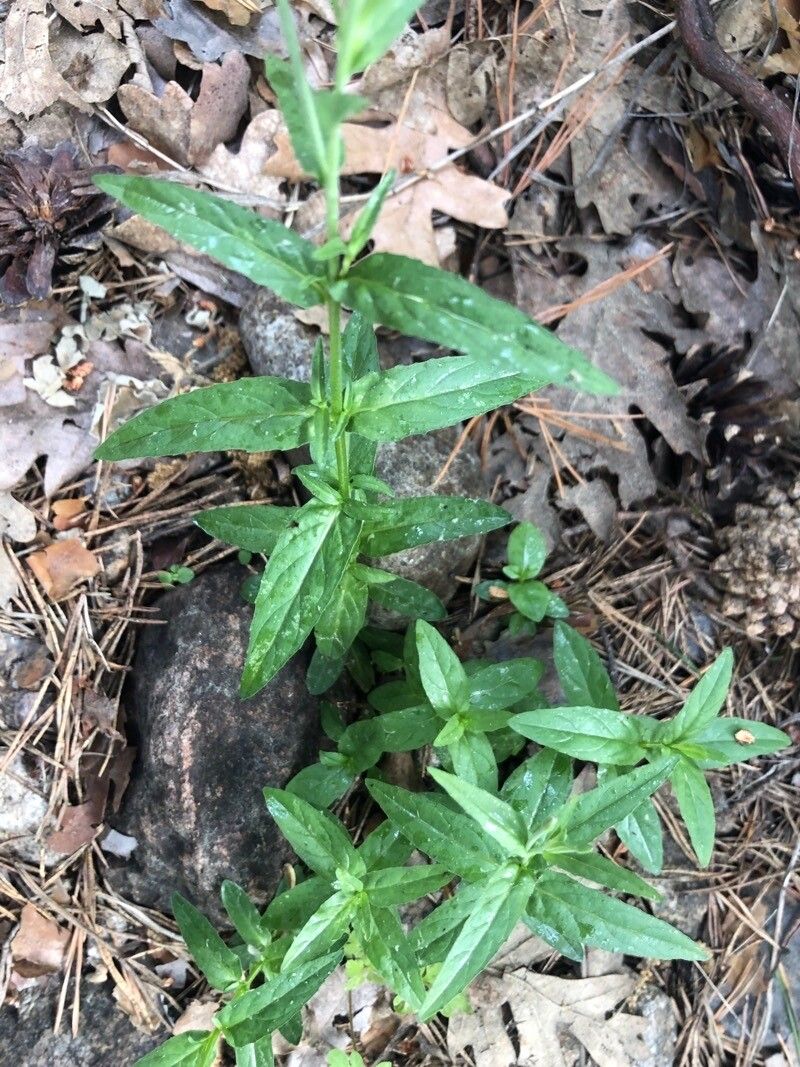
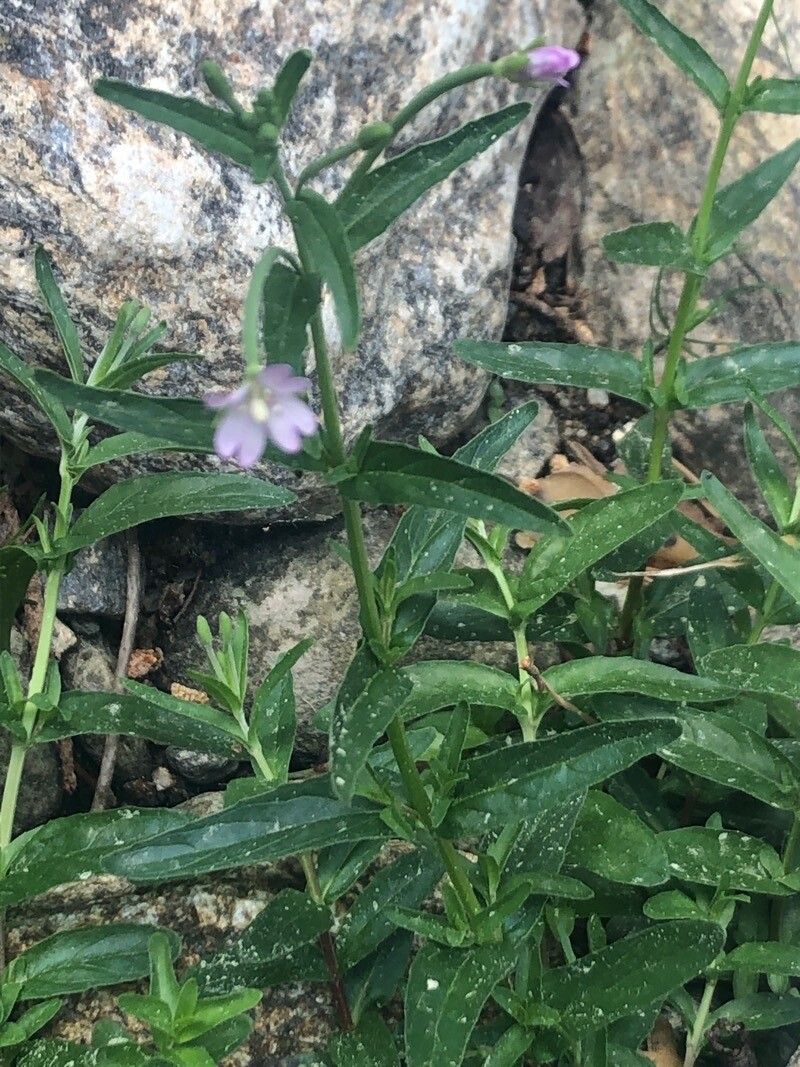
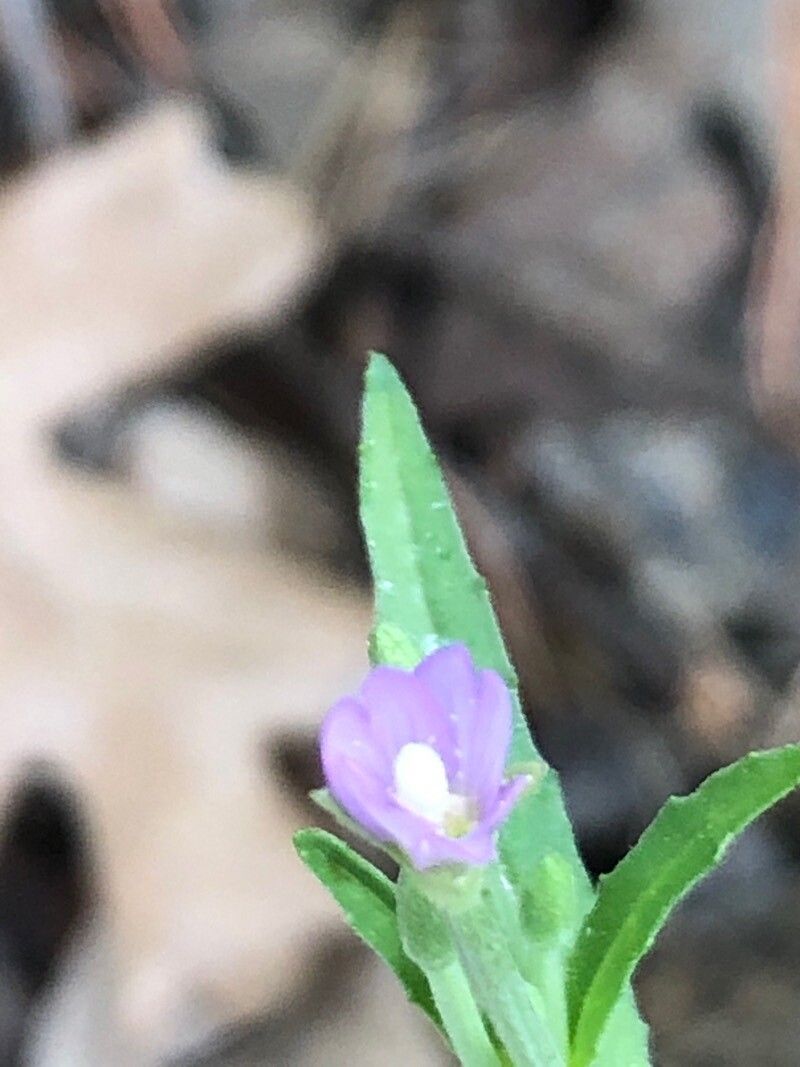
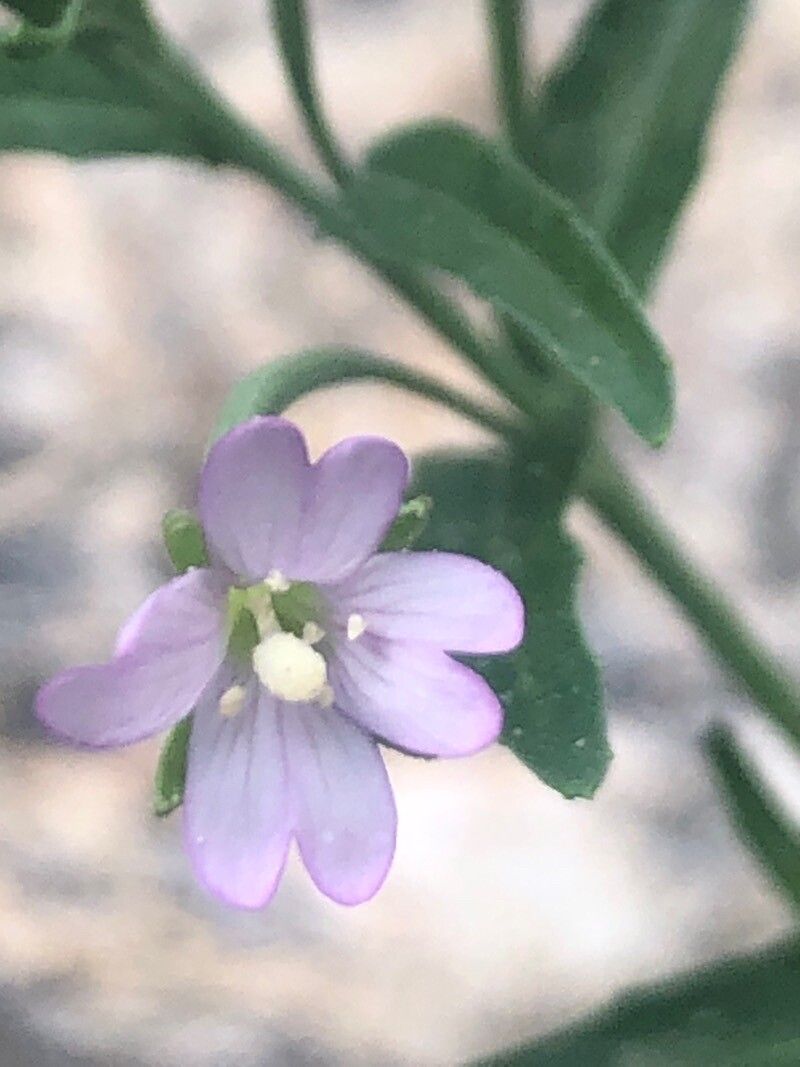
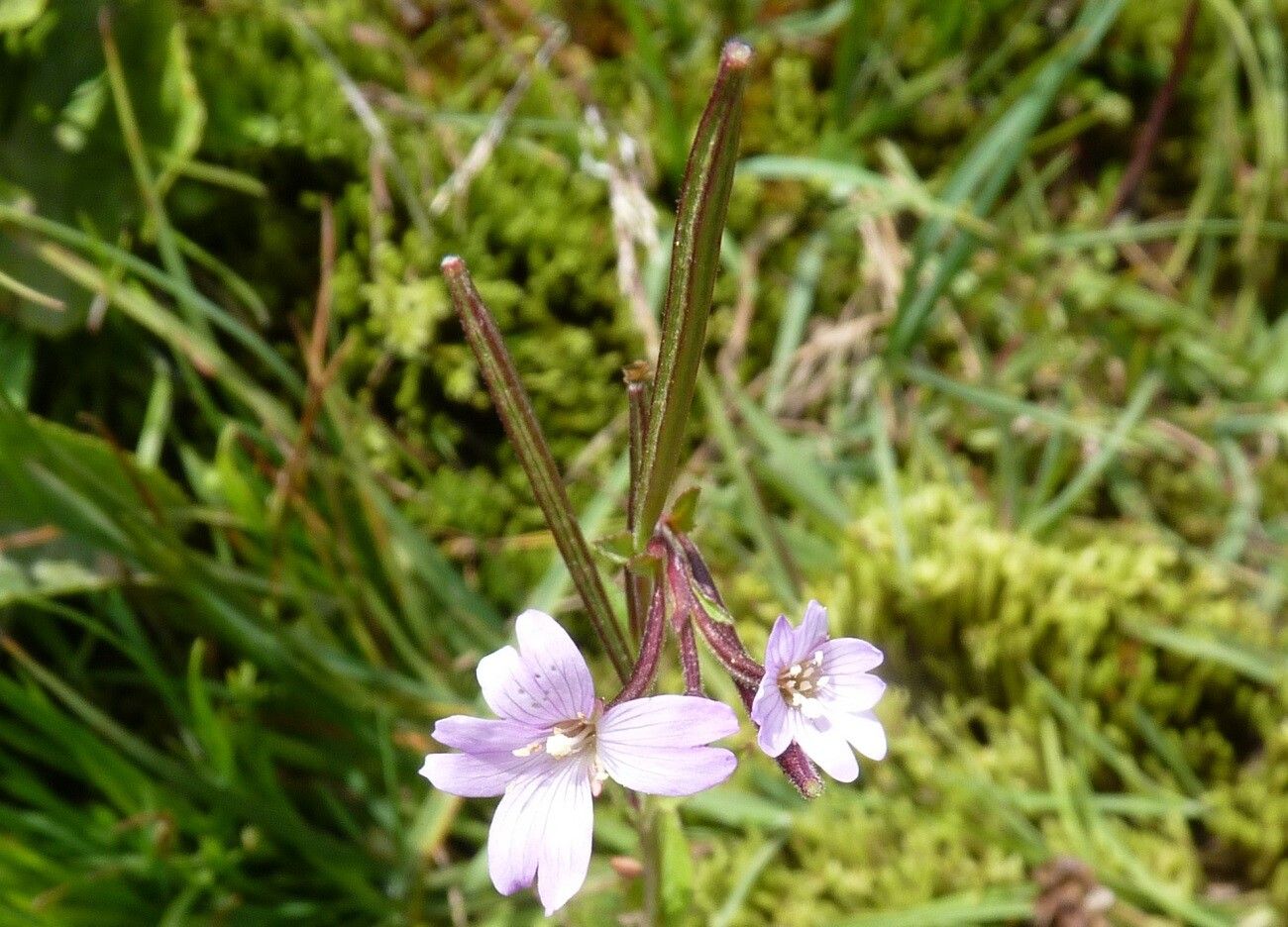
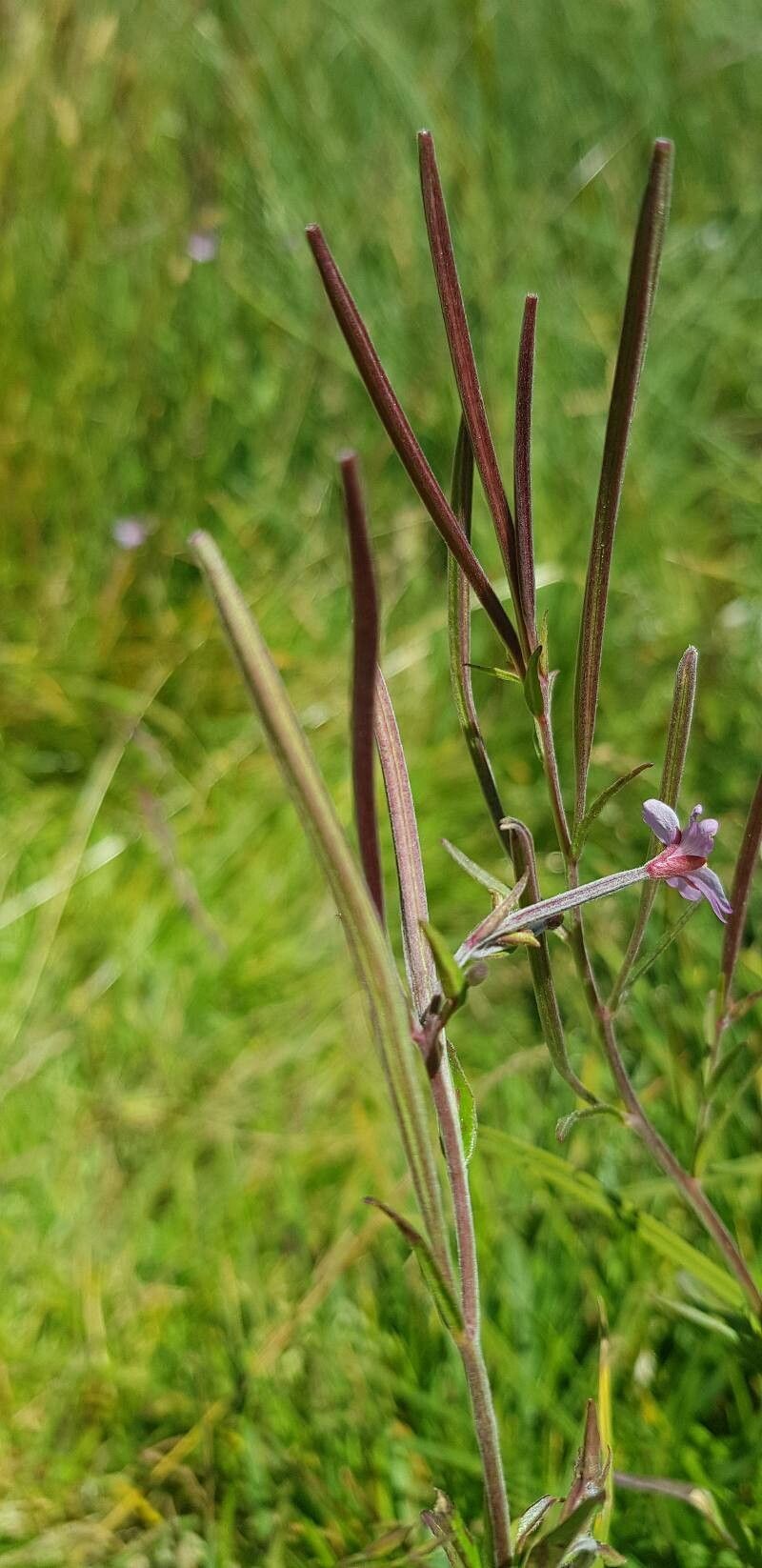
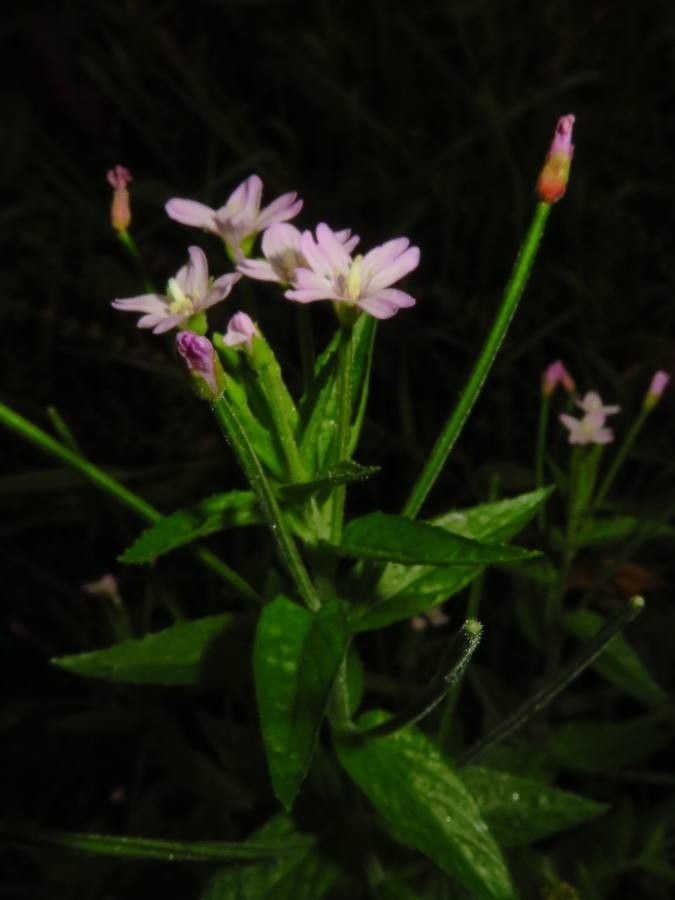
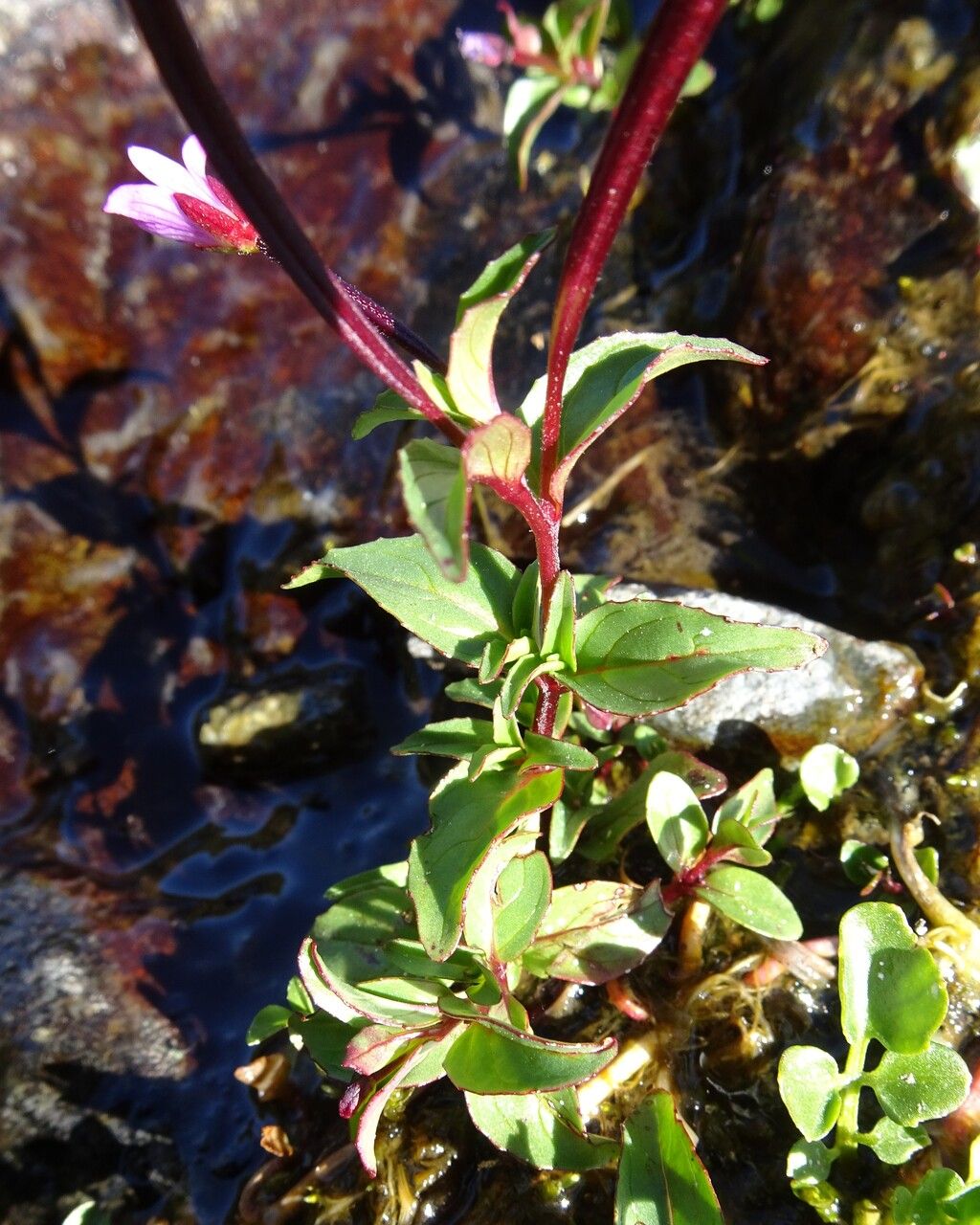
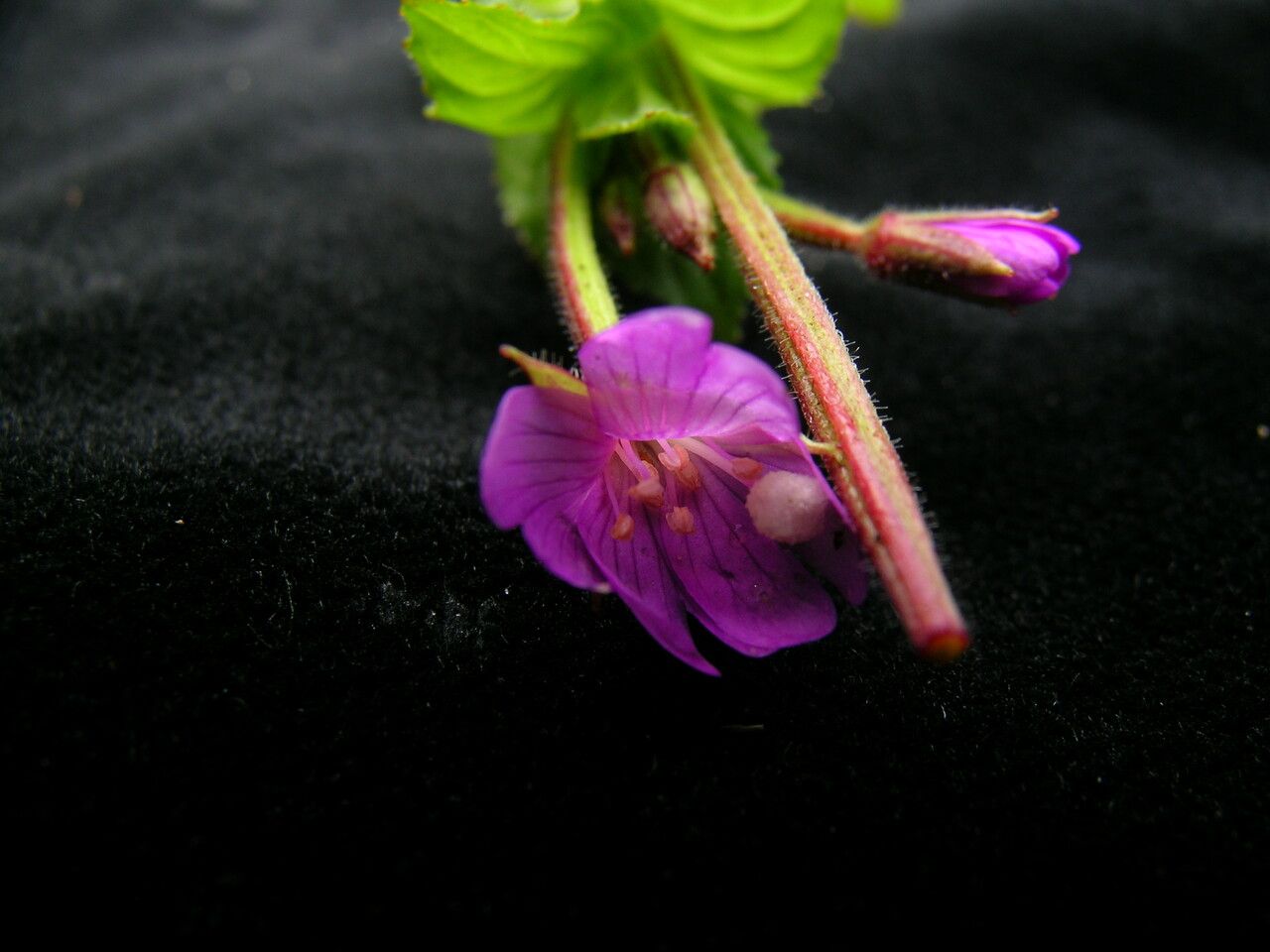
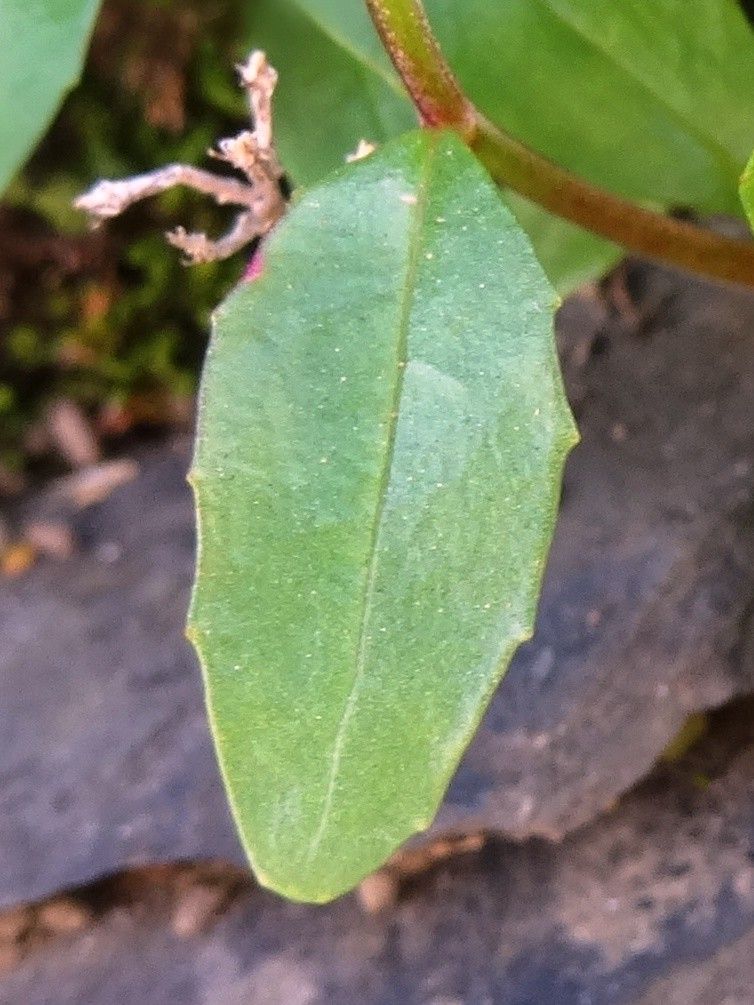
Epilobium palustre is a species of willowherb known by the common name marsh willowherb. This plant has a circumboreal distribution, and can be found farther south in mountainous areas.
Square-stalked willowherb is fairly disease-resistant and generally not prone to illness. However, it can be vulnerable to pests and diseases present in its environment. These problems are usually mild. For care, this plant requires moderate maintenance. It should be pruned regularly to maintain an attractive appearance and healthy growth. Fertilizing can also encourage more flowering. Square-stalked willowherb is suitable for anyone with outdoor space, such as a garden or patio, and does not demand extensive care experience. It may need more attention when grown indoors.
How to keep Epilobium Palustre.
Light
The square-stalked willowherb grows best in locations that receive plentiful sunlight throughout the day. Sufficient sunlight is required for its optimal growth and good health. Although it originates from sun-rich habitats and can tolerate lower light, it may grow more slowly and produce fewer flowers in such conditions. The plant becomes unhealthy when subjected to severe light deprivation.
Water
Marsh willowherb flourishes in moist environments and needs to be watered weekly to stay healthy. It is well-suited to wetland habitats and can tolerate soggy soils. However, it's important to maintain a balance to prevent waterlogging. For optimal growth, marsh willowherb should be planted outdoors, where the soil moisture can mimic its natural damp conditions.
Temperature
Square-stalked willowherb originates from regions where temperatures usually fall between 41 and 77°F (5 to 25℃). It performs best in those cooler conditions. If grown in other seasons, it is advisable to make adjustments to reproduce those temperature conditions.
Fertilizer
One fertilizer application in spring is generally enough for Square-stalked willowherb, though several feedings can optimize growth. Apply fertilizer once every month to a month and a half. Fertilization improves leaf appearance and function, helping maintain uniform color and a healthy texture. It also encourages root development and nutrient uptake for long-term plant health.
Pruning
To encourage growth and control the spread of marsh willowherb, it's best to prune it between early and late spring. Begin by removing any dead or damaged stems, and thin out the plant to improve air circulation. Pruning rejuvenates older plants, boosting their vigor and flowering potential, which results in a healthier and more vibrant appearance.
Botanical profile.
- Plant Type
- Herb
- Life Cycle
- Perennial
- Genus
- Epilobium
- Family
- Onagraceae
- Hardiness Zone
- 5
- Mature Height
- 61 cm
- Mature Spread
- 20 cm to 40 cm
- Leaf Color
- Forest Green
- Leaf Type
- Deciduous
- Flower Color
- Pink
- Flower Size
- 0.51 cm to 0.51 cm
- Bloom Time
- Early summer, Mid summer
- Planting Time
- Spring
- Harvest Time
- Mid summer
- Native Area
- Lesotho, Turkey, Sweden, Austria, Slovakia, Montenegro, Slovenia, Morocco, Croatia, Belarus, Uzbekistan, Russia, Iraq, Germany, Estonia, Romania, Latvia, Belgium, Portugal, Netherlands, France, Tajikistan, Tunisia, Czech Republic, South Africa, Cyprus, Bulgaria, Poland, Greece, Ukraine, Serbia, Lebanon, Lithuania, Norway, Syria, Kyrgyzstan, Kazakhstan, Italy, Spain, Switzerland, Denmark, Finland, Iran, Albania, United Kingdom, Hungary, Algeria, Turkmenistan
Other names.
Reader questions.
What are the sunlight requirements for Marsh willowherb?
Marsh willowherb thrives best in full sun conditions, which means it requires more than 6 hours of sunlight daily. However, it can also tolerate partial sun, receiving about 3-6 hours of sunlight per day. It's essential to observe the sunlight movement in your garden to ensure you pick a location that strikes the right balance between light and shade, promoting the plant's growth and happiness.
What is the indigenous climate for Marsh willowherb?
Marsh willowherb, or Epilobium palustre, is indigenous to climates where temperatures typically range from 32 to 69.8 °F (0 to 21 °C). It prefers cooler temperatures and may require adjustments for seasonal temperature fluctuations. This plant is highly cold-tolerant and doesn't need additional frost protection during winter. However, it's recommended to water the plant generously before the first freeze in autumn to ensure the soil is moist when it freezes. This helps prevent drought and water scarcity for the plant during winter and early spring.
Can Marsh willowherb be grown indoors and what are the lighting requirements?
Yes, Marsh willowherb can be grown indoors, but it requires adequate lighting to ensure optimal growth. In scenarios where natural sunlight is limited, artificial lighting serves as a vital solution. When using artificial lights, LED lights are recommended due to their ability to provide specific wavelengths needed by plants. Full sun plants need 30-50W/sq ft, partial sun plants require 20-30W/sq ft, and full shade plants need 10-20W/sq ft of artificial light. The light source should be placed 12-36 inches above the plant, mimicking natural sunlight as closely as possible, and most plants will thrive with 8-12 hours of light per day.
How does Marsh willowherb react to low temperatures?
Marsh willowherb is extremely cold-tolerant, capable of surviving winter temperatures above -45°C without noticeable changes. However, if temperatures drop below this threshold, the plant may experience a decrease in sprouting or fail to sprout at all during springtime. To manage this, remove any parts of the plant that have failed to sprout in spring.
What are the symptoms of insufficient light for Marsh willowherb?
Symptoms of insufficient light in Marsh willowherb include small leaves, leggy or sparse growth, accelerated leaf drop, slower or stopped growth, lighter-colored new leaves, chlorosis, sunscald, leaf curling, wilting, and leaf scorching. These symptoms reflect the plant's struggle to adapt to low light conditions, indicating the need for increased sunlight exposure.
What should I do if Marsh willowherb is exposed to high temperatures?
Marsh willowherb does not tolerate high temperatures well. Growth stops and the plant becomes more susceptible to rot when temperatures exceed 21°C. If exposed to high temperatures, trim away sunburned and dried-up parts of the plant. Relocate the plant to provide shade from the midday and afternoon sun or use a shade cloth to create shade. Ensure the soil remains moist by watering the plant in the morning and evening.
How can you address light deficiency symptoms in Marsh willowherb?
To address light deficiency in Marsh willowherb, gradually move the plant to sunnier locations, ensuring at least 6 hours of direct sunlight daily. For indoor plants, consider using artificial lights, such as a desk or ceiling lamp for at least 8 hours a day or invest in professional grow lights. For outdoor plants, avoid sudden changes in light intensity to prevent sunburn. Minimize obstructions by pruning trees or branches blocking sunlight and consider transplanting smaller plants to sunnier spots, preferably during their dormant period for the best results. Note that parts of the plant already affected by low light may not recover, but new growth should be healthy with proper light exposure.