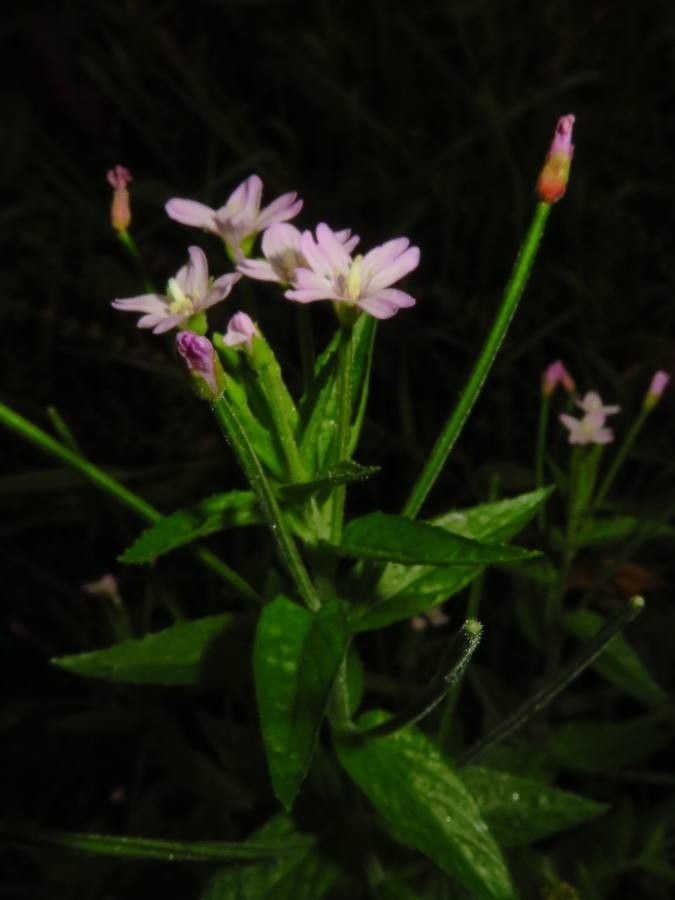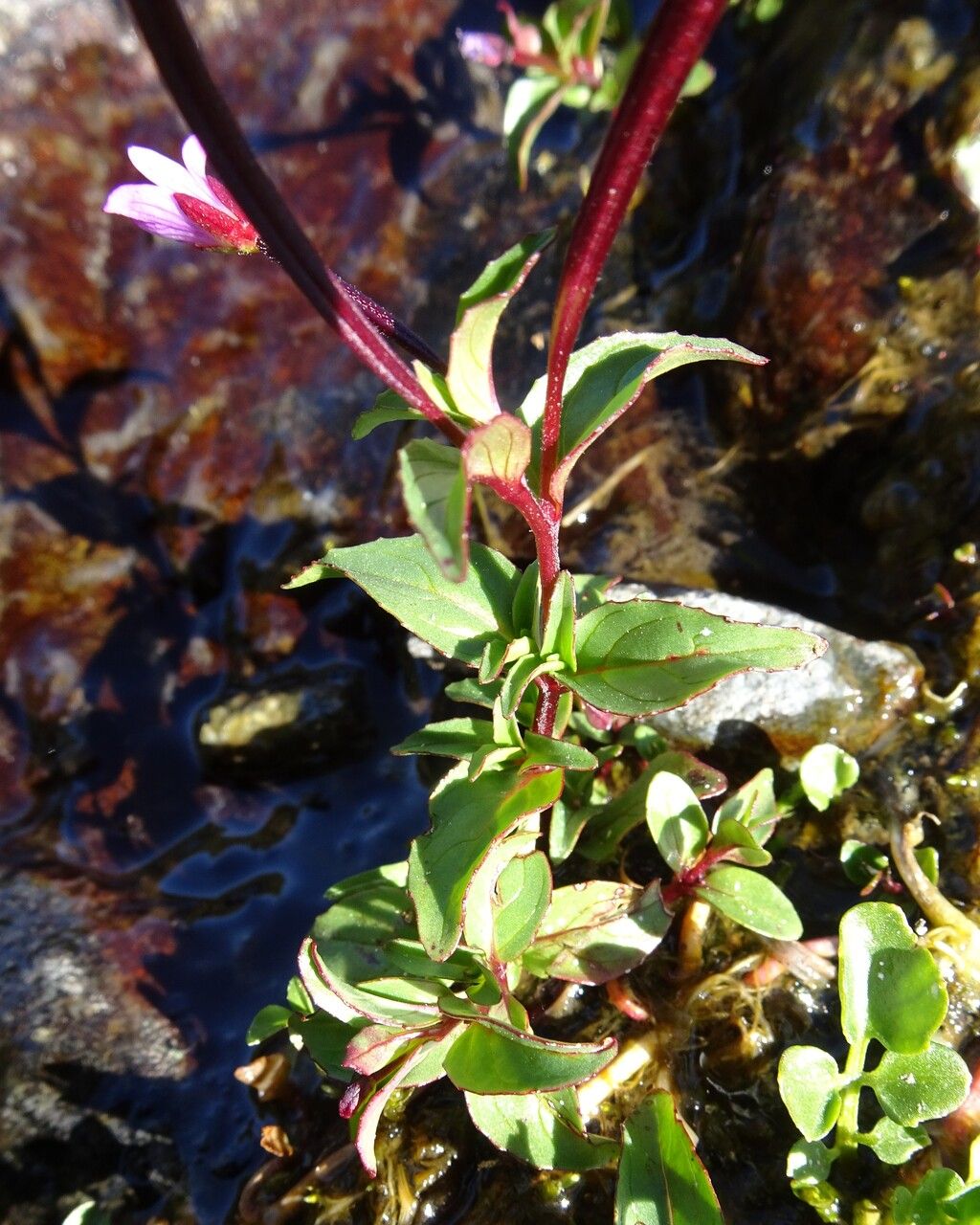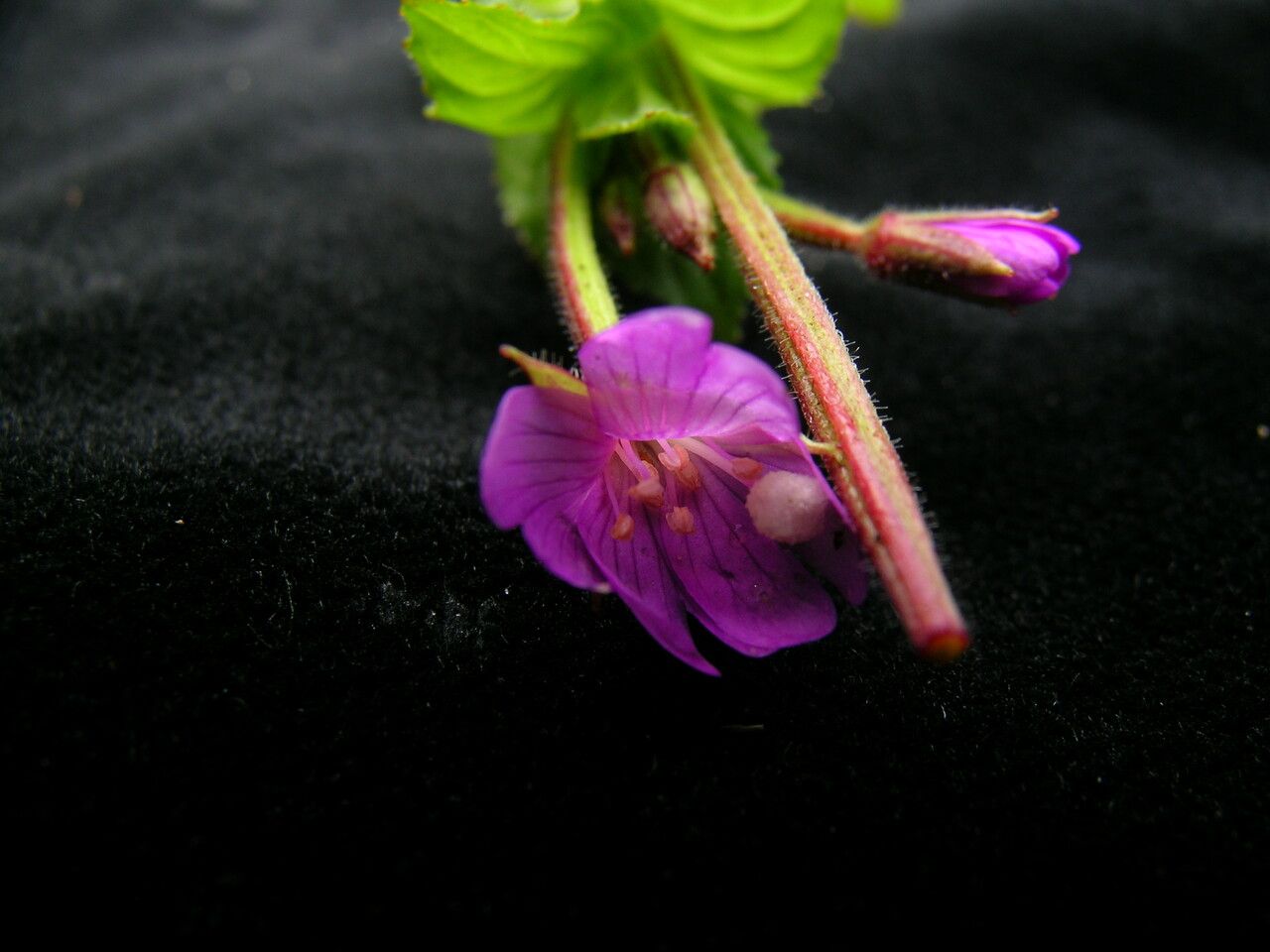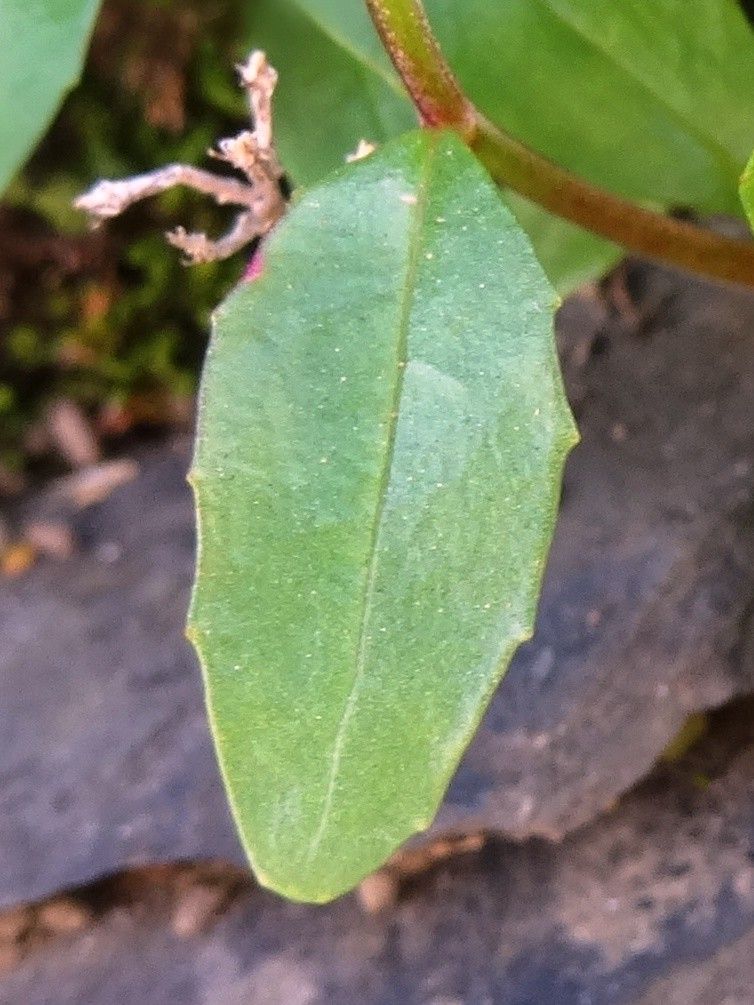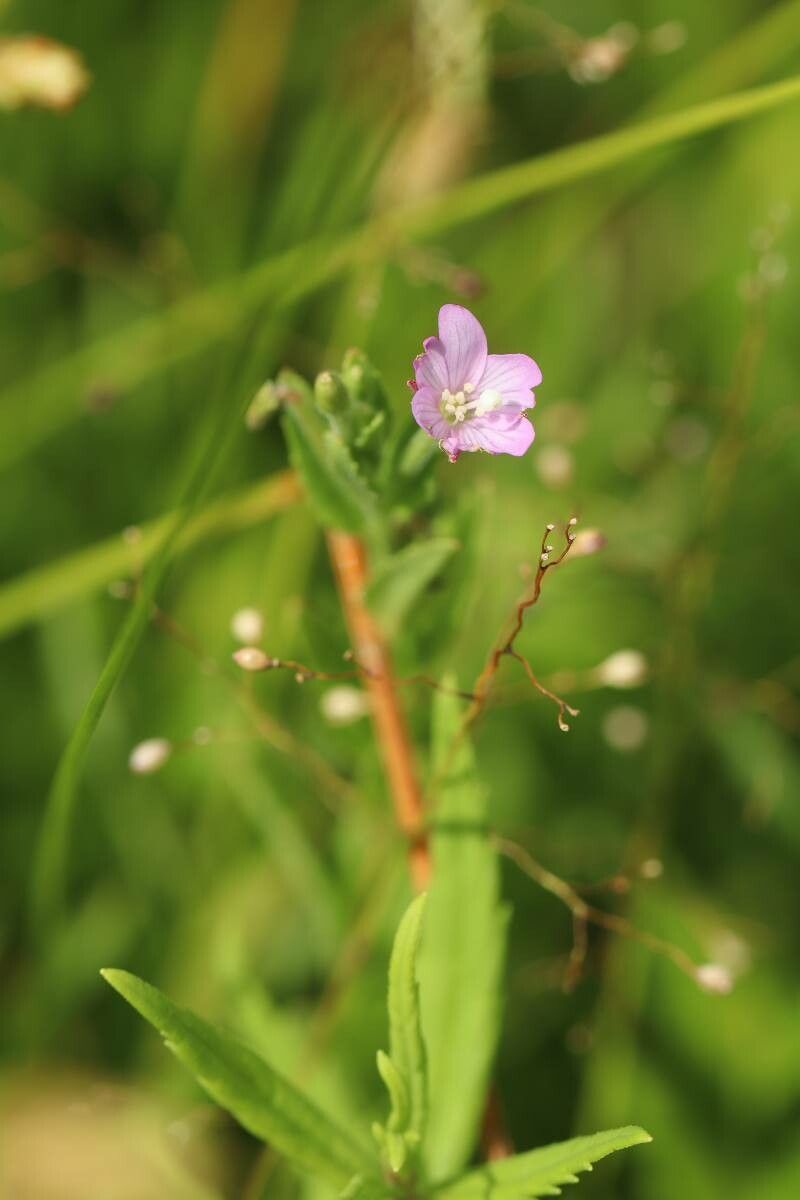
Long-seed willowherb has strong resistance to disease and is typically not susceptible to illnesses. Still, it can be affected by pests and diseases present in its environment. Such infections are generally minor. Regarding care, this plant needs moderate maintenance. It should be pruned regularly to maintain a neat appearance and support healthy growth. Applying fertilizer can also encourage flowering. Long-seed willowherb is appropriate for anyone with outdoor space, like a garden or patio, and does not demand extensive care experience. It may require more attention if grown indoors.
How to keep Epilobium Pyrricholophum.
Light
The long-seed willowherb is a perennial, herbaceous plant that enjoys sunlight, originally from open habitats such as meadows and grasslands. It has a preference for full sun exposure, but can also survive in conditions with partial sunlight.
Water
Long-seed willowherb flourishes in moist environments and prefers well-hydrated soil. To mimic its natural conditions, it needs watering every week, striking a balance between drought resistance and hydration. Commonly found in riparian zones, long-seed willowherb thrives on the humidity and water sources available during its active growing season.
Fertilizer
The optimal time to fertilize Long-seed willowherb is at the start of spring when the flowers begin to develop. Using the correct fertilizer stimulates improved blooming and assists the Long-seed willowherb in generating beautiful flowers. By applying the fertilizer in early spring, you can assure outstanding flowers throughout the season while also supplying energy for periods of inactive growth.
Pruning
Long-seed willowherb is a resilient perennial known for its elongated seeds and vibrant flowers. To maintain its health, prune it between early and late spring, before new growth begins. Trim the old stems to improve air circulation and enhance flowering. Regularly remove any dead parts, ensuring you use clean tools to prevent infections. For additional care tips, consult reputable sources.
Botanical profile.
- Plant Type
- Herb
- Life Cycle
- Perennial
- Genus
- Epilobium
- Family
- Onagraceae
- Hardiness Zone
- 4-8
- Mature Height
- 25 cm to 76 cm
- Mature Spread
- 20 cm to 30 cm
- Leaf Color
- Green, Dark Green
- Leaf Type
- Deciduous
- Flower Color
- Pink
- Flower Size
- 1.02 cm to 1.52 cm
- Bloom Time
- Summer
- Planting Time
- Spring
- Harvest Time
- Late summer, Early fall, Mid fall
- Native Area
- Russia, Koppen, South Korea, China