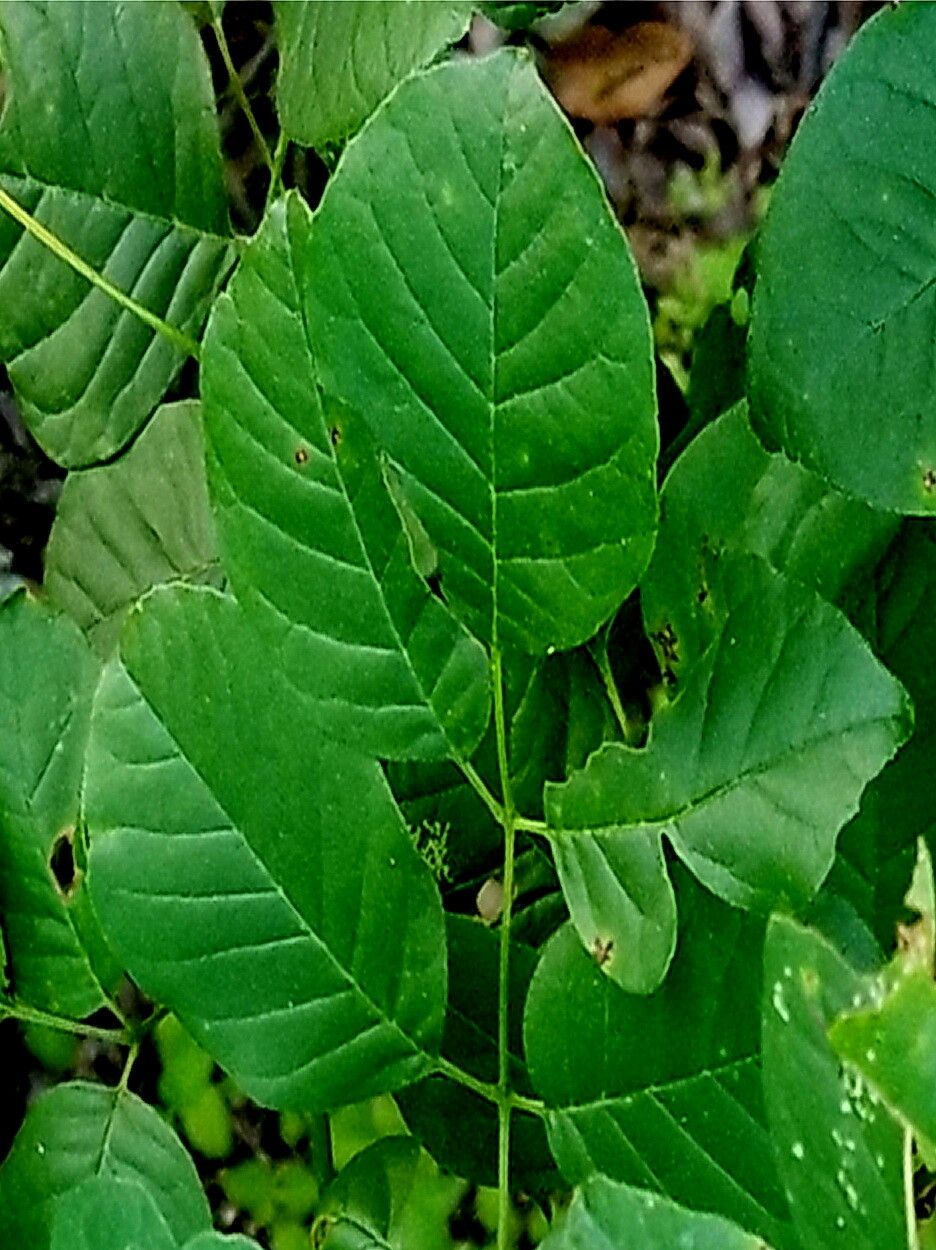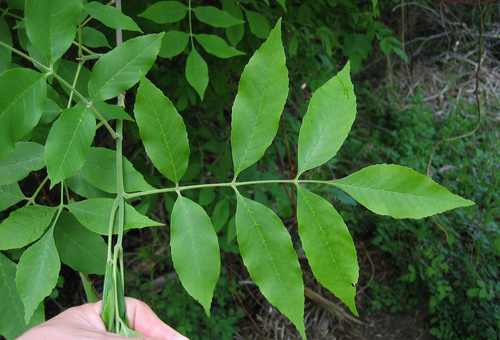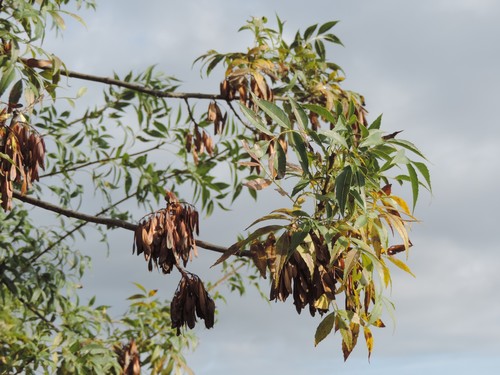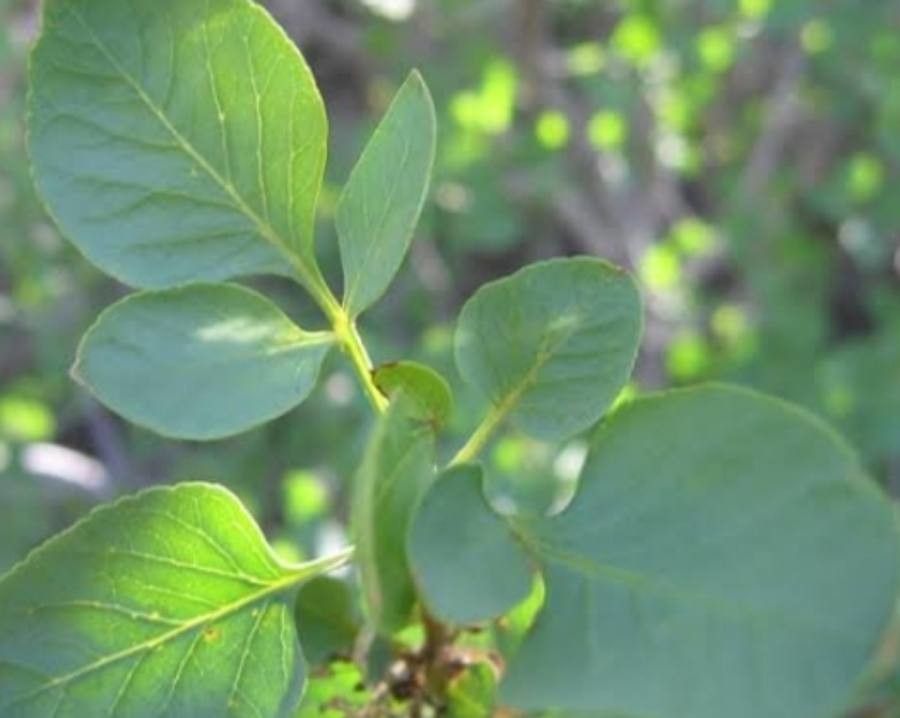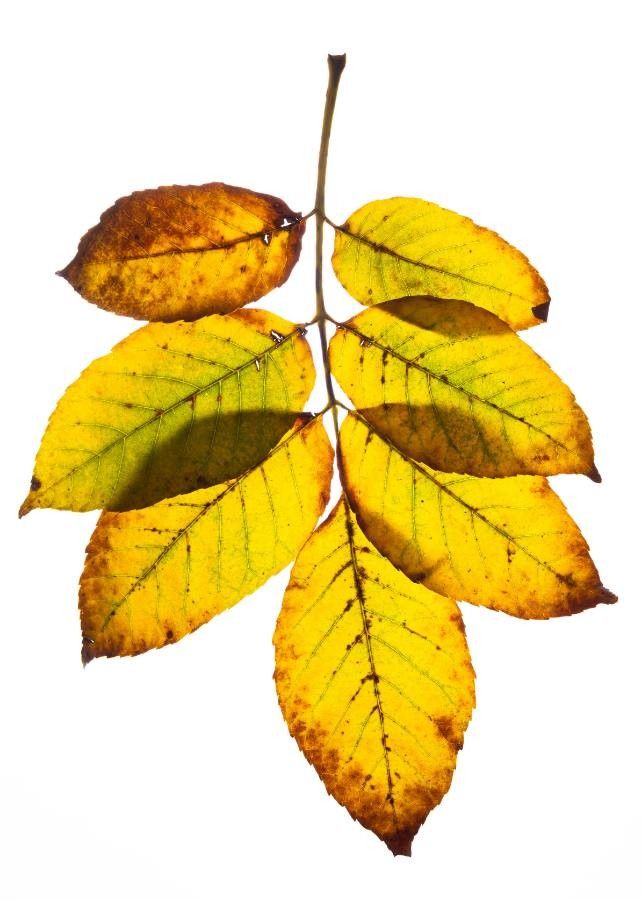
Fraxinus berlandieriana, the Mexican ash, is a tree native to eastern and northeastern Mexico and to the south-central United States. It has been reported from Tamaulipas, Veracruz, Texas, New Mexico, Oklahoma, Louisiana and Mississippi.Like other species in the section Melioides, Fraxinus berlandieriana is dioecious, with male and female flowers produced on separate individuals.
Mexican ash displays strong resistance to disease and is generally not susceptible to illnesses. In terms of care, this plant is fairly low-maintenance. When grown outdoors it needs minimal watering, and larger specimens typically do not require pruning. However, smaller plants should be pruned after they have finished blooming. Mexican ash is appropriate for anyone with an outdoor area, such as a garden or a deck, and does not demand much prior gardening experience.
How to keep Fraxinus Berlandieriana.
Light
Mexican ash comes from open habitats, such as sunny meadows and forest margins, which provide abundant light. It performs best in full sun but will also tolerate partial sun, adjusting well to a range of light conditions.
Water
The Mexican ash flourishes in moist, subtropical environments and needs to be watered weekly to stay healthy. Although it can tolerate some drought, it thrives best in stable conditions. In urban landscapes, applying mulch can help retain soil moisture and regulate the temperature around its roots.
Temperature
Mexican ash shows good temperature adaptability, tolerating high heat and wider temperature fluctuations. During hot periods, care should be taken with watering and by providing adequate shade to avoid sunburn. On the other hand, Mexican ash is not very tolerant of low temperatures. Although it can endure some cold, excessively low temperatures can cause frost damage.
Fertilizer
To support robust development, provide nutrients to your Mexican ash at the beginning of spring. Frequent fertilization boosts general health, leading to strong growth, endurance in challenging conditions, and enhanced resistance to diseases and pests. Stick to a particular fertilization timetable for your Mexican ash to guarantee lush leaves with intense color and a thick look.
Pruning
Pruning Mexican ash trees in early spring is beneficial for their health and appearance. This practice involves removing dead branches and shaping the tree, which improves sunlight exposure and air circulation while also helping to prevent disease. Such care promotes healthy growth and enhances the tree's aesthetic appeal. Regular maintenance is essential to ensure the tree remains robust and aligns well with its growth cycle.
Botanical profile.
- Plant Type
- Tree
- Life Cycle
- Perennial
- Genus
- Fraxinus
- Family
- Oleaceae
- Hardiness Zone
- 7-10
- Mature Height
- 10.97 m to 21.95 m
- Mature Spread
- 10.06 m to 14.94 m
- Leaf Color
- Dark Green, Forest Green
- Leaf Type
- Deciduous
- Flower Size
- 0.25 cm to 0.51 cm
- Bloom Time
- Early spring, Mid spring
- Planting Time
- Spring, Summer
- Harvest Time
- Late summer, Early fall, Mid fall
- Native Area
- Mexico
Other names.
Reader questions.
What are the sunlight requirements for a Mexican ash (Fraxinium berlandieriana)?
The Mexican ash, or Fraxinus berlandieriana, thrives under specific sunlight conditions. It requires 'Full sun' exposure, which means the plant should receive above 6 hours of sunlight daily. Alternatively, it can also grow well under 'Partial sun' conditions, with about 3-6 hours of sunlight each day. It's important to observe the movement of sunlight through your garden to find a location that offers a suitable balance of light and shade. This ensures the plants are happy and healthy by providing them with their ideal growing conditions.
What is the Mexican ash?
The Mexican ash, known scientifically as Fraxinus berlandieriana, is a species of ash tree. It does not have specified information regarding its essentials or symptoms in the provided data.