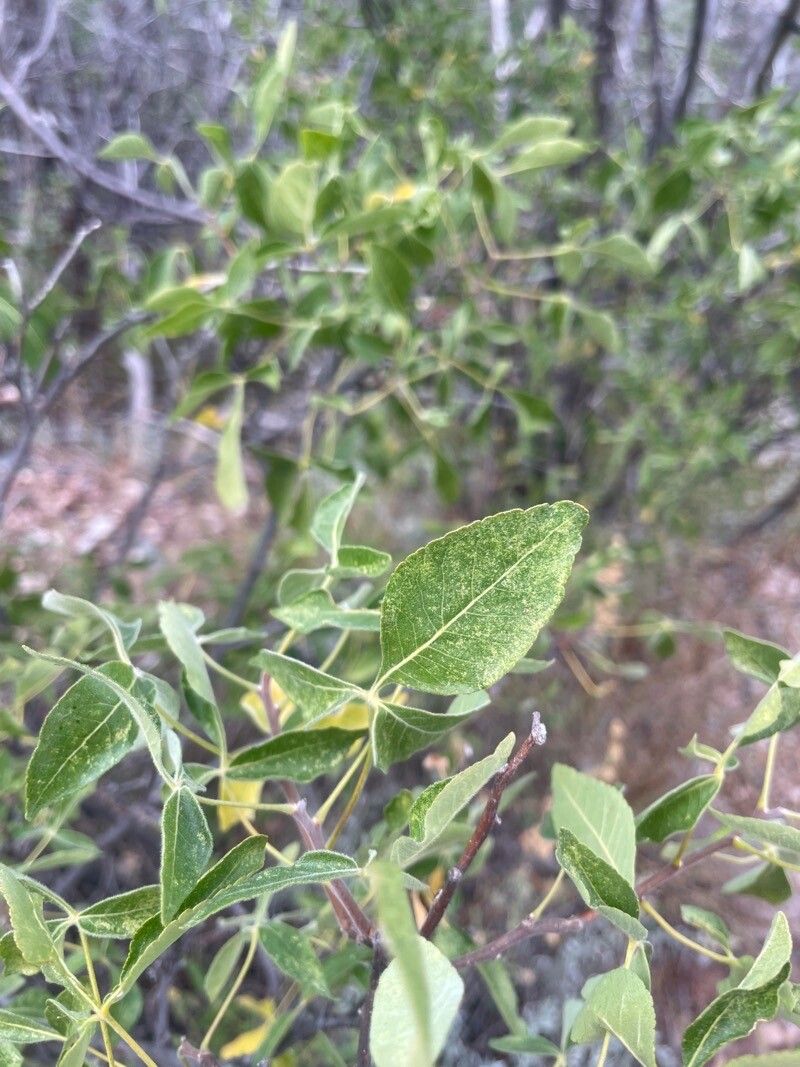
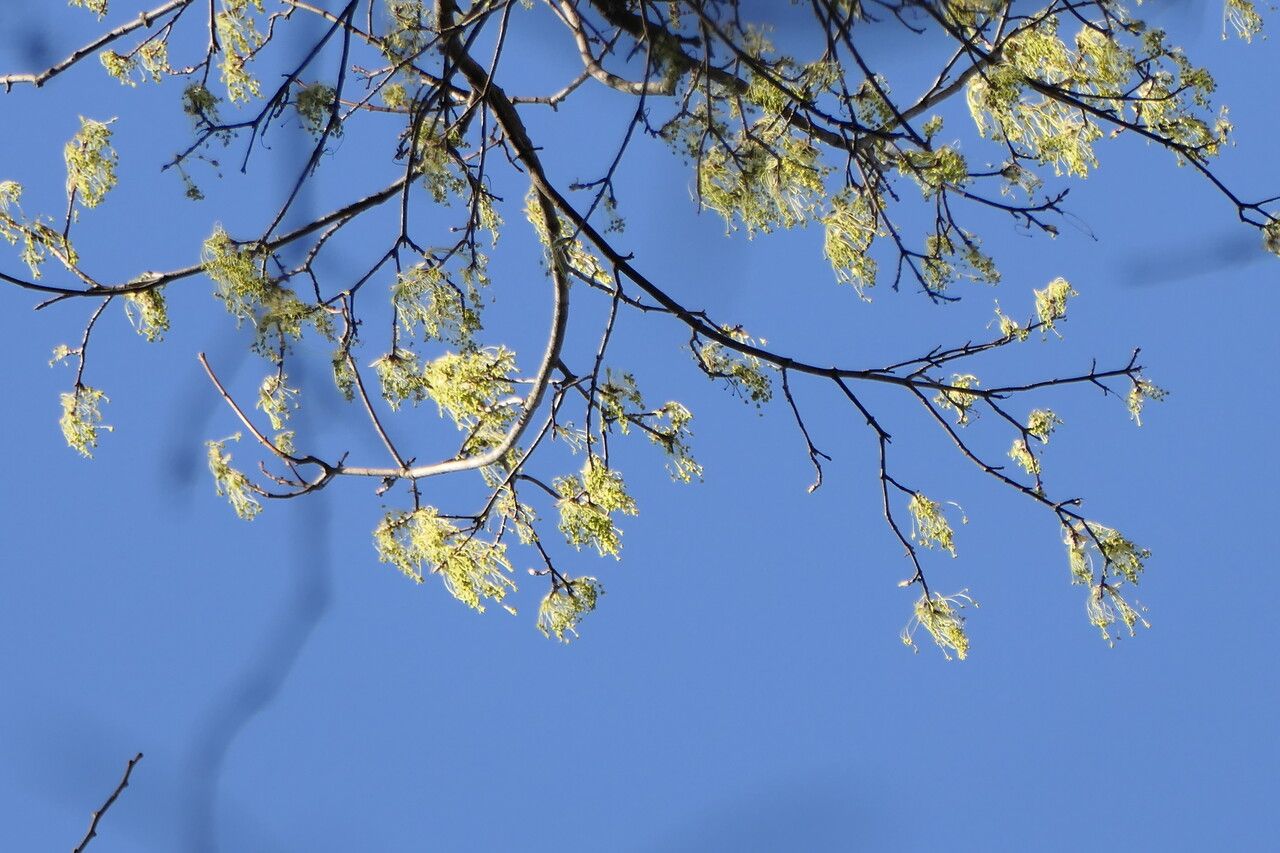
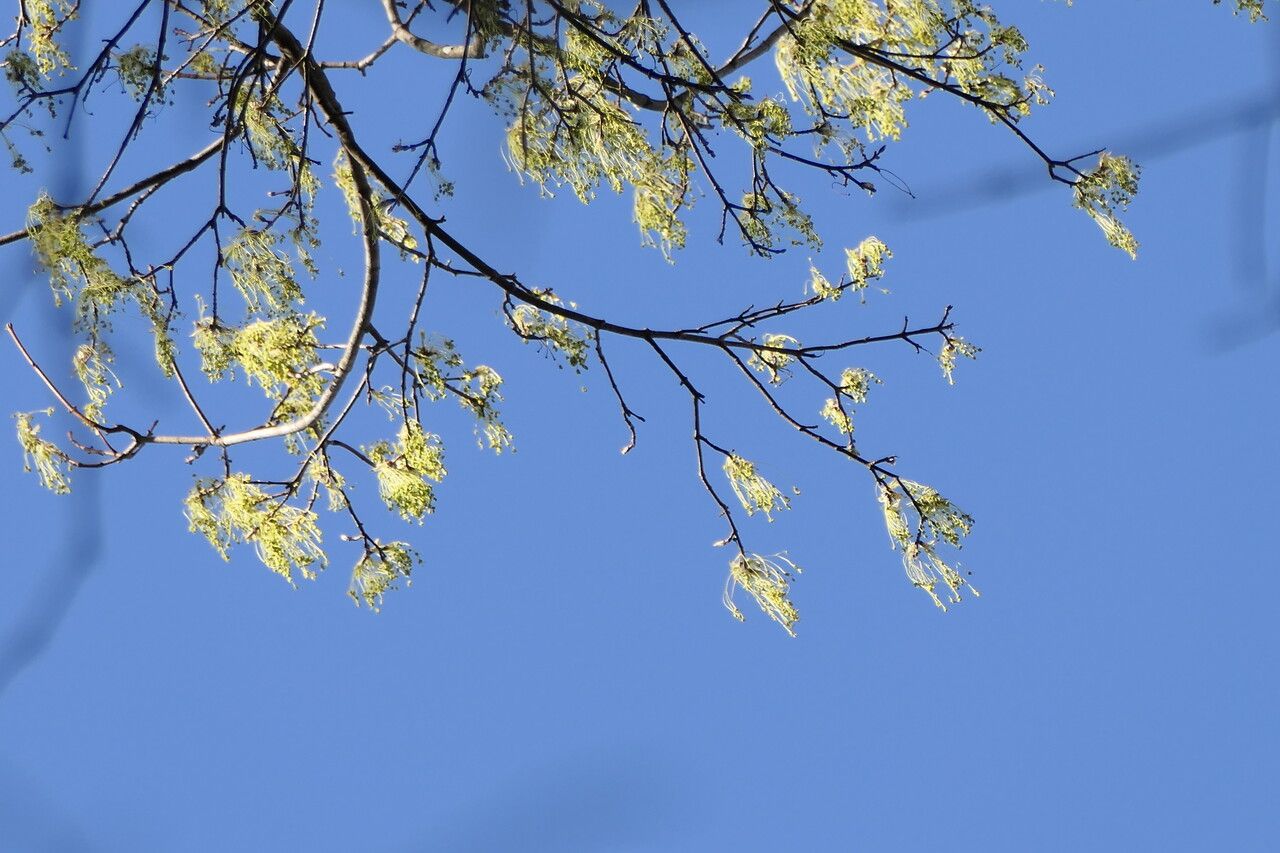
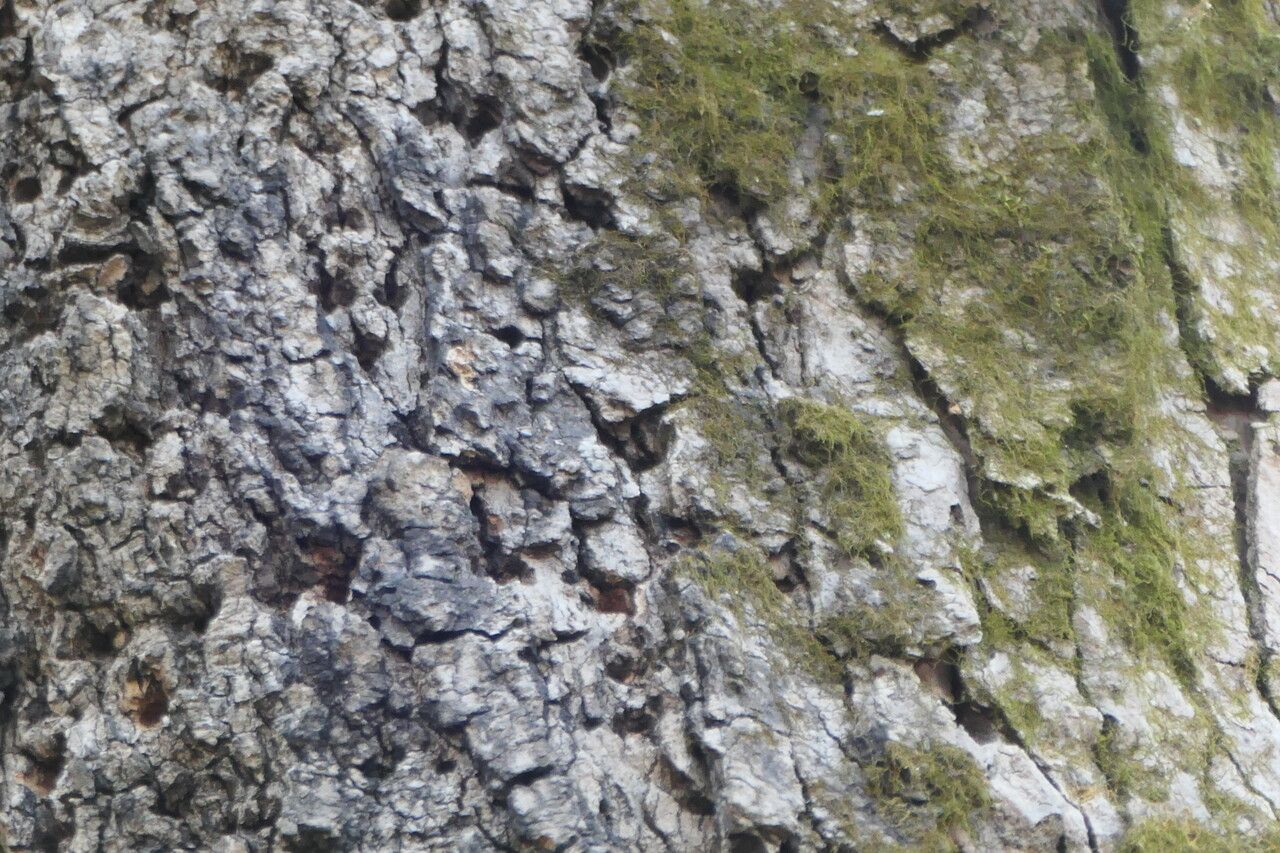
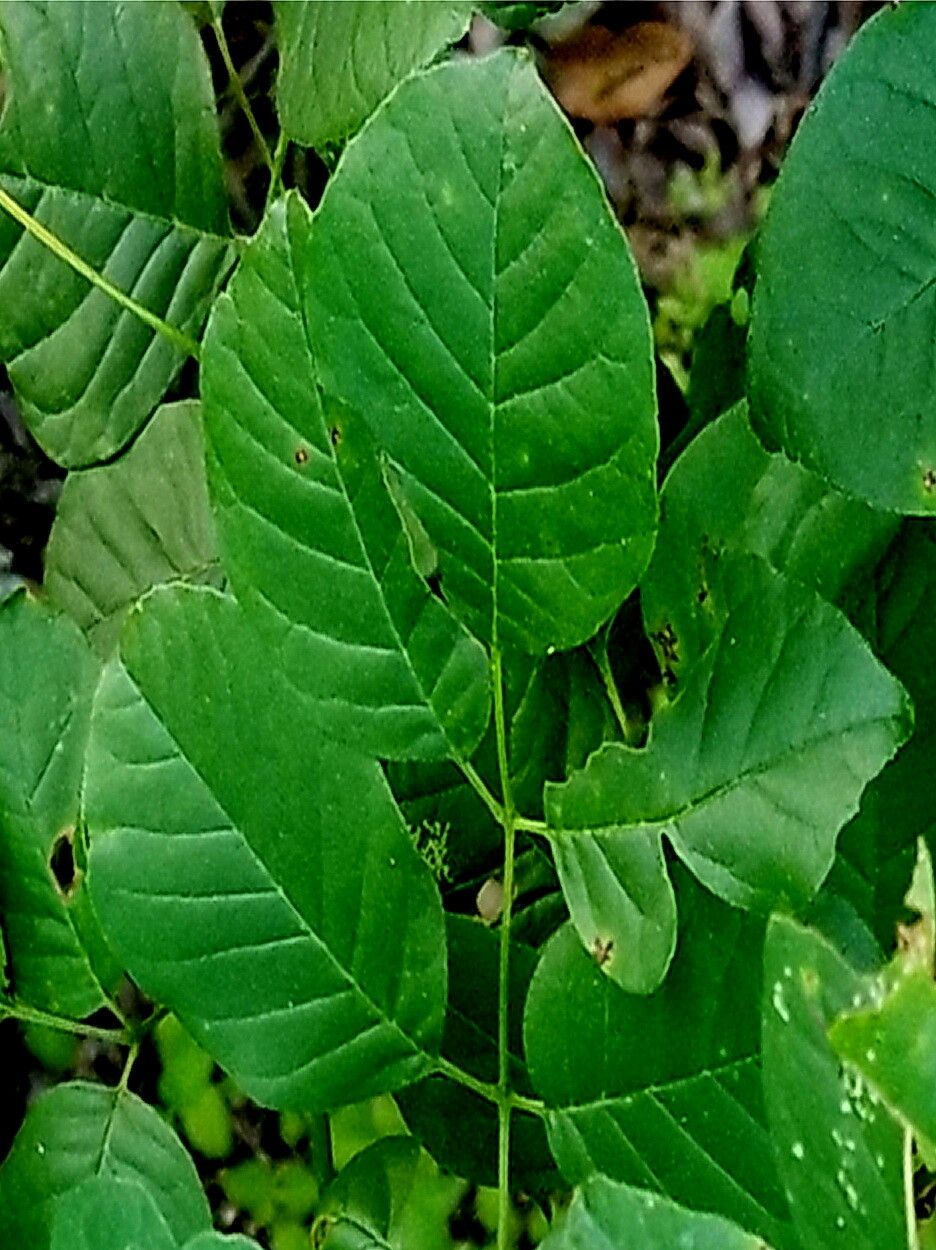
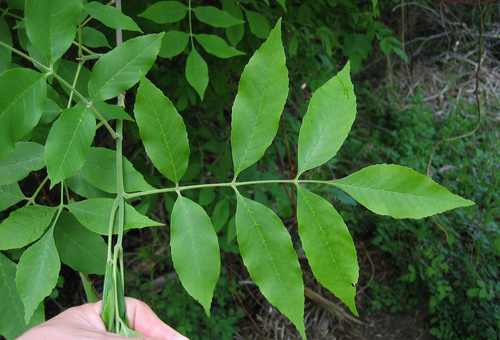
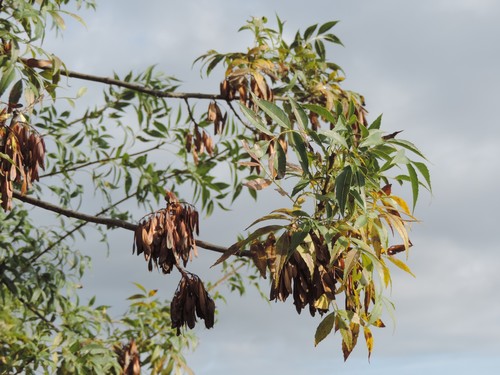
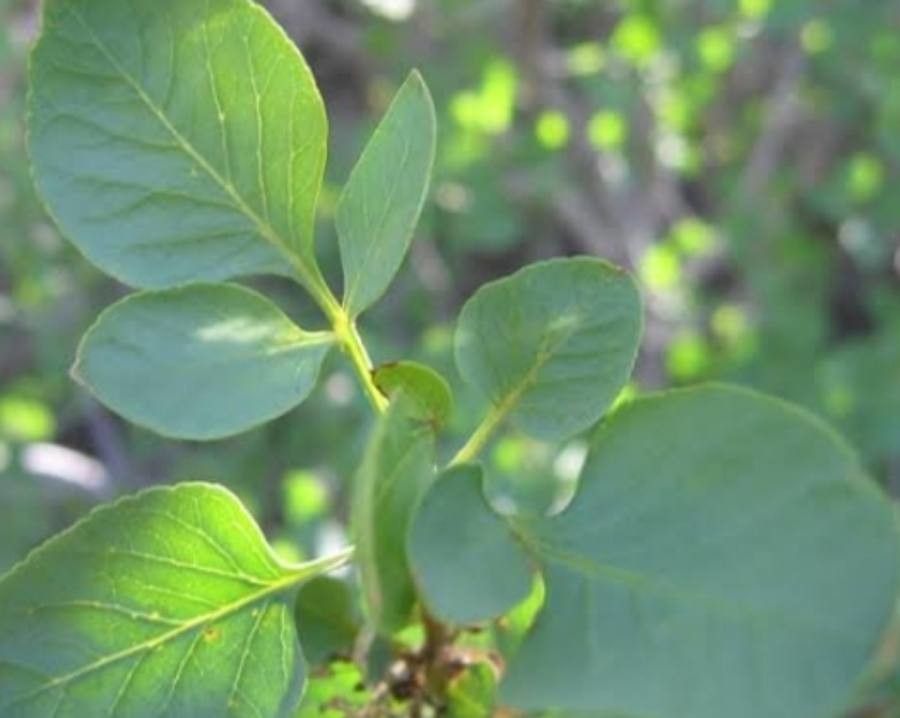
Fraxinus dipetala, the California ash or two-petal ash, is a species of ash native to southwestern North America in the United States in northwestern Arizona, California, southern Nevada, and Utah, and in Mexico in northern Baja California. It grows at altitudes of 100–1,300 m.It is a deciduous shrub or small tree growing to 7 m tall, with cylindric to four-angled stems. The leaves are 5–19 cm long, light to dark green, with three to seven (rarely nine) leaflets 1–7 cm long, thick, and serrated along the margins. The flowers have two white lobe-shaped petals 2.5–4 mm long, and are sweetly scented, hanging in fluffy clusters; unlike many ashes, they are bisexual, not dioecious. The fruit is a long, flat samara 2–3.2 cm long and 5–9 mm broad, green when immature and hanging in bunches.
California ash is resistant to disease and is generally not prone to illnesses. In terms of care, this plant is fairly low maintenance. When grown outdoors it needs minimal watering, and larger plants typically do not require pruning. Smaller plants, however, should be pruned after they have bloomed. California ash is suitable for anyone with an outdoor space, such as a garden or deck, and does not require much gardening experience.
How to keep Fraxinus Dipetala.
Light
California ash is native to open habitats like sunny meadows and the edges of forests that offer abundant light. It does best in full sun but will also tolerate partial sun, showing good adaptability to different light levels.
Water
After planting California ash, water it daily to encourage root growth. Once the tree is established, switch to weekly watering. During hot, dry summer conditions, increase the frequency of watering. Before a winter freeze, water the tree once and then stop watering for the rest of the winter. Be careful not to overwater, as this can lead to soil waterlogging and root rot.
Temperature
California ash shows strong temperature adaptability, tolerating high heat and wide temperature fluctuations. In hot conditions, one should ensure adequate watering and provide suitable shade to prevent sunburn. Conversely, California ash is fairly sensitive to low temperatures. Although it can endure some cold, excessively low temperatures may cause frost damage.
Fertilizer
The timing of fertilizing California ash is critical. Apply fertilizer in early spring and continue once a month until early summer. Fertilizer encourages attractive blooms and supplies energy during both dormant and active growth phases.
Pruning
To ensure the health and vitality of a California ash tree, it's important to prune in early spring. Focus on removing dead or intersecting branches to enhance the tree's health and shape. It's beneficial to prioritize thinning out stems to improve air circulation. This practice encourages robust growth, more abundant flowering, and stronger resistance to pests. Always use clean, sharp tools for pruning, and consider seeking advice specific to your local area for the best results.
Botanical profile.
- Plant Type
- Tree
- Life Cycle
- Perennial
- Genus
- Fraxinus
- Family
- Oleaceae
- Hardiness Zone
- 7-10
- Mature Height
- 3.05 m to 7.01 m
- Mature Spread
- 2.13 m to 3.96 m
- Leaf Color
- Green, Dark Green
- Leaf Type
- Deciduous
- Flower Color
- White
- Flower Size
- 0.51 cm to 0.76 cm
- Bloom Time
- Early spring, Mid spring
- Planting Time
- Spring, Summer
- Harvest Time
- Mid summer, Late summer, Early fall
- Native Area
- Mexico
Other names.
Reader questions.
What are the sunlight requirements for California ash (Fraxinus dipetala)?
California ash (Fraxinus dipetala) thrives in various sunlight conditions. It requires 'Full sun' which is defined as above 6 hours of sunlight per day for optimal growth. Alternatively, it can also grow under 'Partial sun' conditions, meaning it can manage with about 3-6 hours of sunlight per day. It's important to observe the movement of sunlight in your garden to ensure you choose spots that provide the right balance of light and shade, keeping your plants happy and healthy.
What is the botanical name of the California ash?
The botanical name of the California ash is Fraxinus dipetala.