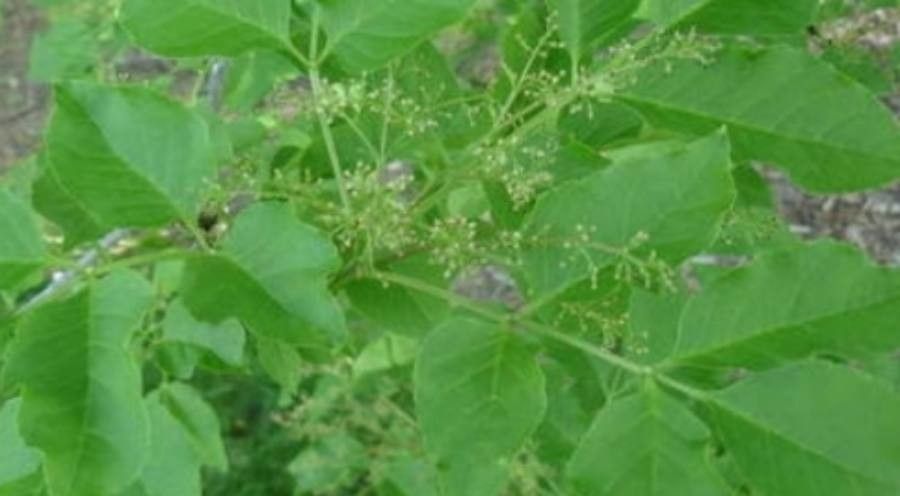
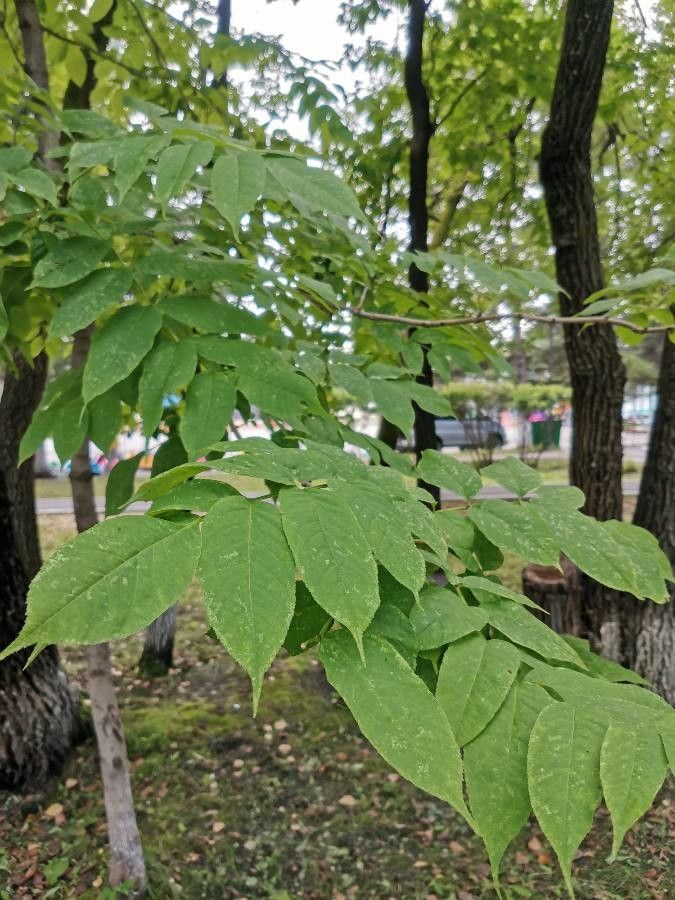
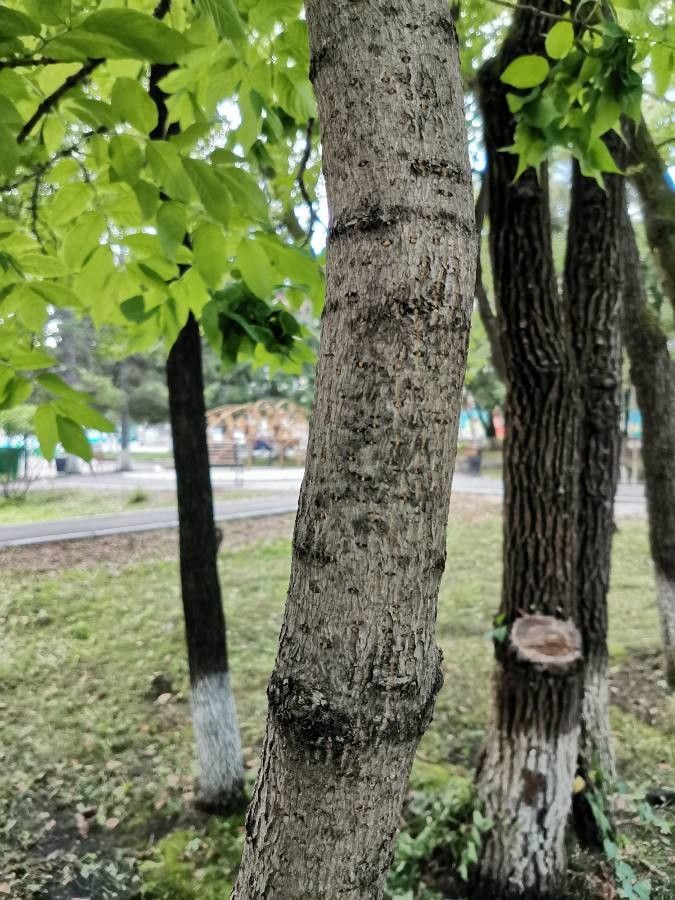
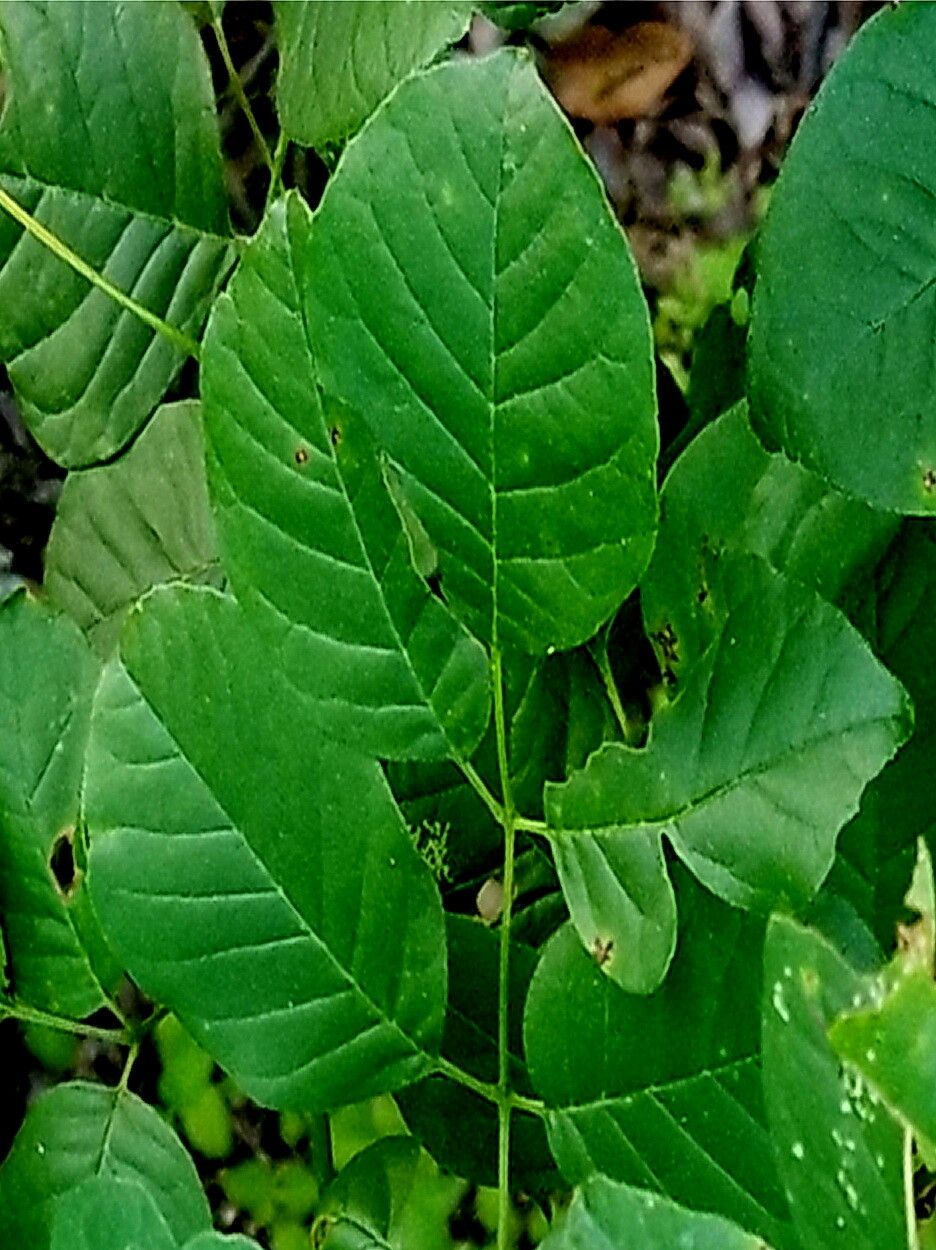
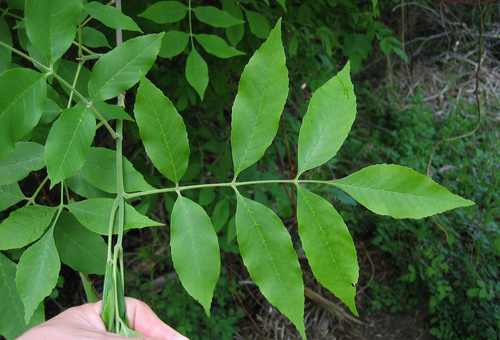
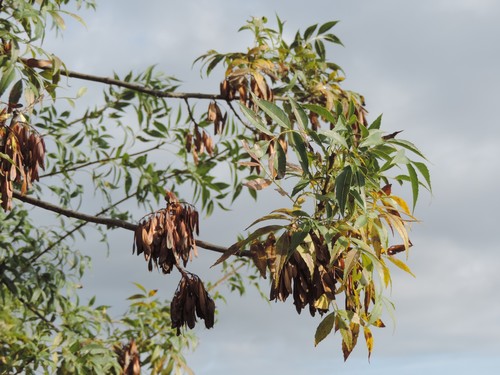
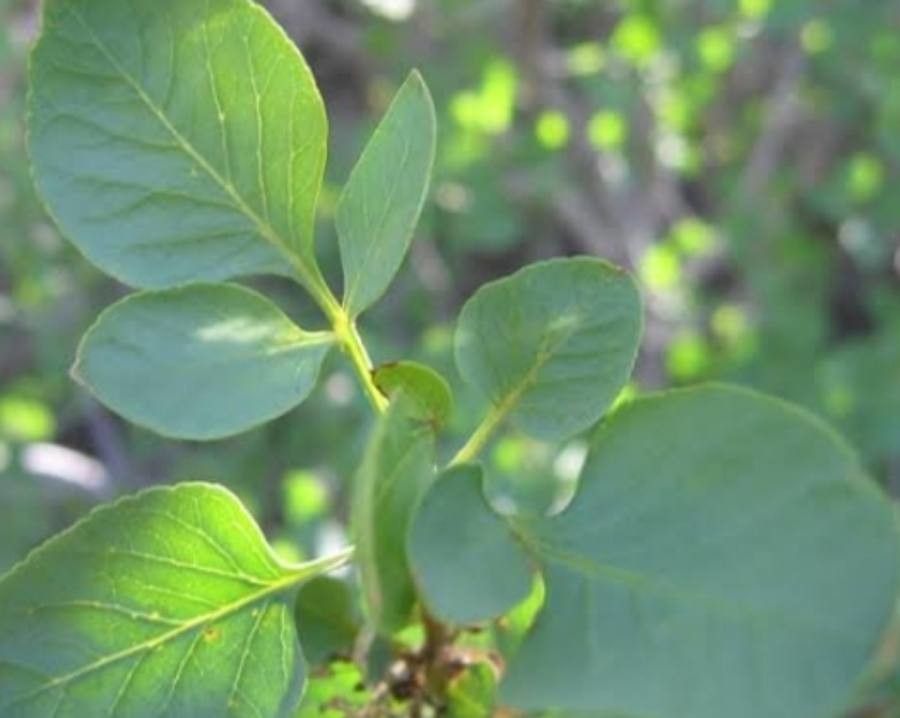
Fraxinus mandshurica, the Manchurian ash, is a species of Fraxinus native to northeastern Asia in northern China (Gansu, Hebei, Heilongjiang, Henan, Hubei, Jilin, Liaoning, Shaanxi, Shanxi), Korea, Japan and southeastern Russia (Sakhalin Island).It is a medium-sized to large deciduous tree reaching 30 m tall, with a trunk up to 50 cm in diameter. The leaves are 25–40 cm long, pinnate compound, with 7–13 leaflets, the leaflets 5–20 cm long and 2–5 cm broad, subsessile on the leaf rachis, and with a serrated margin. They turn to a golden-yellow in early autumn, and the tree is usually early to change color. The flowers are produced in early spring, before the new leaves, in compact panicles; they are inconspicuous with no petals, and are wind-pollinated. The fruit is a samara comprising a single seed 1–2 cm long with an elongated apical wing 2.5–4 cm long and 5–7 mm broad.It is closely related to Fraxinus nigra (Black Ash) from eastern North America, and has been treated as a subspecies or variety of it by some authors, as F. nigra subsp. mandschurica (Rupr.) S.S.Sun, or F. nigra var. mandschurica (Rupr.) Lingelsheim. However, unlike that species, Fraxinus mandshurica is dioecious, with male and female flowers produced on separate individuals.The spelling of the species name is disputed; some (e.g. the Flora of China) cite mandschurica, while others (e.g. USDA GRIN) cite mandshurica. The original 1857 Russian publication spelled it without the "c".
Manchurian ash is highly disease-resistant and is typically not vulnerable to illnesses. Regarding care, this plant is fairly low-maintenance. When grown outdoors it needs only minimal watering, and larger specimens usually do not require pruning. However, smaller plants ought to be pruned after they finish blooming. Manchurian asht is appropriate for anyone with an outdoor area, such as a garden or deck, and does not demand much experience in plant care.
How to keep Fraxinus Mandshurica.
Light
The manchurian ash thrives in places that receive abundant sunlight throughout the day. Adequate sun exposure encourages its strong growth and good health. Although these trees come from regions with plentiful sunshine, they can adjust to locations with less light if needed. Too much or too little sun can adversely affect the tree's overall well-being.
Water
The Manchurian ash thrives best in environments resembling woodlands, where there is moderate moisture. It needs regular watering, ideally every two weeks, but care should be taken not to overwater it. This tree is primarily grown outdoors and does well in temperate climates, where natural rainfall can adequately meet its water requirements during the growing season.
Temperature
The Manchurian ash is native to habitats where temperatures typically range from 32 to 70 °F (0 to 21 °C). It favors cooler climates and may need adjustments to temperature control to achieve optimal growth during hotter or colder seasons.
Fertilizer
Fertilize your Manchurian ash in early spring to encourage healthy growth. Regular fertilization improves the tree's overall health, leading to vigorous growth, greater resilience to harsh conditions, and enhanced resistance to pests and diseases. Keep a consistent fertilization schedule for your Manchurian ash to maintain deep-colored, vibrant foliage and a lush appearance.
Pruning
Pruning Manchurian ash trees in early spring can help them thrive by removing dead or diseased branches and promoting a healthy structure. By thinning crowded areas, you can improve airflow and increase sunlight exposure. Making clean cuts just above the buds encourages robust growth and reduces the risk of pests, enhancing both the appearance and vitality of the tree.
Botanical profile.
- Plant Type
- Tree
- Life Cycle
- Perennial
- Genus
- Fraxinus
- Family
- Oleaceae
- Hardiness Zone
- 2
- Mature Height
- 12.19 m to 15.24 m
- Mature Spread
- 7.62 m
- Leaf Color
- Green, Yellow, Red, Orange, Purple
- Leaf Type
- Deciduous
- Flower Color
- Yellow
- Flower Size
- 0.20 cm to 0.25 cm
- Bloom Time
- Early spring, Mid spring
- Planting Time
- Spring
- Harvest Time
- Late summer, Early fall, Mid fall
- Native Area
- Russia, Japan, Koppen, South Korea, China
Other names.
Reader questions.
What are the sunlight requirements for Manchurian ash?
Manchurian ash trees require full sun, meaning they thrive best with above 6 hours of sunlight daily, but they can also adapt to partial sun conditions of about 3-6 hours of sunlight. It's important to observe how sunlight moves through your garden to find spots that offer a good balance of light and shade, ensuring the plants' wellbeing. In their natural habitat, they flourish in abundant sunlight, but they're adaptable to less sunny areas if needed. However, too much or too little sunlight can negatively impact the tree's health.
What is the native climate for Manchurian ash?
Manchurian ash is native to environments that usually experience temperatures ranging from 32 to 70°F (0 to 21°C). This plant thrives in cooler climates and might need adjustments in temperature control during the hotter or colder seasons to grow optimally. It is highly cold-tolerant and does not need additional frost protection measures in winter. However, it is recommended to water the plant generously before the first freeze in autumn to ensure the soil stays moist and enters winter in a frozen state, helping prevent drought and water scarcity during winter and early spring.
How does artificial lighting benefit Manchurian ash?
Artificial lighting can be crucial for Manchurian ash's growth, especially when natural sunlight is insufficient, like in winter or less sunny locations. It's beneficial for promoting faster, healthier growth. LED lights are recommended because they can provide specific wavelengths needed by the plants. Full sun plants need 30-50W/sq ft of artificial light, partial sun plants need 20-30W/sq ft, and full shade plants require 10-20W/sq ft. The artificial light source should be placed 12-36 inches above the plant to mimic natural sunlight, and most plants will need 8-12 hours of light per day.
How does Manchurian ash react to extremely low temperatures?
Manchurian ash is extremely cold-tolerant but should not be exposed to temperatures dropping below -40°C. While there may not be any noticeable changes to the plant during winter, if the temperature falls below this threshold, the branches can become brittle and dry in spring, potentially preventing new shoots from emerging. To mitigate this, it's advised to prune away any dead branches in spring that have failed to produce new leaves.
What are signs of insufficient or excessive sunlight in Manchurian ash?
Symptoms of insufficient sunlight in Manchurian ash include small leaves, leggy or sparse growth, faster leaf drop, slower or no new growth, lighter-colored new leaves, and chlorosis (leaf yellowing). Excessive sunlight can lead to symptoms such as sunscald, leaf curling, wilting, leaf scorching, and overall reduced plant health. These signs indicate the plant's struggle with light conditions and the need for adjustments to its environment.
What should be done if Manchurian ash experiences high temperatures?
Manchurian ash struggles to tolerate high temperatures, especially when the temperature exceeds 21°C. Such conditions may lead to significant leaf drop, and in severe cases, the entire plant could wither and die. If the plant experiences high temperatures, it's important to trim away the sunburned and dried-up parts. Additionally, moving the plant to a shadier location or using a shade cloth to protect it from the midday and afternoon sun can be beneficial. It's also recommended to water the plant in the morning and evening to keep the soil moist, helping alleviate the stress caused by high temperatures.
What solutions can help Manchurian ash get adequate sunlight?
To ensure Manchurian ash receives adequate sunlight, gradually move plants to sunnier locations, aiming for at least 6 hours of direct sun daily. If indoors, use a south-facing window and consider artificial lighting if the plant is large or not easily movable, with at least 8 hours of light daily. Outdoors, avoid drastic changes in light to prevent sunburn. Removing obstructions, like pruning trees blocking sunlight, or transplanting smaller plants to sunnier spots with good drainage can also help. Note that parts of the plant affected by poor light may not recover, but new growth should be healthy after adjusting light exposure.