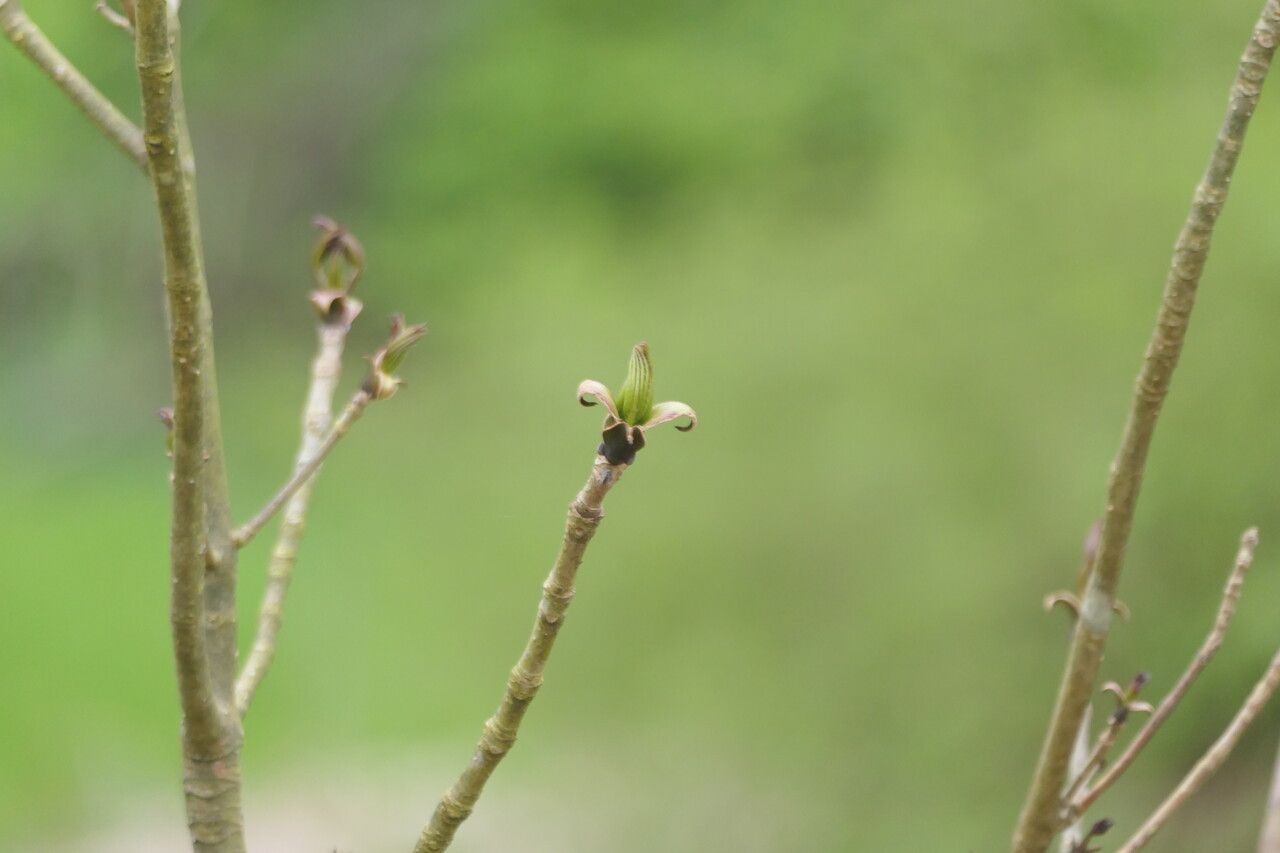
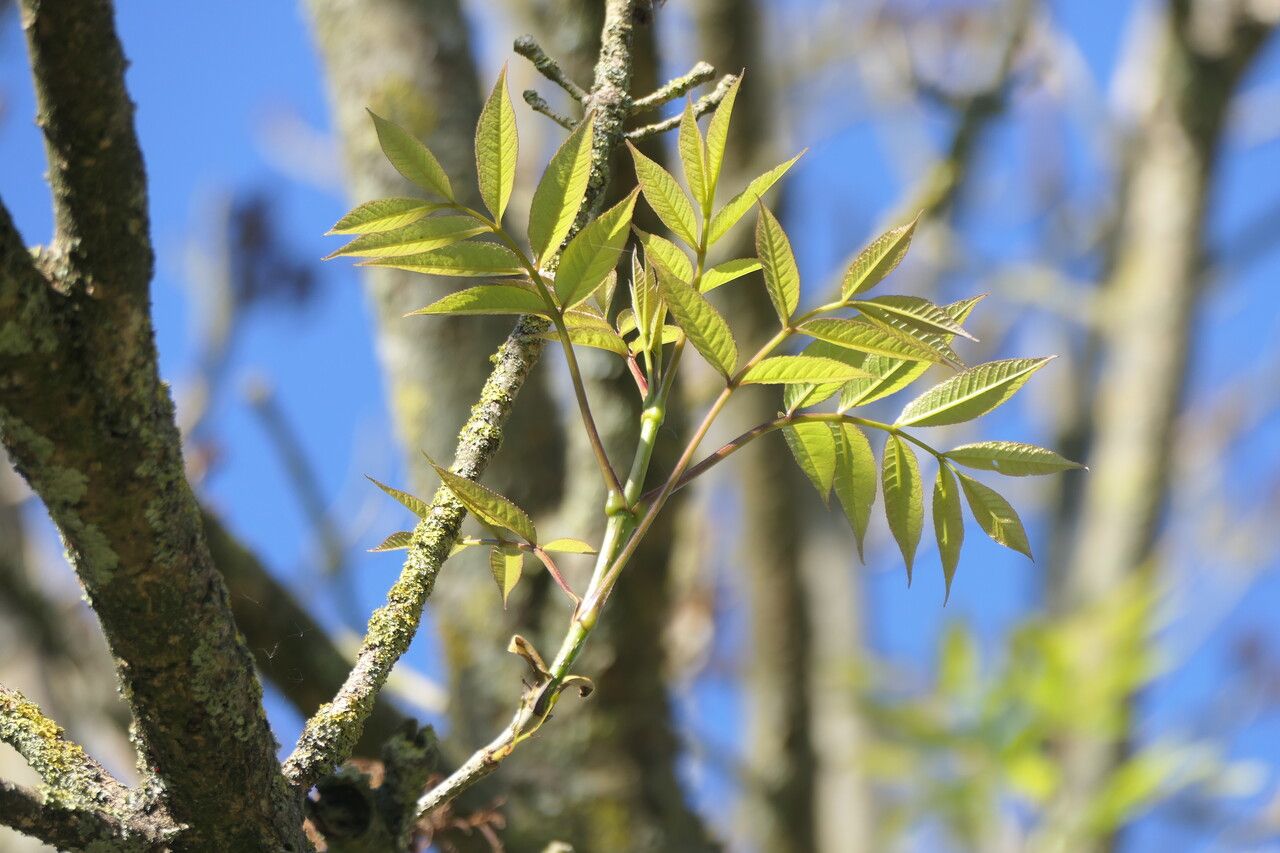
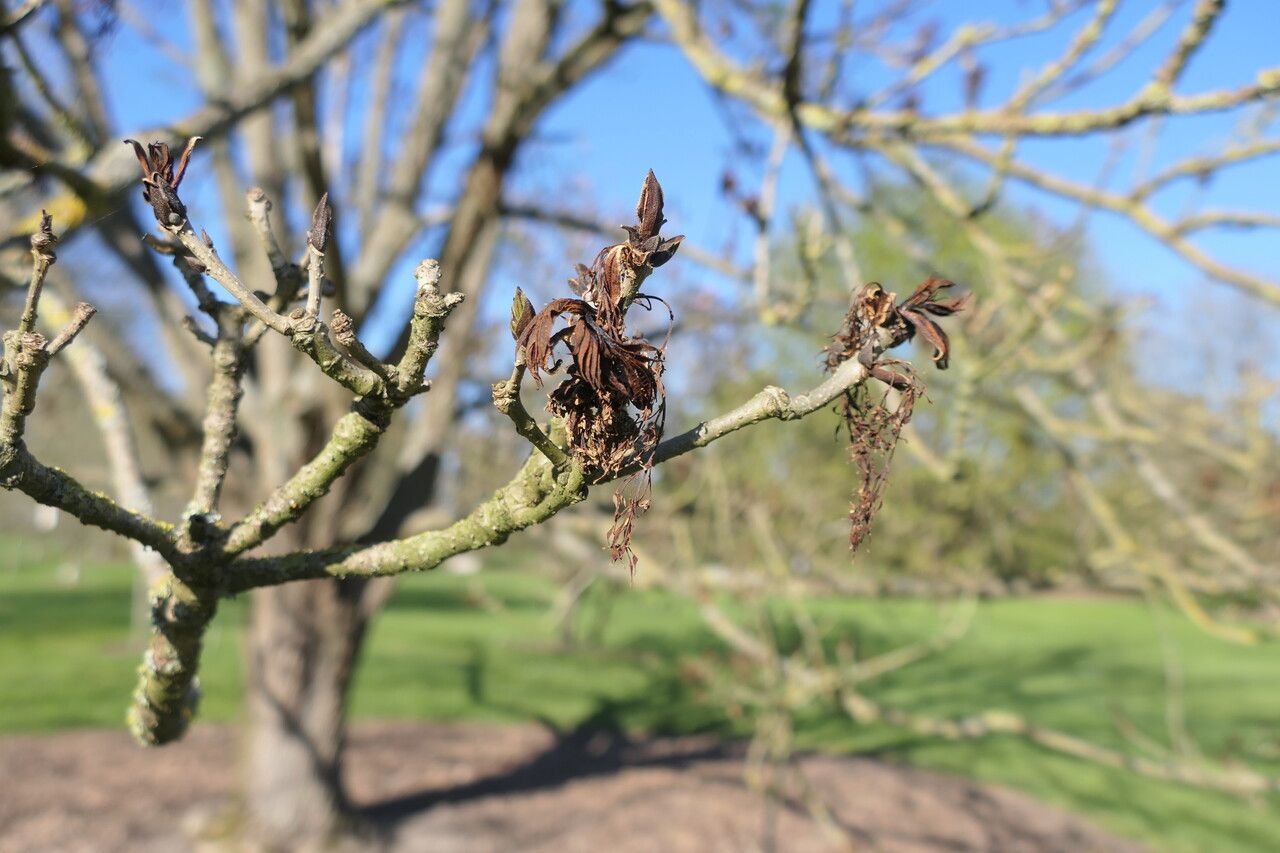
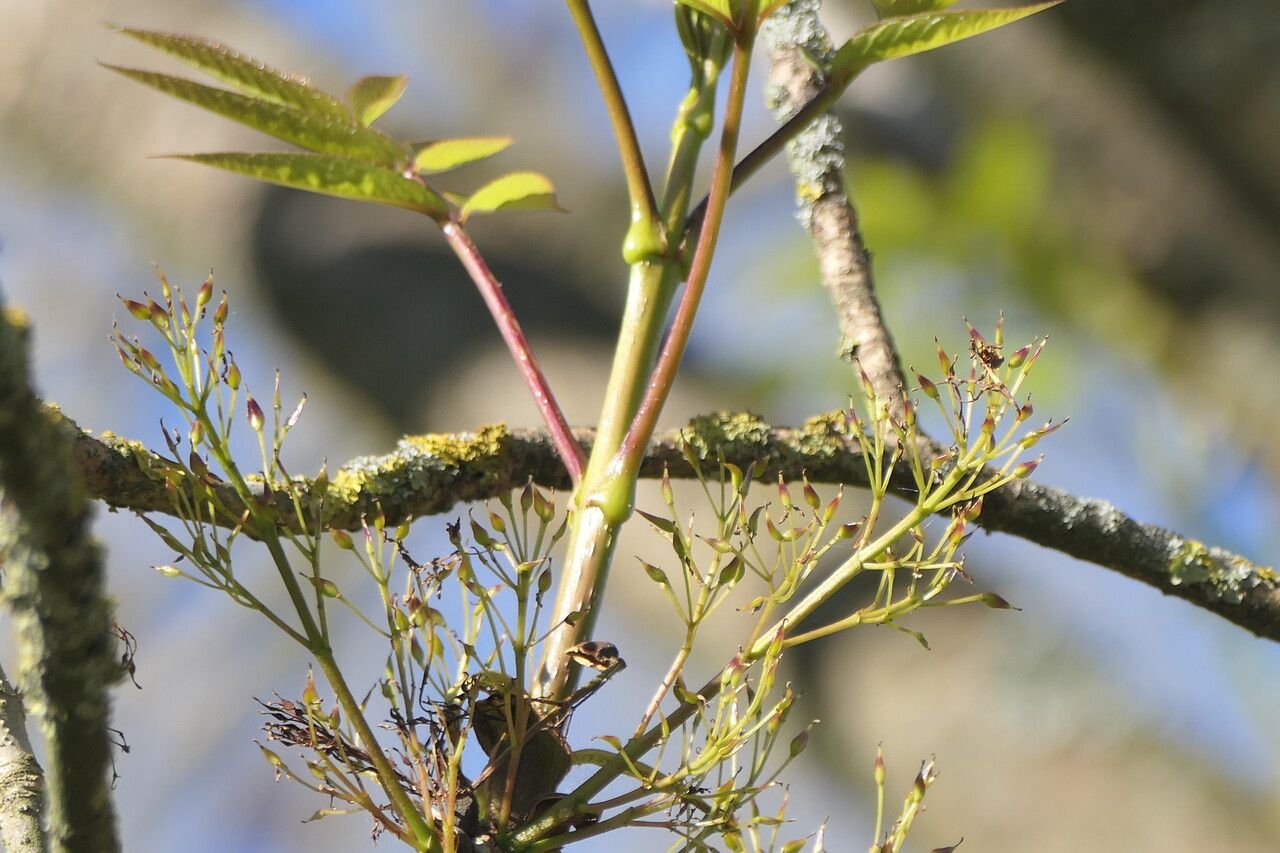
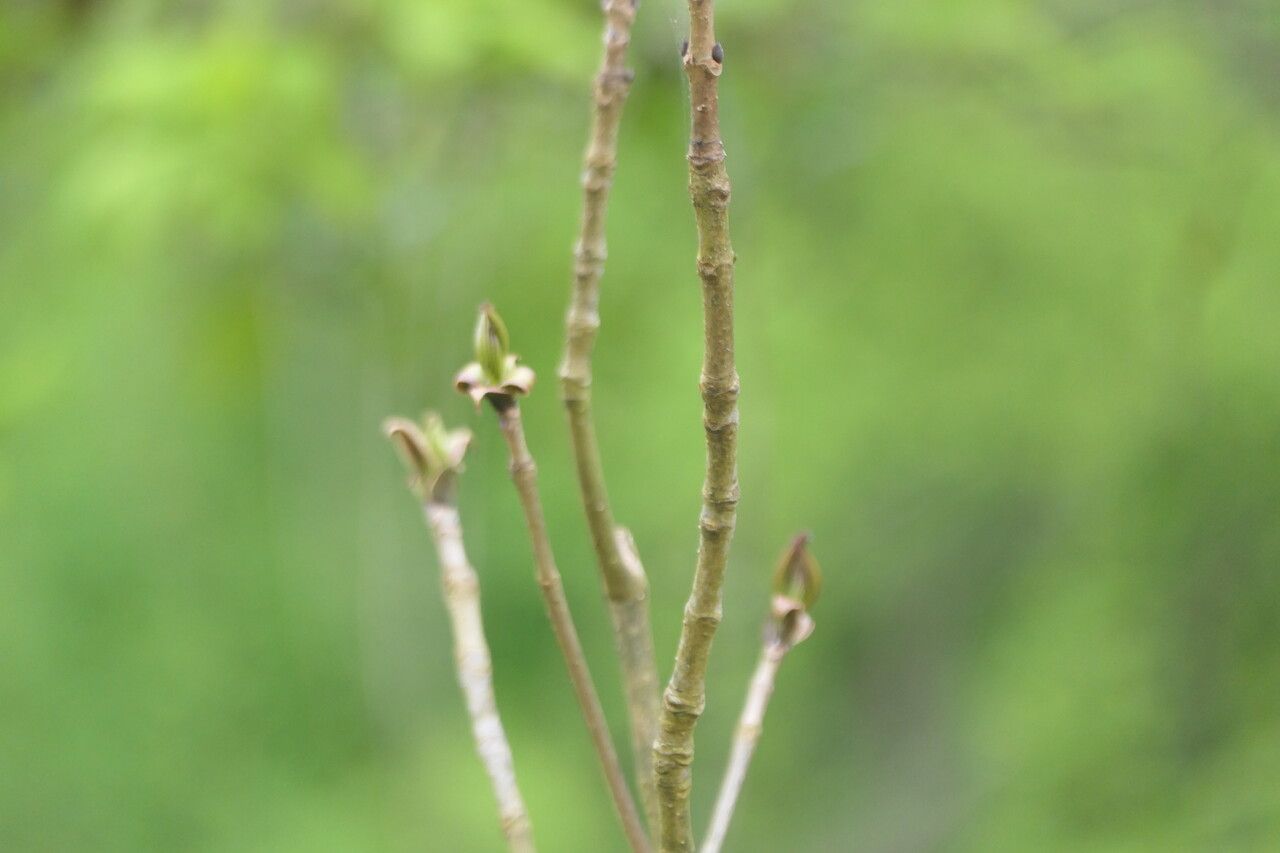
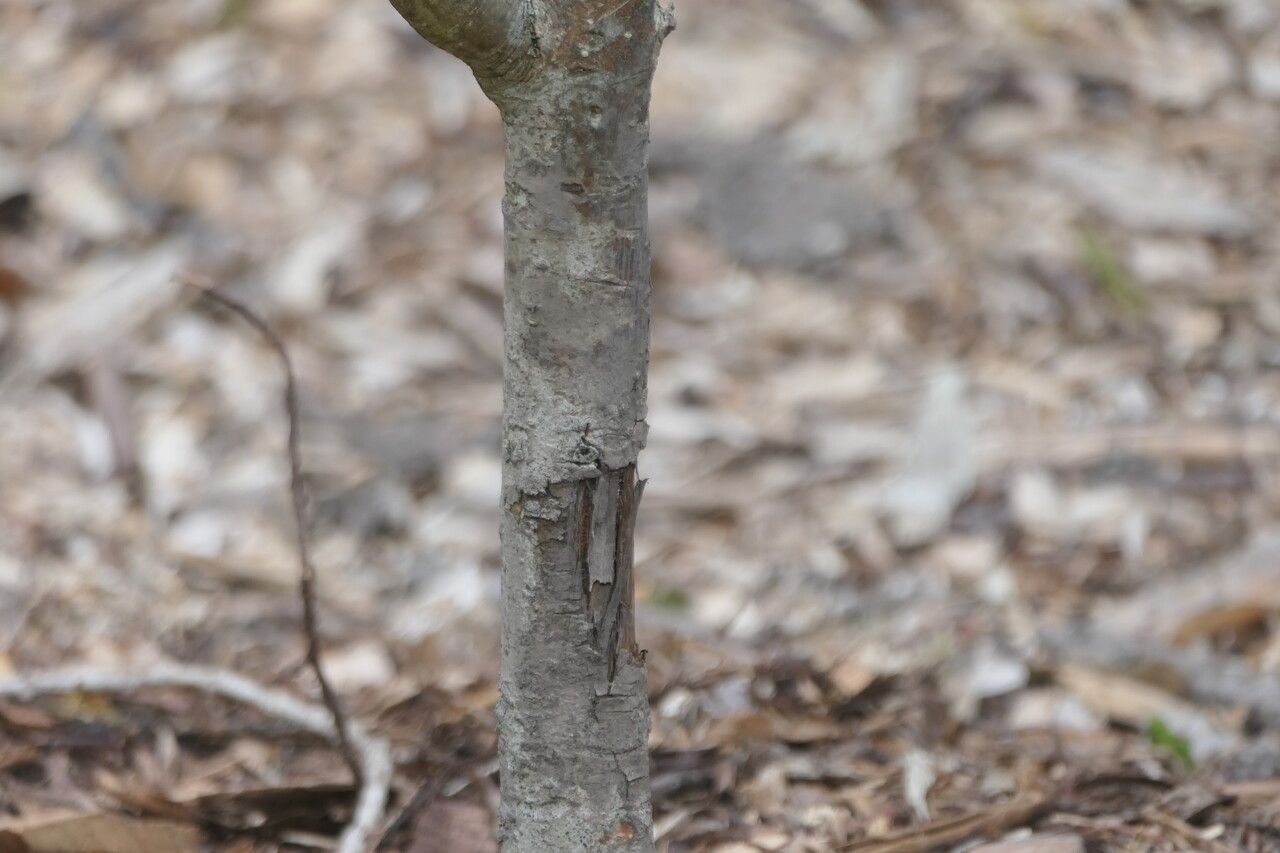
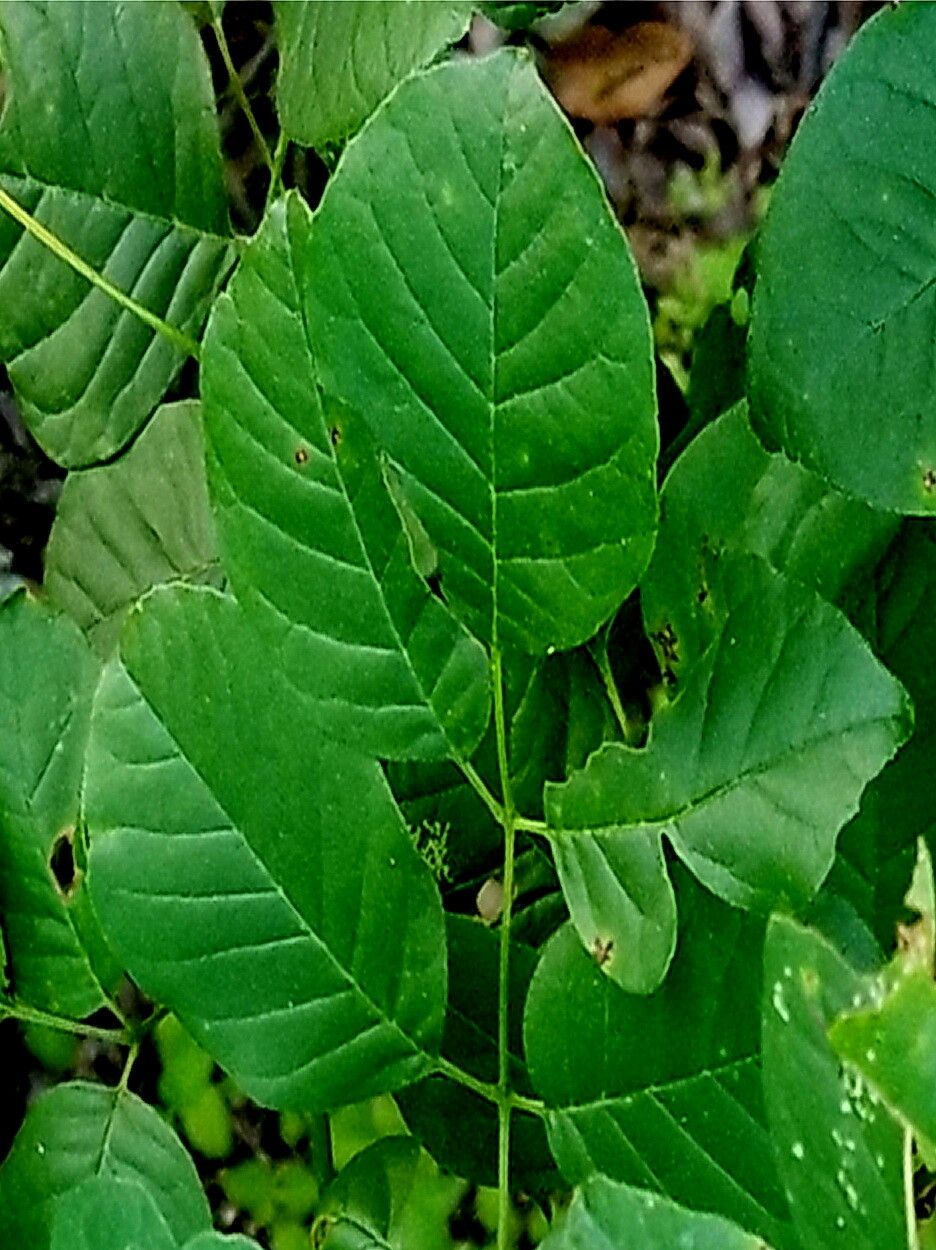
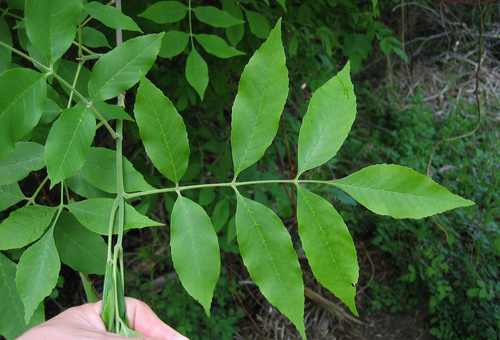
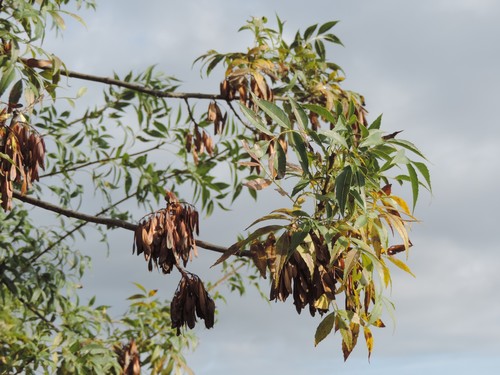
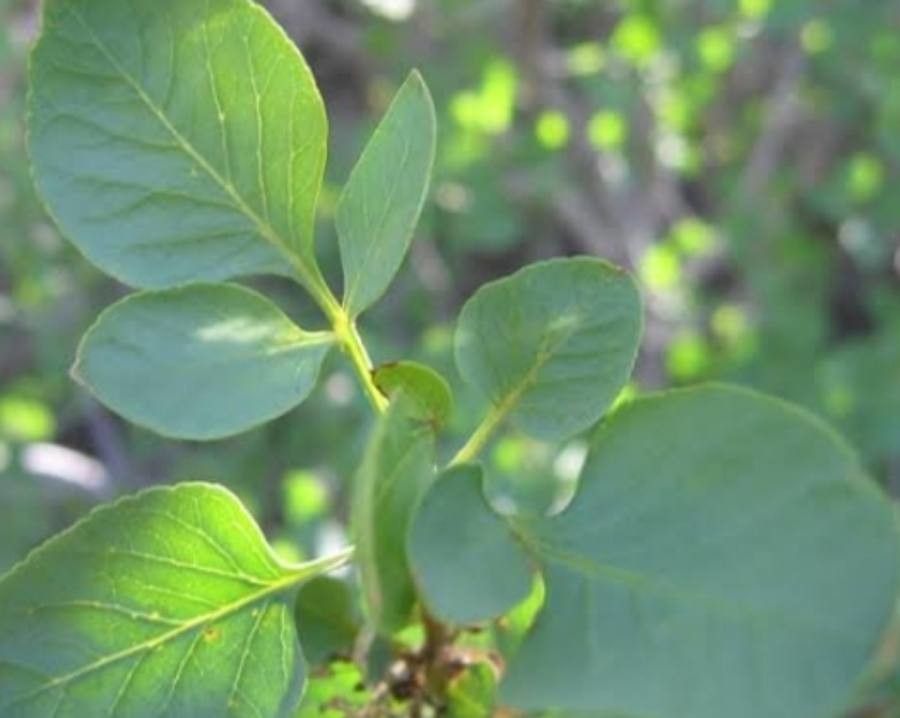
Fraxinus platypoda, the Chinese red ash, is a species of flowering plant in the family Oleaceae, native to central China, and Japan. In the latter stages of succession it often dominates the mountain riparian forest habitat in which it is found.
Fraxinus platypoda is disease-resistant and is generally unlikely to suffer from illnesses. Regarding care, this plant is fairly low-maintenance. When grown outdoors it needs little watering, and larger plants typically do not require pruning. Smaller plants, however, should be pruned after they have bloomed. Fraxinus platypodat is suitable for anyone with an outdoor area, such as a garden or deck, and does not call for extensive care experience.
How to keep Fraxinus Platypoda.
Light
Fraxinus platypoda is found in open habitats, such as sunlit meadows and forest margins, which supply abundant light. It does best in Full Sun but can also tolerate Partial Sun, adapting well to different sunlight conditions.
Water
Fraxinus platypoda flourishes in areas with moderate moisture and demonstrates impressive drought tolerance. It typically needs watering every 2-3 weeks and is usually cultivated outdoors. This species is resilient and adapts well to changing rainfall patterns in temperate climates.
Temperature
Fraxinus platypoda is highly adaptable to a range of climate conditions, from hot summers to cold winters. It nevertheless has a preferred temperature range for optimal growth. If temperatures rise too much, the plant can undergo heat and humidity stress that may cause it to die. In areas where temperatures near the lower limit of its cold tolerance, it is important to provide insulation to protect the plant.
Fertilizer
Apply fertilizer to your Fraxinus platypoda in early spring to encourage healthy growth. Regular feeding improves overall health, leading to robust growth, increased tolerance of harsh conditions, and enhanced resistance to diseases and pests. Follow a consistent fertilization schedule for your Fraxinus platypoda to keep foliage bright with deep color and a lush appearance.
Pruning
Fraxinus platypoda benefits greatly from being pruned in early spring. This involves making thinning cuts to enhance air circulation and heading cuts to shape its growth. Such practices help reduce stress, control the plant’s size, prevent disease, and stimulate vigorous blooming, resulting in a healthy and attractive plant.
Botanical profile.
- Plant Type
- Tree
- Life Cycle
- Perennial
- Genus
- Fraxinus
- Family
- Oleaceae
- Hardiness Zone
- 4-8
- Mature Height
- 28.04 m
- Mature Spread
- 10.06 m to 14.94 m
- Leaf Color
- Green, Dark Green
- Leaf Type
- Deciduous
- Flower Color
- White
- Flower Size
- 11.43 cm to 15.24 cm
- Bloom Time
- Early spring, Mid spring
- Planting Time
- Spring, Summer, Autumn
- Harvest Time
- Late summer, Early fall, Mid fall
- Native Area
- Japan, China
Reader questions.
What are the sunlight requirements for Fraxinus platypoda?
Fraxinus platypoda flourishes in full sun, which means it requires above 6 hours of sunlight daily. However, it can also tolerate partial sun, getting about 3 to 6 hours of sunlight. It's important to watch how sunlight moves through your garden to pick spots that offer the right balance of light and shade, ensuring your plants thrive.
What is the botanical name of Fraxinus platypoda?
The botanical name of Fraxinus platypoda is Fraxinus platypoda itself. There appears to be no distinction between its common name and botanical name in this case.
Can Fraxinus platypoda grow in artificial lighting?
Yes, Fraxinus platypoda can grow under artificial lighting, especially when natural sunlight is insufficient. It's recommended to choose the right type of artificial light, like LED lights, which can be customized to provide specific wavelengths needed by your plants. For full sun plants, 30-50W/sq ft of light is needed; partial sun plants require 20-30W/sq ft; and full shade plants need 10-20W/sq ft. The light source should be placed 12-36 inches above the plant, and most plants need 8-12 hours of light per day.
What are the common symptoms of light deficiency in Fraxinus platypoda?
Light deficiency in Fraxinus platypoda can lead to several noticeable symptoms. These include smaller new leaves, leggy or sparse growth, faster leaf drop, slower or halted growth, and lighter-colored or irregularly patterned new leaves indicating a lack of chlorophyll. Additionally, excessive sunlight can cause chlorosis, sunscald, leaf curling, wilting, and leaf scorching, adversely affecting plant health.
How can I manage Fraxinus platypoda in different lighting conditions?
To manage Fraxinus platypoda in different lighting conditions, consider the following solutions: For indoor plants, gradually move them to sunnier spots until they receive at least 6 hours of direct sunlight daily or use artificial light for at least 8 hours daily. Outdoors, gradually adjust your plants to sunnier locations to avoid sunburn. Remove obstructions like tree branches to let more sunlight through, and consider transplanting smaller plants during their dormant period to spots with ample sunlight and good drainage. It's important to ensure that adjustments to light exposure are made gradually to allow the plant to adapt without stress.