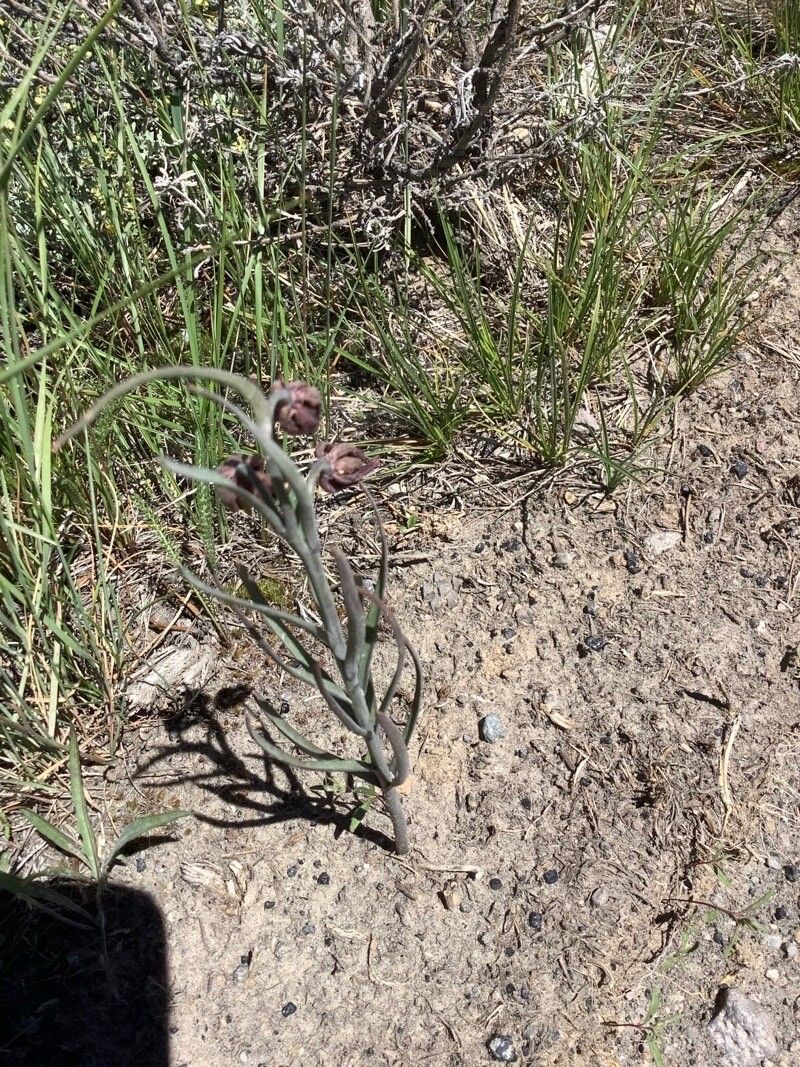
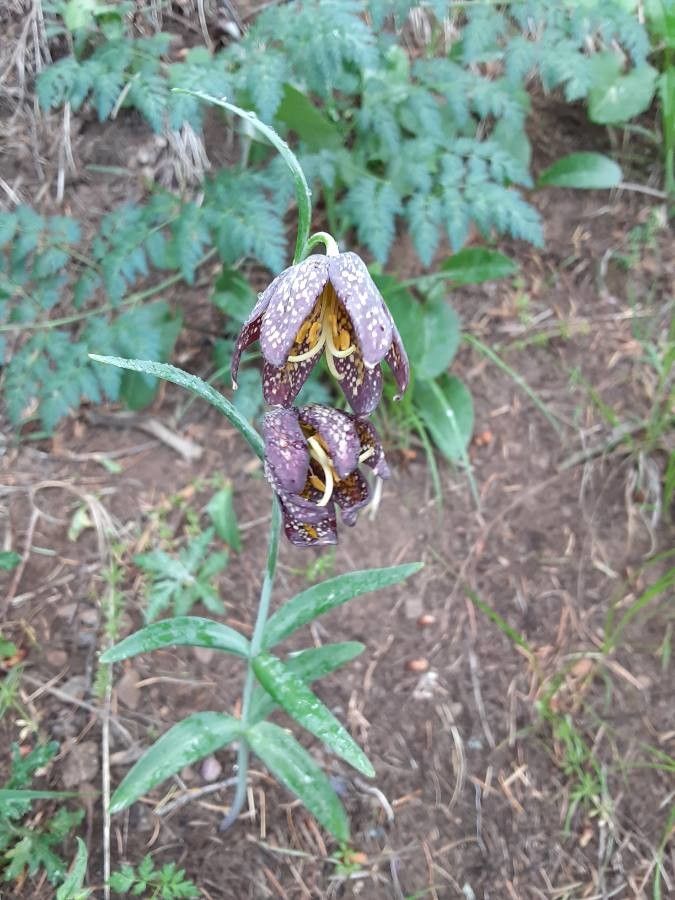
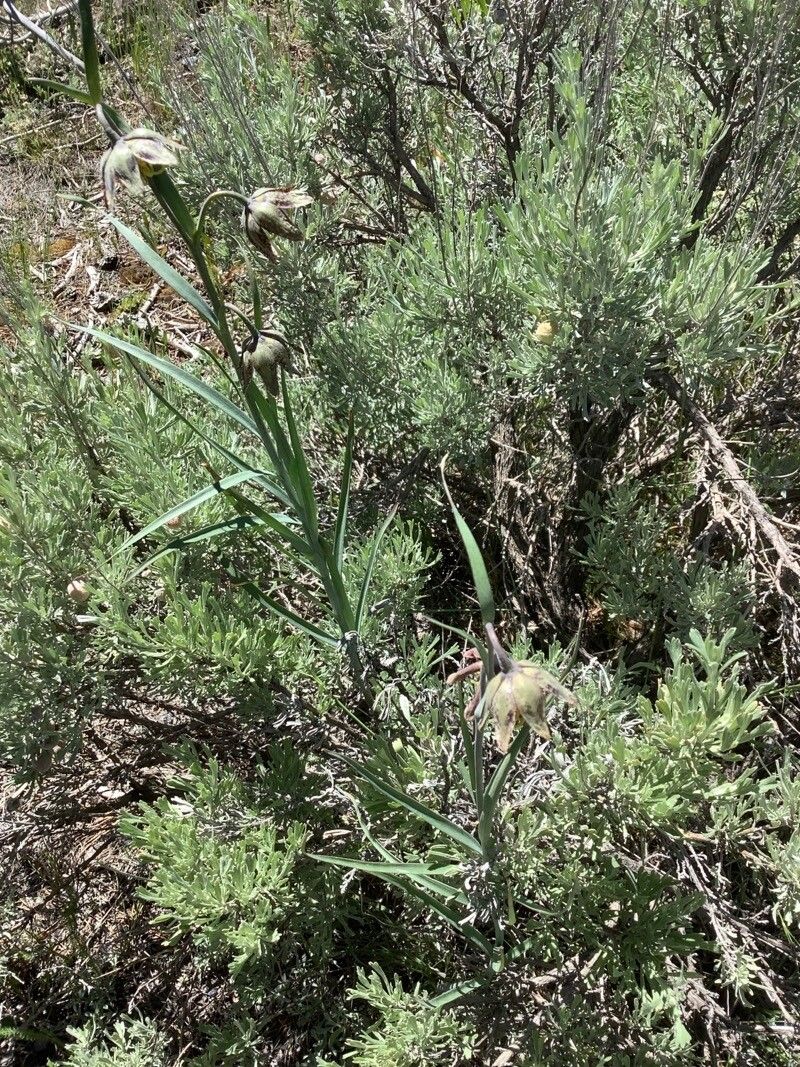
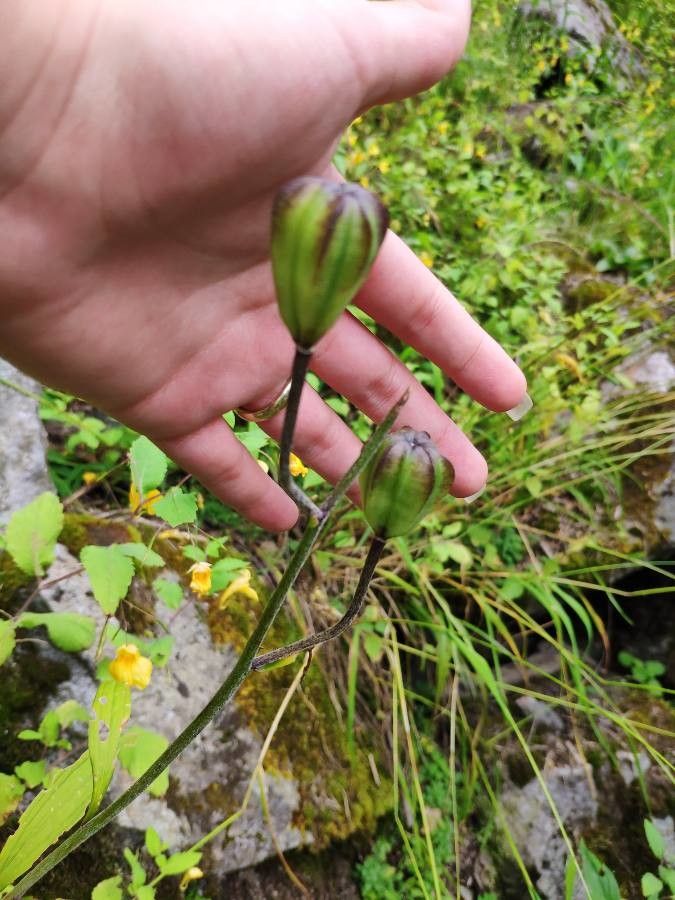
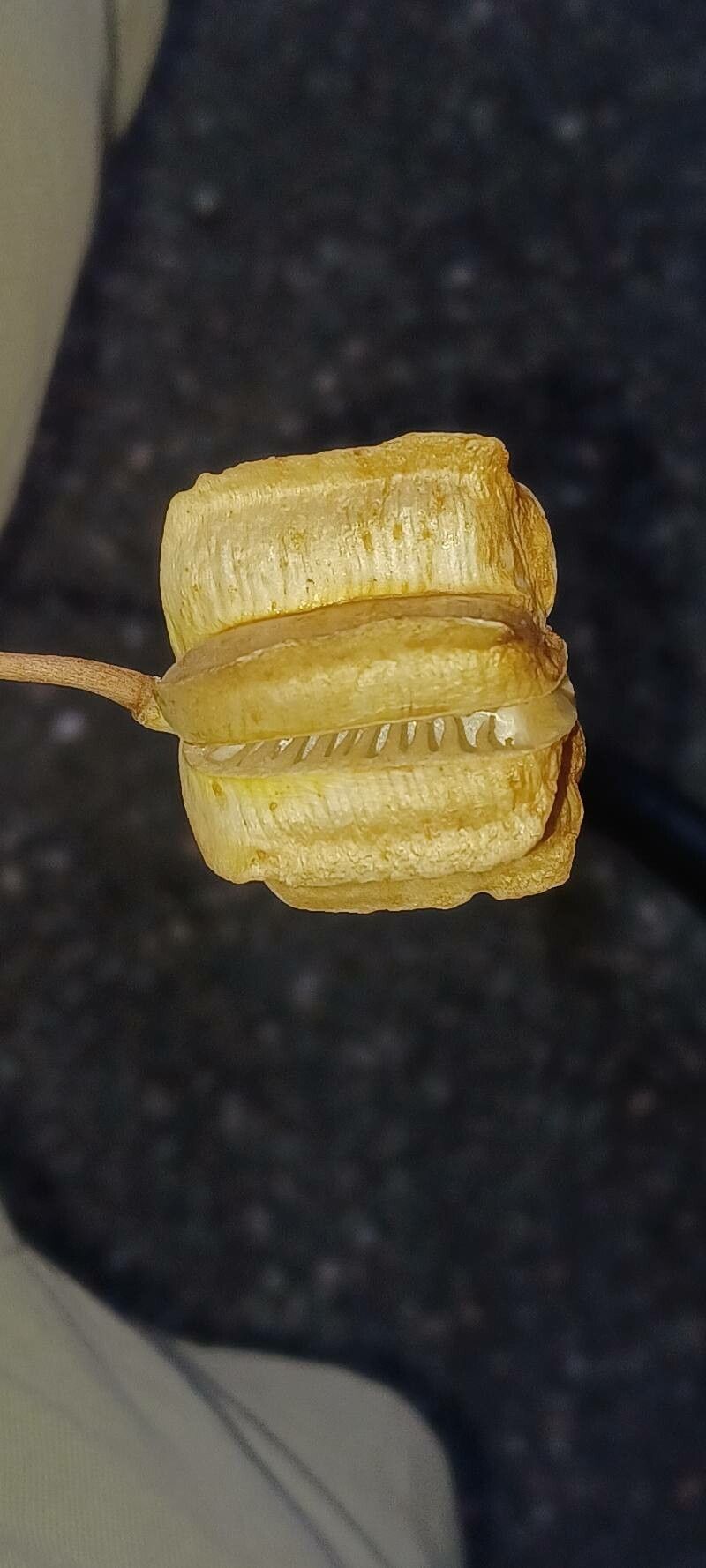
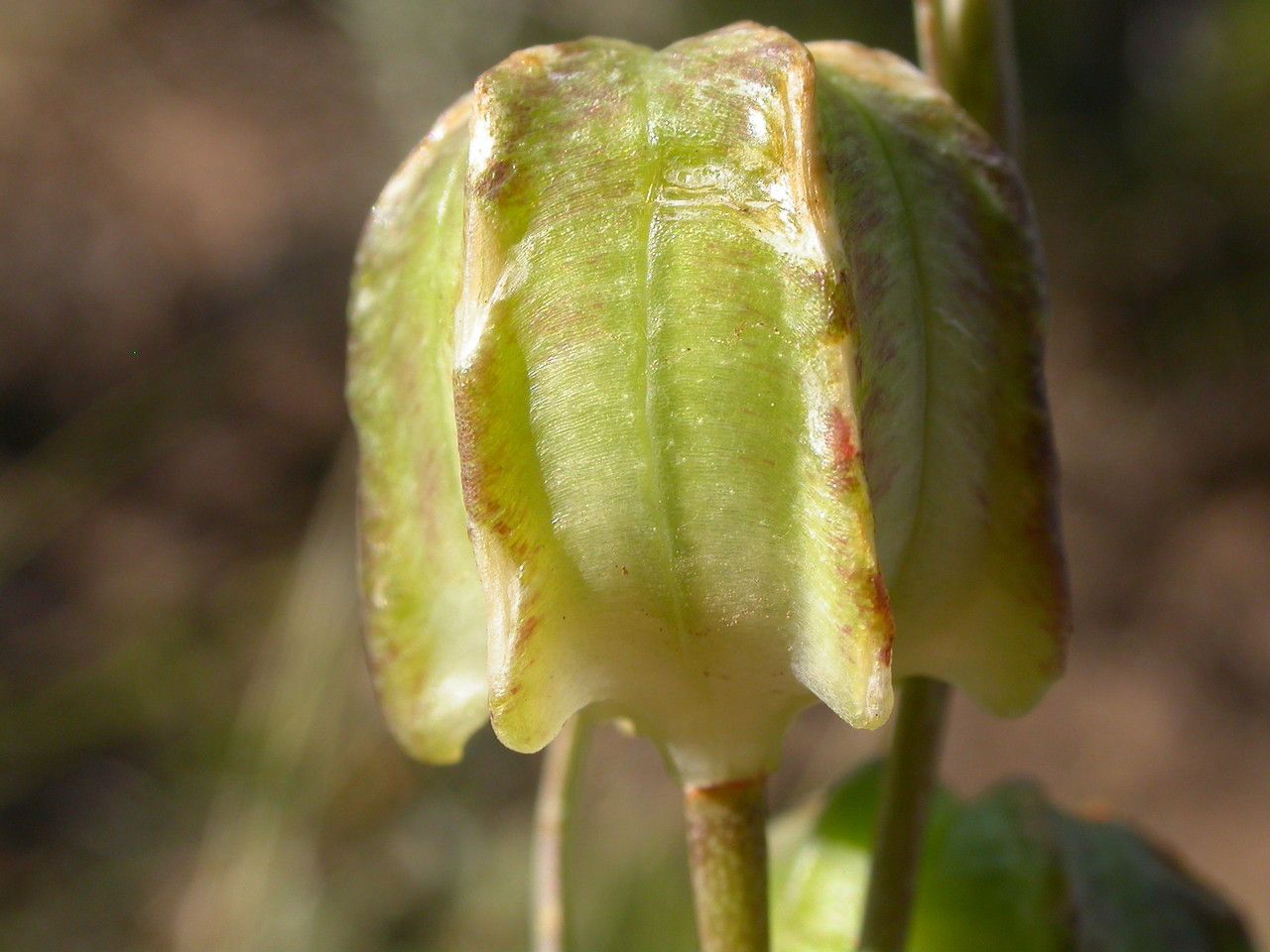
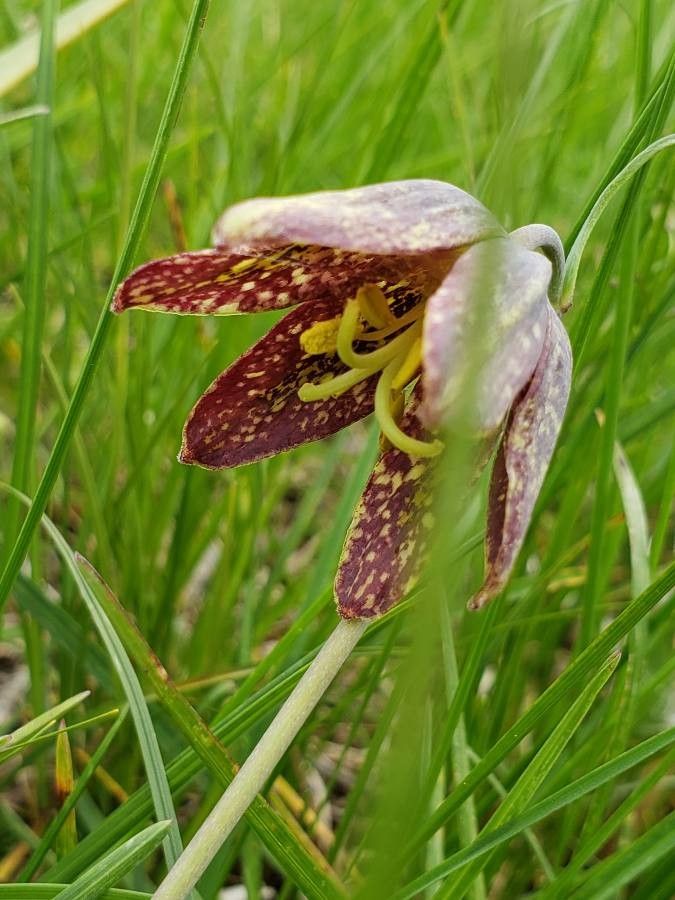
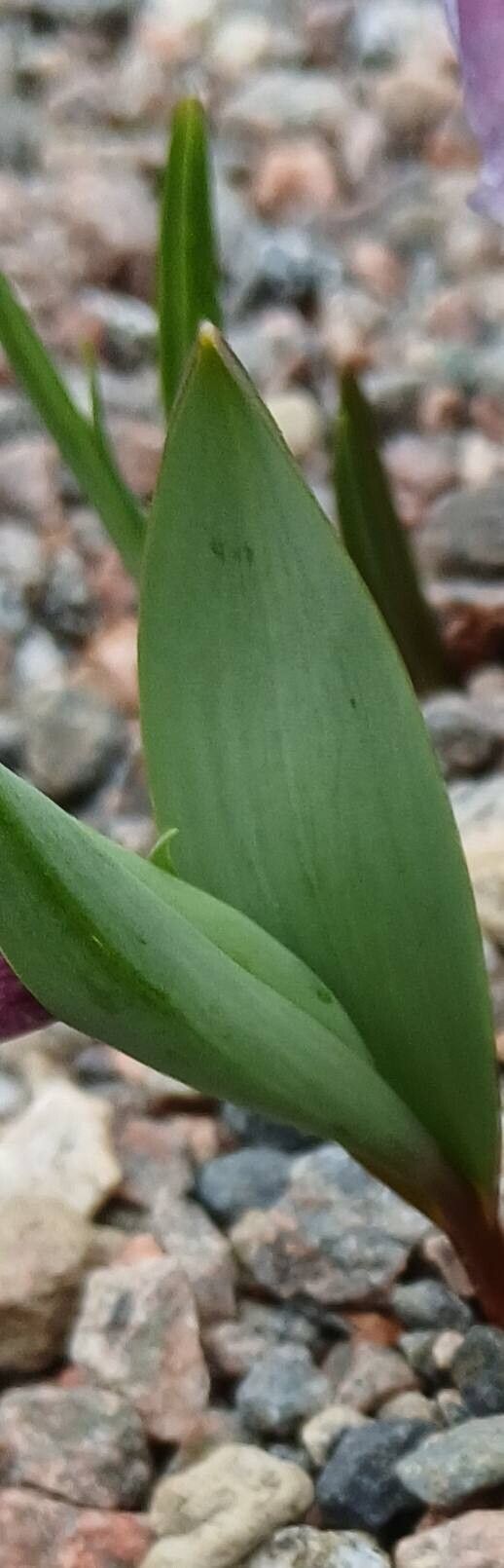
Fritillaria atropurpurea, commonly known as the purple fritillary, is a perennial herbaceous plant that belongs to the Liliaceae family. Native to North America, it thrives in moist meadows, prairies, and open woods. The plant can grow up to 60 cm tall and features a single stem adorned with several narrow leaves arranged in whorls.
The flowers of Fritillaria atropurpurea are bell-shaped, consisting of six dark purple or maroon petals. These flowers bloom from April to May and are pollinated by bees attracted to their sweet fragrance.
For centuries, Native Americans have utilized this plant for its medicinal properties. It contains alkaloids that have been used as an expectorant, diuretic, emetic, and laxative.
Fritillaria atropurpurea is also an attractive ornamental plant suitable for gardens or naturalized areas, where it adds a splash of color during its blooming season. However, it’s important to handle the bulbs with care, as they contain toxic compounds that can cause skin irritation.
Overall, Fritillaria atropurpurea is a beautiful wildflower with fascinating medicinal properties, making it a valuable part of North American flora.
Spotted fritillary has strong resistance to disease and is generally not prone to illness. However, it can be vulnerable to pests and diseases present in its environment. These infections are usually not severe. In terms of care, this plant demands moderate maintenance. It should be pruned regularly to preserve a neat appearance and support healthy growth. Fertilizing can also help encourage flowering. Spotted fritillary is suitable for anyone with outdoor space, such as a garden or patio, and does not require extensive experience in plant care. It may need more attention when grown indoors.
How to keep Fritillaria Atropurpurea.
Light
Spotted fritillary is native to habitats such as forest understories or rocky areas, where it experiences natural shade. It prefers partial sun but can adapt to full sun or full shade, demonstrating its versatile and hardy nature.
Water
The spotted fritillary thrives in mountainous regions where there is moderate moisture. It prefers to stay consistently hydrated, but not waterlogged, which makes weekly watering ideal. Adapted to elevated terrains, the spotted fritillary efficiently takes advantage of the seasonal rains that are influenced by the climate at higher altitudes.
Fertilizer
For Spotted fritillary, the primary time to apply fertilizer is in early spring when the flowers are starting to form. The proper fertilizer promotes better blooms and helps the Spotted fritillary produce attractive flowers. Fertilizing in early spring ensures excellent flowering during the season and supplies energy for dormant growth phases.
Pruning
The spotted fritillary features bell-shaped flowers with checkered petals. For optimal growth, prune the plant from early to late spring by trimming old stems and removing spent flowers. Be careful not to prune too heavily, as this can disrupt its natural growth pattern. Using the proper pruning techniques can enhance air circulation and reduce the risk of disease, promoting a healthier plant overall.
Botanical profile.
- Plant Type
- Herb
- Life Cycle
- Perennial
- Genus
- Fritillaria
- Family
- Liliaceae
- Hardiness Zone
- 4-8
- Mature Height
- 13 cm to 61 cm
- Mature Spread
- 15 cm to 30 cm
- Leaf Color
- Green, Dark Green
- Leaf Type
- Deciduous
- Flower Size
- 2.03 cm to 3.05 cm
- Bloom Time
- Mid spring, Late spring
- Planting Time
- Spring, Summer, Autumn
- Harvest Time
- Early summer, Mid summer
Other names.
Reader questions.
What are the sunlight requirements for Spotted Fritillary (Fritillaria atropurpurea)?
Spotted Fritillary, or Fritillaria atropurpurea, thrives in environments with specific sunlight conditions. To ensure the happiness and health of these plants, they require full sun, which is defined as receiving above 6 hours of sunlight daily, or partial sun, amounting to about 3-6 hours of sunlight per day. It's essential to observe how sunlight moves through your garden throughout the day to select planting spots that offer the right balance of light and shade suitable for these plants.
What is the spotted fritillary?
The spotted fritillary, known botanically as Fritillaria atropurpurea, is a species of plant. Unfortunately, specific details about its essentials, including general information, content, and additional noteworthy features, as well as its symptoms, were not provided in the data.