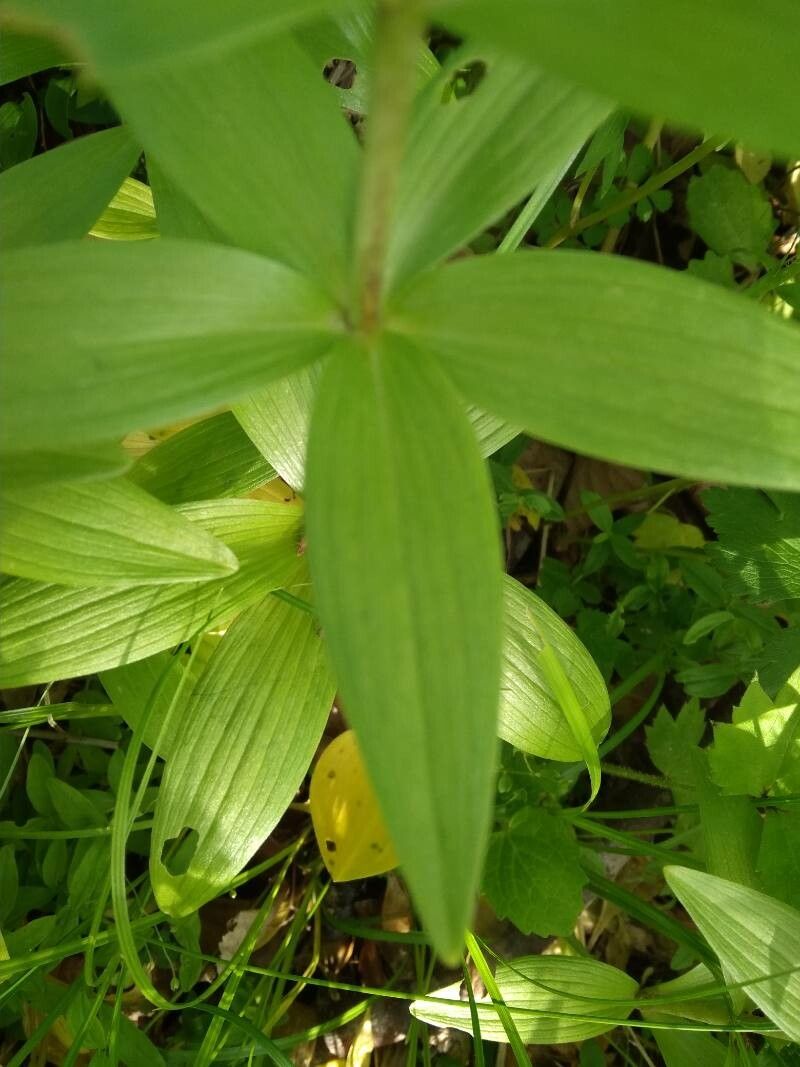
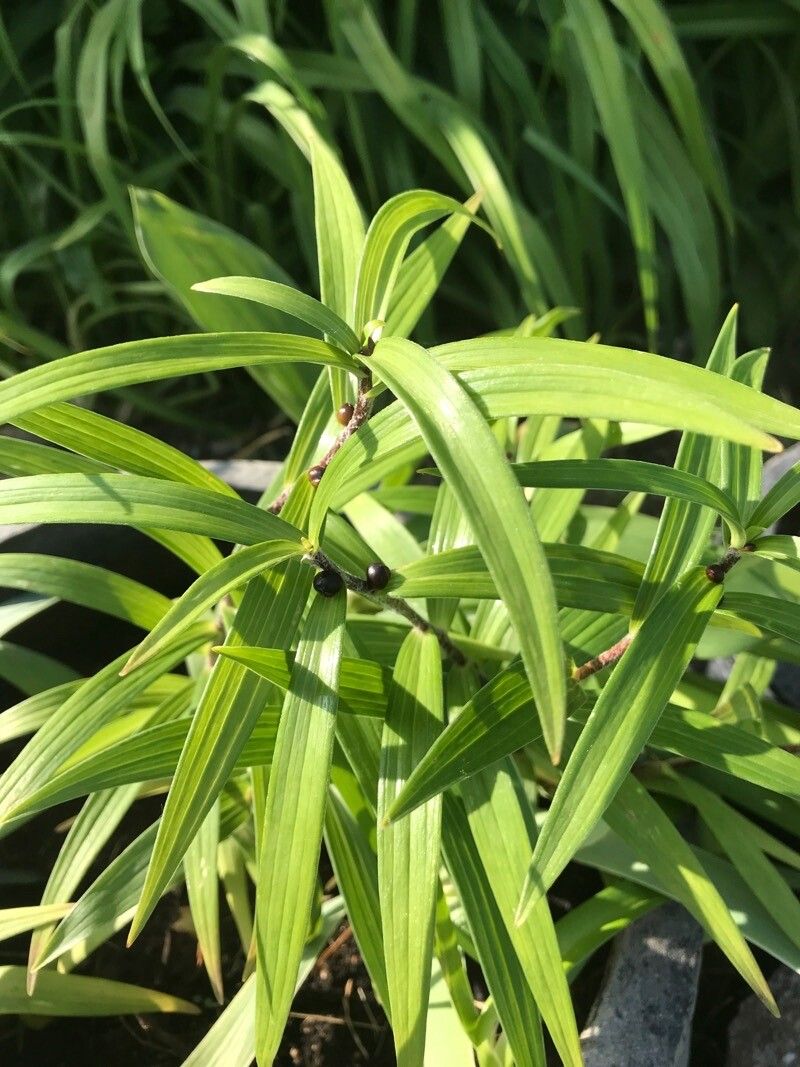
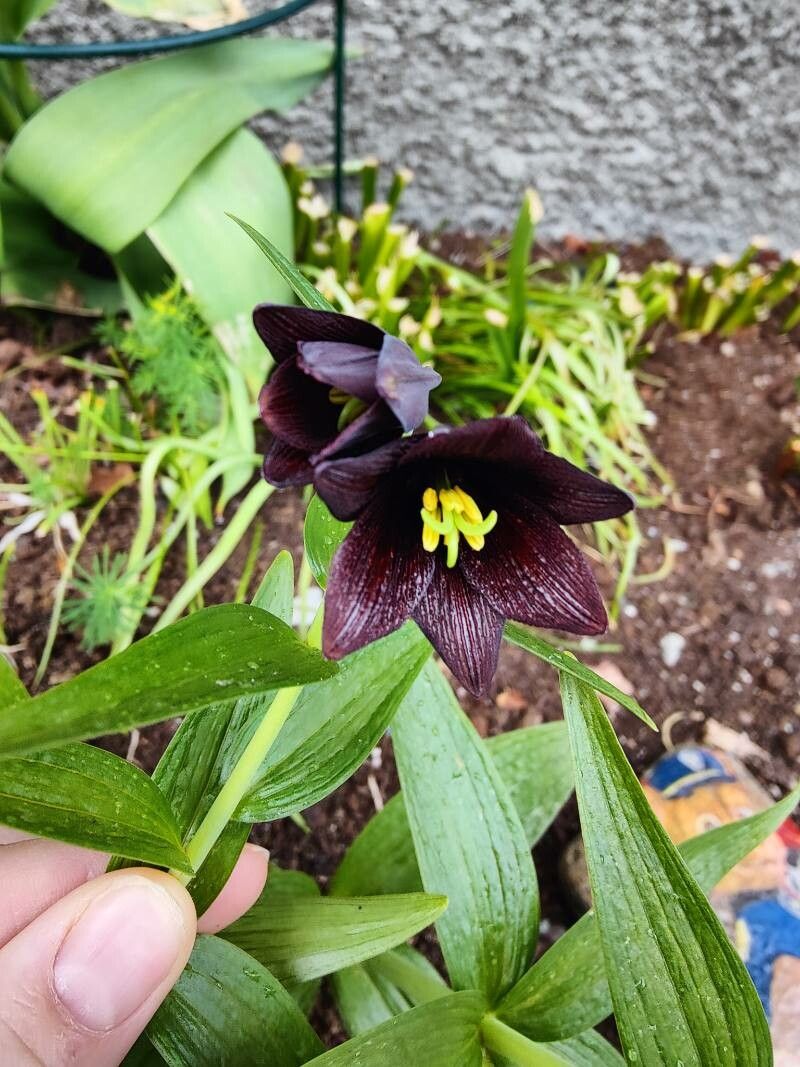
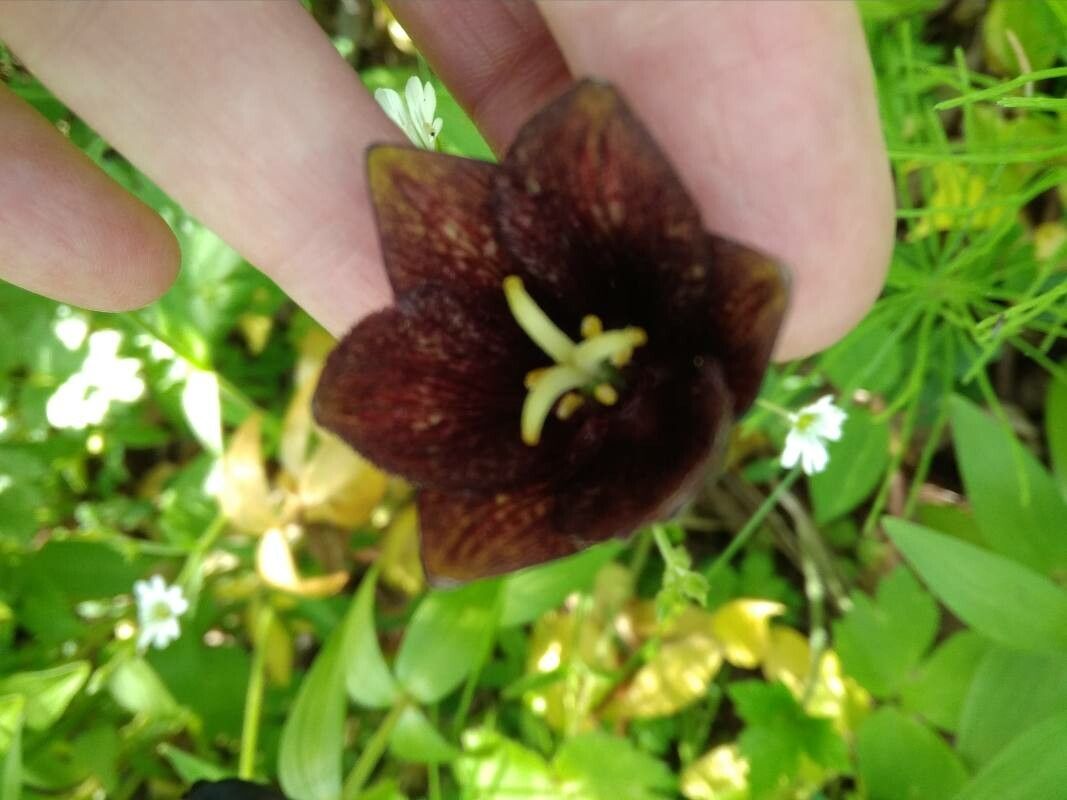
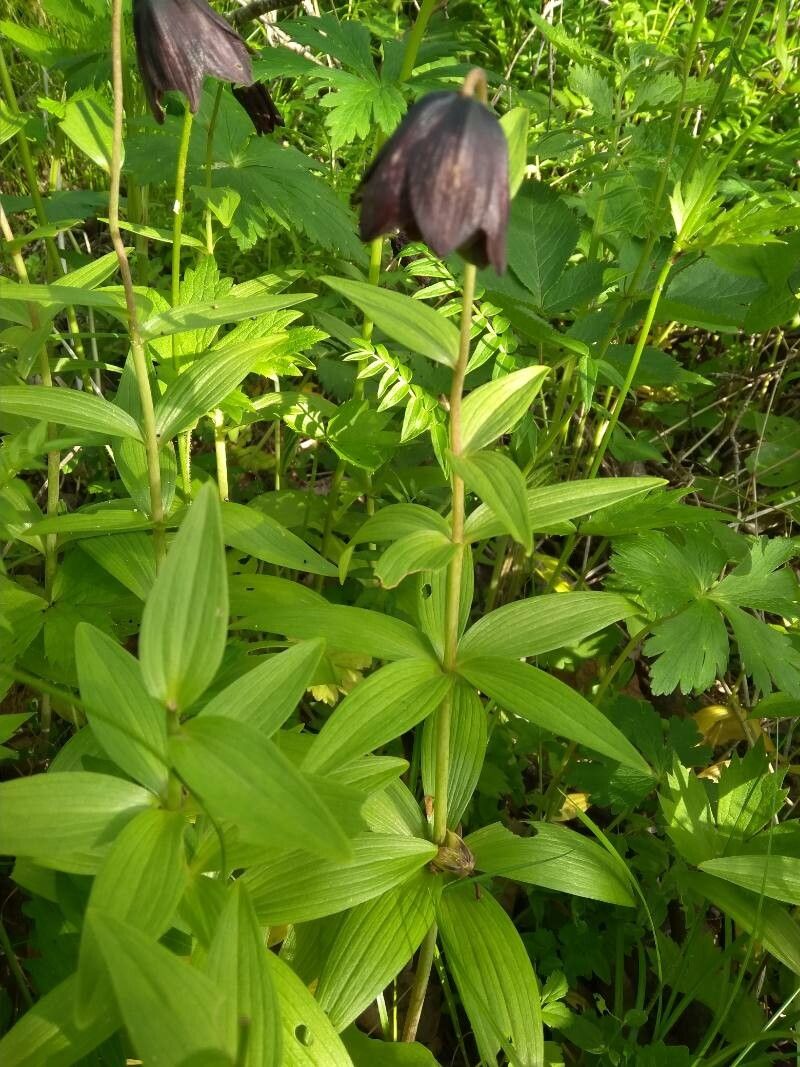
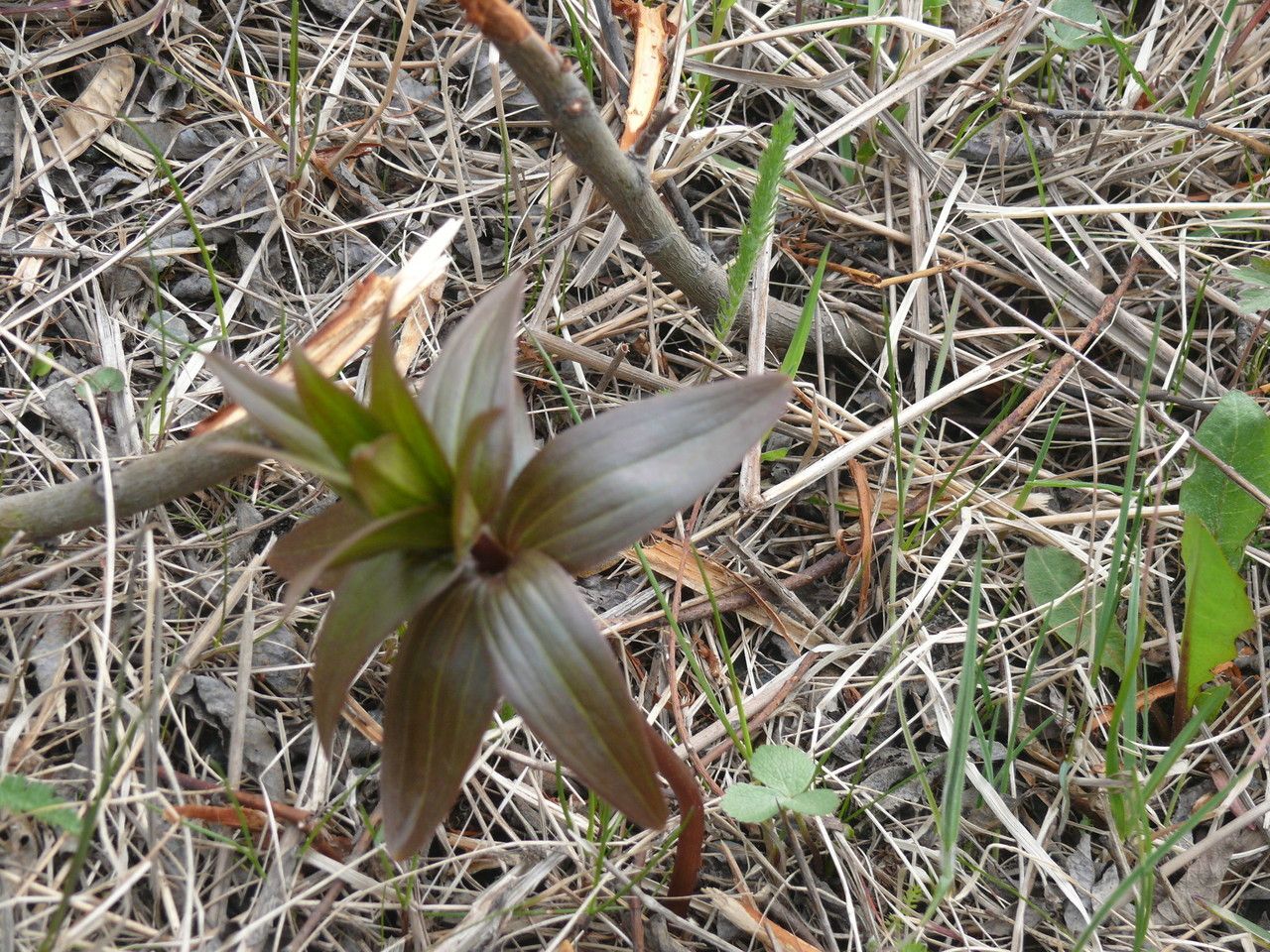
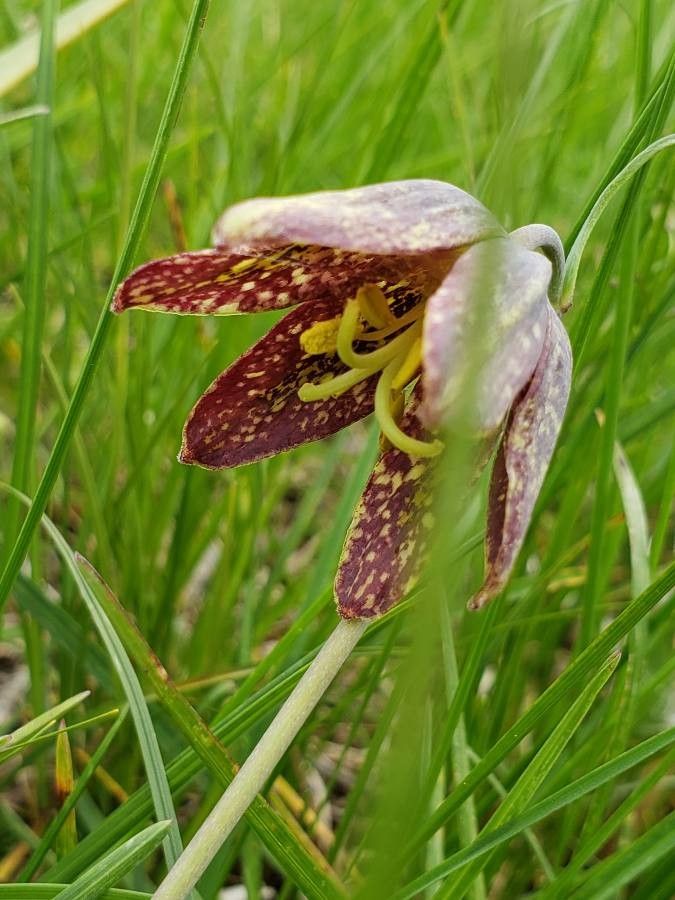
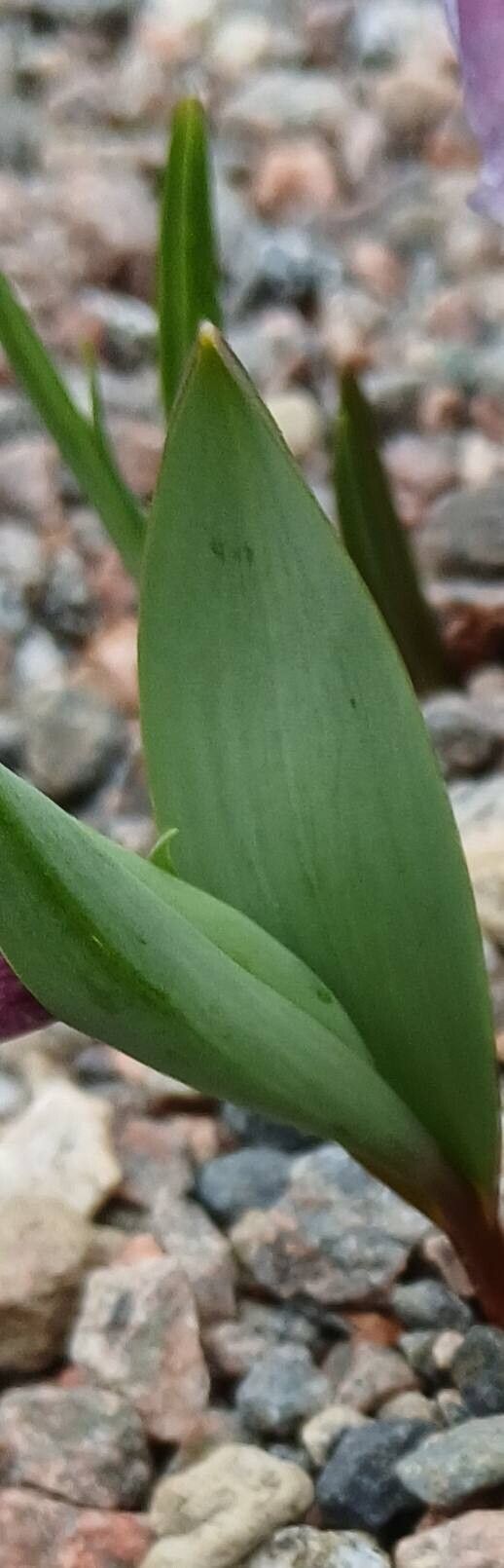
Fritillaria camschatcensis, commonly known as the Kamchatka fritillary or chocolate lily, is a perennial herb native to the Kamchatka Peninsula in Russia and parts of Alaska. It belongs to the Liliaceae family and is notable for its bell-shaped flowers, which vary in color from yellowish-green to dark purple-brown. The plant can reach a height of up to 60 cm and features lance-shaped leaves arranged alternately along the stem.
Fritillaria camschatcensis thrives in moist, well-drained soils and partially shaded areas such as meadows, forests, or rocky slopes. It blooms from late spring to early summer, attracting pollinators like bees with its nectar-rich flowers.
Traditionally, indigenous peoples have used this plant for medicinal purposes, particularly for treating respiratory ailments such as coughs and asthma. However, it's important to note that some species of Fritillaria contain toxic alkaloids, which can cause gastrointestinal distress if ingested.
Although Fritillaria camschatcensis is popular as an ornamental plant because of its unique appearance, it requires specific growing conditions, making it challenging for some gardeners. Overall, this beautiful wildflower adds a touch of elegance wherever it grows and provides important ecological benefits for local pollinators.
Chocolate Lily has good resistance to diseases and is generally not prone to them. However, it can be susceptible to pests and illnesses present in its surroundings. These infections are generally not serious. As for care, this plant requires a moderate level of maintenance. It should be pruned regularly to keep a neat appearance and encourage healthy growth. Fertilizing can also help stimulate flowering. Chocolate Lily is suitable for anyone with outdoor space, such as a garden or patio, and does not demand extensive plant-care experience. It may need additional care when grown indoors.
How to keep Fritillaria Camschatcensis.
Light
Chocolate Lily does best when it receives a substantial amount of light each day for optimal growth. It can tolerate somewhat reduced sunlight, though those conditions may slightly affect its vigorous development. Both excessive shading and too much light exposure can harm its growth and health.
Water
The Chocolate Lily is native to the cool, moist regions of the northern hemisphere and thrives with consistent moisture, provided it doesn't become waterlogged. For ideal growth, water the plant once a week to keep the soil adequately hydrated, simulating natural seasonal rainfall. The Chocolate Lily grows best outdoors when moisture levels are carefully balanced to prevent both excessive dryness and oversaturation.
Temperature
The chocolate Lily plant requires a temperate climate, with a preferred temperature range of 41 to 90 ℉ (5 to 32 ℃). In the winter, it is recommended to maintain temperatures between 35 and 40 ℉ (1.7 to 4.4 ℃) to allow the plant to undergo dormancy, while in the summer it can tolerate temperatures up to 95 ℉ (35 ℃).
Fertilizer
Typically one fertilizer application in spring is adequate for Chocolate Lily, though repeated feedings can optimize growth. Apply fertilizer about once every month to a month and a half. Fertilizing improves the leaves’ appearance and function, maintaining even color and a healthy texture. It also promotes root development and nutrient uptake for long-term plant health.
Pruning
The Chocolate Lily features unique, bell-shaped flowers in a deep chocolate color. The best time for pruning is from early to late spring. During this period, focus on removing dead foliage to promote growth and encourage blooming. It's essential to use clean, sharp tools to prevent disease and to maintain the health and appearance of the Chocolate Lily.
Pot & Repot
Repot Chocolate Lily in early spring. Pick a pot that is wider than it is deep and provides good drainage. Use a loamy, well-draining potting mix amended with compost. Carefully remove old soil from the bulb and plant it so it is placed at the same depth as the bulb’s height. Water thoroughly after repotting and put the pot in a sunny spot. Avoid overwatering to prevent the bulb from rotting.
Botanical profile.
- Plant Type
- Herb
- Life Cycle
- Perennial
- Genus
- Fritillaria
- Family
- Liliaceae
- Hardiness Zone
- 4-8
- Mature Height
- 61 cm
- Mature Spread
- 10 cm
- Leaf Color
- Green
- Leaf Type
- Deciduous
- Flower Color
- Purple, Yellow, Green, Brown, Black
- Flower Size
- 3.05 cm
- Bloom Time
- Mid spring, Late spring
- Planting Time
- Spring
- Harvest Time
- Mid summer, Late summer
- Native Area
- Russia, Japan
Other names.
Reader questions.
What do I do if I give my Chocolate Lily too much or too little water?
The Chocolate Lily does not need a lot of water and overwatering can cause bulb rot. Some symptoms of overwatering include a mushy bulb, spotted and flopping stems, droopy flowers, and a yellowed stalk. Normally, yellow leaves indicate the end of the blooming period, but if they appear before the flowers bloom, it is a sign of overwatering. Unfortunately, bulb rot cannot be reversed, but if caught early, the rotten portions of the bulb should be carefully removed and the soil discarded or disinfected. Underwatering is not as big of a problem, but signs include no blooms, sagging stalks, and browning around the edges of the flower petals. If you have underwatered your Chocolate Lily, give it a good drink without saturating the soil. However, be careful not to overwater, as extended periods in water can lead to root rot and fungus growth on the bulb. This is evidenced by spots on the leaves and buds, as well as discolored and dying leaf tips.
Why should I put fertilizer on my Chocolate Lily?
The main structure of the Chocolate Lily is made up of its leaves. Fertilization is crucial for maintaining the health and appearance of these leaves. It helps in achieving consistent color and a healthy texture for the leaves. Additionally, fertilization supports the growth of new roots and maintains existing roots below the soil surface. This ensures that the plant remains healthy and able to absorb nutrients from the soil over time.
What are the sunlight requirements for a Chocolate Lily?
Chocolate Lilies require a specific amount of sunlight to thrive. They need full sun, which means they should receive above 6 hours of direct sunlight daily. However, they can also grow in partial sun conditions, receiving about 3-6 hours of sunlight. It's essential to observe the movement of sunlight through your garden to find the perfect balance of light and shade for these plants, ensuring their happiness and growth.
What are the essential growing conditions for Chocolate Lily?
Chocolate Lily (Fritillaria camschatcensis) thrives in a temperate climate, requiring specific temperature ranges throughout the year to grow healthily. During most of the year, it prefers temperatures between 41 to 90°F (5 to 32°C). However, to ensure a proper dormancy period, winter temperatures should be maintained between 35 to 40°F (1.7 to 4.4°C). Although the Chocolate Lily has strong cold resistance and generally does not need special frost protection, if temperatures are expected to fall below its growth limit, protective measures should be taken. These can include covering the plant with soil or straw and ensuring the soil is moist before the first freeze, to help prevent drought and water scarcity during the colder months.
How much water does my Chocolate Lily need?
The Chocolate Lily is a hardy plant that doesn't require much attention. It's best to plant it directly into the ground in the hottest and brightest part of your garden, although growing it in a pot is also possible. Since it's a bulb plant, be careful not to overwater it as it can cause the bulb to rot. After the initial watering to kick start its growth, you can leave it until you see shoots appearing. To ensure the best results, check the moisture of the soil after new leaves have grown. Insert your finger about 2-3 inches below the surface; if the soil is still wet, there is no need to water the plant. For potted plants, check the water collection tray for standing water, and avoid watering if there is any. For accurate moisture reading, use a moisture sensor inserted 2-3 inches into the soil, with the reading falling in the middle of the "moist" category. It is recommended to water the Chocolate Lily once per week.
When should I fertilize my Chocolate Lily?
Growing your Chocolate Lily outdoors each year will result in new growth shooting out in early spring. This is the cue to start fertilization for the year. While a single application of fertilizer is usually enough for a Chocolate Lily to thrive, you can achieve maximum growth by feeding it multiple times throughout the spring and early summer. If you opt for this approach, you can feed your Chocolate Lily approximately once every month to a month and a half.
What are the essential light conditions for optimal growth of Chocolate Lily?
The Chocolate Lily thrives when exposed to a substantial amount of light each day. Optimal growth occurs under full sunlight conditions, though partial sun is tolerable. Excessive shade or overexposure to light can adversely affect the plant's growth and health. In environments where natural sunlight is insufficient, especially during winter or in less sunny spaces, artificial lighting can be utilized. Indoor plants benefit from LED lights, which can be customized to provide specific wavelengths of light. The requirement for artificial light intensity varies with the type of plant, ranging from 10-20W/sq ft for full shade plants up to 30-50W/sq ft for full sun plants. Proper placement and duration of artificial light, mimicking natural daylight hours, are crucial for the plant’s health.
How does Chocolate Lily react to low temperature conditions?
The Chocolate Lily is quite tolerant of cold conditions and flourishes when temperatures are kept within its comfortable range. However, if temperatures drop below its growth limit during winter, while there might not be visible damage, the plant could exhibit a decreased sprouting rate or fail to sprout at all in the spring. To manage this, any parts of the plant that have failed to sprout by spring should be removed to encourage new growth.
How should I change how much I water my Chocolate Lily depending on the conditions?
The Chocolate Lily is a resilient plant that can withstand tough conditions. When planting it outdoors, you can rely on natural rainfall for water, as it doesn't require much maintenance. Just ensure the soil has proper drainage. However, if you're growing the Chocolate Lily in a pot, be cautious with watering. Since it's a bulb plant, overwatering can cause bulb rot. Watering less frequently is suitable for potted plants, and make sure the pots have drainage holes and well-drained soil. During the growing phase, you can water the Chocolate Lily about one inch per week to promote blooming. The amount of water needed also depends on the climate and humidity levels. In hot, dry climates, more frequent watering might be necessary, while in more humid areas, watering can be reduced. Always check the soil moisture level to ensure it's not too wet, as the plants prefer well-drained, moist soil.
When should I not put fertilizer on my Chocolate Lily?
During the late fall and winter, your Chocolate Lily will go through a dormant phase, meaning it won't grow anymore. During this time, it's best to avoid fertilizing your plant. In the spring and summer, if you decide to fertilize multiple times, you should start reducing the rate as summer approaches because the plant's growth will slow down too. In general, it's not a good idea to fertilize your Chocolate Lily when the weather is unusually hot or when the soil is extremely dry. Fertilizing in these conditions can cause stress and lead to the premature death of your plant.
What symptoms indicate a Chocolate Lily isn’t receiving the right amount of light?
Several symptoms can indicate when a Chocolate Lily isn't receiving the right amount of light. Insufficient light can lead to smaller new leaves, leggy or sparse growth, faster leaf drop, slower or no growth, lighter-colored new leaves, and conditions like chlorosis. Conversely, too much direct sunlight can cause sunscald, leaf curling, wilting, leaf scorching, and reduced plant health. These symptoms help identify whether the plant needs adjustments to its lighting environment, whether it's reducing intense direct sunlight or increasing exposure to light.
What should I do if my Chocolate Lily experiences high temperatures?
In the summer months, it's crucial to prevent the Chocolate Lily from being exposed to temperatures above its tolerance level. High temperatures can cause the leaves to lighten in color, curl, become sunburnt, and in severe cases, the plant might wilt and dry out. To mitigate these effects, remove any sunburned or dried parts of the plant. It's also advisable to move the plant to a shaded area during the hottest parts of the day or use a shade cloth for protection. Ensuring the soil remains moist by watering the plant in the morning and evening will also help the Chocolate Lily withstand high temperatures.