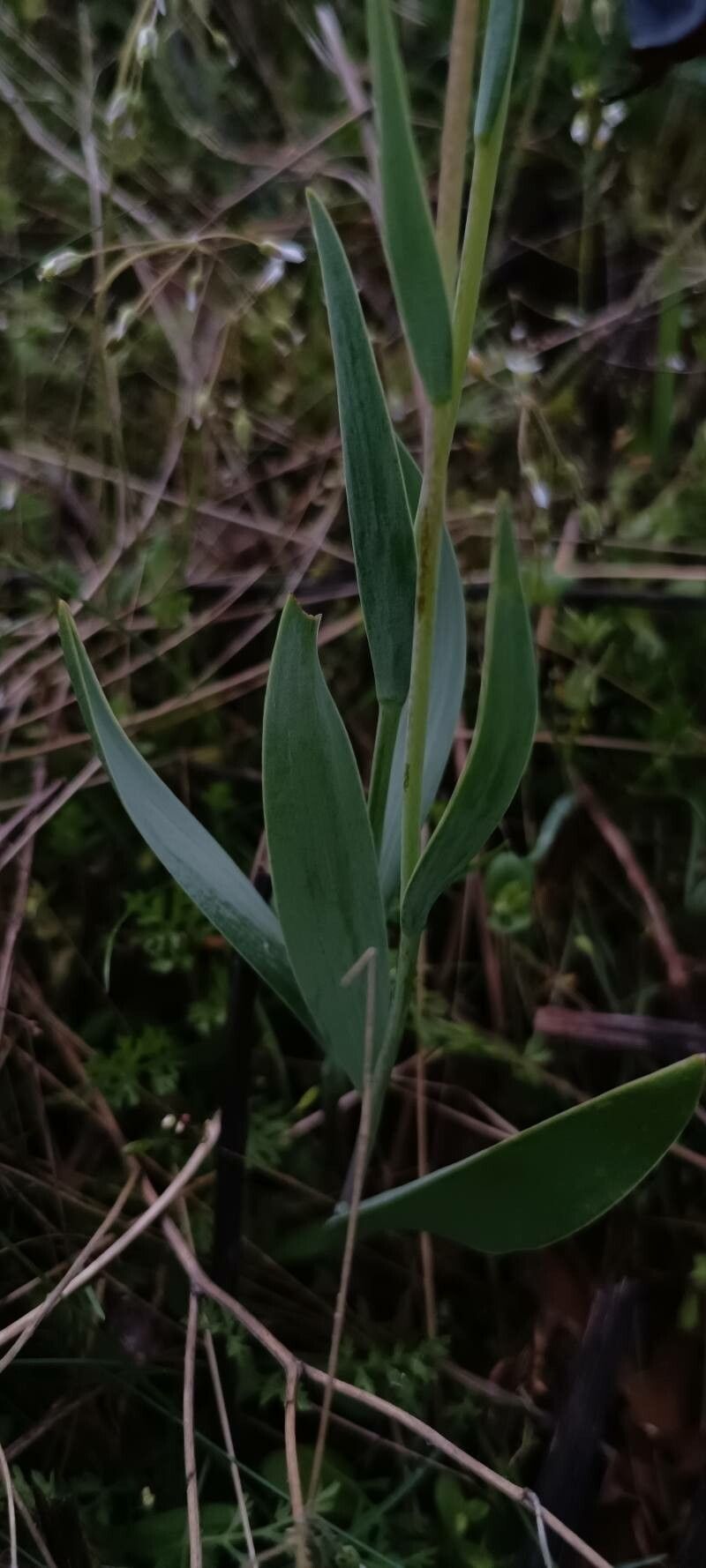
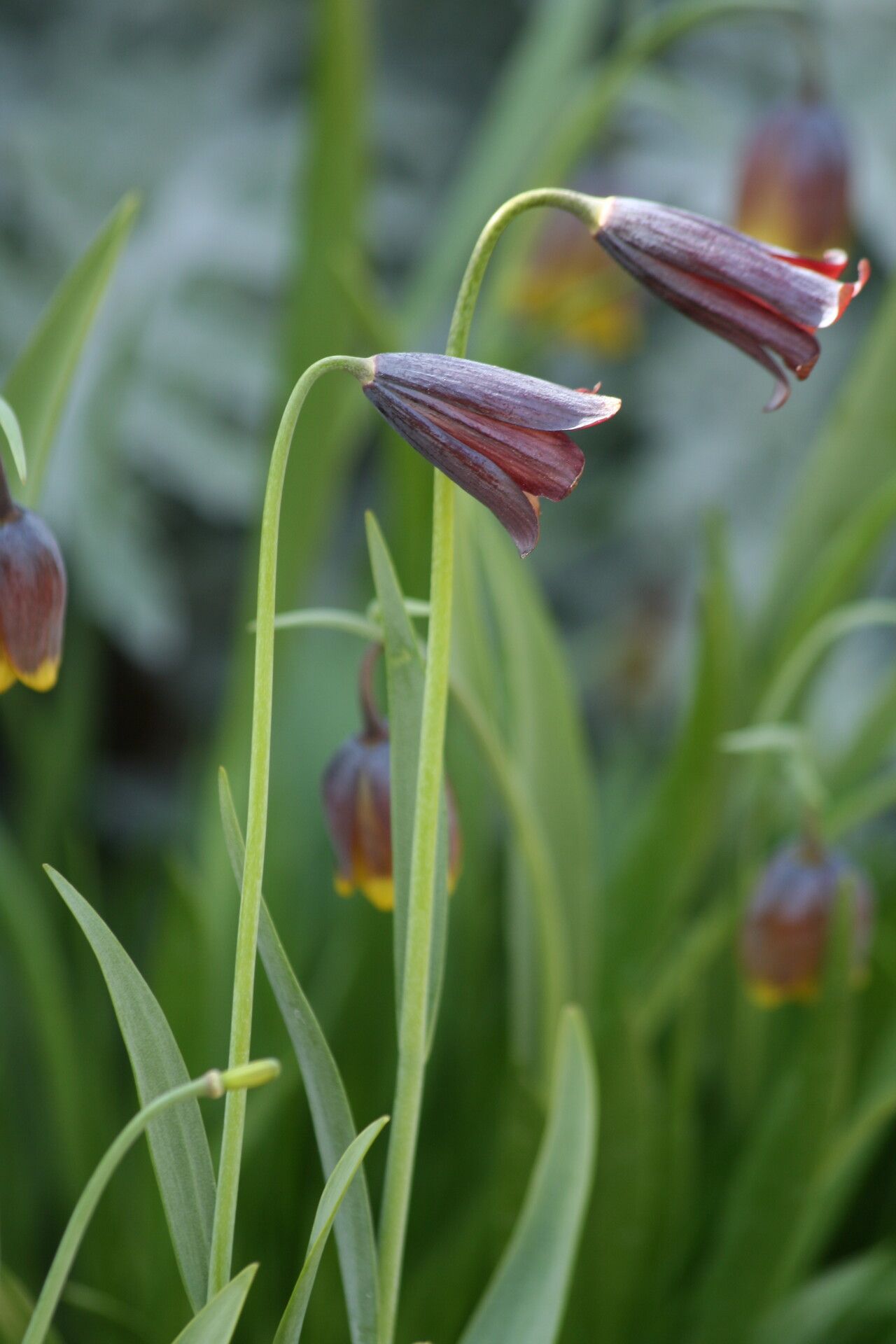
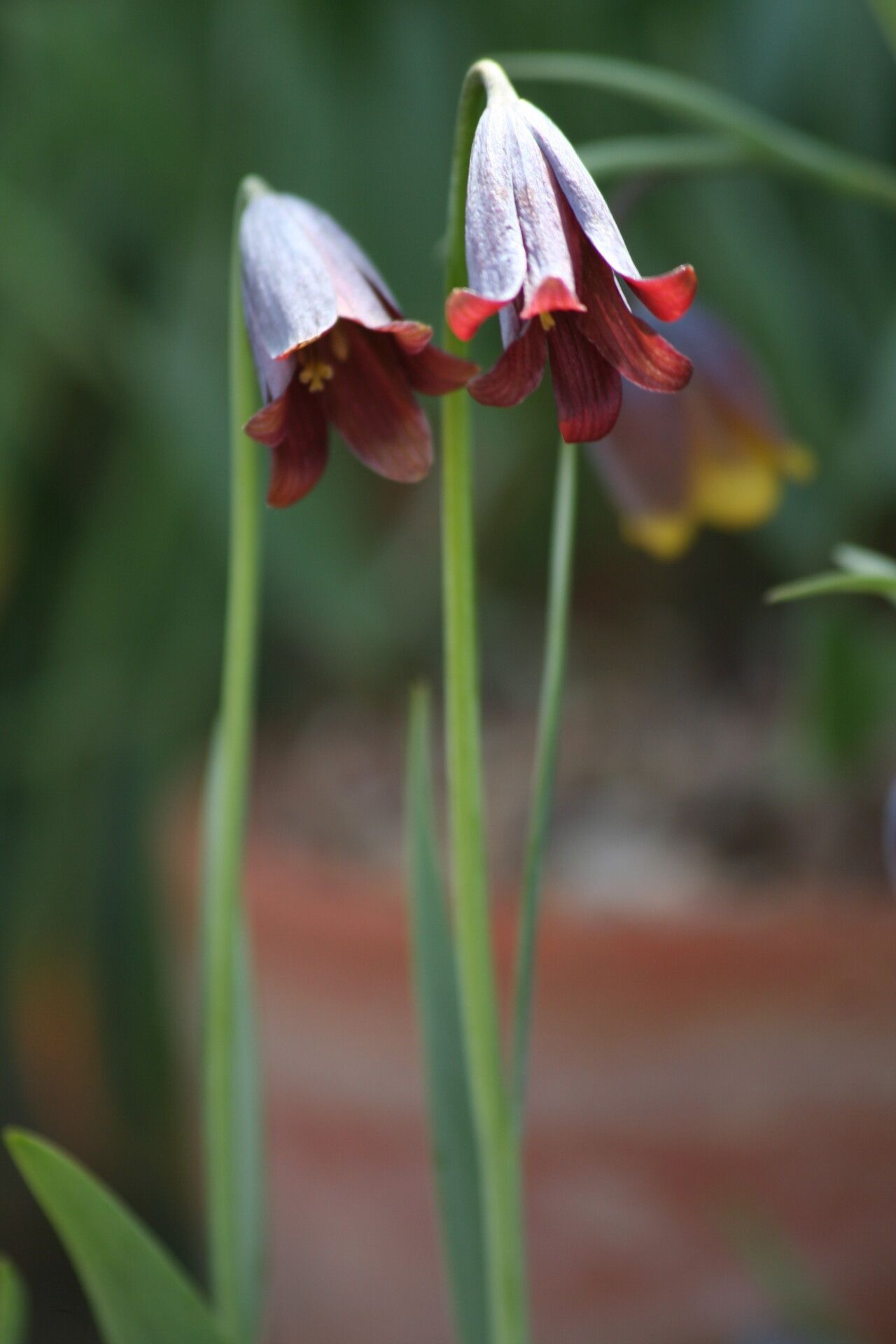
Caucasian frtillary has strong resistance to disease and is usually not prone to illnesses. Still, it can be vulnerable to pests and diseases present in its environment, though such infections tend to be mild. Regarding care, this plant needs moderate maintenance. It should be pruned regularly to preserve a tidy appearance and support healthy growth. Fertilizing can also help encourage flowering. Caucasian frtillary is appropriate for anyone with outdoor space, such as a garden or patio, and does not demand extensive care experience. It may need more attention when grown indoors.
How to keep Fritillaria Caucasica.
Light
Caucasian frtillary occurs naturally in habitats like forest understories or rocky areas, where it grows under natural shade. It favors partial sun but can also tolerate full sun or deep shade, showing its hardy, adaptable nature.
Temperature
The Caucasian frtillary can tolerate a wide range of temperatures, but its distribution may still be limited by particular combinations of water and heat. It does best in warm summer climates with sufficient rainfall or watering. Extended periods of cloudy, rainy weather or sustained high temperatures can raise the chance of the Caucasian frtillary dying. In winter, adequate protection from cold can improve the plant's survival rate.
Fertilizer
For Caucasian frtillary, the best time to apply fertilizer is in early spring when flowers are forming. Using the right fertilizer promotes better blooms and helps Caucasian frtillary produce attractive flowers. Fertilizing in early spring ensures good flowers during the season and supplies energy for dormant growth phases.
Pruning
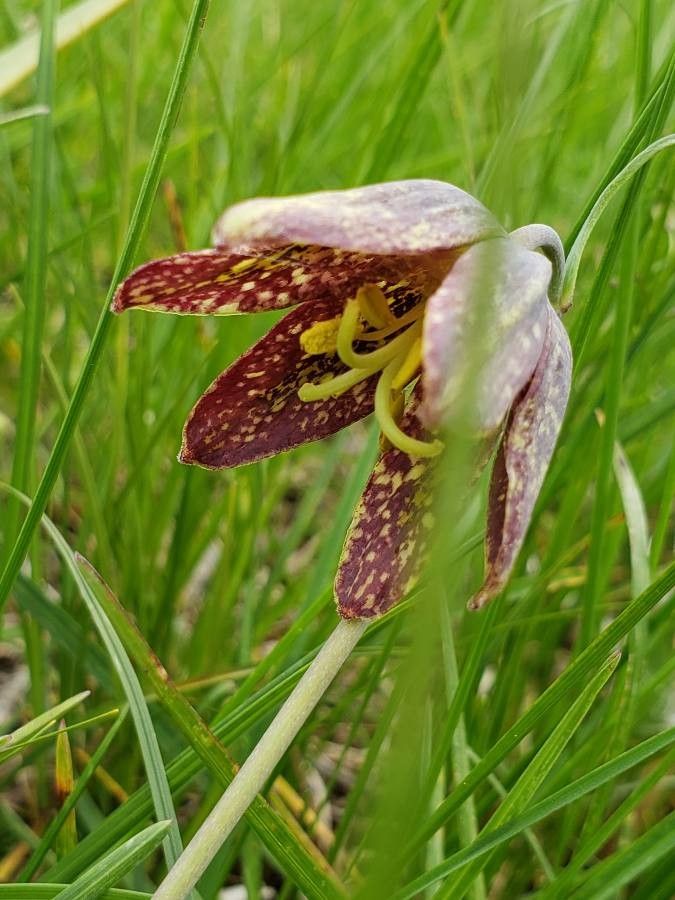
The Caucasian fritillary is known for its nodding, bell-shaped flowers and thrives in rich, well-drained soil. To keep the plant healthy and looking its best, prune it in early spring by removing dead stems and spent flower stalks. This not only improves its appearance but also enhances air circulation. Ensure you use sterile tools during pruning to prevent infections, which encourages overall vigor and better flowering.
Botanical profile.
- Plant Type
- Herb
- Life Cycle
- Perennial
- Genus
- Fritillaria
- Family
- Liliaceae
- Hardiness Zone
- 4-8
- Mature Height
- 30 cm to 49 cm
- Mature Spread
- 15 cm to 25 cm
- Leaf Color
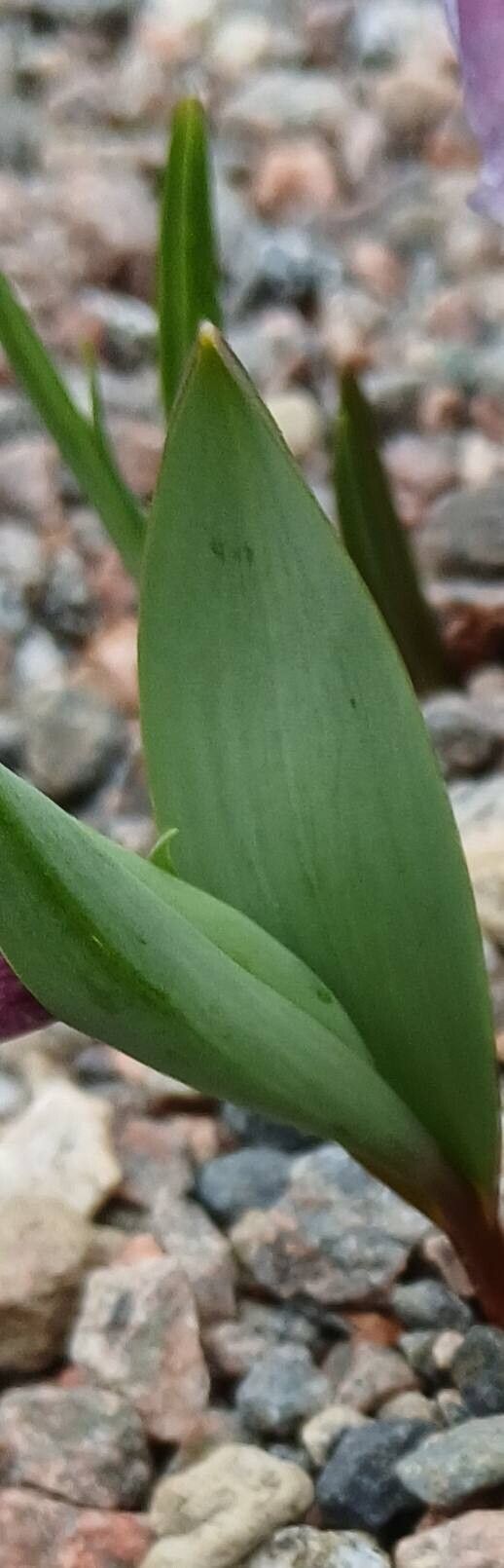
- Green, Dark Green
- Leaf Type
- Deciduous
- Flower Color
- Purple, Brown
- Flower Size
- 2.03 cm to 3.05 cm
- Bloom Time
- Early spring, Mid spring
- Planting Time
- Spring, Summer
- Harvest Time
- Late spring, Early summer
- Native Area
- Turkey, Iran, Armenia, Azerbaijan
Other names.
Reader questions.
What are the sunlight requirements for Caucasian fritillary (Fritillaria caucasica)?
Caucasian fritillary, or Fritillaria caucasica, thrives in specific sunlight conditions. It requires 'full sun', which means the plant should receive above 6 hours of sunlight daily. Alternatively, it can also grow in 'partial sun' conditions, receiving about 3-6 hours of sunlight each day. It's essential to observe the movement of sunlight through your garden to find spots that offer a balanced exposure of light and shade, ensuring the plant's wellbeing. This careful observation helps in selecting the ideal planting spots for Fritillaria caucasica, aligning with its sunlight needs and promoting healthy growth.
What is the Caucasian Fritillary?
The Caucasian Fritillary, with the botanical name Fritillaria caucasica, is a plant species. Unfortunately, there are no provided details regarding its essentials, such as description, habitat, or care instructions, nor is there any information about its symptoms or notable characteristics.