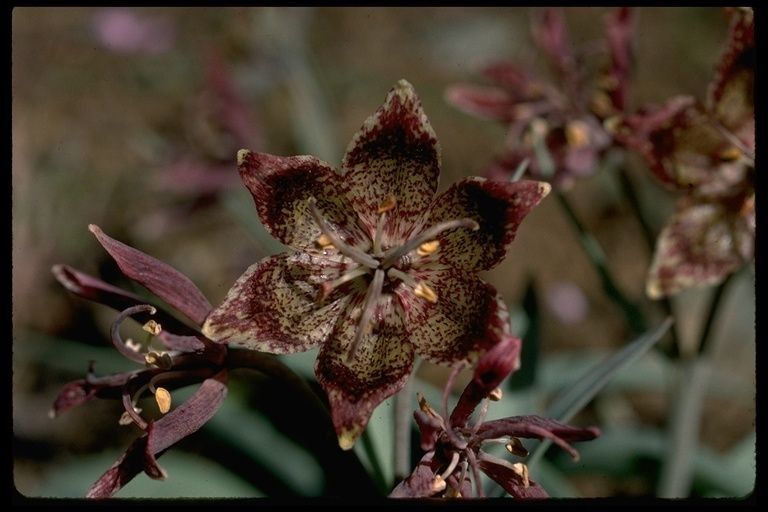
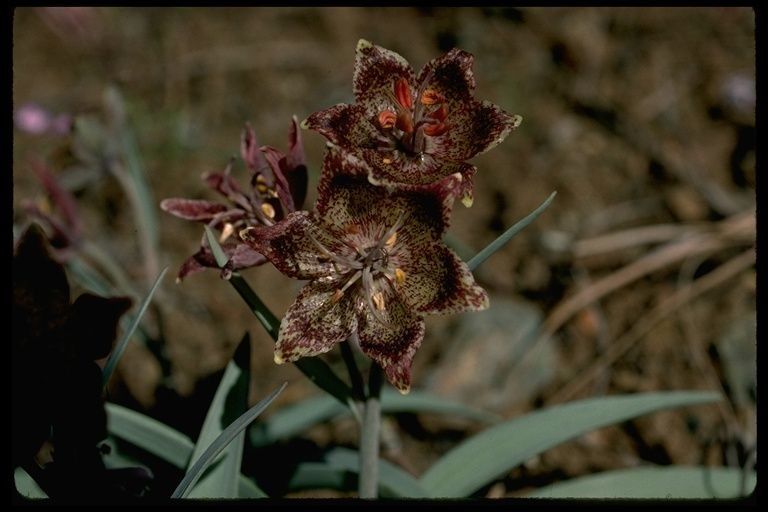
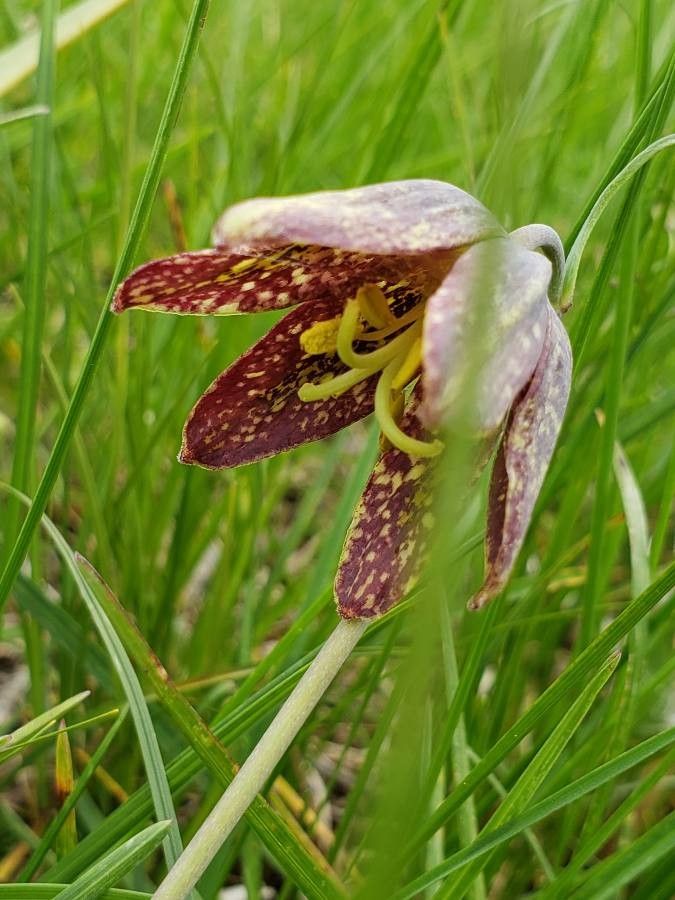
Fritillaria falcata, commonly known as the Siberian fritillary or the yellow bell, is a perennial herbaceous plant that belongs to the Liliaceae family. Native to Siberia and other parts of Asia, it thrives in meadows, forests, and rocky slopes.
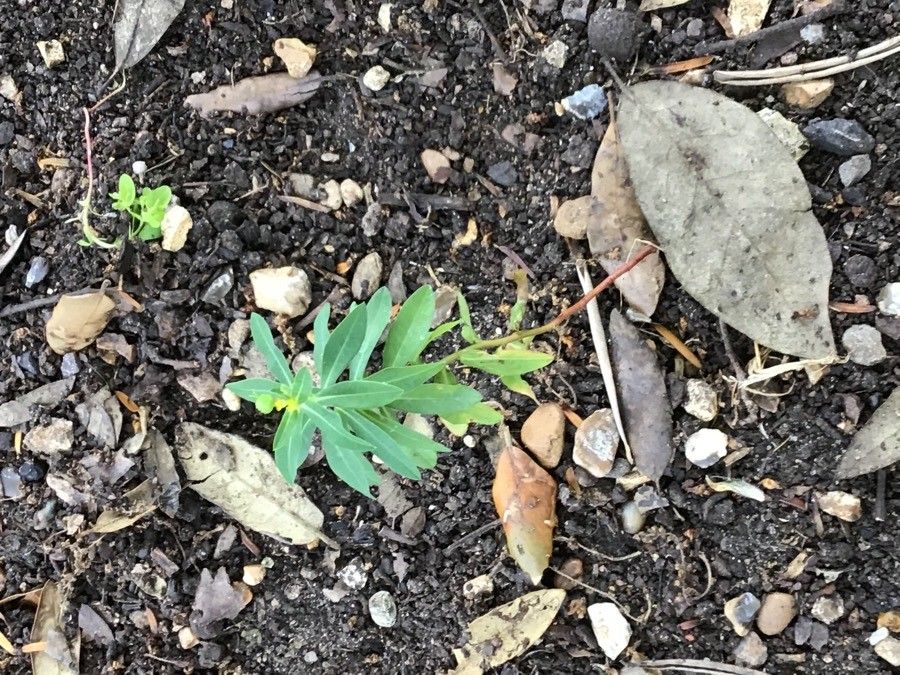
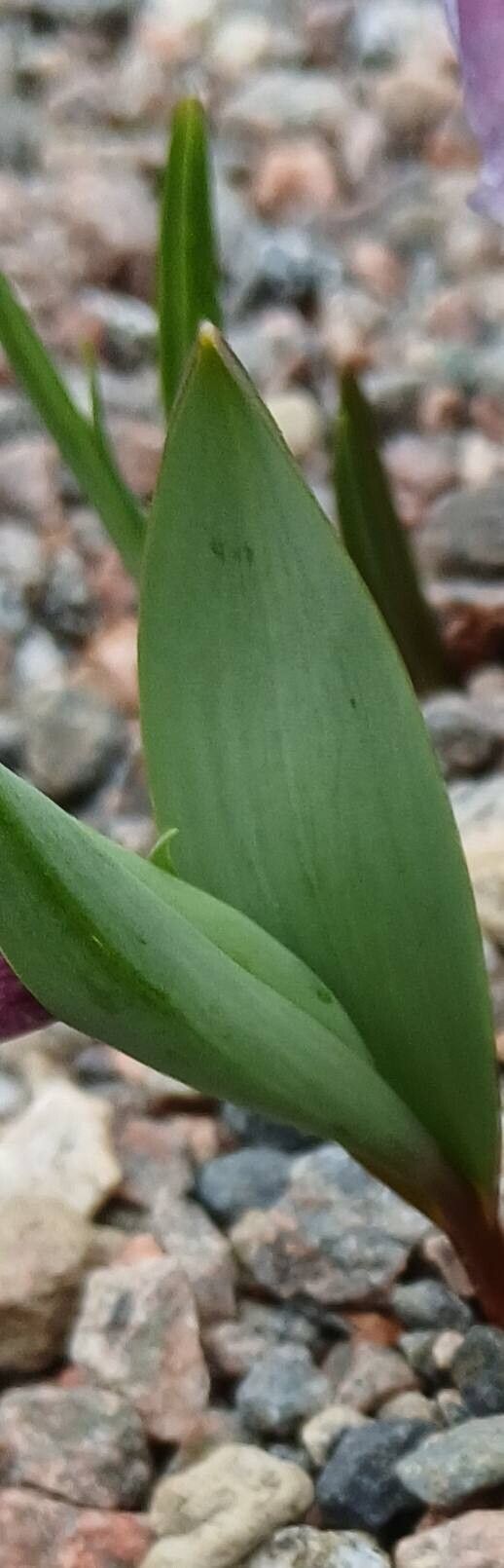
Growing up to 30 cm in height, the plant features a single stem with one or two lance-shaped leaves that have pointed tips and can reach up to 10 cm in length. The bell-shaped flowers boast six yellow petals adorned with brownish-purple veins, and they bloom in early spring, from April to May.
Fritillaria falcata has been valued for centuries for its medicinal properties, particularly its anti-inflammatory effects. It is also cultivated as an ornamental plant due to its appealing flowers.
The plant prefers well-drained soil and partial shade but can endure full sun if it receives adequate moisture. It is hardy in USDA zones 4-8.
It is important to note that Fritillaria falcata contains toxic alkaloids, which may cause skin irritation if handled improperly or ingested by animals or humans without proper preparation. Only experts trained in traditional medicine practices of its native region in Asia should handle or process this plant for medicinal use.
Botanical profile.
- Genus
- Fritillaria
- Family
- Liliaceae
Other names.