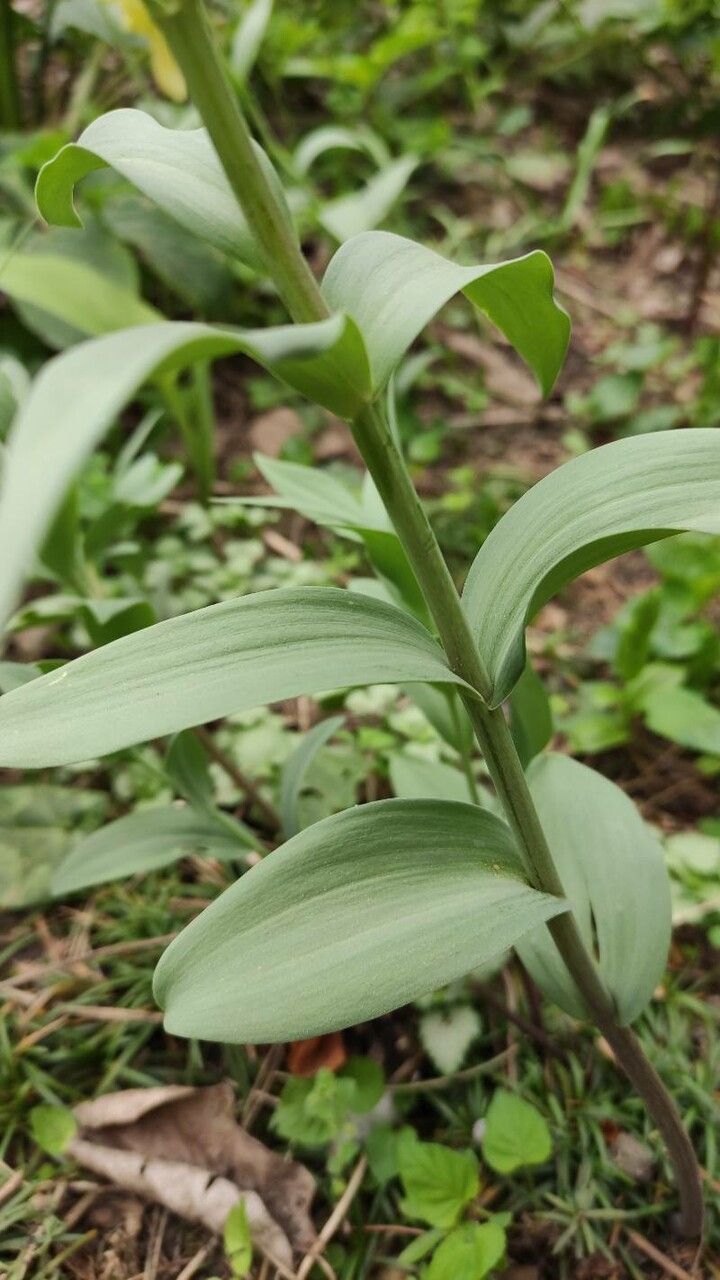
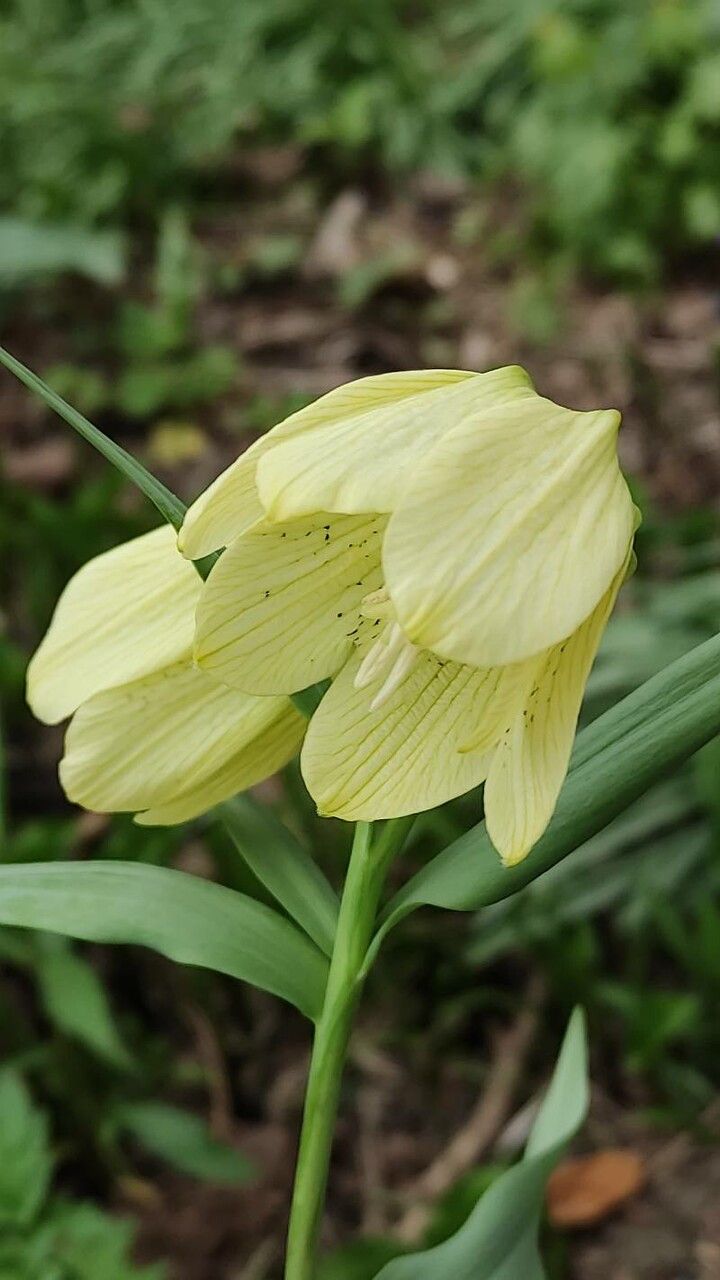
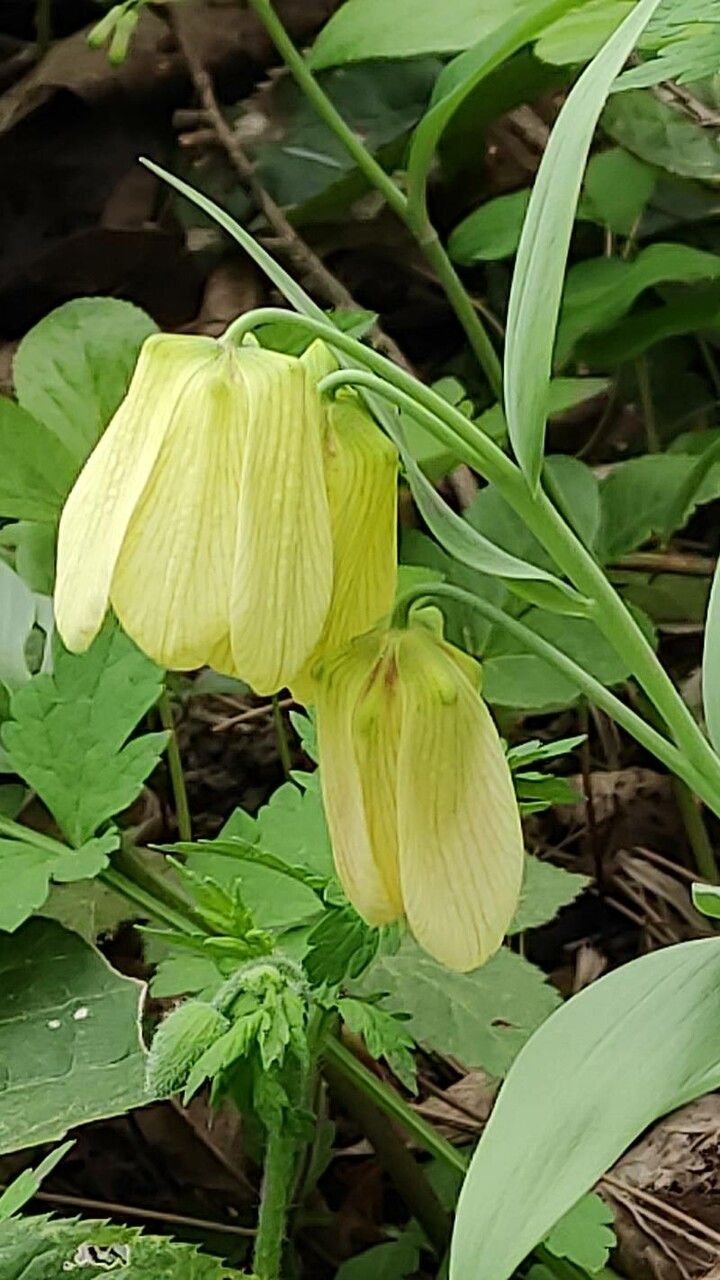
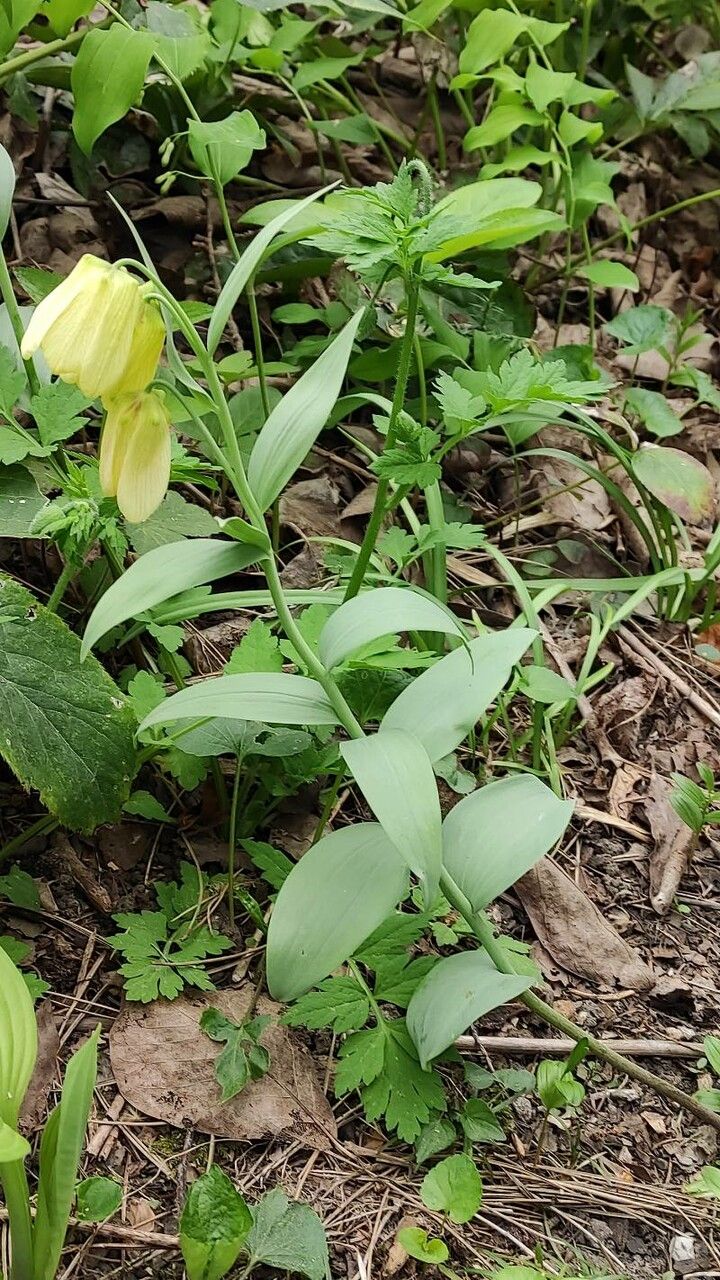
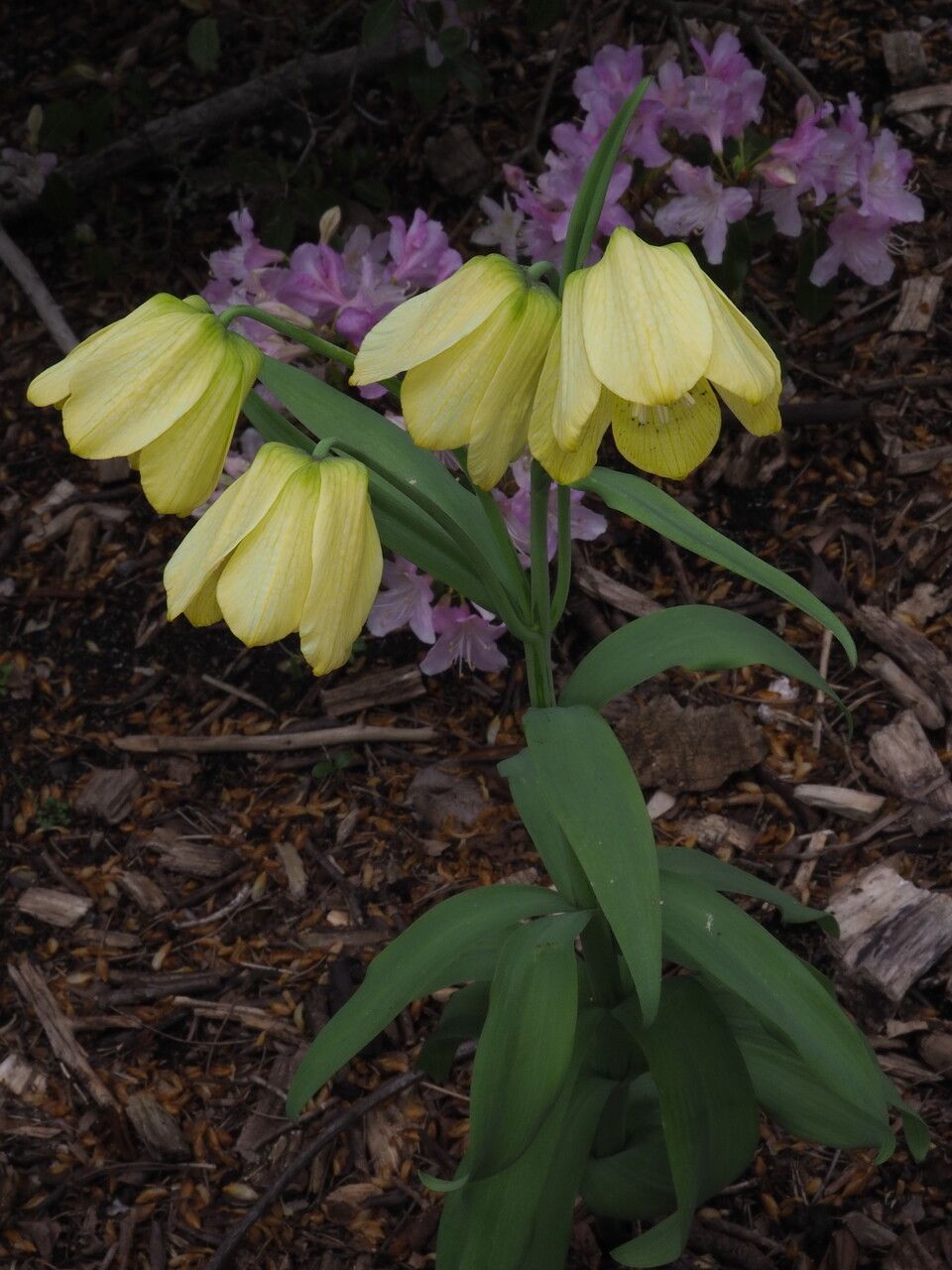
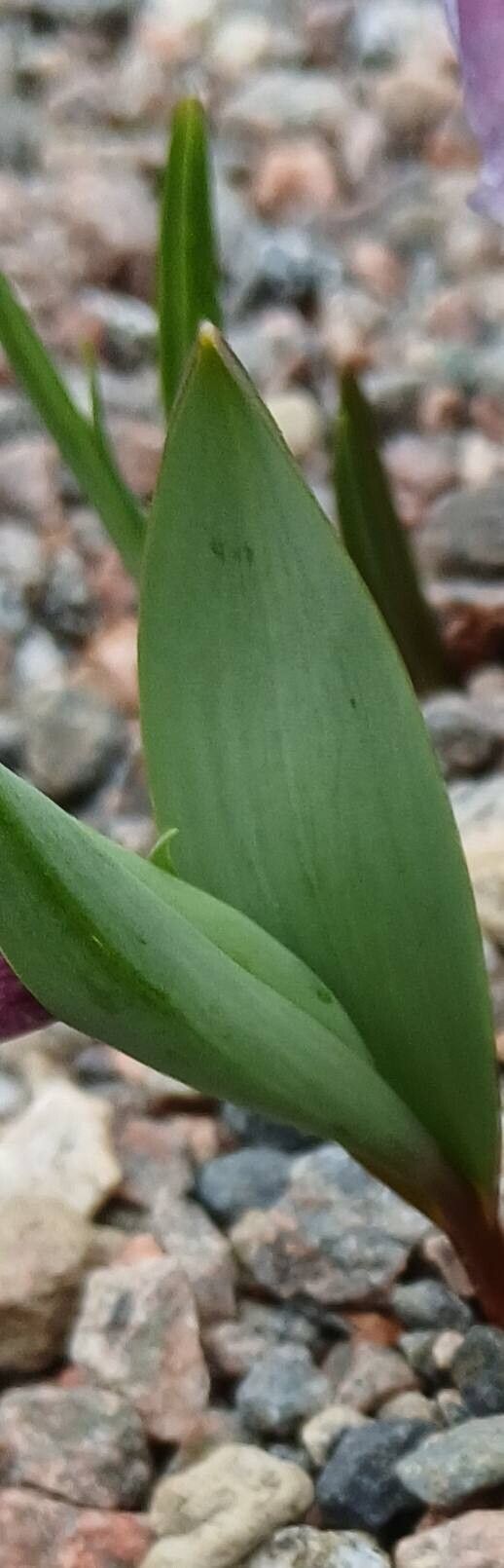
Fritillaria pallidiflora is an Asian species of bulbous flowering plant in the lily family Liliaceae, native to Xinjiang, Kyrgyzstan and Kazakhstan. The common name frequently used is Siberian fritillary, a misnomer because the species does not grow in the wild in Siberia. The Latin specific epithet pallidiflora means “pale flowered”.Fritillaria pallidiflora reaches up to 38 cm (15 in) in height and bears pale yellow, nodding bell-shaped flowers.In cultivation in the UK this plant has gained the Royal Horticultural Society’s Award of Garden Merit. It is hardy down to −15 °C (5 °F)
Siberian fritillary has strong disease resistance and is generally not liable to illnesses. Still, it can be affected by pests and diseases present in its environment. Such infections are typically mild. For care, this plant needs a moderate level of maintenance. It should be pruned regularly to preserve a neat appearance and encourage healthy growth. Applying fertilizer can also help stimulate flowering. Siberian fritillary is appropriate for anyone with an outdoor area, like a garden or patio, and does not demand extensive care experience. It may need extra attention when cultivated indoors.
How to keep Fritillaria Pallidiflora.
Light
The Siberian fritillary comes from habitats like forest understories and rocky areas where it exists under natural shade. It prefers partial sun but can tolerate full sun or full shade, reflecting its adaptable, hardy nature.
Water
The Siberian fritillary is highly drought-tolerant. It thrives in conditions of balanced humidity and needs to be watered once a week. As an outdoor bulb plant, it becomes dormant during dry seasons to conserve water, which helps ensure its survival in arid environments.
Temperature
Siberian fritillary can adapt to a wide range of temperature conditions, but its distribution may nonetheless be restricted by various combinations of moisture and heat. It does best in warm summer climates with sufficient rainfall or watering. Extended stretches of cloudy, rainy weather or prolonged high temperatures can raise the likelihood of the Siberian fritillary dying. In winter, adequate protection from the cold can increase the plant's chances of survival.
Fertilizer
The best time to fertilize a Siberian fritillary is in early spring, as it comes out of dormancy and starts active growth. Fertilizing supplies essential nutrients needed for healthy development. While the Siberian fritillary has relatively low fertilizer demands, applying fertilizer once a year can improve its survival and encourage better, longer-lasting flowers.
Pruning
The Siberian fritillary showcases nodding, bell-shaped flowers accompanied by lance-shaped leaves. To encourage healthy growth, prune it in early spring by removing dead foliage and spent stems. Light trimming in late spring can help control the plant's size, but make sure to avoid heavy pruning to protect the bulbs. With timely care, you can prevent disease and enhance blooming.
Botanical profile.
- Plant Type
- Herb
- Life Cycle
- Perennial
- Genus
- Fritillaria
- Family
- Liliaceae
- Hardiness Zone
- 4-8
- Mature Height
- 40 cm
- Mature Spread
- 10 cm
- Leaf Color
- Gray, Silver
- Leaf Type
- Deciduous
- Flower Color
- Yellow, Green, Brown
- Flower Size
- 3.05 cm to 5.08 cm
- Bloom Time
- Mid spring, Late spring
- Planting Time
- Spring, Summer
- Harvest Time
- Early summer, Mid summer
- Native Area
- Kazakhstan, Kyrgyzstan, China
Other names.
Reader questions.
What are the sunlight requirements for a Siberian fritillary (Fritillaria pallidiflora)?
The Siberian fritillary (Fritillaria pallidiflora) thrives in various sunlight conditions. It requires full sun, meaning it needs above 6 hours of direct sunlight daily, to flourish. However, it can also grow in partial sun, which refers to about 3-6 hours of sunlight each day. It's important to observe how sunlight moves through your garden, finding spots that offer a perfect balance of light and shade. This careful placement ensures that your plants are happy and healthy.