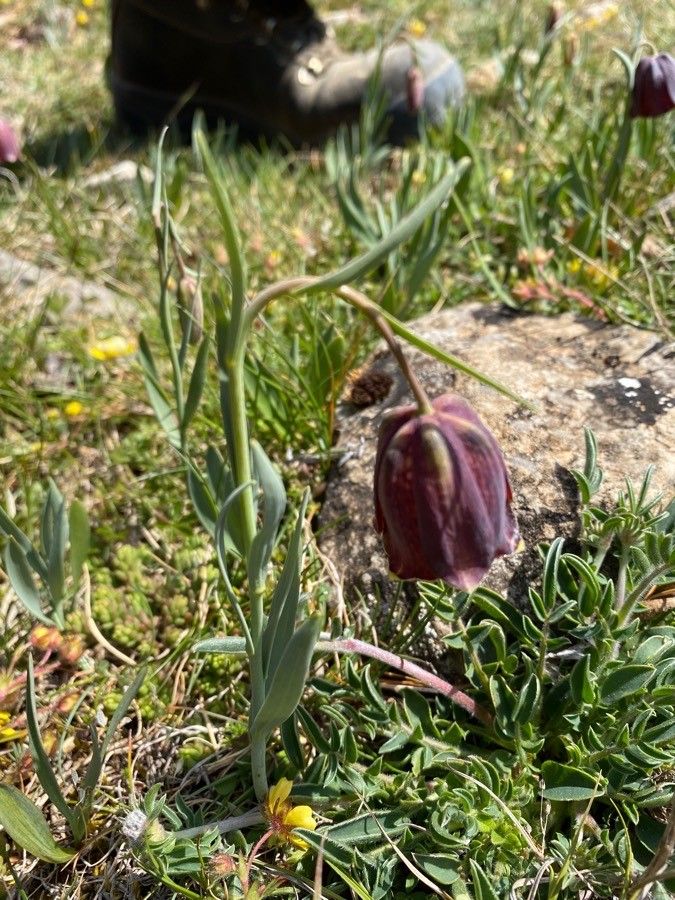
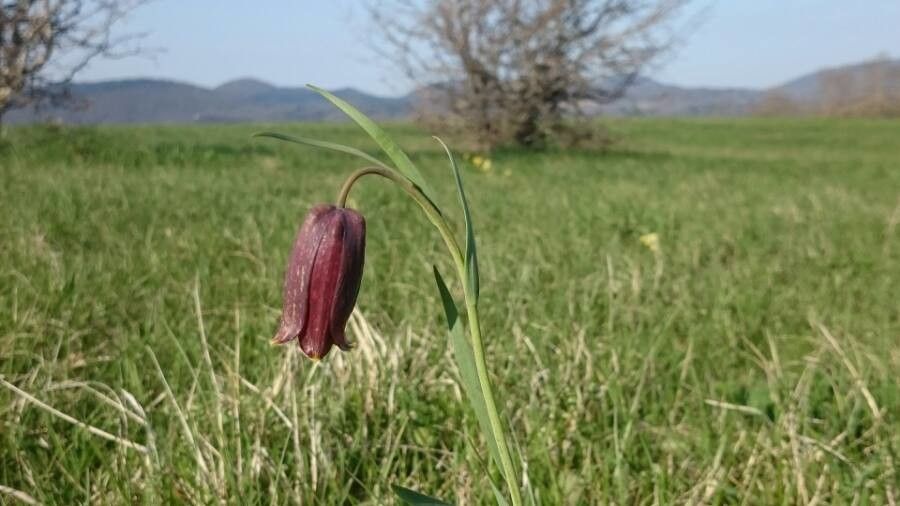
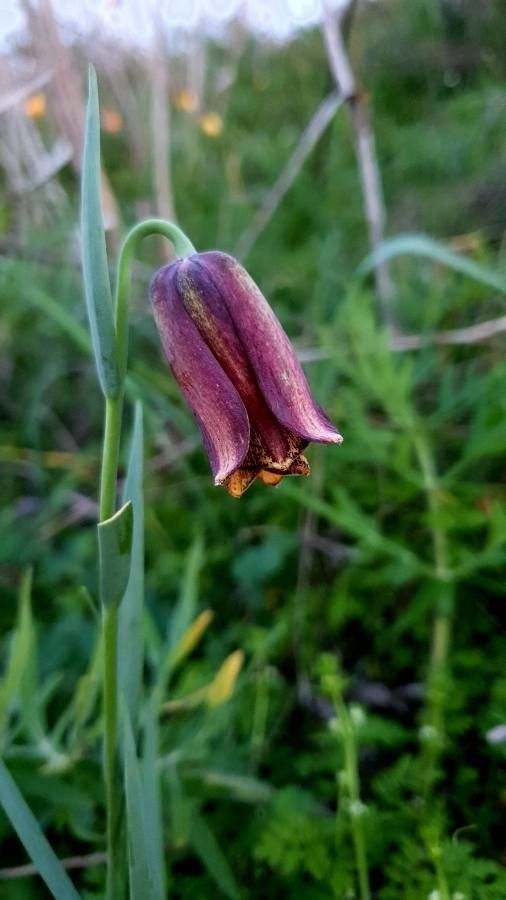
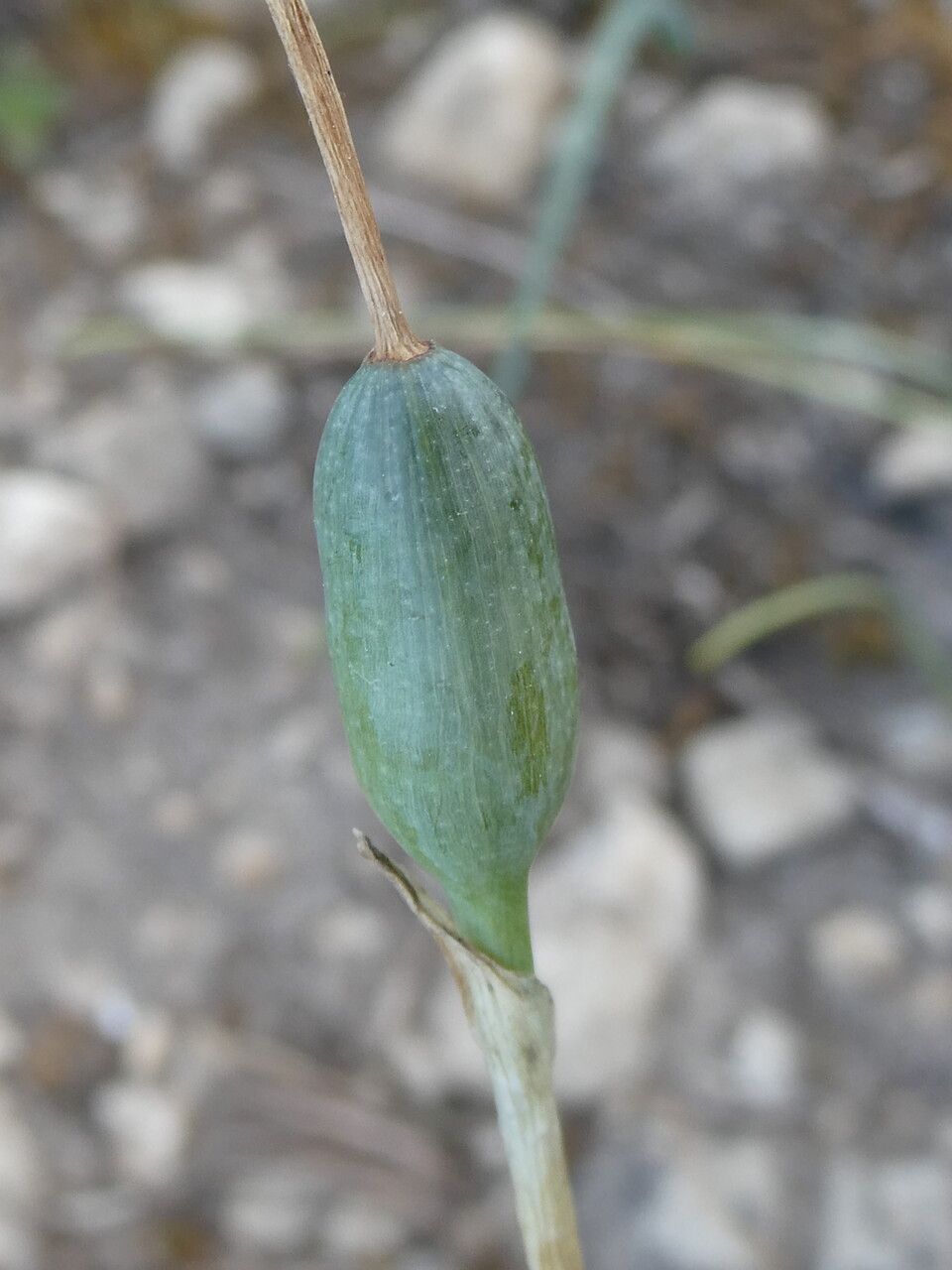
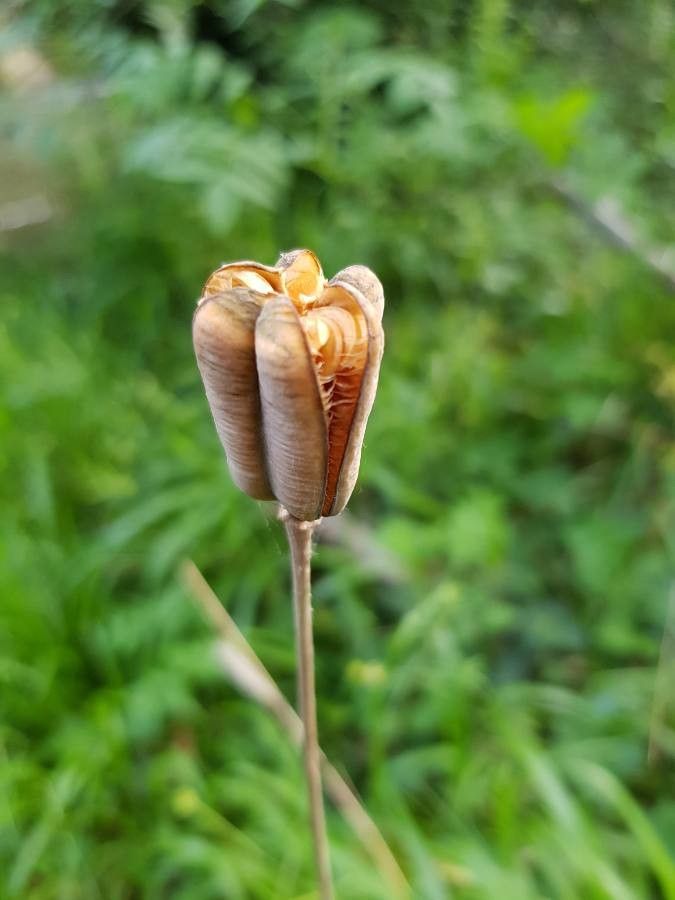
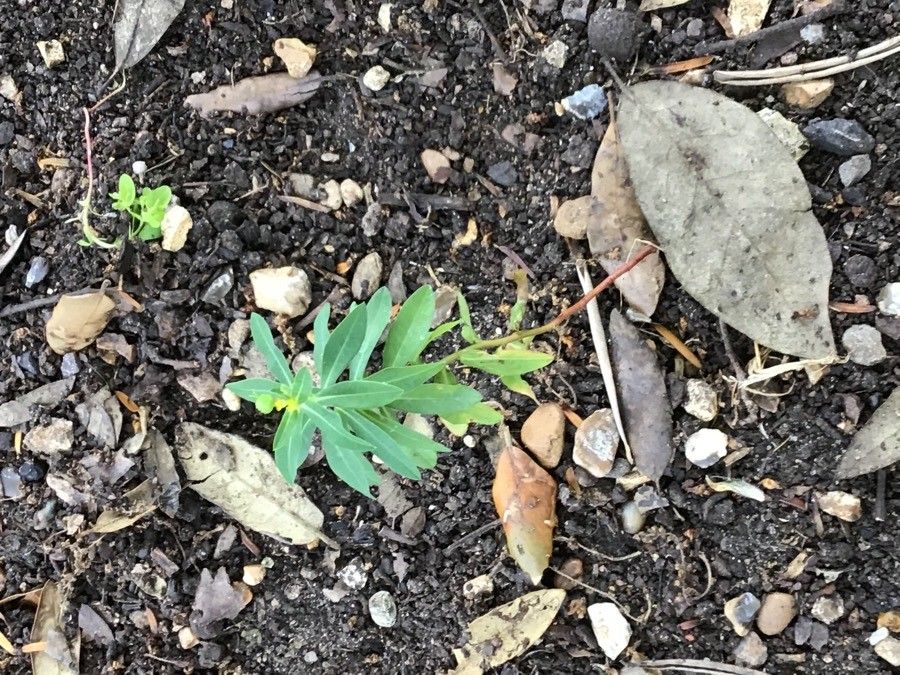
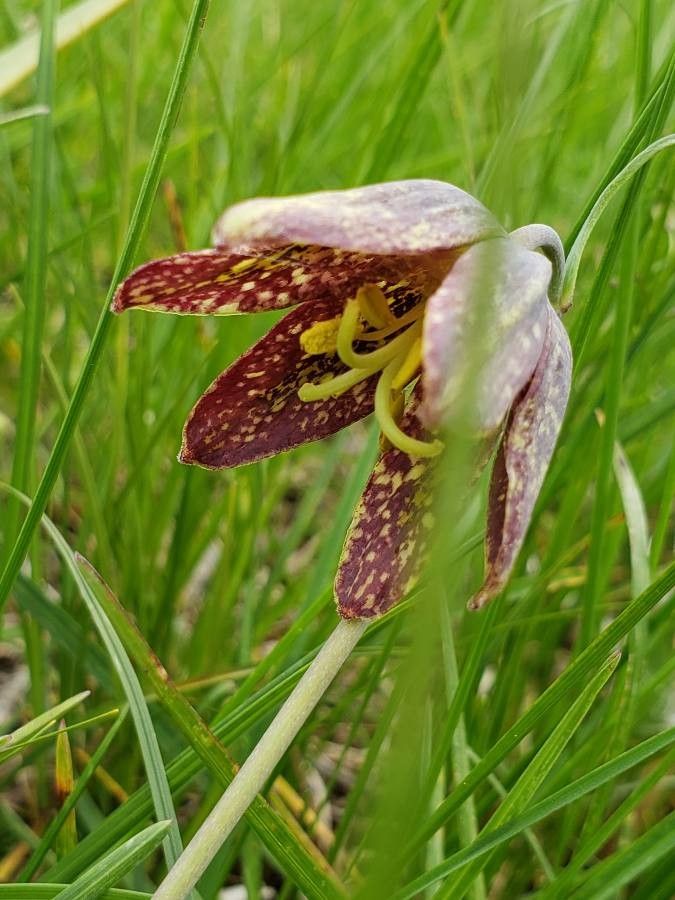
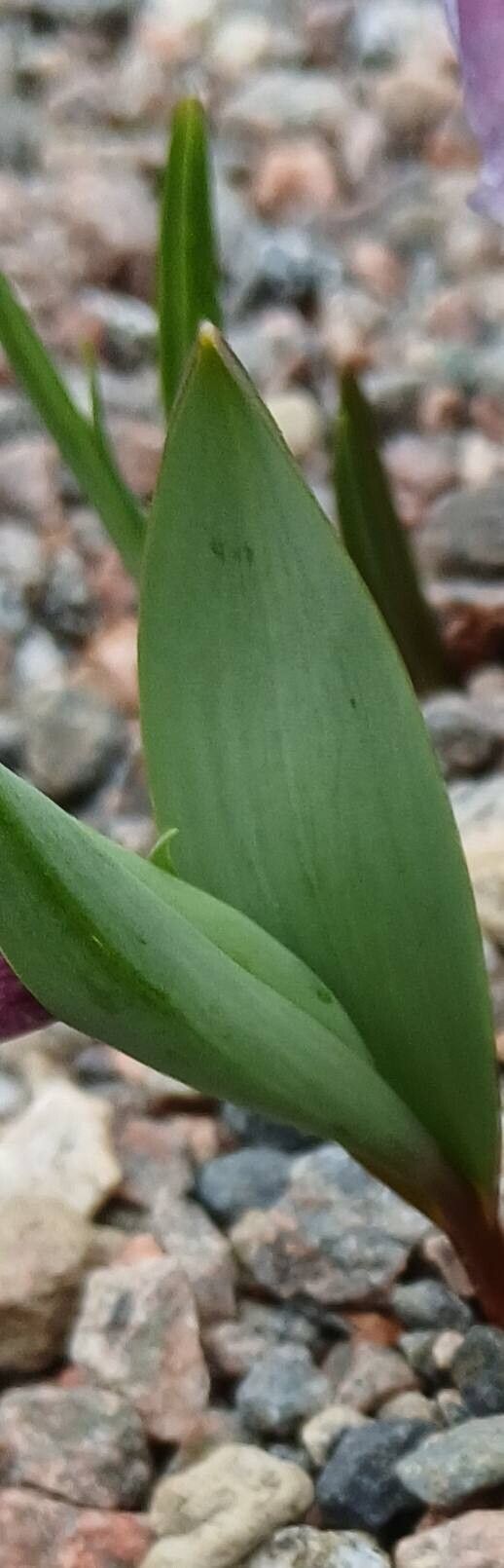
Fritillaria pyrenaica is a species of flowering plant in the lily family Liliaceae, native to the Pyrenees in Spain and France. Common names include Pyrenean fritillary and Pyrenean snake's-head. It is a bulbous perennial growing to 45 cm (18 in). The pendent, bell-shaped flowers are borne in spring. They have recurved tepals which are purple tinged with brown and yellow. Like other species in this genus, notably F. meleagris, they are strongly chequered.
The Pyrenean fritillary is fairly resistant to disease and generally not highly susceptible to illnesses. However, it can be vulnerable to pests and diseases that exist in its environment. These problems are typically mild. Care-wise, this plant needs moderate maintenance. It should be pruned regularly to preserve a neat appearance and support healthy growth. Fertilizing can also encourage flowering. The Pyrenean fritillary is well suited to anyone with an outdoor area, such as a garden or patio, and does not demand extensive gardening experience. It may need more attention if grown indoors.
How to keep Fritillaria Pyrenaica.
Light
The Pyrenean fritillary thrives best in strong, unfiltered sunlight and is moderately tolerant of semi-sunlit conditions. Its native environment encourages this need for ample sunshine. Both excessive light and insufficient light can impede its growth — the former may cause leaf burn, while the latter can reduce photosynthesis, which is essential for its healthy development.
Water
The Pyrenean fritillary thrives in the humid and moist environments typical of alpine regions. It prefers soil that remains evenly moist, which usually requires watering twice a week. When grown indoors at cooler temperatures, the humidity is naturally higher, which reduces the watering frequency needed and supports its growth cycle.
Temperature
The Pyrenean fritillary is a plant native to habitats with moderate temperatures, ideally flourishing between 41 and 89.6 °F (5 and 32 ℃). It favors cooler conditions, so care should be taken to adjust its surroundings appropriately as the seasons change.
Fertilizer
For the Pyrenean fritillary, the best time to apply fertilizer is in early spring when the flowers are developing. Using an appropriate fertilizer promotes stronger blooms and helps the Pyrenean fritillary produce attractive flowers. Fertilizing in early spring ensures high-quality blooms throughout the season and supplies energy for its dormant growth phases.
Pruning
The Pyrenean fritillary is a bulbous perennial plant known for its nodding flowers. To maintain its health, prune the plant in early to late spring after it has finished blooming. Remove any dead foliage to encourage new growth, but be careful not to cut any green leaves, as they are essential for the bulb's health. Always use sterilized tools to prevent the spread of disease.
Botanical profile.
- Plant Type
- Herb
- Life Cycle
- Perennial
- Genus
- Fritillaria
- Family
- Liliaceae
- Hardiness Zone
- 5-8
- Mature Height
- 46 cm
- Mature Spread
- 10 cm
- Leaf Color
- Green, Gray, Silver
- Leaf Type
- Deciduous
- Flower Color
- Purple
- Flower Size
- 2.54 cm to 3.56 cm
- Bloom Time
- Mid spring, Late spring
- Planting Time
- Autumn, Summer
- Harvest Time
- Early summer, Mid summer
Other names.
Reader questions.
How should I water my Pyrenean fritillary plant?
To properly water the Pyrenean fritillary, it is recommended to use filtered water at room temperature. Tap water may contain harmful particles, so it's best to avoid it. The water should be at room temperature or slightly warmer since the plant is used to a warm environment and cold water may shock it. It's also important not to water the plant from above as it can cause issues with the foliage. Instead, carefully pour the filtered room temperature water onto the soil until it is completely soaked. This method helps the plant by moisturizing the roots and supporting their growth and nutrient collection in the soil.
Why should I put fertilizer on my Pyrenean fritillary plant?
Fertilization is important for the Pyrenean fritillary and other plants because it provides essential nutrients for growth. However, the Pyrenean fritillary has low overall fertilization needs and can sometimes survive without it. Annual fertilization can be highly beneficial, as it helps the plant thrive and produce longer-lasting flowers. To ensure the best appearance of your Pyrenean fritillary, it is recommended to regularly fertilize it.
What are the sunlight requirements for Pyrenean fritillary?
Pyrenean fritillary requires intense, unfiltered sunlight for optimal growth, thriving best with more than 6 hours of sunlight, classified as 'Full sun'. It can also grow under moderately semi-sunlit conditions with about 3-6 hours of sunlight, known as 'Partial sun'. However, both overexposure to sunlight, which can cause leaf burn, and underexposure, which impairs photosynthesis, can negatively affect the plant’s health. To monitor the plant’s health and ensure its happiness, observe how sunlight moves through your garden, picking spots that offer a perfect balance of light and shade.
What are the ideal growing conditions for Pyrenean fritillary?
Pyrenean fritillary, with its botanical name Fritillaria pyrenaica, is a plant native to environments where moderate temperatures prevail, ideally thriving between 41 to 89.6 °F (5 to 32 °C). It prefers cooler conditions, making it important to adjust its surroundings accordingly throughout different seasons. Due to its strong cold resistance, special frost protection measures usually aren't necessary. However, in winters where temperatures are expected to fall below -25°C, it is important to provide cold protection by covering the plant with materials like soil or straw. Additionally, abundant watering before the first freeze in autumn is recommended to ensure the soil around the plant remains moist, aiding in preventing drought and water scarcity during the winter and early spring.
What should I do if I give my Pyrenean fritillary too much or too little water?
Taking care of your Pyrenean fritillary requires being mindful of water levels. Both overwatering and underwatering can harm your plant, but overwatering tends to be more common. When your Pyrenean fritillary receives too much water, its stems and leaves may wilt and turn yellow. Prolonged overwatering can also lead to diseases like root rot, mold, and mildew, which can be fatal for your plant. While underwatering is less likely, it can still happen. If you notice brittle and brown leaves, your Pyrenean fritillary may be underwatered. It's important to spot signs of overwatering early on because some diseases like root rot may be irreversible if left unaddressed. If you see initial signs of overwatering, reduce your watering schedule immediately. Additionally, assess the soil quality for proper drainage and replace it if necessary. Conversely, if you notice signs of underwatering, simply increase the frequency of your watering until the signs improve.
When should I fertilize my Pyrenean fritillary plant?
The best time to fertilize a Pyrenean fritillary is in late winter to early spring when it is transitioning from dormancy to active growth. Fertilizing during this time encourages healthy growth and sets the plant up for a great season. While early spring is generally the most beneficial time to fertilize, it is also okay to do so during the fall. However, it is not recommended to fertilize during the summer or winter seasons.
How can artificial lighting be used for Pyrenean fritillary indoor cultivation?
For indoor cultivation of Pyrenean fritillary, adequate lighting is crucial, especially when natural sunlight is insufficient, such as during winter or in less sunny locations. Artificial lights, like LED lights, can provide the specific wavelengths needed for plant growth. Full sun plants require 30-50W/sq ft, partial sun plants need 20-30W/sq ft, and full shade plants need 10-20W/sq ft of artificial light. Place the light source 12-36 inches above the plant, mimicking the natural sunlight, and ensure to provide 8-12 hours of light per day. This setup promotes faster, healthier growth by offering a vital solution to light scarcity.
How does Pyrenean fritillary respond to low temperatures?
Pyrenean fritillary exhibits strong cold tolerance, ideally thriving in temperatures above 5°C. However, during the winter, it is crucial to keep it above -20°C. Although the plant might not show noticeable changes when the temperature drops below -25°C, such conditions may lead to a decrease in sprouting or even no sprouting at all come springtime. To address issues arising from extreme cold, removing parts that have failed to sprout in spring is recommended as a remedy.
How much water does my Pyrenean fritillary need?
If your Pyrenean fritillary is in a pot, the most precise way to check if it needs water is to stick your finger into the soil. If you find that the top two to three inches of soil are dry, it's time to water it. If you're growing your Pyrenean fritillary outdoors in the ground, you can use a similar method to test the soil. Once again, if the top few inches of soil have dried out, it's time to water. Typically, during spring and early fall, you'll need to water this plant about once a week using this method. However, during extremely hot weather, you may need to water it two or more times a week. It's worth noting that mature, well-established Pyrenean fritillaries have a remarkable ability to endure drought conditions.
When is the best time to not put fertilizer on my Pyrenean fritillary?
To properly care for your Pyrenean fritillary, it is best to only fertilize it in late winter and early spring. This plant has low fertilizer needs, so one feeding per year is sufficient. Overfertilizing during spring, summer, and fall can cause issues, unless you didn't fertilize in spring - then it's okay to feed it in the fall. Additionally, there is no need to fertilize this plant during the winter because it is in a dormant phase and not actively growing.
What are the symptoms of inadequate sunlight for Pyrenean fritillary?
Inadequate sunlight can lead to several issues for Pyrenean fritillary, including smaller new leaves, leggy or sparse growth, faster leaf drop, slower or no new growth, lighter-colored new leaves, and symptoms of overexposure like chlorosis, sunscald, leaf curling, wilting, and leaf scorching. These symptoms indicate either a deficiency or an excess of sunlight, affecting the plant's ability to photosynthesize and maintain overall health.
What are the effects of high temperatures on Pyrenean fritillary and how can they be mitigated?
During summer months, it is important to ensure that the temperature around Pyrenean fritillary does not exceed 32°C. Temperatures above 35°C may cause the leaves to turn lighter in color, become prone to curling, suffer from sunburn, and in severe cases, result in the wilting and drying of the entire plant. To mitigate these effects, trim away any sunburned and dried-up parts of the plant. Moving the plant to a shaded location or utilizing a shade cloth to protect it from midday and afternoon sun is advisable. Additionally, watering the plant during the cooler hours of the morning and evening will help keep the soil adequately moist.