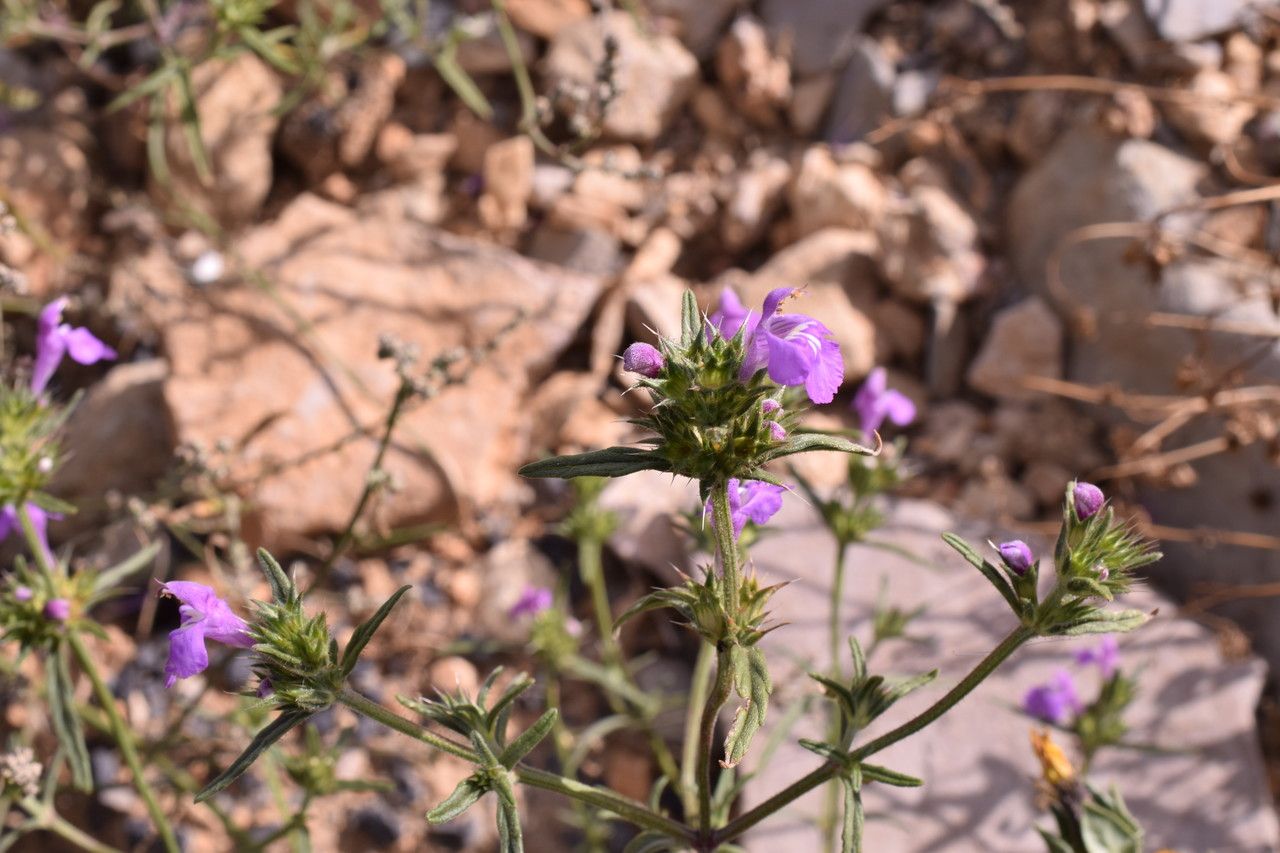
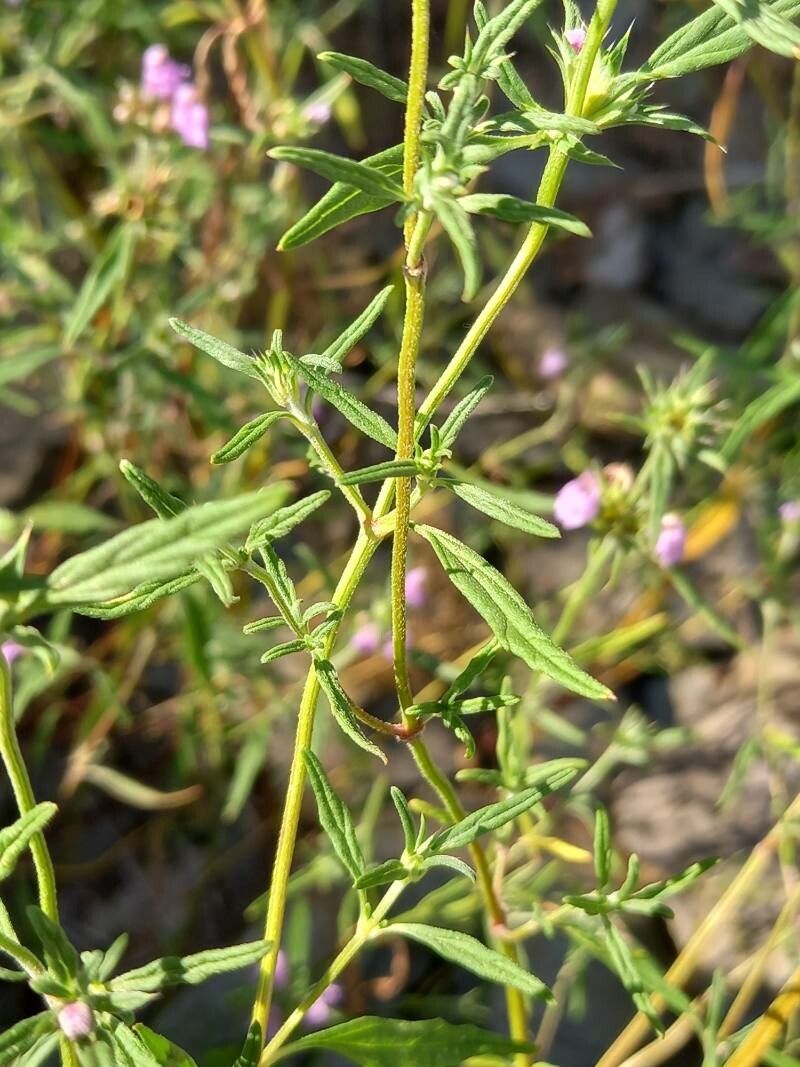
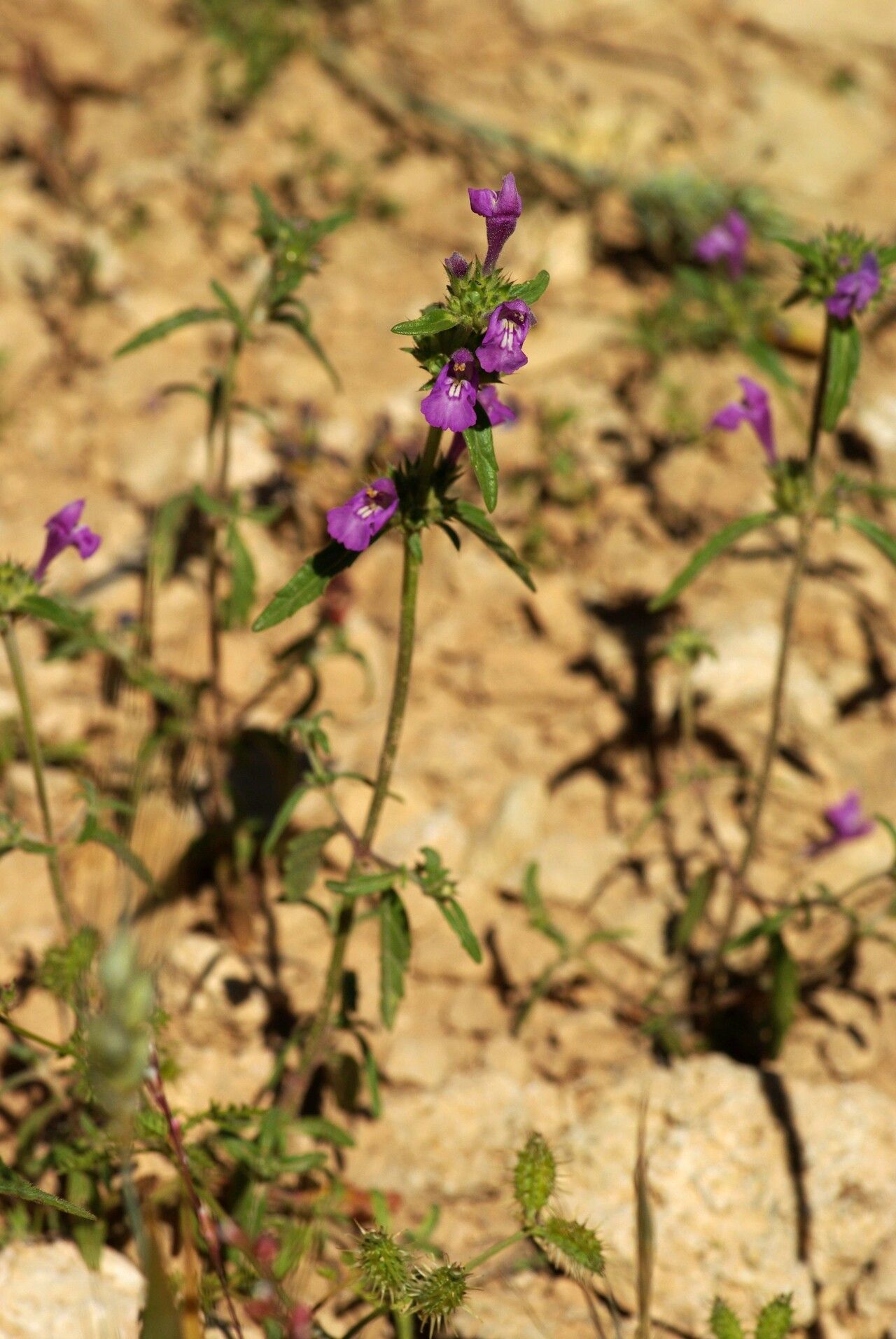
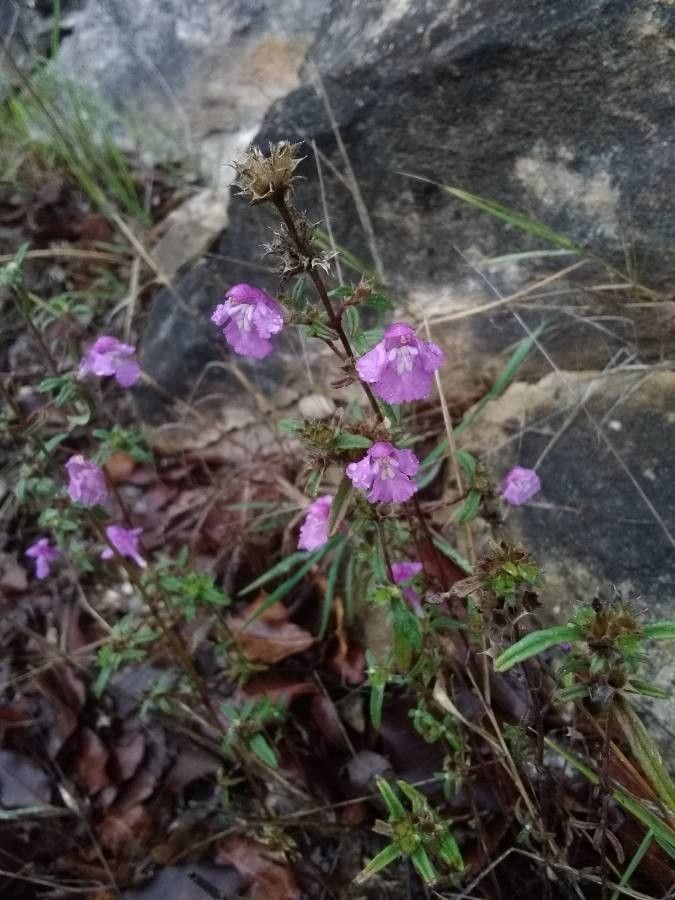
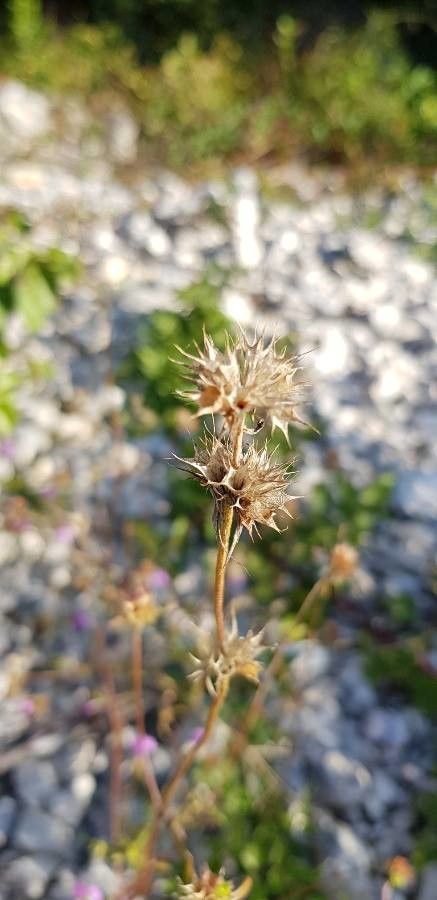
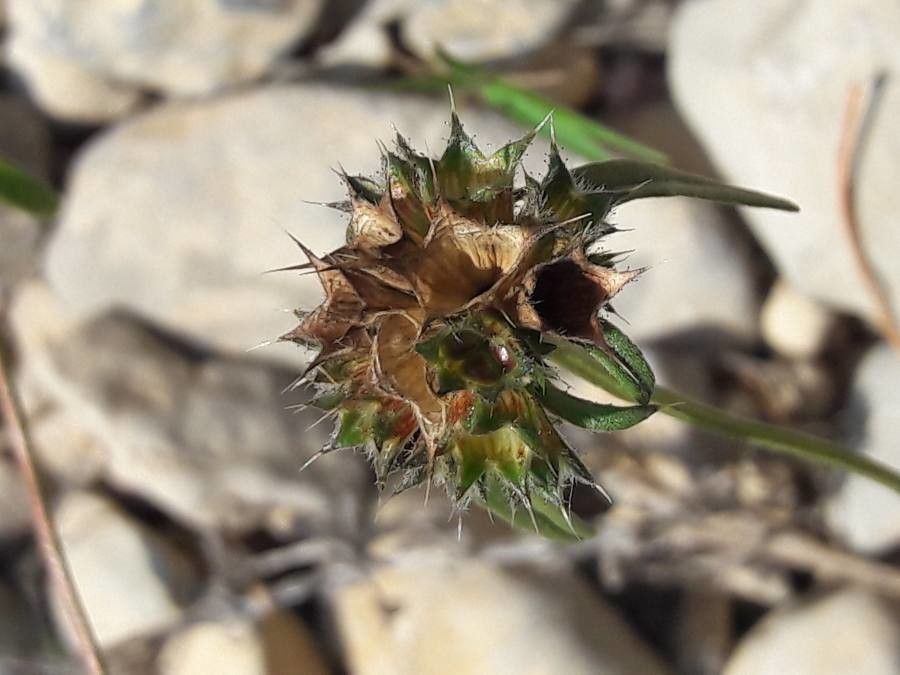
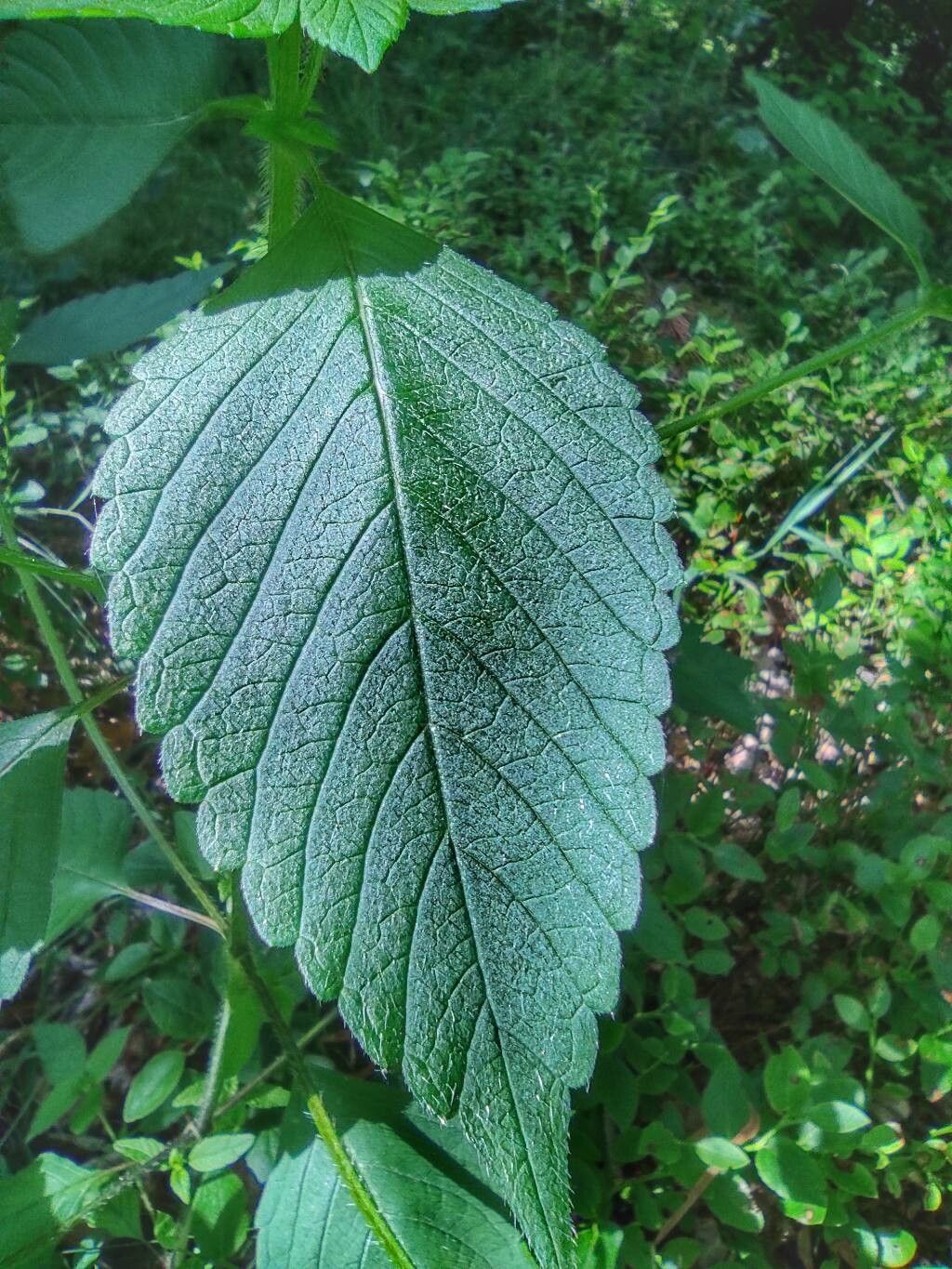
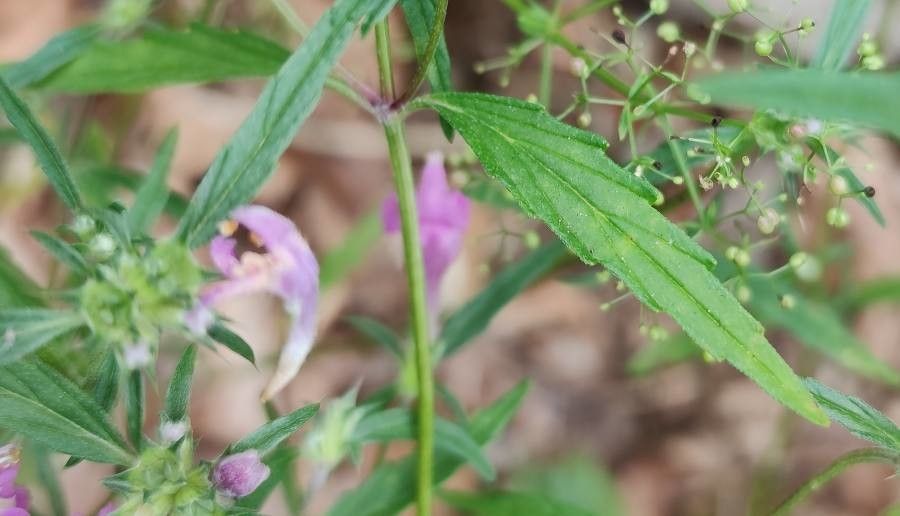
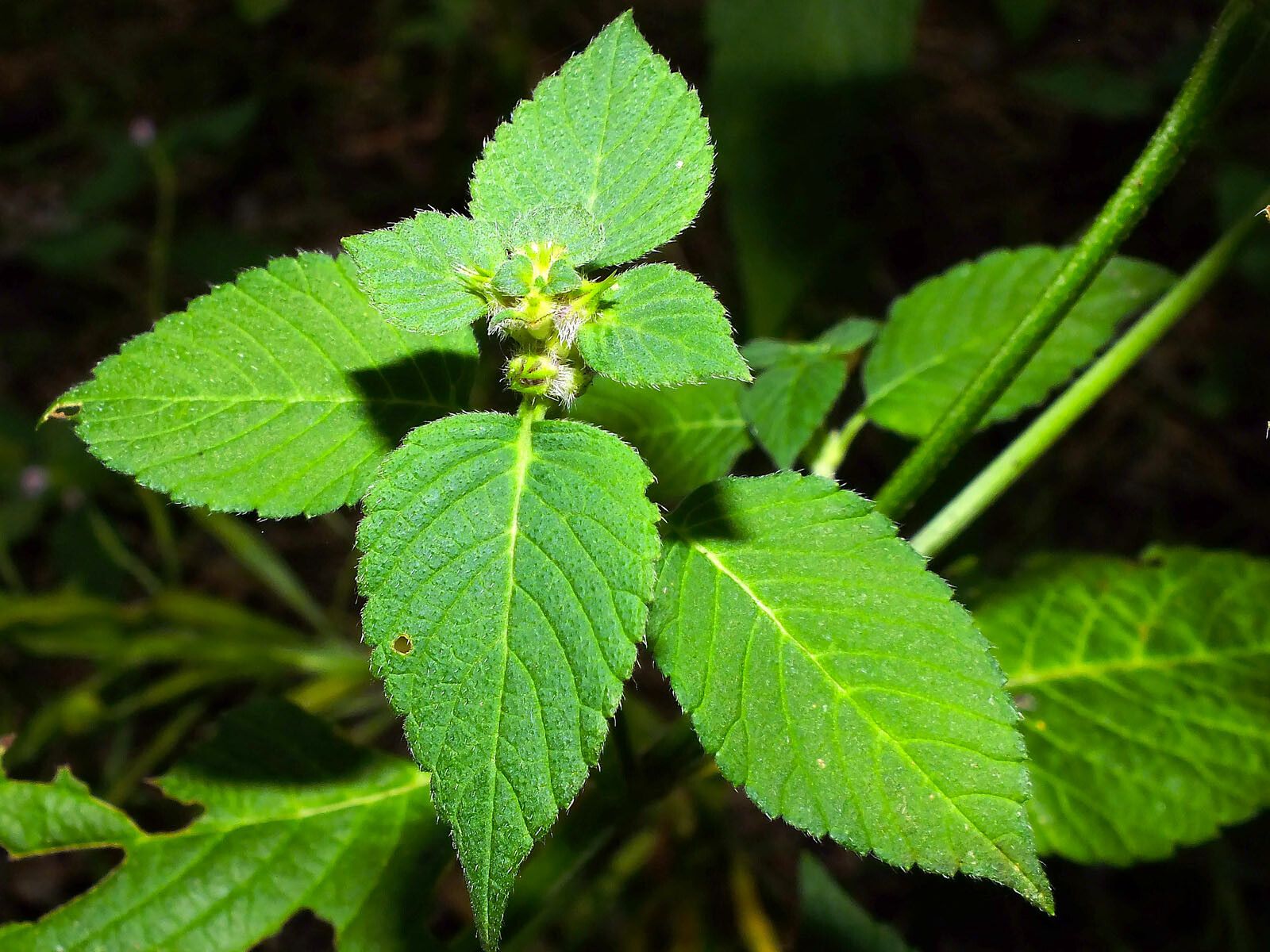
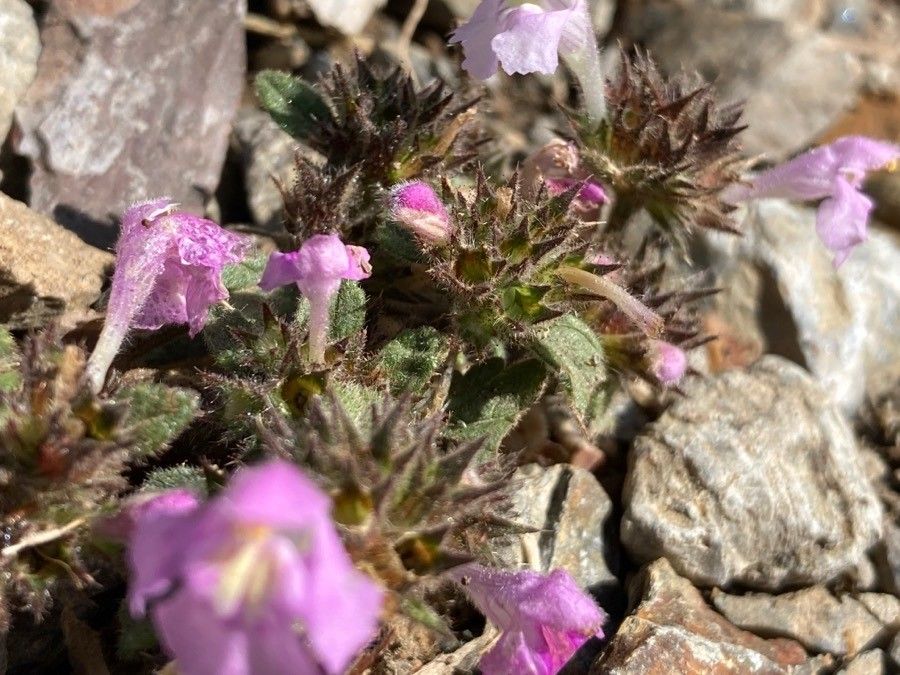
Galeopsis ladanum var. angustifolia, the red hemp-nettle, is a European annual plant growing to 30 cm tall. It flowers between June and October on waste ground, railway tracks, and other stony places. It is classified as critically endangered, having declined dramatically in the last 60 years due to increased fertiliser and herbicide. Modern farming techniques such as autumn cultivation have also affected the plant because they are killed before they have set seed.
Narrowleaf hempnettle is fairly disease-resistant and typically not vulnerable to illnesses. Nevertheless, it can be affected by pests and diseases present in its environment. These infections are generally mild. Regarding upkeep, this species needs a moderate level of care. It should be trimmed on a regular basis to preserve a neat appearance and support healthy growth. Applying fertilizer can also encourage flowering. Narrowleaf hempnettle is appropriate for anyone with outdoor areas like a garden or patio and does not demand extensive care experience. It may need extra attention if kept indoors.
How to keep Galeopsis Angustifolia.
Light
Narrowleaf hempnettle comes from sunny, open habitats and grows best in full sun. It can tolerate some partial shade but favors direct sunlight for optimal development. This plant, which can be annual or biennial, is known for its sun-loving habit.
Water
Narrowleaf hempnettle thrives in moist, well-drained soil that resembles its natural woodland habitat. While it can withstand moderate drought, it requires regular watering twice a week. Using rainwater is particularly beneficial for its growth, as it more closely mimics natural conditions compared to tap water.
Temperature
Narrowleaf hempnettle can tolerate a wide range of temperatures, but its distribution may still be restricted by certain combinations of moisture and heat. It does best in warm summer conditions with sufficient rainfall or irrigation. Prolonged cloudy, rainy weather and extended high temperatures can increase the risk of Narrowleaf hempnettle dying. In winter, protecting the plant from cold can improve its chances of survival.
Fertilizer
Narrowleaf hempnettle does well with regular, light applications of fertilizer to encourage healthy leaf growth. Fertilize Narrowleaf hempnettle roughly once a month during the summer. Nitrogen is essential for foliage, and supplying nitrogen-rich sources helps Narrowleaf hempnettle thrive.
Pruning
Narrowleaf hempnettle is characterized by its slender, lance-shaped leaves and striking purple flowers. To maintain its health and encourage blooming, prune the plant from early to late spring. This involves removing dead stems and excess growth, which also helps prevent the plant from becoming invasive. Regular pruning not only keeps your garden looking neat and tidy but also enhances the plant's vigor.
Botanical profile.
- Plant Type
- Herb
- Life Cycle
- Annual
- Genus
- Galeopsis
- Family
- Lamiaceae
- Hardiness Zone
- 5-9
- Mature Height
- 10 cm to 49 cm
- Mature Spread
- 20 cm to 40 cm
- Leaf Color
- Green, Dark Green
- Leaf Type
- Deciduous
- Flower Color
- Purple
- Flower Size
- 1.52 cm to 2.03 cm
- Bloom Time
- Summer
- Planting Time
- Spring, Summer
- Harvest Time
- Late summer, Early fall, Mid fall
Other names.
Reader questions.
What are the sunlight requirements for Narrowleaf hempnettle (Galeopsis angustifolia)?
Narrowleaf hempnettle (Galeopsis angustifolia) thrives in various sunlight conditions, requiring full sun or partial sun to flourish. Full sun means the plant should receive above 6 hours of sunlight daily, while partial sun refers to about 3-6 hours of sunlight each day. It's important to observe how sunlight moves through your garden, allowing you to choose spots that provide the perfect balance of light and shade. This ensures your Narrowleaf hempnettle plants are happy and healthy.