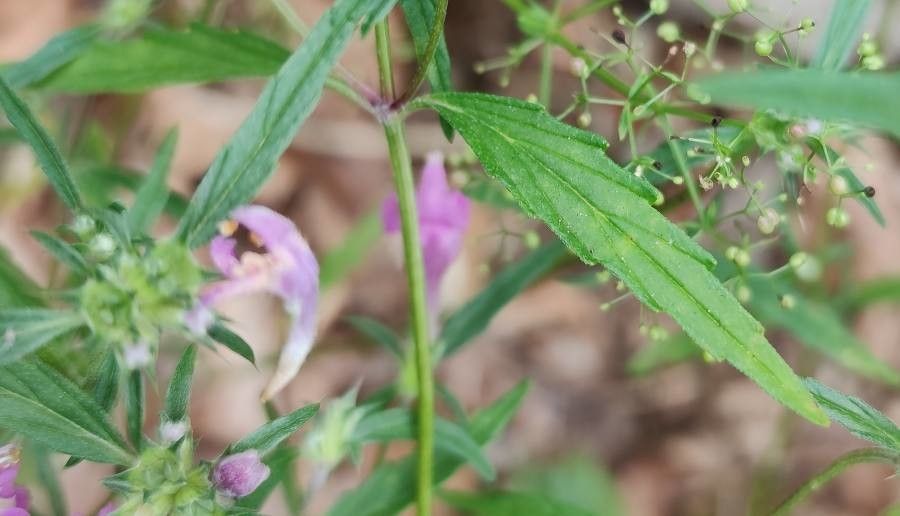
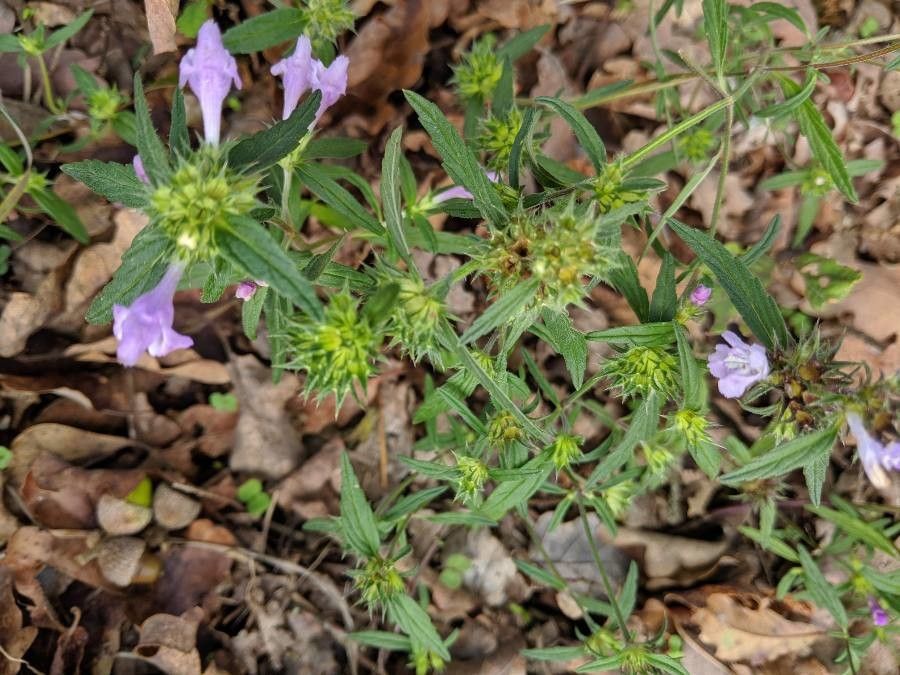
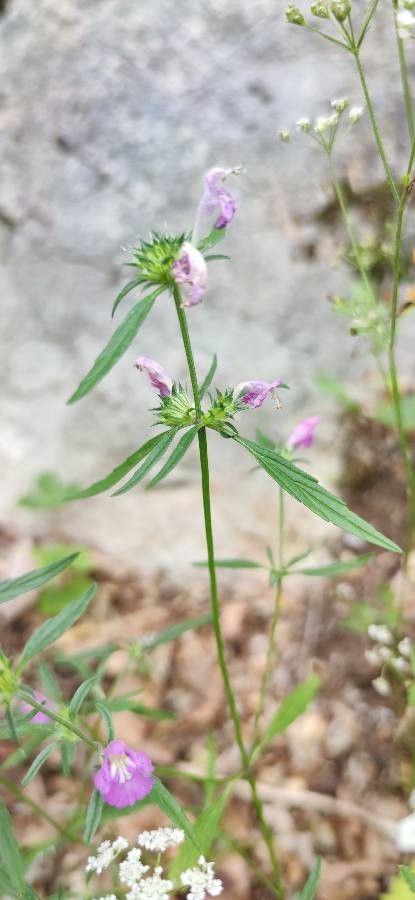
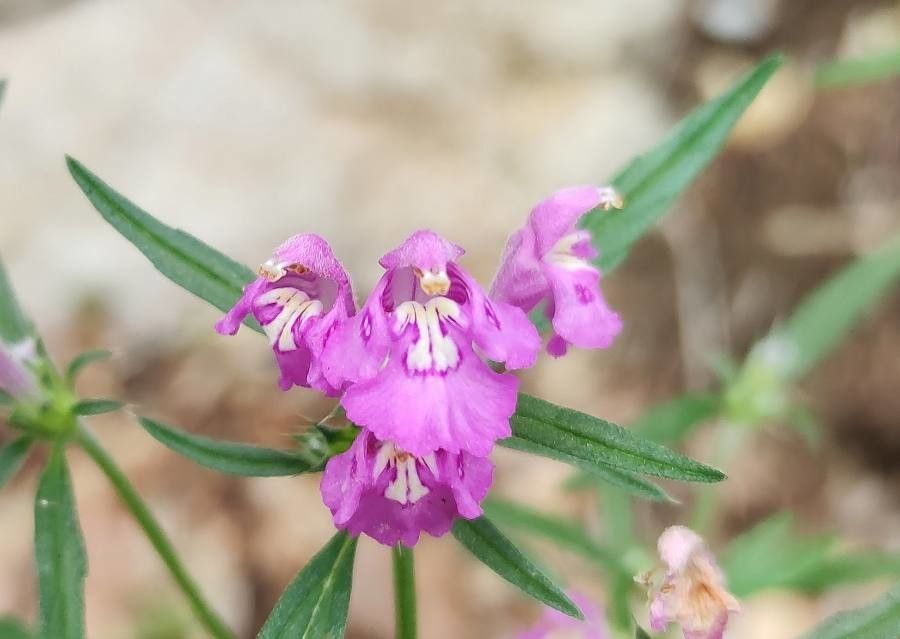
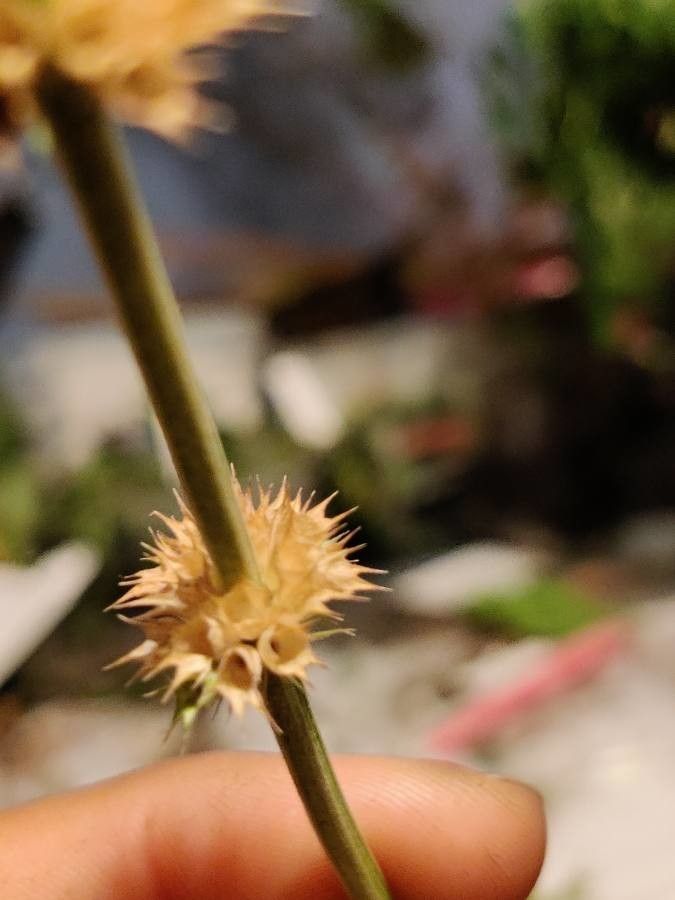
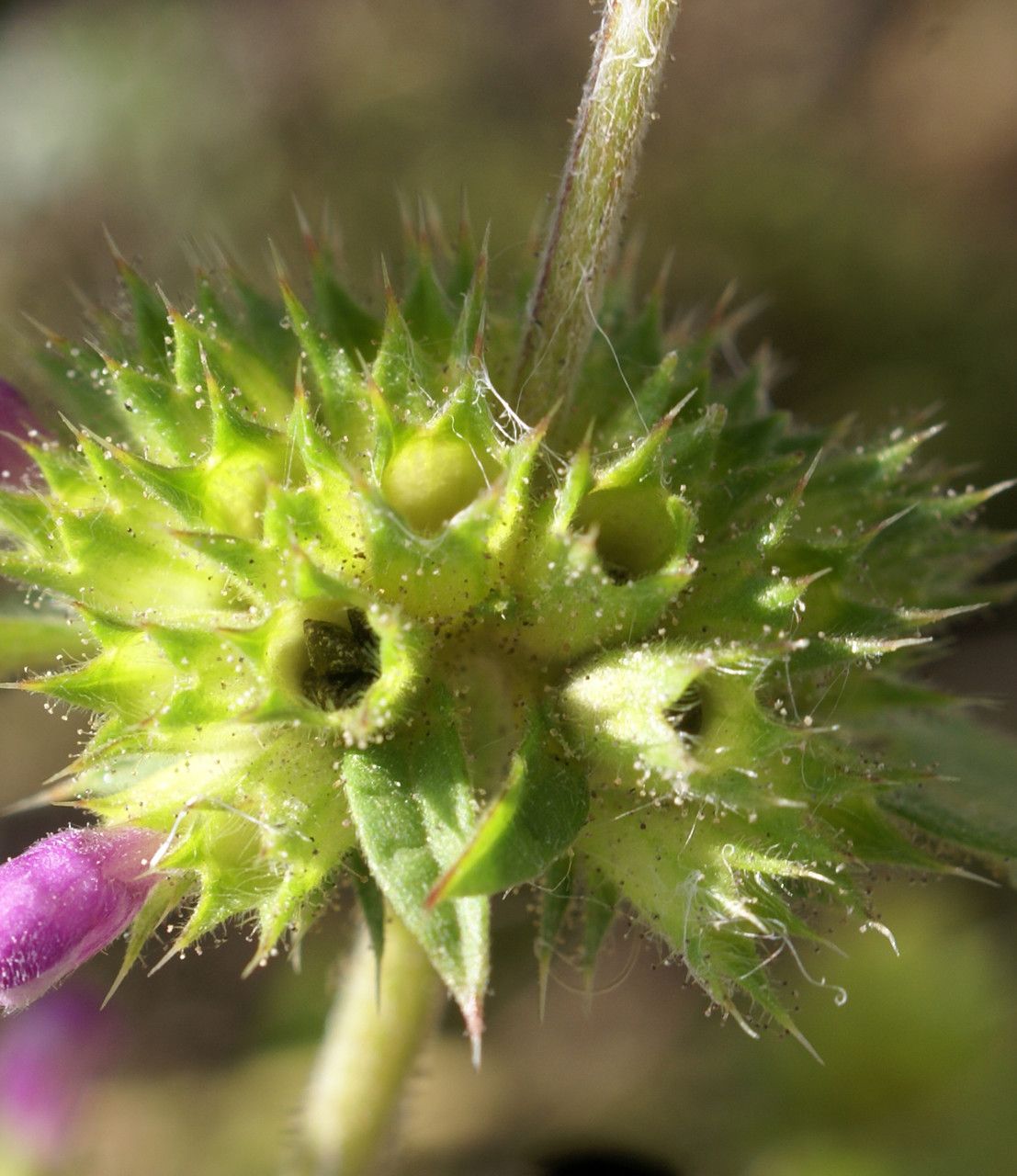
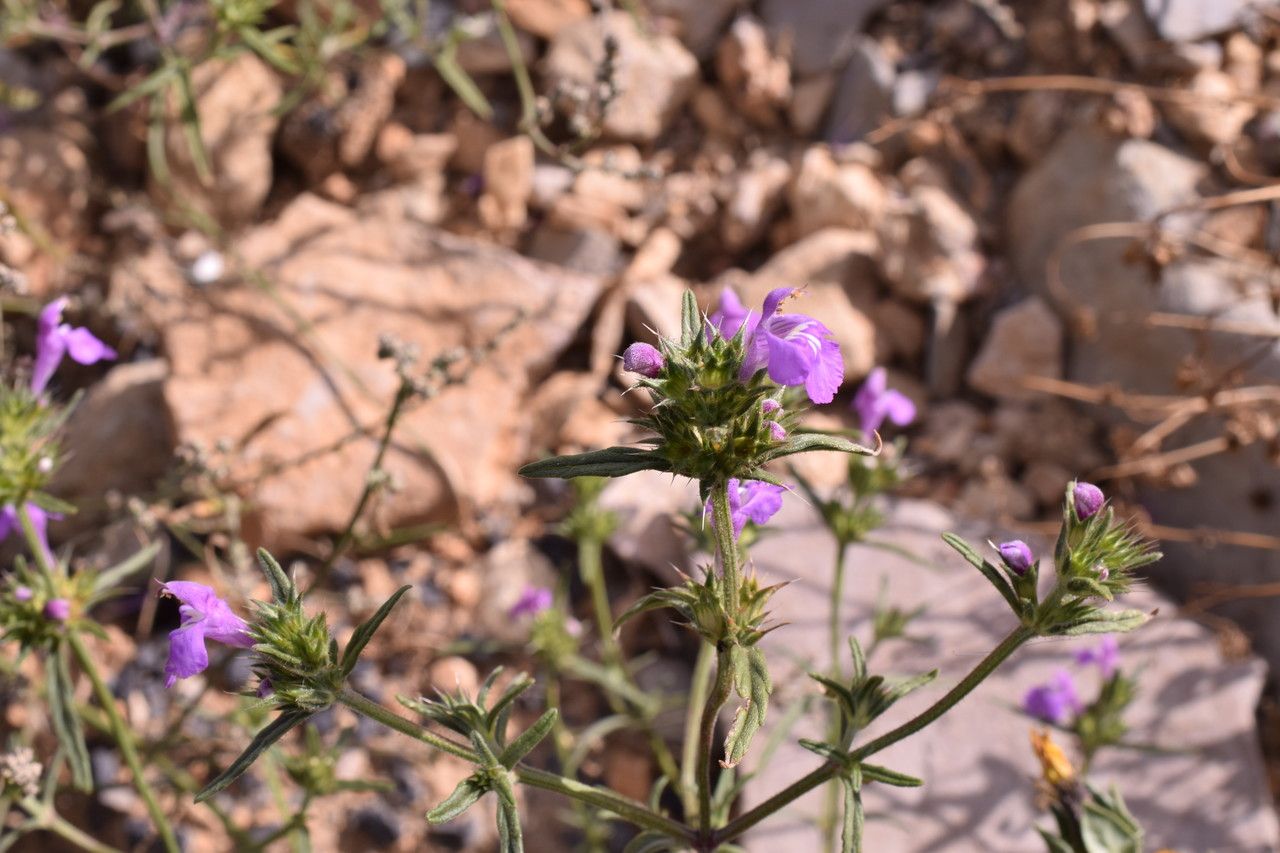
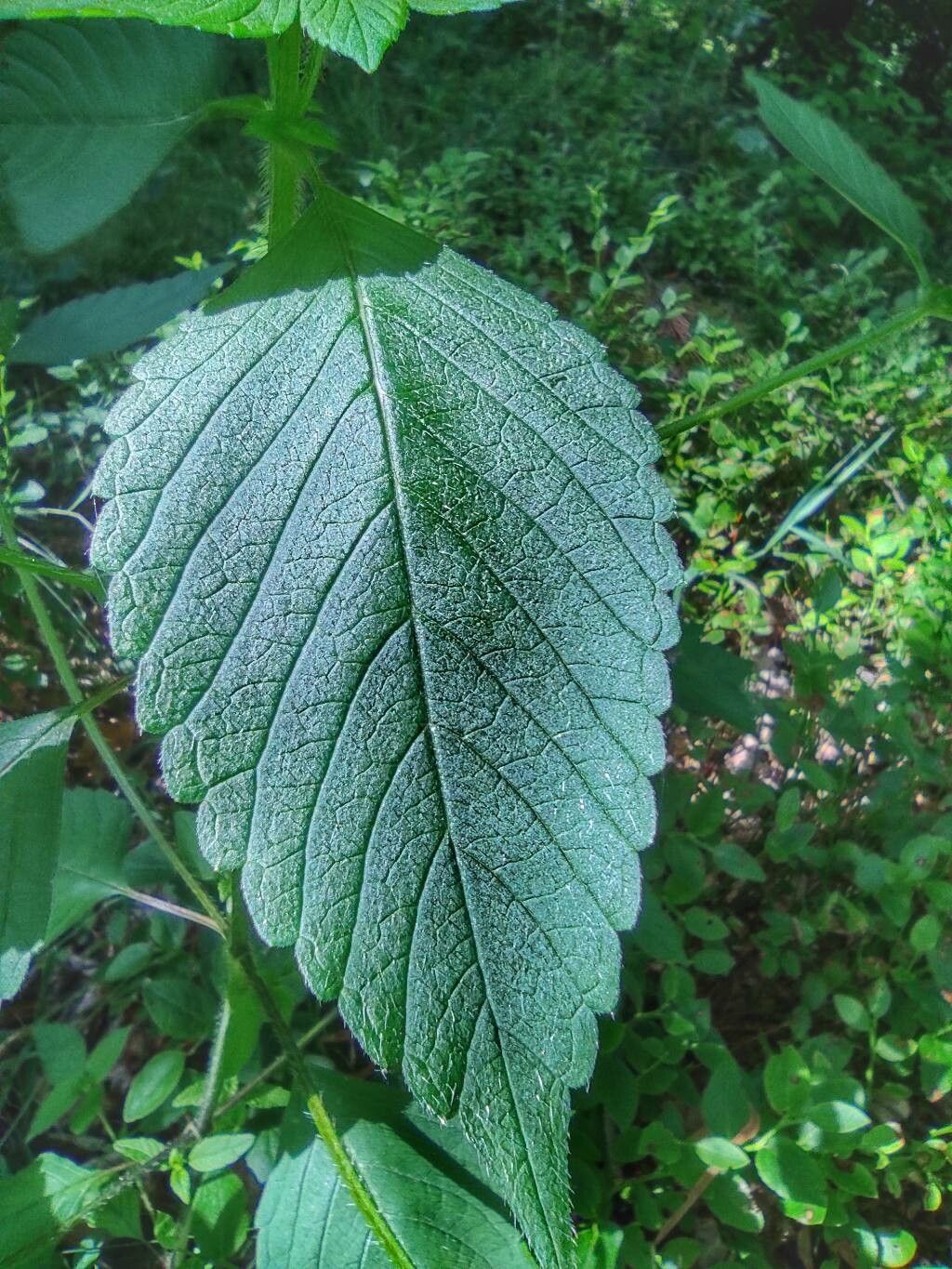
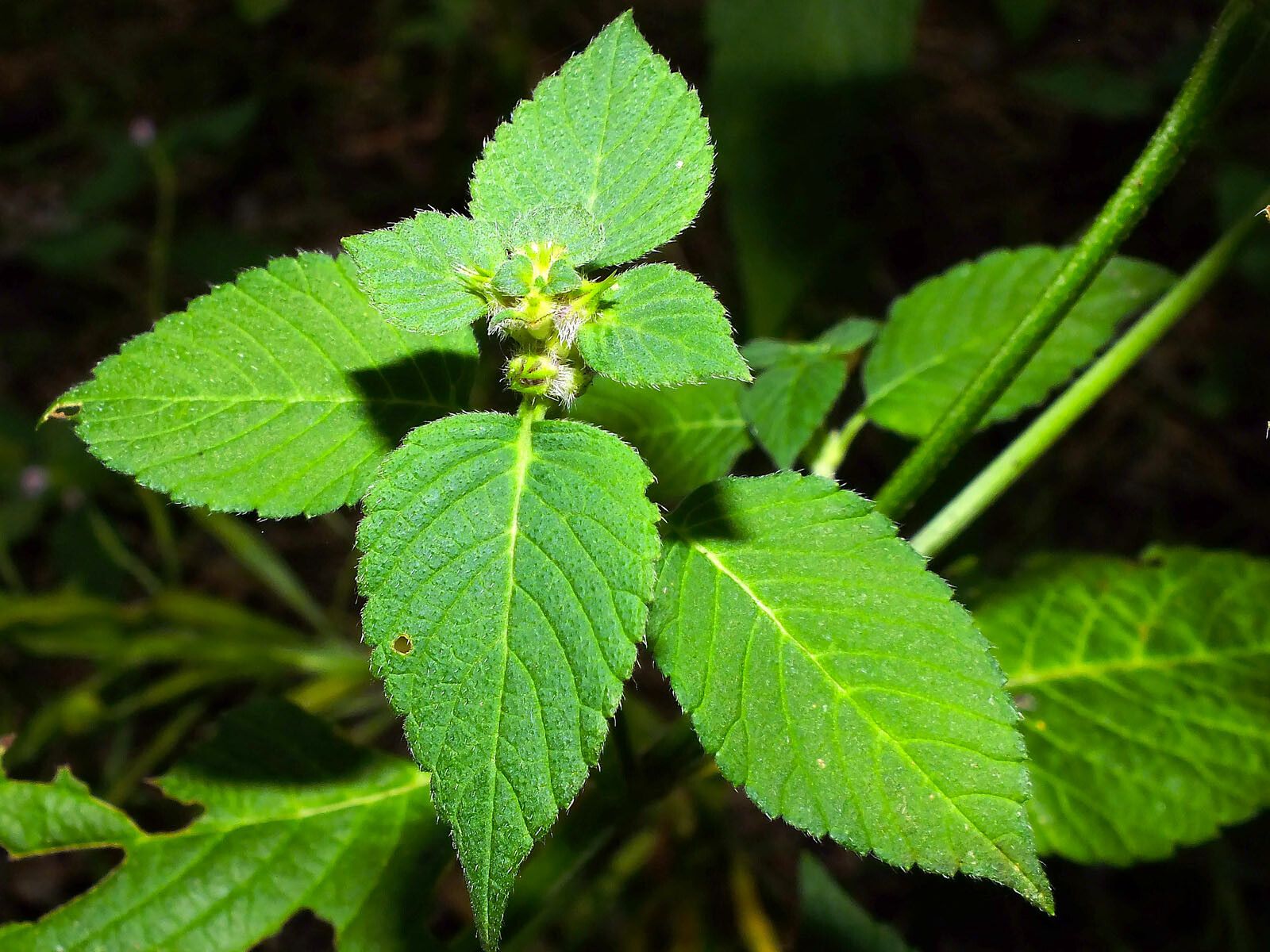
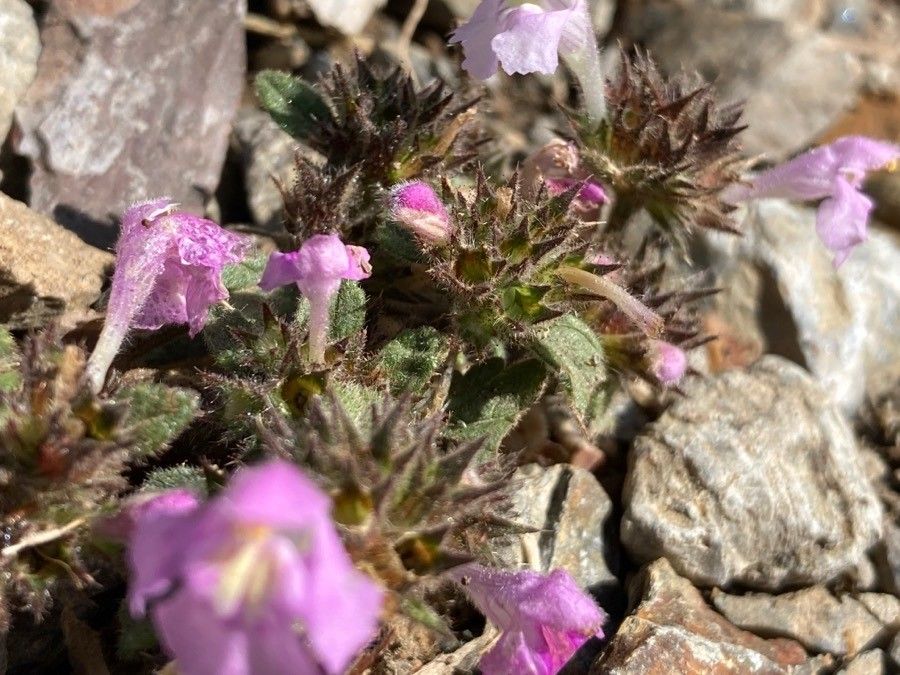
Galeopsis ladanum is a species of flowering plant belonging to the family Lamiaceae.Its native range is Europe to Central Asia.
Red hemp-nettle has strong disease resistance and is generally not likely to get diseases. Still, it can be affected by pests and diseases present in its environment. Such infections are typically not serious. Regarding care, this plant needs a moderate amount of maintenance. It should be pruned regularly to keep a good appearance and support healthy growth. Applying fertilizer can also encourage flowering. Red hemp-nettle is appropriate for anyone with an outdoor area, like a garden or patio, and does not demand much gardening experience. It may need more attention if grown indoors.
How to keep Galeopsis Ladanum.
Light
Red hemp-nettle comes from bright, open habitats and grows best in full sun. It can tolerate some shade but favors direct sunlight for optimal growth. This plant, which may be annual or biennial, is known for its preference for sunny conditions.
Water
Red hemp-nettle flourishes in environments with moderate moisture and requires consistent watering. To maintain even soil moisture without causing waterlogging, water the plant twice a week. When grown indoors, red hemp-nettle benefits from areas with stable humidity, which mimics its natural climate and promotes optimal growth.
Temperature
Red hemp-nettle can tolerate a wide range of temperatures, though its distribution may still be constrained by various combinations of moisture and heat. It does best in warm summer conditions with sufficient rainfall or watering. Extended periods of cloudy, rainy weather, as well as sustained high temperatures, can raise the likelihood of Red hemp-nettle dying. In winter, proper protection from cold can improve the plant’s survival rate.
Fertilizer
Red hemp-nettle responds well to regular, light applications of fertilizer to encourage healthy leaf development. You should feed Red hemp-nettle about once a month during the summer. Nitrogen is essential for foliage, and adding nitrogen-rich fertilizer helps Red hemp-nettle thrive.
Pruning
Red hemp-nettle is distinguished by its unique nettle-like leaves and purple-pink flowers. To promote healthier growth and encourage abundant flowering, it is best to prune the plant by deadheading spent blooms and cutting back the stems. This should be done from early to late spring to enhance its growth and maintain a compact shape.
Botanical profile.
- Plant Type
- Herb
- Life Cycle
- Annual
- Genus
- Galeopsis
- Family
- Lamiaceae
- Hardiness Zone
- 5-9
- Mature Height
- 10 cm to 76 cm
- Mature Spread
- 15 cm to 30 cm
- Leaf Color
- Green, Dark Green
- Leaf Type
- Semi-evergreen
- Flower Color
- Purple, Pink
- Flower Size
- 1.52 cm to 2.03 cm
- Bloom Time
- Summer
- Planting Time
- Spring, Autumn
- Harvest Time
- Late summer, Early fall, Mid fall
- Native Area
- Turkey, Austria, Sweden, Slovakia, Montenegro, Croatia, Slovenia, Belarus, Uzbekistan, Russia, Germany, Estonia, Romania, Latvia, Belgium, France, Netherlands, Czech Republic, Bulgaria, Armenia, Poland, Greece, Ukraine, Serbia, Lithuania, Norway, Kyrgyzstan, Kazakhstan, Italy, Spain, Switzerland, Denmark, Finland, Albania, Azerbaijan, Hungary
Other names.
Reader questions.
What are the sunlight requirements for Red hemp-nettle?
Red hemp-nettle, scientifically known as Galeopsis ladanum, thrives in two main types of sunlight conditions: full sun and partial sun. Full sun means the plant should receive above 6 hours of sunlight daily, while partial sun refers to about 3-6 hours of sunlight each day. It's important to observe how sunlight moves throughout your garden, aiming to place your plants in locations where they can enjoy the ideal balance of light and shade. This careful placement ensures the plants' well-being and happiness.