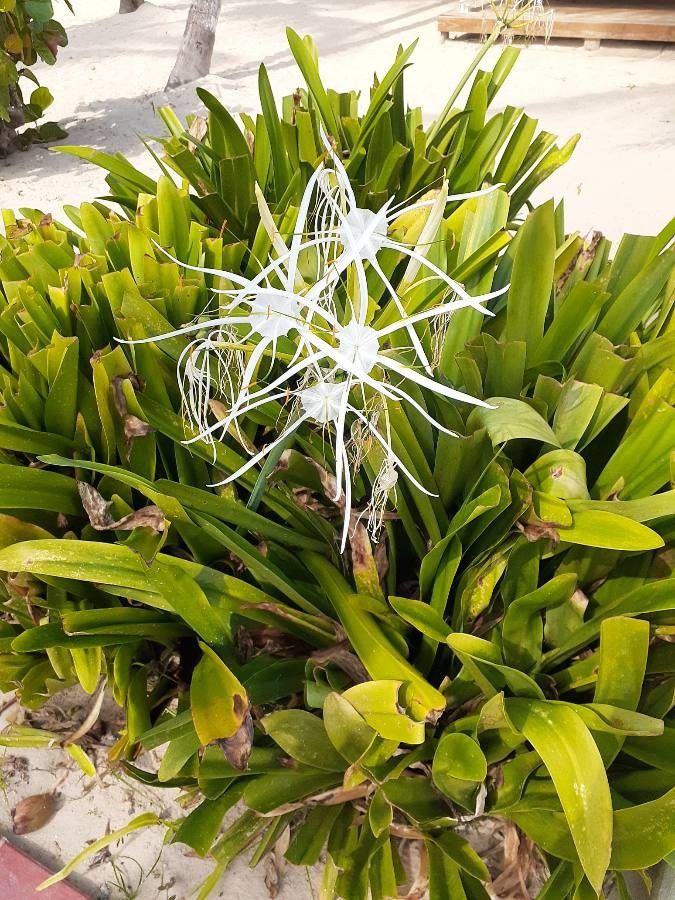
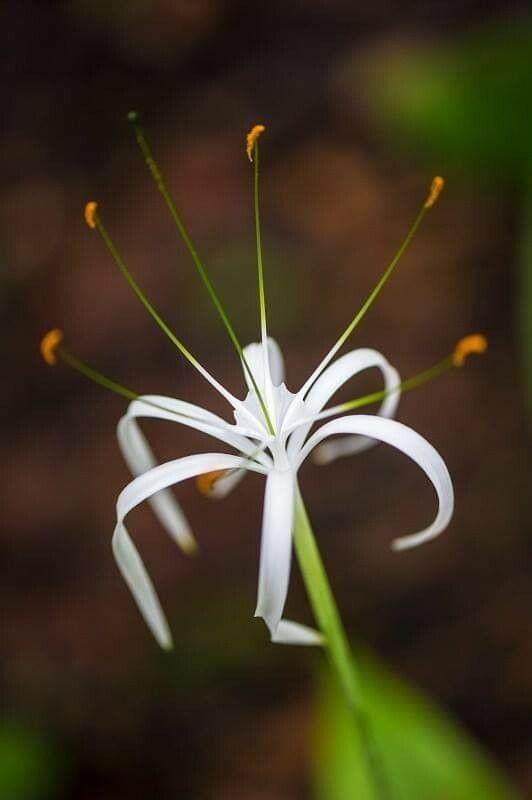
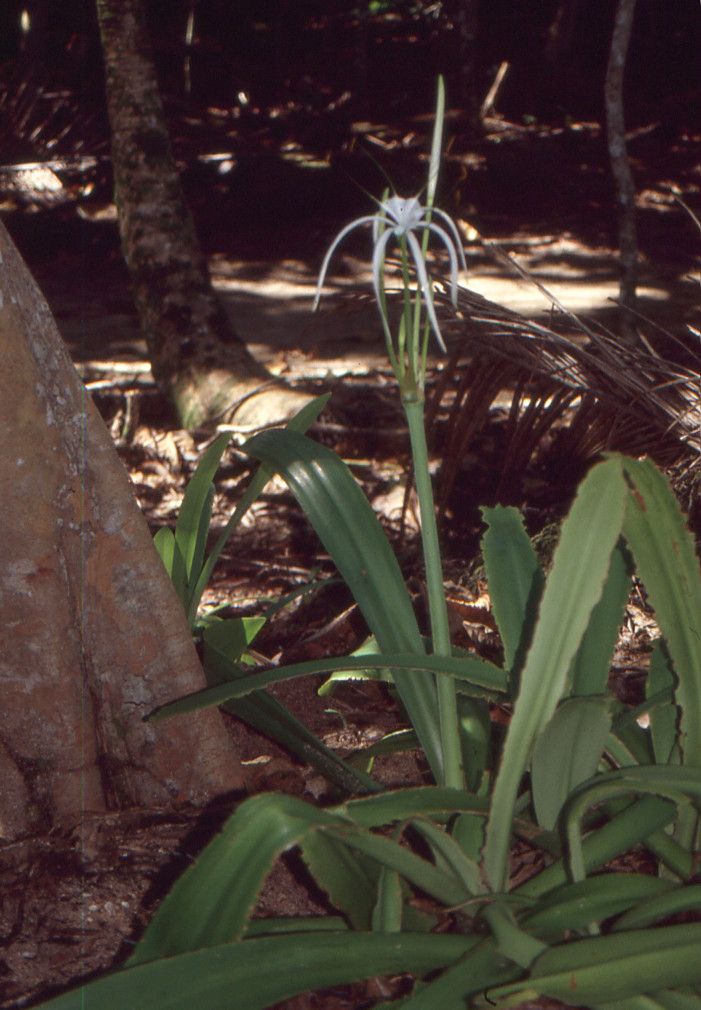
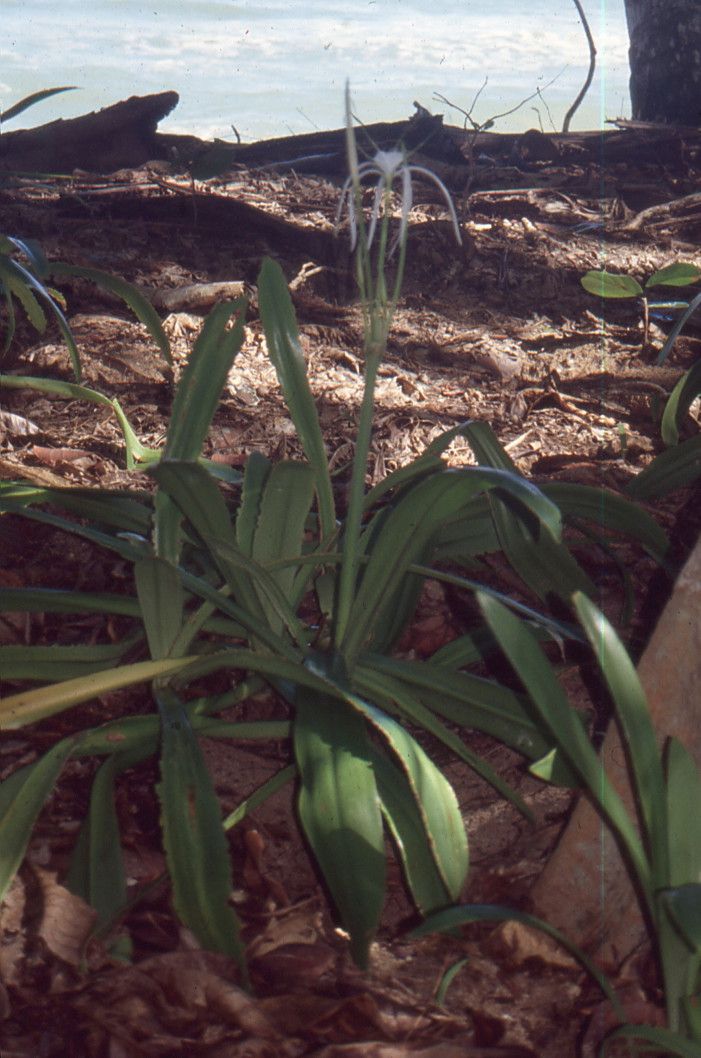
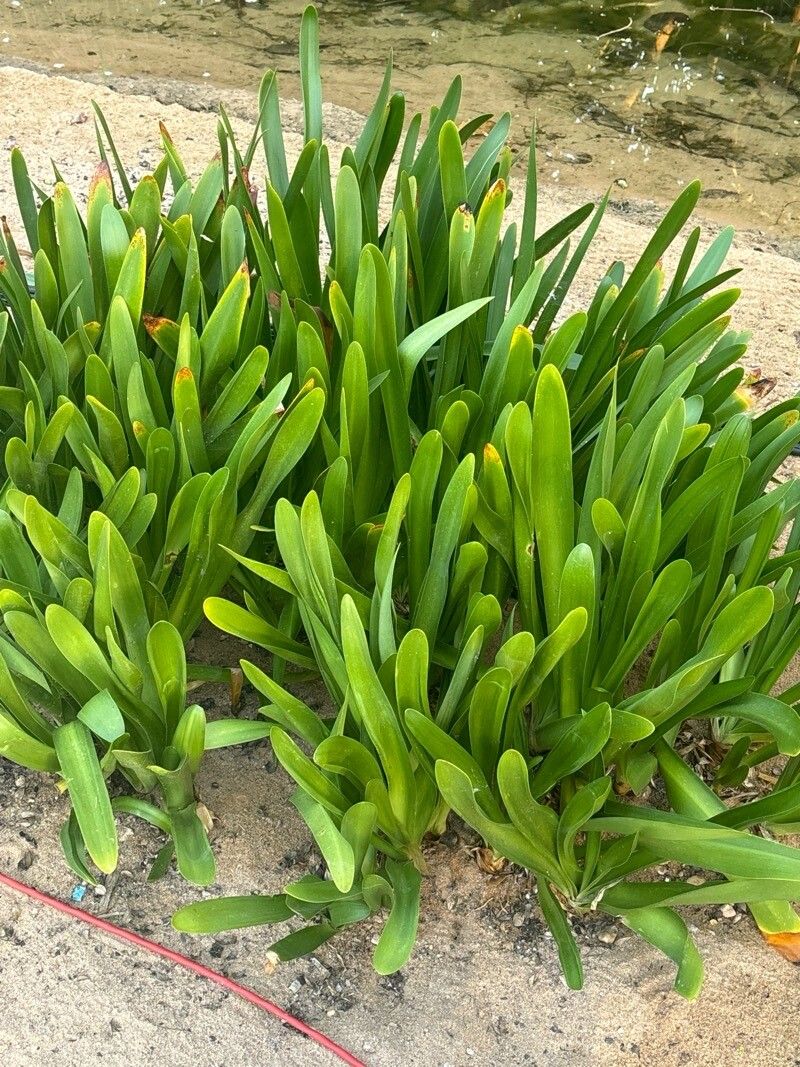
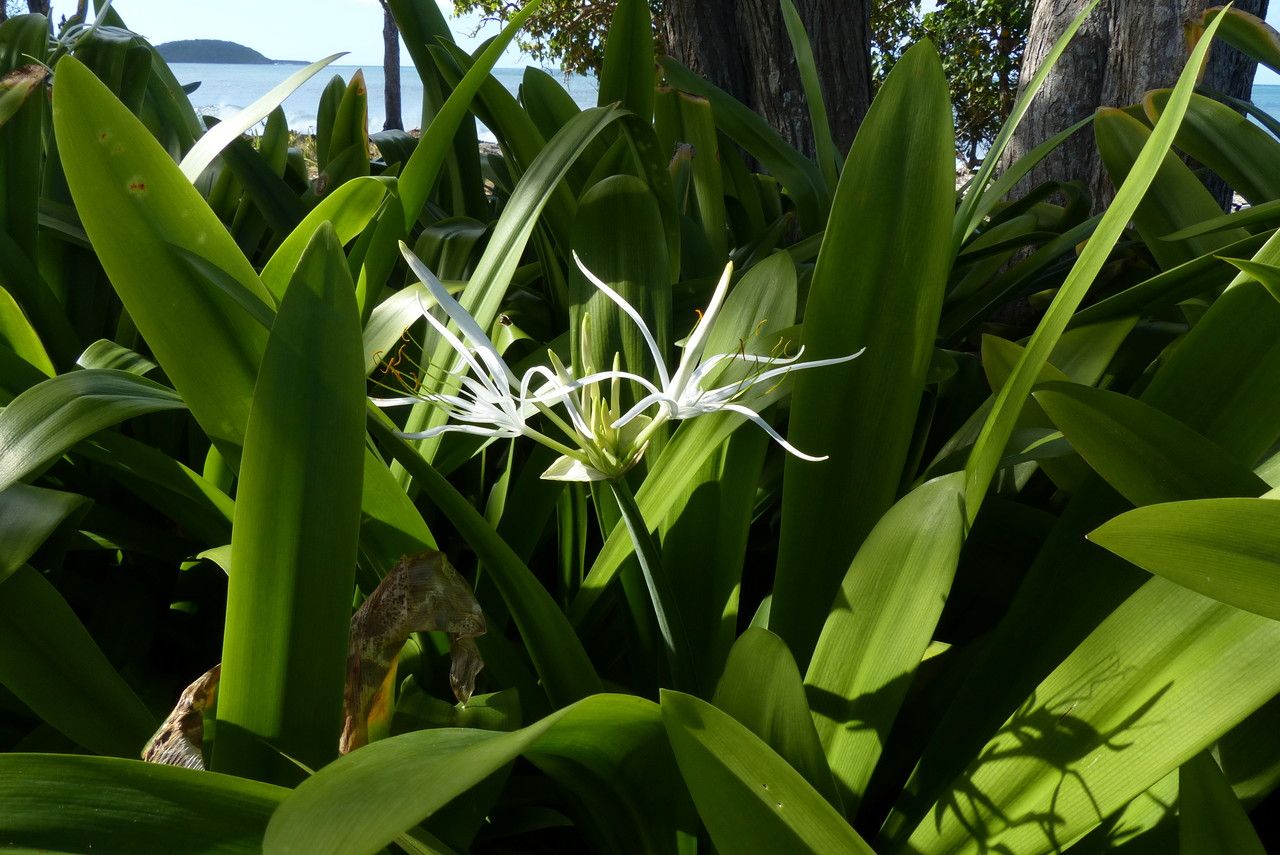
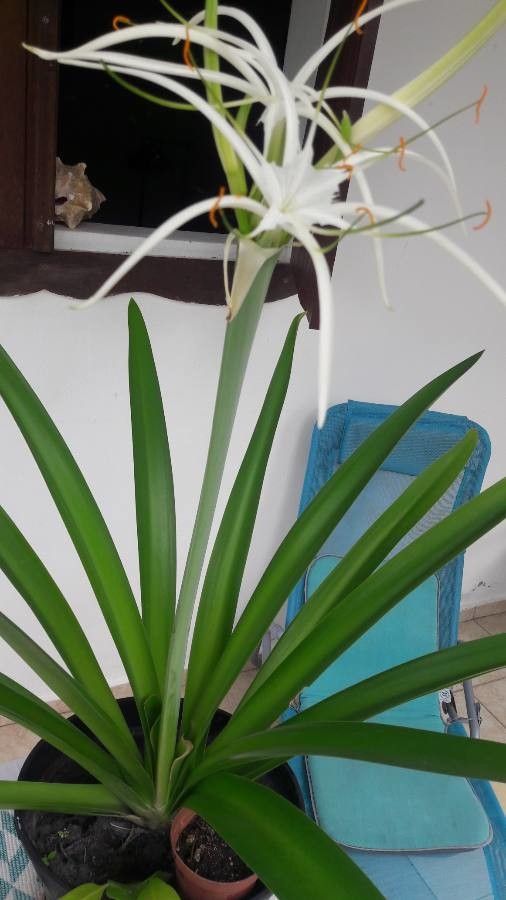
Hymenocallis speciosa, the green-tinge spiderlily, is a species of the genus Hymenocallis that is native to the Windward Islands in the eastern Caribbean. It is cultivated as an ornamental in some areas, and reportedly naturalized in Cuba and the Bahamas.Hymenocallis speciosa is a bulb-forming perennial. Stipe can attain a height of up to 50 cm. Leaves are lanceolate, up to 50 cm long and 10 cm across, narrowing to a petiole below. One umbel can produce as many as 20 flowers. Flowers are white with a slight greenish tinge, the tepals reflexed (curling backwards) at flowering time.
Green-tinge spiderlily is fairly disease-resistant and generally not prone to illnesses. That said, it can be affected by pests and diseases present in its environment. These problems are typically mild. In terms of care, the plant requires moderate maintenance. Regular pruning is needed to keep a tidy appearance and support healthy growth. Fertilizing can also encourage flowering. Green-tinge spiderlily is well suited for people with outdoor spaces like a garden or patio and does not demand extensive care experience. It may need more attention when cultivated indoors.
How to keep Hymenocallis Speciosa.
Light
Green-tinge spiderlily occurs naturally in habitats like forest understories and rocky areas, where it is subject to natural shade. It favors partial sun but can tolerate full sun or full shade, reflecting its hardy and adaptable nature.
Water
The green-tinge spiderlily thrives in moist environments and high humidity, which are reminiscent of its tropical origins. While it has moderate drought tolerance, it requires watering every 1-2 weeks. This plant is ideal for indoor container gardening, where it can flourish under stable conditions with controlled moisture levels.
Temperature
Green-tinge spiderlily comes from tropical areas, where the climate is generally warm and humid. Therefore it is well-suited to high temperatures and humidity. It does not tolerate sudden temperature changes and prefers a stable temperature, so avoiding fluctuations indoors is important. It usually cannot withstand cold and needs warmer conditions to grow. If the ambient temperature falls too low, the plant may stop growing or even die.
Fertilizer
Proper fertilization is vital for the Green-tinge spiderlily's health and appearance. Fertilize the Green-tinge spiderlily in summer, repeating the application monthly throughout the season. Nutrients support growth and help maintain the plant's parts. Fertilization improves the Green-tinge spiderlily's flower display, ensuring the best blooms.
Pruning
The Green-tinge Spiderlily, famous for its spider-like blooms, benefits greatly from well-timed pruning between early and late spring. To encourage healthy growth and better airflow, remove any wilting flowers and damaged leaves. This not only enhances the plant's vigor and appearance but also helps prevent fungal problems. Be sure to use clean, sharp tools for the best pruning results.
Botanical profile.
- Plant Type
- Herb
- Life Cycle
- Perennial
- Genus
- Hymenocallis
- Family
- Amaryllidaceae
- Hardiness Zone
- 9-11
- Mature Height
- 49 cm
- Mature Spread
- 49 cm
- Leaf Color
- Green
- Leaf Type
- Evergreen
- Flower Color
- White
- Flower Size
- 15.24 cm to 20.32 cm
- Bloom Time
- Summer, Early fall
- Planting Time
- Spring, Summer, Autumn
- Harvest Time
- Late summer, Fall
- Native Area
- Bahamas, Cuba
Other names.
Reader questions.
What are the sunlight requirements for a Green-tinge spiderlily?
The Green-tinge spiderlily (Hymenocallis speciosa) thrives in varying amounts of sunlight, with specific needs based on the intensity of the light. Partial sun, which is about 3-6 hours of sunlight daily, is suitable for this plant. However, it can also flourish in conditions of full sun, meaning it receives more than 6 hours of sunlight. It's important to observe the way sunlight moves through your garden to pick locations that offer the right mix of light and shade, ensuring your plants remain healthy and happy.