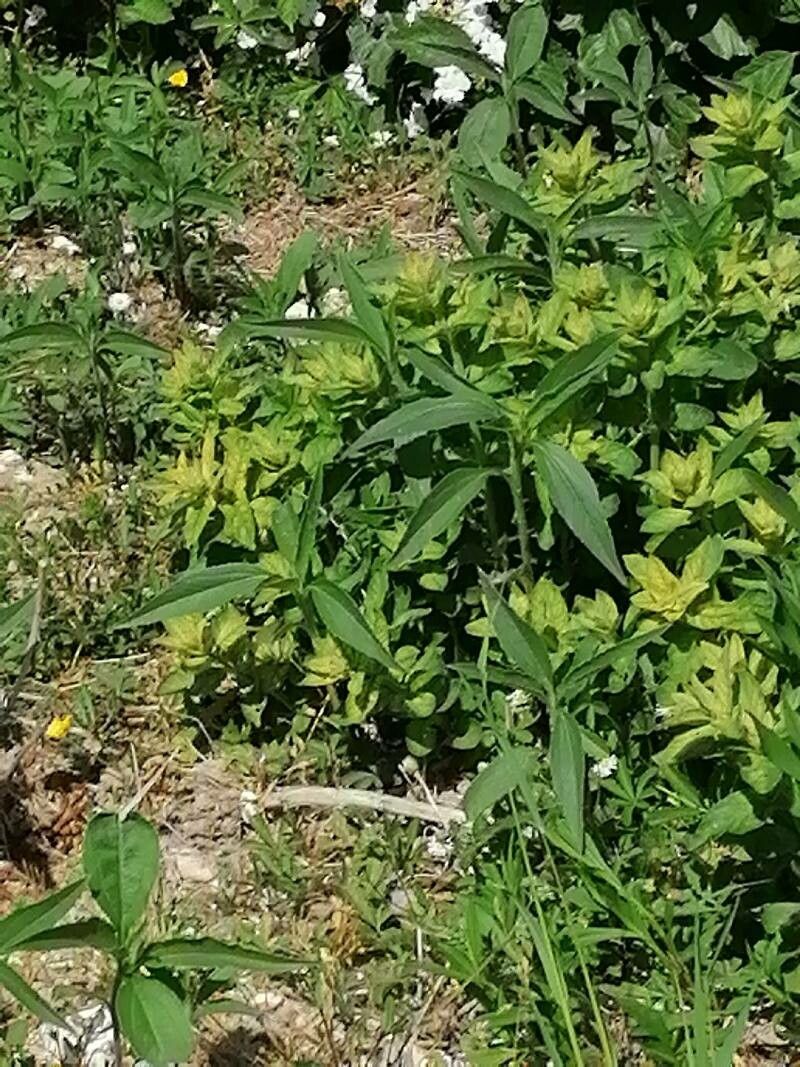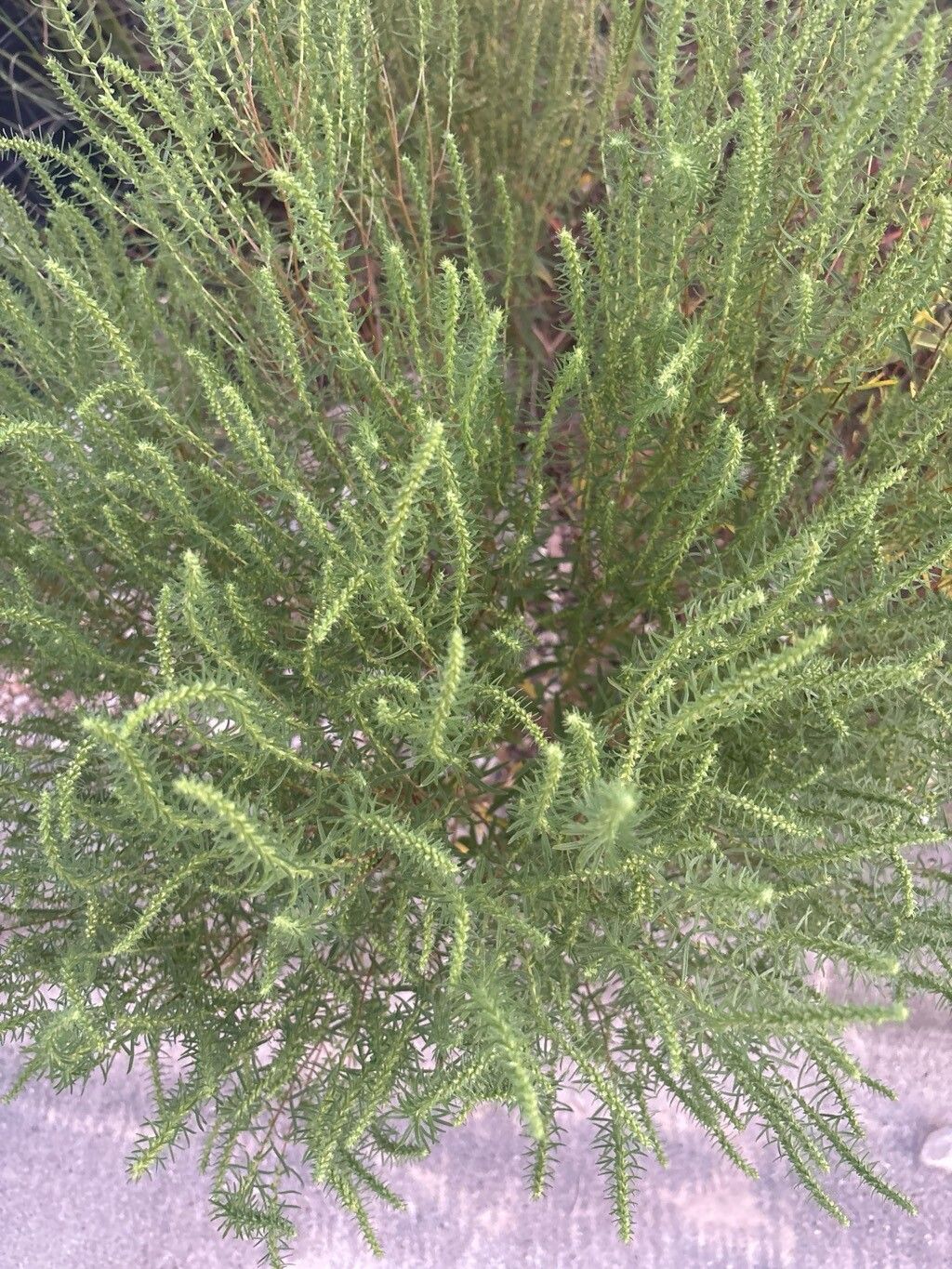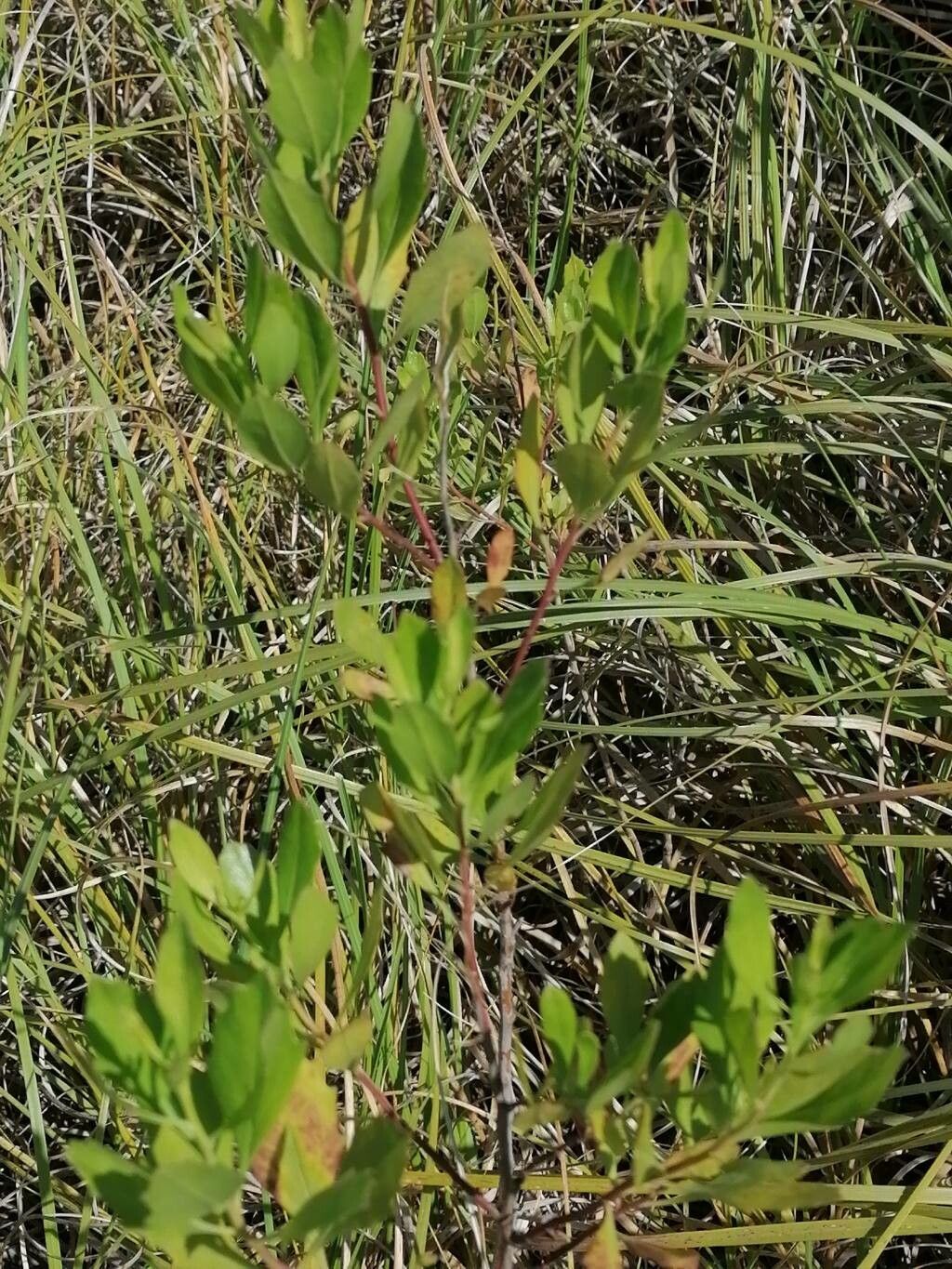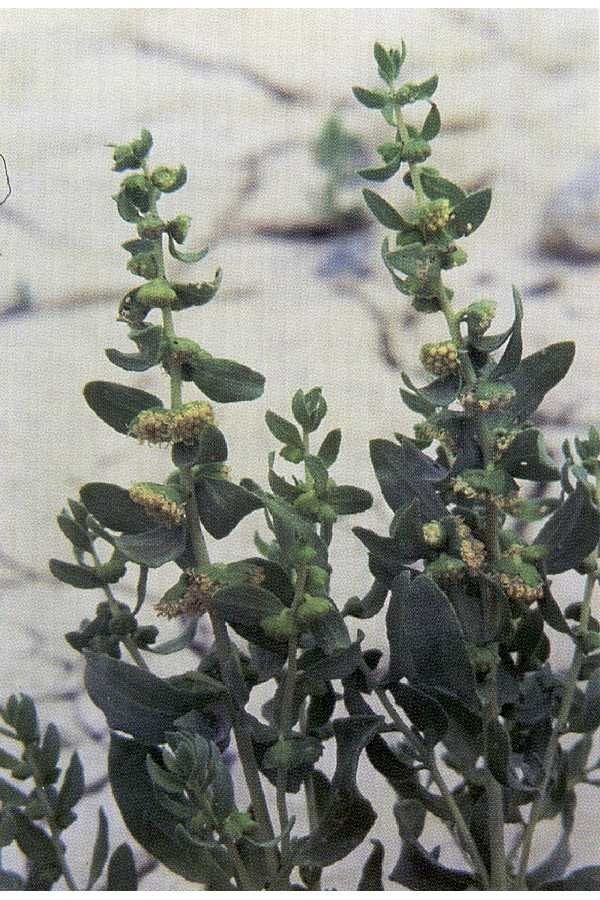
Iva axillaris, commonly known as Poverty Weed, is a perennial herbaceous plant belonging to the Asteraceae family. Native to North America, it thrives in various habitats, including prairies, savannas, and disturbed areas. The plant can reach heights of 1 to 2 meters and features a woody stem with numerous branches.
The leaves of Iva axillaris are alternate and simple, with toothed margins. Its small, greenish-yellow flowers are arranged in clusters at the ends of branches, blooming from July to October.
Native Americans have used Iva axillaris for medicinal purposes to treat ailments such as fever, coughs, colds, and headaches.
Poverty Weed also serves as an important food source for wildlife. Birds feed on its seeds, and deer browse on its leaves during the winter months when other food sources are scarce.
Overall, Iva axillaris is a vital ecological component of North American ecosystems. It offers medicinal benefits and serves as a crucial food source for wildlife, making it an essential part of our natural heritage.
Poverty sumpweed has good resistance to disease and generally does not suffer from illnesses. However, it can be susceptible to pests and diseases present in its environment. These infections are usually mild. In terms of care, the plant requires a moderate level of maintenance. It should be pruned regularly to maintain a tidy appearance and healthy growth. Fertilizing can also help encourage flowering. Poverty sumpweed is suitable for anyone with outdoor space, such as a garden or patio, and does not demand extensive care experience. It may require more attention when grown indoors.
How to keep Iva Axillaris.
Light
Poverty sumpweed is a sun-loving perennial herbaceous plant that comes from open habitats and is commonly found in meadows and grasslands. It prefers full sun but can tolerate partial sun.
Water
Poverty sumpweed thrives in areas with moderate moisture. While it shows some tolerance to drought, it prefers consistent humidity. To keep the plant healthy, water it once a week, but take into account the type of soil to ensure optimal water retention and drainage. This approach provides enough hydration for poverty sumpweed without the risk of waterlogging.
Temperature
Poverty sumpweed can tolerate a broad range of temperatures, but its distribution may still be constrained by different combinations of moisture and heat. It grows best in warm summer climates with sufficient rainfall or irrigation. Extended periods of cloudy, rainy weather, as well as prolonged high temperatures, can raise the likelihood of Poverty sumpweed dying. In winter, proper protection from cold can increase the plant's survival rate.
Fertilizer
One application of fertilizer in spring is typically enough for Poverty sumpweed, although multiple feedings can maximize growth. Feed once every month to a month and a half. Fertilization improves leaf appearance and function, encouraging consistent color and a healthy texture. It also promotes root growth and nutrient absorption, supporting long-term plant health.
Pruning
Poverty sumpweed is a robust, low-growing perennial with small, opposite leaves and delicate greenish flowers. Pruning it from early to late spring encourages new growth, prevents it from becoming leggy, and promotes a bushier appearance. This practice enhances the plant's overall health and vitality.
Botanical profile.
- Plant Type
- Herb, Shrub
- Life Cycle
- Perennial
- Genus
- Iva
- Family
- Asteraceae
- Hardiness Zone
- 4-9
- Mature Height
- 30 cm to 61 cm
- Mature Spread
- 30 cm to 49 cm
- Leaf Color
- Green
- Leaf Type
- Semi-evergreen
- Flower Size
- 0.25 cm to 0.51 cm
- Bloom Time
- Summer
- Planting Time
- Spring, Summer, Autumn
- Harvest Time
- Late summer, Early fall, Mid fall