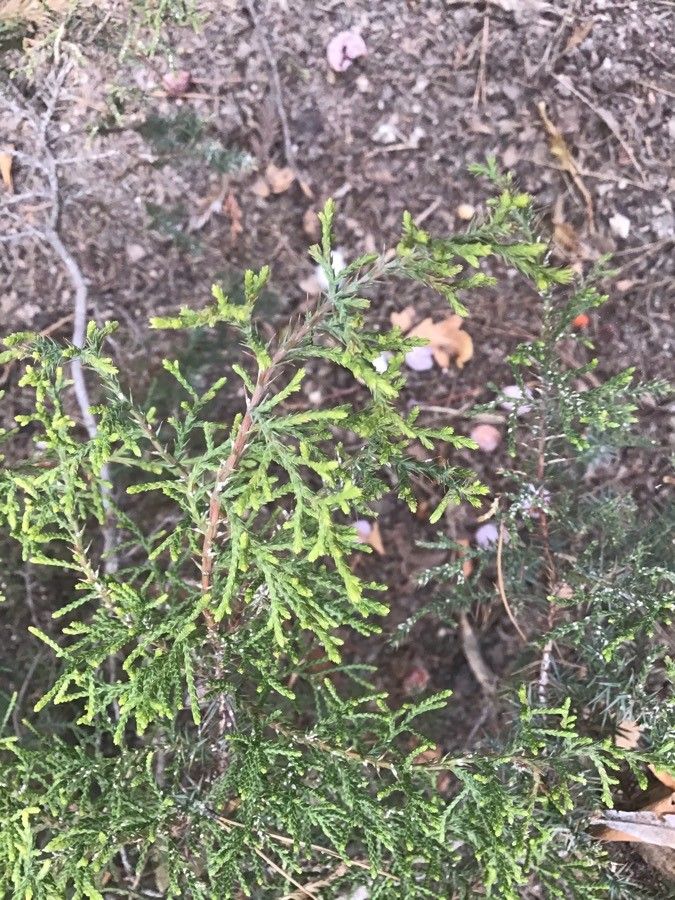
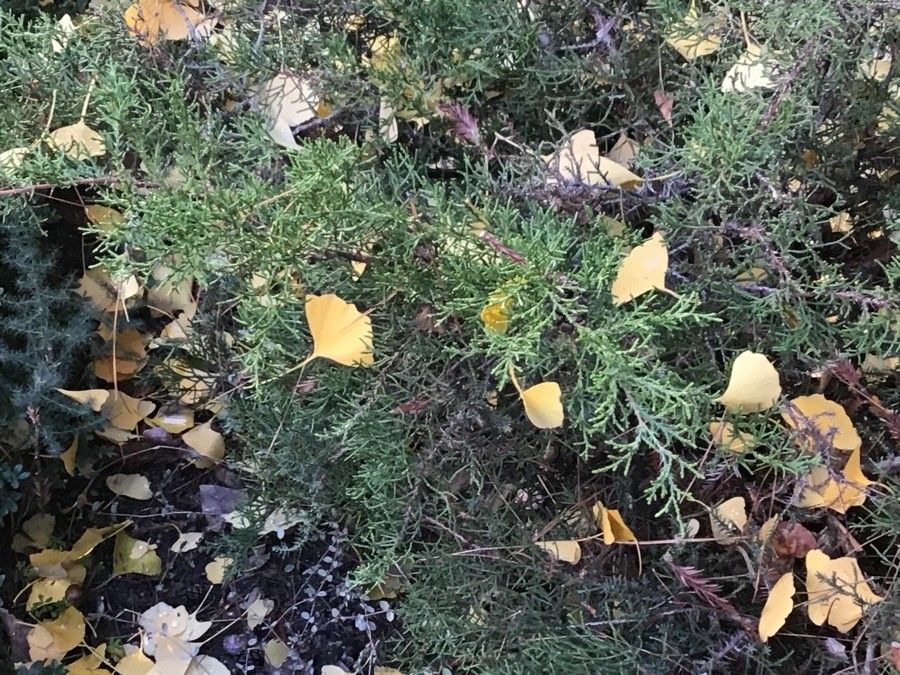
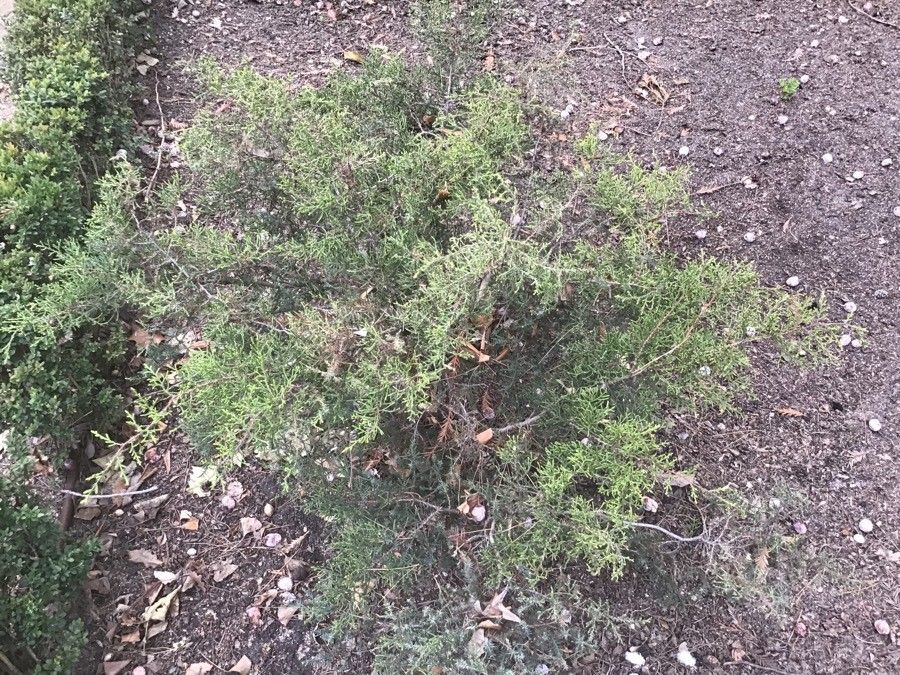
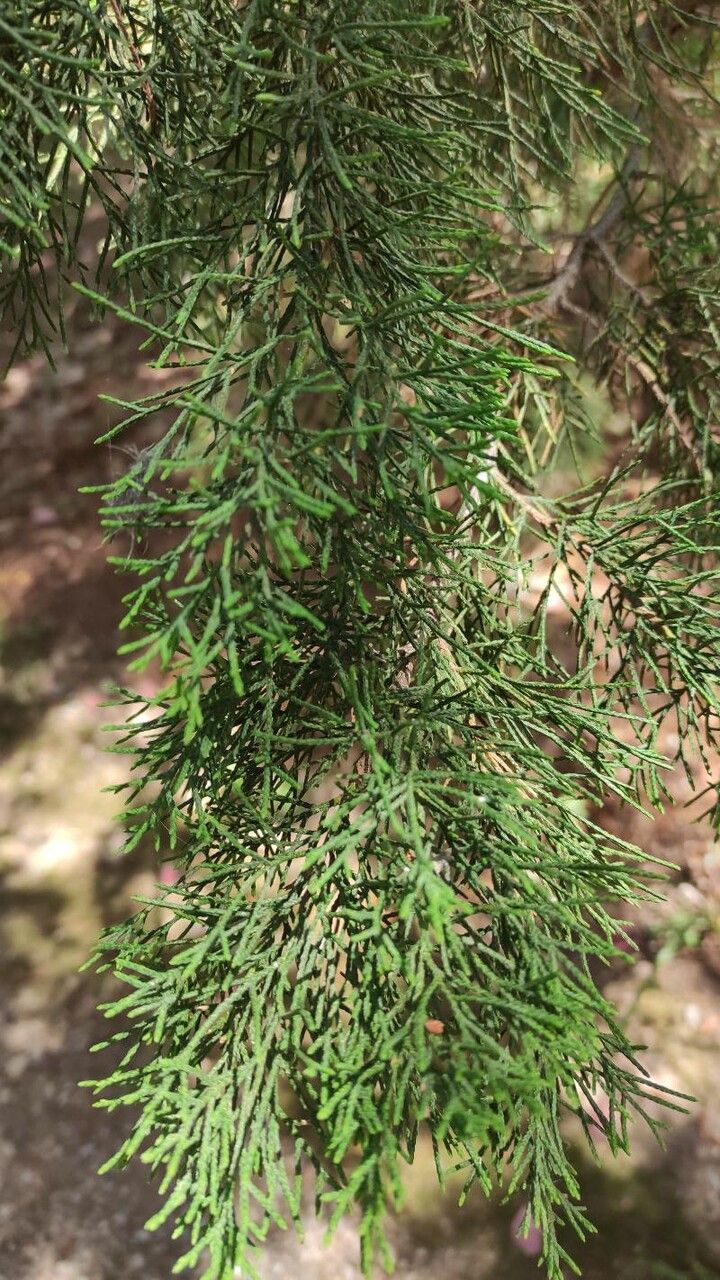
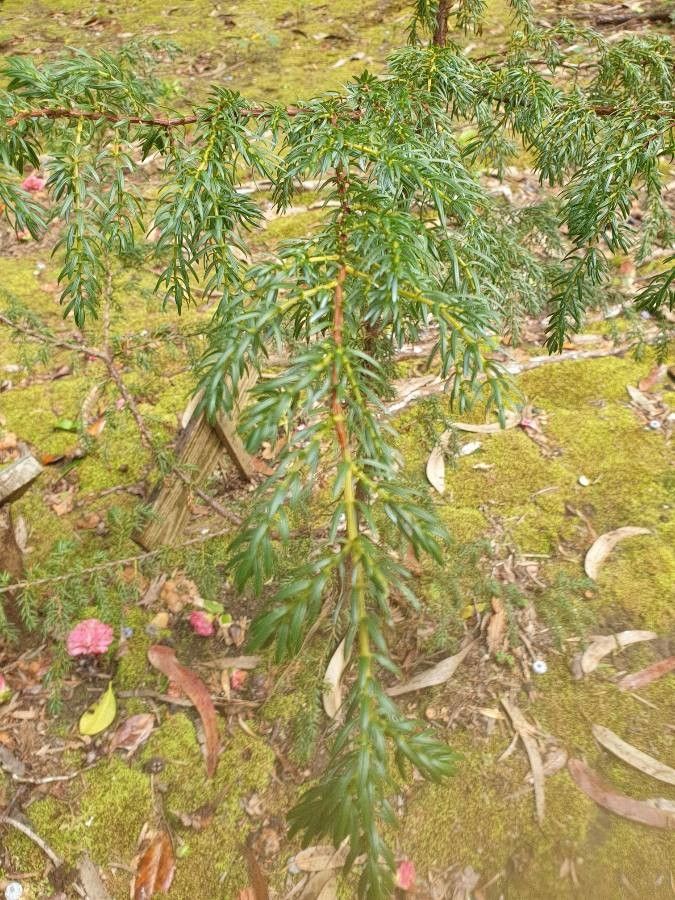
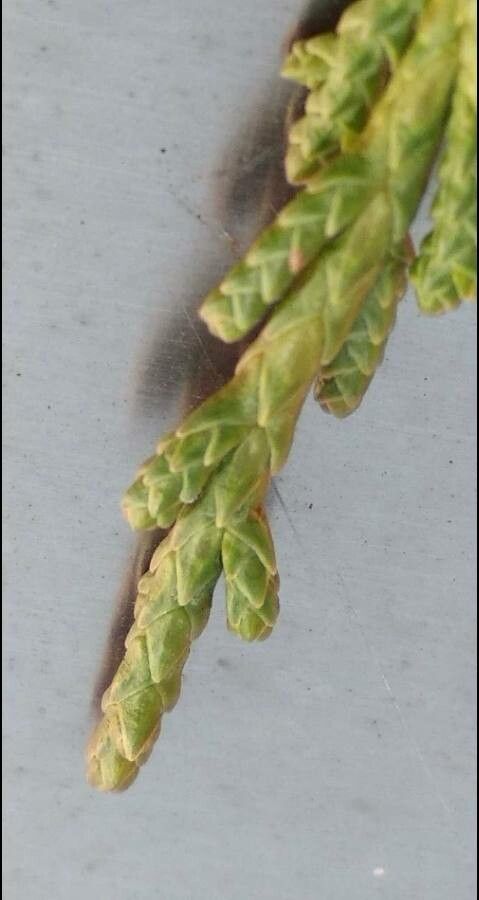
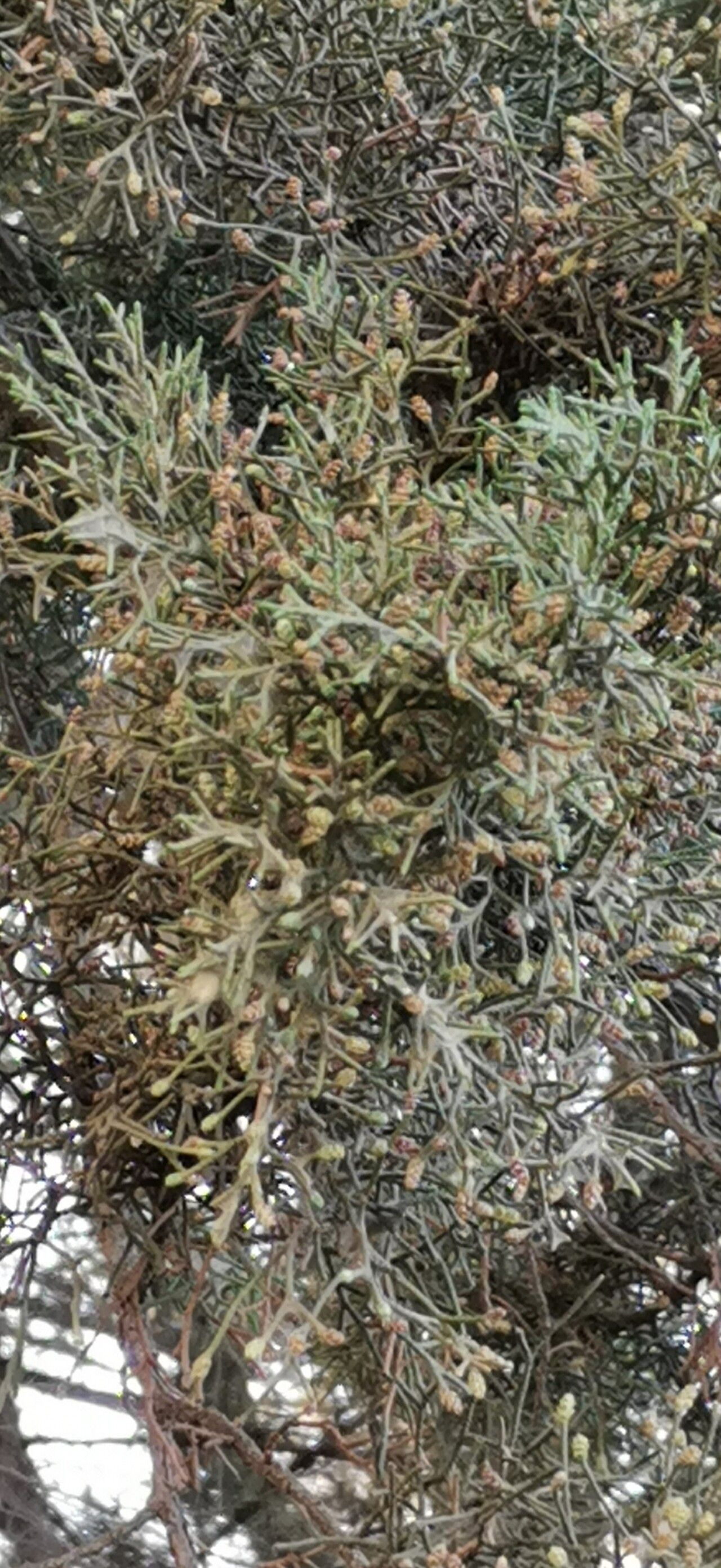
Juniperus ashei (Ashe juniper, mountain cedar, blueberry juniper, post cedar, or just cedar) is a drought-tolerant evergreen tree, native from northeastern Mexico and the south-central United States to southern Missouri. The largest areas are in central Texas, where extensive stands occur. Ashe juniper grows up to 10 metres (33 feet) tall, and over time can reach 15 m (49 ft), and provides erosion control and year-round shade for wildlife and livestock.
Ashe juniper is fairly resistant to disease and is generally not prone to illnesses. Regarding care, this plant is relatively low maintenance. When planted outdoors it needs minimal watering, and larger specimens typically do not require pruning. Smaller plants, however, should be pruned after they have bloomed. Ashe juniper is suitable for anyone with an outdoor space, such as a garden or deck, and does not demand much care experience.
How to keep Juniperus Ashei.
Light
Ashe juniper performs best in unfiltered, intense light, which encourages vigorous growth. This preference for bright conditions comes from its native habitat where skies are typically clear. It can tolerate a small amount of shade, though direct sunlight most effectively meets its photosynthetic needs. Insufficient light can slow its growth, while excessive light may lead to wilting or scorching.
Water
Ashe juniper flourishes in the semi-arid climate of Central Texas and typically needs watering only once a week. Being both drought-tolerant and evergreen, this plant thrives best outdoors, where it can take advantage of natural rainfall. Unlike many other species, ashe juniper's water requirements remain consistent throughout the year.
Temperature
Ashe juniper is a temperate woody species that does best in its native habitat where temperatures range from 5 to 35 ℃ (41 to 95 ℉). During hot summer periods it benefits from some shade and occasional watering. In winter it can tolerate freezing temperatures to a certain extent, which makes it a hardy plant.
Fertilizer
Ashe juniper has distinct nutrient needs and does not require heavy fertilization. Applying fertilizer in spring is best for promoting optimal growth. Supplying nutrients enhances its health, increases resistance to pests and diseases, and helps sustain its long lifespan.
Pruning
The Ashe juniper is a resilient evergreen tree known for its dense foliage and aromatic berries. To keep it healthy, prune it during the winter months. Use thinning cuts to enhance air circulation and eliminate any unhealthy branches. Light trimming helps maintain its shape, encourages healthy growth, and reduces pest problems. However, be sure to avoid cutting into the main stem.
Pot & Repot
When repotting Ashe juniper, select a pot 1-2 inches (2.5–5.1 cm) larger with plenty of drainage. Use a well-draining potting mix. Repot in spring or fall, ensuring the root ball is placed slightly lower than the rim of the flower pot. Water thoroughly after repotting and keep it in a warm spot with indirect sunlight.
Botanical profile.
- Plant Type
- Shrub, Tree
- Life Cycle
- Perennial
- Genus
- Juniperus
- Family
- Cupressaceae
- Hardiness Zone
- 4-10
- Mature Height
- 10.06 m to 14.94 m
- Mature Spread
- 4.57 m to 7.62 m
- Leaf Color
- Green
- Leaf Type
- Evergreen
- Flower Color
- Blue, Red, Brown
- Flower Size
- 0.25 cm to 0.51 cm
- Bloom Time
- Early spring, Mid spring
- Planting Time
- Summer
- Harvest Time
- Early spring, Mid spring, Mid summer, Late summer, Fall, Winter
- Native Area
- Mexico
Other names.
Reader questions.
How should I water my Ashe juniper?
Watering your Ashe juniper is a simple and straightforward task. To water the tree, you can use your garden hose to slowly soak the soil. This is especially suitable for large, mature trees that require a significant amount of water. However, if you have smaller trees, using a watering can or other smaller watering tool will suffice. It's important to avoid overhead watering, as excessive moisture on the leaves can cause disease, particularly in young trees.
Why should I put fertilizer on my Ashe juniper?
To support the long lifespan of Ashe juniper, it is important to fertilize it in the spring. The addition of nutrients to the soil not only promotes healthy growth but also enhances the plant's ability to resist pests and diseases that can hinder its growth or shorten its lifespan.
How many hours of sunlight does Ashe juniper need each day to grow well?
To promote healthy growth, Ashe juniper needs a minimum of 3–6 hours of daily sunlight. While most plants that tolerate part sun can also flourish in full sun, Ashe juniper is more adaptable because it requires less light for photosynthesis.
What temperature does Ashe juniper like best?
The optimal temperature for Ashe juniper to thrive is between 65 and 80℉ (18 and 27℃). During its primary growing phase, it can tolerate temperatures as high as 95℉ (35℃) and as low as 15℉ (-10℃). This species can withstand freezing winters and is not affected by low temperatures. In summary, the ideal temperature range is 65-80℉ (18-27℃), with the highest range being 85-95℉ (30-35℃) and the lowest range being -5-15℉ (-20 to -10℃) or colder.
What should I do if I give my Ashe juniper tree too much water or too little water?
Overwatering can occur if the soil does not allow proper drainage for your Ashe juniper. If this happens, you can either improve the soil's drainage or move the plant to a more suitable location. If your juniper is in a pot, you may need to repot it with looser soil to improve drainage. Overwatered plants are more susceptible to diseases, so it's important to address this promptly. On the other hand, underwatered Ashe junipers can be easily fixed by watering more often. To determine if your juniper is overwatered, check for discolored or easily breakable new growth, as well as standing water or slow draining. Underwatered junipers will have sparse, brown leaves. Consider recent rainfall or high temperatures when evaluating your plant's symptoms.
When should I fertilize my Ashe juniper tree?
One common issue in plant growth is a lack of nutrients from the growing medium. However, Ashe juniper differs from garden annuals and perennials in that it doesn't need a lot of extra nutrients. If you want to fertilize Ashe juniper, the recommended time is in the spring before new growth starts.
What kind of sunlight does Ashe juniper require?
Ashe juniper thrives in areas with full or part sun exposure. It is most productive when it receives direct morning light. However, during the summer, it requires some shield from the intense afternoon sun to prevent leaf burn and maintain a healthy appearance.
Do I need to change the temperature for Ashe juniper as it grows?
According to research, Ashe juniper may experience stunted growth when exposed to prolonged periods of higher temperatures, particularly when axillary buds develop and main shoots grow. To promote strong growth after germination or transplanting, it is recommended to maintain consistent and cooler temperatures, approximately 65℉(18℃).
How often should I give water to my Ashe juniper?
A mature Ashe juniper is generally drought tolerant and can survive on rainfall alone. During the hottest months, watering once a week may be necessary, but for the rest of the year, watering might not be needed. Newly planted junipers should be watered regularly to establish their roots, but overall, it's important to avoid overwatering as standing water is not well tolerated by this species.
When is the best time to not fertilize my Ashe juniper?
Unlike some other plants, Ashe juniper does not need to be fertilized regularly. Adding too much fertilizer can actually cause it to die back. For this reason, it's best to only apply fertilizer during the spring and refrain from doing so in the summer, fall, and winter. During these seasons, it's advisable to avoid adding any fertilizer or organic matter to the soil.
Can the sun harm Ashe juniper? How can we keep Ashe juniper safe from the sun and heat damage?
Indoor Ashe juniper is vulnerable to direct sunlight when taken outdoors, leading to potential damage. To avoid sunburn, it is recommended to gradually move the pots from shade to a brighter location. Nonetheless, even plants acclimated to the sun can be harmed by excessive heat. Therefore, consistently keeping the soil moist during a heatwave is crucial for plants to withstand high temperatures. In extreme weather, protecting sensitive Ashe juniper can be achieved by relocating container plants to shaded areas in the afternoon or by using a shade cloth.
How can I make sure Ashe juniper stays warm during the cold seasons?
Ashe juniper is able to tolerate freezing temperatures if planted in the ground in locations where temperatures do not drop below 15℉ (-10℃) during the winter. However, if planted in pots or containers, it is important to protect the roots from the cold weather. This can be done by wrapping the container in a blanket or bringing it indoors to provide complete protection from the elements.