Juniperus drupacea, commonly known as the Syrian juniper, is an evergreen coniferous tree that belongs to the Cupressaceae family. Native to the eastern Mediterranean region, this species is found in countries such as Turkey, Syria, Lebanon, and Israel.
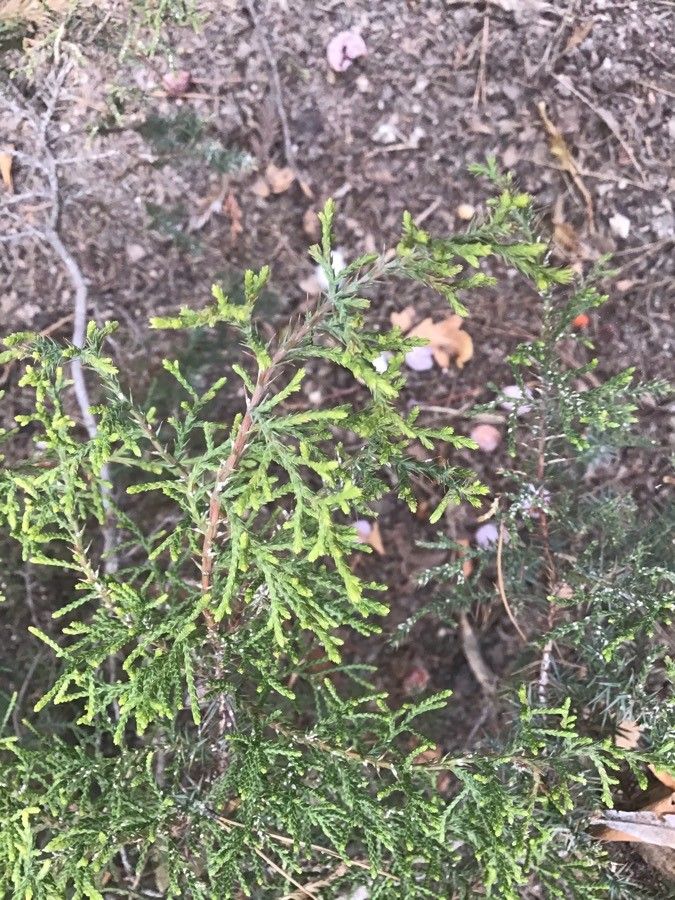
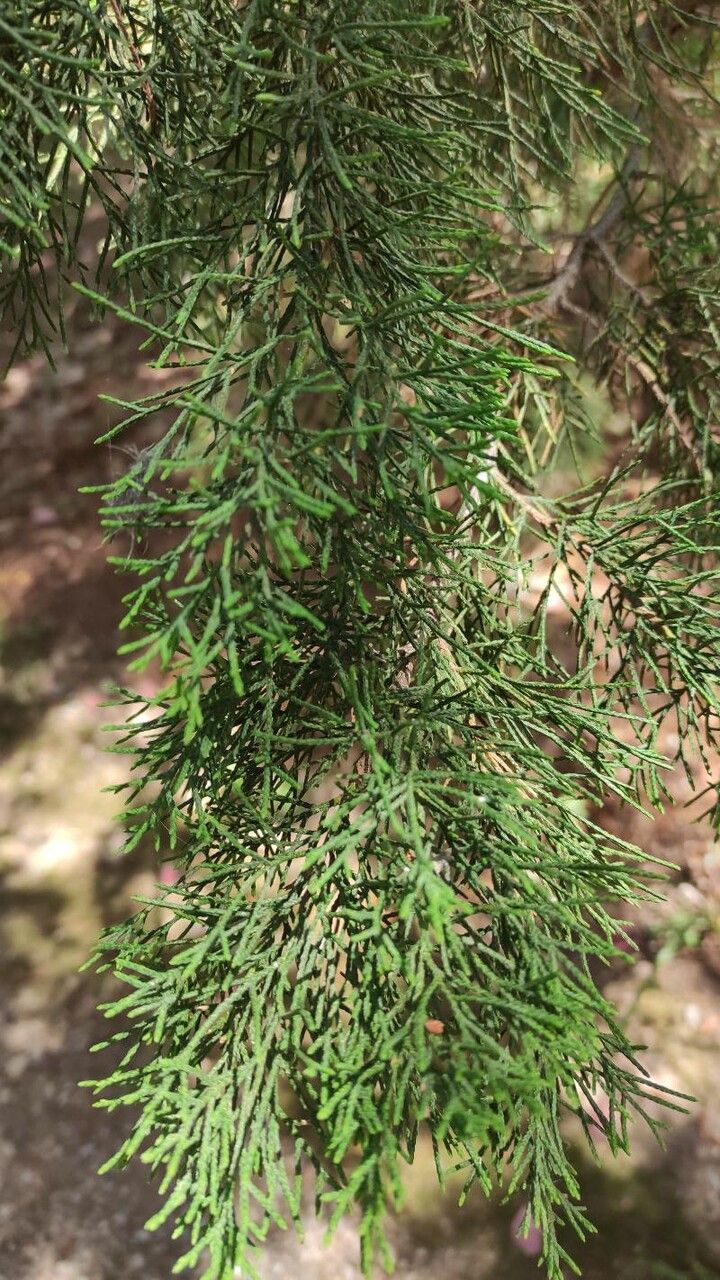
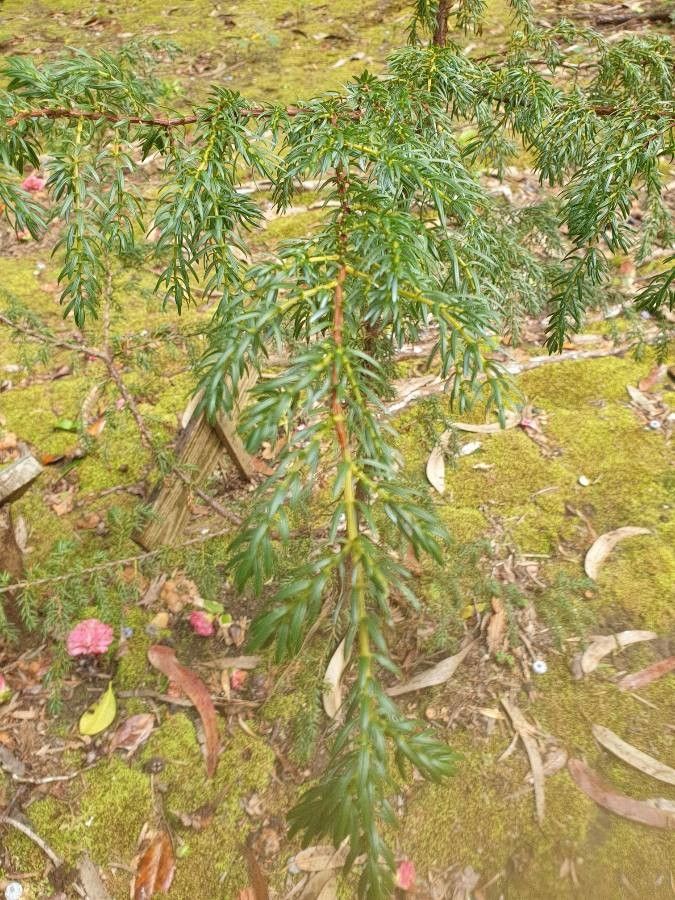
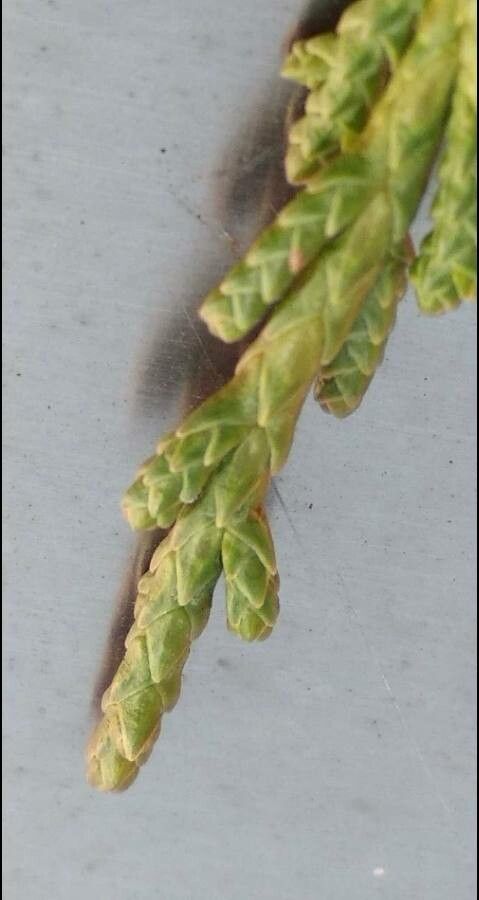
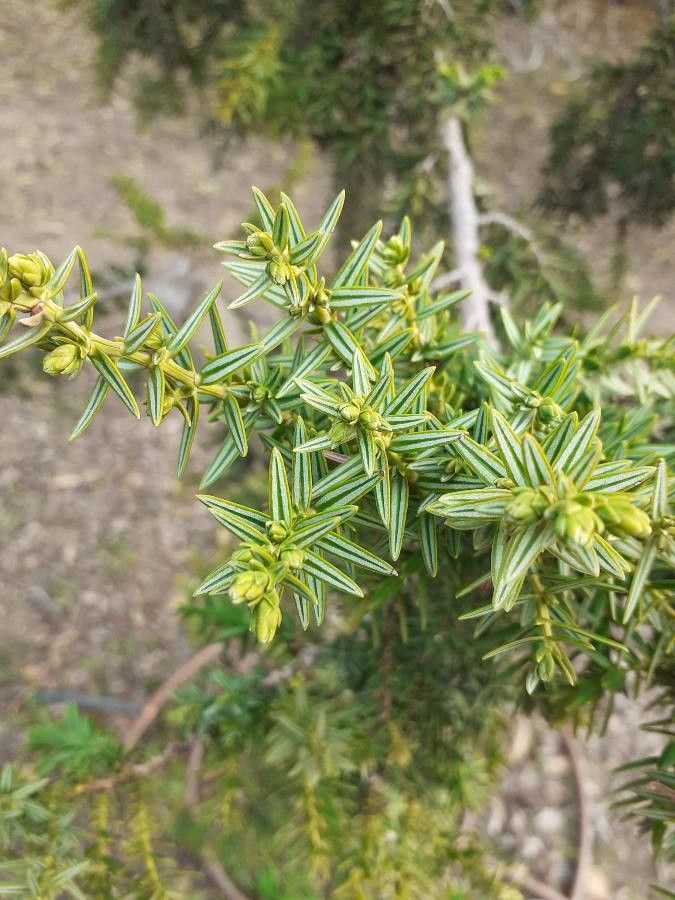
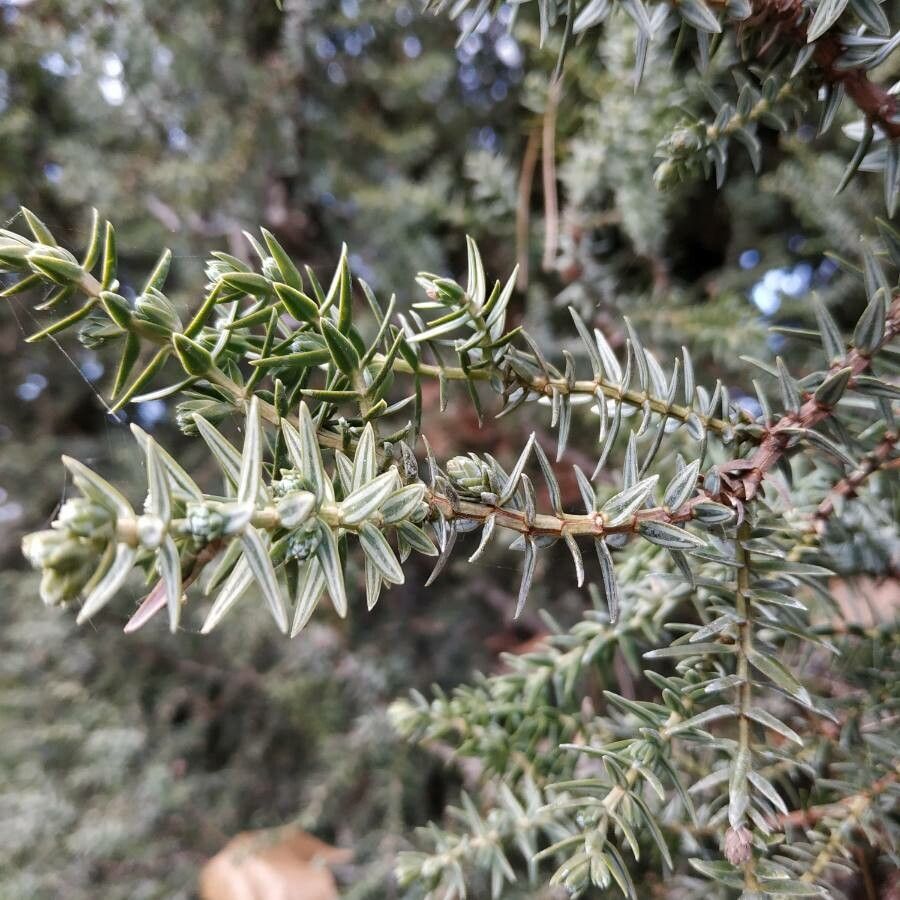
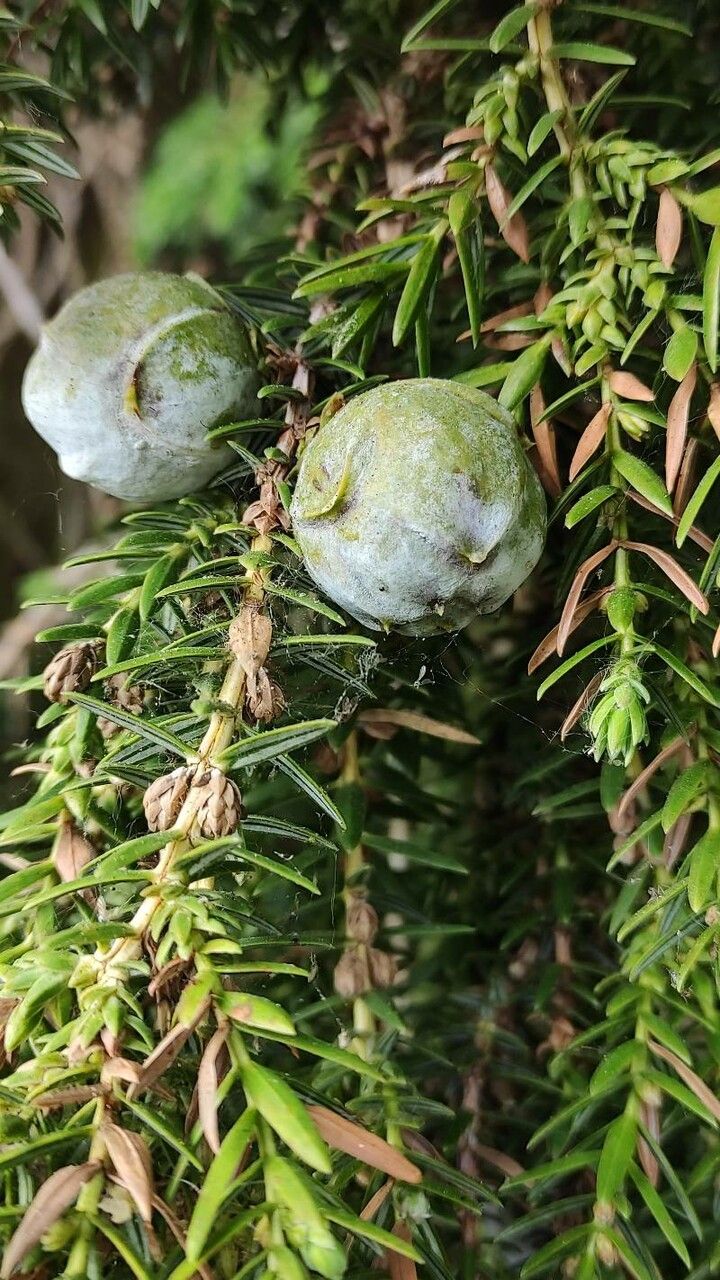
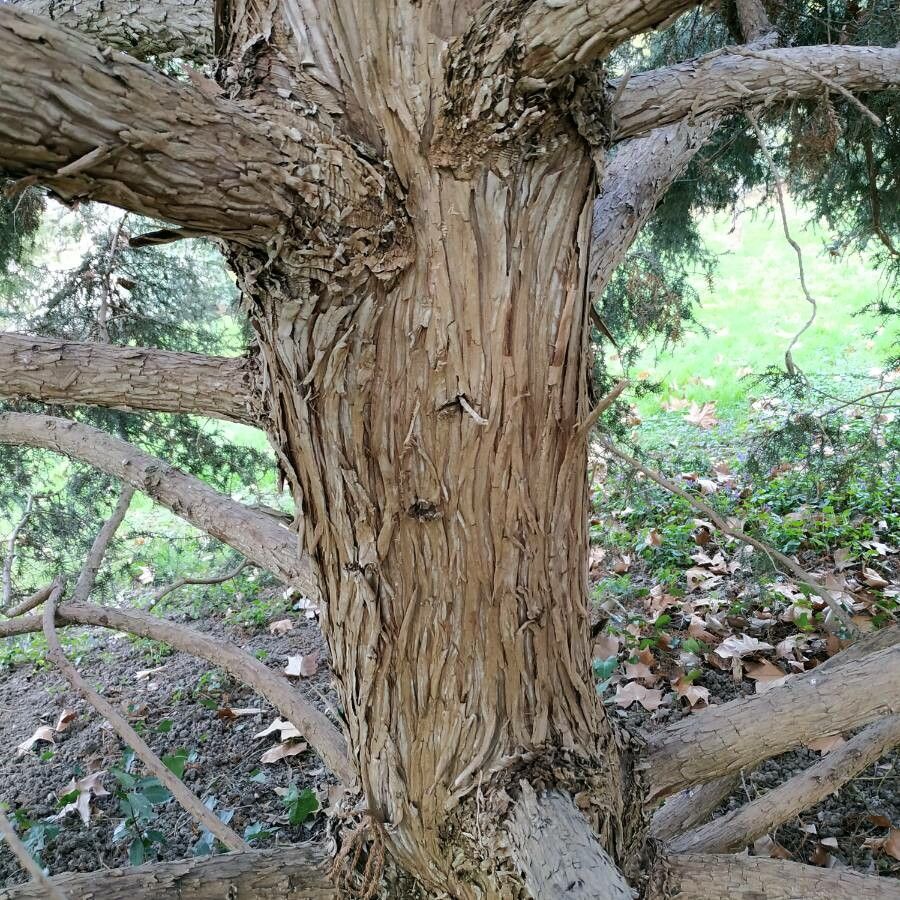
The Syrian juniper can grow up to 15 meters tall and has a trunk diameter of up to 1 meter. Its shape is either conical or columnar, with dense foliage that varies from blue-green to gray-green. The leaves are needle-like and arranged in whorls of three.
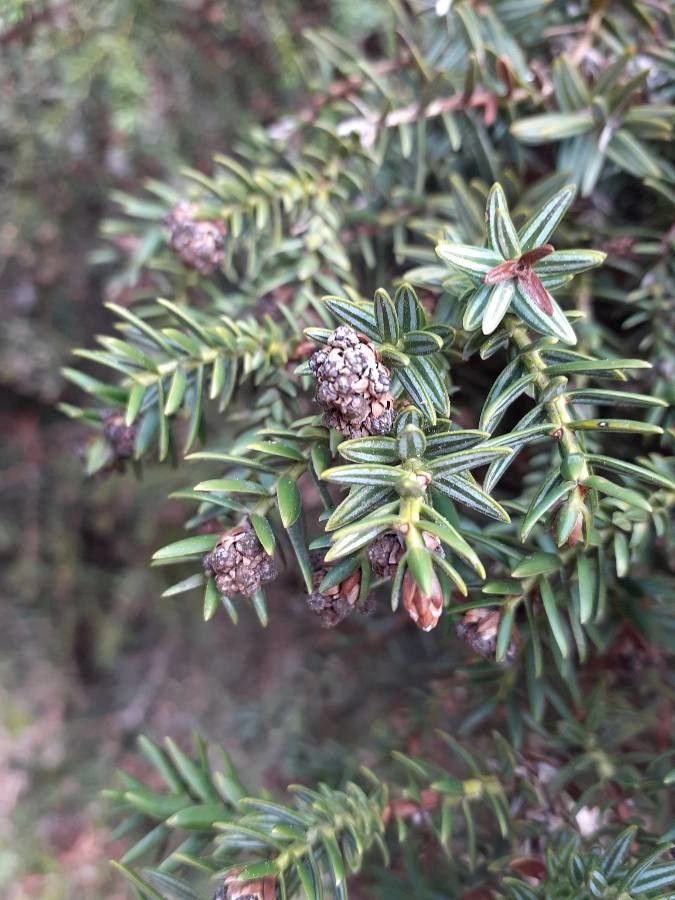
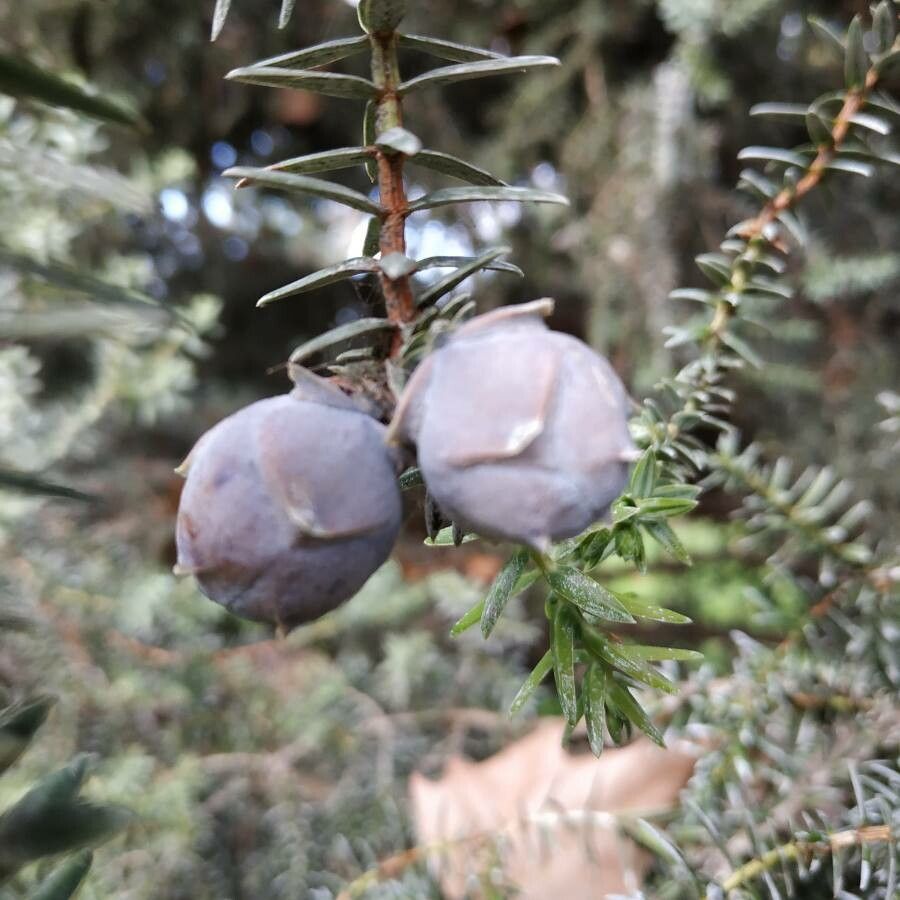
The tree produces small cones that start green and turn brown upon maturing. These cones contain seeds, which are dispersed by birds.
Historically, Juniperus drupacea has had a variety of uses, including medicinal applications for treating respiratory and digestive issues. Its durable wood has also made it valuable for timber production.
In recent years, habitat loss due to deforestation and overgrazing has threatened the species, leading to its classification as vulnerable on the IUCN Red List.
Overall, Juniperus drupacea holds significant ecological and cultural importance in its native range. Conservation efforts are essential to ensure its survival for future generations.
In the Home
Syrian juniper resists disease well and is generally not susceptible to illnesses. Regarding care, this plant is fairly low-maintenance. When grown outdoors it needs only minimal watering, and larger plants usually do not need pruning. Smaller plants, however, should be pruned after they have bloomed. Syrian juniper is suitable for anyone with an outdoor space, such as a garden or deck, and does not require much care experience.