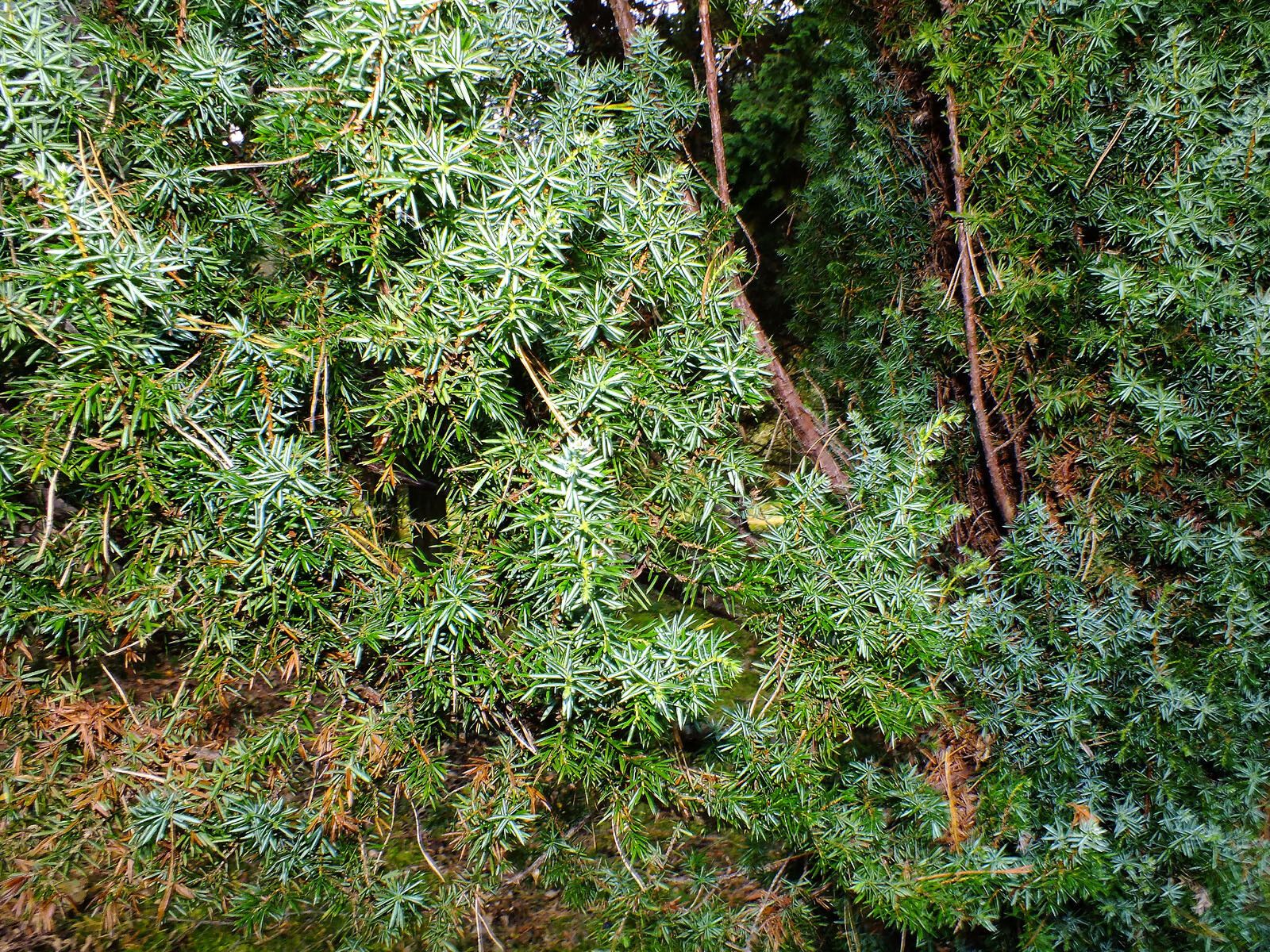
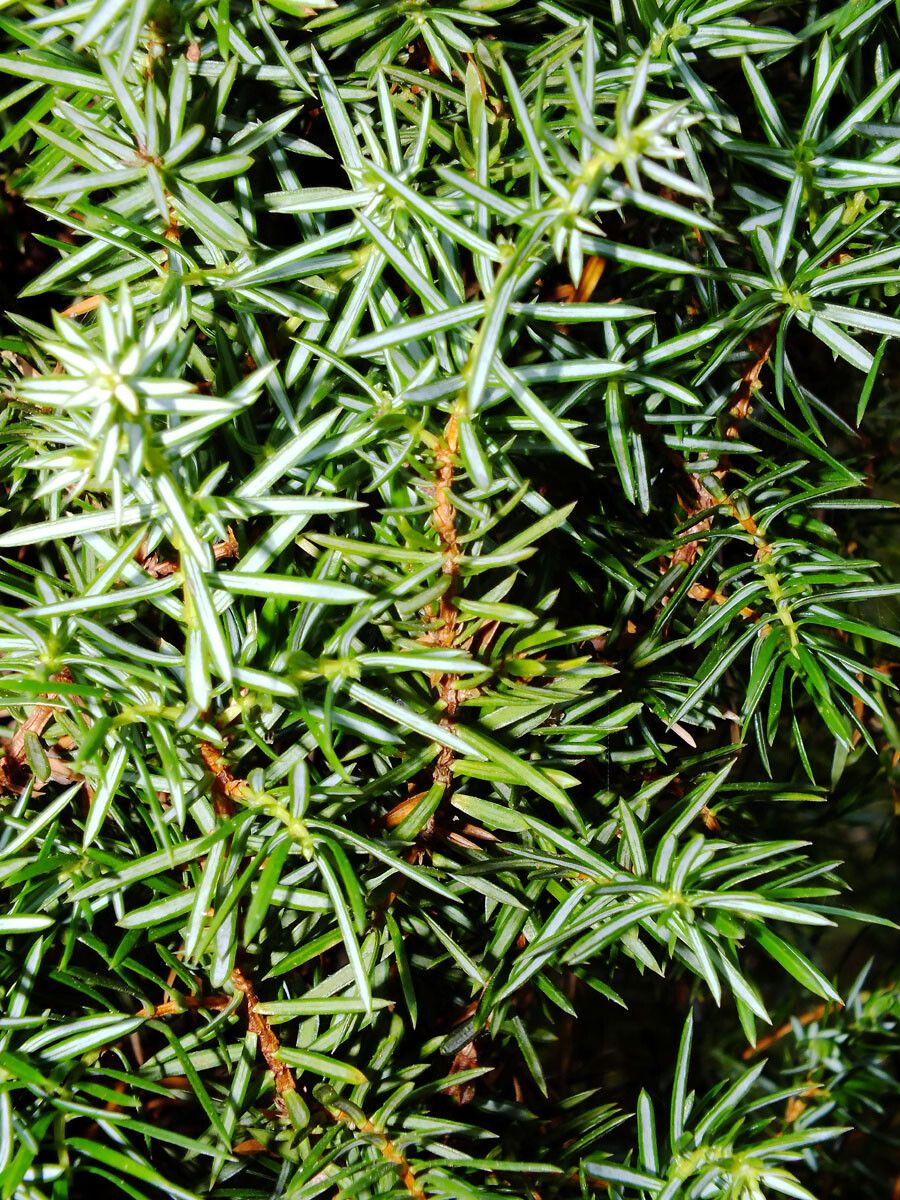
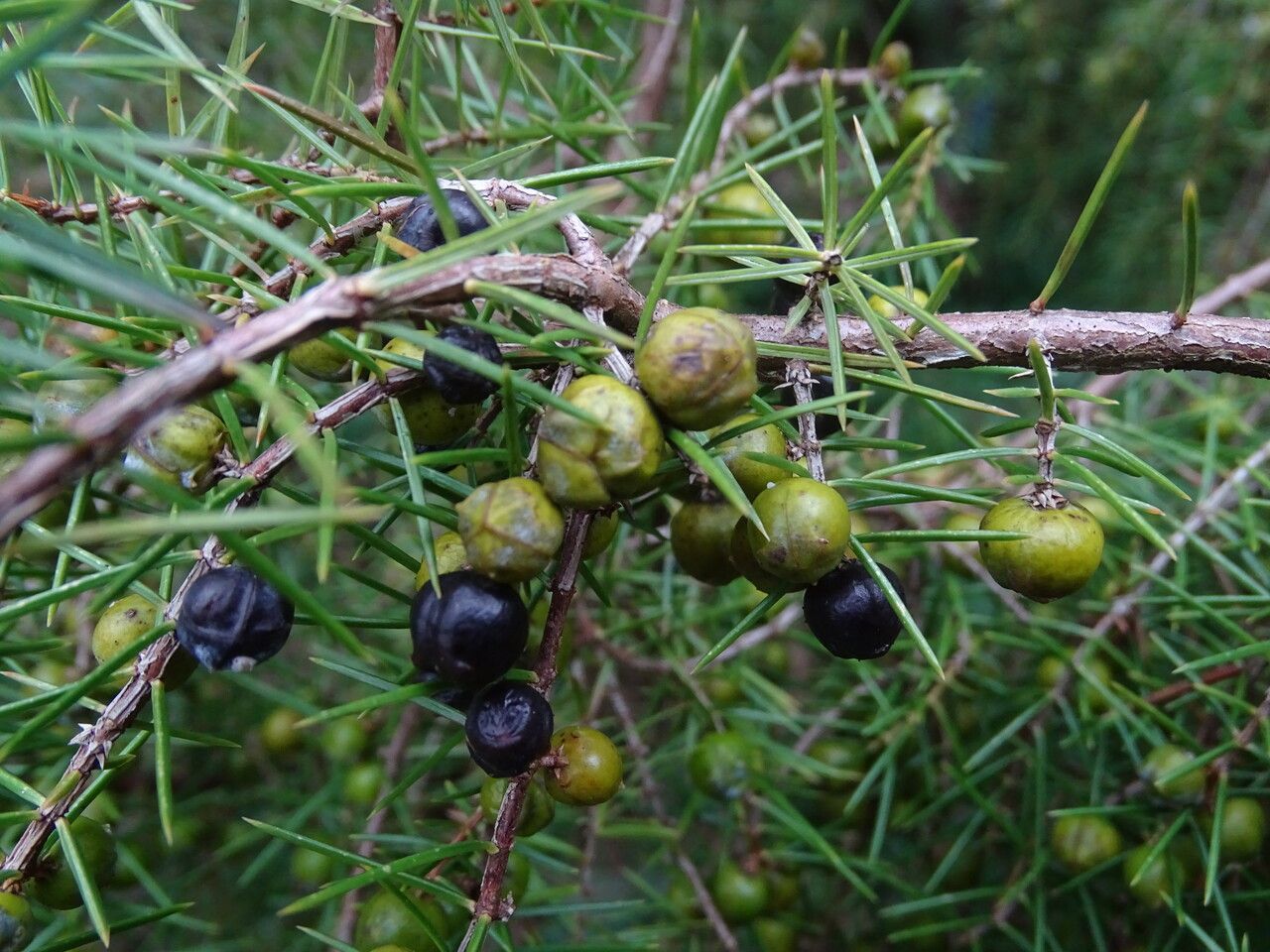
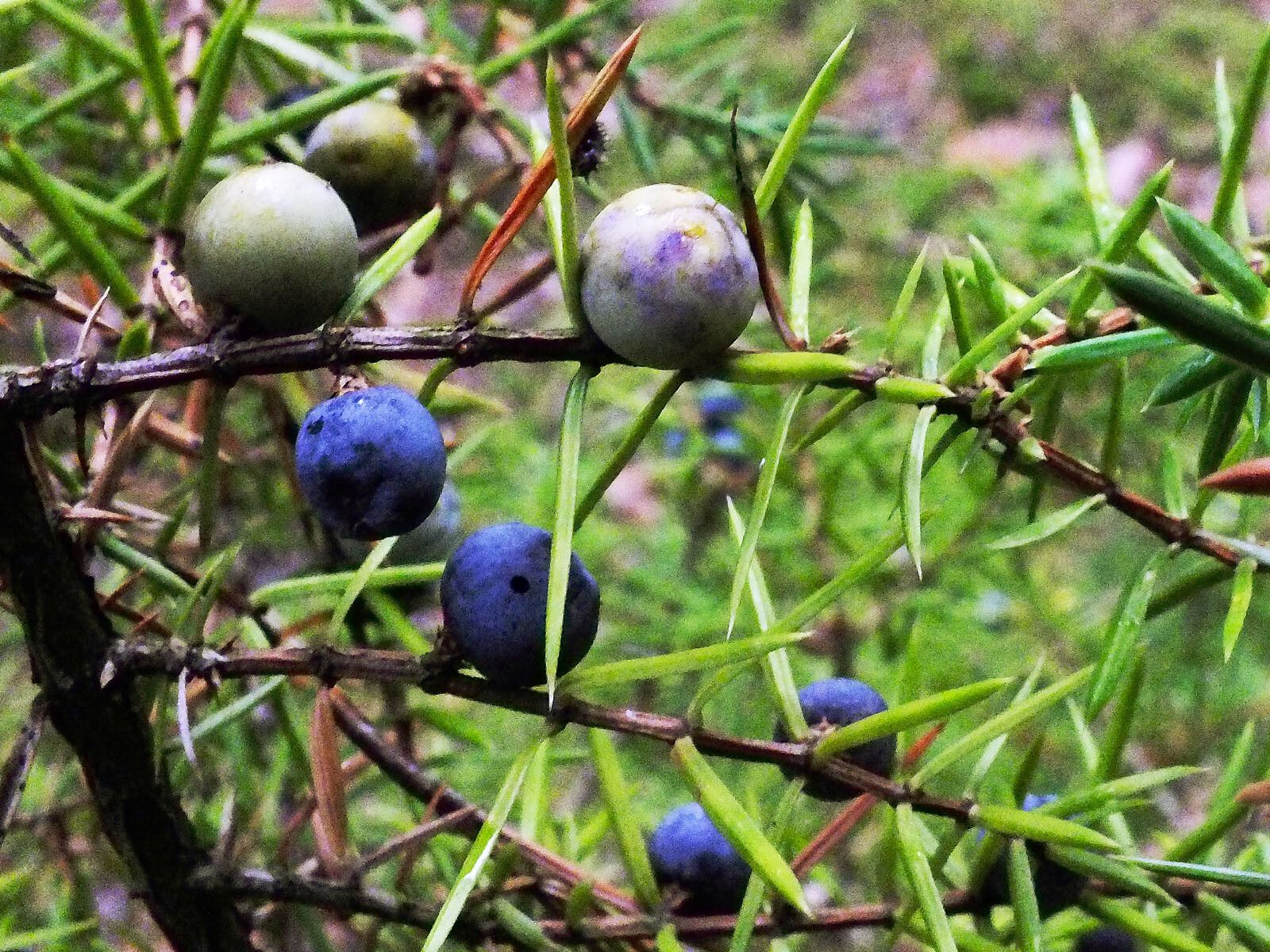
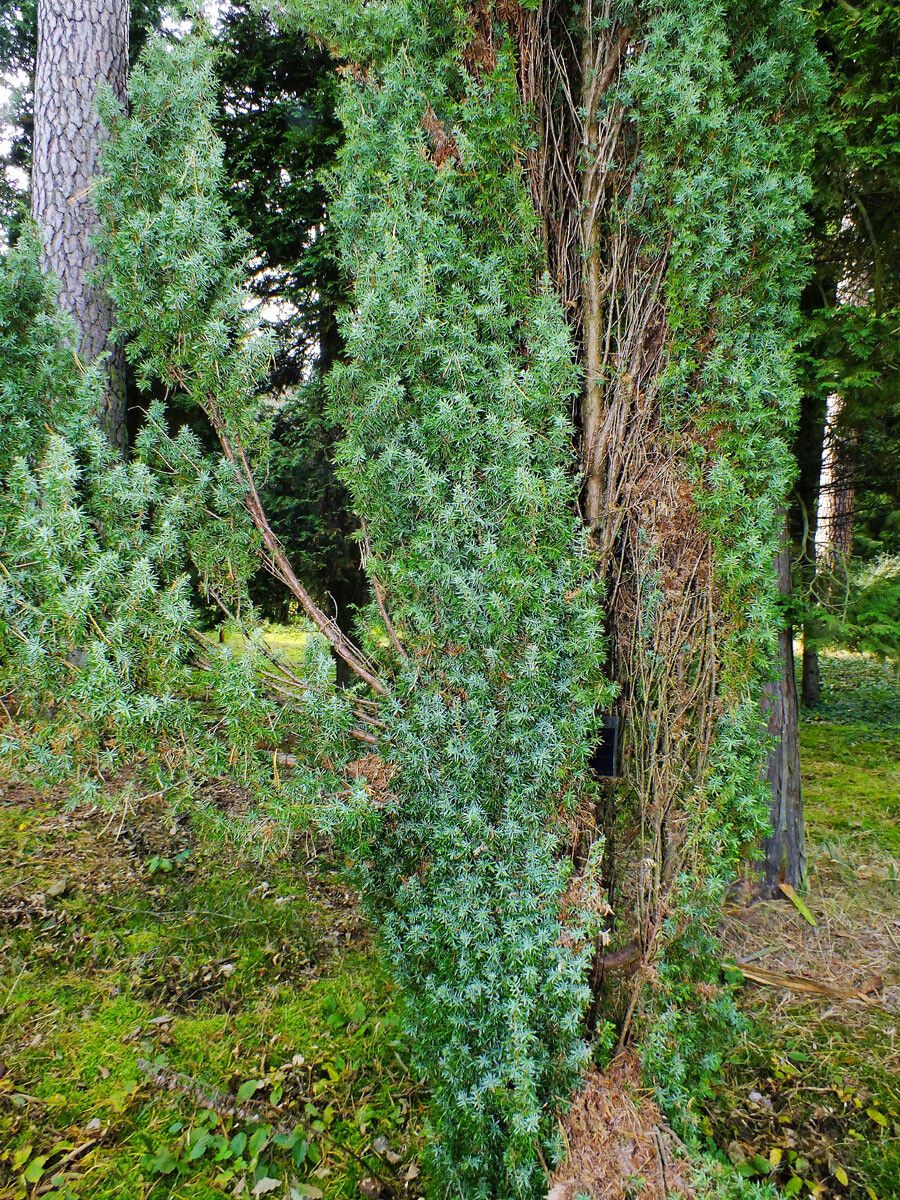
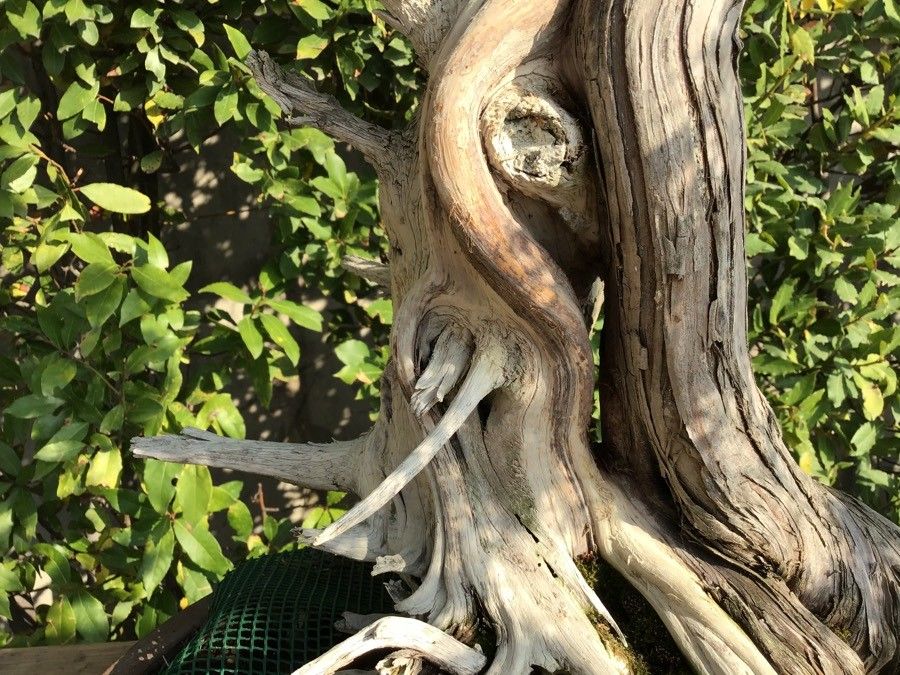
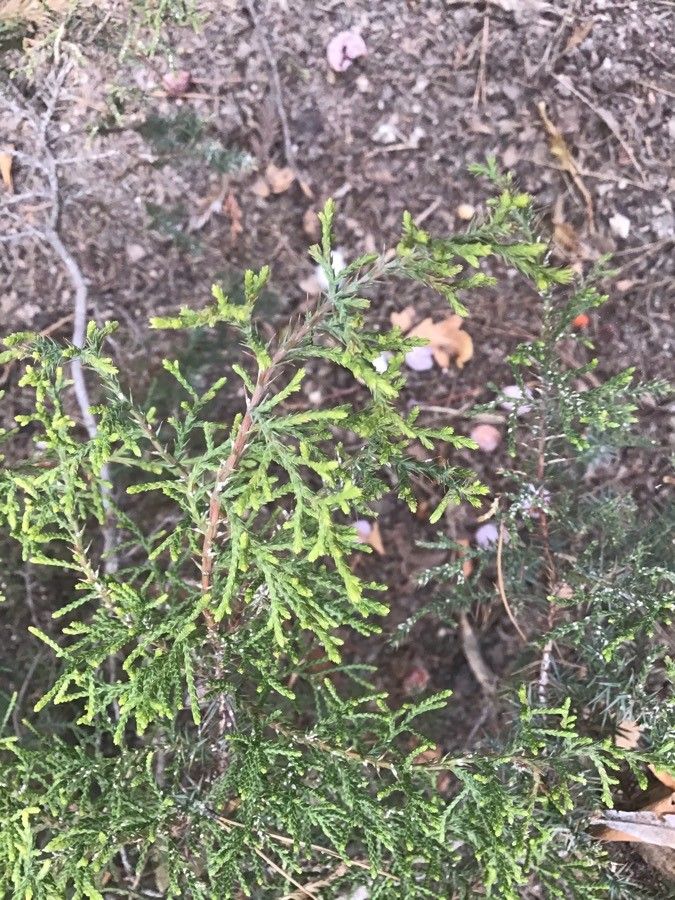
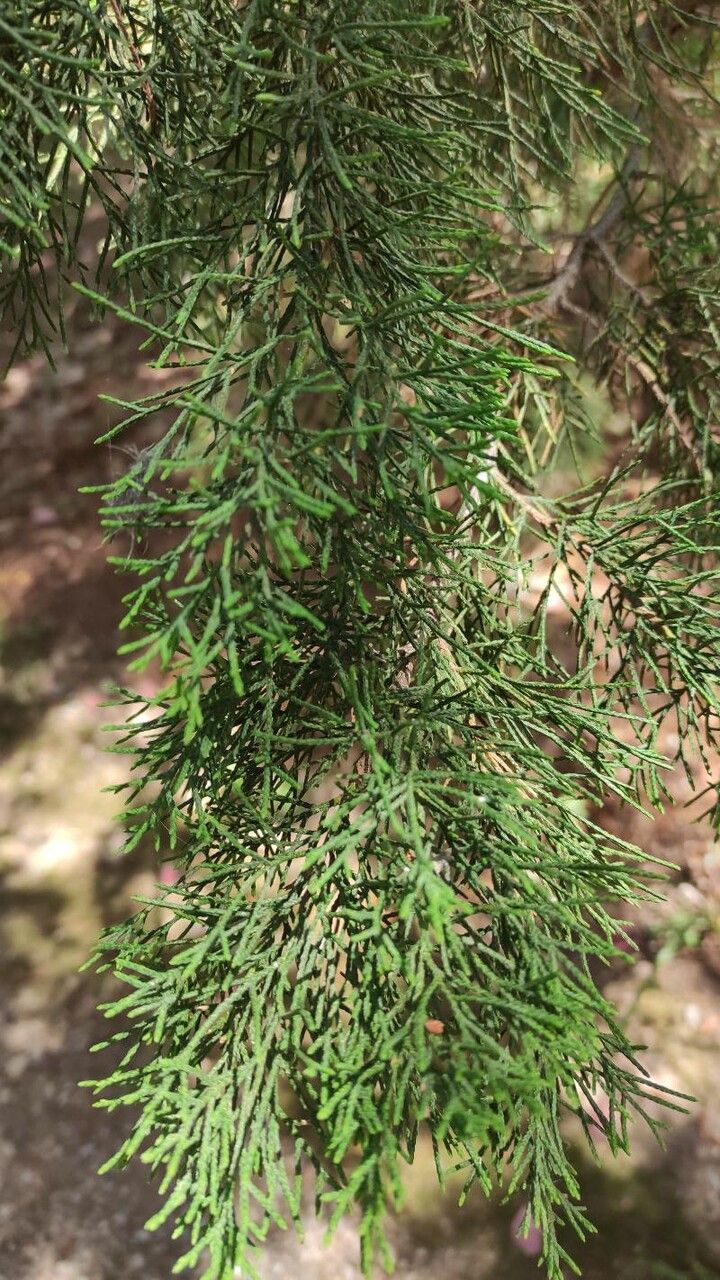
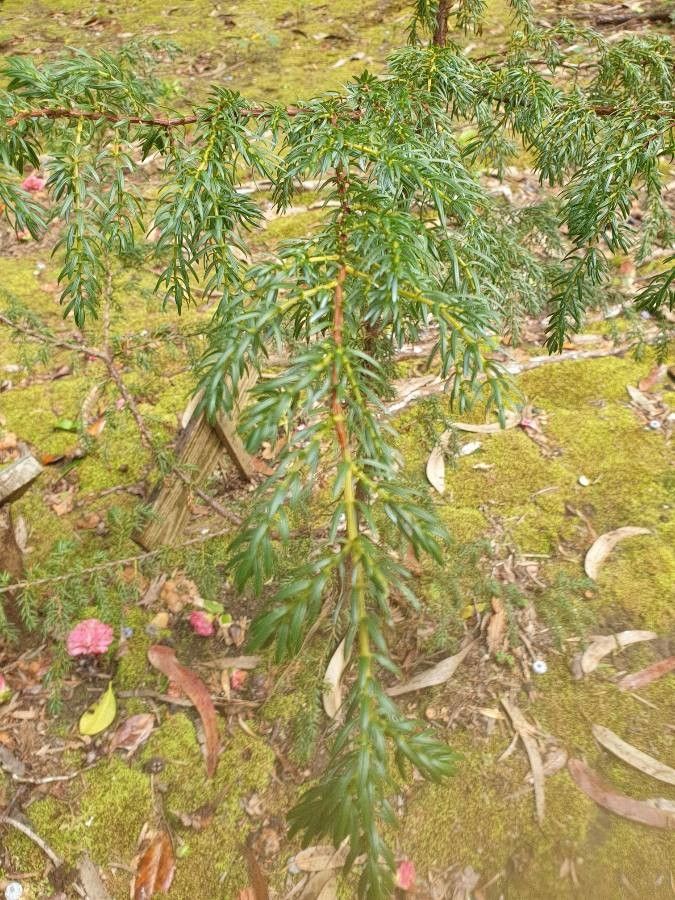
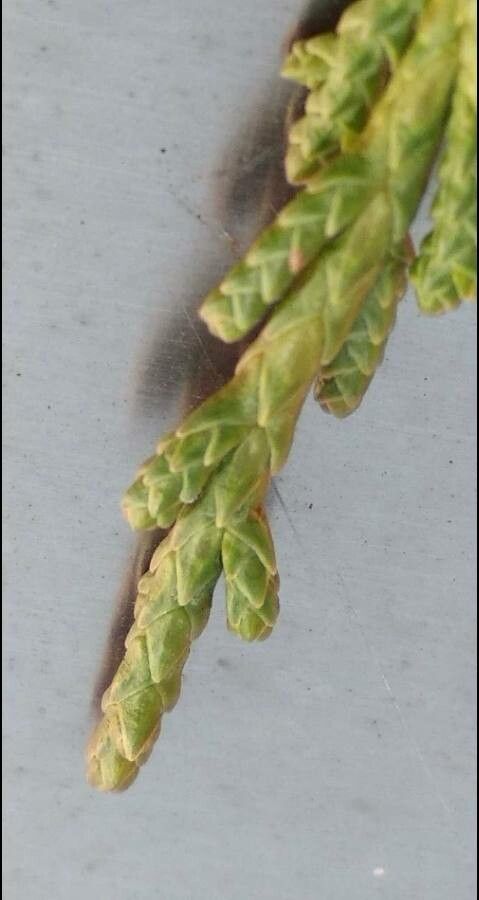
Juniperus rigida, commonly known as the temple juniper or needle juniper, is an evergreen coniferous tree that belongs to the Cupressaceae family. Native to East Asia, it can be found in China, Japan, and Korea. This tree can grow up to 20 meters tall and have a trunk diameter of up to 1 meter. The leaves of Juniperus rigida are needle-like and arranged in whorls of three. They are green or blue-green and have sharp tips. The bark is reddish-brown and features vertical fissures that become more prominent as the tree ages. The temple juniper produces small, round or oval-shaped cones that turn bluish-black when mature. These cones contain seeds that are dispersed by birds. Juniperus rigida is valued for various purposes. It is often used in ornamental planting due to its attractive foliage, and its timber is utilized in furniture making. Additionally, it has medicinal applications for treating ailments such as arthritis and respiratory problems. This plant prefers well-drained soils with full sun exposure, though it can tolerate partial shade. While it is drought-tolerant once established, it requires regular watering during its early growth stages. Overall, Juniperus rigida is a versatile plant with both ornamental and medicinal uses, making it an important species both within its native range and beyond.
Needle juniper shows strong resistance to disease and is generally not susceptible to illnesses. Regarding care, the plant is fairly low-maintenance. When grown outdoors it needs little watering, and larger specimens typically do not require pruning. Smaller plants, however, should be pruned after they have bloomed. Needle junipert is suitable for anyone with outdoor space, such as a garden or deck, and does not demand much prior care experience.
How to keep Juniperus Rigida.
Light
Needle juniper does best in locations where it gets plenty of sunlight throughout the day. A shortage of sunlight can cause slowed growth and unhealthy foliage. In its natural habitat, needle juniper typically receives abundant daily sun. Excessive light exposure, however, can result in foliage burn.
Water
Needle juniper is a drought-resistant plant that thrives in dry environments. It requires watering only once every two weeks. As an evergreen with needle-like foliage, it conserves water efficiently, making it an excellent choice for areas with irregular rainfall.
Temperature
Needle juniper naturally grows in temperate areas and performs best at 50 to 89.6 °F (10 to 32 °C). It favors warmth but can endure minor departures from its ideal range. Adjust temperatures as necessary, particularly during seasonal changes.
Fertilizer
Needle juniper has specific nutrient needs and does not require heavy fertilization. Spring is the best time to apply fertilizer for optimal growth. Providing nutrients enhances its health, increases resistance to pests and diseases, and helps preserve its long lifespan.
Pruning
The needle juniper is known for its needle-like foliage and resilience. To keep it healthy, prune by removing dead branches and thinning out dense areas to improve air circulation. The best time to prune is from early to late winter, which encourages healthier growth and results in a more aesthetically pleasing shape.
Pot & Repot
When repotting Needle juniper, select a pot 1–2 inches (2.5–5.1 cm) larger that has good drainage. Use a well-draining potting mix. Repot in spring or fall, making sure the root ball sits slightly below the rim of the flower pot. Water thoroughly after repotting and place the plant in a warm spot with indirect sunlight.
Botanical profile.
- Plant Type
- Tree
- Life Cycle
- Perennial
- Genus
- Juniperus
- Family
- Cupressaceae
- Hardiness Zone
- 6-7
- Mature Height
- 4.57 m to 7.62 m
- Mature Spread
- 2.44 m
- Leaf Color
- Green
- Leaf Type
- Evergreen
- Flower Color
- Yellow, White, Green
- Bloom Time
- Mid spring, Late spring
- Planting Time
- Spring, Summer, Autumn
- Harvest Time
- Late summer, Early fall, Mid fall
Other names.
Reader questions.
How should I water my Needle juniper plant?
Watering your Needle juniper is a simple task. To do this, you can use your garden hose to slowly soak the soil. This is especially suitable for mature trees that require a lot of water. However, for smaller trees, you can use a watering can or another smaller watering tool. It is important to avoid watering from above as this can cause disease, particularly in young trees.
Why should I put fertilizer on my Needle juniper plant?
To promote healthy growth of the Needle juniper, it is recommended to fertilize it in the spring. Keep in mind that this plant has a long lifespan and requires support. Adding nutrients to the soil not only enhances the overall health of the plant but also helps it resist common pests and diseases, which may hinder growth or reduce its lifespan.
How many hours of sunlight per day does Needle juniper need to grow well?
To ensure healthy growth, Needle juniper needs a minimum of 3-6 hours of sunlight per day. However, it's important to note that most plants that can tolerate part sun can also do well in full sun. This is because they require less light for photosynthesis and are more adaptable compared to plants that need either full sun or part shade.
What is the best temperature for Needle juniper?
Needle juniper is a plant that thrives in cool weather. To ensure its best growth, it's recommended to keep them between 65-75℉(18-25℃). While Needle juniper can tolerate temperatures outside of this range, it's ideal to maintain the growing area within a few degrees of these temperature limits. The upper and lower limits that Needle juniper can endure are between 75-85℉(25-30℃) on the high end and 5℉(-15℃) on the low end. Since Needle juniper prefers cooler temperatures, it's more important to avoid higher temperatures. Growth can be hindered when temperatures exceed 85℉(30℃) for extended periods and may even lead to damage and death.
What should I do if I give my Needle juniper too much or too little water?
Overwatering can occur when the soil does not drain well, leading to the decline of your Needle juniper. To address this, you can either improve the soil's drainage or relocate the plant to a better spot. If your juniper is in a pot, you may need to repot it with looser soil and a container that allows for better drainage. An overwatered plant can also be more susceptible to diseases, so treating them promptly is important. On the other hand, underwatering can be resolved by increasing the frequency of watering. To determine if your juniper is overwatered, check the foliage, particularly new growth, for discoloration or weakness. Standing water or slow drainage in the growing area can also be signs of excessive moisture. For underwatered junipers, leaves may become sparse and brown. Consider recent heavy rain or persistently high temperatures if you notice these symptoms, as they may affect your juniper's health.
When should I add fertilizer to my Needle juniper?
Unlike garden annuals and perennials, Needle juniper does not require a high amount of nutrients as it has different needs. The growing medium may not provide enough nutrients on its own for optimal growth. To ensure healthy growth, it is best to fertilize Needle juniper in the spring before new growth appears.
What kind of sunlight does Needle juniper require?
Needle juniper prefers full or partial sun for optimal growth. It thrives with direct morning light but requires some protection from the intense afternoon sun during summer. In temperate environments, excessive exposure to hot afternoon sun may burn the leaves, negatively impacting the plant's appearance and overall health.
Does Needle juniper need different temperatures at different stages of growth?
To ensure optimal growth of Needle juniper during each growing phase, it is important to maintain temperatures between 65-75℉ (18-25℃). It is worth noting that Needle juniper can tolerate lower temperatures better than higher ones, so it won't significantly impede growth if the growing area drops to 5℉ (-15℃). However, growth can start to slow down if the temperature falls below that threshold. Therefore, if you plan to continue growing your plants during the winter, make sure to keep the room temperature above that level.
How often should I give water to my Needle juniper plant?
A mature Needle juniper is drought tolerant and can survive on rainfall alone. During the hottest months, watering once a week is usually sufficient, but in other seasons, watering may not be necessary. The exception is if you have recently planted a Needle juniper, in which case regular watering is needed to establish the roots. However, it is important to avoid overwatering, as this species does not tolerate standing water. If unsure, it's better to refrain from watering rather than risk overwatering.
When is it not a good idea to fertilize my Needle juniper?
While many plants benefit from regular fertilization, Needle juniper is an exception. This plant does not need excessive nutrients and applying too much fertilizer can actually harm it, leading to decline. It is recommended to only apply fertilizer in the spring and avoid doing so during the summer, fall, and winter. Additionally, refrain from adding any organic matter to the soil during these seasons.
Can the sun harm Needle juniper plants? How can I shield Needle juniper plants from sun and heat damage?
When moving needle juniper plants from indoors to outdoors, direct sunlight can easily damage them. To prevent sunburns, it is best to gradually move the pots from a shaded area to a brighter spot. However, even plants accustomed to the summer sun can still be harmed by extreme heat. When experiencing a heatwave, it is crucial to keep the soil consistently moist to help the plants withstand the excessive heat. In such extreme weather conditions, it is recommended to either move the container plants to areas with afternoon shade or use a shade cloth to protect the sensitive needle juniper.
Here are three tips for controlling the temperature of Needle juniper.
Tip #1