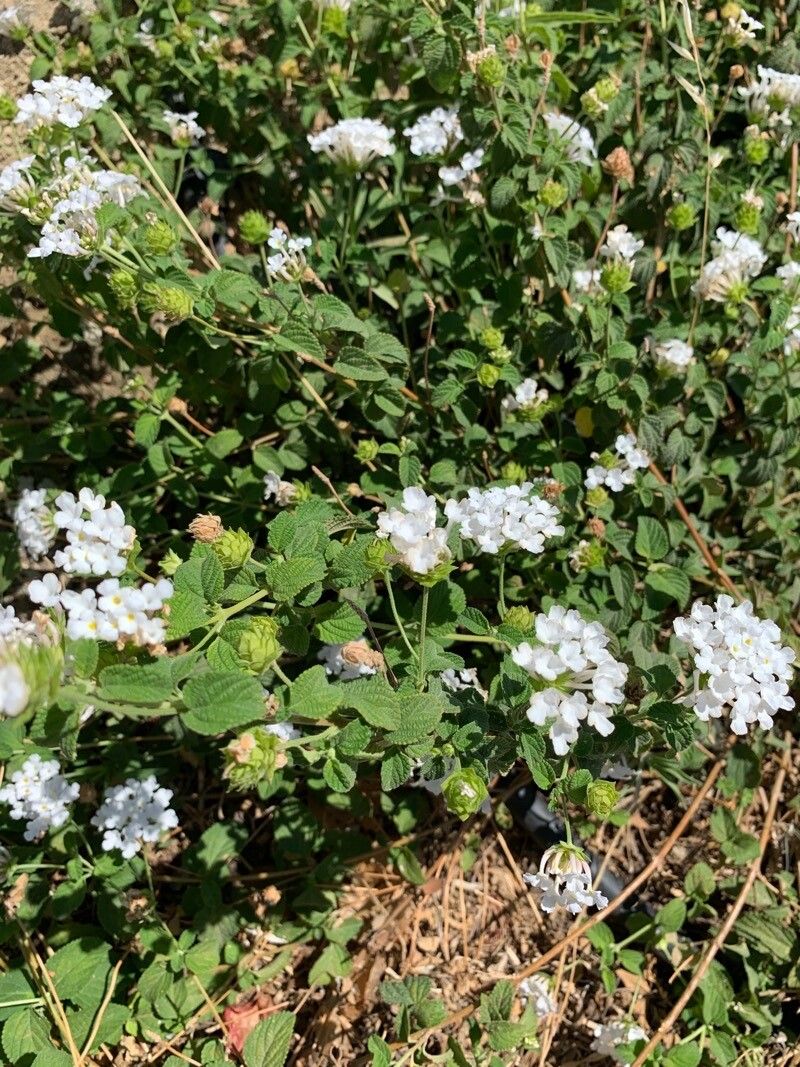
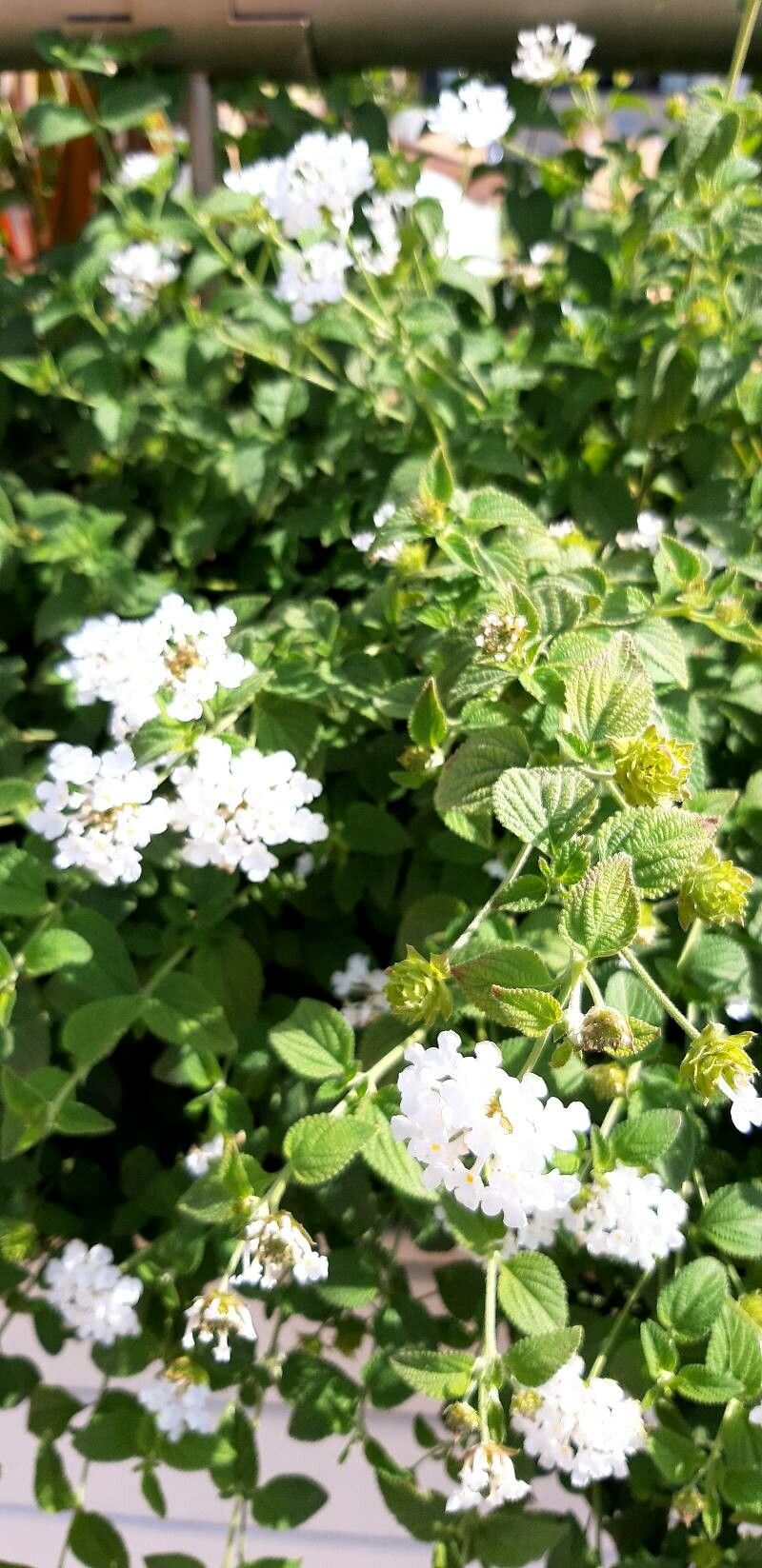
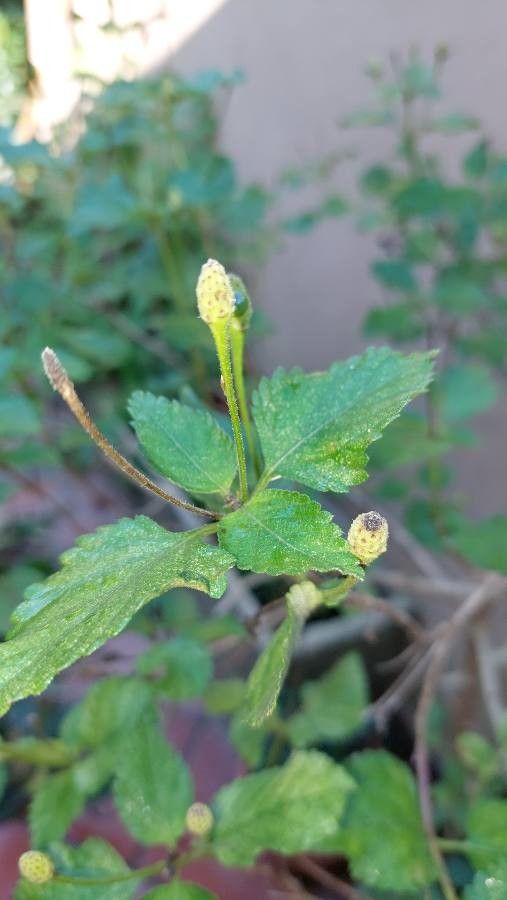
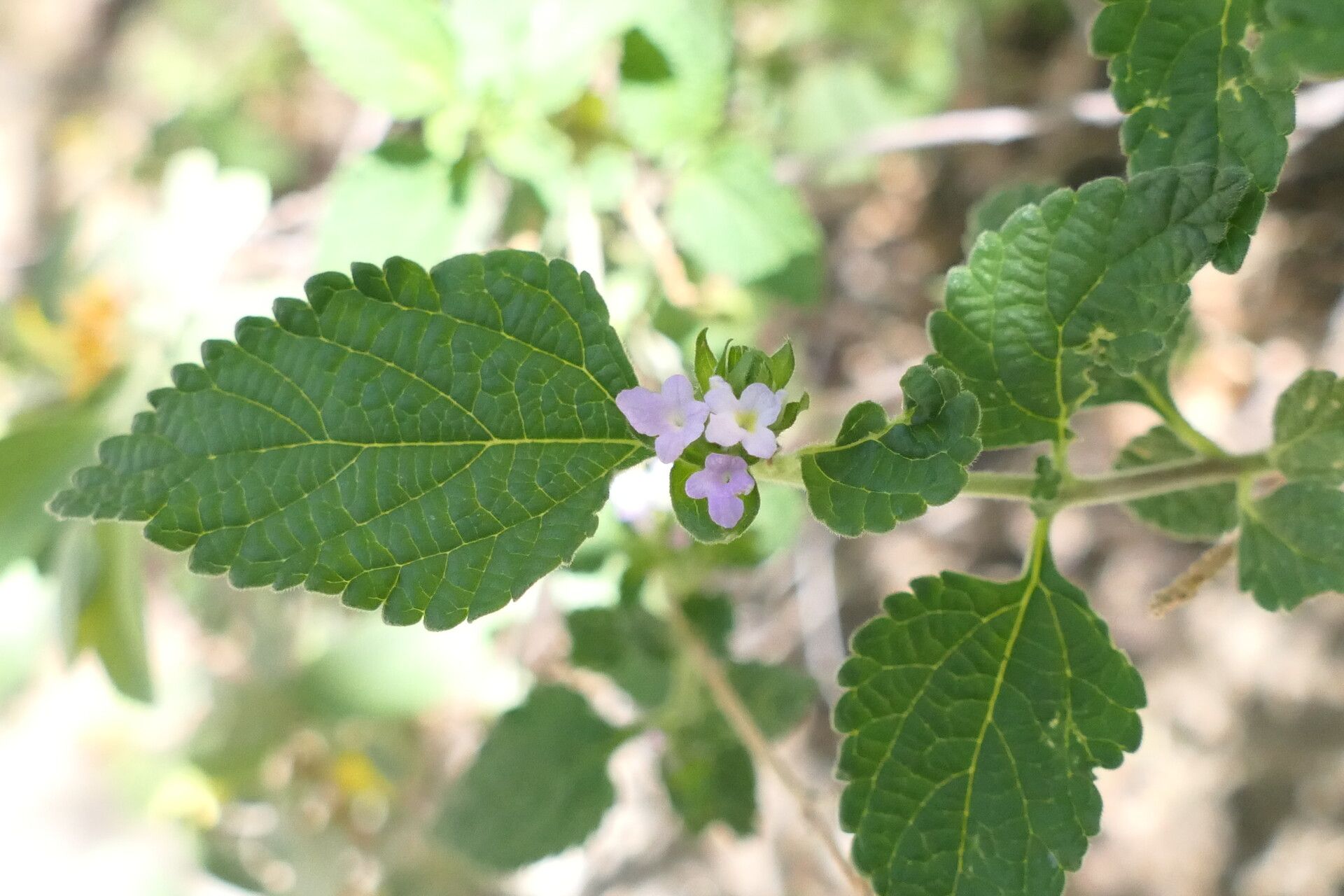
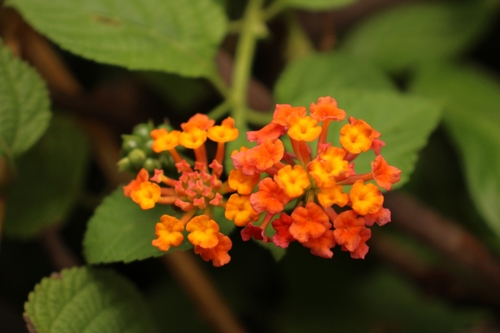
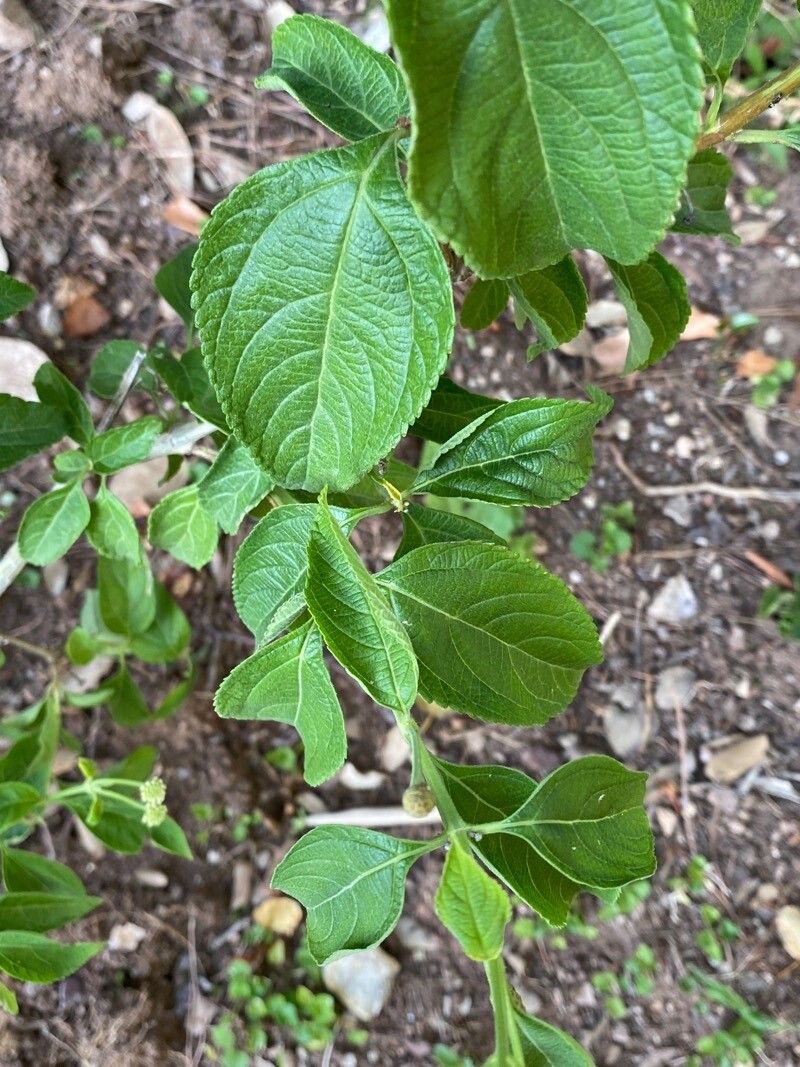
Lantana velutina, a species of flowering plant within the Verbenaceae family, is commonly known as the velvet shrub or velvet lantana. Native to Mexico and parts of Central America, this plant typically grows up to 2 meters tall and displays a spreading habit with branches covered in soft, velvety hairs.
The leaves of Lantana velutina are dark green, ovate in shape, and have serrated edges. The flowers are small and tubular, with five petals that range in color from yellow-orange to pinkish-red. Blooming from spring through fall, these flowers attract bees, butterflies, and other pollinators.
Lantana velutina thrives in full sun but can tolerate partial shade. It adapts well to a range of soil types, including sandy or rocky soils. While it is drought-tolerant once established, occasional watering during prolonged dry spells can be beneficial.
Indigenous peoples have used this plant for medicinal purposes, taking advantage of its anti-inflammatory properties to treat ailments such as fever, coughs, and colds.
Overall, Lantana velutina makes an excellent addition to gardens for those seeking an attractive, low-maintenance flowering shrub. It offers year-round interest with its colorful blooms, which attract numerous pollinators.
Velvet shrubverbena has strong disease resistance and is typically not susceptible to diseases. In terms of care, this plant is fairly low-maintenance. When grown outdoors, it needs minimal watering, and larger plants usually do not require pruning. However, smaller plants should be pruned after they have finished blooming. Velvet shrubverbenat is appropriate for anyone with an outdoor area, such as a garden or deck, and does not require much prior gardening experience.
How to keep Lantana Velutina.
Light
Velvet shrubverbena prefers as much sunlight as possible for vigorous growth. In its native habitat it is adapted to strong sun and does best under continuous direct sunlight, though it can tolerate occasional shade. Excessive shade can cause stunted growth and reduced flower production, because light intensity is essential for its optimal development.
Water
Velvet shrubverbena thrives in environments with varying moisture levels. While it is drought-tolerant, it prefers occasional watering. For optimal growth in gardens, water it every 2-3 weeks to replicate the soil moisture patterns of its native climate.
Temperature
Velvet shrubverbena is native to areas where temperatures range from 59 to 100 °F (15 to 38 ℃). It tolerates heat and performs well in hot summers, but requires proper care during winters.
Fertilizer
Timing is important for fertilizing Velvet shrubverbena. Begin fertilizing in early spring and continue once a month until early summer. Fertilizer encourages attractive blooms and supplies energy during both dormant and active growth phases.
Pruning
To promote vigorous growth, prune the velvet shrubverbena in the early to late winter. Start by cutting back weak stems and removing spent blooms. Ensure you make cuts just above a leaf node to avoid causing damage and to maintain the plant's shape. Always use sanitized tools to minimize the risk of disease. After pruning, provide the plant with proper care and nutrients.
Botanical profile.
- Plant Type
- Shrub
- Life Cycle
- Perennial
- Genus
- Lantana
- Family
- Verbenaceae
- Hardiness Zone
- 8-11
- Mature Height
- 1.52 m to 1.83 m
- Mature Spread
- 91 cm
- Leaf Color
- Forest Green, Dark Green
- Leaf Type
- Evergreen
- Flower Color
- Yellow, Orange, Red
- Flower Size
- 2.03 cm to 3.05 cm
- Bloom Time
- All year round
- Planting Time
- Autumn
- Harvest Time
- All year round
- Native Area
- Honduras, Mexico, Guatemala, Bolivia, El Salvador, Nicaragua, Costa Rica, Panama
Other names.
Reader questions.
How should I water my Velvet shrubverbena?
Your Velvet shrubverbena is not particular about how you water it. You can use any common watering tool, such as a watering can, hose, or even a cup. Regardless of the tool you use, make sure you directly water the soil and evenly moisten all areas to provide water to the entire root system. Consider using filtered water to avoid harmful particles found in tap water. It's also best to use water that is at or slightly above room temperature to prevent shocking the Velvet shrubverbena. However, this plant generally responds well to any type of water.
How many hours of sunlight does Velvet shrubverbena need each day to grow healthy?
To ensure Velvet shrubverbena's healthy growth, it needs at least 3-6 hours of daily sun. This is the minimum requirement, as these plants can handle both part sun and full sun. They are more flexible than plants that require full sun or part shade because they need less light for photosynthesis.
What temperature is best for Velvet shrubverbena?
Plants can be affected by colder temperatures because they take on the temperature of the surrounding air. When plants are exposed to sunlight, they can warm up, but this is not possible during winter. The Velvet shrubverbena typically thrives in temperatures ranging from 70~85℉(21~30℃). While they may be able to withstand temperatures as low as 20~30℉(-6~0℃), or even 15℉(-10℃), prolonged exposure to such cold temperatures can lead to frost damage. It is important to ensure that the maximum temperatures stay within the 70~85℉(21~30℃) range. Additionally, providing periodic watering and some shade will help prevent wilting.
What should I do if I give my Velvet shrubverbena plant too much water or too little water?
When caring for outdoor plants, especially new plants or seedlings, it is important to be aware of the risk of not watering them enough. In the beginning, it is crucial to consistently water small or recently planted trees for several months. Once the roots are well-established, the Velvet shrubverbena can rely on rainwater for most of its hydration needs. When it comes to potted Velvet shrubverbenas, overwatering can be a common problem. If you accidentally overwater your plant, it is essential to take immediate action to address the issue. Firstly, stop watering the plant right away to minimize the negative effects of overwatering. Then, carefully remove the Velvet shrubverbena from its pot to inspect the roots. If there are no signs of root rot, you can return the plant to its container. However, if root rot is observed, trim away the affected roots and consider using a fungicide to prevent further damage. Finally, repot the Velvet shrubverbena in well-draining soil. On the other hand, underwatering a Velvet shrubverbena is relatively easy to fix. If you notice the plant's leaves drooping, drying out, or falling off, it is a sign of insufficient watering. Simply water the plant more frequently, and you will see the leaves regain their fullness. It is important to adjust your watering frequency promptly when underwatering occurs.
What kind of sunlight does Velvet shrubverbena need?
Velvet shrubverbena thrives in full or part sun, but to perform at its best, it requires direct morning sunlight. However, during summer, it is essential to shield it from the intense afternoon sun as too much of it can cause damage to the plant's appearance and health by burning the leaves, especially in temperate environments.
Should I change the temperature for Velvet shrubverbena at different stages of growth?
To ensure optimal growth of Velvet shrubverbena, it's important to research and maintain the right temperature conditions. Some growers may consider lowering the plants' thermostats to save on HVAC costs during the growing season. However, it's crucial to understand that temperature directly affects flowering, pest management, and overall plant quality. As winter approaches, the Velvet shrubverbena may enter a dormant state, causing growth to halt. On the other hand, as seasons change and temperatures rise, the shrubverbena grows more rapidly. Varieties found in warmer climates have higher temperature preferences compared to those adapted to cooler conditions. Exposure to cooler temperatures can negatively impact seed uniformity and cause delays. It may be beneficial to reduce the temperature during flowering, but not at other stages of growth. Additionally, cooler nighttime temperatures will require less watering, so adjust irrigation accordingly.
How frequently should I water my Velvet shrubverbena?
For most outdoor plants, they can thrive with natural rainfall. But if your area doesn't get enough rain, you'll need to water your plants regularly. In the spring and fall, watering every 2 weeks should be sufficient. However, during the summer, you'll need to water more often. In the winter, when plants grow slower and require less water, you can water them sparingly or not at all. If you have a young or newly planted Velvet shrubverbena, it will need more frequent watering to help it establish and grow into a drought-tolerant plant. For potted Velvet shrubverbenas, there are two main ways to determine watering frequency. The first is to follow a set schedule, watering once a week or every other week. However, this may not account for the specific growing conditions of your plant. The other approach is to check the soil moisture. Wait until the top 2-4 inches of soil in the pot have completely dried out before watering again. This method may require adjusting the frequency during different seasons, especially in summer when more water is needed.
Can the sun harm Velvet shrubverbena? How can I shield Velvet shrubverbena from the sun and heat?
When moving Velvet shrubverbena plants from indoors to outdoors, it's important to be mindful of direct sunlight which can harm them. To avoid sunburns, it's best to gradually transition them from a shaded area to a brighter spot. However, even if the plants are accustomed to the summer sun, extreme heat can still damage them. During a heatwave, it's crucial to keep the soil consistently moist to help the plants withstand the excessive heat. To protect sensitive Velvet shrubverbena during extreme weather events, it's advisable to either move containerized plants to areas with afternoon shade or erect a shade cloth over them.
How can I make sure Velvet shrubverbena stays warm during cold seasons?
To help the Velvet shrubverbena withstand colder temperatures, avoid fertilizing the plant to prevent new growth. Let the existing ones become stronger. You can protect them from the cold by building structures like cages or trellises. Another option is to use heat mats to gently warm the soil, which will maintain an ideal temperature range for the Velvet shrubverbena.
How much water does my Velvet shrubverbena plant need?
Watering your Velvet shrubverbena may be a bit different than you expect. Instead of needing a lot of water, this plant thrives with just a few inches of dry soil. Aim to give your Velvet shrubverbena around five to ten ounces of water each time, depending on how dry the soil is. To determine this, check how many inches of soil have dried out between waterings. To ensure your plant gets enough moisture, make sure to water all the layers of soil that have dried out. If more than half of the soil is dry, you may need to give more water than usual. Keep adding water until it begins to drain from the pot's holes. If your Velvet shrubverbena is planted outdoors in a rainy area, it may not require extra watering. When the plant is young or newly planted, aim for 1-2 inches of rain per week. As it grows, it can survive on rainfall alone. However, if there is a hot spell with no rainfall for a few weeks, consider giving a thorough watering to prevent stress.
Should I keep Velvet shrubverbena away from the sun?
Velvet shrubverbena thrives in bright morning sun and some full sun exposure. However, it struggles to tolerate the harsh, hot midday sun of summer. When planted in the ground, the plant can gradually acclimate to the increasing intensity of the summer sun. On the other hand, potted plants that have been indoors or in a protected location can suffer from sudden exposure to the direct summer sun, especially during the hottest part of the day. To shield the velvet shrubverbena from the intense afternoon sun during summer, it is recommended to plant or place the plant in an understory location. This means choosing a spot where the plant is shaded at midday by taller trees and plants, or by a building or landscape feature.
How can I protect Velvet shrubverbena from getting damaged by temperatures?
In winter, you can protect the Velvet shrubverbena from frost by covering it with cloths, tarps, burlaps, sheets, or plastic buckets. Just make sure to secure them properly to prevent them from being blown away by wind. However, be careful not to let the plastic sheets or burlap covers touch any part of the fruit or foliage, as this could cause burns due to the transfer of cold temperatures. And remember to remove the covers when temperatures start to rise during the daytime.