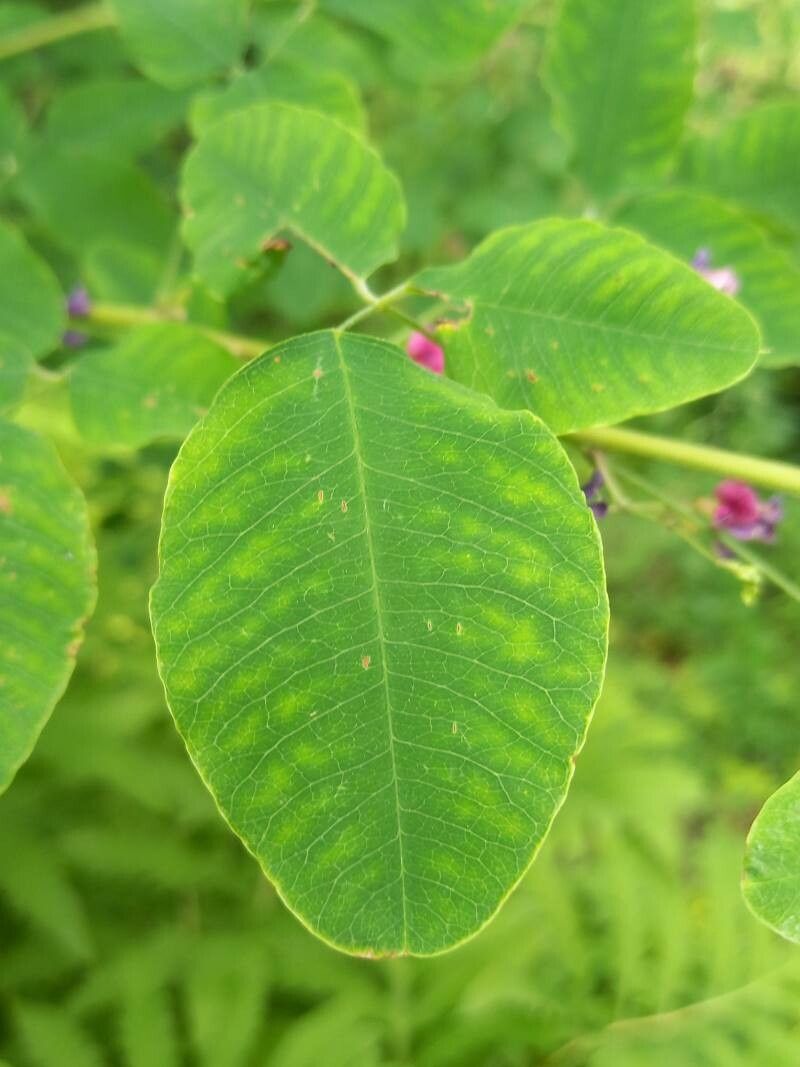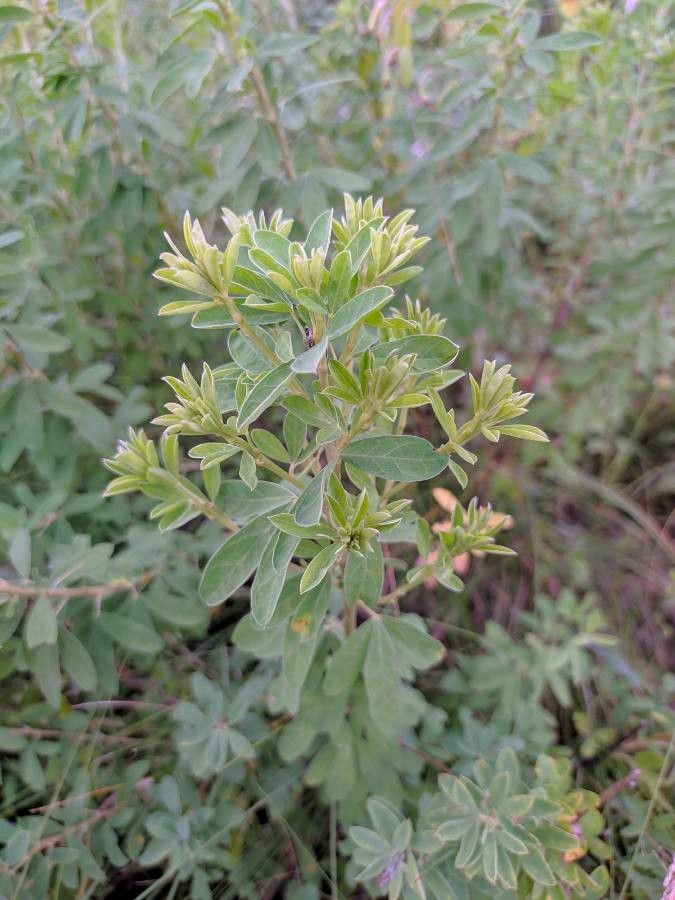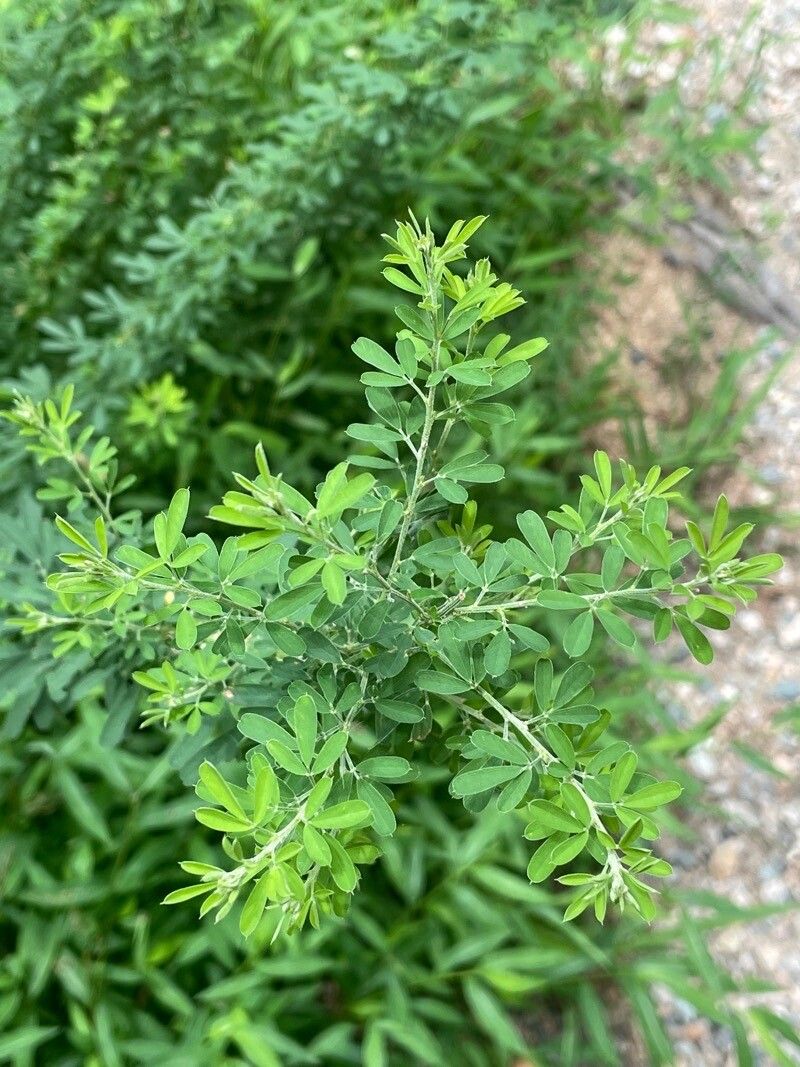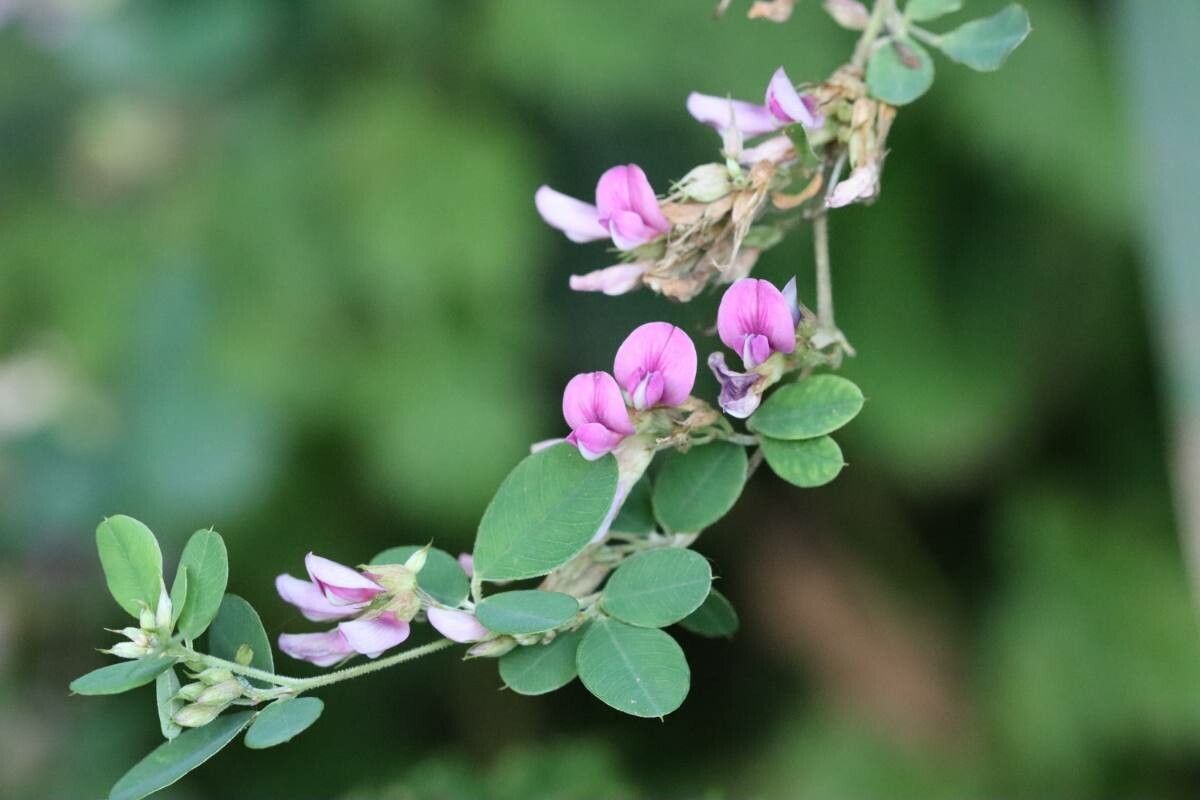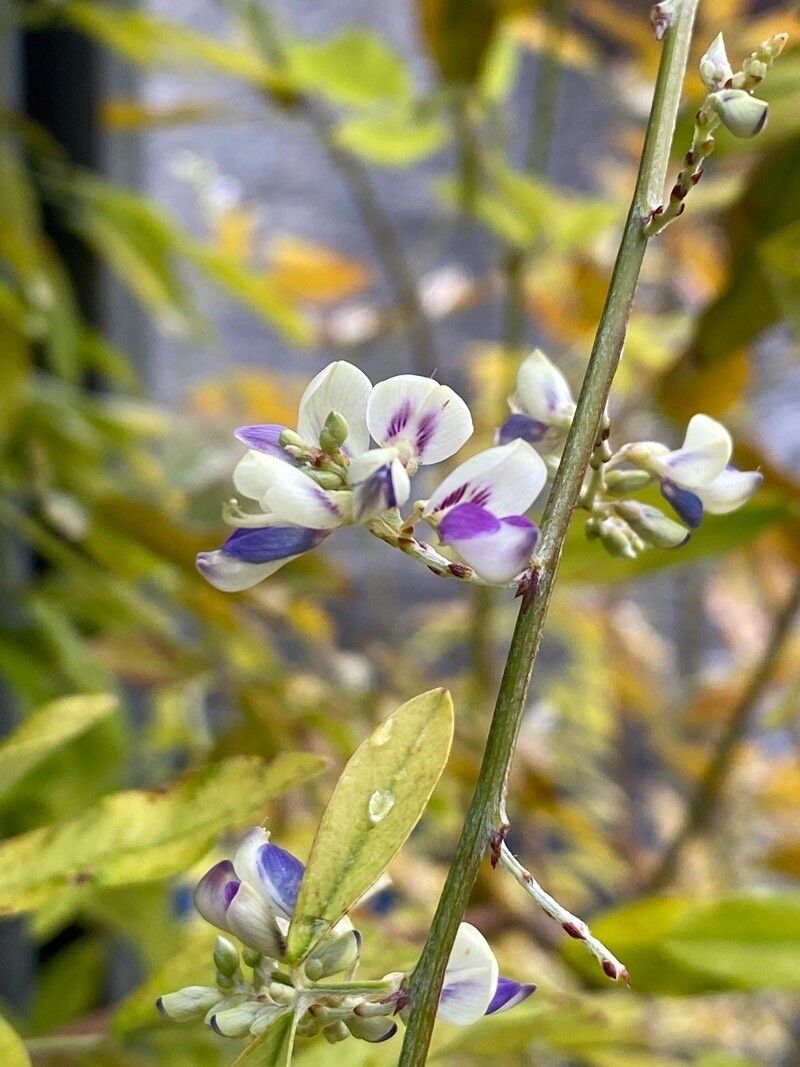
Bicolored lespedeza is disease-resistant and generally not prone to problems. In terms of care, the plant is fairly low maintenance. When grown outdoors it needs little watering, and larger plants typically do not require pruning. Smaller plants, however, should be pruned after they finish blooming. Bicolored lespedeza is appropriate for anyone with outdoor space, such as a garden or deck, and does not need extensive care experience.
How to keep Lespedeza Buergeri.
Light
Bicolored lespedeza comes from open habitats, like sunny meadows and forest margins, which offer plenty of light. It does best in Full Sun but will also tolerate Partial Sun, adapting well to different light conditions.
Water
Bicolored lespedeza, which comes from various moisture regions, is moderately drought-tolerant but prefers consistent soil moisture. Water the plant every 2-3 weeks, allowing the soil to dry out slightly between waterings. Usually, it is grown outdoors, and applying mulch during its active growing season can help retain moisture.
Temperature
Bicolored lespedeza shows strong adaptability to a range of climates, whether in intense summer heat or cold winter conditions. However, it has an ideal temperature range for growth. If temperatures get excessively high, the plant is susceptible to heat and humidity stress, which can cause it to die. In areas where temperatures approach the lower limit of its cold tolerance, it is important to provide insulation to protect the plant.
Fertilizer
Timing is essential for fertilizing Bicolored lespedeza. Apply fertilizer in early spring and continue monthly until early summer. Fertilizer promotes attractive blooms and supplies energy during both dormant and active growth stages.
Pruning
Bicolored lespedeza flourishes with its vibrant flowers and bushy appearance. It requires pruning in early spring to remove dead branches and reduce overcrowding. This process enhances air circulation and light penetration, optimizing blooming and improving resistance to pests and diseases. As a result, the plant becomes healthier and more attractive.
Botanical profile.
- Plant Type
- Shrub
- Life Cycle
- Perennial
- Genus
- Lespedeza
- Family
- Fabaceae
- Hardiness Zone
- 5-9
- Mature Height
- 1.52 m
- Mature Spread
- 1.52 m
- Leaf Color
- Green, Dark Green
- Leaf Type
- Deciduous
- Flower Color
- Purple, Pink
- Flower Size
- 1.02 cm to 1.52 cm
- Bloom Time
- Late summer, Early fall, Mid fall
- Planting Time
- Spring, Summer, Autumn
- Harvest Time
- Mid fall, Late fall, Early winter
- Native Area
- Japan, China