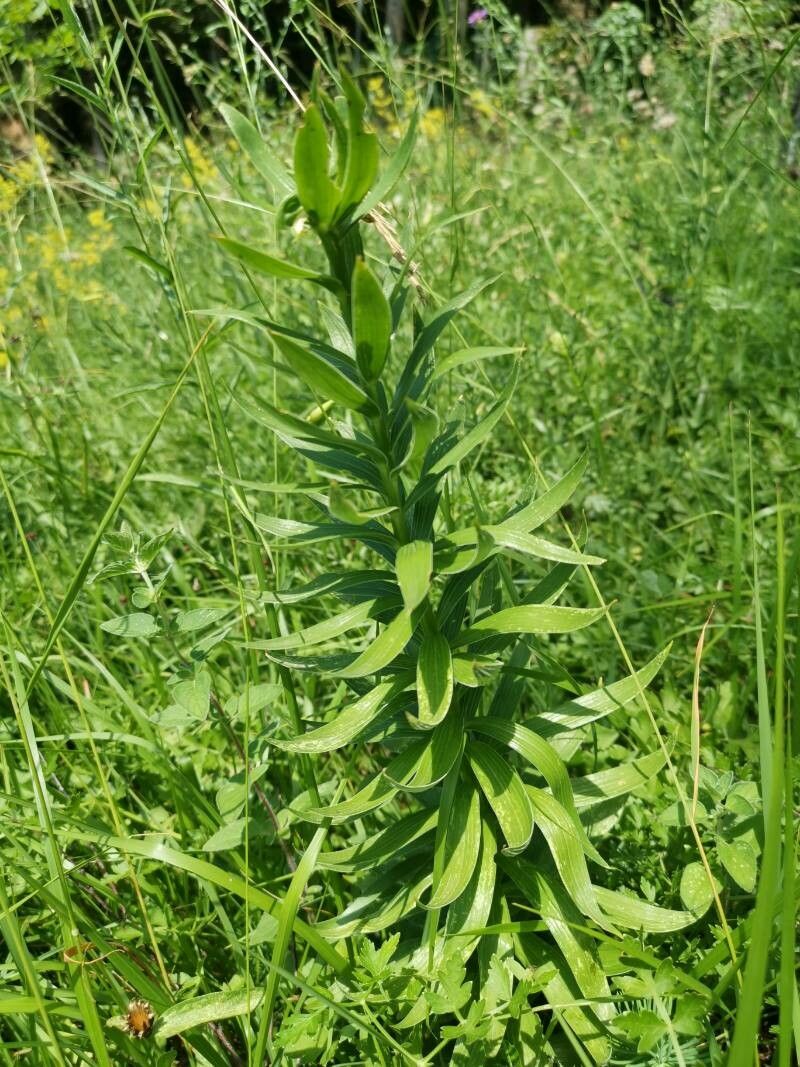
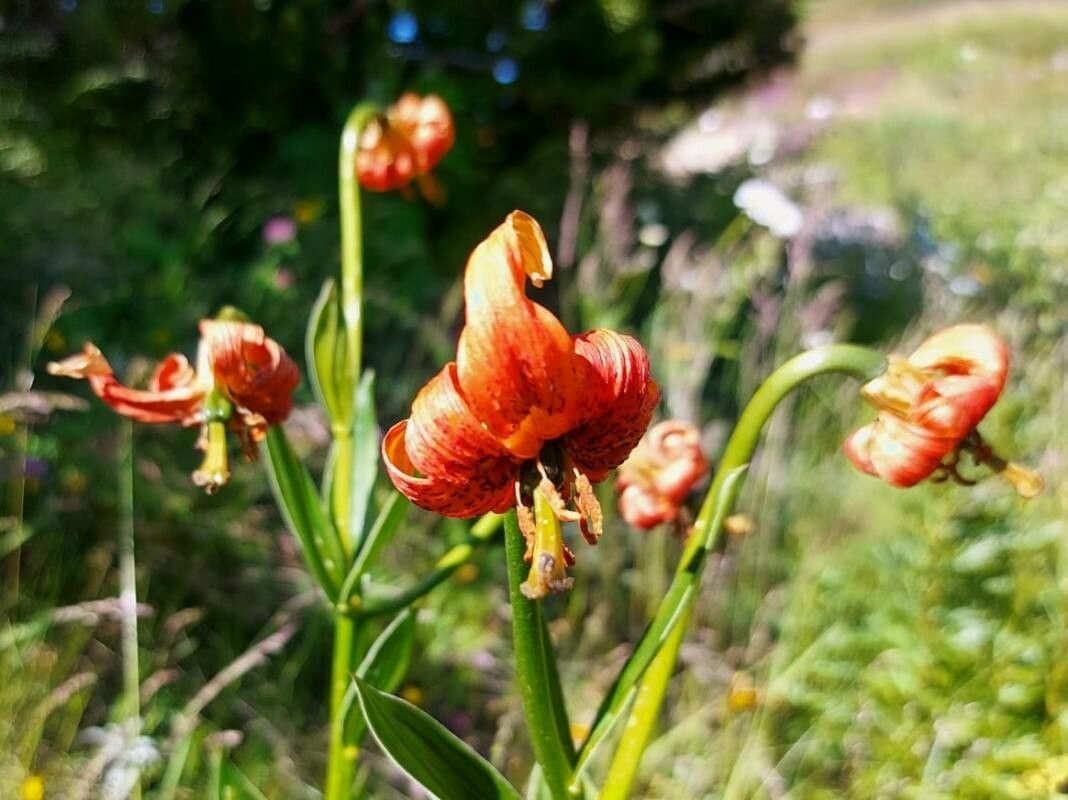
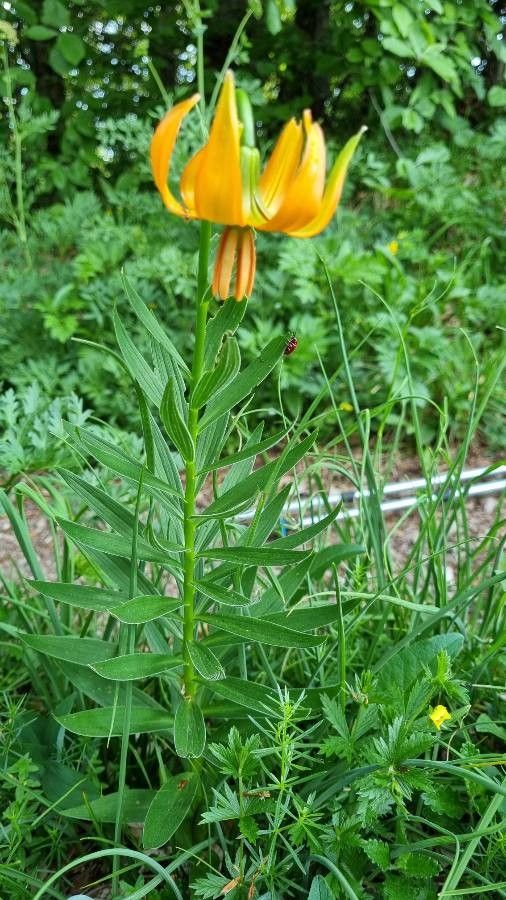
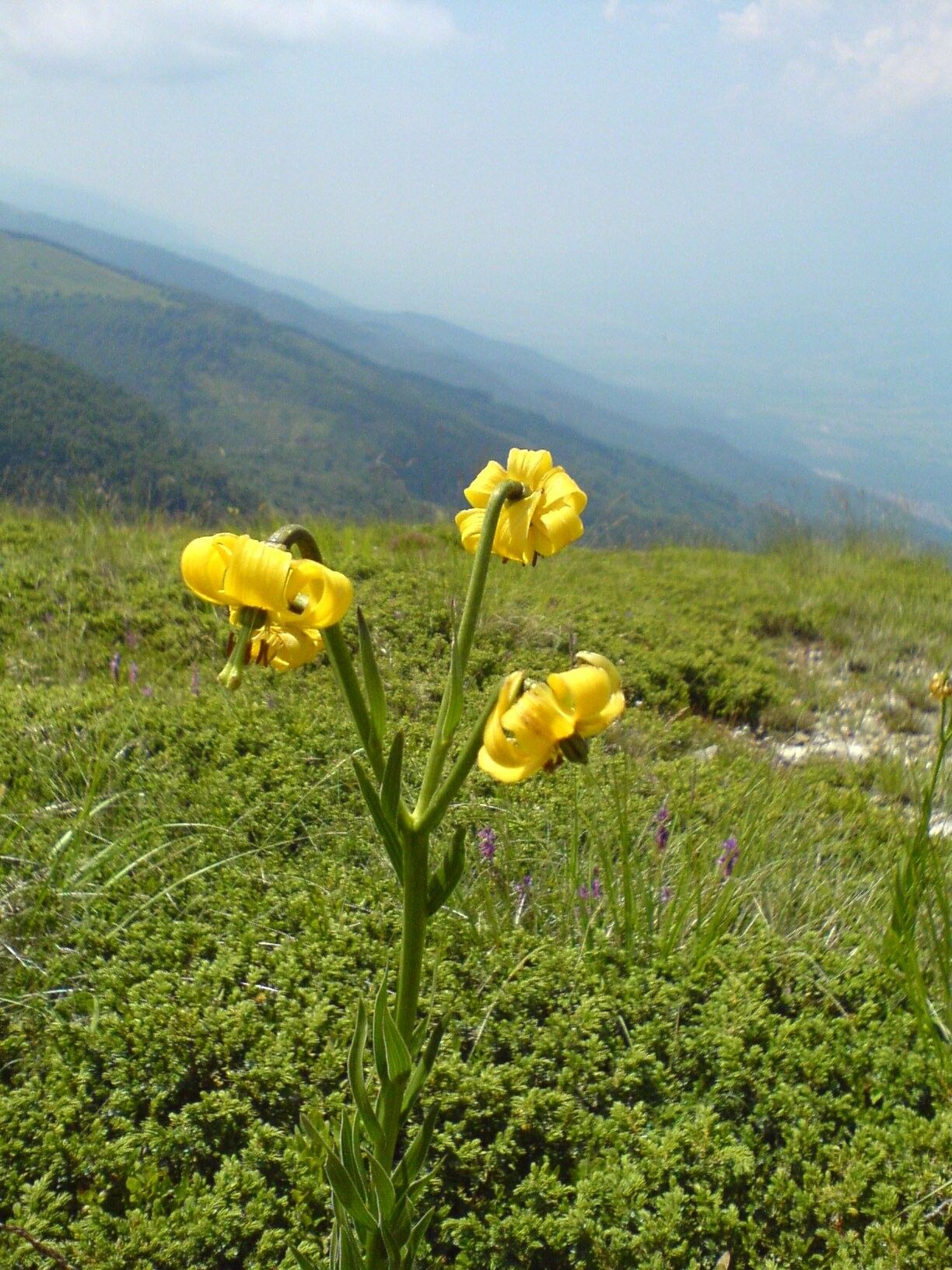
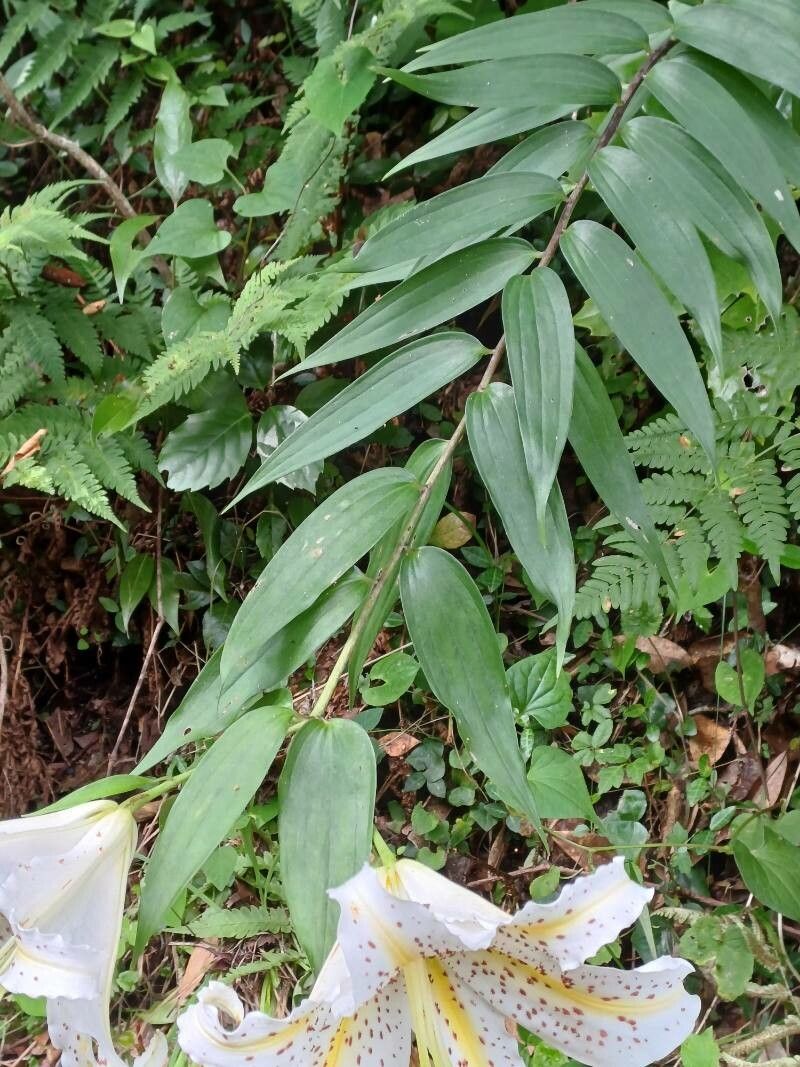
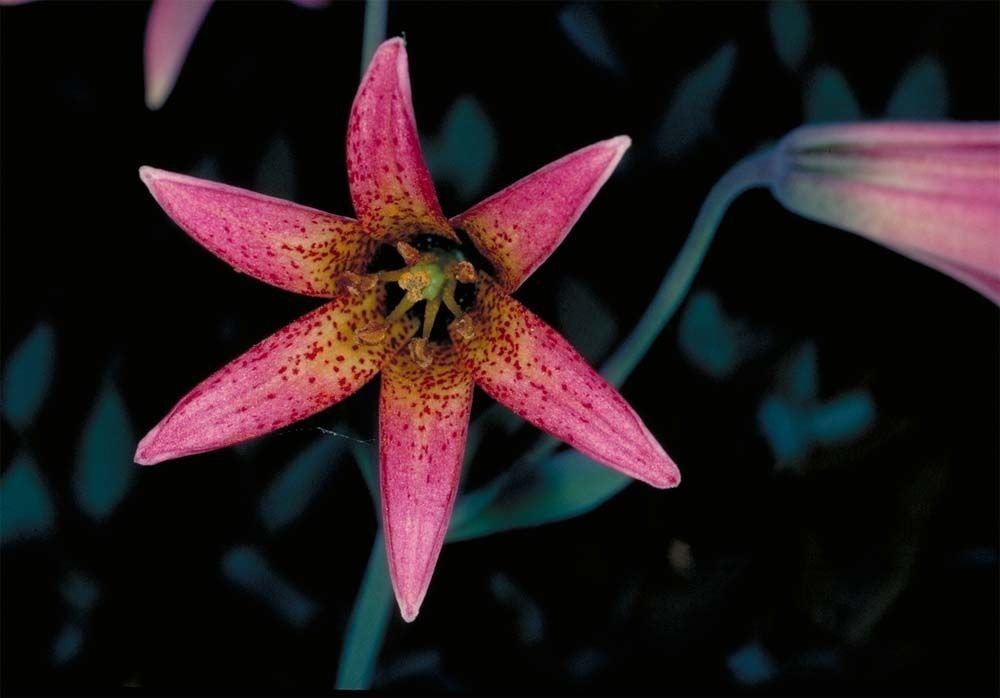
Lilium carniolicum, commonly called golden apple or Carniolan lily, is a lily native to the Balkans, as well as to Austria and northeastern Italy (Veneto + Friuli Venezia Giulia). The species is named after the historical region of Carniola, comprising parts of modern-day Slovenia, where it is most abundant.Its flowers vary in colour from red to yellow, speckled on the bottom with black dots. The colour can vary even among flowers growing in the same locality. In general, yellow is predominant in the southern part of the range. There, the species is sometimes split into the closely related Lilium bosniacum, Lilium albanicum and Lilium jankae, but those are usually treated as varieties of Lilium carniolicum.
Carnic lily is fairly disease-resistant and generally does not suffer from illnesses. However, it can be vulnerable to pests and diseases present in its surroundings. Such infections are usually mild. For care, this plant requires a moderate level of maintenance. It should be pruned regularly to keep a neat appearance and support healthy growth. Fertilizing can also help encourage flowering. Carnic lily is suitable for anyone with outdoor space, like a garden or patio, and does not need a great deal of gardening experience. It may demand more attention when grown indoors.
How to keep Lilium Carniolicum.
Light
Carnic lily is native to habitats like forest understories or rocky sites, where it receives natural shade. It prefers partial sun but can also adapt to full sun or full shade, showing its adaptable and hardy nature.
Water
The Carnic lily thrives in moist conditions, but it is sensitive to standing water. During the seedling phase, it's important to maintain a consistent watering schedule. Once the plant is established, you can reduce the frequency of watering, except during droughts. Ensure proper drainage, particularly after topdressing and during rainy weather.
Temperature
The Carnic lily can tolerate a wide range of temperature conditions, though its distribution may still be restricted by different combinations of moisture and heat. It performs best in warm summer climates with adequate rainfall or irrigation. Extended periods of cloudy, rainy weather, as well as prolonged high temperatures, can increase the likelihood of the Carnic lily dying. In winter, appropriate protection from cold can enhance the plant’s survival rate.
Fertilizer
The best time to fertilize a Carnic lily is in early spring, as it emerges from dormancy and starts active growth. Fertilizing supplies essential nutrients for healthy development. Although the Carnic lily has relatively modest fertilizer requirements, a yearly application can improve its survival and encourage better, longer-lasting blooms.
Pruning
To encourage vibrant blooms, the Carnic lily requires pruning in early spring. Remove spent flowers and any damaged stems to promote healthy growth. Be sure to use clean, sharp tools to prevent the spread of disease. Pruning enhances airflow and increases light penetration, which fosters robust growth. Finally, consult local guidelines for specific pruning techniques suited to your area and the season.
Botanical profile.
- Plant Type
- Herb
- Life Cycle
- Perennial
- Genus
- Lilium
- Family
- Liliaceae
- Hardiness Zone
- 4-8
- Mature Height
- 61 cm to 91 cm
- Mature Spread
- 30 cm to 49 cm
- Leaf Color
- Green, Dark Green
- Leaf Type
- Deciduous
- Flower Color
- Orange, Red
- Flower Size
- 5.08 cm to 7.62 cm
- Bloom Time
- Early summer, Mid summer
- Planting Time
- Spring, Summer, Autumn
- Harvest Time
- Late summer, Early fall
- Native Area
- Slovenia, Croatia, Austria, Italy
Other names.
Reader questions.
What are the sunlight requirements for a Carnic Lily (Lilium carniolicum)?
The Carnic Lily (Lilium carniolicum) thrives in various sunlight conditions. For it to flourish, it needs full sun, which means it should receive above 6 hours of sunlight daily. However, it can also grow well in partial sun, requiring about 3-6 hours of sunlight each day. It's important to observe the movement of sunlight through your garden to find the best spots that offer a good balance of light and shade. This careful selection will ensure your Carnic Lilies are happy and healthy.
What is the Carnic Lily?
The Carnic Lily, scientifically known as Lilium carniolicum, is a species of lily. There are no further essentials, symptoms, or additional information provided on this plant.