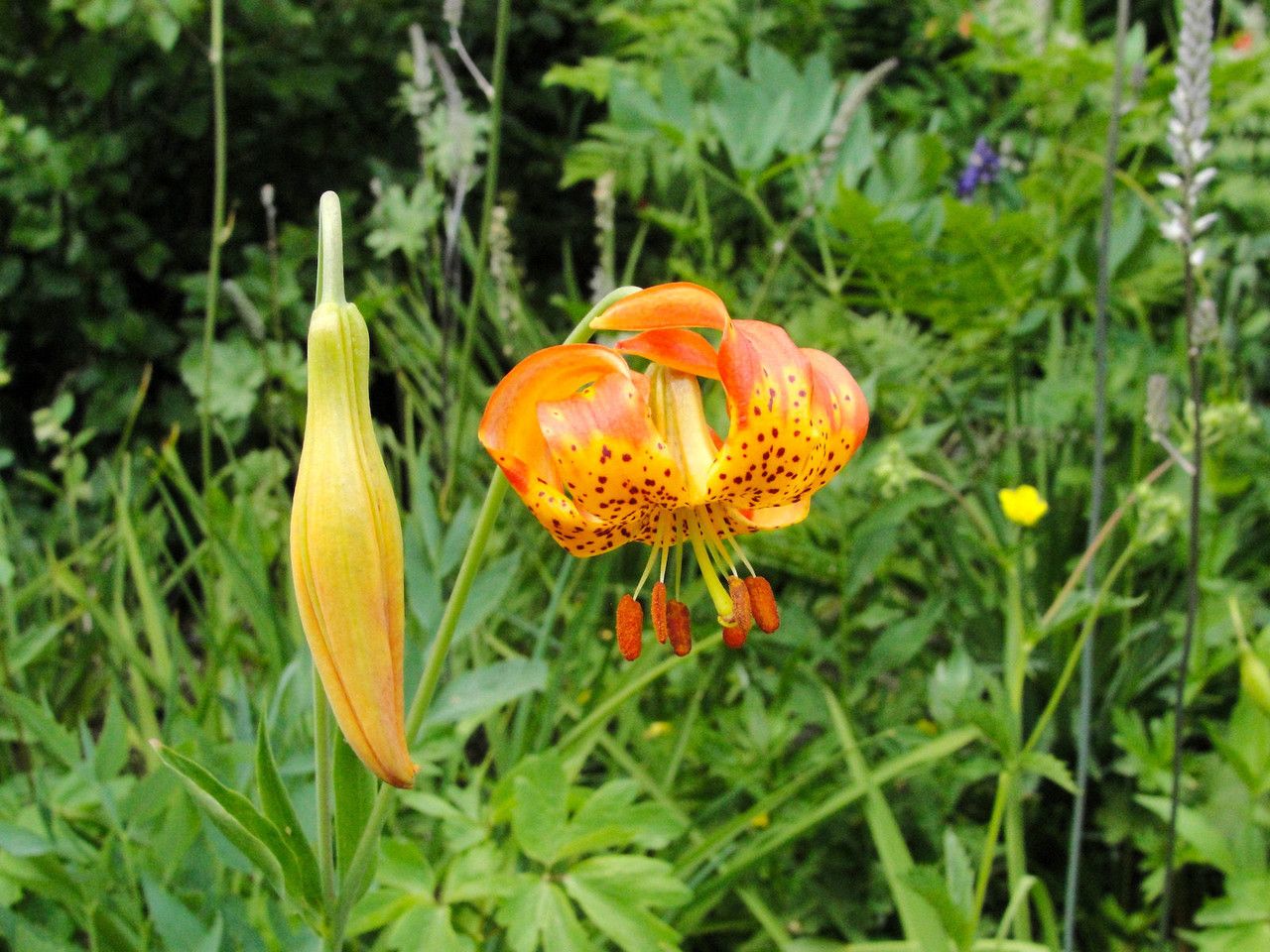
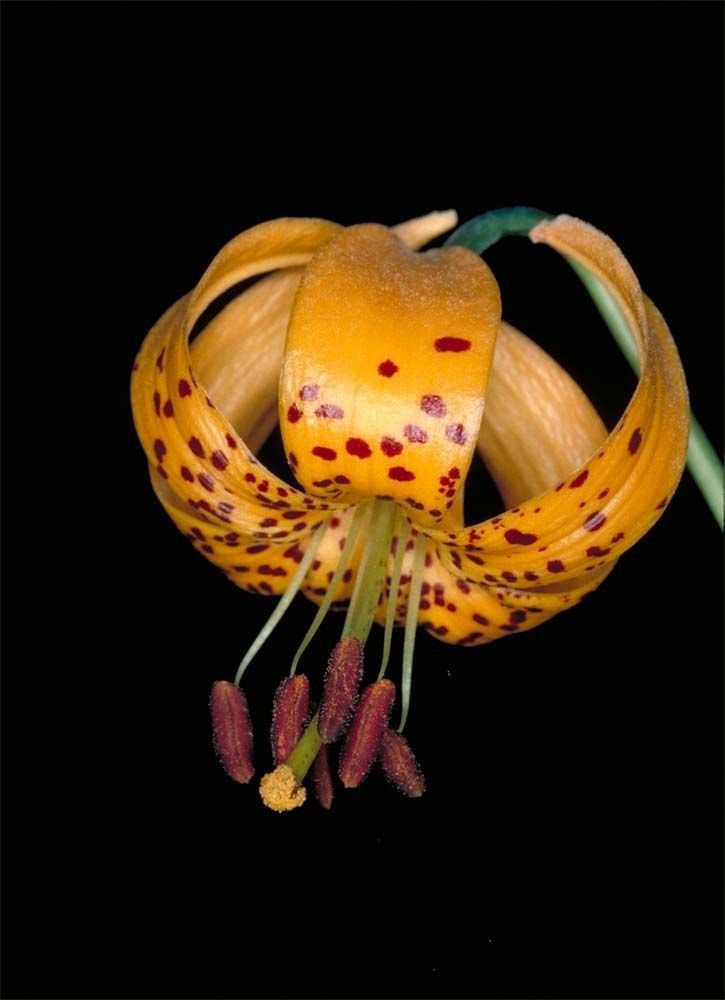
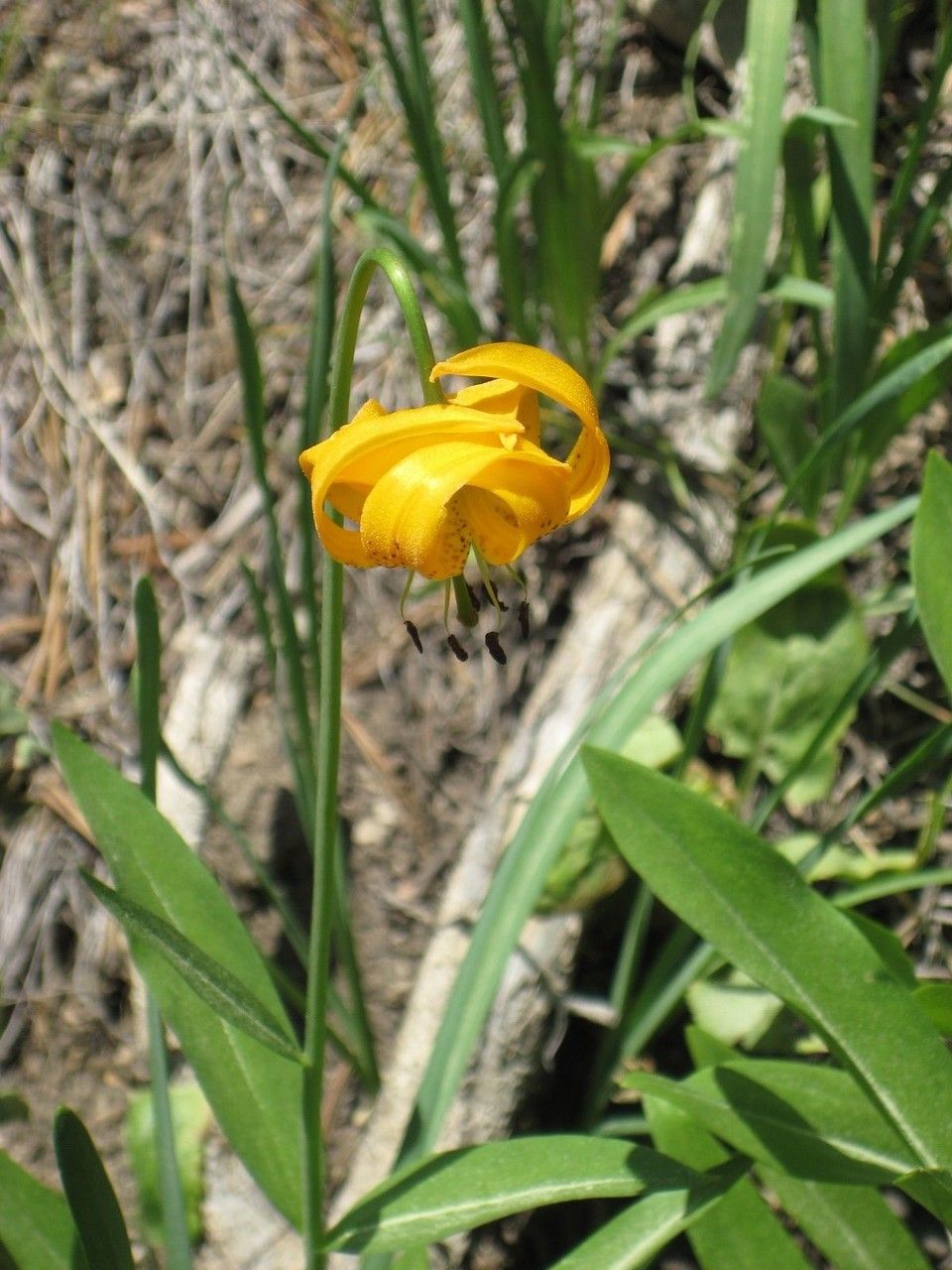
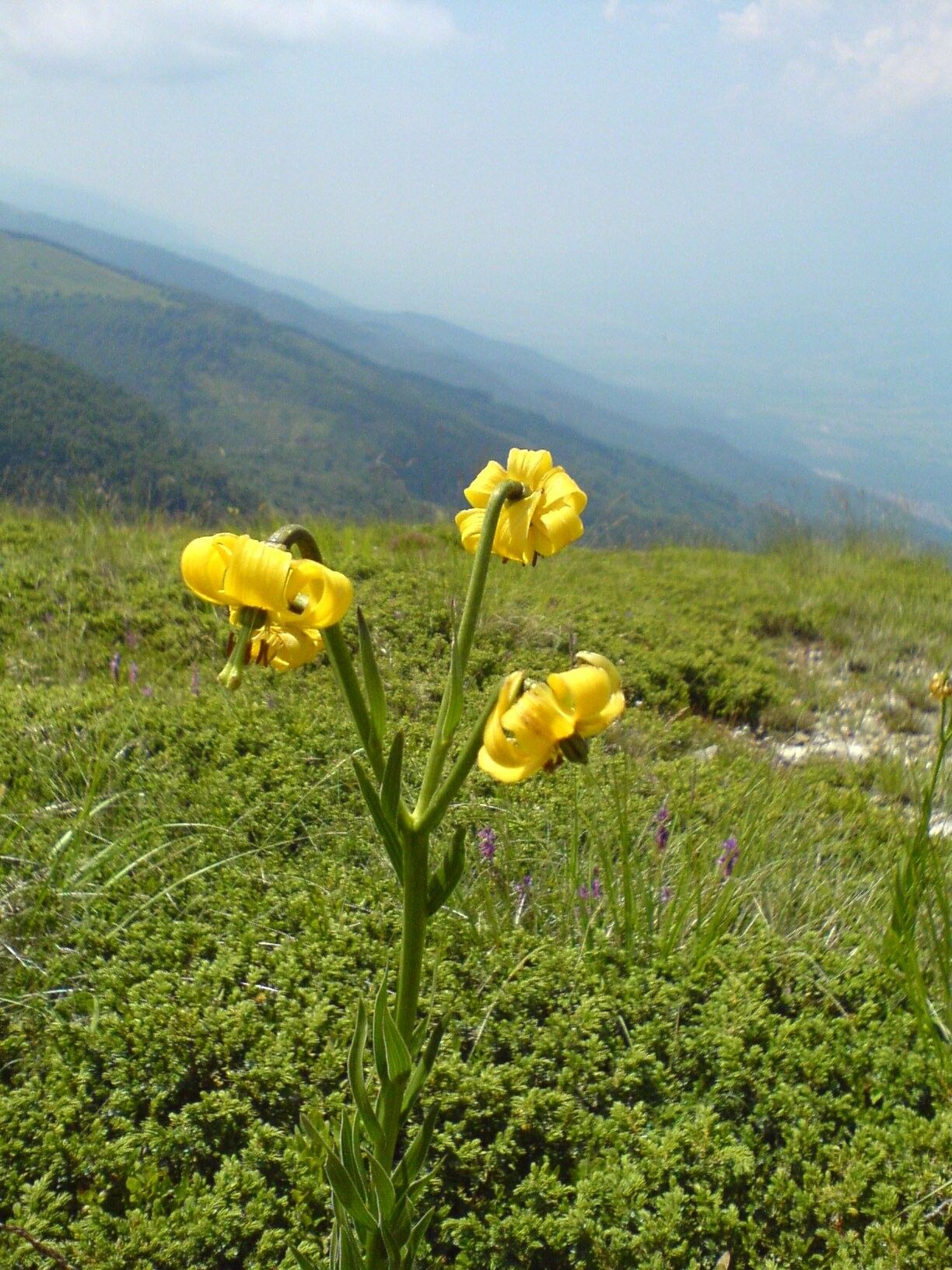
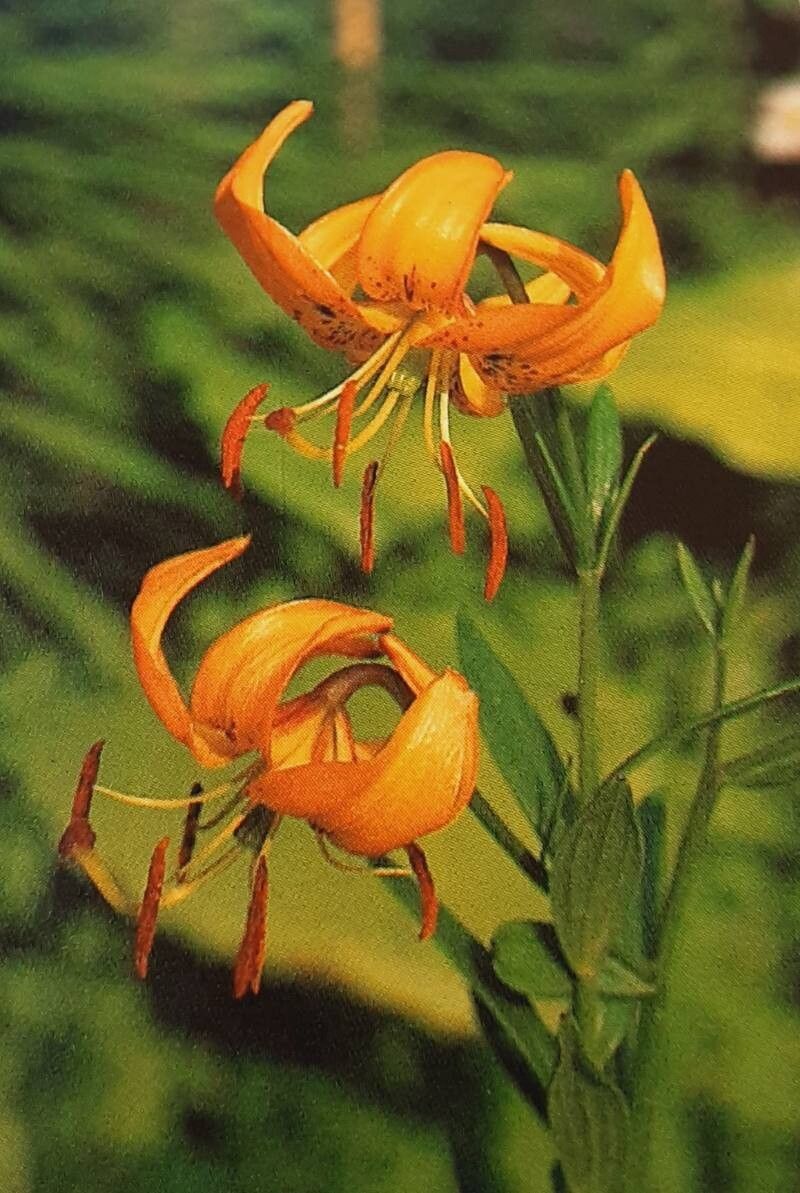
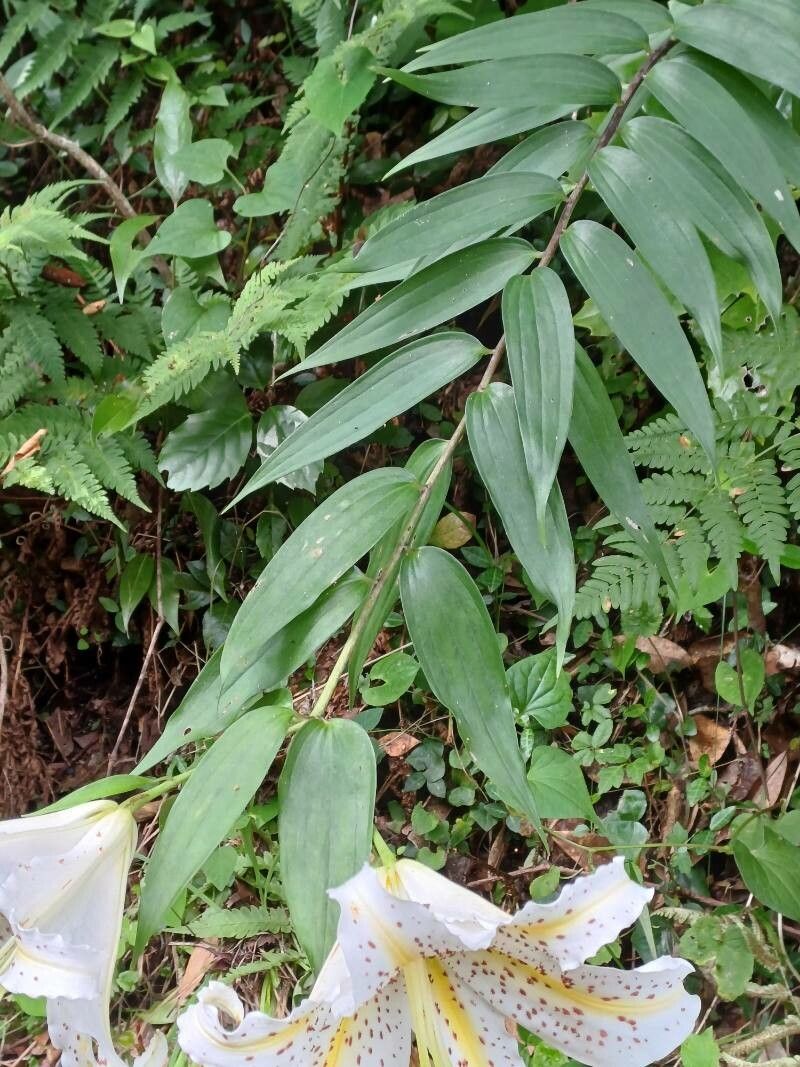
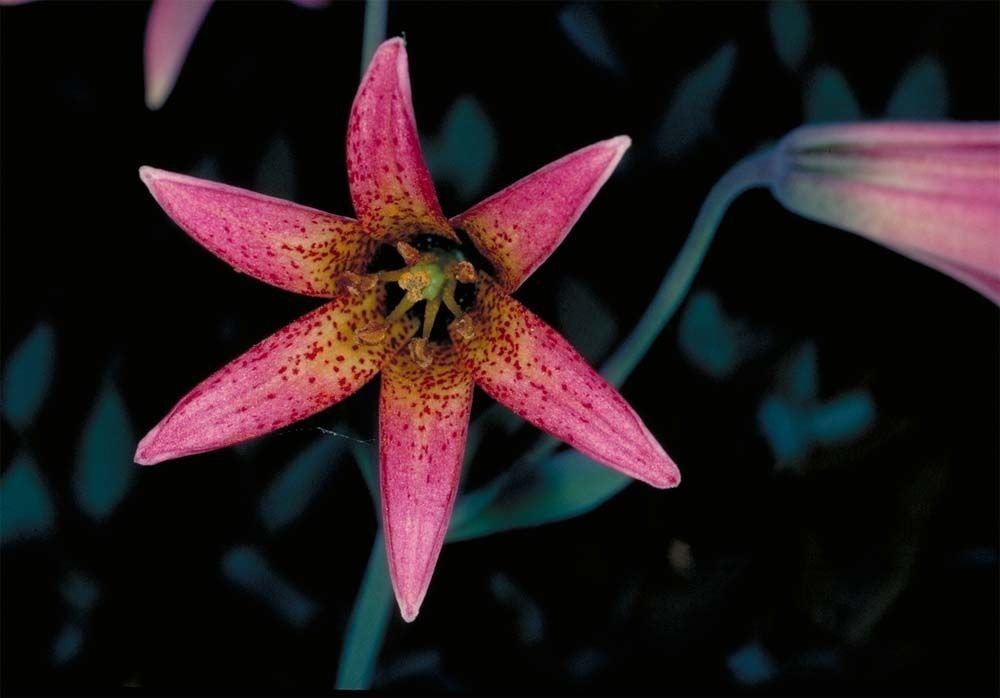
Lilium kelleyanum is a California species of lily known by the common name Kelley's lily. It grows primarily in wetlands in the Sierra Nevada as well as in the Coast Ranges and southern Cascades in the northern part of the state.
Kelley's lily is fairly disease-resistant and generally not prone to illnesses. Still, it can be affected by pests and diseases present in its environment. These problems are normally not severe. For care, the plant needs moderate maintenance. It should be pruned regularly to retain a neat appearance and support healthy growth. Fertilizing can also help encourage flowering. Kelley's lily is suitable for anyone with outdoor space, such as a garden or patio, and does not require extensive experience in plant care. It may need extra attention when grown indoors.
How to keep Lilium Kelleyanum.
Light
Kelley's lily's development is strongly influenced by abundant, unfiltered sunlight, which it prefers. However, it can adapt to locations where sunlight is moderate and interspersed with shade. Both excessive and insufficient sun exposure can be harmful, potentially resulting in bleaching from too much sun or stunted growth from too little.
Water
Kelley's lily thrives in mountainous terrains and prefers consistent hydration, although it can tolerate brief dry spells. To mimic natural rainfall, it is best to water the lily about once a week. This plant flourishes outdoors, particularly during the active growth period when seasonal rains help meet its moisture needs.
Temperature
Kelley's lily is native to regions where temperatures typically range from 32 to 100.4°F (0 to 38℃). It performs best within this temperature range. In much colder or hotter seasons, slowly adjusting the temperature can help the plant survive.
Fertilizer
The best time to fertilize a Kelley's lily is in early spring, as it comes out of dormancy and starts active growth. Fertilization supplies essential nutrients for healthy development. Although Kelley's lily has relatively low fertilizer needs, applying fertilizer annually can improve its survival and encourage better, longer-lasting flowers.
Pruning
Pruning Kelley's lily in early to late spring boosts growth and improves air circulation. To encourage blooming and prevent seed formation, remove dead stems and old flowers. Maintain the plant's shape by cutting at a 45-degree angle above the leaf nodes, which promotes optimal regrowth.
Botanical profile.
- Plant Type
- Herb
- Life Cycle
- Perennial
- Genus
- Lilium
- Family
- Liliaceae
- Hardiness Zone
- 3-11
- Mature Height
- 0.91 m to 1.22 m
- Mature Spread
- 30 cm to 46 cm
- Leaf Color
- Green, Dark Green
- Leaf Type
- Deciduous
- Flower Color
- Orange, Yellow
- Flower Size
- 7.62 cm to 10.16 cm
- Bloom Time
- Early summer, Mid summer
- Planting Time
- Spring, Summer
- Harvest Time
- Late summer, Early fall
Other names.
Reader questions.
What do I need to do if I over or underwater my Kelley's lily?
The Kelley's lily is prone to rot if overwatered because it doesn't need much water. Signs of overwatering include a mushy bulb, flopping stems, droopy flowers, and a yellowed stalk. If the leaves turn yellow before the flowers bloom, it means the plant is being overwatered. Unfortunately, bulb rot cannot be reversed, but it can be managed by digging up the bulb and removing the rotten parts. Disinfecting the pot and tools is important to prevent spreading the fungus. Underwatering is not as big of a concern as overwatering. Signs of underwatering include no blooms, wilting stalks, and browning around the edges of flower petals. If you have underwatered your Kelley's lily, don't panic. Give it a good drink without saturating the soil, ensuring it remains moist. Avoid overwatering, as extended periods in water can cause root rot and fungus growth on the bulb. This can be identified by spots on the leaves and buds, as well as discolored and dying leaf tips.
Why should I put fertilizer on my Kelley's lily?
Fertilization is important for the Kelley's lily for various reasons. It provides essential nutrients for the plant's growth above and below the ground. Although the overall fertilization requirements for a Kelley's lily are relatively low, annual fertilization can greatly benefit the plant. It helps to maintain its survival and can also enhance the quality and longevity of its flowers. Therefore, for those wanting their Kelley's lily to thrive, it is recommended to fertilize it annually.
What kind of sunlight does Kelley's lily need?
Kelley's lily is a plant that requires full sun daily. It needs at least six hours of sunlight to maintain a healthy state for its leaves, roots, and blooms. While many perennials also require six hours of sunlight per day, plants like the Orange Daylily or Giant Coreopsis can survive with only three hours of direct sunlight. However, they won't be able to thrive as well as they would in sunnier conditions.
What temperature is best for Kelley's lily?
Kelley's lily has specific temperature preferences depending on the time of year. Let's discuss the two primary seasons: the growing season and the dormancy season. During the growing season, which starts when Kelley's lily starts sprouting, the temperature range of 65-80℉ (18-27℃) is ideal. If the temperature drops below 15℉ (-10℃), the plant may suffer, with its leaves turning brown and wilting. However, if it's a short cold snap, Kelley's lily might survive with some help. On the other hand, during the warmer parts of the year, Kelley's lily needs protection from high temperatures. Temperatures above 95-105℉ (35-40℃) can damage the foliage and blooms, causing wilting, drooping, and even sunburn on the leaves. Recovery from these conditions can be challenging for Kelley's lily. Fortunately, there are quick and easy ways to combat these temperature issues.
How many times should I give water to my Kelley's lily?
Kelley's lily is a low-maintenance plant that thrives when grown directly in the ground in the sunniest part of your garden. It's important not to overwater the plant, as it can cause the bulb to rot. After planting, give it a thorough watering to kickstart growth, and then let it be until you see shoots appear. To determine when to water, check the moisture of the soil a few inches below the surface. If it's still wet, there's no need to water. For potted plants, check the water collection tray for any standing water, and avoid watering if it's present. For a more accurate reading, you can use a moisture sensor inserted a few inches into the soil, aiming for a reading in the middle of the "moist" category. Generally, watering once a week is recommended for Kelley's lily.
What is the best time to add fertilizer to my Kelley's lily plant?
The best time to fertilize a Kelley's lily is in the late winter to early spring when the plant is transitioning from dormancy to active growth. Fertilizing during this period promotes healthy growth and sets the plant up for a successful season. Although it is generally better to fertilize in the early spring, it is also acceptable to fertilize in the fall. However, it is not recommended to feed a Kelley's lily during summer or winter.
Can the sun hurt Kelley's lily? How can we keep Kelley's lily safe from the sun and hot weather?
In warm climates, some Perennial Flowering Plants may struggle with excessive heat and suffer from sun damage. They can wilt, dry out, or even experience growth problems if they are consistently exposed to the intense afternoon sun. However, not all plants require protection from the light afternoon sun. For those that are harmed by intense afternoon exposure, it is recommended to provide them with some shade in warmer climates. Gardeners can achieve this by planting these plants in areas that do not receive direct heat during the afternoon, such as under trees or behind bushes.
The temperature needs for Kelley's lily in its first year or as a small plant.
If this is the first year that you have a Kelley's lily plant outside, it will need some extra care during the coldest months. Frost can severely damage a new Kelley's lily and prevent it from growing back in the spring. To keep it healthy, it should be kept at a temperature of 40℉(5℃) or above. This can be achieved by either bringing the plant inside for a month or two, or by using mulch or fabric barriers to protect it from frost. During the first year or two, it's a good idea to plant the Kelley's lily in a shadier spot. Smaller and weaker plants have a harder time maintaining their temperature in the heat, so they should receive no more than five hours of direct sunlight per day. If the temperature gets above 80℉(27℃), it's important to use shadecloth and water or mist the plant frequently to control the heat.
How can I change how much I water my Kelley's lily based on different conditions?
The Kelley's lily is a hardy plant that can survive in tough conditions. When planting outdoors, you can rely on natural rainfall and don't need to water it much. Just ensure that the soil drains well. However, if you're growing it in a pot, be cautious with watering. Overwatering can cause bulb rot. Inside, you can water the plant less frequently and ensure proper drainage in the pots. During the growing phase, water the Kelley's lily about one inch per week to encourage flowering. Adjust the watering based on the humidity and temperature of your environment. Hot, dry climates may require more frequent watering, while humid climates may need less. Always check the soil's moisture level to avoid excessive wetness. These plants prefer well-drained, moist soil.
When is it not a good idea to give fertilizer to my Kelley's lily plant?
To ensure proper fertilization of your Kelley's lily, it is recommended to only feed it during late winter and early spring. This plant requires minimal fertilization, so a single annual feeding should be sufficient. It is important to avoid fertilizing during spring, summer, and fall as this can lead to overfertilization and related problems. However, if you missed fertilizing in the spring, it is acceptable to feed the plant in the fall. Additionally, there is no need to fertilize the Kelley's lily during the winter months when it is in a dormant growth phase. Fertilization during most of the winter is not advised as the plant does not undergo new growth during this time.
What will happen if Kelley's lily doesn't get enough sunlight?
If your Kelley's lily is not getting enough sunlight, you will see signs that its needs are not being met. Typically, the plant will not produce as many blooms as it would in full sun. Some plants may develop dry spots on their leaves, but they will still manage to bloom, albeit with smaller and less full flowers.
How do I keep Kelley's lily safe from really hot or really cold weather?
To protect Kelley's lily from frost or cold damage during the growing season, there are a few measures you can take. If you're growing it in a container, simply bring the container inside in bright, indirect light until temperatures rise above -10°C (15℉) again. For ground-planted lilies, you can create an insulated barrier around the plant using mulch or horticultural fabric to protect it from frost and cold wind. If temperatures exceed 27°C (80℉) in the shade during the day, be cautious about exposing Kelley's lily to more than six hours of sunlight, preferably in the morning. To reduce direct sunlight exposure during the hottest parts of the day, you can put up shade cloth or a fine plastic mesh. Additionally, installing a misting system can help lower ground temperatures by slowly releasing cooling mist around the plant's base throughout the day.