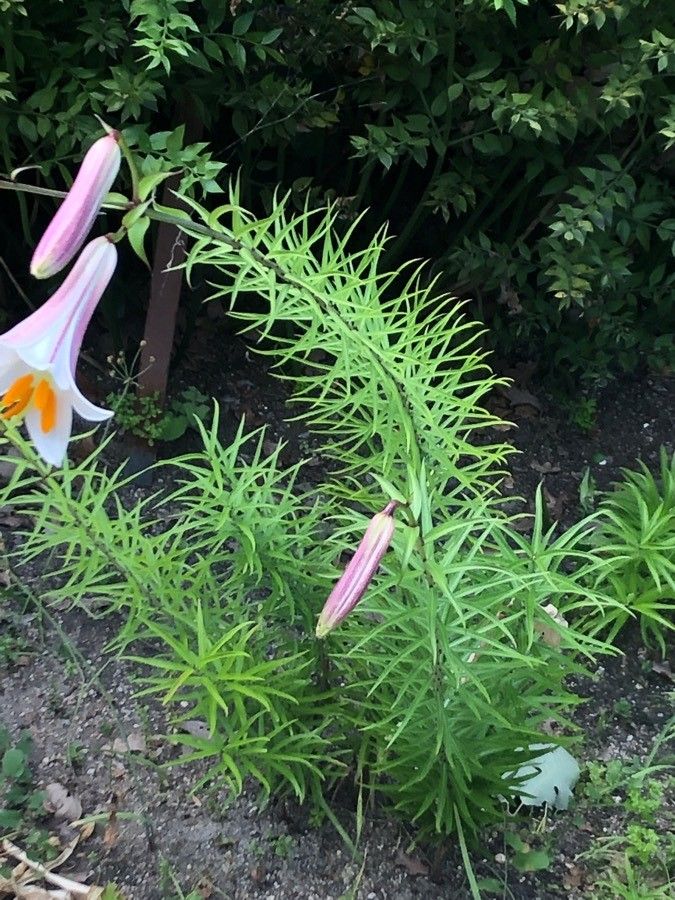
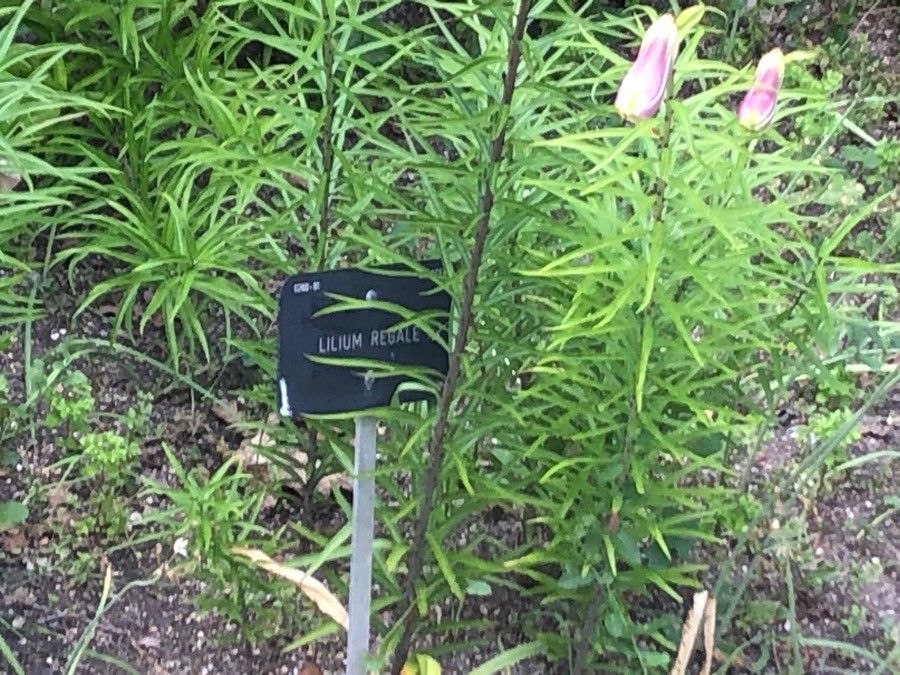
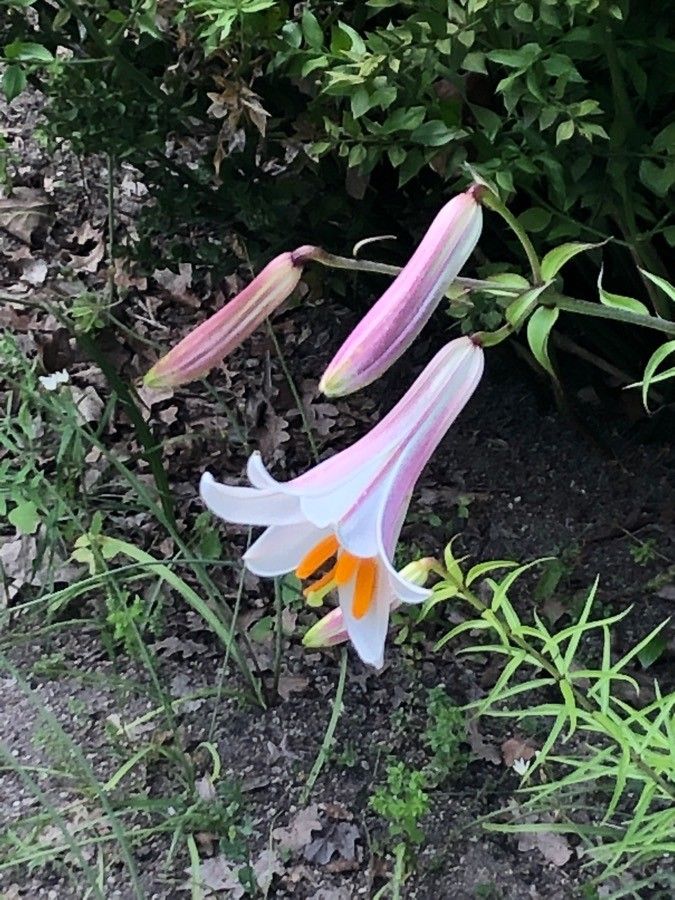
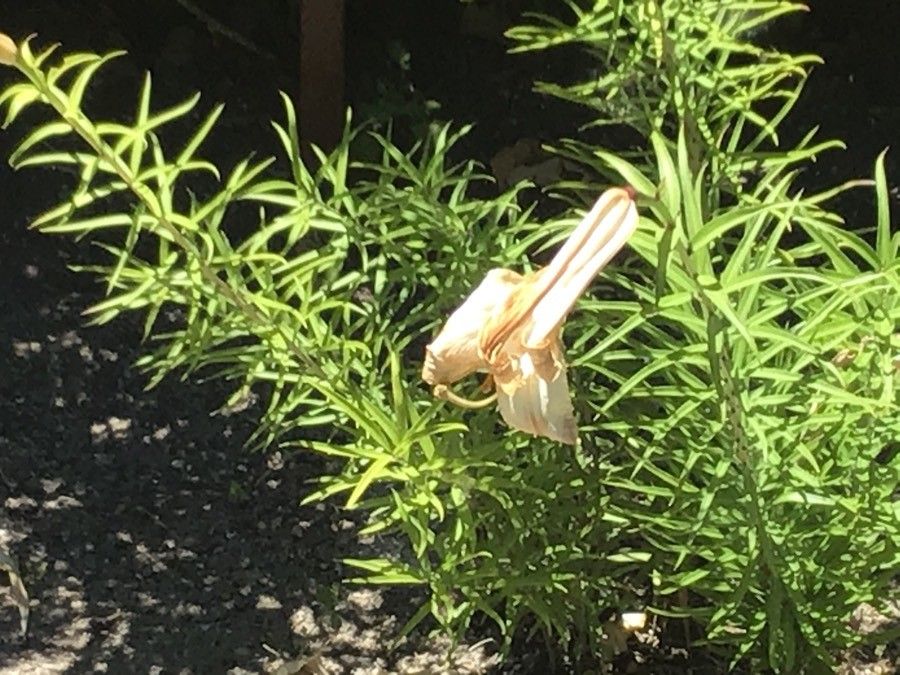
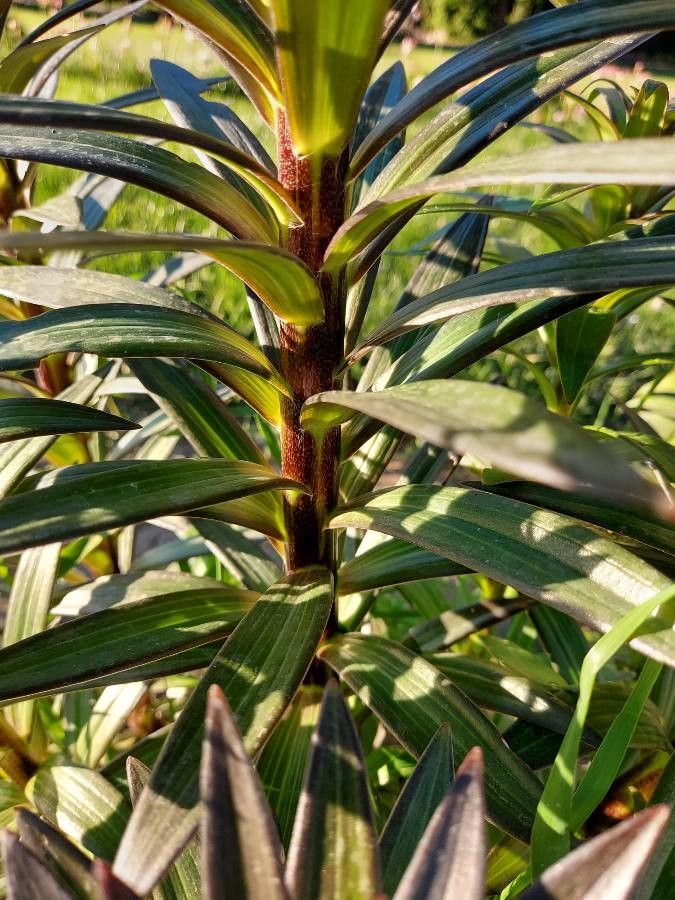
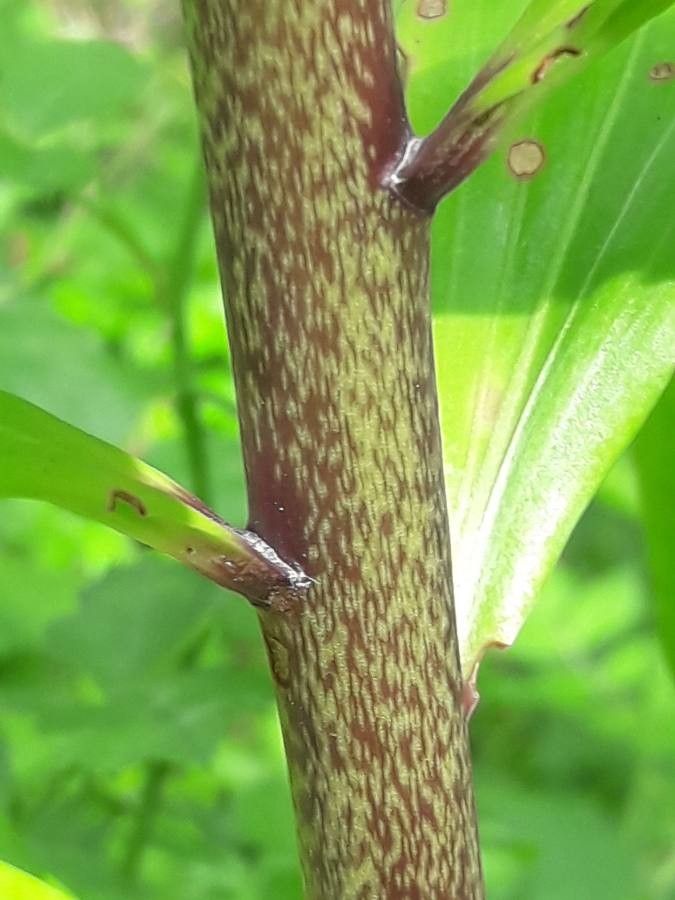
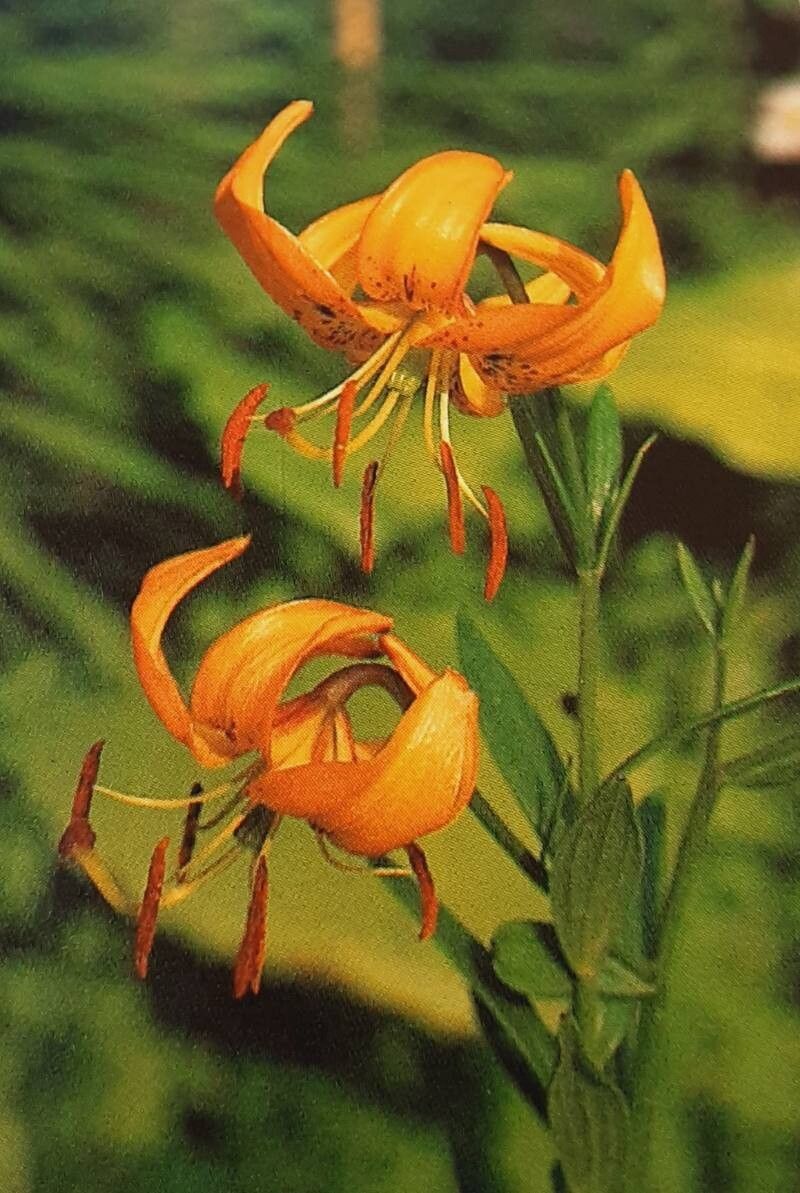
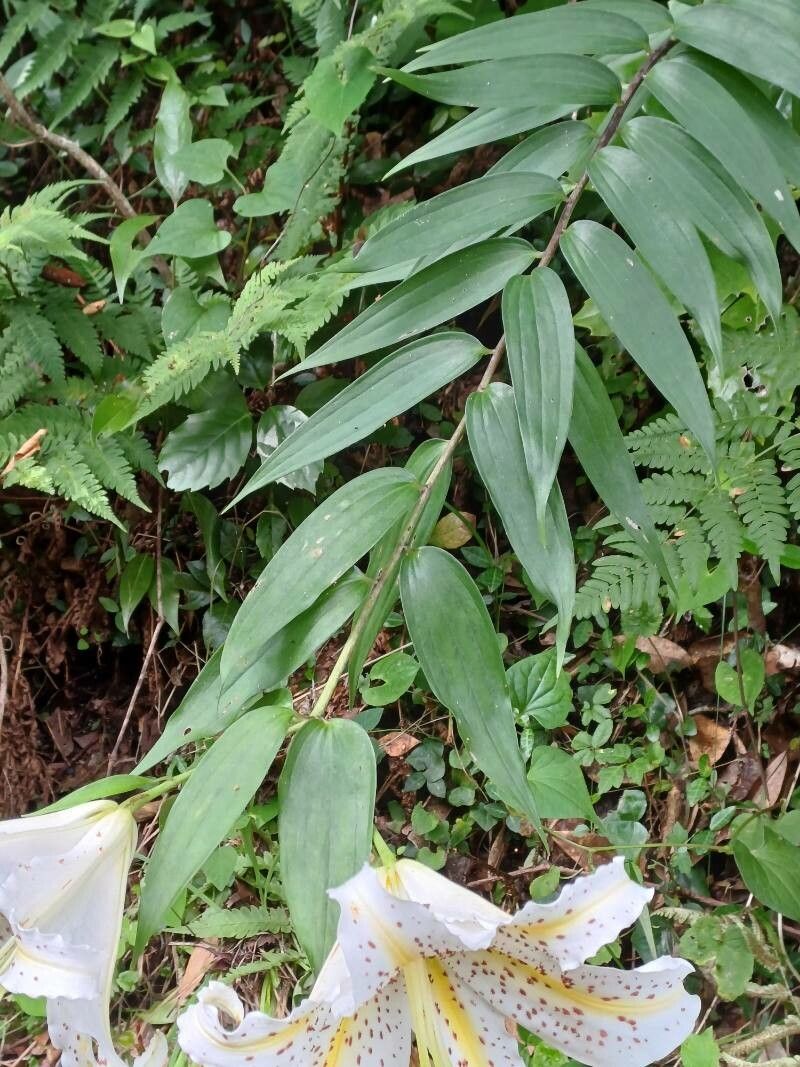
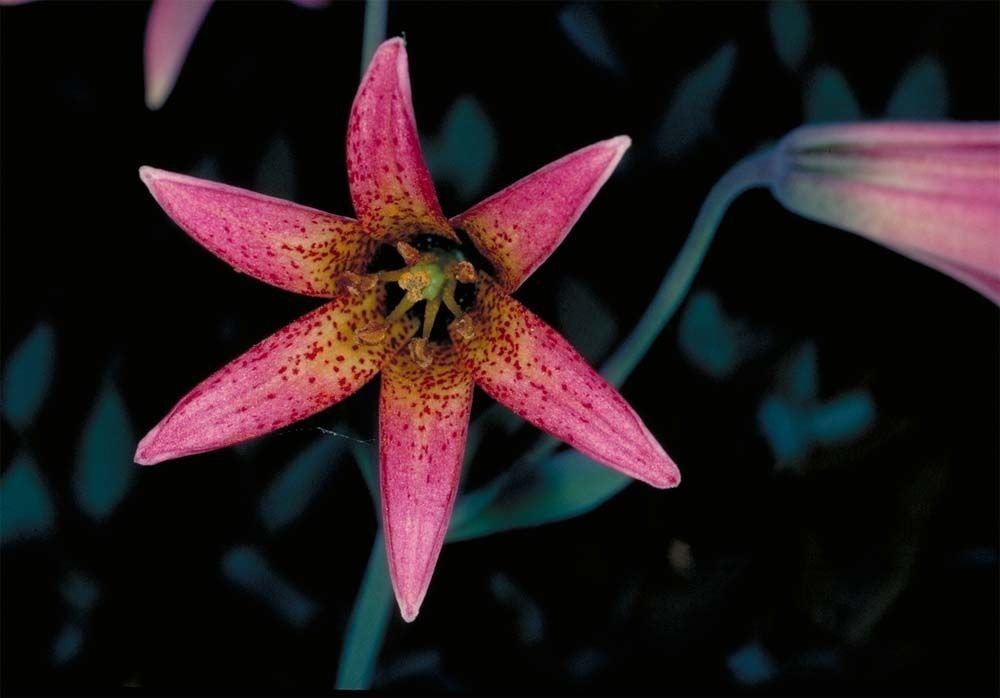
Lilium regale, commonly known as the regal lily, is a stunning species of flowering plant in the family Liliaceae. Native to western China, it was introduced to Europe in the early 1900s. The plant can grow up to 1.5 meters tall and produces large, trumpet-shaped flowers. These flowers are white with a yellow throat and have a pinkish-purple hue on the outside.
The regal lily is a popular garden plant, prized for its beautiful flowers and sweet fragrance. It thrives in well-drained soil rich in organic matter and prefers full sun or partial shade. The plant typically blooms from late spring through early summer.
Beyond its ornamental appeal, Lilium regale has been used medicinally for centuries in traditional Chinese medicine. It serves as an anti-inflammatory agent, treating various ailments such as fever, coughs, sore throat, and bronchitis.
However, it is important to note that all parts of the regal lily are toxic if ingested by humans or pets. Care should be taken when planting it around children or pets who may accidentally consume any part of the plant.
Overall, Lilium regale adds beauty to any garden and offers medicinal value when used correctly under professional guidance.
Royal Lily generally has strong disease resistance and is not usually prone to illnesses. However, it can be affected by pests and diseases present in its environment, though such infections are typically mild. Carewise, it needs a moderate level of attention. Regular pruning is necessary to keep its appearance and growth healthy, and feeding it can encourage more blooms. This plant is suitable for anyone with outdoor space, like a garden or patio, and does not demand extensive gardening experience. It may need extra attention if kept indoors.
How to keep Lilium Regale.
Light
Royal Lily thrives with maximal sun exposure, a testament to its origin habitat with abundant light. Although it can grow in areas with moderate light, its growth and flowering may be compromised. On the other hand, too much light intensity could cause plant burn and affect overall growth.
Water
The Royal Lily thrives in well-drained soil and prefers consistently moist conditions. It requires weekly watering to stay hydrated without becoming too saturated. This plant flourishes best outdoors, where it benefits from natural rainfall that meets its moisture needs during the growing season.
Temperature
Royal Lily originates from temperate regions where temperatures usually range between 41 and 89.6 °F (5 and 32 ℃). It favors warmer conditions but tolerates cooler weather. Appropriate care involves relocating it when seasonal temperatures become extreme.
Fertilizer
The best time to fertilize a Royal Lily is in early spring, as it comes out of dormancy and begins active growth. Fertilization supplies essential nutrients needed for healthy growth. Although a Royal Lily has fairly low fertilizer requirements, giving it fertilizer once a year can improve its survival and encourage better, longer-lasting blooms.
Pruning
Royal Lily thrives when pruned regularly from early to late spring. This encourages healthy growth and abundant blooms. Key techniques include: - Removing spent flowers - Cutting back dead stems - Removing old foliage to improve airflow These techniques enhance the plant's structure and vigor, ensuring a vibrant display each year.
Botanical profile.
- Plant Type
- Herb
- Life Cycle
- Perennial
- Genus
- Lilium
- Family
- Liliaceae
- Hardiness Zone
- 4-8
- Mature Height
- 1.52 m
- Mature Spread
- 46 cm
- Leaf Color
- Green
- Leaf Type
- Deciduous
- Flower Color
- White, Pink
- Flower Size
- 12.70 cm to 15.24 cm
- Bloom Time
- Early summer, Mid summer
- Planting Time
- Spring
- Harvest Time
- Mid summer
- Native Area
- China
Other names.
Reader questions.
What should I do if I give too much or too little water to my Royal Lily plant?
The Royal Lily is a plant that shouldn't be overwatered, as it only requires a small amount of water and too much water can cause the bulb to rot. Signs of overwatering include a mushy bulb, floppy stems with spots, droopy flowers, and a yellowed stalk. While it's normal for the leaves to turn yellow at the end of the blooming period, if they turn yellow before the flowers have bloomed, it's a sign of overwatering. Unfortunately, bulb rot is a common issue and cannot be reversed. If caught early, the affected bulb should be dug up and the rotten portions carefully removed. Additionally, all the soil the plant grew in should be removed. If the plant is in a pot, the pot should be thoroughly disinfected along with any tools used, to prevent spreading the fungus. For outdoor plants, it's best to plant them in a different location. Underwatering the Royal Lily is less of a concern than overwatering. While the soil shouldn't dry out completely, an underwatering problem is easier to solve. Signs of underwatering include no blooms, sagging and withered stalks, and browning around the edges of the flower petals. If the plant has been given too little water, there's no need to panic as it has some drought tolerance. Simply give it a good drink when you realize, but avoid saturating the surrounding soil. Just make sure it's moist. However, it's important not to overwater the plant either. Extended periods of being in water can lead to root rot and fungus growth on the bulb. This fungus can cause damage, such as spots on the leaves and buds, as well as discoloration and dying tips on the leaves.
When should I fertilize my Royal Lily for the best results?
To give your Royal Lily the best start for the season, it is recommended to fertilize it in late winter to early spring when it is transitioning from dormancy to active growth. This will promote healthy growth. Fertilizing in early spring is the most beneficial, but it is also acceptable to fertilize in the fall. Avoid fertilizing in summer and winter as it is not recommended.
What are the sunlight requirements for Royal Lily?
Royal Lily requires full sun exposure to thrive, which means it needs more than 6 hours of sunlight daily. However, it can also grow in partial sun, receiving about 3-6 hours of sunlight. It's important to observe the movement of sunlight through your garden to choose spots that offer a balance of light and shade, ensuring the plant's optimal growth and happiness.
What is the native climate for Royal Lily?
Royal Lily is native to temperate zones and thrives in temperatures typically ranging from 41 to 89.6 °F (5 to 32 °C). It prefers warmer climates but is capable of withstanding colder temperatures. Royal Lily exhibits strong cold resistance, and while it generally does not require special frost protection measures during winter, extra precautions should be taken if temperatures are expected to fall below -30°C. This includes covering the plant with materials such as soil or straw. Additionally, it is advised to water the plant abundantly before the first freeze in autumn to ensure the soil remains moist and enters a frozen state, helping to prevent drought and water scarcity for the plant during winter and early spring.
How frequently should I water my Royal Lily?
Royal Lily is a hardy plant that doesn't require a lot of attention. It thrives when grown directly into the ground in the sunniest area of your garden. Since it grows from a bulb, be careful not to overwater it, as this can cause the bulb to rot. After initially watering the Royal Lily, you can leave it alone until shoots appear. To ensure proper moisture levels, check the soil's moisture after new leaves have grown. Insert your finger about 2-3 inches below the surface of the soil. If it's still wet, there's no need to water the plant. For potted plants, check the water collection tray for standing water. Avoid watering the plant if there is standing water. For a more accurate reading, use a moisture sensor inserted about 2-3 inches into the soil. The optimal moisture level should be in the middle of the 'moist' category. Water your Royal Lily once per week for the best results.
Why is it necessary to put fertilizer on my Royal Lily?
Fertilization is important for the Royal Lily and other plants because it provides essential nutrients for growth both above and below ground. While the Royal Lily has relatively low fertilization needs and can survive without it, annual fertilization can greatly benefit the plant. It helps to keep the plant alive and may also result in better and longer-lasting flowers. Therefore, those who want their Royal Lily to look its best should prioritize annual fertilization.
How does inadequate or excessive sunlight affect Royal Lily?
Inadequate sunlight causes symptoms such as smaller leaves, leggy or sparse growth, faster leaf drop, slower or no new growth, lighter-colored new leaves, and chlorosis. On the other hand, excessive sunlight can lead to conditions like sunscald, leaf curling, wilting, and leaf scorching, which damage the plant's tissue and negatively affect its ability to photosynthesize, ultimately reducing overall health.
How does cold temperature affect Royal Lily and what are the solutions?
Royal Lily is cold-tolerant and functions best when the temperature stays above 5°C. During winter, it should be ensured that temperatures remain above -25°C. Exposing the Royal Lily to temperatures below -30°C might not show noticeable changes during winter, but could lead to decreased sprouting or even no sprouting in spring. The solution for any such damages is to patiently wait until spring and then remove any parts that have failed to sprout.
How should I change how much I water my Royal Lily depending on the conditions?
The Royal Lily is a resilient plant that can withstand tough conditions. When planting it outdoors, you can rely on nature to provide most of the water it needs, but be sure to use soil with good drainage. For potted Royal Lilies, be cautious with watering as the bulbs can rot if overwatered. Use well-drained soil, add sand or rocks to improve drainage, and make sure the pots have drainage holes. During the growing phase, water the plant about one inch per week to promote blooming. Adjust the frequency based on the humidity and temperature of your environment - more in hot, dry climates and less in humid climates. Always check the soil moisture and ensure it's not overly wet, as Royal Lilies prefer moist, well-drained soil.
When is the best time to not fertilize my Royal Lily?
To ensure optimal growth of your Royal Lily, it is important to carefully consider when to fertilize. Late winter and early spring are the ideal times for fertilization, as this plant has low fertilization needs and a single annual feeding is sufficient. Overfertilization and its associated complications can easily occur if fertilization continues throughout spring, summer, and fall. However, there is an exception to this rule - if you missed fertilizing in spring, it is acceptable to feed the plant in the fall. It is important to note that during the winter, when the Royal Lily is in a dormant growth phase and not producing new growth, there is no need to fertilize. Fertilizing during most of the winter is not recommended.
Can artificial lighting be used for Royal Lily, and how?
Yes, artificial lighting can be used for Royal Lily, especially in situations where natural sunlight is insufficient. It's beneficial during winter or in less sunny spaces. Select the right type of artificial light, such as LED lights, which can be customized to provide specific wavelengths needed by your plants. Full sun plants require 30-50W/sq ft of artificial light, partial sun plants need 20-30W/sq ft, and full shade plants 10-20W/sq ft. Ensure the light source is placed 12-36 inches above the plant and mimic natural daylight hours, usually 8-12 hours of light per day.
What should be done if Royal Lily is exposed to high temperatures?
During the summer, it is crucial for the Royal Lily to be kept in conditions below 32°C. If the temperature rises above 35°C, the plant's leaves may lighten in color, become prone to curling, suffer from sunburn, and in severe cases, the entire plant may wilt and dry up. To address these issues, trim away the sunburned and dried-up parts of the plant. Move the Royal Lily to a location that offers shade during the midday and afternoon sun, or use a shade cloth to protect it. Ensuring the soil remains moist by watering the plant in the morning and evening is also beneficial for its health and survival.