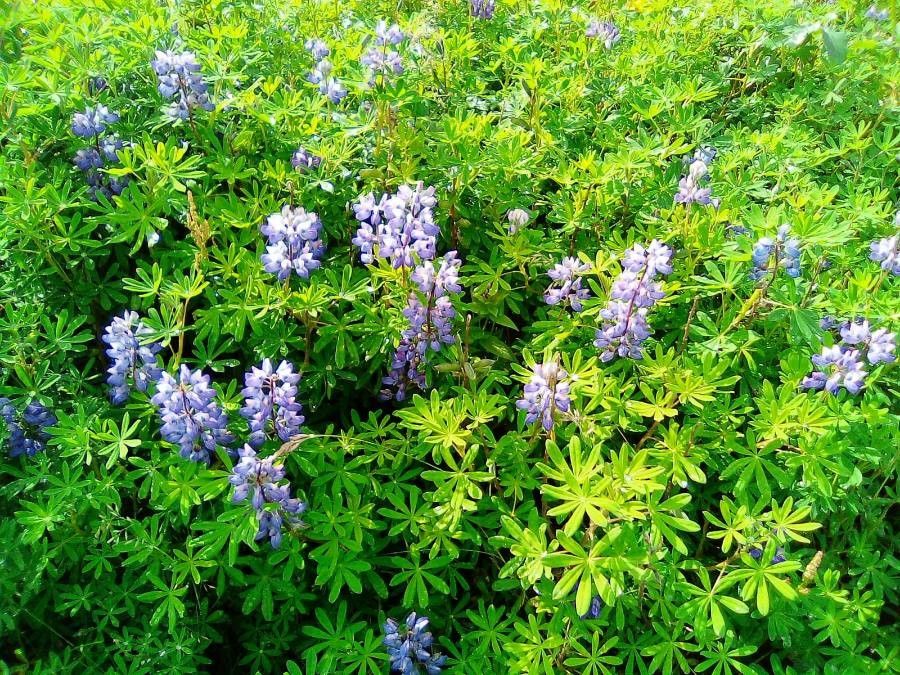
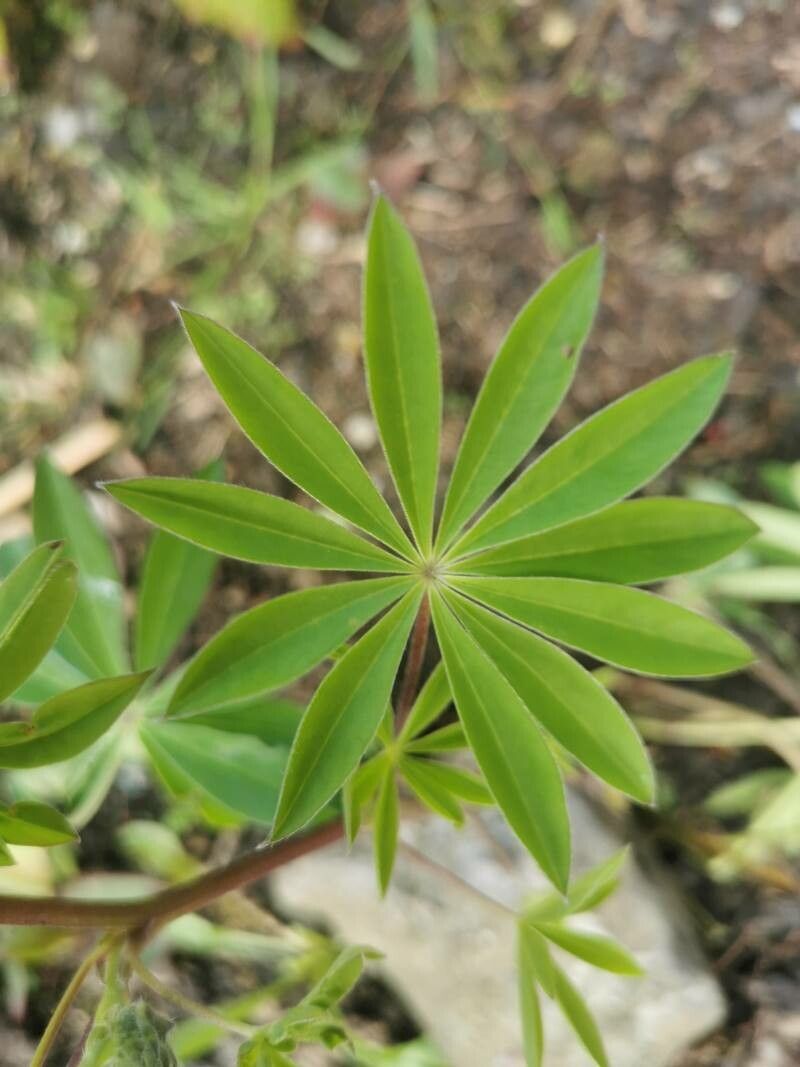
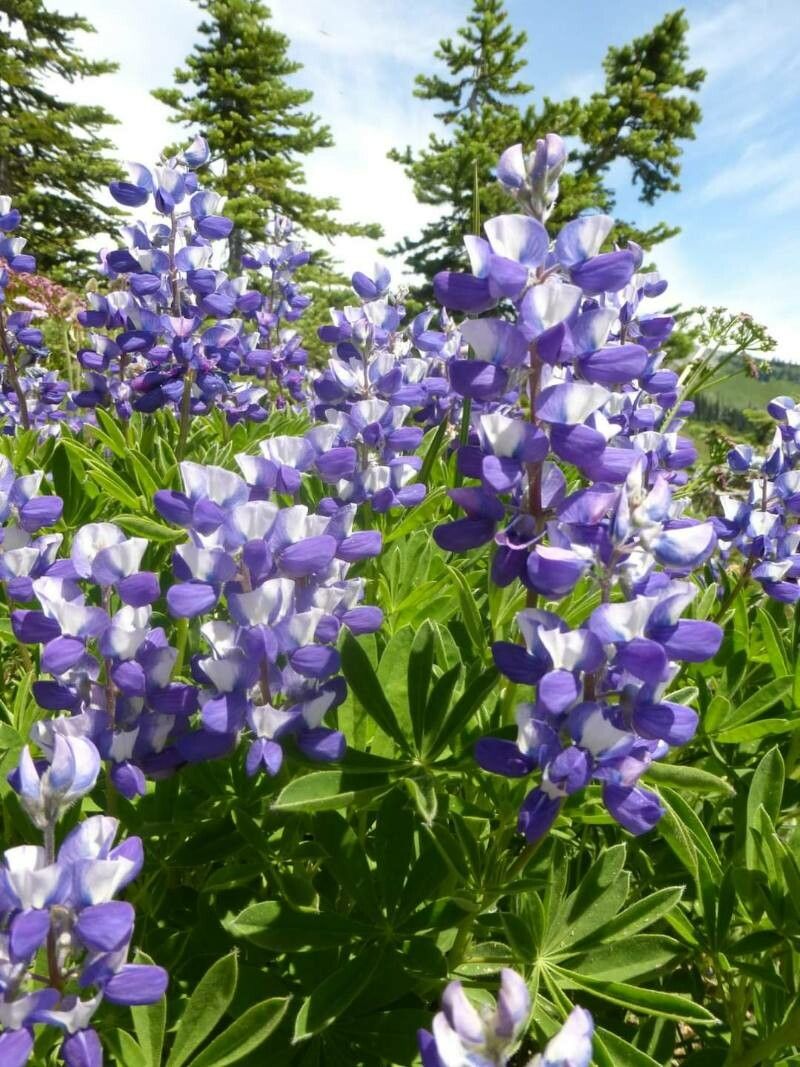
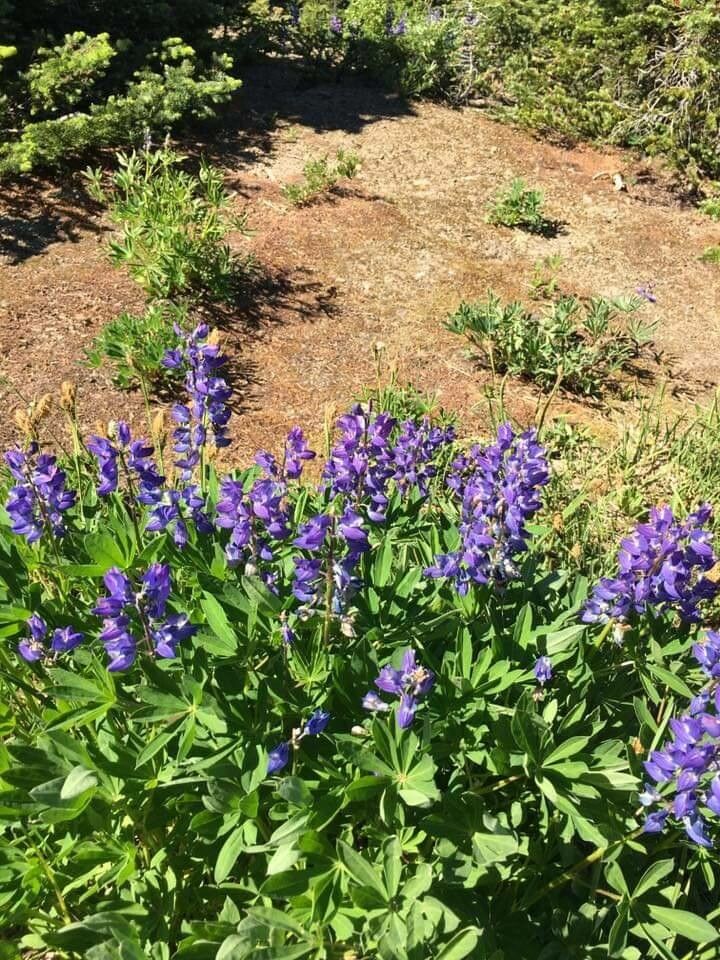
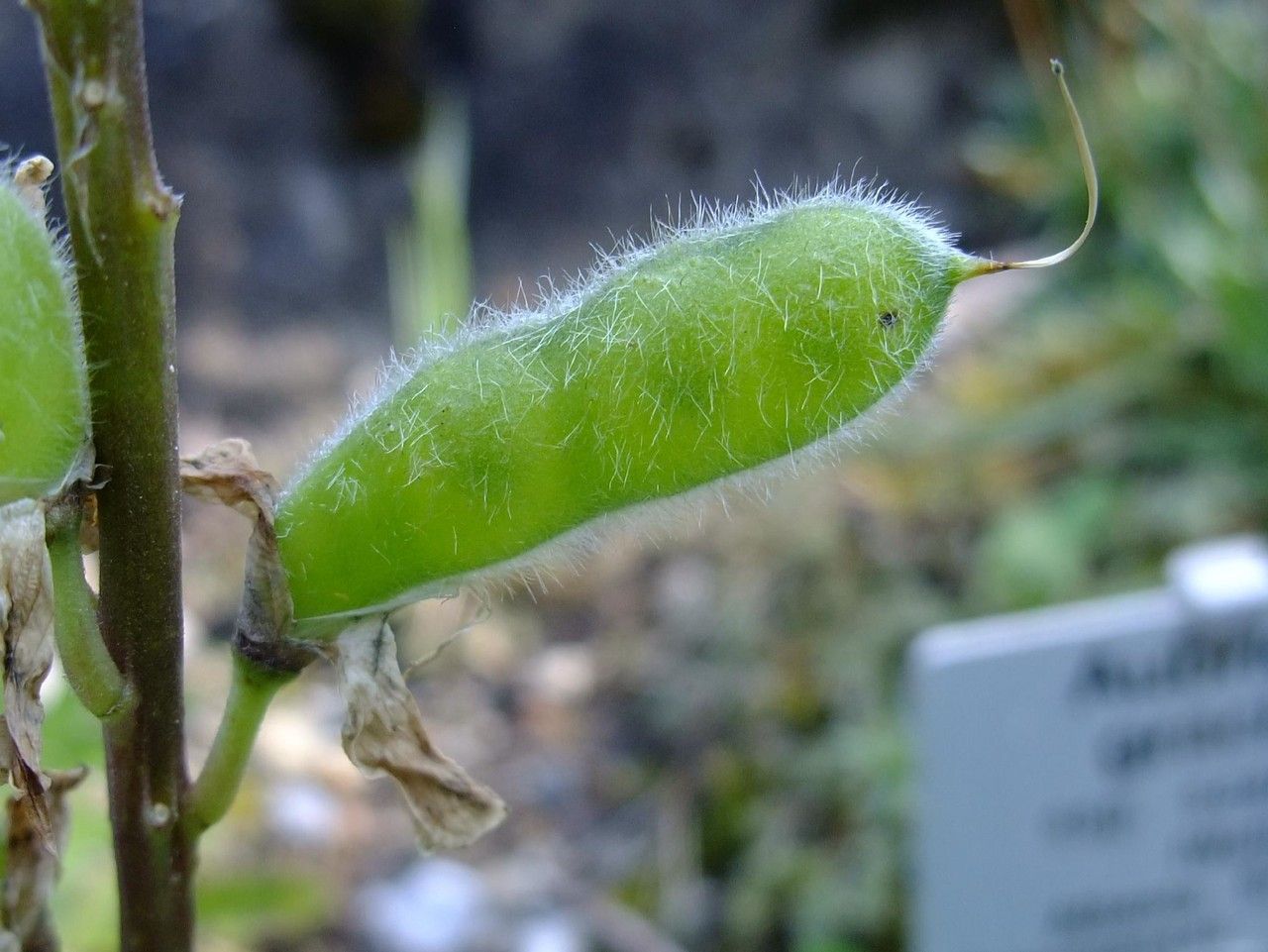
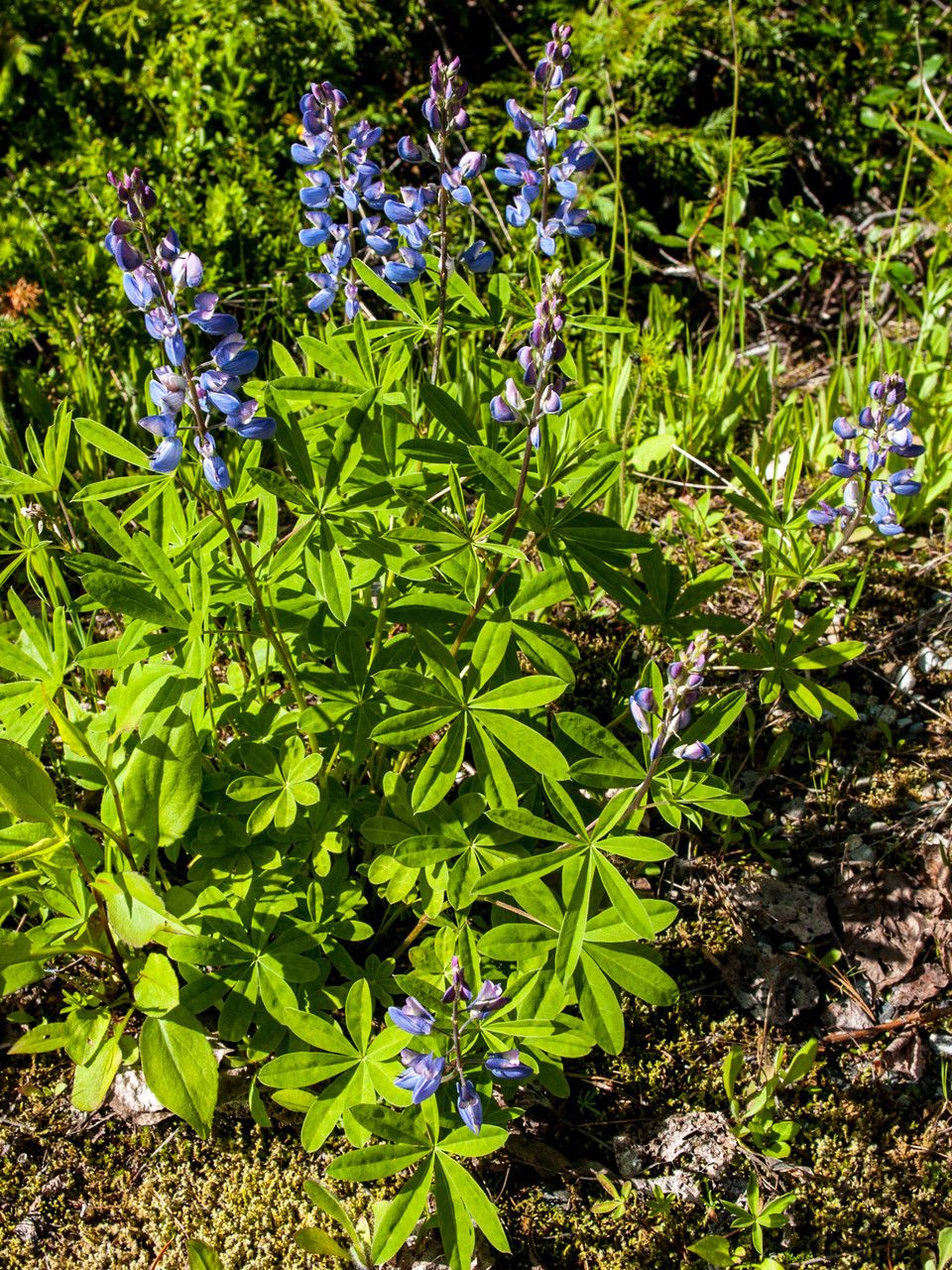
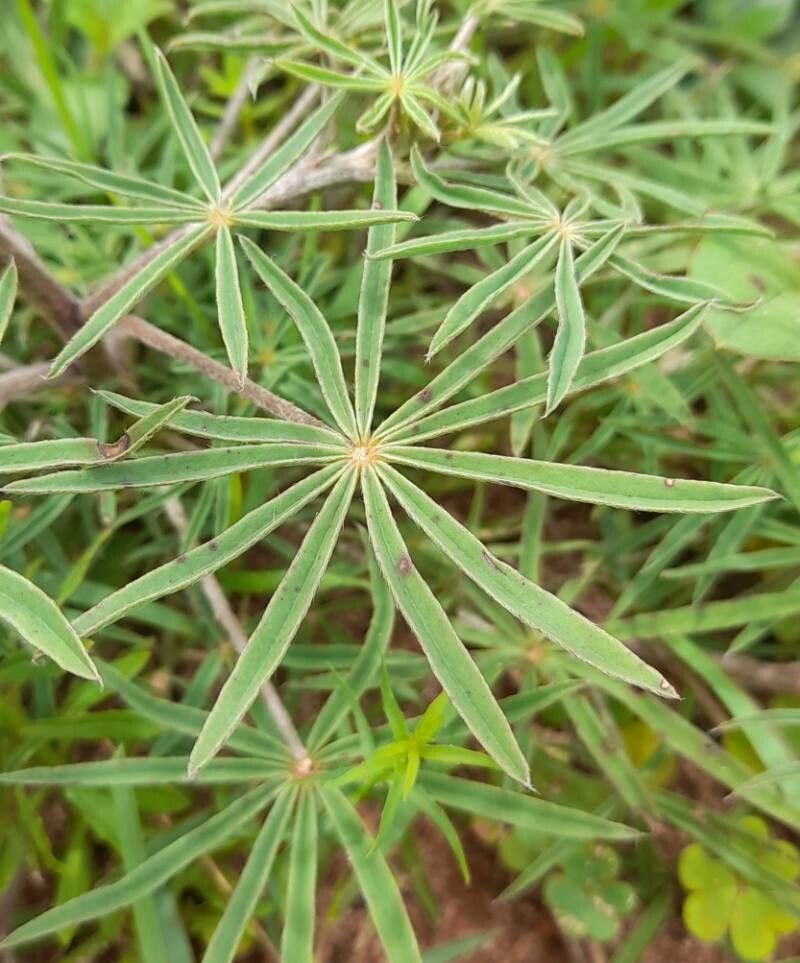
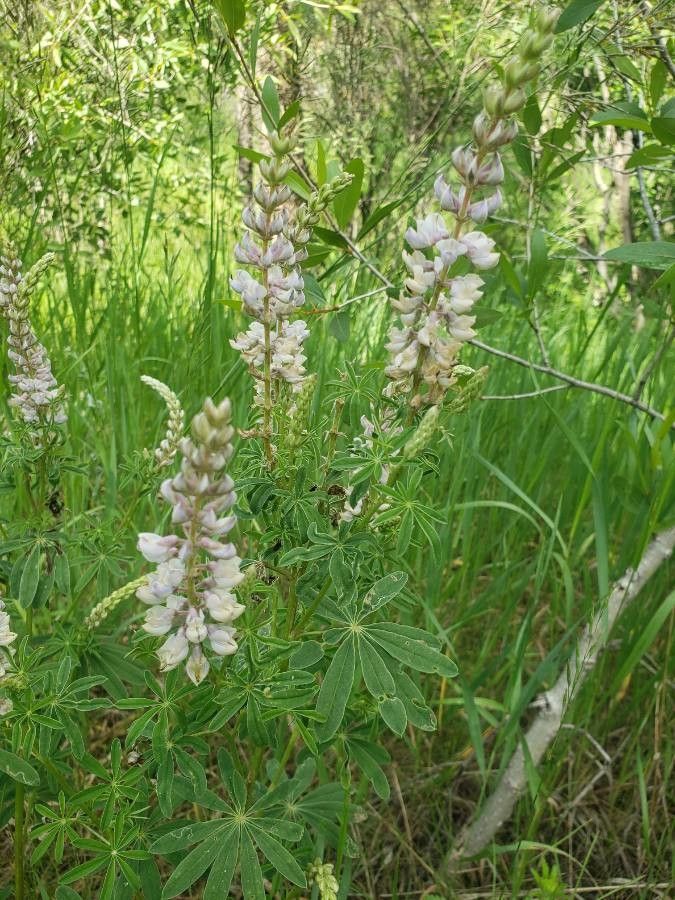
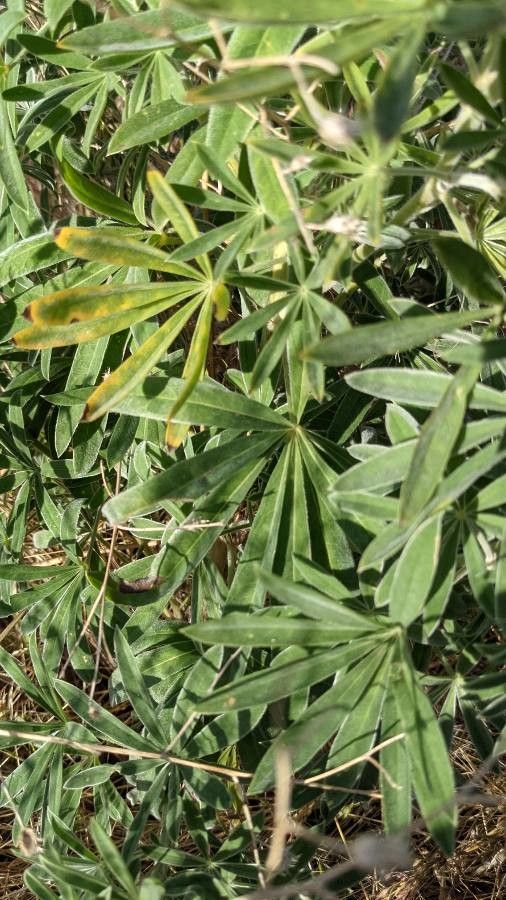
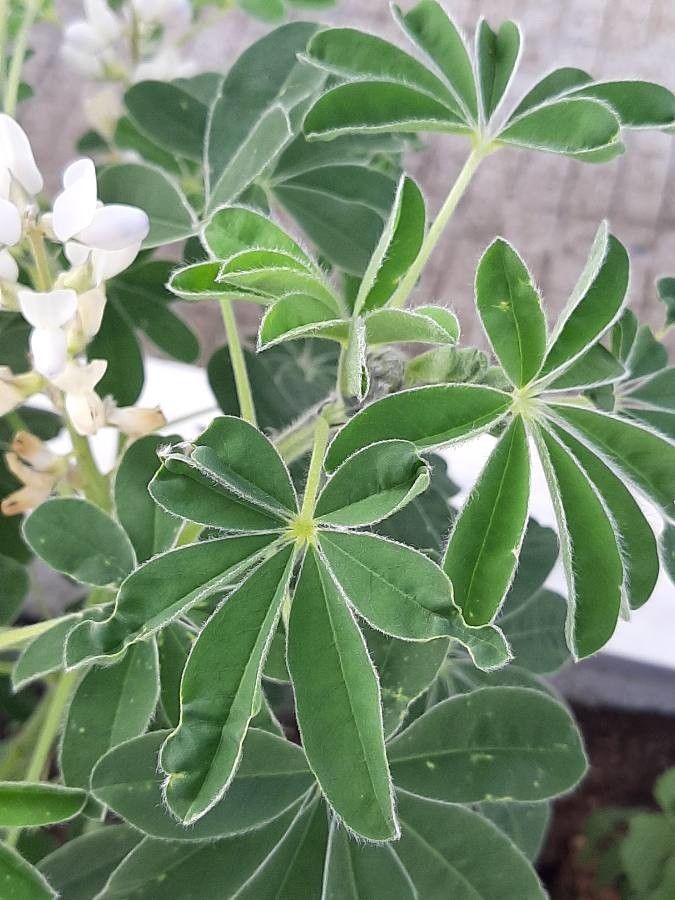
Lupinus arcticus is a species of flowering plant in the legume family known by the common names Arctic lupine or subalpine lupine. It is native to northwestern North America, where it occurs from Oregon north to Alaska and east to Nunavut. It is a common wildflower in British Columbia.This is a perennial herb growing from a taproot and producing an erect stem up to 50 centimeters tall. The dark green, hairy leaves are borne upon rough, hairy petioles up to 17 centimeters long. The leaves are palmately compound, made up of 3 to 9 leaflets each measuring up to 6 centimeters long. The inflorescence is a raceme up to 15 centimeters long bearing up to 30 flowers. The flowers are usually blue, sometimes purple, and occasionally white. The banners of the pealike flowers may be tinged with pink. The fruit is a hairy, greenish to blackish legume pod 2 or 3 centimeters long. It contains up to 10 white-speckled black seeds each about half a centimeter long. The plant may hybridize with other Lupine species when they grow together.This plant grows in several types of habitat, including fields of sedge and moss, alpine regions, and the hills of the Canadian Arctic Archipelago. It grows on tundra and in moist and wet substrates.This species has been the topic of some biological research. In 1967 it caused a stir when the seeds of this species were discovered in ancient lemming burrows dating back to the Pleistocene; the seeds were germinated and they produced plants, causing them to be declared the oldest viable seeds ever discovered. In 2009 a follow-up article detailed how radiocarbon dating was used to determine that the seeds were, in fact, just a few years old at the time of their discovery, and had probably fallen into the burrows not long before.The plant contains a neurotoxin called sparteine, possibly as a deterrent to herbivores such as the snowshoe hare. The levels of sparteine in the leaves cycle, becoming higher at night, when herbivory is more likely to occur. In addition to the hare, species of ground squirrel have been known to feed on the plant.
Arctic lupine has strong resistance to disease and is generally not likely to develop infections. Still, it can be affected by pests and diseases present in the surrounding area. Such problems are typically mild. Regarding care, this plant requires a moderate level of maintenance. It should be pruned regularly to preserve an attractive appearance and healthy growth. Applying fertilizer can also encourage more flowering. Arctic lupine is well suited for people who have outdoor areas like a garden or patio and does not demand extensive care experience. When cultivated indoors, it may need extra attention.
How to keep Lupinus Arcticus.
Light
The arctic lupine does best in full sun, which encourages robust, lively flowering. It can also tolerate somewhat reduced light without negative effects. However, too little or too much sunlight can cause stunted growth or damage to its leaves and flowers.
Water
Arctic lupine flourishes in cool climates, where it prefers well-draining soil that is moderately moist. To support its growth cycle, especially in wildflower meadows, it needs consistent weekly watering. This ensures the soil stays evenly moist, preventing it from becoming either waterlogged or too dry.
Temperature
Arctic lupine is native to cold climates and performs best in temperatures from 41 to 77 °F (5 to 25 ℃). Because it prefers cooler conditions, its care should be adjusted seasonally to prevent exposure to excessive heat, particularly in summer.
Fertilizer
The primary time to fertilize Arctic lupine is in early spring as the flowers start to form. The proper fertilizer promotes improved blooms and helps Arctic lupine produce attractive flowers. Fertilizing in early spring ensures strong flowering throughout the season and supplies energy for dormant growth stages.
Pruning
The Arctic lupine is characterized by its vibrant flower spikes and is quite resilient if pruned properly. To encourage new growth, trim any spent flowers and damaged stems in early spring. After blooming, cut the plant back again. Regular pruning helps to maintain dense foliage and minimize disease. For best results, always use clean and sharp tools.
Botanical profile.
- Plant Type
- Herb
- Life Cycle
- Perennial
- Genus
- Lupinus
- Family
- Fabaceae
- Hardiness Zone
- 4
- Mature Height
- 20 cm to 40 cm
- Mature Spread
- 30 cm
- Leaf Color
- Green, Dark Green
- Leaf Type
- Semi-evergreen
- Flower Color
- Blue, Purple, Pink
- Flower Size
- 1.02 cm to 1.52 cm
- Bloom Time
- Late spring, Early summer
- Planting Time
- Summer
- Harvest Time
- Mid summer, Late summer
Other names.
Reader questions.
How often do I need to water my Arctic lupine?
If your Arctic lupine is in a pot, you can check if it needs water by sticking your finger in the soil. If the top two to three inches of soil are dry, it's time to water it. The same method can be used if you have your Arctic lupine planted outdoors in the ground. When the top few inches of soil are dry, it's time to give it water. Typically, during the spring and early fall, watering once a week will be enough. However, in very hot weather, you may need to water it twice a week or even more. It's worth noting that mature, well-established Arctic lupines can handle drought well.
What will happen if I put too much fertilizer on my Arctic lupine?
When caring for your Arctic lupine, remember that it doesn't require much fertilizer and can suffer if given too much. Overfertilization can lead to fertilizer burn, where excessive amounts of fertilizer take away nutrients and moisture from the roots, causing the plant to decline. Additionally, overfertilizing weakens the plant and increases the risk of disease. It's also possible that overfertilization may result in fewer or no flowers, which is a significant drawback given the plant's value and popularity among gardeners.
Can the sun harm Arctic lupine? How can I keep Arctic lupine safe from the sun and heat damage?
In warm climates, some Perennial Flowering Plants may struggle with excessive heat and suffer from sun damage. They can wilt, dry out, or even experience growth problems if they are consistently exposed to the intense afternoon sun. However, not all plants require protection from the light afternoon sun. For those that are harmed by intense afternoon exposure, it is recommended to provide them with some shade in warmer climates. Gardeners can achieve this by planting these plants in areas that do not receive direct heat during the afternoon, such as under trees or behind bushes.
Three suggestions for controlling the temperature of Arctic lupine.
Here are some tips to help you grow Arctic lupine indoors: Tip #1: Choose the coldest room: Select the coldest room in your home for growing Arctic lupine. This room is typically on the side of your house that doesn't get intense heat from the sun during the middle of the day. However, ensure that the room still receives a healthy amount of sunlight. Arctic lupine needs some sunlight to grow, so avoid zero sunlight which can hinder its growth. Tip #2: Avoid high temperatures: Spring and early summer, the growing season for Arctic lupine, sometimes bring high temperatures. These fluctuations can negatively impact the flowering stage of the plant, causing buds to turn into non-flowering buds. To ensure your Arctic lupine blooms beautifully, maintain a temperature range of 65-75℉ (18-25℃). Tip #3: Protect from frost: Although Arctic lupine can tolerate temperatures as low as -5℉ (-20℃), it can't withstand significant frost. If exposed to frost during late fall and winter, the plant will show signs of damage. Look for wilting and discoloration, which may progress to brown or black as the affected parts die. Prune any damaged parts to keep the plant alive.
How should I water my Arctic lupine as it grows?
The water needs of the Arctic lupine can vary depending on its growth stages. When the plant is in its early years or recently transplanted, it requires more water than usual. During these stages, the focus of the plant is on developing new roots to support future growth. These roots thrive with slightly more moisture. As the plant matures, it will require less water. Additionally, during the bloom period, the plant may need additional water as flower development requires a significant amount of moisture.
Why do I need to add plant food to my Arctic lupine?
Fertilization is important for the Arctic lupine due to several reasons. Primarily, it provides key nutrients for the plant's growth both above and below the ground. However, the overall fertilization needs for the Arctic lupine are relatively low. Although an Arctic lupine can sometimes survive well without fertilization, annual fertilization can be highly beneficial. It helps keep the plant alive and may also enhance the production of longer-lasting, better-quality flowers. Therefore, if one wants their Arctic lupine to look its best, they should continue with annual fertilization.
Does the Arctic lupine require specific attention to sunlight at different stages of growth?
Arctic lupine is a lovely flower for gardens, and it blooms best when it receives at least six hours of sunlight per day. It is beneficial for the flowers to have some shade during the hottest parts of the day, as this helps them stay fresh for longer. When the Arctic lupine plants are young, it is important to make sure they receive enough sunlight without being exposed to intense heat in the afternoon. However, once the plant is fully mature, it should be given plenty of sun to support its growth.
What is the easiest way to keep Arctic lupine at the right temperature?
If you plan on putting Arctic lupine outside, you'll need to make sure it has shade to protect it from the midday sun. While Arctic lupine needs plenty of sunlight to grow well, direct sunlight can raise the temperature and harm the plant. Find a spot with structures or tall trees that can provide shade during the hottest part of the day. If your climate isn't suitable for Arctic lupine or you don't have enough space in your garden, you can grow them indoors instead. It's easier to control the temperature indoors, and using fans, ventilation, or an air conditioning unit can help maintain the ideal temperature range of 65~75℉(18~25℃).
How should I water my Arctic lupine plant?
To properly water the Arctic lupine, use filtered water at room temperature or slightly warmer. Tap water can harm the plant due to potential harmful particles. The Arctic lupine prefers warm environments, so cold water can be a shock. Avoid overhead watering to prevent foliage issues. Instead, thoroughly soak the soil with filtered room temperature water. This will benefit the plant by moisturizing the roots and aiding their spread through the soil to gather necessary nutrients.
When should I fertilize my Arctic lupine?
The best time to fertilize an Arctic lupine is in late winter to early spring. During this period, the plant is transitioning from dormancy to active growth. Fertilizing at this time promotes healthy growth and sets the plant up for a successful season. Although it is generally recommended to fertilize in early spring, it is also acceptable to fertilize in the fall. However, it is not advisable to fertilize during the summer and winter seasons.
What kind of sunlight do Arctic lupine plants need?
Arctic lupine thrives in full sun and requires at least six hours of sunlight daily to stay healthy. While most perennials also need six hours of sunlight, plants like the Orange Daylily or Giant Coreopsis can survive with just three hours of direct sunlight. However, they won't reach their full potential without more sunshine.
What temperature does Arctic lupine like the best?
Arctic lupine grow best in cooler weather. To ensure their optimal growth, it is recommended to keep them within a temperature range of 65~75℉ (18~25℃). Although they can tolerate higher and lower temperatures, it is advisable to maintain them within a few degrees of this range. Deviating from this range won't stop their growth entirely, but it may cause some damage or reduced growth. On the higher side, temperatures between 75~85℉ (25~30℃) can be tolerated, while on the lower side, Arctic lupines can handle temperatures as low as 5℉ (-15℃). However, it is crucial to note that exceeding the upper range is more detrimental, as Arctic lupines prefer cooler environments. If the temperature rises above 85℉ (30℃), it could significantly slow down their growth or even lead to the plant dying.