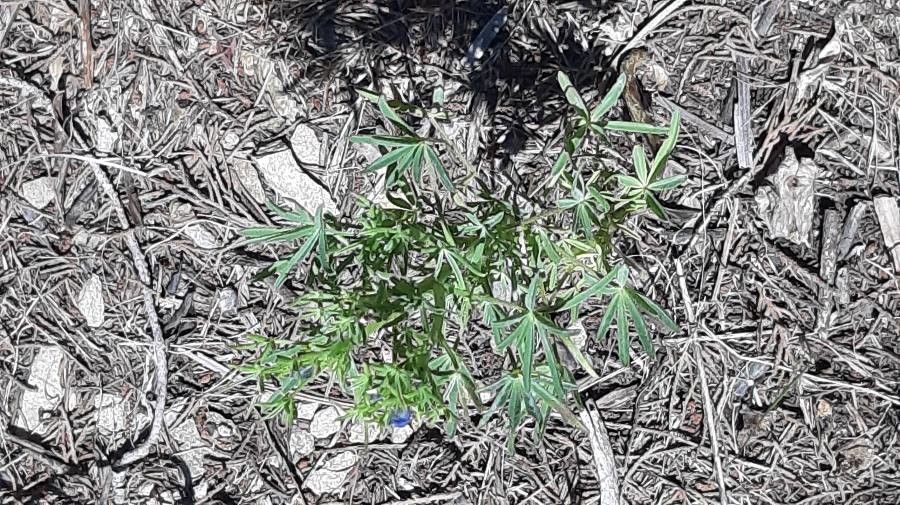
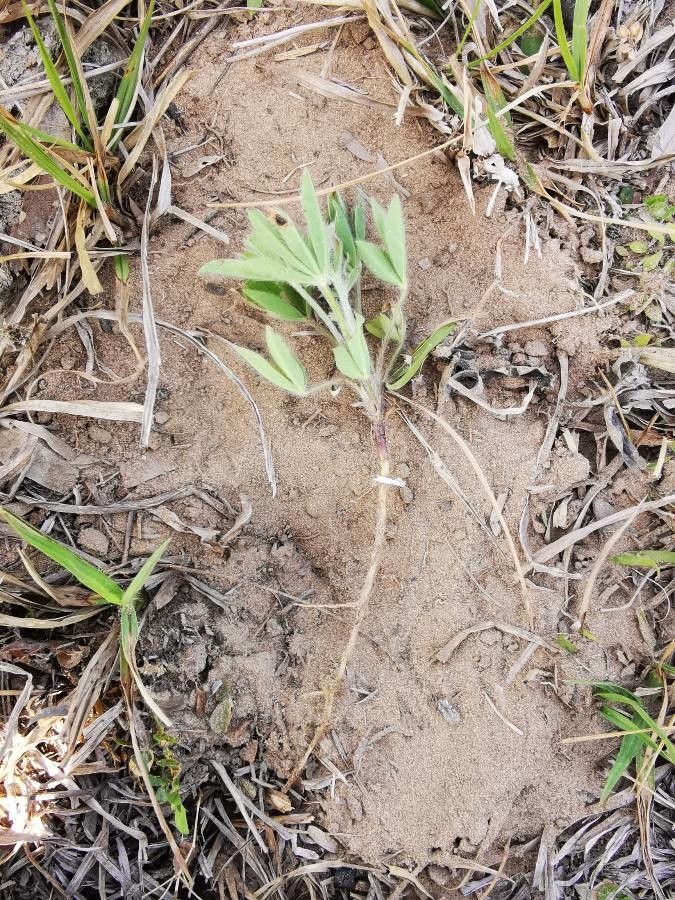
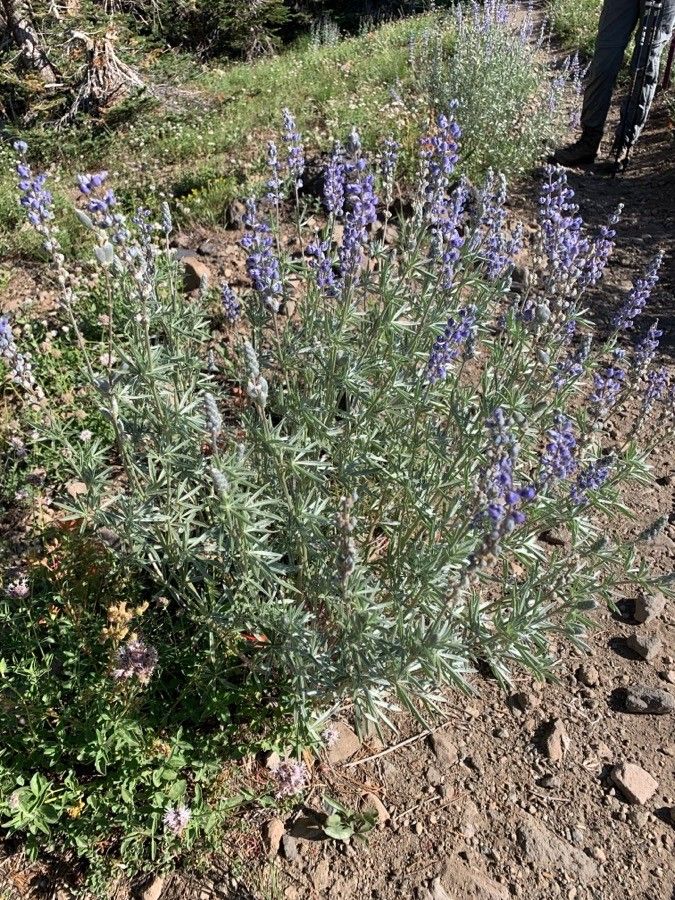
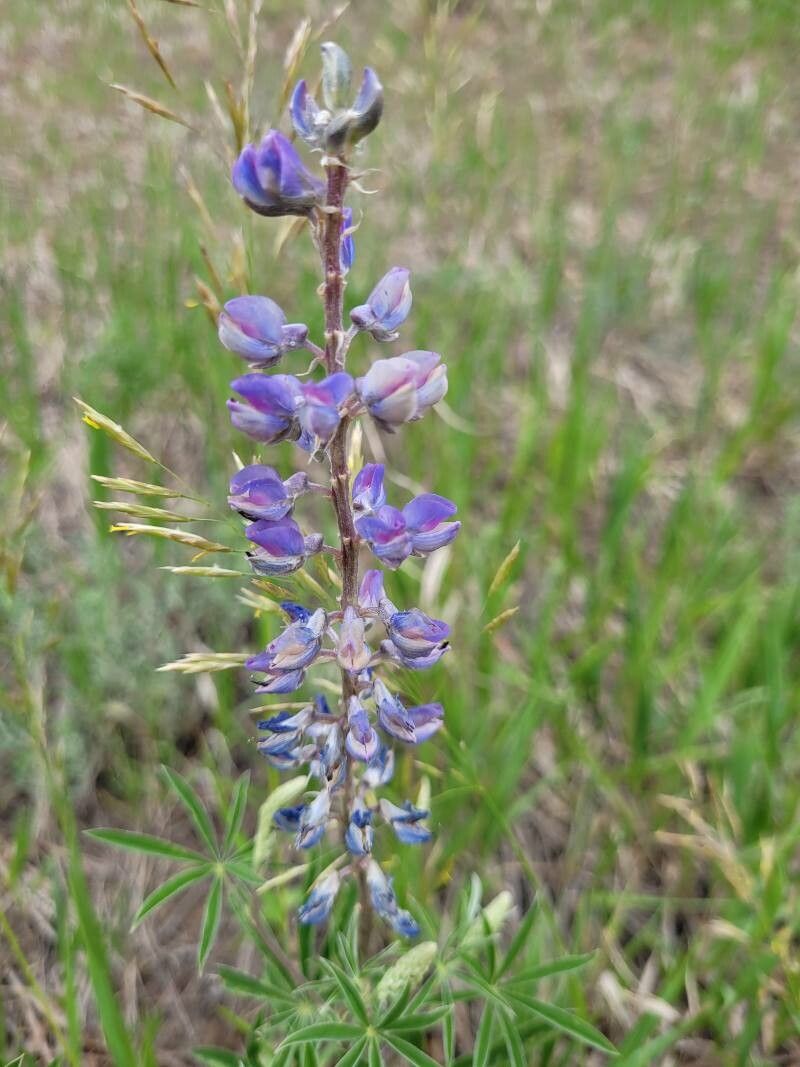
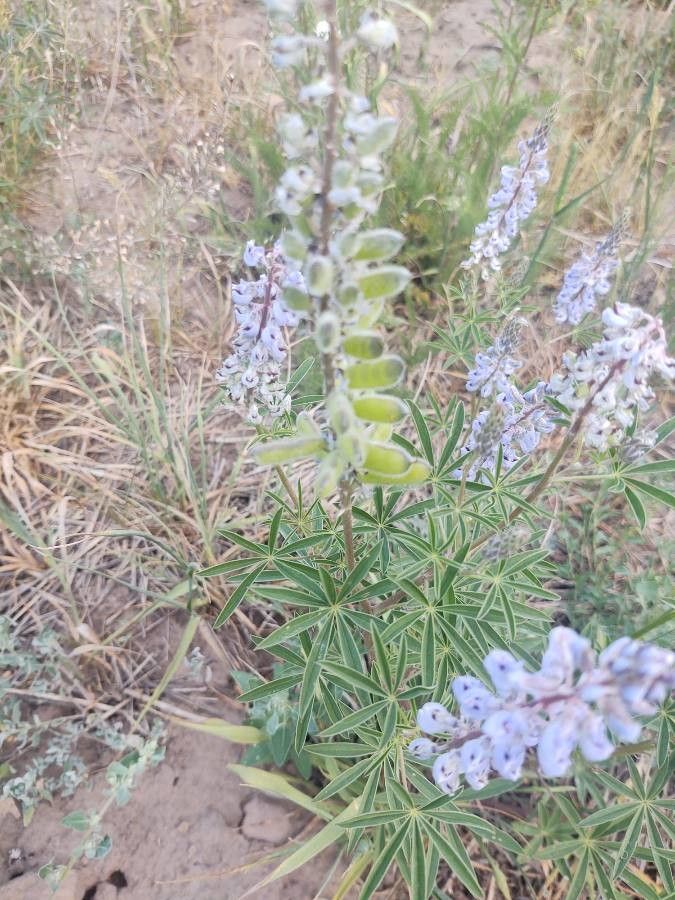
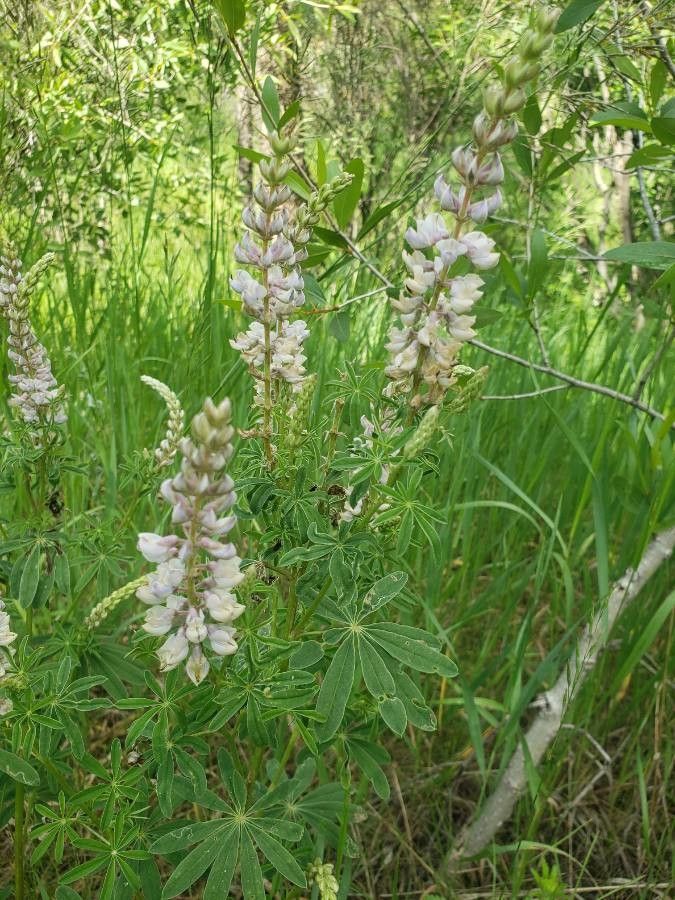
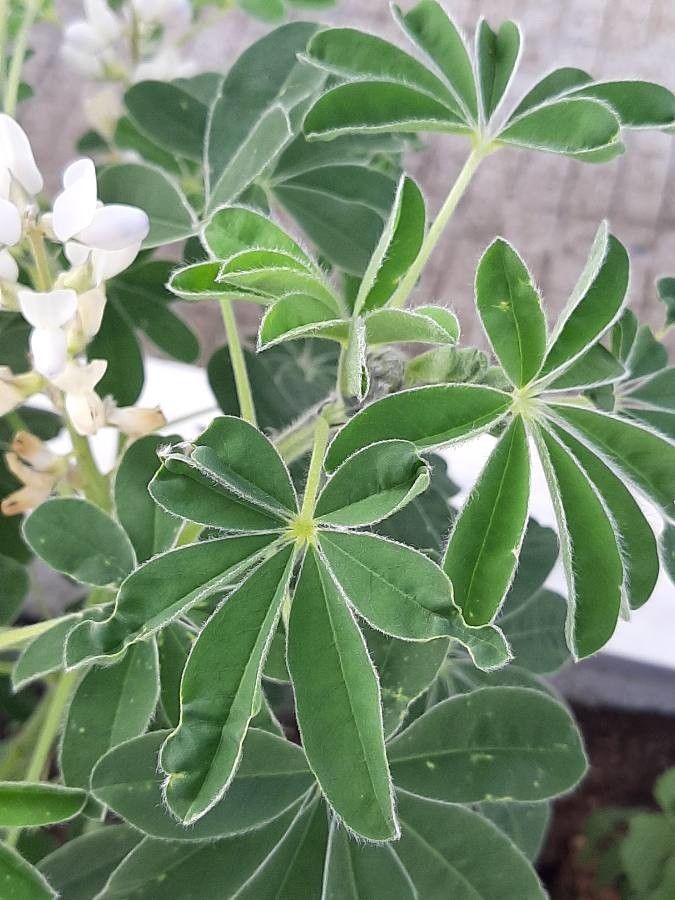
Lupinus argenteus, commonly known as silvery lupine, is a perennial herbaceous plant in the Fabaceae family. Native to western North America, it thrives in various habitats, including meadows, open woods, and rocky slopes.
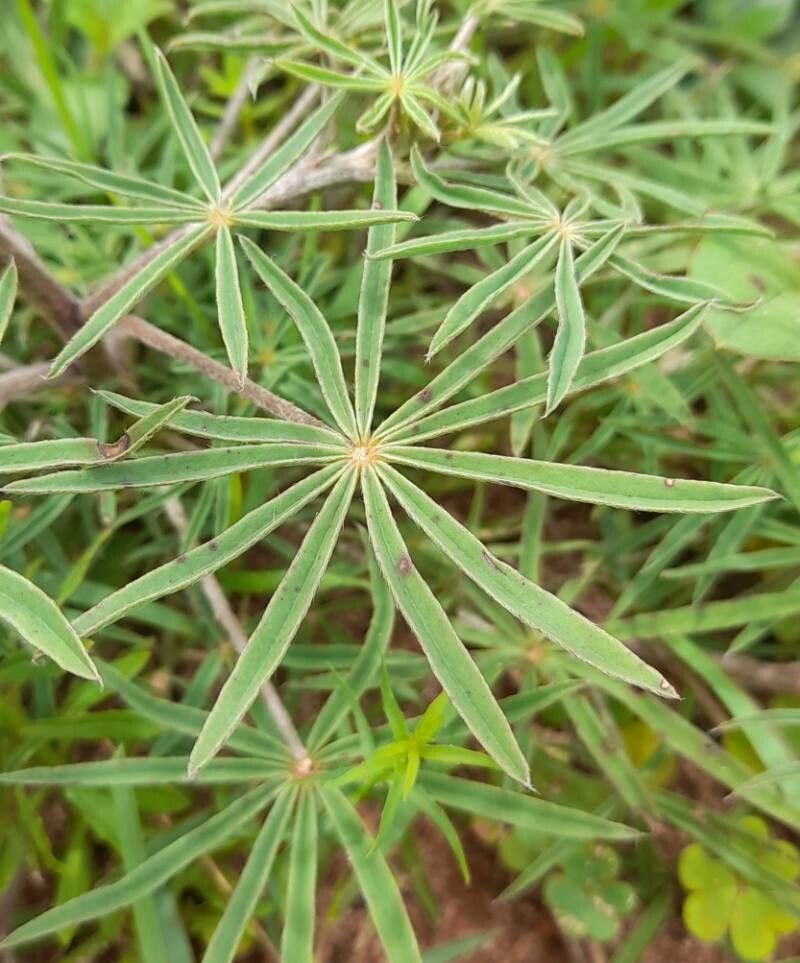
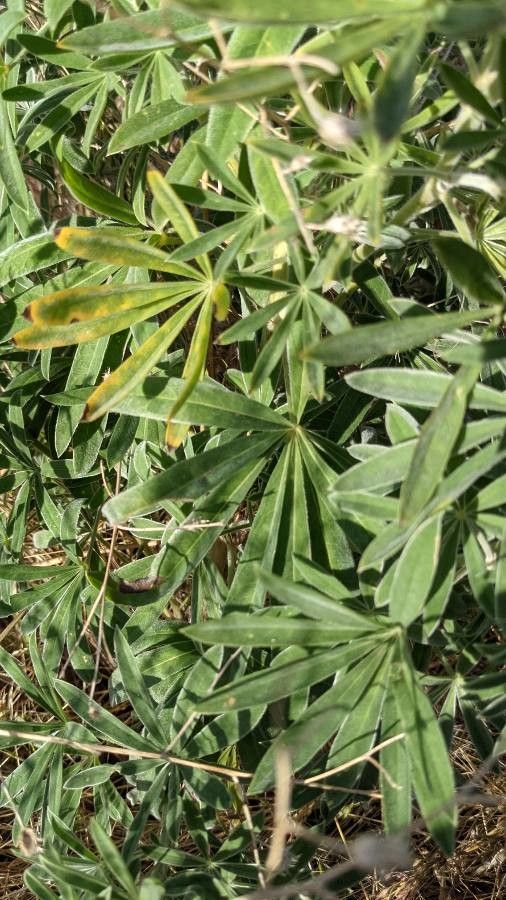
Typically, the plant grows up to 1 meter tall and features silvery-green leaves that are palmately compound with 5 to 9 leaflets. Its flowers are densely packed in spikes that can reach up to 30 cm long, with colors ranging from blue-purple to pink or white.
Silvery lupine plays a crucial role in the ecosystem by being a nitrogen-fixing plant, which means it can convert atmospheric nitrogen into a form that other plants can use. Additionally, it serves as a food source for various pollinators, such as bees and butterflies.
In traditional medicine, Lupinus argenteus has been used for its anti-inflammatory properties and as a remedy for respiratory ailments like asthma.
Overall, Lupinus argenteus is not only an attractive plant but also an ecologically significant one, found throughout the diverse habitats of western North America.
Silvery lupine has strong disease resistance and is generally not susceptible to illnesses. Still, it can be affected by pests and diseases present in its environment. Such infections are generally mild. Regarding care, this plant needs moderate maintenance. Regular pruning is required to keep a neat appearance and support healthy growth. Applying fertilizer can also encourage flowering. Silvery lupine is appropriate for anyone with outdoor space, like a garden or patio, and does not demand extensive care experience. When grown indoors, it may need increased attention.
How to keep Lupinus Argenteus.
Light
Silvery lupine is a sun-loving perennial herbaceous plant native to open habitats, commonly occurring in meadows and grasslands. It prefers full sun but can also tolerate partial sun conditions.
Water
Silvery lupine is well-suited to arid environments, thanks to its excellent drought tolerance. It thrives with a balance of moisture and dryness, needing weekly watering to meet its requirements. Being an evergreen, silvery lupine grows best in well-drained soil, which indicates its preference for conditions that are not waterlogged.
Temperature
Silvery lupine can tolerate a broad range of temperatures, but its range may still be restricted by various combinations of moisture and heat. It does best in warm summer climates with enough rainfall or watering. Extended periods of cloudy, rainy weather or prolonged high temperatures can raise the chance of Silvery lupine dying. In winter, adequate protection from cold can increase the plant's survival.
Fertilizer
The best time to fertilize a Silvery lupine is in early spring, as it emerges from dormancy and starts active growth. Fertilization supplies essential nutrients for healthy development. Although Silvery lupine has fairly low fertilizer requirements, applying fertilizer annually can improve its survival and encourage better, longer-lasting blooms.
Pruning
To keep your silvery lupine healthy and vibrant, it's best to prune it in early spring. During this time, focus on removing dead stems and spent flowers, and shape the plant to encourage strong growth. This timing not only promotes healthy blooms but also improves air circulation, which helps reduce the risk of disease. With regular maintenance, your silvery lupine will thrive, adding beauty to your garden.
Botanical profile.
- Plant Type
- Herb
- Life Cycle
- Perennial
- Genus
- Lupinus
- Family
- Fabaceae
- Hardiness Zone
- 4-8
- Mature Height
- 0.1 m to 1.52 m
- Mature Spread
- 30 cm
- Leaf Color
- Green
- Leaf Type
- Deciduous
- Flower Color
- Blue, Purple, Lavender
- Flower Size
- 1.02 cm to 1.52 cm
- Bloom Time
- Late spring, Early summer, Mid summer
- Planting Time
- Spring, Summer
- Harvest Time
- Mid summer, Late summer, Early fall
Other names.
Reader questions.
What are the sunlight requirements for Silvery lupine?
Silvery lupine (Lupinus argenteus) thrives in conditions ranging from full sun to partial sun. Full sun exposure means the plant should receive above 6 hours of sunlight daily, while partial sun refers to about 3-6 hours of sunlight. It's important to observe the way sunlight moves through your garden to find spots that offer the ideal mix of light and shade, ensuring the well-being of your Silvery lupine.