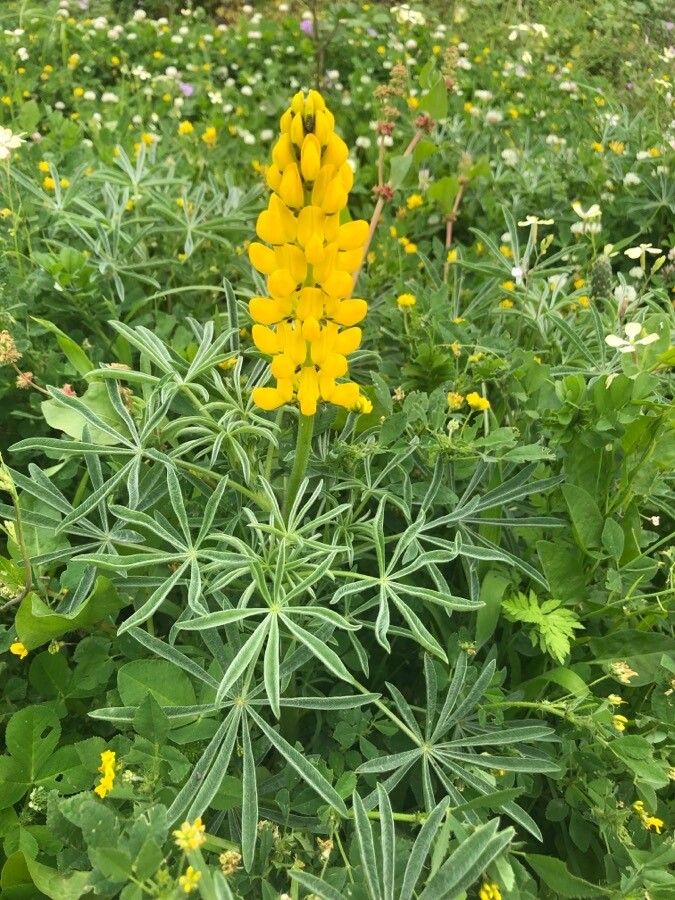
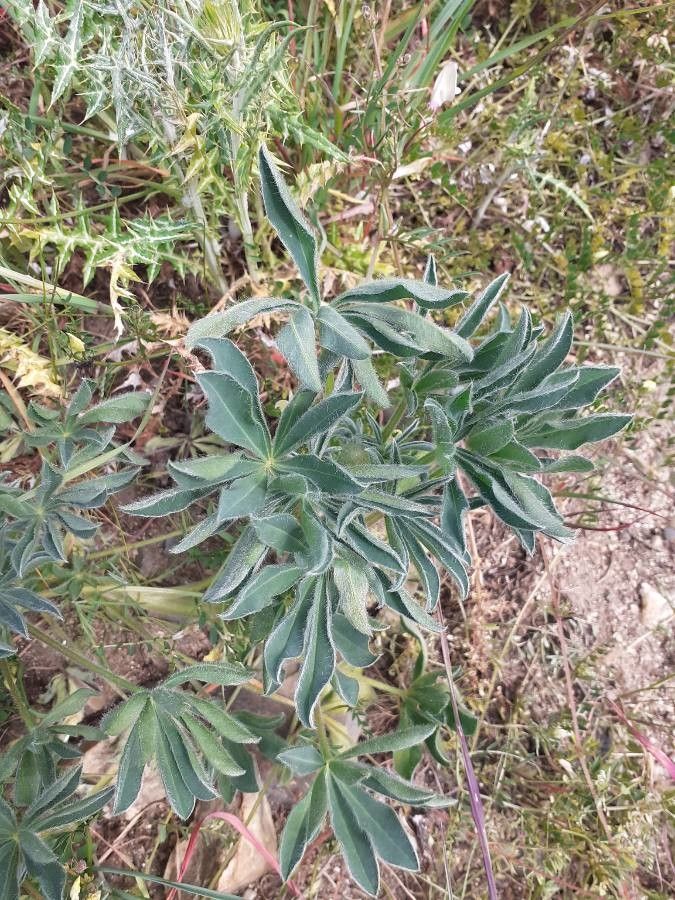
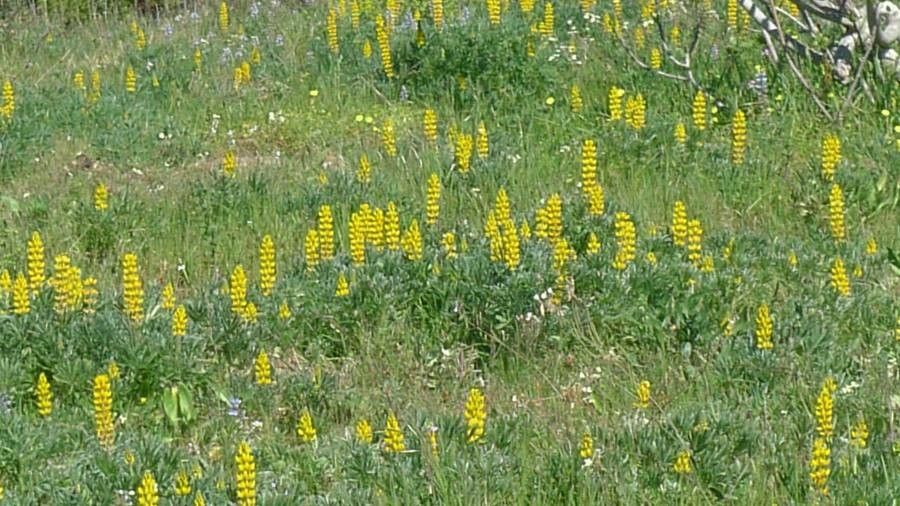
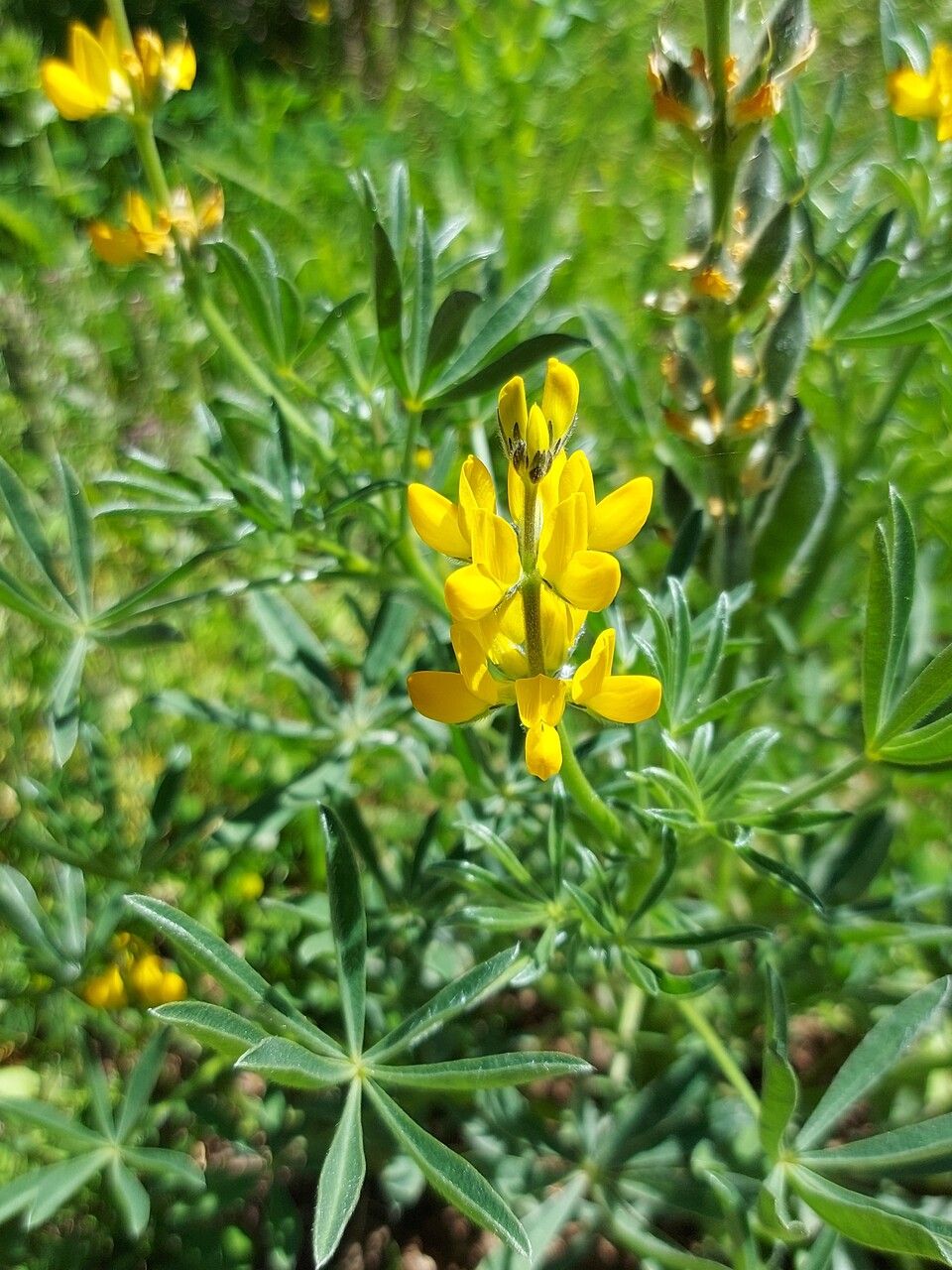
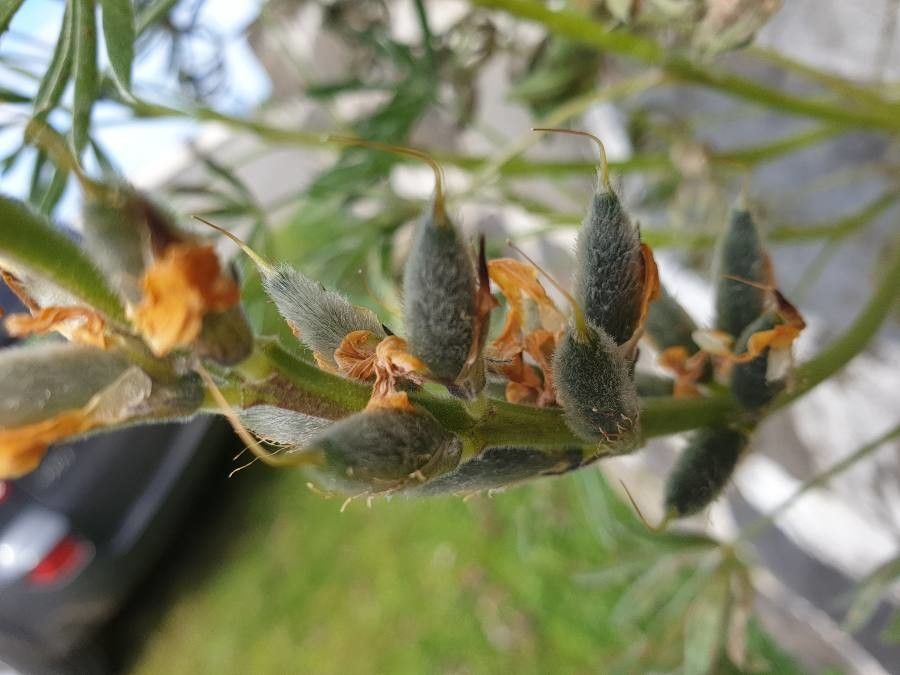
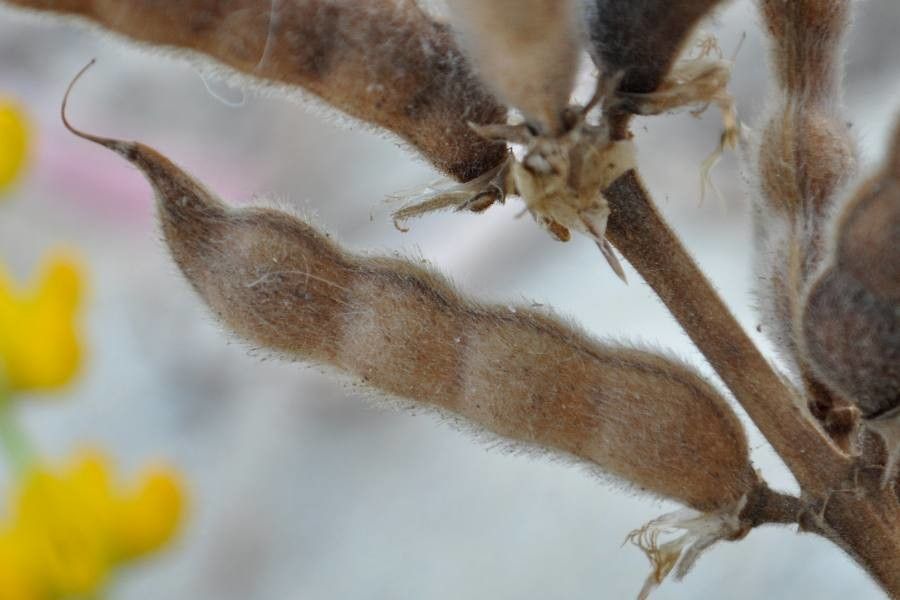
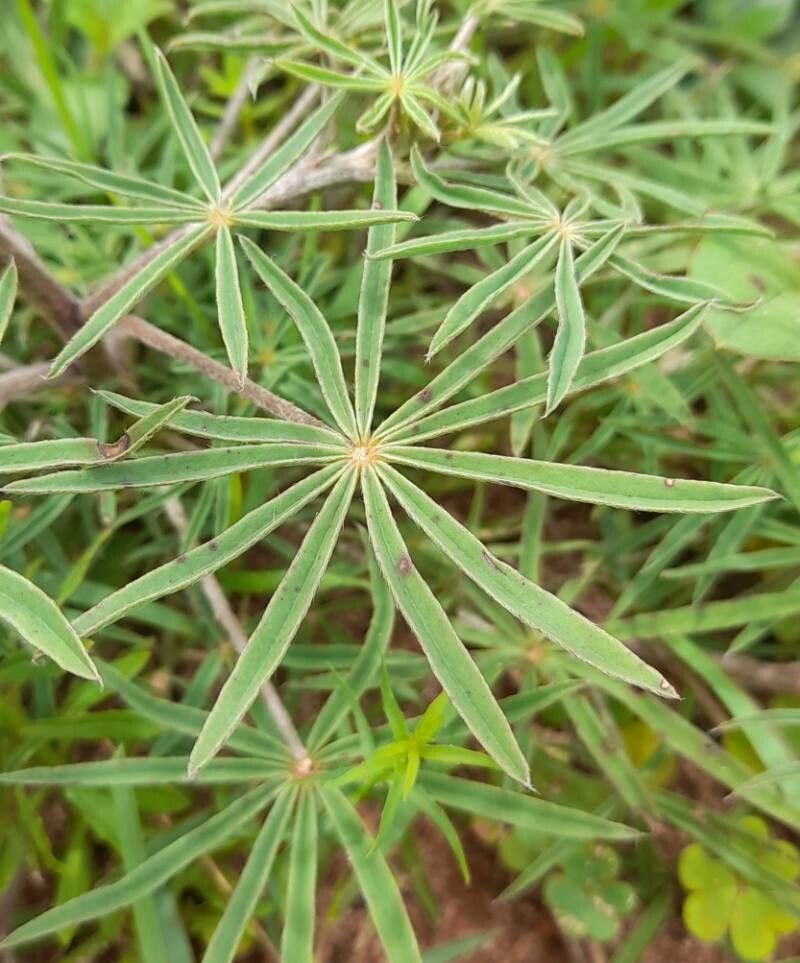
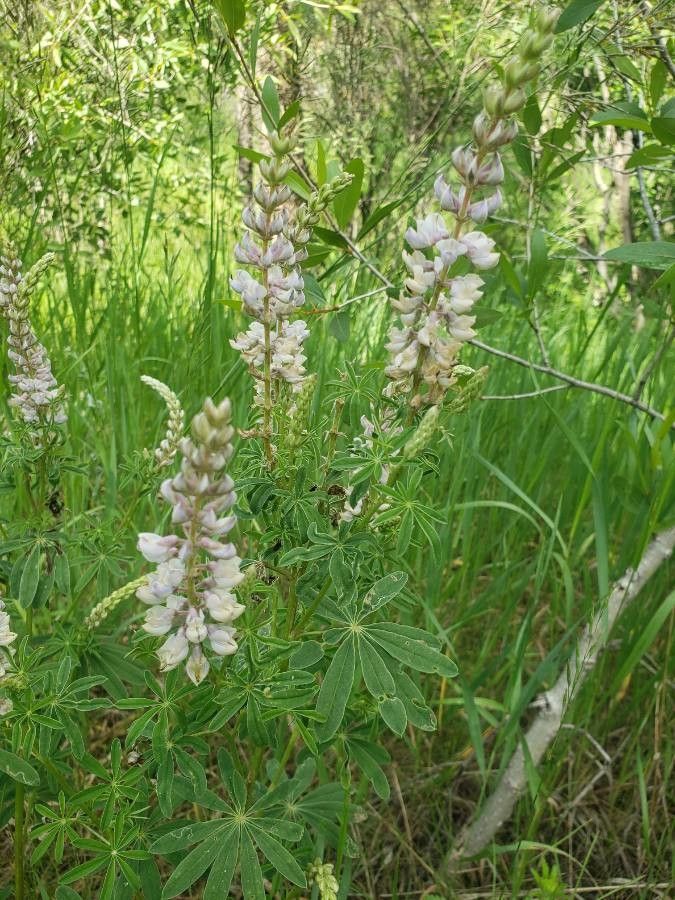
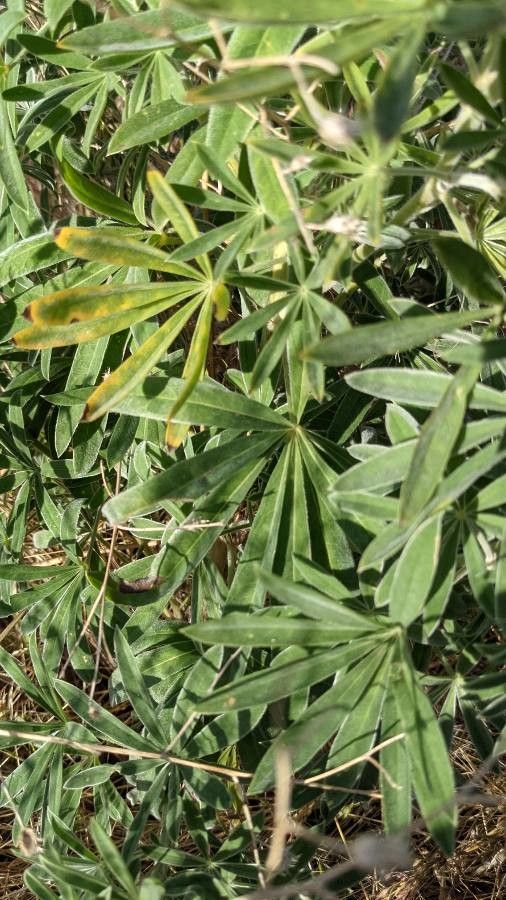
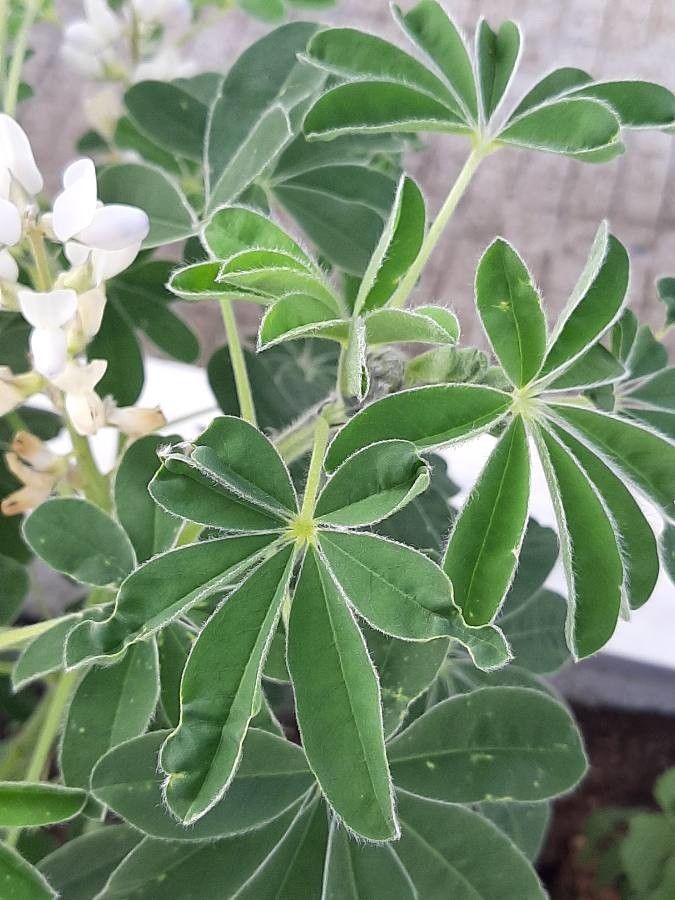
Lupinus luteus is known as annual yellow-lupin, European yellow lupin or yellow lupin. It is native to the Mediterranean region of Southern Europe.
European yellow lupine has strong resistance to disease and is generally not prone to illnesses. However, it can be affected by pests and diseases present in its environment. These outbreaks are typically not severe. In terms of care, the plant requires moderate maintenance. It needs regular pruning to keep a good appearance and support healthy growth. Fertilizing can also help encourage flowering. European yellow lupine is well suited for anyone with an outdoor area, such as a garden or patio, and does not demand extensive care experience. It may need more attention when cultivated indoors.
How to keep Lupinus Luteus.
Light
European yellow lupine thrives in locations that get nearly uninterrupted sunlight during the day, though it can adjust to places with uneven light. Its healthy development depends on plentiful sun. Both too much and too little sunlight can compromise its vigor, reflecting its origin in open-field habitats.
Water
The European yellow lupine, native to the Mediterranean region, prefers moderate moisture and can tolerate short periods of drought. To maintain optimal hydration, it should be watered once a week. This plant thrives outdoors and can adapt to various types of soil, though it flourishes best in well-draining conditions that support healthy root growth.
Temperature
European yellow lupine is native to habitats where temperatures range from 68 to 95°F (20 to 35℃). It prefers that warm range, and conditions should be adjusted in cooler seasons to match it.
Fertilizer
When most of the European yellow lupine’s flowers are fully open, resume fertilizing. At about the peak of bloom, apply fertilizer every three to four weeks, as weather allows. Once the plant starts producing fewer new blooms, stop fertilizing — there’s no need to feed it when it can’t produce more flowers.
Pruning
The European yellow lupine boasts vibrant yellow flowers and has the ability to fix nitrogen. To promote growth and maintain its shape, it is important to prune spent blooms and shorten the stems. The best time to perform pruning is from early to late spring. This practice enhances air circulation, minimizes the risk of disease, and supports overall vigor, ensuring a healthy and attractive plant.
Botanical profile.
- Plant Type
- Herb
- Life Cycle
- Annual, Biennial
- Genus
- Lupinus
- Family
- Fabaceae
- Hardiness Zone
- 5-9
- Mature Height
- 40 cm to 91 cm
- Mature Spread
- 20 cm to 40 cm
- Leaf Color
- Green, Gray, Silver
- Leaf Type
- Deciduous
- Flower Color
- Yellow
- Flower Size
- 1.52 cm to 1.78 cm
- Bloom Time
- Mid spring, Late spring, Early summer
- Planting Time
- Spring, Summer, Autumn
- Harvest Time
- Summer
- Native Area
- Tunisia, Portugal, Spain, Algeria, Lebanon
Other names.
Reader questions.
How should I water my European yellow lupine?
To water European yellow lupine, you have several options. You can use a garden hose with a spray nozzle, a watering can, or any other common watering tool. The plant is not too choosy about its water source and can survive with rainwater, tap water, or filtered water. Avoid watering from above as it can harm the leaves and flowers and increase the risk of disease. A drip irrigation system is often the best method for watering this plant, as it delivers water evenly and directly to the soil. For container-grown lupines, you can apply water directly to the soil using a cup, watering can, or tap.
Why should I put fertilizer on my European yellow lupine?
Plants require nutrients to survive, and this is common knowledge among gardeners, regardless of their level of experience. In the case of European yellow lupine, it is particularly important to provide the right nutrients in the right quantities, as without them, the plant will die out soon after the first pollination. By fertilizing European yellow lupine, not only does it assist in the development of a strong and healthy root system, but also in extending its blooming period. This is especially beneficial for European yellow lupine, as its root system is thin and prone to damage. Additionally, fertilizing at the time of planting helps establish a sturdy root structure that not only provides stability but also sets the stage for an impressive flowering display.
What are the sunlight requirements for European yellow lupine?
European yellow lupine thrives in areas with substantial sun exposure throughout the day but can adapt to places where sunlight is more unevenly distributed. It requires full sun, which is above 6 hours of sunlight daily, for optimal growth, although it can survive in partial sun, about 3-6 hours of sunlight. Adequate sunlight is crucial for the plant's robustness, mirroring its native habitat in open fields.
What is the ideal temperature range for European yellow lupine?
European yellow lupine thrives best in environments where temperatures range from 68 to 95°F (20 to 35°C). This warm temperature range is ideal for the plant, and efforts should be made to maintain these conditions, especially in cooler seasons. The plant has notable cold resistance and does not generally require special frost protection measures in winter. However, if temperatures are expected to fall below -25°C, it is important to provide protection by covering the plant with materials like soil or straw. Additionally, watering the plant abundantly before the first freeze in autumn to keep the soil moist is recommended to prevent drought and ensure the plant has sufficient water in winter and early spring.
Am I giving enough water to my European yellow lupine?
European yellow lupine can be challenging to water correctly. While it's important to keep the soil moist on a weekly basis because these plants have deep roots, they are prone to root rot if overwatered. Overwatering can also cause browning in the plants. Underwatering is less of a concern as these plants can survive without supplemental watering for an extended period. However, if you wait too long to water them, they will start to wilt and their leaves may become dry.
When should I give fertilizer to my European yellow lupine to make it grow best?
Once the danger of the last frost has passed, European yellow lupine experiences tremendous growth early in the growing season. It is recommended to fertilize the lupine during planting, whether it is in the ground or in planters. This initial dose of fertilizer will be sufficient until later in the year when the blooms are in full force. When the season is in full swing and most of the blooms have opened, it is time to resume fertilizing. Fertilize once every three to four weeks, depending on the weather, around the time when the blooms are at their peak output. However, once the lupine starts producing fewer new blooms, there is no need to continue fertilizing.
How can artificial lighting support indoor European yellow lupine plants?
For indoor European yellow lupine plants, when natural sunlight is insufficient, artificial lighting becomes essential for promoting healthy growth, especially in winter or less sunny areas. LED lights are recommended due to their ability to be customized to specific plant needs. Full sun plants should have 30-50W/sq ft, partial sun plants 20-30W/sq ft, and full shade plants 10-20W/sq ft of artificial light. The lights should be placed 12-36 inches above the plant for 8-12 hours per day to mimic natural daylight hours effectively.
How does European yellow lupine react to low and high temperatures?
At low temperatures, European yellow lupine demonstrates cold tolerance, thriving best above 20°C and needing to be kept above 0°C during winter. Below -25°C, the plant may not show immediate damage but could have a reduced or absent sprouting in the following spring. In cases of such extreme cold, the solution is to remove parts that have failed to sprout in spring. In contrast, during high temperatures, specifically above 35°C, the plant's leaves can become lighter, curl, and in severe cases, it can wilt and dry completely if temperatures exceed 38°C. To mitigate damage from high temperatures, trim away the affected parts, move the plant to a shaded area or use shade cloth to protect it from the intense midday and afternoon sun, and ensure the soil remains moist by watering in the morning and evening.
How do I water my European yellow lupine throughout the year?
As the season progresses, your European yellow lupine's water requirements will increase. In spring, watering once a week should suffice. However, as summer arrives, the heat will likely necessitate more frequent watering, sometimes up to three times per week. This is particularly true for lupines grown in containers, as the soil in containers tends to dry out faster than ground soil in warm weather. In autumn, when the temperature cools down and the sun's intensity diminishes, your blooming lupine may require slightly less water.
When is it not a good idea to fertilize my European yellow lupine?
Fertilizing European yellow lupine is important, but it's crucial to apply it at the right time. Sometimes, it's necessary to hold back on fertilization due to climate or controllable factors. In cases where something is wrong with the plant, soil, or climate, it is best to wait until the issues are resolved and the plant has recovered. For instance, if there are sudden severe weather changes like a cold spell in the middle of summer, it's better to wait for warm weather before fertilizing. Similarly, if the soil becomes too dry or compacted, fertilizing would only reach the roots directly instead of being properly absorbed by the soil. This is not beneficial for the roots of European yellow lupine. Additionally, it's important to avoid fertilizing during extremely hot temperatures, particularly during the hottest parts of the day when temperatures reach 90 degrees Fahrenheit. Fertilizer can break down at different speeds based on temperature, so it's crucial to avoid rapid breakdown due to high heat. Lastly, before re-fertilizing, it's essential to address and resolve any pest or disease issues.
What are the symptoms of inadequate light for European yellow lupine?
Inadequate light can lead to several issues for European yellow lupine, such as small or lighter-colored new leaves, lean and sparse growth making the plant appear weak, accelerated leaf dropping, stunted growth, and chlorosis, where leaves turn yellow due to inadequate chlorophyll. Excess sunlight can cause symptoms like sunscald, leaf curling to minimize water loss, wilting, and leaf scorching, where leaf edges turn brown and crispy.
What should I do if I give too much or too little water to my European yellow lupine?
To avoid underwatering your European yellow lupine, simply water it more consistently once you notice it lacks moisture. Overwatering is a much bigger concern as it can lead to serious issues if not caught early. Overwatering can cause diseases that can ultimately kill the plant. To prevent this, choose a location with ample sunlight to dry the soil and ensure proper drainage to prevent water from pooling and creating waterlogged soil. If you have overwatered your potted European yellow lupine, consider transferring it to a new pot with better drainage and loose soils.